


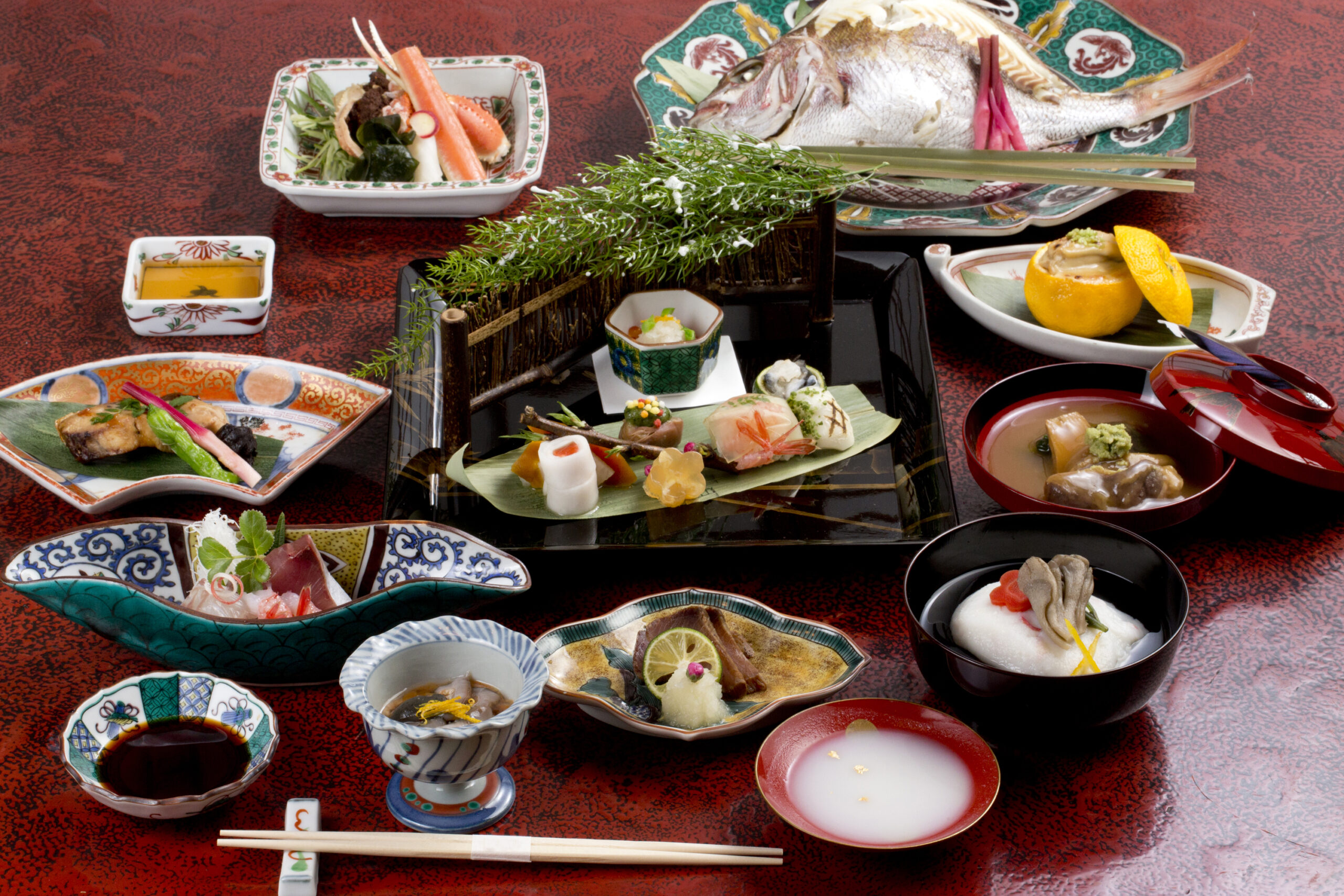


If you are a fan of noodles, you are in for a real treat today. We are exploring a very special dish from the mountains of Gunma, Japan. It is called Mizusawa Udon. This dish is loved for being simple, refreshing, and incredibly tasty. Let’s find out why it has been a favorite for hundreds of years!
What is Mizusawa Udon?
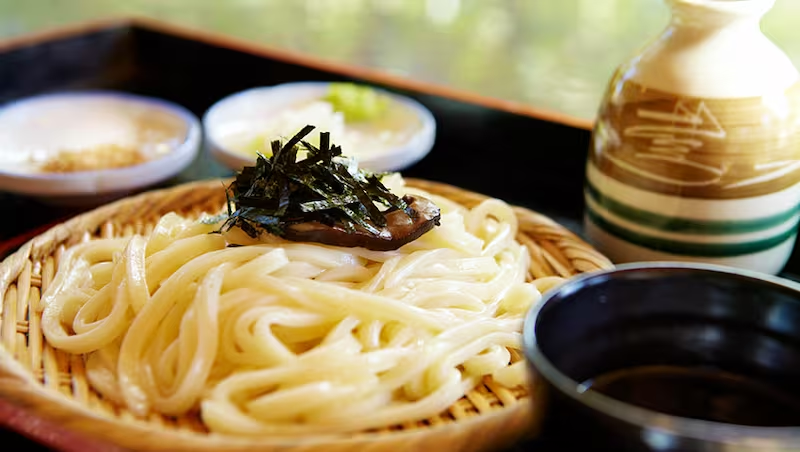
Mizusawa Udon is famous for being one of the “Three Great Udons” in all of Japan. It is made with only three natural ingredients: high-quality wheat flour, a bit of salt, and fresh, pure water from nearby Mt. Mizusawa.
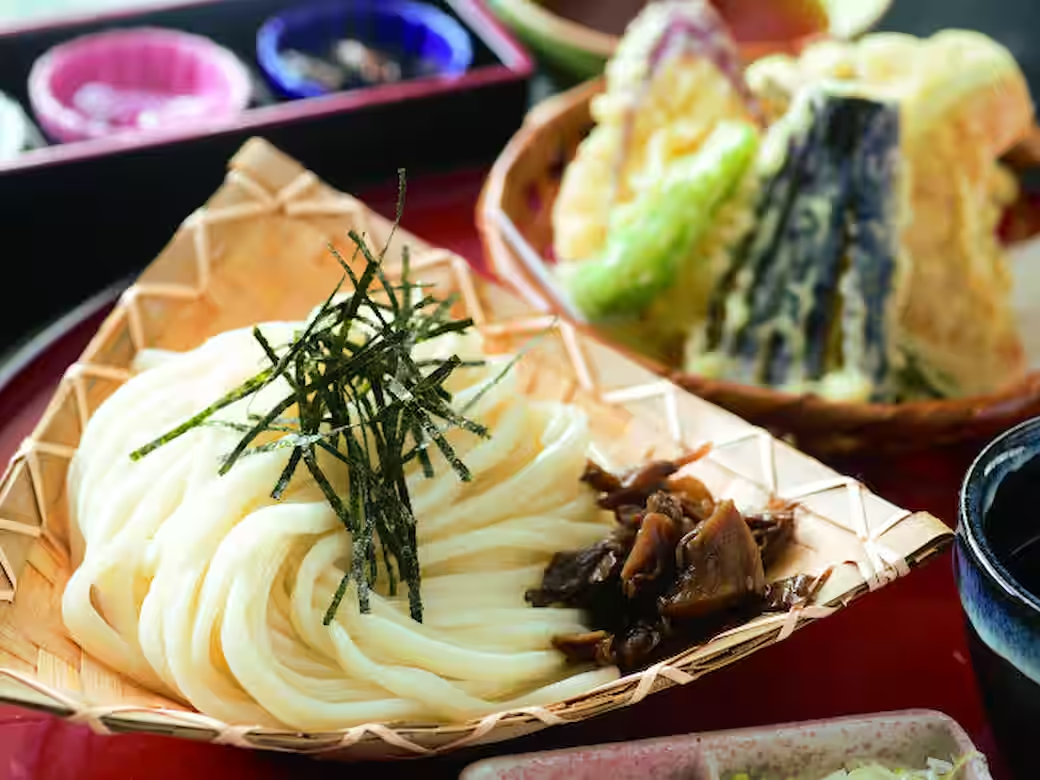
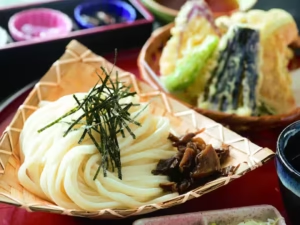
These noodles have a very special look. They are white and shiny, and they look almost clear when they are cooked. When you take a bite, they feel very smooth and have a nice, firm “chew” that Japanese people call koshi. Most people enjoy them cold on a bamboo tray. You dip the noodles into a bowl of soy-based sauce or a creamy, rich sesame sauce.
What the Noodles Feel Like the Moment They Hit Your Mouth
Smooth, Firm, and Gone Before You Realize Each bite carries a natural wheat sweetness and a faint, clean fragrance that lingers. The noodles slide in effortlessly, yet the koshi holds firm throughout. Simple, yet oddly hard to stop eating.
The Sauce That Changes Everything
One Bowl, Two Completely Different Experiences The soy-based tsuyu is clean and bright. The sesame sauce, made from aromatic golden sesame seeds, delivers a rich and deeply savory flavor that coats every strand. Many visitors find themselves reaching for the sesame bowl more than expected.
A Story from the Temple
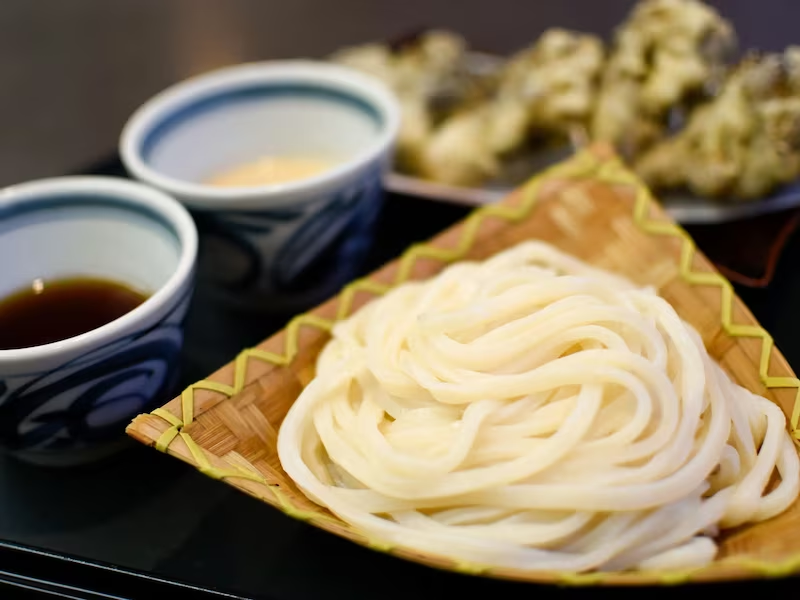
This noodle has a long history that goes back more than 400 years. Legend says that a monk from a place called Goryeo came to the Mizusawa-dera Temple and taught the local people how to make these noodles.
Around the year 1576, the temple began serving this handmade udon to travelers who came to visit and pray. Because the food was so delicious and filling, it became a famous treat for people visiting the nearby Ikaho hot springs. Today, there is even a place called “Mizusawa Udon Street” where many shops still serve this classic meal.
Why It Is Good for You
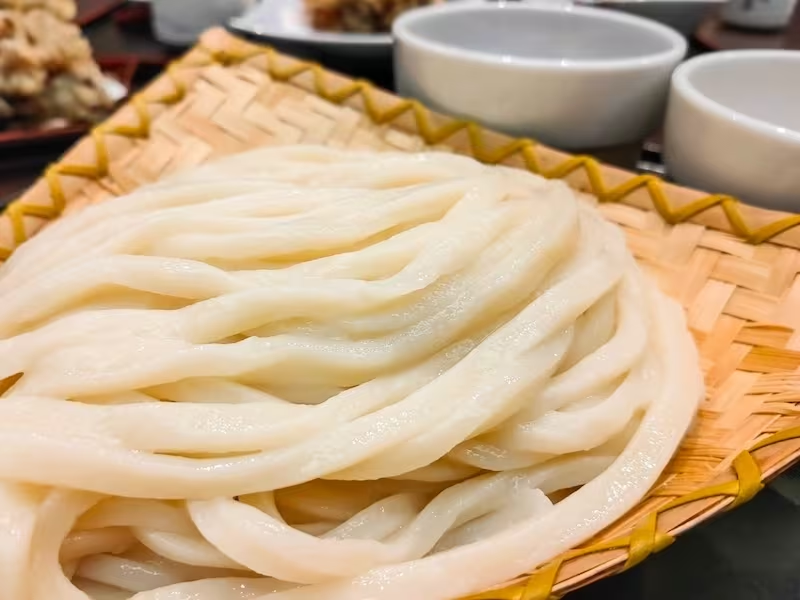
Mizusawa Udon is a great choice if you want a meal that is light but gives you lots of power.
- Steady Energy: The wheat flour has “complex carbs” that give your body energy that lasts a long time.
- Happy Tummy: Because it has no extra fat and is made by hand-kneading the dough, it is very easy for your stomach to digest.
- Vitamins: These noodles have B vitamins, like B1 and B3, which help your body stay strong and even help you feel less stressed.
A Great Place to Eat
Mizusawa-tei (水澤亭)
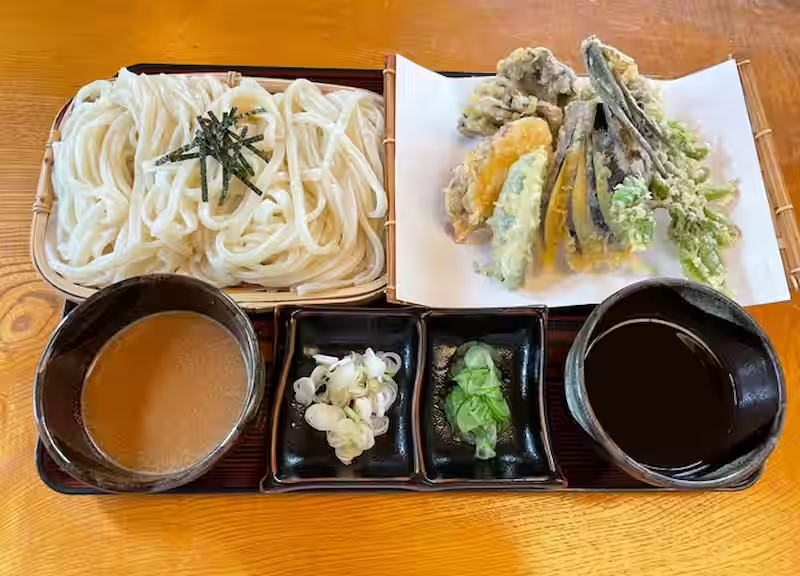
Mizusawa-tei is very large and can hold almost 300 guests at once! It has a warm, traditional feel with big rooms and friendly staff. It is even “barrier-free,” which means it is easy for everyone to enter and move around. You can try their famous “Ikaho Gozen,” which comes with a big tray of udon, crispy vegetable tempura, and delicious steamed rice. After you eat, you can visit their on-site shop to buy fresh noodles and local treats to take home!
Takeaway
Mizusawa Udon is a wonderful part of Japanese culture. It uses simple, local ingredients to create a healthy and satisfying meal that connects you to 400 years of history. Whether you enjoy it after a soak in a hot spring or a visit to a temple, it is the perfect comfort food.
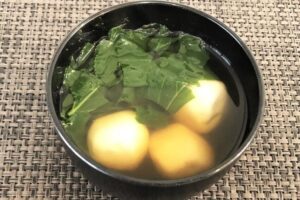
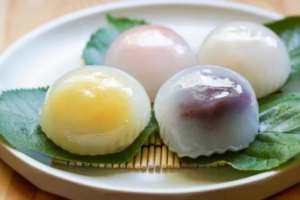
If you loved learning about this dish, you will absolutely adore these other fantastic Gunma treats—you definitely have to try Tama Konnyaku, Yunohana Manju, and Soba!
Mizusawa Udon FAQ
What is Mizusawa Udon?
Mizusawa Udon is a traditional, highly celebrated style of Japanese wheat noodle from Gunma Prefecture. Diners prize it for its bright white color, slight transparency, and incredibly smooth, chewy texture.
Where does Mizusawa Udon come from?
It originates from the Ikaho Onsen area in Shibukawa City, Gunma Prefecture. Specifically, local monks and villagers developed it around Mizusawa Kannon Temple, a historic Buddhist temple located on the slopes of Mount Haruna.
What makes Mizusawa Udon different from other udon styles?
Artisans use a specific, time-consuming kneading and resting process. They rest and stretch the dough repeatedly, creating noodles that are slightly thinner than standard udon but possess an exceptionally firm, elastic bite and a glossy finish.
Is Mizusawa Udon one of Japan’s top three udon?
Yes, food lovers widely consider it one of Japan’s “Three Great Udon” (Nihon Sandai Udon), alongside Sanuki Udon from Kagawa and Inaniwa Udon from Akita.
What is the history behind Mizusawa Udon?
The tradition dates back over 400 years to the Edo period. Local monks and villagers originally created it to feed the many weary pilgrims who traveled long distances to worship at Mizusawa Kannon Temple.
How do restaurants traditionally serve Mizusawa Udon?
Chefs almost exclusively serve it cold on a bamboo woven tray (zaru udon). Serving it cold tightens the noodles, perfectly highlighting their signature chewiness and smooth throat-feel.
What kind of dipping sauce (tsuyu) accompanies the noodles?
Diners typically dip the cold noodles into either a savory soy sauce-based dashi broth or a rich, creamy sesame (goma) sauce. Many traditional restaurants offer a half-and-half set so you can enjoy both flavors.
What ingredients make up the noodles?
The recipe is strictly minimalist. Artisans use only premium domestic wheat flour, pure local spring water, and natural sea salt. They add no artificial ingredients or preservatives.
Why is the local water so important to the recipe?
Gunma’s Mount Haruna provides pristine, mineral-rich spring water. Because artisans craft the noodles with only three ingredients, the high-quality mountain water plays an essential role in creating the dough’s distinct elasticity and clean taste.
What is “Mizusawa Udon Kaido” (Udon Street)?
It is a famous 1.5-kilometer stretch of road leading up to Mizusawa Kannon Temple. Around 13 historic, specialized Mizusawa Udon restaurants line the street, and some of these shops have operated for centuries.
Where is the best place to eat it?
You will find the best and most authentic experience at one of the dedicated restaurants along Mizusawa Udon Kaido in Shibukawa City. Famous shops include Tamaruya, Osawaya, and Shimizu-ya.
Do I need a reservation to eat at the restaurants on Udon Street?
Generally, no. Most restaurants offer spacious dining rooms and accommodate walk-ins easily. However, you should expect long lines during peak lunch hours on national holidays, Golden Week, or autumn leaf season.
What side dishes typically accompany Mizusawa Udon?
Restaurants most commonly pair the noodles with freshly fried, crispy tempura, particularly featuring local mountain vegetables and maitake (hen-of-the-woods) mushrooms.
Why do diners love maitake mushroom tempura with this dish?
Gunma Prefecture ranks as one of Japan’s top producers of high-quality maitake mushrooms. Chefs fry the thick, meaty, and intensely fragrant local maitake in light tempura batter, which perfectly complements the cold, clean udon noodles.
Can I eat Mizusawa Udon hot, or do restaurants only serve it cold?
While the cold zaru style provides the absolute best way to appreciate the texture, some restaurants do offer warm broth versions (kake udon) to warm up guests during the harsh winter months.
What connects the udon to Mizusawa Kannon Temple?
Locals built the entire udon industry solely to serve the temple’s pilgrims. Today, visitors still follow the centuries-old tradition: they worship at the temple first, then walk down the street to enjoy a hearty meal of udon.
How do I get to Mizusawa Udon Street from Tokyo?
Ride the Joetsu Shinkansen to Takasaki Station, transfer to the Joetsu Line to Shibukawa Station, and then catch a 20-minute local bus bound for Ikaho Onsen. You will get off at the “Mizusawa Kannon” bus stop.
Can I buy Mizusawa Udon as a souvenir?
Yes. All the major restaurants sell semi-dried or fully dried versions of their noodles in beautiful gift boxes, complete with their signature dipping sauces. These packages make an excellent gourmet souvenir from Gunma.


Comments