









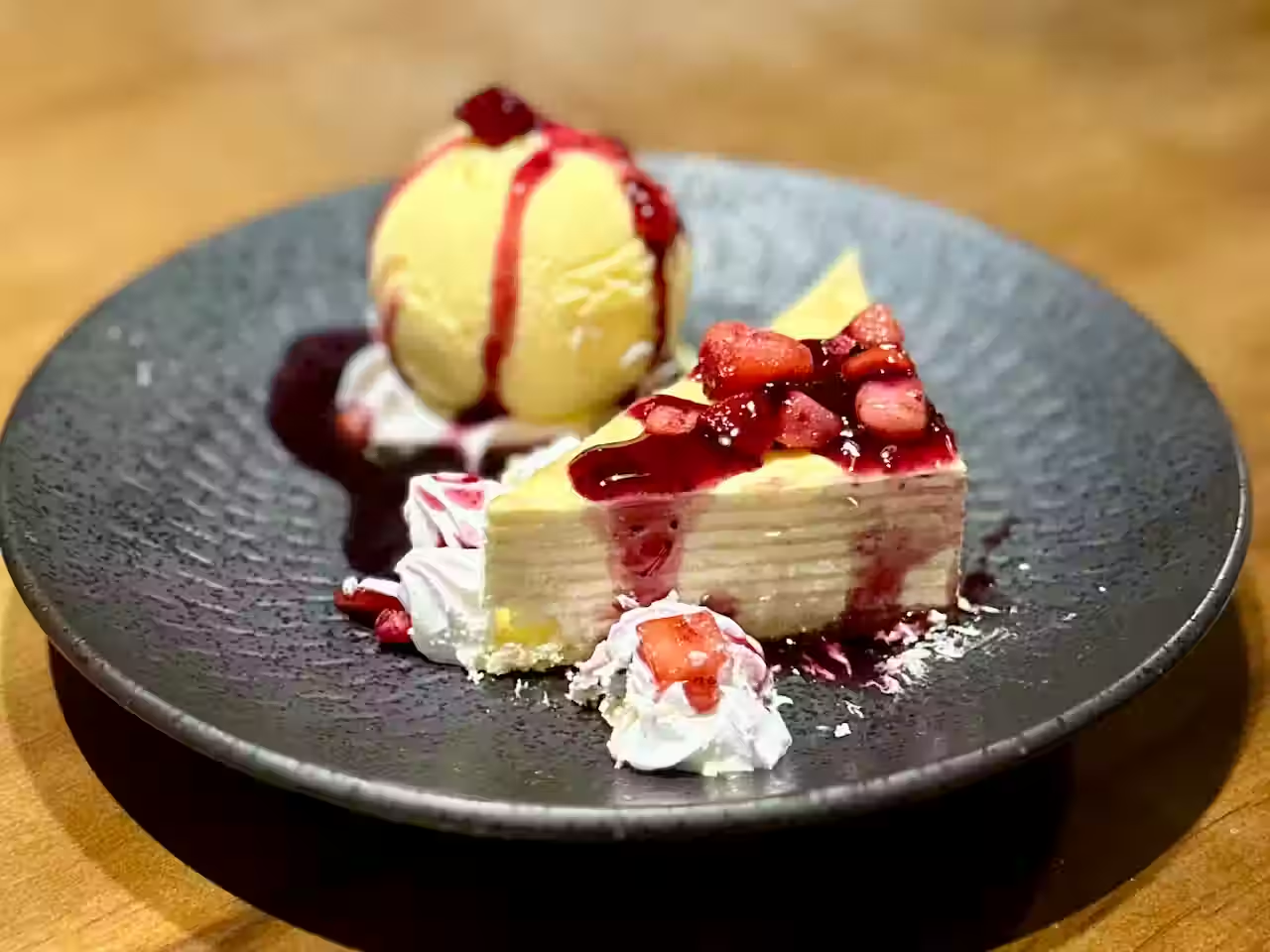
If you enjoy desserts that are soft, look impressive, and have a satisfying creaminess, you need to know about the Mille Crêpes (ミルクレープ). This tall cake has become famous worldwide because of its many thin layers. This article will explain what makes this treat so unique, reveal its surprising original idea, and give you the recipe details to make this modern classic at home.
What is Mille Crêpes?
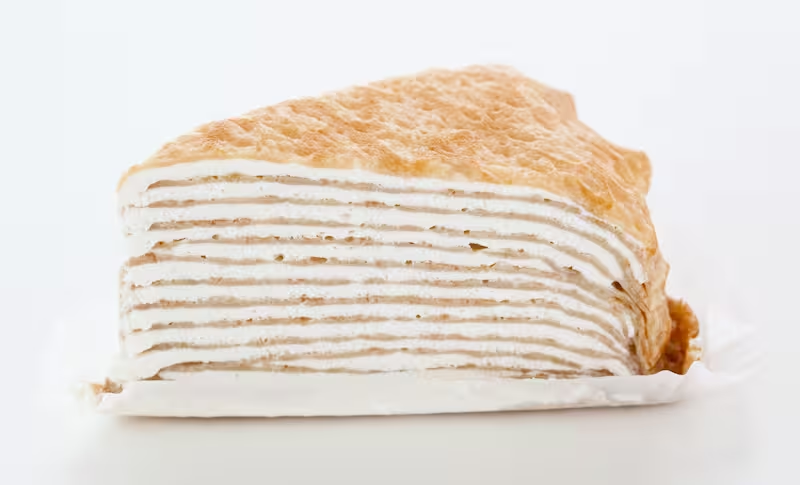
The name Mille Crêpes is French and means “thousand crêpes,” which hints at the dessert’s main feature: its impressive height. This dessert is essentially a cake built from a large number of ultra-thin, flat pancakes, or crêpes, stacked carefully on top of each other.
A finished Mille Crêpes cake uses many layers—often 12 to 20 paper-thin crêpes—with a light filling, typically vanilla whipped cream, spread gently between each one. Furthermore, the goal is to create a soft dessert that melts gently in your mouth. The cream’s moisture also softens the delicate crêpes just right, creating a satisfying, soft chewiness. This balance between the soft cream and the thin crêpe layers is the main reason people love this dessert.
Delicate Sweetness in Every Layer
That first bite genuinely surprised me. It was so light. The sweetness doesn’t rush in; instead, it feels like each thin crêpe and the soft vanilla cream add just a whisper. You taste a gentle, milky sweetness first, followed by a subtle, buttery richness from the crêpes themselves. It’s elegantly understated, making you slow down to notice how every layer contributes. I wondered if it might be too subtle, but the flavor builds in a really satisfying way.
Soft Chew That Melts Away
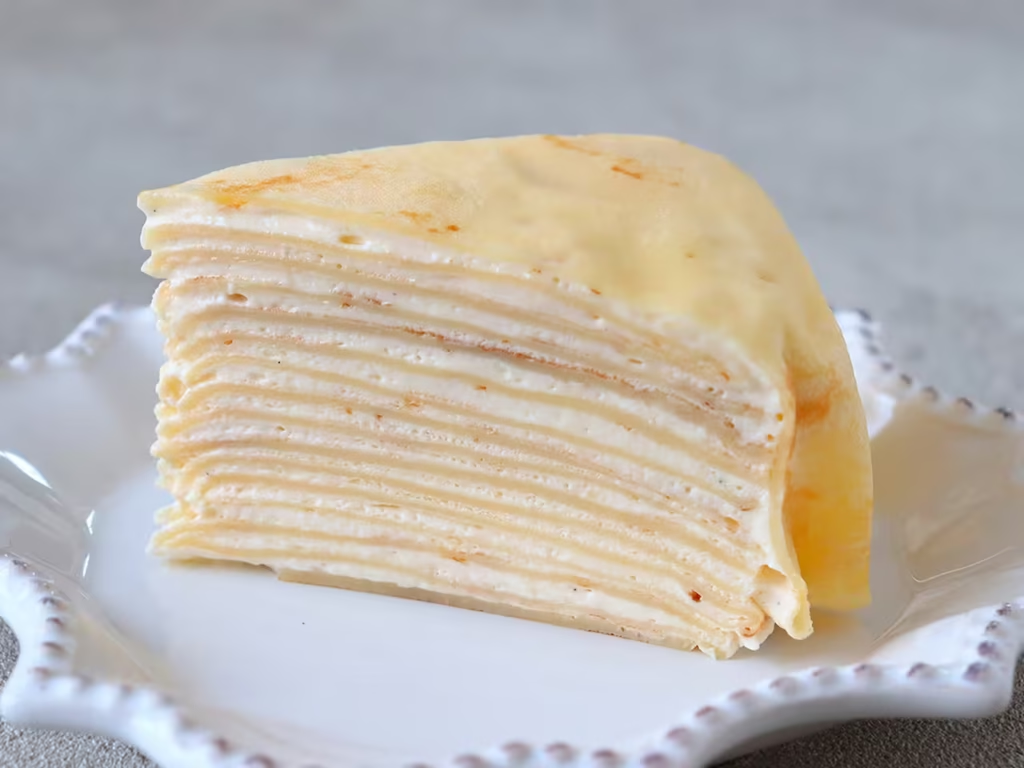
Now, the texture is where this dessert truly shines. You might think so many layers would be heavy, but they’re not. Each crêpe, softened by the cream, offers a delicate, almost silky resistance as you bite. Then, it just… melts. The airy cream and the tender crêpes compress for a moment before dissolving on your tongue. It’s a wonderful contrast substantial yet incredibly delicate. I’ve never quite experienced anything like it.
Subtle Vanilla and Butter Notes
The scent is quietly comforting. It’s a warm blend of vanilla and the faint, eggy aroma of fresh crêpes. Nothing is overpowering. When your fork cuts through, releasing the layers, the fragrance deepens just a little. It honestly reminds me of a quiet morning in a patisserie refined and familiar. It’s not bold, but it perfectly complements the delicate taste and that remarkable, melting texture.
Japanese Origin Story
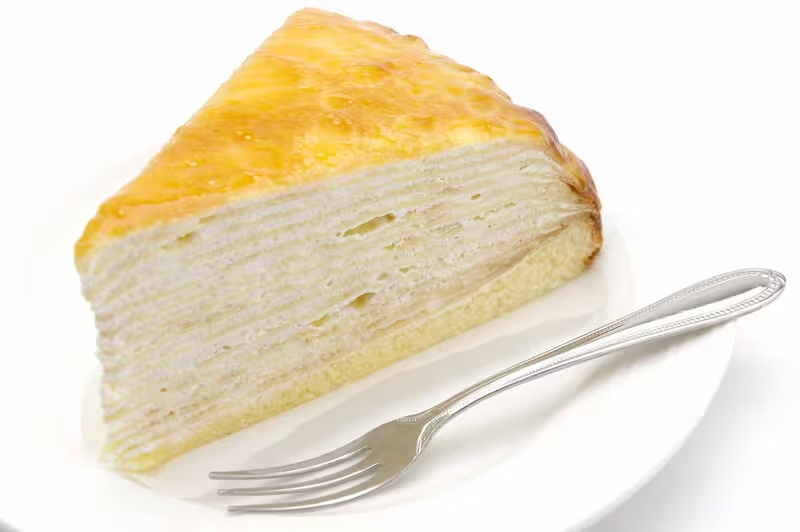
The Mille Crêpes, a layered sweet with a French name, was actually invented in Japan in 1988 by chef Toshinari Sekine. Sekine wanted to create a substantial cake for coffee shops, as his initial small crêpe stacks were not big enough. His clever solution came from an unexpected source: the Italian dish lasagna. Reasoning that layering worked well for savory food, he began stacking 12 to 13 thin crêpes with cream, successfully designing the tall, cake-like structure that defines the Mille Crêpes.
The cake’s popularity exploded when Doutor Coffee Shop requested it for nationwide sale. To meet this massive demand, Sekine engineered a critical breakthrough around 1993: he adapted the recipe to create a high-quality frozen product. This required careful baking to ensure the delicate crêpes thawed perfectly with the cream. Doutor launched national sales in 1996, cementing the Mille Crêpes as a huge national success.
Recipe
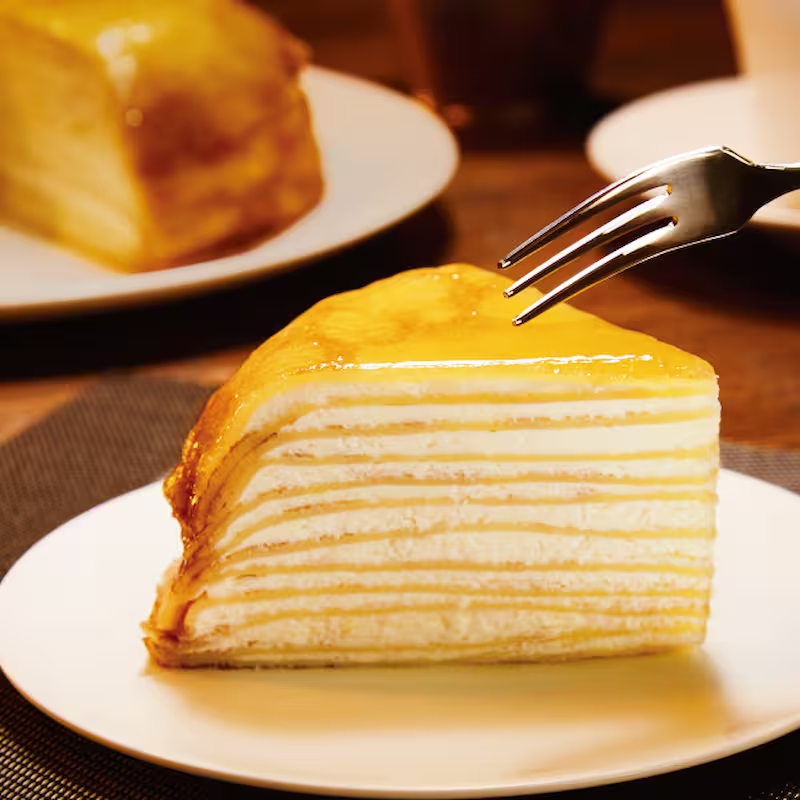
Making Mille Crêpes is a satisfying project, as it requires no traditional baking, only careful cooking of the thin crêpe layers. The quality of the final cake relies heavily on precise measurements and the right technique to ensure the crêpes are thin and consistent.
| Ingredients | Measurement (Grams) |
| All-Purpose Flour (Crêpe) | 510 g |
| Whole Milk (Crêpe) | 1021 g |
| Unsalted Butter, Melted (Crêpe) | 113 g |
| Large Eggs (Crêpe) | 8 eggs |
| Heavy Cream (Filling) | 340 g |
| Granulated Sugar (Filling) | 75 g |
How to make?
Mix the flour, eggs, and sugar until smooth, then add the milk and melted butter. It is crucial to let the batter rest in the refrigerator for at least one hour. Resting allows the dough to relax, which is key to making thin, tender crêpes that won’t tear.
Heat a flat, non-stick pan over low heat. Pour a small amount of batter into the pan and quickly swirl it until the bottom is covered with a very thin layer. Cook until the edges are golden, then flip and cook briefly on the other side. Transfer the finished crêpes to a plate to cool completely.
Once the crêpes and cream are chilled, start assembly. Place one crêpe layer on your plate. Spread a thin, even layer of whipped cream over it. Carefully place the next crêpe on top and repeat until all layers are stacked. Once assembled, the cake must be refrigerated for several hours. This chill time is essential, as it allows the cream to set and the moisture to soften the crêpes, creating the perfect unified cake texture.
Conclusion
The Mille Crêpes is a modern dessert defined by its surprising origin story—the mixing of French baking with an idea borrowed from Italian lasagna. The cleverness of Chef Sekine and the later development of mass-production techniques allowed this delicate, layered cake to become a symbol of Japanese confectionery that balances its complex look with a light, pleasing texture. Its lasting popularity confirms the global appeal of sweets that are both carefully made and enjoyable.
If you have enjoyed this look into the layered texture and subtle sweetness of the Mille Crêpes, consider trying other desserts that focus on delicate construction or creamy layers.





Comments