






When you think of traditional Japanese cuisine, you might picture sushi or ramen. But in some areas, there’s another special dish locals enjoy it for centuries: Koi food, or Koiryori. This article will give you a simple look into this unique part of Japanese food culture, covering what it is, where it comes from, and a place you can try it.
What is Koi Food?
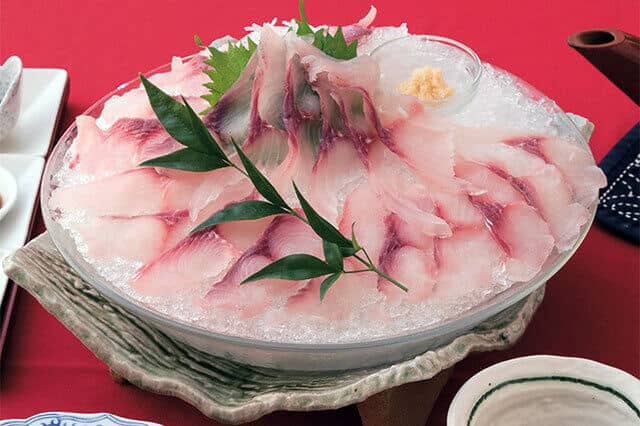
Koi food is cuisine from true carp, a type of freshwater fish. Unlike the ornamental koi often seen in ponds, locals specifically raised these carp are in clean, flowing water to get rid of any muddy taste. Because of this, the meat becomes firm and has a light, clean flavor. The preparation of Koi cuisine relates to the quality of the water where locals raised it in. For instance, in Ogi City, the carp are kept for one to two months in the clear, cold waters of a stream, recognized as one of Japan’s Top 100 Famous Waters.
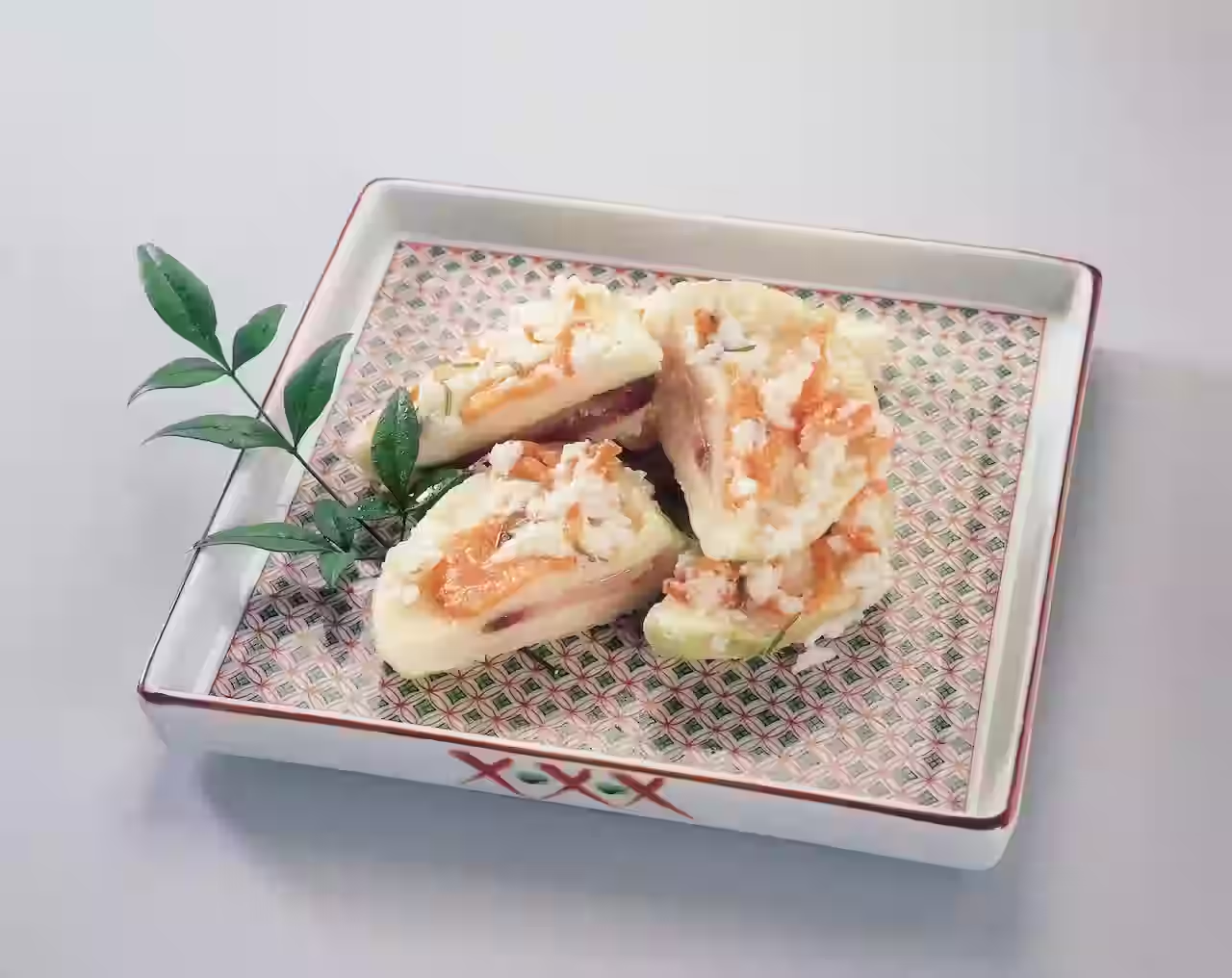
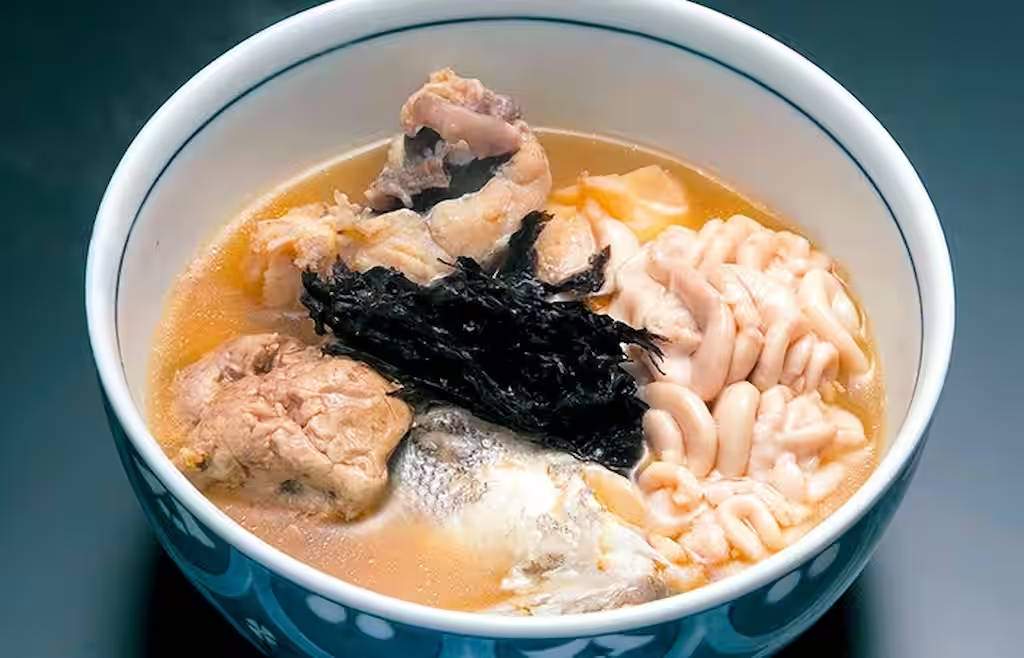
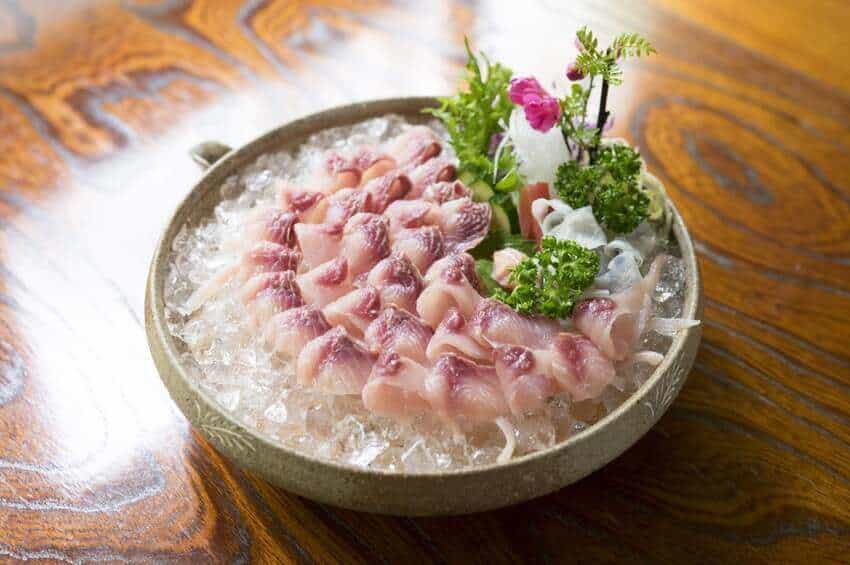
Some of the most popular ways to eat carp include Koi no arai, which are thin slices of raw carp. Locals served this with vinegar and miso sauce. There’s also Koi Koku, a rich miso stew with simmered carp, and Kanroni, carp cooked down in a sweet soy sauce. These dishes are especially popular in inland, mountainous regions of Japan where fresh seafood was historically hard to come by.
History of Koi Food
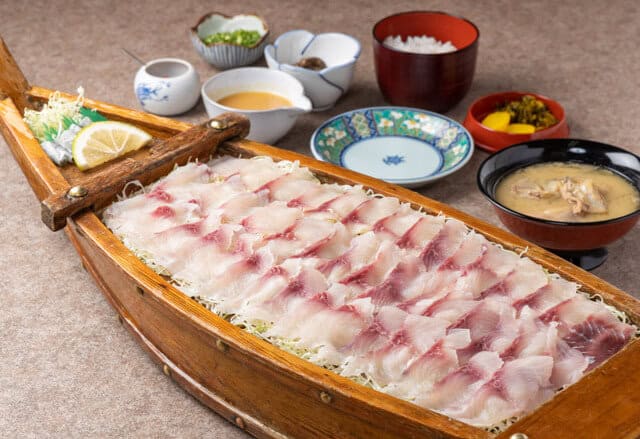
The use of carp as a food source in Japan goes back to ancient times, especially in regions far from the sea. It was a valuable source of protein. Its history related to traditional medicine; ancient Chinese texts mention that carp have many health benefits, such as helping with certain illnesses and improving milk production in new mothers. Over time, the knowledge of how to prepare it to be delicious and safe to eat was perfected, turning a simple fish into a refined regional specialty.
Recommended Restaurant
Koi Hiromatsu (鯉ひろまつ)
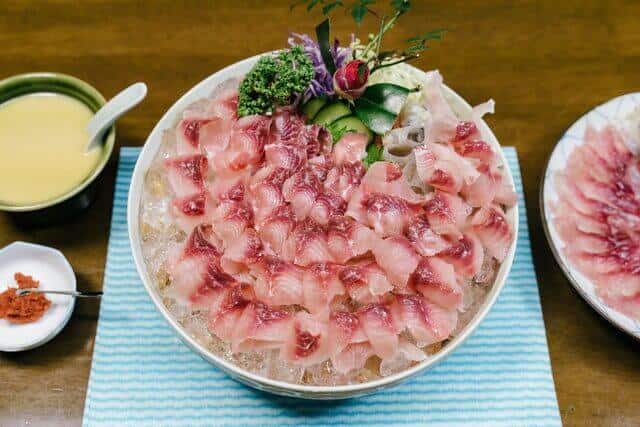
For those seeking to experience a truly masterful example of Koi cuisine, Koi Hiromatsu is a renowned restaurant with a long history. Operating for over 110 years, since 1915, this establishment is a testament to the enduring appeal of the craft. The restaurant farms its own carp from eggs, using clean mountain and well water, which allows them to serve it as sashimi, a preparation rarely found elsewhere.
A Taste of Inland Japan
Koi food is a special part of Japan’s food culture, showing how people in inland areas developed their own unique cooking styles using what was available. From its ancient history as a valuable protein source to its role in regional dining today, carp cuisine is a testament to Japanese culinary traditions. It’s a dish that connects people to the land and its long-standing history.
If you’ve enjoyed reading about carp, you might also like trying other dishes that make good use of freshwater fish. Some other dishes to look for are grilled sweetfish (Ayu), dishes made with rainbow trout (Nijimasu), or the famous Japanese eel (Unagi) cuisine. Each of these offers a unique taste of Japan’s freshwater flavors.
Niigata Koi (Carp) Cuisine FAQ
Is it safe to eat carp (Koi)? I heard river fish have a smell.
Yes, it is very safe and delicious. In Niigata, carp are raised in clean, cold water derived from melting snow. They undergo a process called “Doronuki” (purging in fresh water) for weeks before serving, which completely removes any muddy smell, leaving a clean and rich taste.
What does Niigata Koi taste like?
It is often compared to Sea Bream (Tai) but with more healthy fats. The meat is sweet, firm, and fatty but not greasy. Because of the clean water in Niigata, it has a refined flavor unlike wild carp found elsewhere.
What is “Koi no Arai”?
“Arai” is a traditional sashimi style. Thin slices of raw carp are washed in ice-cold water to tighten the meat and remove excess fat. It creates a unique crunchy and crisp texture. It is usually dipped in “Karashi Sumiso” (vinegar miso with mustard) instead of soy sauce.
What is “Koikoku”?
“Koikoku” is a hearty miso soup made by stewing chunks of carp (including bones) for hours. The long cooking time makes the broth thick, rich, and full of umami. It is a traditional winter dish in Niigata known for warming the body.
Wait, are we eating the colorful “Nishikigoi”?
Generally, no. The carp raised for food are usually Black Carp (Magoi). While Niigata (specifically Ojiya and Nagaoka) is famous for breeding the beautiful, expensive Nishikigoi for viewing, the food culture relies on the black variety which has been a valuable protein source for centuries.
Why is carp famous in Niigata?
Niigata has heavy snowfall, and in the past, it was hard to get fish from the sea during winter. Locals began raising carp in the irrigation ponds used for rice paddies to ensure they had a source of nutrition during the harsh winter months.
Are there bones in the dishes?
Carp has many small bones. For sashimi (Arai), skilled chefs slice it in a way that avoids the bones. For stew (Koikoku) or Sweet Simmered Carp (Umani), the bones are often left in, but they are large enough to pick out easily, or cooked until they are soft enough to eat.
Is it considered a healthy food?
Yes, it is considered a “medicinal food” in Japan. It is high in quality protein, collagen, and vitamins. It is traditionally eaten by expectant mothers or people recovering from illness to gain strength.
Where is the best place to try it?
The Ojiya and Nagaoka areas in Niigata are the most famous. Many traditional Ryotei (Japanese restaurants) and specialized carp restaurants in these cities serve full-course carp meals.
Comments