


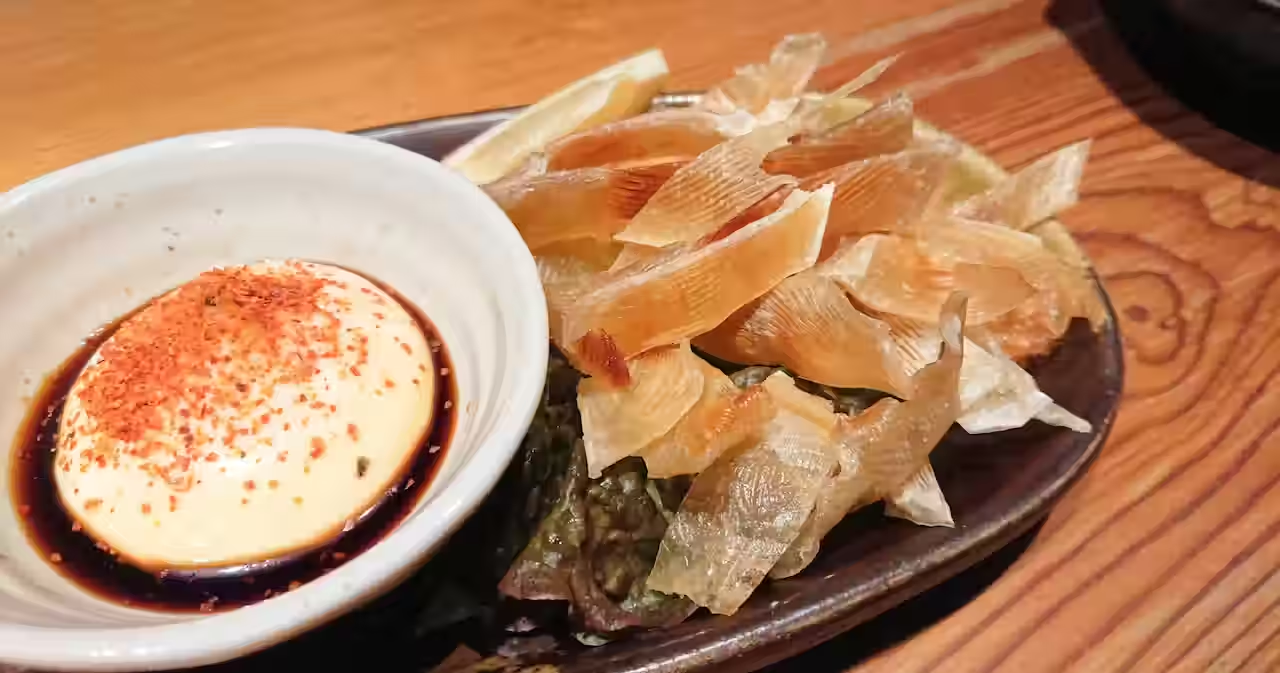



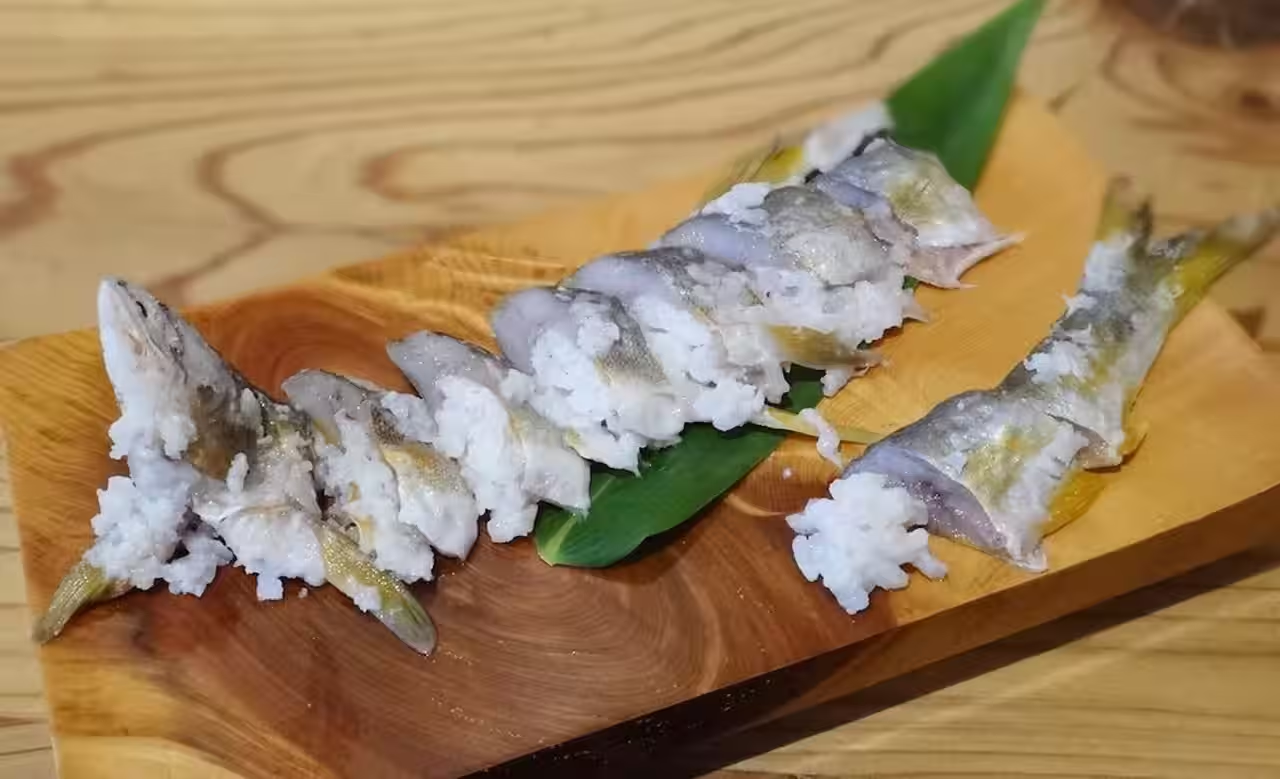
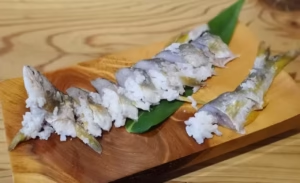
This article offers a look into Ayu nare sushi (鮎なれ寿司), a powerful form of preserved sweetfish that shows the true beginning of sushi culture in Japan. This food is very different from the quick, fresh rolls we eat today; it’s a piece of history. It holds a deep, complex flavor that comes from a long pickling process.
So by reading about this dish, it will surely provides you a clear understanding of how local needs and clever cooking created one of the world’s most famous food groups.
What is Ayu Nare Sushi?
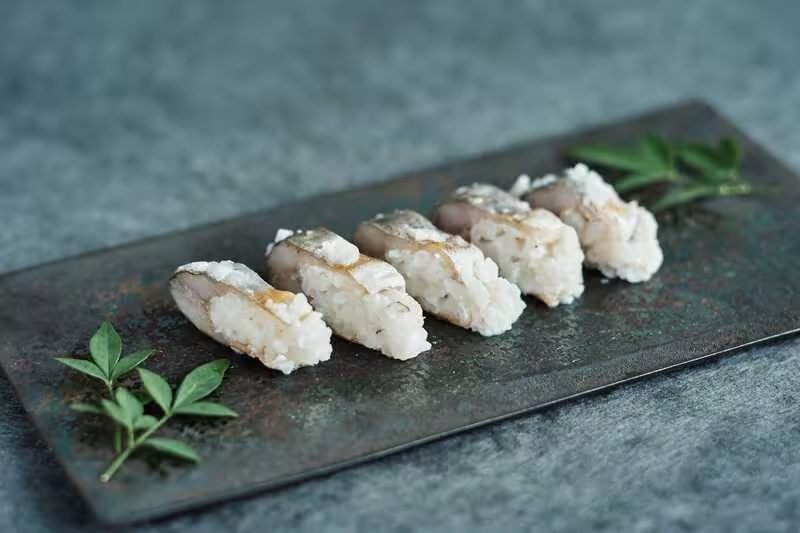
Ayu nare sushi is a preserved food made with Ayu (sweetfish). It is a type of nare-sushi, meaning fermented sushi, which is the basic kind of sushi from which all other Japanese sushi evolved.
The preparation involves several steps:
- The sweetfish is first pickled with salt.
- They placed the fish into a container layered with cooked rice and sometimes sake (rice wine).
- Then, they pressed the mix and left it to ferment.
While some newer methods only ferment for about one month, older, traditional ways can involve aging the fish for more than three years. This long, natural process creates a strong, deep flavor and smell.
Ancient Fermentation and Sour Profiles
Ayu nare sushi has a very sharp and tangy taste that might remind you of a strong Western blue cheese or aged yogurt. Unlike modern sushi that uses fresh vinegar, this ancient version gets its sourness from months of natural fermentation with rice and salt. This process creates a massive umami punch that is deeply funky and savory. It has a hidden creamy sweetness that balances the aggressive saltiness of the fish. The flavor is very old and powerful, leaving a complex aftertaste that stays on your tongue for a long time.
Short Aged and Fully Fermented Styles
You can find two main versions of this dish depending on how long the fish sits. The first is a young version that is only fermented for a few weeks, which has a milder and more fishy taste. The second is the fully aged version that sits for many months. This older style is much more sour and has a higher level of healthy probiotics, making it very good for your gut. While the young version is light and closer to fresh fish, the fully aged style is heavy, pungent, and much more intense.
Soft Fish and Grainy Rice Consistency
The physical feeling of eating this sushi is very different because the rice and fish become quite soft during the aging process. The fish meat loses its flaky bite and turns into a smooth and almost spreadable paste. It feels very rich and oily in your mouth. The rice grains often break down into a thick and grainy liquid that coats the fish like a heavy sauce. It provides a very wet and lush mouthfeel that is quite surprising. This soft and melting texture is what makes the experience feel so unique and traditional.
History of Ayu Nare Sushi
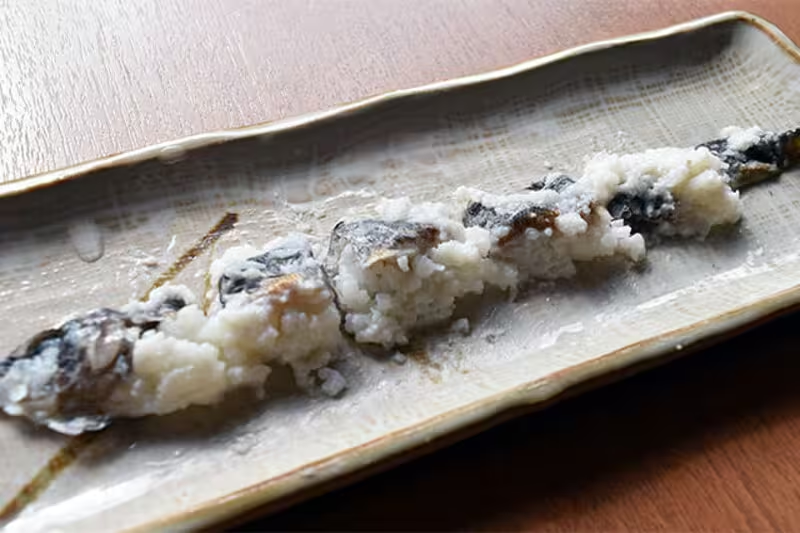
Nare-sushi came to Japan around the Nara period. At first, the process was purely for keeping the fish from spoiling. In this early form, called Hon’nare (true nare-sushi), the rice was only used to help with the fermentation and was thrown away before the fish was eaten.
A major change happened during the Muromachi period. As rice became easier to get, ordinary people thought it was too valuable to waste. This led to a new style called Namanare (shallowly fermented sushi), where the fermentation time was cut short, and the rice was eaten along with the fish. This innovation—the combination of fish and rice—is the direct origin of modern sushi.
Importantly, Ayu nare sushi developed near rivers, like the Nagara River in Gifu, out of a practical need. In the autumn, fishermen often had a large leftover amount of low-fat male sweetfish (ochi-ayu), which weren’t good for simple grilling. These low-fat males also turned out to be perfect for the long pickling process, as their lack of fat resulted in a better preserved product.
Where to Buy This Specialty
Funachika (鮒味)
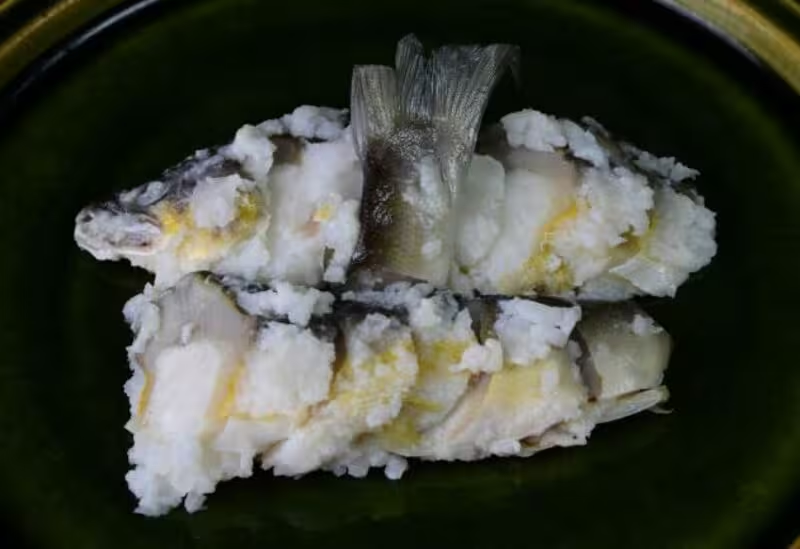
One dedicated producer keeping this tradition alive is Funachika (鮒味), located near Lake Biwa, a region famous for traditional fermented fish products.
Summary
The dish’s growing scarcity for the general public suggests that, despite its historical importance, large-scale commercial production remains limited. This is likely due to the demanding maturation time required for deep pickles and the intense, complex flavor profile that may challenge modern, milder palates. It shows Japan’s long relationship with its river resources and marks the key point in history when preserving food became a form of cooking. This firmly places it as the true beginning of all sushi.
We recommend readers who have enjoyed Ayu nare sushi to try related preserved fish dishes such as Funazushi, Hatahata-zushi, and Masuzushi.



Comments