


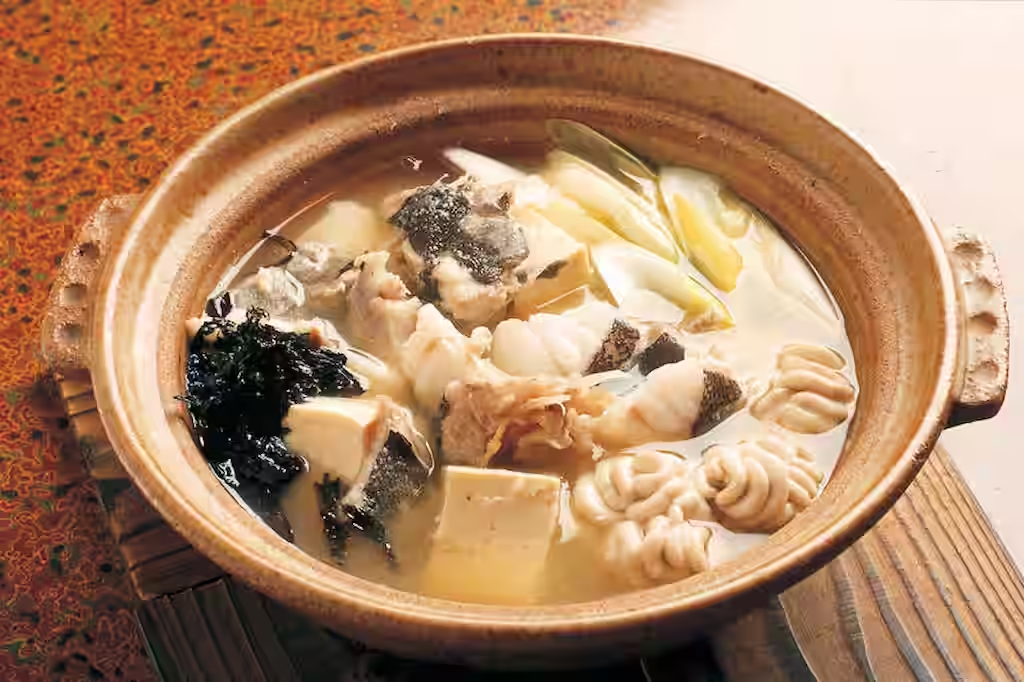
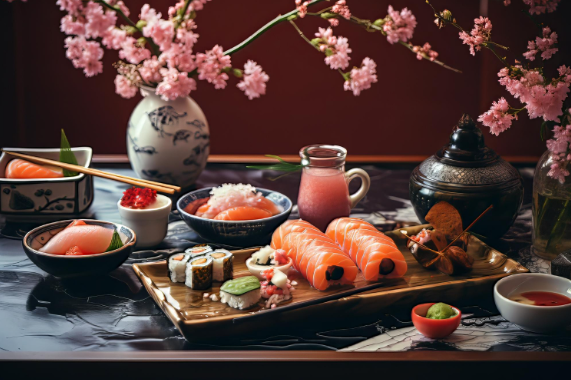
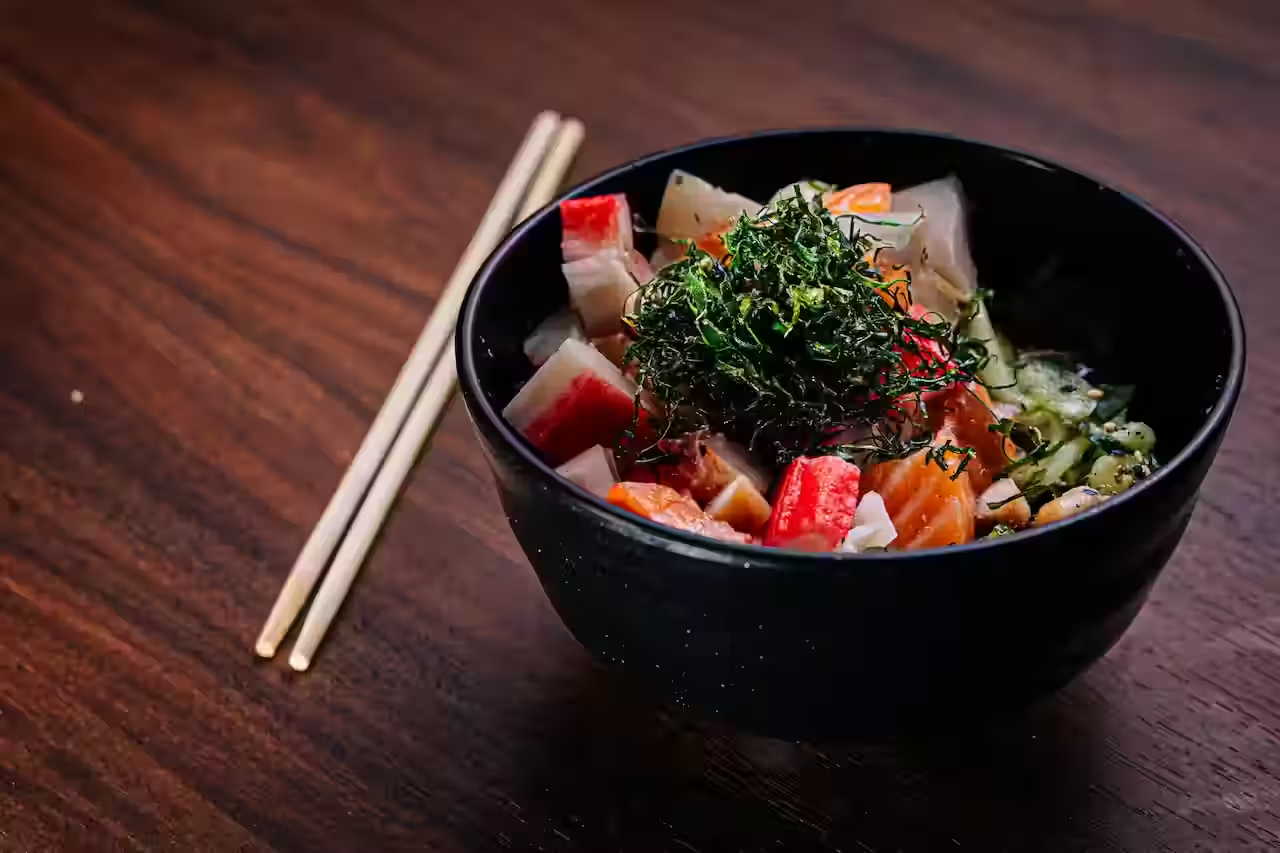



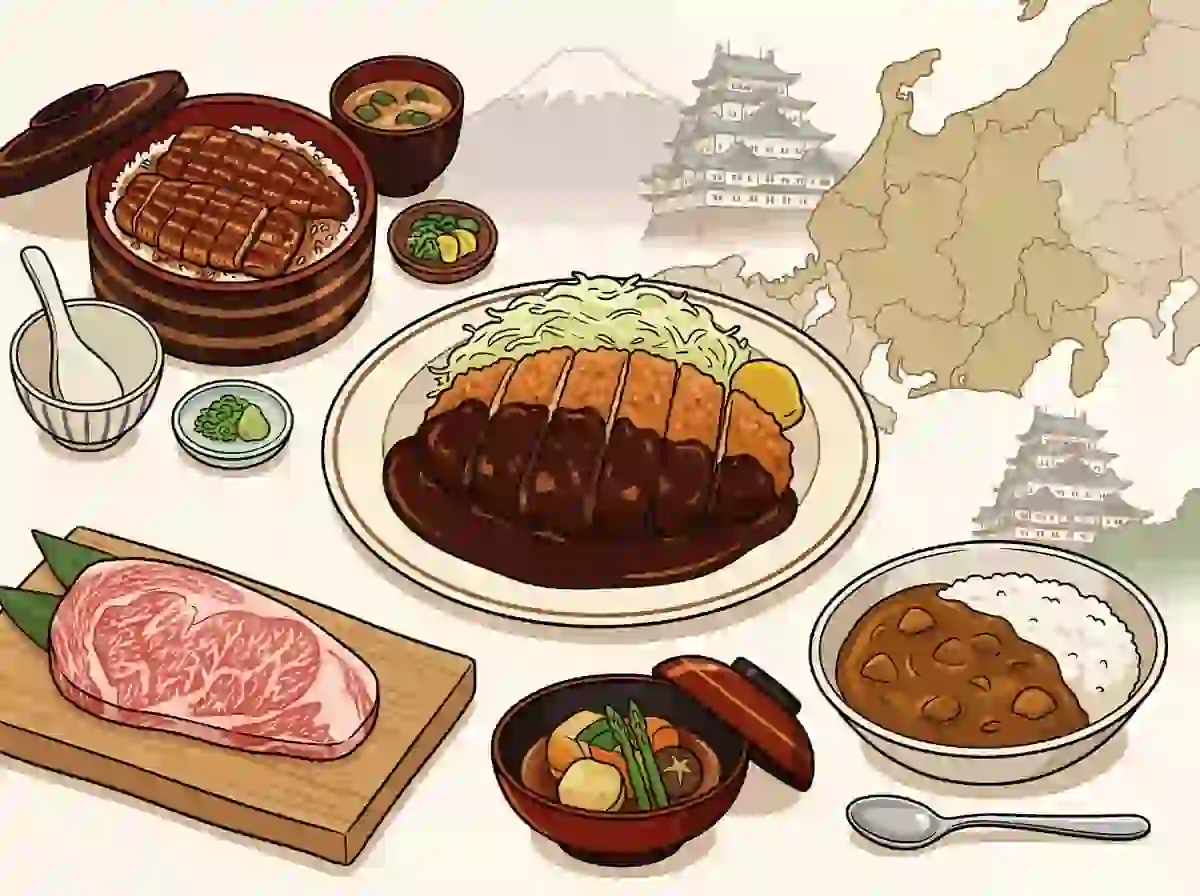
Chubu sits at the geographic heart of Japan. The region connects Tokyo in the east to Osaka in the west. It spans nine prefectures: Aichi, Gifu, Shizuoka, Nagano, Niigata, Toyama, Ishikawa, Fukui, and Yamanashi. Few regions in Japan offer this level of culinary diversity.
The landscape drives the food culture. The Japanese Alps divide the region sharply. Pacific coastal prefectures enjoy fresh seafood and mild winters. Inland mountain areas developed hearty, preserved, and fermented foods. The Sea of Japan coast produces some of the country’s finest crab and rice.
Two cities anchor Chubu food culture above all others. Nagoya leads with its bold, miso-forward Nagoya meshi cuisine. Kanazawa follows with its refined, elegant Kaga cuisine tradition. Together they represent the two contrasting souls of central Japan cuisine. One is loud and generous. The other is quiet and precise.
This complete guide introduces the most famous Chubu foods. It covers the cities where they were born. And it explains why central Japan deserves far more attention from food lovers than it typically receives.
Quick Facts About Chubu Food
- Region: Chubu (Central Japan)
- Prefectures: Aichi, Gifu, Shizuoka, Nagano, Niigata, Toyama, Ishikawa, Fukui, Yamanashi
- Main Cities: Nagoya, Kanazawa, Takayama, Shizuoka, Niigata
- Famous Foods: Nagoya Meshi, Kaga Cuisine, Hida Beef, Unajyu
- Signature Flavor: Hatcho miso in Nagoya, dashi-forward elegance in Kanazawa
- Food Culture Keyword: Nagoya meshi, meaning Nagoya’s proud local food culture
- Famous Ingredients: Hatcho miso, Hida beef, eel, Echizen crab, Koshihikari rice
What Makes Chubu Cuisine Unique?
No other region in Japan contains this much culinary contrast. Chubu food ranges from Nagoya’s intensely savory miso dishes to Kanazawa’s delicate kaiseki courses. Mountain villages in Gifu produce rustic, leaf-wrapped sushi. Coastal Shizuoka grills premium eel over charcoal. Niigata grows Japan’s most celebrated rice in cold, mineral-rich water.
Nagoya food stands out most dramatically. The city developed a fierce pride in its own cuisine. Locals call it Nagoya meshi, a term that covers an entire family of miso-based dishes unique to the area. Hatcho miso, aged in cedar barrels for up to three years, gives Nagoya food its defining character. It tastes darker, richer, and more complex than the miso used elsewhere in Japan.
Kanazawa food moves in the opposite direction. The city draws on 400 years of samurai culture and tea ceremony tradition. Kanazawa chefs prioritize restraint, seasonal ingredients, and elegant presentation. The result is Kaga cuisine, a culinary tradition now registered as a national intangible cultural property.
Between these two poles, central Japan cuisine offers extraordinary variety. Mountain areas preserved foods through fermentation and pickling. Coastal areas developed refined seafood traditions. The region’s position along ancient trade routes brought ingredients and techniques from across the country.
Famous Chubu Foods You Must Try
Chubu has produced some of Japan’s most iconic regional dishes. Many originate in Nagoya or Kanazawa, but every prefecture contributes something distinctive.
Nagoya Meshi
Nagoya meshi refers to the family of dishes that define Nagoya food culture. The term means “Nagoya food” in local dialect, and locals use it with genuine pride. Together, several dishes anchor this tradition.
Miso Katsu tops the list. Chefs fry a thick pork cutlet until golden and crispy. They then pour a generous amount of rich hatcho miso sauce directly over the top. The sauce is thick, sweet, and deeply savory. In fact, it tastes nothing like the thinner sauces found in Tokyo. Visitors often order it skeptically and finish it converted.
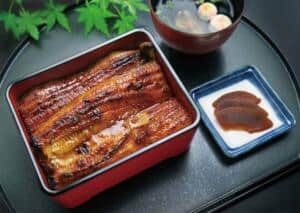
Hitsumabushi is another celebrated dish in Nagoya’s culinary repertoire. Chefs grill freshwater eel over charcoal, slice it, and arrange it over a lacquer box of rice. Diners eat it three ways: plain, with condiments like wasabi and nori, and finally poured over with dashi broth as a kind of ochazuke. As a result, this format makes it one of the most interactive and memorable eating experiences in central Japan cuisine.
Similarly, Misonikomi Udon simmers thick flat udon noodles in a bubbling clay pot of hatcho miso broth with chicken, egg, and vegetables. The broth stays piping hot throughout the meal. It represents Nagoya food at its most warming and hearty.
Rounding out the experience, Tebasaki chicken wings are seasoned with a sweet-salty-spicy glaze and served crispy and whole. They are a staple at any izakaya in the city and a fitting end to any Nagoya meshi meal.
Kaga Cuisine
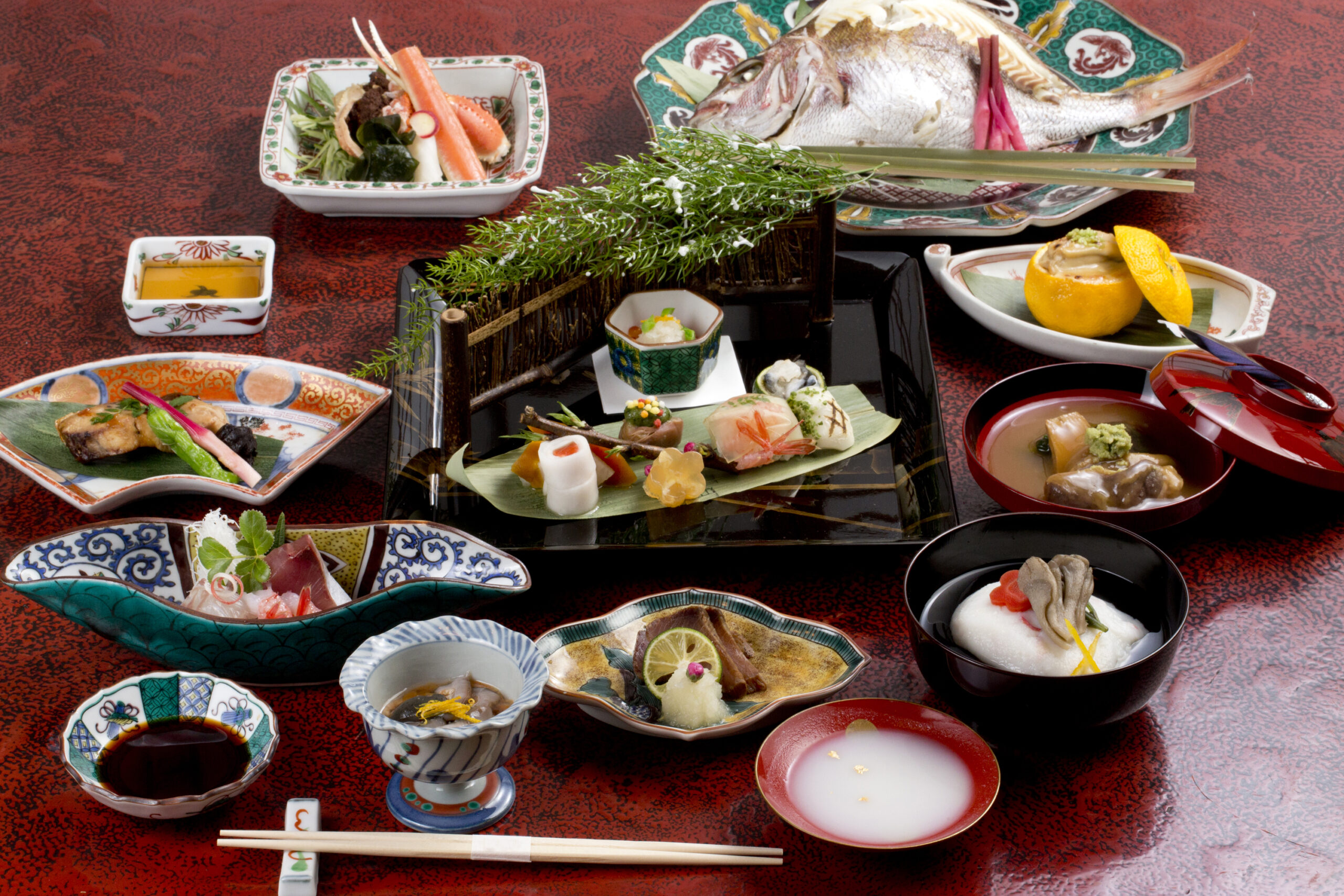
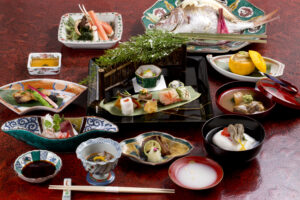
Kaga cuisine represents the pinnacle of Kanazawa food culture. It evolved in the castle town of the Kaga Domain, one of feudal Japan’s wealthiest territories. Chefs here developed cooking that combines samurai formality, tea ceremony aesthetics, and exceptional local ingredients.
Every element on the table carries meaning. Kutani porcelain and Wajima lacquerware frame each dish. Local ingredients take center stage: winter yellowtail from the Sea of Japan, Kaga vegetables like lotus root and red taro, and the deeply flavored dashi that ties everything together. The result is a dining experience unlike anything else in central Japan.
Hida Beef
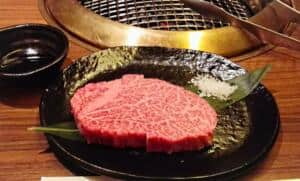
Hida beef comes from Gifu Prefecture’s mountain regions. Farmers raise Tajima-strain wagyu cattle in the clean mountain air of the Hida highlands. The result is beef with exceptional fat marbling, a buttery texture, and an umami depth that rivals more famous Japanese beef brands. Takayama’s old merchant town district offers many restaurants serving Hida beef as teppanyaki, sukiyaki, and sushi.
Unajyu
Unajyu reaches its finest expression in Shizuoka Prefecture. It is eel served over rice in a lacquered box. The region sits along the Oi River, one of Japan’s most productive eel-farming areas. Shizuoka chefs grill eel using the kanto style: they steam the eel first, then grill it over charcoal for a soft, delicate texture. The combination of fragrant charcoal smoke and silky eel over seasoned rice makes this one of the great pleasures of the Chubu food guide.
Kabura Sushi
Kabura sushi is one of Kanazawa’s most distinctive winter foods. Chefs slice a large turnip horizontally and insert a thin piece of salted yellowtail between the layers. They then pack the whole assembly into a wooden barrel with koji rice. After several days of fermentation, the turnip softens, the fish cures gently, and the koji creates a complex, sweet-sour flavor unlike any other fermented food in Japan. It appears only in winter, and only in Kanazawa.
Hooba Sushi
Hooba sushi comes from the mountain villages of Gifu Prefecture. Cooks place vinegared rice topped with seasonal ingredients onto large dried magnolia leaves. The toppings include pickled vegetables, trout, or mushrooms depending on the season. The leaf wraps around the rice like a natural container, and its subtle fragrance transfers gently to the food inside. Hooba sushi represents mountain central Japan cuisine at its most inventive and beautiful.
Fujinomiya Yakisoba
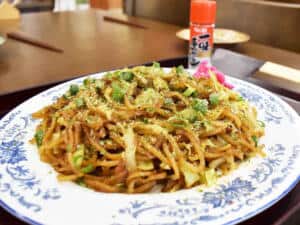
Fujinomiya yakisoba is one of Japan’s most celebrated regional noodle dishes. Notably, the thick, chewy noodles come from a single local manufacturer. Cooks then fry them on a flat iron griddle with pork, cabbage, and a savory sauce. To finish, a topping of dried sardine powder gives the dish its distinctive, slightly deep flavor. As a result, the dish attracts visitors from across Japan to Fujinomiya City every year, in the shadow of Mt. Fuji.
Toyohashi Curry Udon
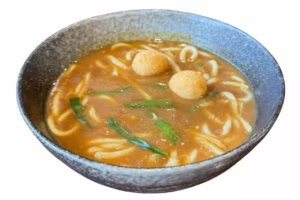
Toyohashi curry udon is a specialty from Toyohashi City in Aichi Prefecture. Specifically, the dish layers thick udon noodles, curry broth, ground meat, and a quail egg on top of white rice. Beneath it all, the rice sits hidden under the noodles and absorbs the curry sauce as you eat. Together, this clever layered construction makes it one of the most satisfying and original dishes in the entire Chubu food guide.
Must-Try Chubu Dishes
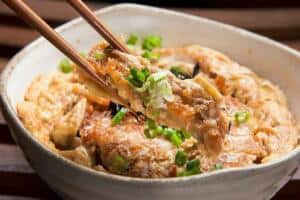
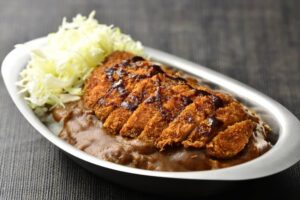
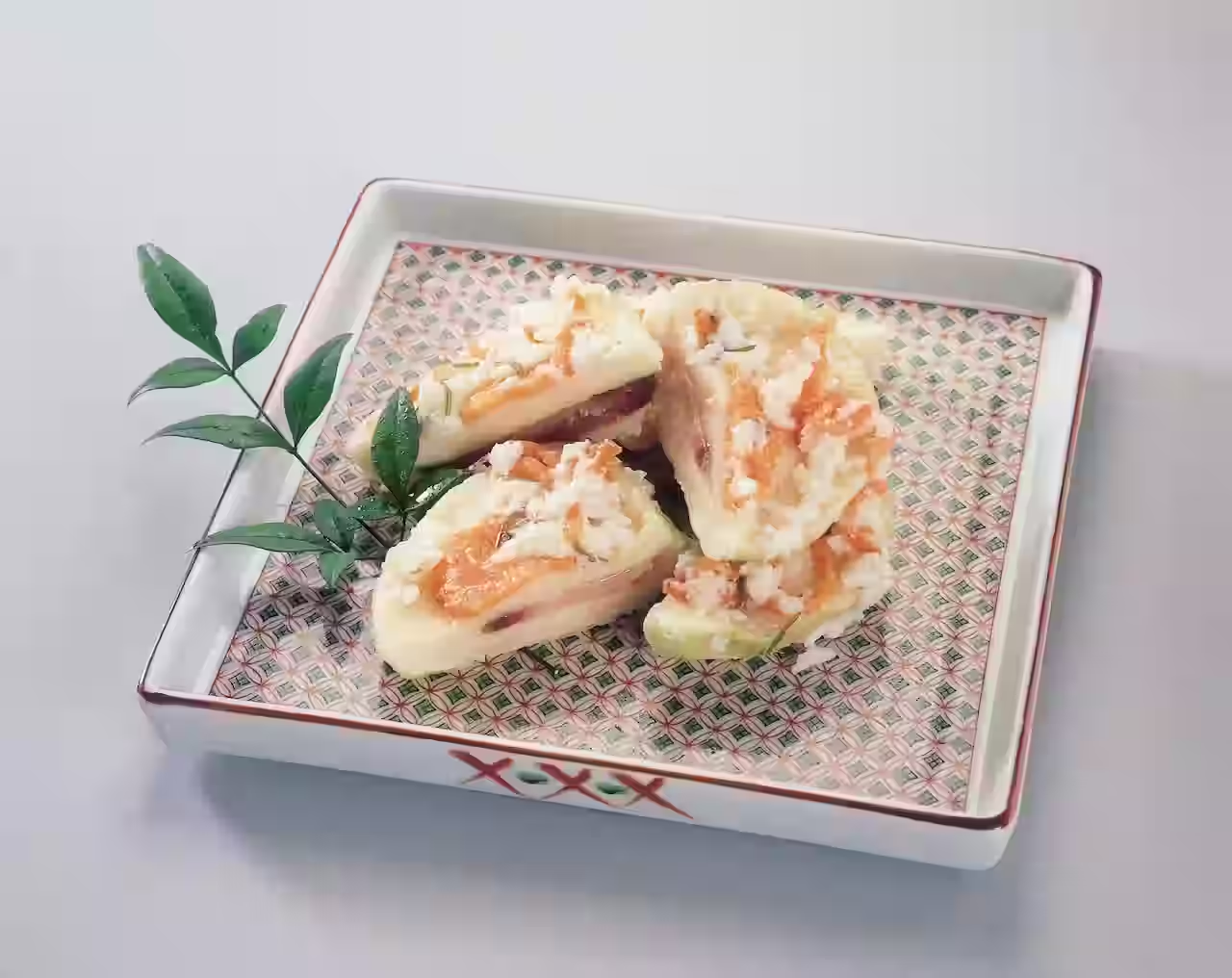
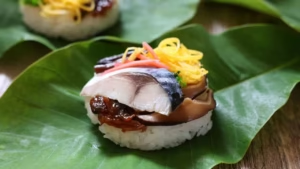
Famous Ingredients from Chubu
The ingredients that define central Japan cuisine reflect the region’s extraordinary geographical range.
Hatcho Miso: Nagoya’s Defining Ingredient
Hatcho Miso is Nagoya’s most important ingredient. Brewers age this dark soybean miso in large cedar barrels for up to three years. It develops a deeply complex flavor: rich, slightly bitter, and intensely savory. Nagoya chefs use it across an entire family of dishes, from misonikomi udon to miso oden. No ingredient better defines Nagoya food than hatcho miso.
Hida Beef: Gifu’s Hidden Wagyu Gem
Hida Beef from Gifu Prefecture stands among Japan’s finest wagyu breeds. Mountain farmers raise these cattle in clean highland air on quality feed. The beef develops fine, even marbling and a buttery, melt-in-the-mouth texture. It remains less internationally famous than Kobe beef, but many food specialists consider it equally outstanding.
Eel: The Pride of Shizuoka and Aichi
Eel from Shizuoka and Aichi Prefectures supplies much of Japan’s unagi market. The warm river environments of the Pacific coast produce plump, fatty eel with excellent flavor. Nagoya and Shizuoka compete fiercely for the title of Japan’s eel capital, and both cities offer exceptional unajyu and hitsumabushi restaurants.
Koshihikari Rice: Niigata’s Golden Standard
Koshihikari Rice from Niigata Prefecture sets the standard for Japanese rice quality. Specifically, farmers grow it in paddies fed by snowmelt from the mountains, using cold, mineral-rich water that produces firm, glossy, and aromatic grains. As a result, Niigata Koshihikari commands premium prices and deep respect throughout Japan.
Echizen Crab: Fukui’s Winter Treasure
Echizen Crab from Fukui Prefecture is one of Japan’s most prized winter seafood products. Specifically, fishermen catch male snow crab in the cold Japan Sea waters off the Fukui coast. To guarantee authenticity, the prefectural government attaches a special yellow tag to each certified crab. Throughout the winter season, Fukui restaurants then serve it boiled, as sashimi, and in hot pots.
Kaga Vegetables: Kanazawa’s Heirloom Harvest
Kaga Vegetables are a group of traditional heirloom varieties grown around Kanazawa for centuries. Kinjiso spinach, Kaga lotus root, and Gorou Island turnip are staples of Kanazawa food culture. These vegetables anchor Kaga cuisine and connect modern Kanazawa chefs to their culinary history.
The History of Food Culture in Chubu
Chubu’s food history reflects the region’s position as Japan’s geographic crossroads.
Nagoya sat at the center of Japan’s most important road networks during the Edo period. Both the Tokaido and Nakasendo highways passed through or near the city. As a result, this position made Nagoya a major commercial center. In turn, merchant culture drove the development of Nagoya meshi: hearty, satisfying, generous food that fueled a city of traders and craftspeople. Notably, the hatcho miso that defines Nagoya food today comes from Okazaki, just east of the city, where brewers have fermented soybeans in the same manner for over 700 years.
Kanazawa food history runs on a different track. The Maeda clan, rulers of the Kaga Domain, valued culture above military display. They invited artists, craftspeople, Noh performers, and tea ceremony masters to the city. This patronage created an environment where refined cooking flourished alongside lacquerware, ceramics, and silk dyeing. By the Edo period, Kanazawa food culture had developed the depth and elegance that defines Kaga cuisine today.
The mountain regions of Gifu and Nagano developed their own distinct food traditions shaped by isolation. Communities in the Japanese Alps preserved fish and vegetables through fermentation and pickling. Hooba sushi, kabura sushi, and pickled mountain vegetables all reflect this practical tradition. What began as necessity became a source of genuine culinary pride.
Niigata developed around rice. The Echigo plain, one of Japan’s largest flat agricultural regions, allowed farmers to grow exceptional rice in volume. This agricultural wealth also supported a thriving sake-brewing industry. Niigata today produces some of Japan’s finest and most delicate tanrei karakuchi sake styles, meaning light and dry in flavor.
Food Cities of Chubu
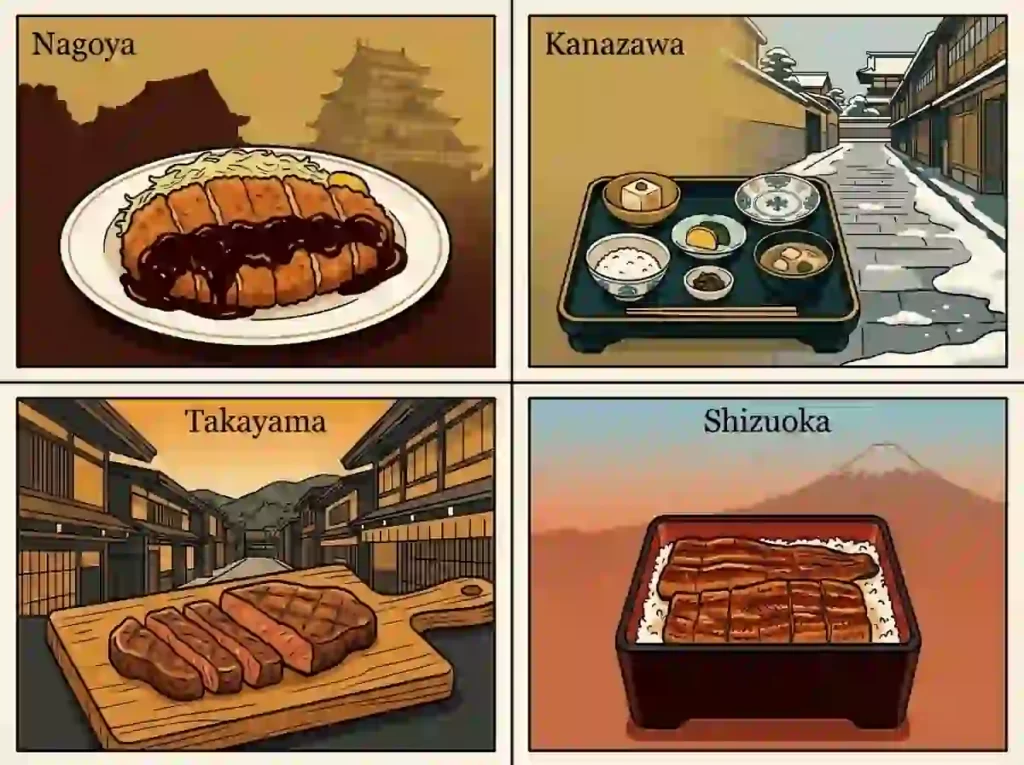
Chubu contains some of Japan’s most rewarding food cities. Each city offers a completely different experience, making the region ideal for extended food travel.
Nagoya — The Capital of Nagoya Meshi
Nagoya is Japan’s fourth largest city and the proud home of Nagoya meshi. Nagoyafood culture is bold, confident, and deeply attached to its local identity. The city’s residents eat miso katsu, hitsumabushi, misonikomi udon, and tebasaki with a frequency and passion that visitors find immediately infectious. The covered shopping arcades of Sakae and the retro dining streets of Osu offer the best introduction to Nagoya food. Many restaurants here opened decades ago and maintain the same recipes unchanged. Nagoya also surprises visitors with its outstanding morning culture. Coffee shops across the city serve generous toast, eggs, and salad free with a morning coffee order, a local tradition unique to the area.
Kanazawa — Japan’s Most Overlooked Food City
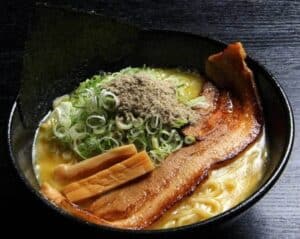
Kanazawa consistently ranks among Japan’s top cities for food quality, yet it still surprises first-time visitors. The city pairs beautiful Edo-period architecture with an extraordinary concentration of great restaurants. Kanazawa food ranges from elaborate Kaga cuisine kaiseki courses to casual bowls of Kanazawa ramen and plates of Kanazawa curry. The Omicho covered market, known as Kanazawa’s kitchen, offers the freshest Sea of Japan seafood at dozens of stalls and small restaurants. In winter, the arrival of Echizen crab and kabura sushi season transforms the city’s dining scene into something extraordinary.
Takayama — Mountain Food at Its Finest
Takayama sits deep in the Hida mountains of Gifu Prefecture. The city’s beautifully preserved old merchant town provides the perfect backdrop for exploring mountain central Japan cuisine. Hida beef appears everywhere: in sushi, on skewers, and sizzling on teppan griddles. Meanwhile, morning markets along the Miyagawa River sell fresh mountain vegetables, pickles, and local snacks. Alongside these, Takayama sake, brewed with soft mountain water, pairs beautifully with the local food. Taken together, few cities in Japan combine natural beauty with culinary quality as effectively as Takayama.
Shizuoka — Eel, Mt. Fuji, and Green Tea
Shizuoka Prefecture stretches along the Pacific coast between Nagoya and Tokyo. It combines two of Japan’s most iconic images, Mt. Fuji and green tea, with an outstanding food culture. Shizuoka produces more green tea than any other Japanese prefecture. The quality ranges from everyday sencha to premium gyokuro and matcha. Unajyu eel dishes and Fujinomiya yakisoba represent two very different sides of Shizuoka food culture. One is refined and traditional. The other is casual and deeply local.
Niigata — Rice, Sake, and Sea of Japan Seafood
Niigata faces the Sea of Japan on Honshu’s northwest coast. The prefecture grows Japan’s most celebrated rice and produces outstanding sake. Niigata sake breweries number over 90, more than any other prefecture, and the region’s tanrei karakuchi style is recognized throughout Japan. The Sea of Japan off Niigata’s coast produces excellent snow crab, yellowtail, and flounder throughout the colder months. Niigata City’s food scene pairs this exceptional seafood with premium local rice in sushi and donburi rice bowls that rival anything available in Tokyo.
Chubu Food Map
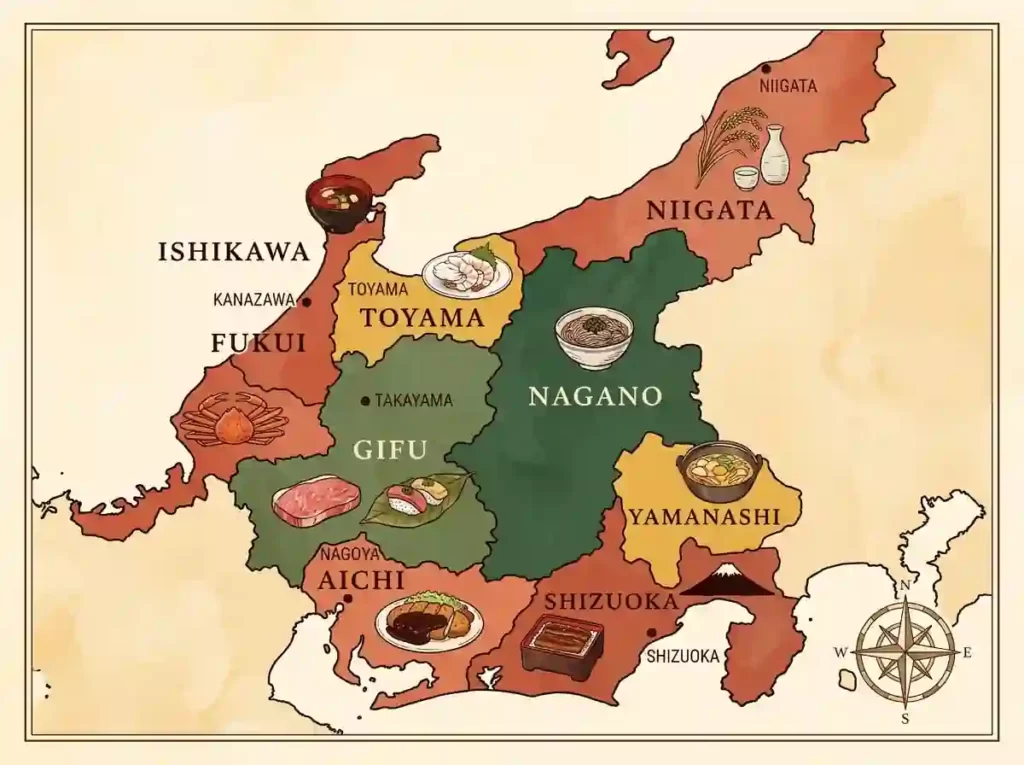
Chubu’s culinary map reflects the region’s dramatic geographical contrasts. Aichi sits at the center, with Nagoya driving one of Japan’s most distinctive and proud local food cultures built around hatcho miso. To the north and west, Ishikawa and Kanazawa offer refined Kaga cuisine, extraordinary seafood from the Japan Sea, and winter delicacies like Echizen crab and kabura sushi. Gifu’s mountain interior produces Hida beef and leaf-wrapped mountain sushi in the historic streets of Takayama and Shirakawago. Along the Pacific coast, Shizuoka grills premium unajyu eel beside tea plantations in the shadow of Mt. Fuji. Niigata in the far north anchors the region’s rice and sake culture in the cold, productive Echigo plain. And the smaller prefectures of Toyama, Fukui, Yamanashi, and Nagano each add their own thread to the rich culinary fabric of central Japan cuisine.
Why Chubu Is a Paradise for Food Lovers
Chubu rewards food travelers more generously than almost any other region in Japan. The secret is variety. A visitor can spend the morning in Nagoya eating thick miso-drenched katsu don. They can reach Kanazawa by afternoon for a market lunch of fresh crab and local sushi. They can end the journey in Takayama with Hida beef sizzling on an iron plate, sake from a local brewery in hand, in a wooden merchant house older than most countries.
What makes central Japan cuisine so compelling is its lack of single identity. Every prefecture defends its own traditions with fierce local pride. Nagoya meshi, Kanazawa food, Niigata rice culture, and Gifu mountain cooking exist in the same region but feel worlds apart. Exploring the differences is half the pleasure.
For anyone building a serious picture of Japanese food culture, Chubu is not a detour. It is essential.
Explore More Chubu Foods
- Kaga Cuisine — Kanazawa’s refined kaiseki tradition.
- Hida Beef — Premium wagyu from the Gifu mountains.
- Unajyu — Shizuoka’s celebrated eel rice box.
- Kabura Sushi — Kanazawa’s iconic winter fermented sushi.
- Kanazawa Curry — Kanazawa’s bold, thick curry style.
- Kanazawa Ramen — Rich soy-based ramen from the Japan Sea coast.
- Hooba Sushi — Gifu’s leaf-wrapped mountain sushi.
- Fujinomiya Yakisoba — Japan’s most famous regional yakisoba.
- Toyohashi Curry Udon — Aichi’s layered curry udon specialty.
Explore More Japanese Regional Foods
Japan’s regional cuisines vary widely depending on climate, history, and local ingredients. If you enjoyed learning about Chubu food, explore dishes from other regions of Japan.
- Hokkaido Food Guide — Seafood, ramen, and dairy from Japan’s northern island.
- Tohoku Food Guide — Hearty winter dishes from northern Honshu.
- Kanto Food Guide — Tokyo’s vibrant food culture and famous regional dishes.
- Kansai Food Guide — Osaka street food, Kyoto kaiseki, and Kobe beef.
- Kyushu Food Guide — Rich ramen, fresh seafood, and southern Japanese flavors.
References
Nagoya City Tourism (https://www.nagoya-info.jp/en/)
Kanazawa Tourism (https://www.kanazawa-tourism.com/eng/)
Ishikawa Prefecture Tourism (https://www.hot-ishikawa.jp/english/)
Gifu Prefecture Tourism (https://visitgifu.com/)
Shizuoka Prefecture Tourism (https://helloshizuoka.jp/en/)
Niigata Tourism (https://enjoyniigata.com/en/)
Chubu Food Guide FAQ
What food is Chubu famous for?
The region produces world-class Hida beef, premium Niigata rice, rich Nagoya miso dishes, and fresh seafood from the Sea of Japan.
Which prefectures are part of the Chubu region?
The region encompasses nine prefectures: Aichi, Gifu, Shizuoka, Yamanashi, Nagano, Niigata, Toyama, Ishikawa, and Fukui.
What is Nagoya meshi?
It refers to the bold, deeply flavored local cuisine of Nagoya, which heavily features red miso, crispy chicken wings, and grilled eel.
What makes Chubu cuisine different from other regions of Japan?
Chubu bridges eastern and western Japan. It combines the heavy, dark sauces of Aichi with the highly refined, delicate seafood traditions of Ishikawa.
What is miso katsu and what kind of miso is used?
Chefs deep-fry a breaded pork cutlet and drench it in a thick, sweet, and savory sauce made from dark Hatcho miso.
What is hitsumabushi and how is it eaten?
It is chopped grilled eel over rice. You eat it three ways: plain, with condiments (wasabi/green onions), and finally with hot broth poured over it.
What is kishimen udon?
Makers flatten the wheat dough to create broad, ribbon-like noodles. These flat noodles cook faster and absorb the savory soy-based broth perfectly.
What is tebasaki and why is it famous in Nagoya?
Cooks deep-fry chicken wings without batter and coat them in a sweet soy glaze and heavy black pepper, creating Nagoya’s ultimate bar snack.
What is Nagoya cochin chicken?
Farmers raise this premium free-range chicken breed to produce firm, chewy meat and incredibly rich, golden egg yolks.
What is misonikomi udon?
Chefs boil extremely firm, raw udon noodles directly in a bubbling clay pot filled with a rich red miso and bonito broth.
What is Kaga cuisine and why is it special?
It represents Kanazawa’s elegant traditional cooking. It combines Kyoto’s refined visual techniques with the rich, fresh seafood of the Hokuriku coast.
What is kabura sushi from Kanazawa?
Locals ferment salted turnips stuffed with yellowtail fish in rice malt (koji) to create a sweet, sour, and rich winter delicacy.
What is Kanazawa curry and how does it differ from regular Japanese curry?
Chefs serve a very thick, dark, and rich curry over rice in a stainless steel boat, typically topped with a pork cutlet and shredded cabbage.
What is Kanazawa ramen?
Cooks usually serve a rich, sweet soy sauce broth infused with seafood and chicken, pairing it with satisfying curly noodles.
What seafood is Ishikawa famous for?
Fishermen catch premium snow crabs (Zuwai-gani), sweet shrimp (Amaebi), and highly prized blackthroat seaperch (Nodoguro) off the Ishikawa coast.
What is Hida beef from Gifu?
Farmers raise these black cattle in the pure air and water of the Japanese Alps to produce incredibly tender, heavily marbled Wagyu beef.
What is hooba sushi from Gifu?
Locals wrap vinegared rice, salmon, and mountain vegetables in a large magnolia leaf (hooba) to preserve the food and add a rustic aroma.
What is unagi (eel) culture in Shizuoka?
Lake Hamana in Shizuoka pioneered eel farming in Japan. Chefs here grill high-quality eels using both Kanto (steamed) and Kansai (crispy) styles.
What is Fujinomiya yakisoba?
Cooks stir-fry chewy, steamed noodles with pork scraps and cabbage, then top the dish with sardine powder for a unique umami kick.
What food is Niigata famous for?
Niigata boasts the nation’s best Koshihikari rice, premium sake, fresh snow crab, and local specialties like Hegi Soba (seaweed-bound noodles).
What is Echizen crab from Fukui?
It is a highly prized snow crab. Fishermen famously catch and supply this luxurious, sweet crab directly to the Japanese Imperial Family.
What rice is Niigata famous for?
Farmers grow Minami-Uonuma Koshihikari. Japanese people widely consider it the most delicious, sticky, and sweet premium rice brand in the country.
What traditional sweets are famous in the Chubu region?
You should try Uiro (sweet rice jelly) in Nagoya, Shingen Mochi (jelly with roasted soybean flour) in Yamanashi, and gold-leaf sweets in Kanazawa.
What is the best season to visit Chubu for food?
Winter provides the best snow crabs, yellowtail, and hearty hot pots, while autumn offers freshly harvested rice, sake, and wild mountain mushrooms.
Is Nagoya miso different from other Japanese miso?
Yes. Nagoya specializes in “Hatcho Miso,” an intensely dark, thick, and pungent red miso made solely from soybeans and aged for years.
What is the famous fruit of Yamanashi?
Farmers grow Japan’s best peaches and grapes in Yamanashi, using the grapes to produce excellent and internationally recognized local wines.
What is Houtou from Yamanashi?
Cooks boil wide, flat wheat noodles with pumpkin and seasonal vegetables in a hearty miso soup to warm the body during winter.
Why is Shizuoka famous for green tea?
Shizuoka produces the largest volume of green tea in Japan. Farmers cultivate high-quality tea leaves on the misty, volcanic slopes of Mount Fuji.
What is Toyama black ramen?
Chefs use an intensely dark, salty soy sauce broth packed with black pepper to create a heavy ramen originally designed to replenish manual laborers.
Are there vegetarian options in Chubu?
Yes. Monks in Nagano and Fukui perfect Shojin Ryori (Buddhist vegetarian cuisine), featuring wild mountain vegetables and delicate, protein-rich tofu dishes.