





Kyoto is where Japanese food culture reached its highest refinement. For over a thousand years, as Japan’s imperial capital, the city developed a cuisine built on restraint, seasonality, and respect for ingredients rather than boldness or richness. Eating here is a different experience from Tokyo or Osaka: quieter, more deliberate, and more deeply connected to history. This guide covers 20 essential dishes — from ancient temple cooking to modern matcha creations — with prices and the best neighborhoods to find each one.
📋 Jump to a Category
How to Use This Guide
Prices use a simple ¥ scale. Here’s what each means:
- ¥ — under ¥500 (~$3) · Snacks, street food
- ¥¥ — ¥500 to ¥2,000 (~$3 to $13) · Casual meals
- ¥¥¥ — ¥2,000 to ¥6,000 (~$13 to $40) · Sit-down restaurants
- ¥¥¥¥ — ¥6,000 and above (~$40+) · Fine dining and kaiseki
Note: Kyoto dining skews more expensive than Tokyo or Osaka. Budget extra for dinner, especially near temples.
Traditional Kyoto Cuisine
Dishes rooted in over a thousand years of imperial and temple food culture
1Kaiseki Ryori
懐石料理 · Multi-Course Seasonal CuisineKyoto’s most celebrated dining tradition: a meticulously sequenced multi-course meal built around the finest seasonal ingredients, presented with the same care as a work of art. Kaiseki ryori evolved from the tea ceremony tradition and represents the pinnacle of Japanese culinary refinement. Each dish is served one at a time in specific vessels chosen to complement the season. Summer kaiseki often features hamo (pike conger eel), while autumn courses highlight matsutake mushrooms and Kamo eggplant. A full kaiseki dinner in Kyoto is one of the most profound food experiences in Japan.
2Obanzai
おばんざい · Kyoto Home CookingObanzai is the everyday home cooking of Kyoto: simple, seasonal, deeply nourishing side dishes built around local vegetables, tofu, and preserved ingredients. A typical obanzai meal includes rice, miso soup made with mild shiro miso (white miso), and three or four small dishes such as simmered pumpkin, hijiki seaweed, marinated spinach, and tamagoyaki. Because Kyoto was historically landlocked, its cuisine developed around vegetables rather than seafood, and taitan (the gentle simmering technique) is its most characteristic cooking method.
3Shojin Ryori
精進料理 · Buddhist Vegetarian CuisineShojin ryori is the vegetarian cuisine developed by Buddhist monks, using no meat, fish, or dairy. Yet within these strict constraints, Kyoto’s temple cooks created dishes of extraordinary complexity and beauty, using seasonal vegetables, tofu, yuba, sesame, and mountain herbs. Eating shojin ryori at a Kyoto temple is a deeply moving experience — it connects you directly to centuries of monastic food culture and demonstrates how much flavour is possible without animal products.
4Saba Sushi
鯖寿司 · Mackerel Pressed SushiKyoto’s most famous sushi style: whole mackerel cured in salt and vinegar, pressed tightly over seasoned rice and wrapped in konbu kelp, then sliced into elegant rectangular pieces. Because Kyoto is far from the sea, fresh fish was historically unavailable, so mackerel was preserved with salt on its journey from the coast along the “Mackerel Highway” (Saba Kaido). This preservation technique created a distinctive, richly flavored sushi unlike anything in Tokyo or Osaka. The fish is often treated with saikyo miso marinade before pressing, adding a gentle sweetness unique to Kyoto.
5Kyo-Tsukemono
京漬物 · Kyoto PicklesKyoto pickles are among the most sophisticated in Japan, reflecting centuries of vegetable cultivation and fermentation expertise. The most famous types include senmaizuke (thousand-layer turnip pickled in sweet vinegar), sugukizuke (a sour fermented turnip unique to Kyoto), and shibazuke (eggplant and cucumber pickled with red shiso, giving a vivid purple color). These pickles are served with rice at almost every traditional Kyoto meal and are among the city’s best souvenirs.
6Kyo Yasai Dishes
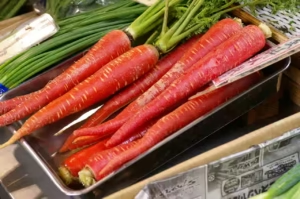
京野菜料理 · Kyoto Vegetable CuisineKyoto’s 37 officially designated traditional vegetables, known as Kyo Yasai, have been cultivated for over 1,200 years to meet the demanding requirements of the imperial court and Buddhist temples. Key varieties include the sweet Kujo Negi green onion, the enormous Shogoin turnip, the vivid Kintoki carrot, and the mild Manganji sweet pepper. Dishes built around these vegetables appear throughout Kyoto’s restaurant menus, from casual obanzai sets to kaiseki courses.
Tofu and Yuba Dishes
Kyoto’s legendary soft water produces some of Japan’s finest tofu
7Yudofu
湯豆腐 · Hot Pot TofuYudofu is one of Kyoto’s most iconic dishes and the dish most visitors associate with the city: silken tofu gently simmered in a pot of kombu dashi until just warm, then dipped in ponzu citrus sauce with condiments of grated ginger and green onion. The key is the quality of Kyoto’s soft mineral-rich groundwater, which produces tofu of extraordinary delicacy and sweetness. This dish originated in the Buddhist temple cooking of Nanzenji temple in the 8th century.
8Yuba
湯葉 · Tofu SkinYuba is the delicate skin that forms on the surface of heated soy milk, skimmed off and served fresh or dried. Kyoto’s version has a rich, creamy sweetness that is markedly different from yuba elsewhere in Japan. It is served in multiple forms: fresh rolled into soft sheets (nama yuba), draped over rice in a donburi bowl, incorporated into kaiseki courses, or dried for later use. Yuba restaurants are concentrated in the Arashiyama and Nanzenji areas.
9Tofu Dengaku
豆腐田楽 · Miso-Glazed TofuFirm tofu skewered on a bamboo stick, grilled until lightly charred on the outside, and glazed with sweet white Kyoto miso (saikyo miso). The combination of the smoky tofu and the gentle sweetness of saikyo miso is one of Kyoto’s most distinctive flavors. Tofu dengaku appears on the menus of traditional restaurants, izakaya, and street food stalls near popular temple areas. It is simple food but shows the depth achievable with Kyoto’s high-quality ingredients.
Noodles and Rice
Lighter and more delicate than Tokyo or Osaka equivalents, built on Kyoto’s celebrated dashi
10Nishin Soba
にしんそば · Herring SobaKyoto’s most beloved noodle dish: thin buckwheat soba served in a light, refined dashi broth topped with sweet soy-simmered dried herring (nishin). Because Kyoto is landlocked, dried herring was one of the few fish ingredients historically accessible, and its preparation in sweet soy sauce became a Kyoto specialty. The broth here is lighter in color and more delicate than Tokyo’s, reflecting the Kansai preference for kombu-forward dashi. Nishin soba was invented in Kyoto in 1882.
11Kyoto Ramen
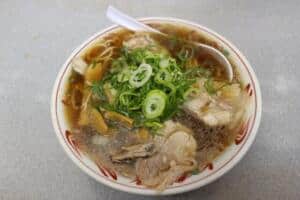
京都ラーメンKyoto has its own distinct ramen style: a rich, thick chicken and soy sauce broth with a generous floating layer of chicken fat (tori paitan), topped with thin noodles, green onions, and bamboo shoots. It is richer and more robust than you might expect from a city associated with delicacy, and has its own dedicated following. The Kujo Negi green onion, unique to Kyoto, is a key topping at many shops. In summer, many Kyoto restaurants also move dining outdoors onto kawadoko riverside platforms — for more on this experience, see our kawadoko dining guide.
12Inarizushi
いなり寿司 · Fox SushiInarizushi — vinegared sushi rice stuffed inside a sweet-simmered pouch of fried tofu — has a particularly strong connection to Kyoto, home to Fushimi Inari, Japan’s most famous Inari shrine. The tofu pouch is associated with foxes (the messengers of the rice deity Inari), and eating inarizushi near the shrine is a centuries-old tradition. Kyoto-style inarizushi tends to be more delicately seasoned than Tokyo versions, with a lighter, sweeter tofu pouch.
13Kyoto-Style Udon
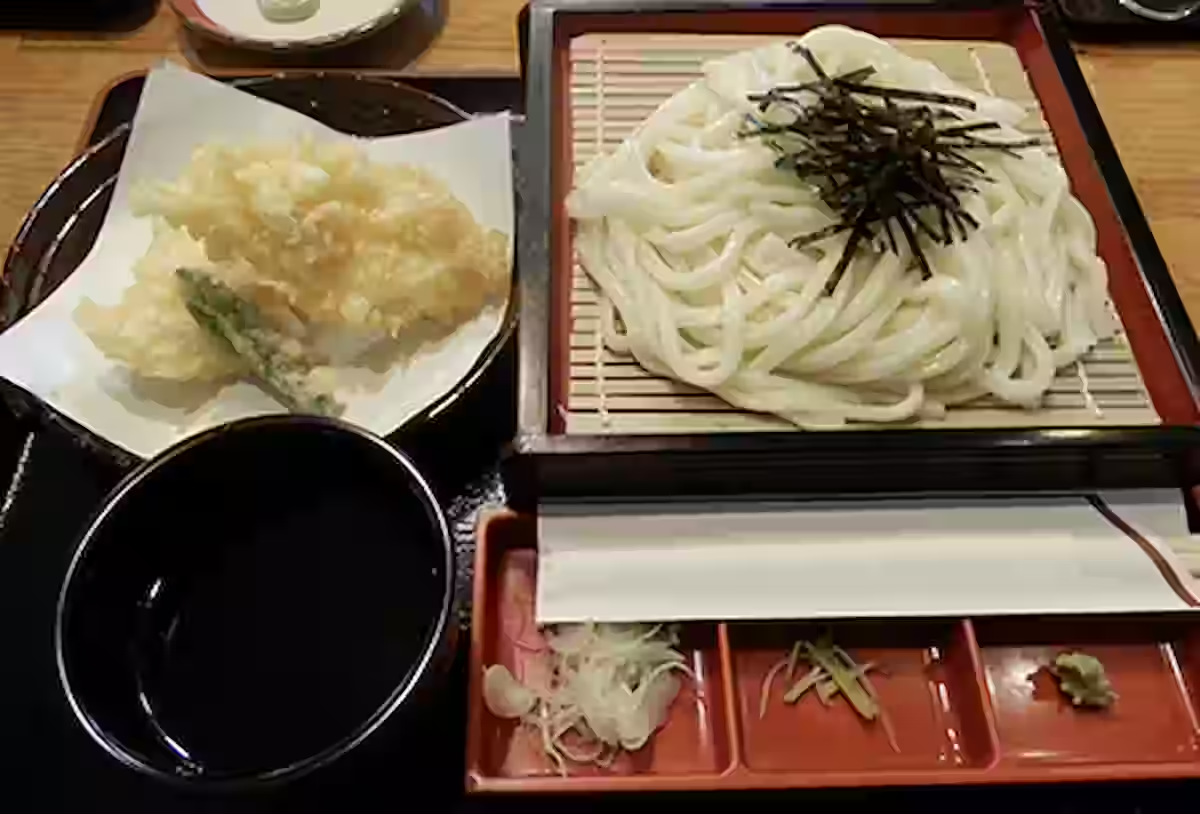
京風うどんKyoto-style udon is softer and more delicate than Osaka or Sanuki udon, served in a very pale, almost clear kombu-forward dashi broth. The city’s preference for subtle flavors extends to its noodles: the broth is intentionally understated, allowing the quality of the dashi to take center stage. Common toppings include Kyoto vegetables, yuba, and the ever-present Kujo Negi green onion. This is a dish of quiet sophistication rather than bold impact.
Sweets and Tea
Kyoto is Japan’s undisputed capital of wagashi and matcha culture
14Yatsuhashi
八ツ橋 · Cinnamon Rice SweetYatsuhashi is Kyoto’s most iconic souvenir sweet, made from rice flour, sugar, and cinnamon. The classic hard-baked version is a thin, curved cracker with a warm cinnamon aroma, shaped like a koto (Japanese harp). The softer, unbaked version called nama yatsuhashi is chewy like mochi and typically folded around sweet red bean paste. Both versions have been made in Kyoto since the Edo period. The cinnamon flavor is gentle and distinctive.
15Matcha and Wagashi
抹茶と和菓子Kyoto is the spiritual home of Japanese tea culture, and matcha here is of a different caliber than what you find elsewhere. The finest matcha comes from nearby Uji city, and Kyoto’s tea houses serve it in the authentic way: whisked with a bamboo chasen into a frothy, bittersweet drink and accompanied by a seasonal wagashi (Japanese confection) designed to complement its flavor. Alongside matcha, Kyoto is also celebrated for Uji cha (Uji green tea), premium gyokuro (the highest grade of green tea), and hojicha (roasted green tea with a warm, toasty aroma). Experiencing a traditional tea ceremony is one of Kyoto’s most culturally significant food experiences.
16Mitarashi Dango
みたらし団子 · Soy Sauce Rice DumplingsSkewered rice flour dumplings grilled over charcoal and glazed with a sweet soy sauce syrup. Mochi-like in texture, slightly crispy on the outside from the grill, and deeply fragrant from the caramelized sauce. Mitarashi dango originated at Shimogamo Shrine in northern Kyoto, where the round dumplings are said to represent the bubbles that rise in the sacred spring there. It is one of Japan’s oldest still-enjoyed sweets.
17Uji Kintoki
宇治金時 · Matcha Shaved IceUji Kintoki is a summer shaved ice dessert built on high-quality ceremonial-grade matcha syrup from Uji, piled over finely shaved ice with sweet azuki red beans, shiratama rice dumplings, and condensed milk. The contrast of bitter matcha, sweet beans, and icy cold is deeply refreshing and uniquely Kyoto. Named after Kintoki, a legendary hero of strength, the dessert is a summer icon in the city and surrounding Uji area.
18Kuzukiri
葛切り · Arrowroot NoodlesTranslucent, silky noodles made purely from arrowroot starch and water, served chilled with a rich dark brown sugar syrup (kuromitsu) for dipping. Kuzukiri has almost no flavour of its own — it is all about texture, temperature, and the contrast with the deep caramel sweetness of the syrup. It was originally served exclusively to select guests at a famous Gion confectionery, and has a shelf life of only 15 minutes after preparation, making it one of Japan’s most ephemeral sweets. Kyoto’s confectionery tradition also includes youkan (sweet bean jelly), dango in many seasonal forms, and the delicate temari-inspired ball-shaped sweets.
Street Food and Markets
Kyoto’s more accessible food experiences
19Nishiki Market Snacks
錦市場 · Kyoto’s KitchenNishiki Market, a 400-meter covered shopping street in central Kyoto, has been the city’s main food market since the 17th century and is nicknamed “Kyoto’s Kitchen.” The 100-plus stalls sell everything from fresh tofu and pickles to grilled skewers, sweet potato snacks, tamagoyaki, and seasonal wagashi. Walking the length of the market while snacking is one of the most enjoyable and affordable food experiences in Kyoto, and you will encounter ingredients found nowhere else in Japan.
20Tofu Soft Serve and Matcha Treats
豆腐ソフト・抹茶スイーツKyoto’s tourist areas have developed a rich culture of photogenic handheld sweets. Matcha soft serve cones with vivid green color and deeply bitter flavor are sold everywhere, but Kyoto’s versions use higher-grade Uji matcha than elsewhere. Tofu soft serve, made with Kyoto soy milk, is mild and surprisingly creamy. Along the approach to Kiyomizudera and in the Arashiyama bamboo forest area, vendors sell these alongside seasonal specials using black sesame, hojicha, and cherry blossom flavors.
Where to Eat by Area
Kyoto’s food is inseparable from its temples, shrines, and historic districts
⛩️ Higashiyama / Gion
- Kaiseki restaurants (Gion)
- Saba sushi (Izuju)
- Kuzukiri (Kagizen Yoshifusa)
- Matcha cafes
- Tofu dengaku stalls
🌿 Nanzenji / Heian
- Yudofu (Okutan, est. 1635)
- Yuba restaurants
- Nishin soba (Matsuba)
- Temple garden dining
🛒 Nishiki Market Area
- Obanzai set meals
- Kyo-tsukemono (pickles)
- Tako tamago skewers
- Fresh tofu and yuba
- Seasonal wagashi
🎋 Arashiyama / Sagano
- Fresh yuba (nama yuba)
- Matcha soft serve
- Tofu kaiseki restaurants
- Seasonal bamboo shoot dishes
⛩️ Fushimi Inari
- Inarizushi stalls
- Tofu dengaku
- Mitarashi dango
- Kyoto ramen nearby
🍵 Uji (Day Trip)
- Uji Kintoki shaved ice
- Premium matcha experiences
- Tea ceremony tours
- 30 min by Kintetsu/JR
Budget Breakdown: A Day of Eating in Kyoto
| Meal | Dish | Cost (¥) | Cost (USD) |
|---|---|---|---|
| Breakfast | Obanzai set meal | ¥1,000 to ¥1,800 | ~$7 to $12 |
| Mid-morning | Mitarashi dango | ¥150 to ¥300 | ~$1 to $2 |
| Lunch | Nishin soba or kyoto udon | ¥900 to ¥1,500 | ~$6 to $10 |
| Afternoon snack | Matcha with wagashi | ¥800 to ¥1,500 | ~$5 to $10 |
| Dinner (casual) | Yudofu course | ¥2,500 to ¥4,500 | ~$17 to $30 |
| Dinner (splurge) | Kaiseki lunch course | ¥8,000 to ¥20,000 | ~$53 to $133 |
| Day total (casual) | ~¥5,350 to ¥9,600 | ~$36 to $64 |
Practical Tips for Eating in Kyoto
What to know before your first meal
🗓️ Reservations
Kaiseki restaurants and popular yudofu spots require advance booking, often weeks ahead. Many do not have English websites — ask your hotel concierge to call ahead. Some Michelin-starred kaiseki restaurants require reservations months in advance, especially in autumn (foliage season) and spring (cherry blossom season).
🌿 Vegetarian and Vegan Options
Kyoto is the best city in Japan for vegetarian and vegan dining. Shojin ryori (Buddhist temple cuisine) is entirely plant-based, and many obanzai restaurants can accommodate vegetarians. Note that dashi broth (kombu and bonito) is in many dishes — always confirm with the restaurant if this is a concern.
⏰ Opening Hours and Seasons
Nishiki Market operates roughly 9am to 6pm, with some stalls closing earlier. Many traditional restaurants close on Tuesdays or Wednesdays. Seasonal dishes matter enormously in Kyoto: spring brings bamboo shoot menus (April to May), summer brings kawadoko riverside dining and kintoki shaved ice, and autumn brings mushroom and root vegetable kaiseki.
💳 Payment
Traditional restaurants and market stalls are often cash-only. Larger restaurants and department store food halls accept cards. Bring ¥10,000 in cash for a comfortable day of eating and shopping. ATMs at 7-Eleven and Japan Post reliably accept international cards.
🚃 Getting Around
The Kyoto City Bus Day Pass (¥700) is the easiest way to reach multiple food neighborhoods. Arashiyama is 25 minutes from central Kyoto by bus or the Randen tram. Uji is 17 minutes by the Kintetsu Kyoto Line. An IC card (ICOCA or Suica) works on all trains and buses.
Comments