





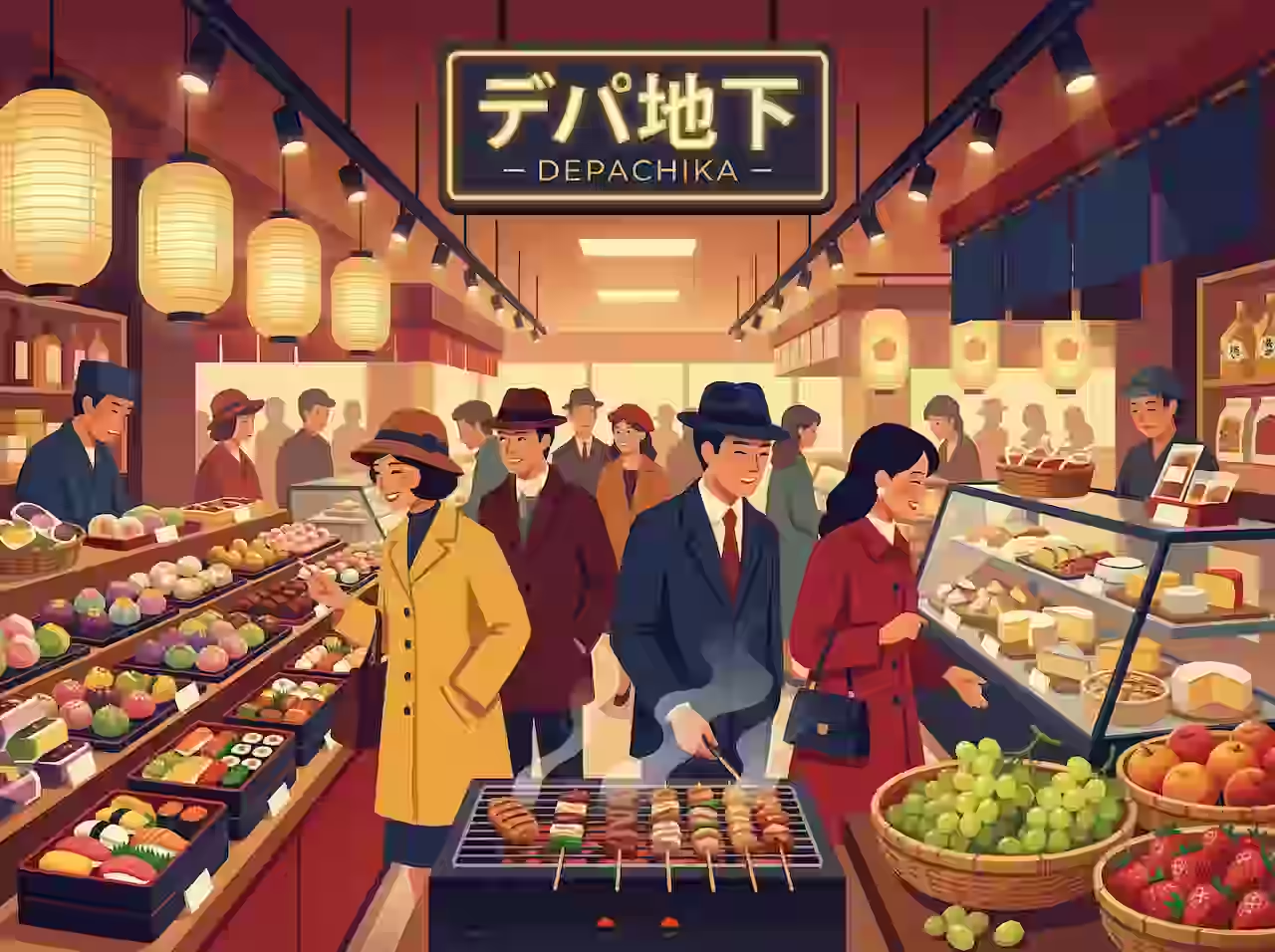
If you’re a food lover visiting Japan, there’s one destination you absolutely cannot miss. However, you won’t find it listed in Michelin guide books or street food articles. You need to go underground.
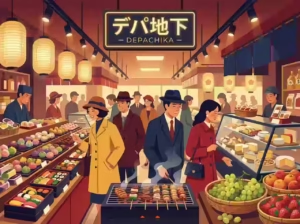
Welcome to the Depachika, a portmanteau of “depāto” (department store) and “chika” (basement). Every major Japanese department store transforms its basement levels into an expansive “food theme park.” This comprehensive depachika Tokyo guide will help you discover why these Japanese department store food basements have become a must-visit destination for both locals and tourists.
From visually stunning cakes to $100 melons and premium sushi takeaway, Japanese department store food basements offer a feast for all the senses. Whether you’re seeking a delicious bento box take out for your bullet train journey or shopping for the best souvenirs Tokyo Station has to offer, this guide will help you navigate the Depachika like a seasoned local.
What Exactly is a Depachika?
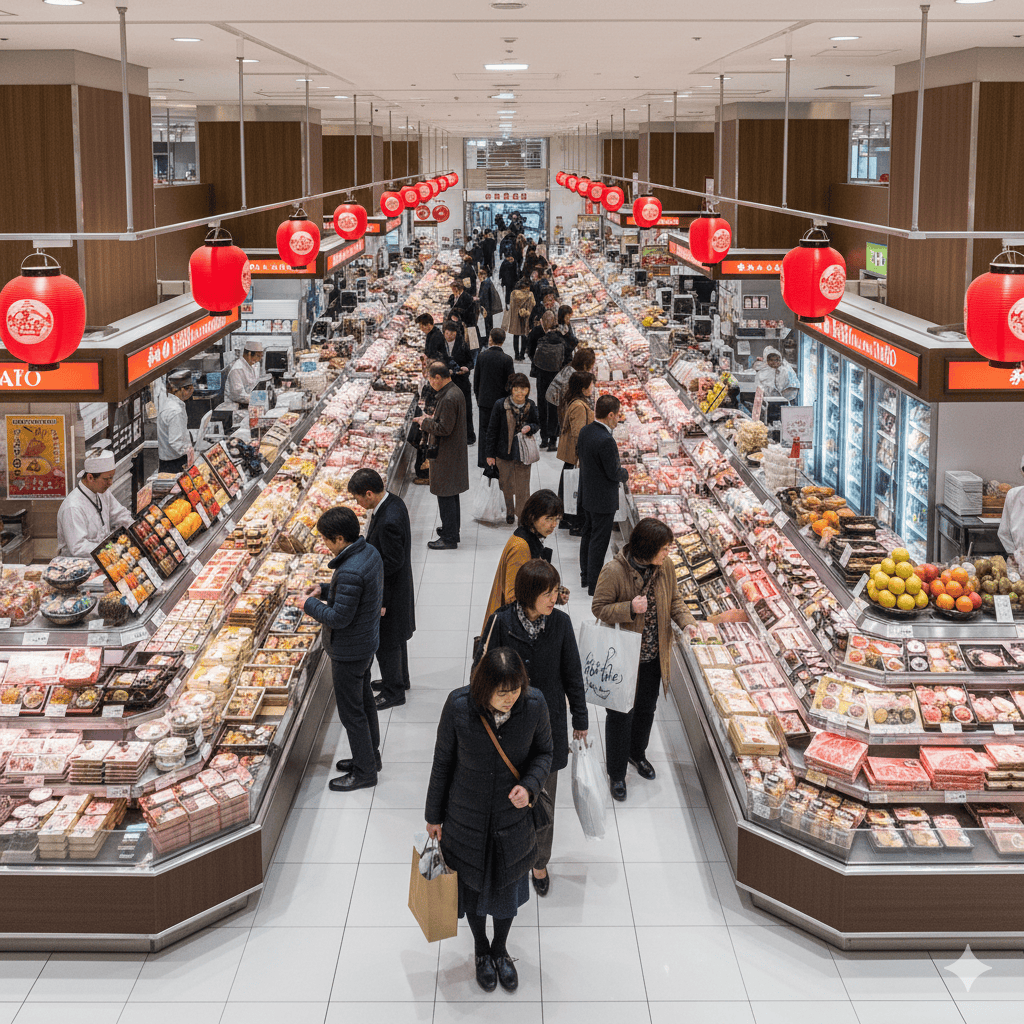
A Depachika is essentially a premium food hall and gourmet market located on the B1 (and sometimes B2) floor of department stores such as Isetan, Mitsukoshi, Takashimaya, and Daimaru. The concept emerged in the 1960s and has since evolved into a uniquely Japanese shopping experience that combines culinary excellence with impeccable presentation.
Unlike standard supermarkets, the emphasis here is on presentation, quality, and gift-giving culture. The aisles bustle with locals purchasing dinner or corporate gifts, creating an energetic atmosphere. Staff enthusiastically call out “Irasshaimase!” (Welcome!), and displays are maintained in immaculate condition. Many vendors offer free samples (shishoku), allowing you to taste before purchasing.
The average Depachika spans between 3,000 to 10,000 square meters and can house anywhere from 50 to 200 individual food vendors. During peak hours (typically 11:00 AM to 1:00 PM and 5:00 PM to 8:00 PM), these spaces can attract thousands of visitors, making them some of the busiest retail environments in Japan.
What Can You Buy? The Main Sections
Depachika are typically organized into distinct sections, each specializing in different types of cuisine and products. Here’s a detailed look at what to explore:
1. The Bento and Deli Section (Sōzai)
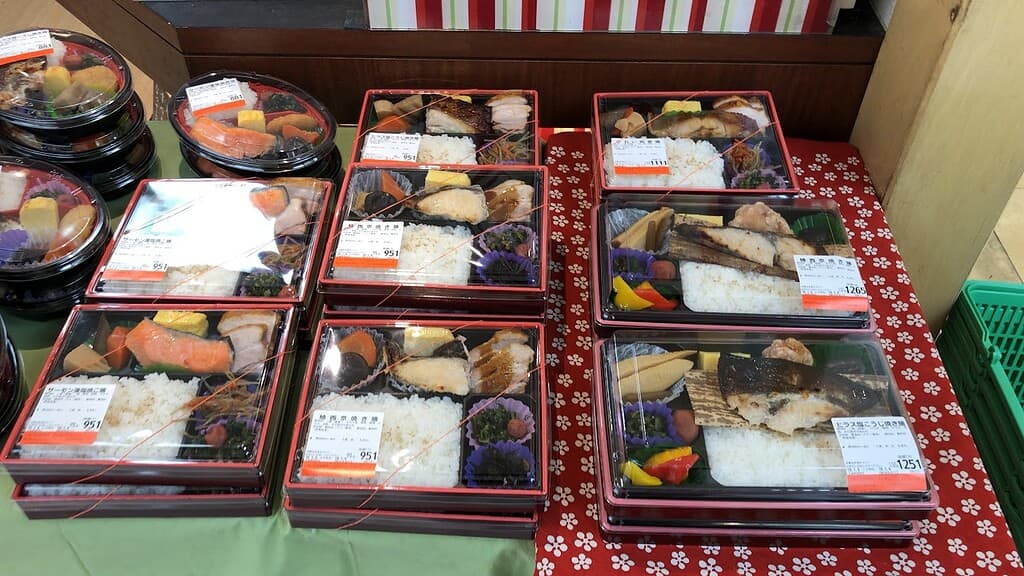
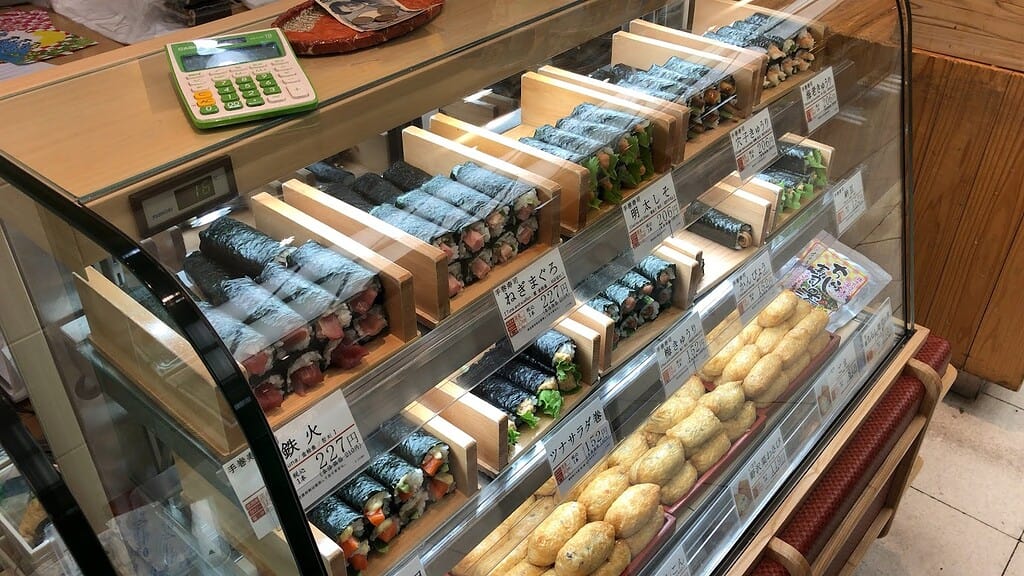
This is often the most crowded area, featuring glass counters filled with yakitori, tempura, salads, and eel. The variety is staggering: you’ll find everything from simple onigiri (rice balls) to elaborate kaiseki-style bento boxes with multiple compartments.
Traveler’s Tip: Planning a long train ride? Skip the station convenience store and purchase your bento box take out here instead. Depachika offer the finest bento boxes for Shinkansen journeys, ranging from traditional Makunouchi bentos (featuring rice, grilled fish, pickles, and tamagoyaki) to premium Wagyu beef bowls priced at ¥3,000 to ¥5,000 ($19-32 USD).
Popular items include:
- Karaage (Japanese fried chicken): Typically ¥500-800 ($3.20-5.15 USD) for a generous portion
- Tonkatsu (breaded pork cutlet): Around ¥800-1,200 ($5.15-7.70 USD)
- Seasonal chirashi-zushi (scattered sushi): ¥1,500-3,000 ($9.65-19.30 USD)
- Grilled unagi (eel) bento: ¥2,000-4,000 ($12.90-25.75 USD)
Many counters prepare items fresh throughout the day, so you can watch chefs grilling yakitori or assembling sushi right before your eyes.
2. Western Confectionery (Yōgashi)
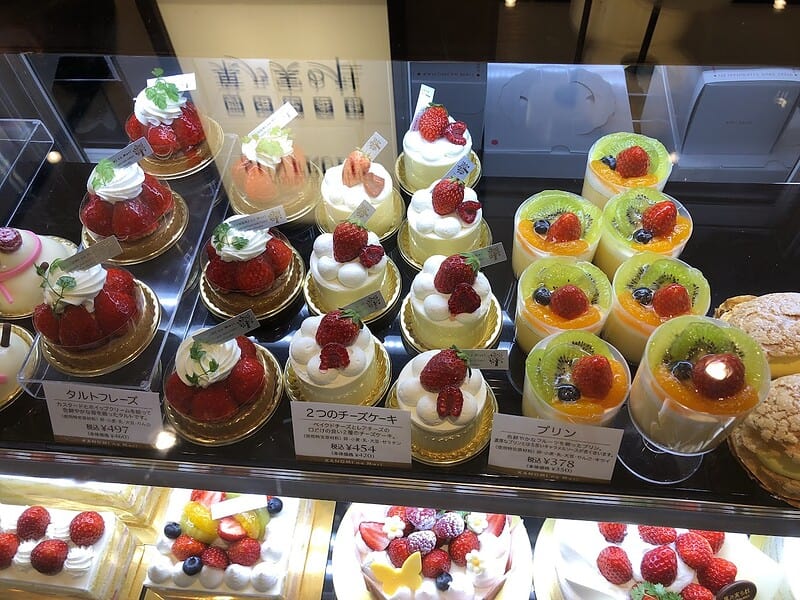
Japan takes French and Western pastries exceptionally seriously. You’ll discover world-renowned brands like Pierre Hermé, Henri Charpentier, and Fauchon alongside celebrated Japanese patisseries such as Tokyo Milk Cheese Factory and Bake Cheese Tart. This section is ideal for purchasing cakes, macarons, cookies, and chocolates.
The Japanese have perfected the art of adapting Western sweets with local ingredients. Look for:
- Matcha-flavored pastries and chocolates
- Seasonal fruit tarts featuring Japanese strawberries (ichigo) or peaches (momo)
- Baumkuchen: A German layer cake that has become wildly popular in Japan
- Cheese tarts with hokkaido cream
Individual pieces typically range from ¥300 to ¥800 ($1.95-5.15 USD), while whole cakes can cost ¥3,000 to ¥8,000 ($19.30-51.50 USD). The presentation is extraordinary, with each item carefully wrapped and boxed, making them perfect gifts.
3. Traditional Japanese Sweets (Wagashi)
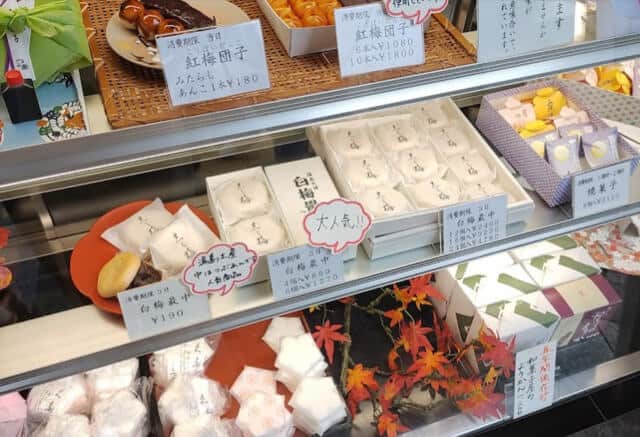
For authentic Japanese food souvenirs, head straight to the Wagashi section. These sweets have been refined over centuries and often reflect seasonal themes through their shapes, colors, and ingredients.
Look for:
- Senbei: Rice crackers in various flavors (soy sauce, nori seaweed, sesame). Lightweight and easy to pack, they make excellent souvenirs with a shelf life of several months. Prices range from ¥500 to ¥2,000 ($3.20-12.90 USD) per box.
- Yōkan: Sweet bean jelly blocks, traditionally made with adzuki beans and agar. Some varieties include chestnuts (kuri) or matcha. A single bar costs ¥800-1,500 ($5.15-9.65 USD).
- Mochi/Daifuku: Soft rice cakes filled with sweet bean paste or fruit. Best consumed fresh within 1-2 days. Popular varieties include ichigo daifuku (strawberry mochi) at ¥250-400 ($1.60-2.60 USD) each.
- Dorayaki: Pancake sandwiches filled with red bean paste, popularized by the cartoon character Doraemon. Around ¥200-350 ($1.30-2.25 USD) per piece.
- Monaka: Crispy wafer shells filled with bean paste. These keep well for travel at ¥150-300 ($0.95-1.95 USD) each.
Many wagashi shops have been operating for over 100 years and maintain traditional recipes passed down through generations. Some notable brands include Toraya (established 1586), Tsuraya Yoshinobu, and Akasaka Aono.
4. Luxury Fruit
Have you ever seen a melon wrapped in ribbon priced at ¥10,000 ($64 USD) or even higher? Welcome to Japan’s famous luxury fruit section. While expensive, these perfectly shaped strawberries, grapes, and melons are considered prestigious gifts in Japanese culture. Even if you’re not buying, they make for fascinating browsing!
The fruit selection reflects Japan’s meticulous agricultural standards:
- Yubari King Melons: Grown in Hokkaido, these can cost ¥10,000-30,000 ($64-193 USD) each. The most expensive pair ever sold went for ¥5 million at auction.
- Shine Muscat Grapes: Large, seedless green grapes priced at ¥2,000-5,000 ($12.90-32.20 USD) per bunch
- Amaou Strawberries: Premium strawberries from Fukuoka, around ¥1,000-3,000 ($6.45-19.30 USD) per pack
- Sekai-ichi Apples: “World’s best” apples that can cost ¥1,000-2,000 ($6.45-12.90 USD) each
- Densuke Watermelons: Black-skinned watermelons from Hokkaido, starting at ¥10,000 ($64 USD)
Each fruit is hand-selected, carefully cultivated, and inspected for perfect shape, color, and sugar content (measured in degrees Brix). The packaging is equally impressive, with custom boxes, cushioning, and decorative ribbons.
5. Fresh Seafood and Sushi
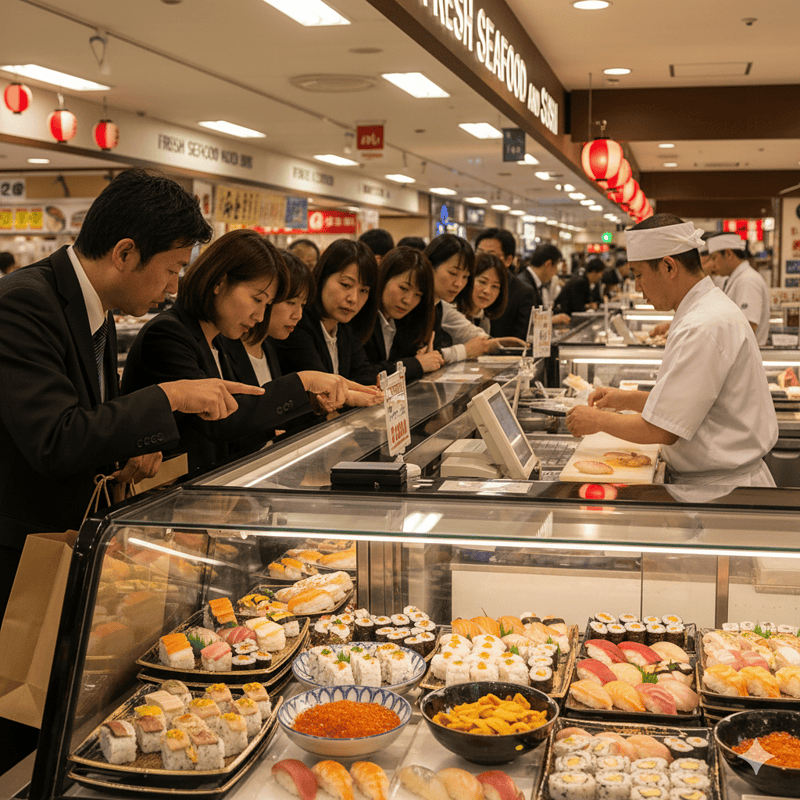
The sushi and sashimi counters showcase Japan’s fishing industry at its finest. You’ll find:
- Nigiri sushi sets: ¥1,500-5,000 ($9.65-32.20 USD) depending on fish quality
- Sashimi platters: ¥2,000-8,000 ($12.90-51.50 USD)
- Temaki (hand rolls): ¥300-600 ($1.95-3.85 USD) each
- Kaisendon (seafood rice bowls): ¥1,200-3,000 ($7.70-19.30 USD)
The fish is delivered fresh daily, often from Toyosu Market (formerly Tsukiji). Popular seasonal items include fatty tuna (toro) in winter, sea urchin (uni) in summer, and pacific saury (sanma) in autumn.
6. Prepared Foods and Side Dishes
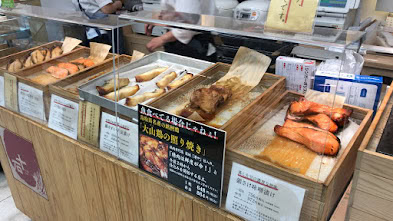
Beyond bento boxes, you’ll find individual side dishes perfect for creating your own meal:
- Kinpira gobo (braised burdock root): ¥400-600 ($2.60-3.85 USD) per container
- Tamagoyaki (sweet rolled omelet): ¥500-800 ($3.20-5.15 USD)
- Potato salad: ¥350-500 ($2.25-3.20 USD)
- Hijiki seaweed: ¥400-600 ($2.60-3.85 USD)
- Tsukemono (pickled vegetables): ¥300-800 ($1.95-5.15 USD)
These are typically sold by weight or in pre-portioned containers, making it easy to mix and match for a customized meal.
7. Bakery Section
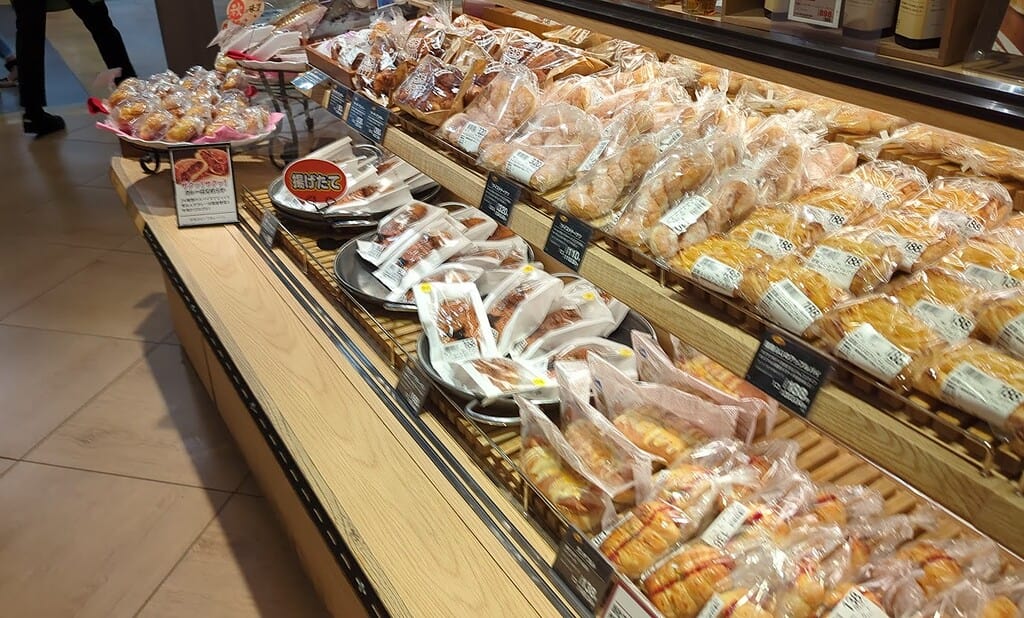
Japanese bakeries in Depachika offer both Western and Japanese-style breads:
- Shokupan (milk bread): ¥300-600 ($1.95-3.85 USD) per loaf
- Melon pan (sweet bun with cookie crust): ¥150-250 ($0.95-1.60 USD)
- Curry pan (fried curry bread): ¥200-300 ($1.30-1.95 USD)
- An-pan (bread with sweet bean filling): ¥180-280 ($1.15-1.80 USD)
- Croissants and Danish pastries: ¥250-500 ($1.60-3.20 USD)
Many breads are baked fresh multiple times throughout the day, filling the basement with irresistible aromas.
8. Tea and Coffee
Premium tea and coffee sections offer:
- Matcha powder: ¥1,000-5,000 ($6.45-32.20 USD) depending on grade
- Sencha (green tea): ¥800-3,000 ($5.15-19.30 USD)
- Hojicha (roasted tea): ¥600-2,000 ($3.85-12.90 USD)
- Specialty coffee beans: ¥1,000-3,000 ($6.45-19.30 USD) per 200g
Many shops offer beautiful gift sets that make excellent souvenirs, especially for tea enthusiasts.
Top Depachika to Visit in Tokyo
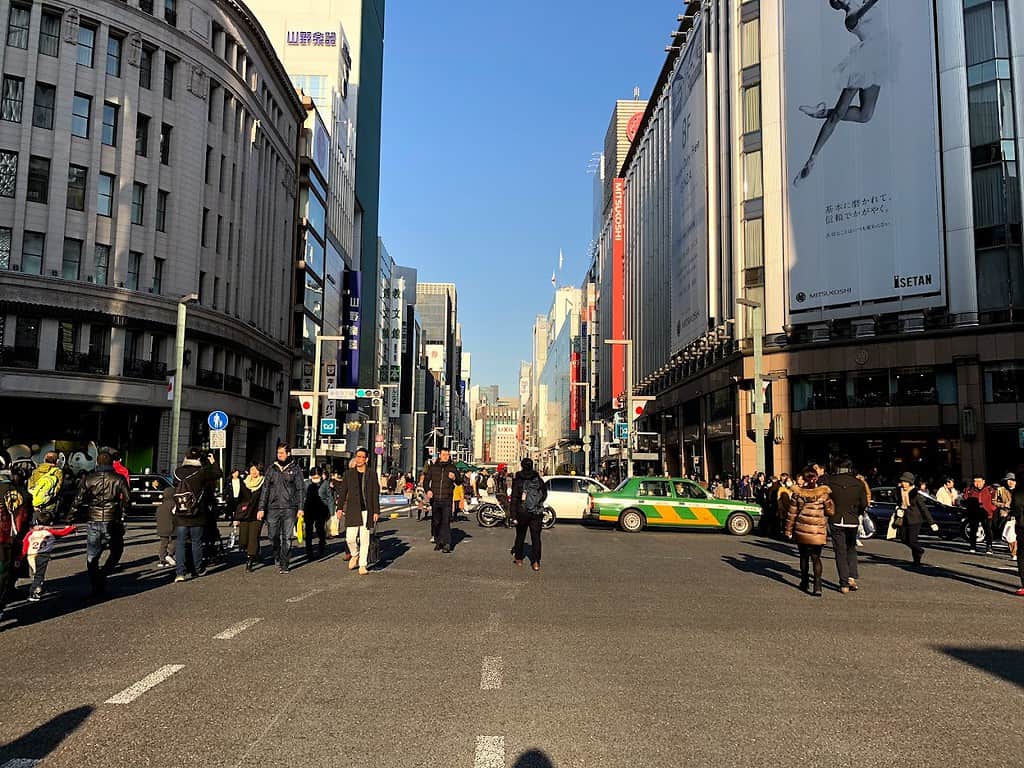
If you’re in Tokyo, these are the must-visit food basements that should be on every food lover’s itinerary:
Isetan Shinjuku
Often crowned the king of Depachika, this massive space spanning over 8,000 square meters is incredibly trendy and showcases the latest culinary trends. Located directly connected to Shinjuku Station, it features over 180 vendors.
Highlights:
- Henri Charpentier for French pastries
- RF1 for premium salads and deli items
- Ginza Kimuraya for an-pan (invented by this bakery in 1874)
- Seasonal pop-up shops featuring limited-time collaborations
Daimaru Tokyo
Directly connected to Tokyo Station, this is the strategic choice for travelers wanting to grab a premium bento before boarding their train. It’s particularly convenient for finding the best souvenirs Tokyo Station area has to offer, as you can shop and catch your Shinkansen without leaving the building.
Highlights:
- Ekiben (station bento) from various regions of Japan
- Wide selection of omiyage (souvenirs) suitable for taking on trains
- Depachika Sushi for fresh nigiri sets
- Bengara for traditional Japanese sweets
This location is especially popular among travelers looking for bento box take out options before long-distance train journeys. The variety of ekiben represents different regions of Japan, allowing you to sample local specialties from across the country.
Ginza Mitsukoshi
Located in the heart of luxury Ginza district, the selection here is sophisticated and perfect for high-end gift shopping. This historic department store (established 1673) offers a more refined, upscale atmosphere.
Highlights:
- Toraya for traditional wagashi (over 400 years of history)
- Pierre Hermé for French macarons
- Sembikiya for luxury fruit (established 1834)
- Takashimaya Confectionery for seasonal sweets
Takashimaya Nihombashi
Offers a more classic, traditional atmosphere with an excellent selection of long-established Japanese specialty shops. The building itself is a designated Important Cultural Property of Japan.
Highlights:
- Yokumoku for butter cookies (a Tokyo souvenir classic)
- Nihonbashi Sembikiya for fruit parfaits and luxury fruit
- Biscuiterie Sees for French-style cookies
- Tsukiji Sushi Say for premium sushi takeaway
Shibuya Hikarie ShinQs
A modern, stylish Depachika targeting younger shoppers with trendy food options.
Highlights:
- Cosmopolitan selection with international brands
- Fresh juice bars and smoothie stands
- Trendy dessert shops featuring Instagram-worthy creations
- Organic and health-conscious options
Odakyu Shinjuku
Located in the west side of Shinjuku Station, this Depachika is known for excellent value and local customer loyalty.
Highlights:
- Hokkaido specialty foods
- Excellent deli section with generous portions
- Affordable prices compared to other Depachika
- RF1 salad bar
Smart Shopping Tips for Tourists
Can I eat inside the Depachika?
Generally, no. Most Depachika are strictly takeaway only, with no seating areas provided. This maintains the flow of foot traffic and allows maximum space for vendors.
The Solution: Take your food to the rooftop garden. Many department stores feature beautifully maintained gardens on their roofs with benches where you can enjoy your meal. Alternatively, bring it back to your hotel or save it for your Shinkansen journey. Some department stores also have restaurant floors (often 10th-14th floors) where you can dine in a proper setting.
Look for Evening Discounts
Traveling on a budget? This tip is essential. Around 7:00 to 7:30 PM (approximately one hour before closing), staff begin placing discount stickers (waribiki) on fresh items like sushi, sashimi, and bento boxes. Discounts typically range from 20% to 50% off. This is a competitive sport among locals, so be prepared to act quickly!
The practice reflects Japan’s commitment to minimizing food waste while offering value to customers. Some regulars time their visits specifically for this discount period. The best selection usually appears around 7:00 PM, but arrive too late (after 7:45 PM) and popular items may be sold out.
Free Samples
Don’t be shy about accepting free samples (shishoku). Many vendors, especially in the confectionery and deli sections, offer tastes of their products. This is an excellent way to discover new flavors before committing to a purchase. Simply make eye contact with the staff member offering samples, and they’ll hand you a small portion on a toothpick or in a tiny cup.
Tax-Free Shopping
Many department stores offer tax-free shopping for tourists on purchases over ¥5,000 ($32 USD). Look for the “Tax-Free Counter” (usually located on an upper floor) after making your purchases. You’ll need to present your passport and may need to keep items sealed until departing Japan.
Important Note: Food intended for consumption in Japan does not qualify for tax exemption. Only items packaged specifically for export are eligible. However, many Depachika can arrange special export packaging for certain items like tea, dried goods, and confectionery if you plan to take them overseas.
Payment Methods
Most Depachika vendors accept cash and credit cards. Major cards (Visa, Mastercard, JCB, American Express) are widely accepted. IC cards like Suica and Pasmo can also be used at many shops, making quick purchases even more convenient.
Language Considerations
While many staff members in Tokyo Depachika have basic English skills, having Google Translate or a translation app ready can be helpful. Most items have labels with prices, and pointing works universally. Don’t let language barriers prevent you from exploring, as the visual displays usually make it clear what’s being sold.
Best Times to Visit
To maximize your Depachika experience:
- Weekday mornings (10:00-11:00 AM): Least crowded, but some items may not be fully stocked
- Weekday afternoons (2:00-4:00 PM): Good balance of selection and manageable crowds
- Evenings (7:00-7:30 PM): Discount time, but expect crowds and reduced selection
- Avoid: Weekend afternoons (12:00-3:00 PM) when crowds peak
Packaging for Travel
If you’re purchasing items to take home, ask for extra packaging or ice packs for perishables. Many shops will provide cooling packs (horeibukuro) for items that need to stay cold. For items you’re taking on the Shinkansen, request that hot and cold items be separated.
Understanding Expiration Dates
Japanese food labels include consumption dates:
- 消費期限 (shohikigen): “Use by” date for perishables
- 賞味期限 (shomikigen): “Best before” date for non-perishables
Always check these dates, especially if buying items to take home as souvenirs.
Best Souvenirs from Depachika

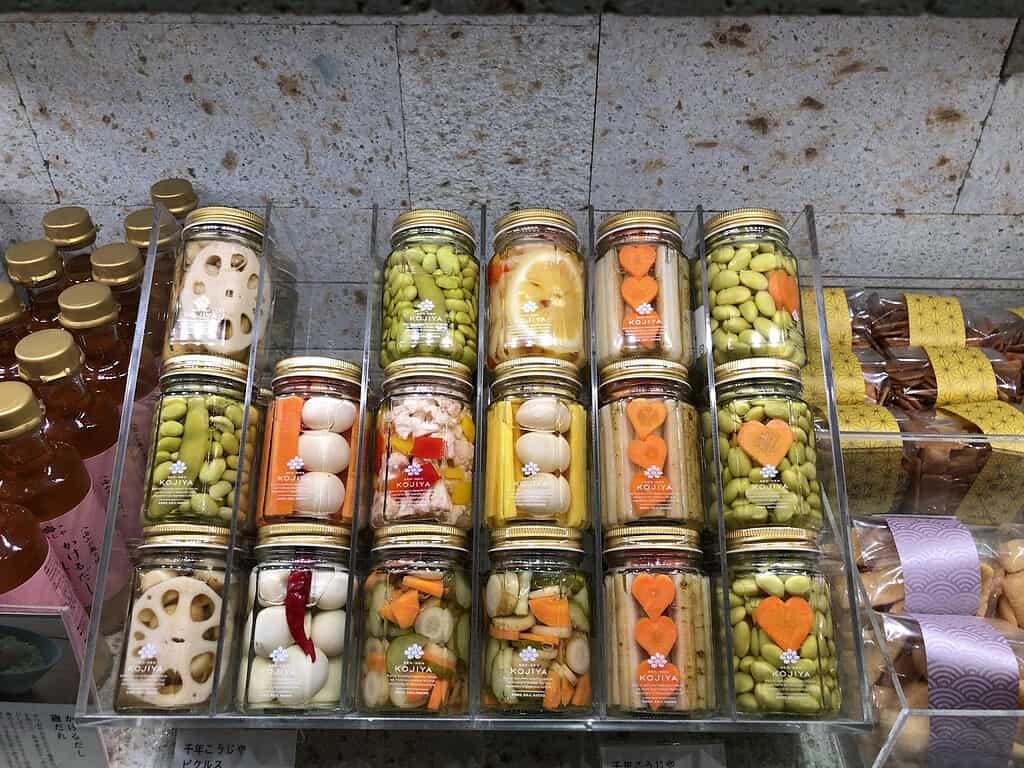
When shopping for the best souvenirs Tokyo Station and other Depachika locations offer, consider these crowd favorites:
For Coworkers or Groups (¥1,000-3,000 / $6.45-19.30 USD)
- Tokyo Banana: Soft sponge cakes filled with banana custard (¥1,000 / $6.45 USD for 8 pieces)
- Shiroi Koibito (White Lover): Hokkaido cookies, available at most Depachika (¥700-1,500 / $4.50-9.65 USD)
- Tokyo Milk Cheese Factory cookies (¥800-1,500 / $5.15-9.65 USD)
- Assorted senbei sets (¥1,000-2,000 / $6.45-12.90 USD)
Premium Gifts (¥3,000-10,000 / $19.30-64 USD)
- Toraya yokan in beautiful boxes (¥3,000-5,000 / $19.30-32.20 USD)
- Henri Charpentier Financier sets (¥3,000-4,000 / $19.30-25.75 USD)
- Premium tea sets (¥3,000-8,000 / $19.30-51.50 USD)
- Luxury chocolate assortments (¥4,000-10,000 / $25.75-64 USD)
Easy-to-Pack Items
- Instant miso soup packages
- Furikake (rice seasoning) collections
- Matcha powder in small tins
- Individually wrapped yokan
- Vacuum-sealed senbei
Regional Specialties
Many Depachika, especially at Tokyo Station, carry regional specialties (meibutsu) from across Japan:
- Hokkaido: Royce chocolate, Shiroi Koibito
- Kyoto: Yatsuhashi (cinnamon rice sweets), matcha confections
- Osaka: Rikuro’s cheesecake coupons (redeemable at Osaka locations)
- Hiroshima: Momiji manju (maple leaf-shaped cakes)
Cultural Etiquette in the Depachika
To ensure a smooth shopping experience and respect local customs:
- Don’t touch products unless invited: Use tongs or ask staff to serve you
- Form orderly queues: Japanese queuing culture is serious; don’t cut lines
- Eat and drink outside: Never consume food in the Depachika itself
- Handle samples respectfully: Take only one sample per offering
- Be decisive: During busy times, don’t linger too long at counters
- Return unwanted items to staff: Don’t put items back yourself
- Speak quietly: Depachika can be loud, but customers generally maintain moderate volume
Seasonal Highlights
Japanese food culture is deeply connected to seasons, and Depachika reflect this throughout the year:
Spring (March-May)
- Sakura (cherry blossom) flavored sweets and drinks
- Strawberry desserts at peak season
- New tea harvest items
Summer (June-August)
- Watermelon and melon season
- Kakigori (shaved ice) desserts
- Cold noodles and chilled soups
Autumn (September-November)
- Chestnut (kuri) and sweet potato desserts
- Matsutake mushroom dishes
- Persimmon and pear offerings
Winter (December-February)
- Osechi ryori (New Year’s feast foods) in December
- Mandarin oranges and winter fruits
- Hot pot ingredients and warming foods
Conclusion
Visiting a Japanese department store food basement is far more than a shopping trip; it’s a cultural immersion. It showcases Japan’s dedication to freshness, seasonality, and beautiful presentation. Whether you’re searching for a quick bento box take out for your train journey, browsing for the best souvenirs Tokyo Station has to offer, or simply want to experience this unique aspect of Japanese food culture, this depachika Tokyo guide has equipped you with everything you need.
The Japanese department store food basement experience represents the intersection of tradition and modernity, where centuries-old wagashi shops coexist with cutting-edge pastry techniques, and where the humble act of grocery shopping becomes an art form.
Next time you spot a major department store in Tokyo, Osaka, or Kyoto, don’t just browse the fashion on the ground floor. Take the escalator down to B1 and prepare for a culinary adventure that will leave you amazed and hungry! The Depachika is where locals shop, travelers discover, and everyone leaves with something delicious. It’s not just about the food; it’s about experiencing the Japanese philosophy of omotenashi (hospitality) and shokunin (craftsmanship) in every beautifully wrapped package and carefully prepared dish.
All USD conversions are based on an exchange rate of 1 USD = 155.35 JPY as of December , 2025.
Comments