










Guruni (ぐる煮) is a warm, classic vegetable stew from Kōchi Prefecture in Shikoku, Japan. This local dish is more than just food cooked together. It shows the strong history and community spirit of Kouchi. And so, read on to learn why Guruni is a favorite, what its name means, and where to try this old dish.
What Exactly Is Guruni?
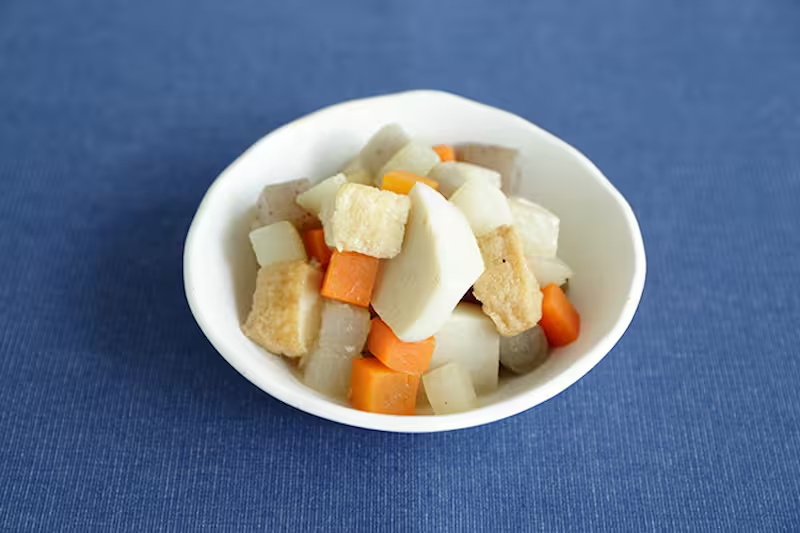
Guruni is a Japanese simmered dish that comes only from Kōchi Prefecture. It is known for using local winter root vegetables and a few kinds of protein. These foods are cooked slowly in a tasty fish stock, or dashi broth.
The dish gets its name from the local Kōchi language (Tosa dialect). In this language, the word Guruぐる means “together” or “gathering.” So, Guruni stands for many different foods coming together to cook and share one common flavor.
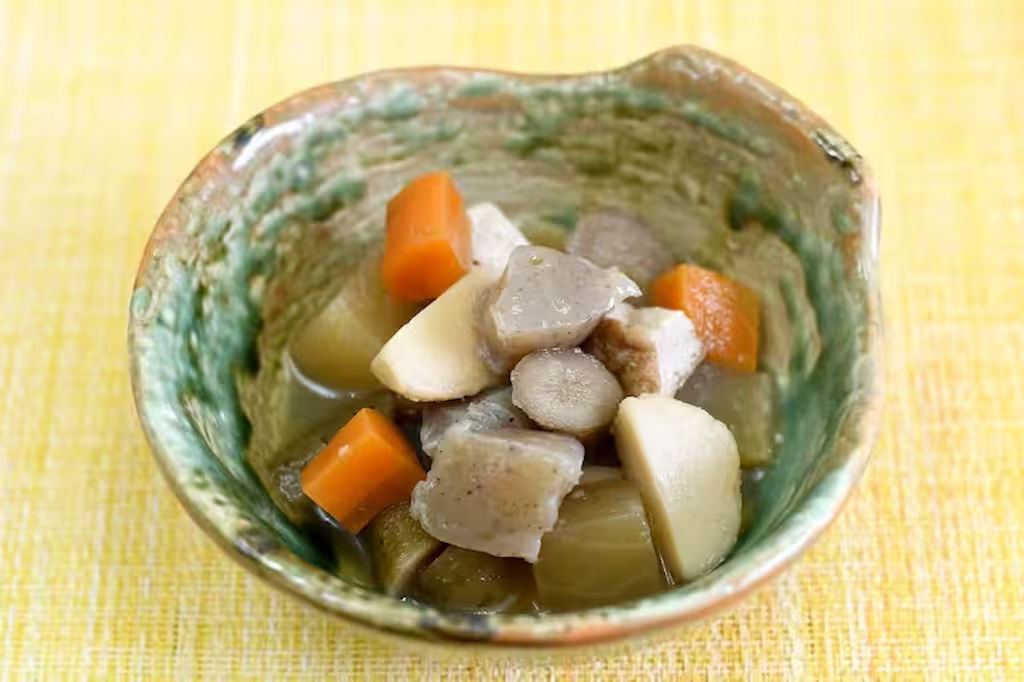
Main ingredients usually include daikon radish, taro, carrots, burdock root, konjac, and thick fried tofu. To help them cook evenly and share flavor, all these soft and hard ingredients are cut into small, matching cubes. Hence, this required step of cutting everything the same way quietly backs up the dish’s meaning: many parts joining to make one single, rich taste.
The Moment You Taste It
Lifting the first spoonful, the broth surprises you with its depth. It’s quietly complex, earthy from the root vegetables and subtly sweet from the dashi, yet never heavy. The taro turns almost creamy, while the burdock holds its bite. Each cube carries the same warmth, which makes the dish feel remarkably cohesive.
Comfort You Didn’t Know You Needed
Guruni is the kind of food that’s hard to explain until you’ve actually had it. Simple on the surface, yet layered enough to keep drawing you back for another bite.
History Rooted in Tradition

Guruni’s history is tied to spiritual practice and smart use of food. The first ways the dish was made were as a sacred gift to Buddha. It first used six types of ingredients. This tradition also stood for the six characters of the main Buddhist saying, “Namu Amida Butsu.”
Because it was a filling, smart dish, Guruni became important for big group meals. It was often cooked in huge pots using the winter root vegetables on hand. This fed many people during church festivals.
Also, Guruni gets even better when it is reheated. It soaks up more deep flavor as it simmers again and again. This made it a perfect food to share across the community for many days, making sure all the food was used well.
Where to Try Guruni
Tosa Ryōri Tsujimura (辻むら)
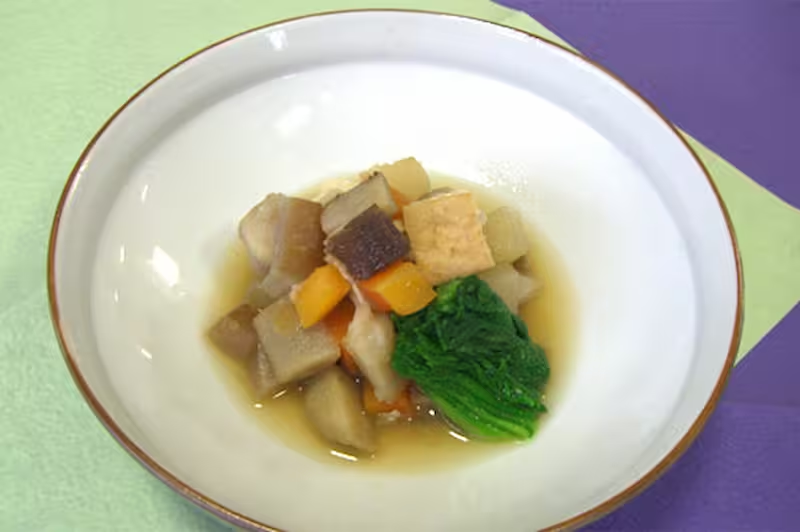
To try real Tosa (Kouchi) cooking, you can visit specialized restaurants that share this local food tradition, even if they are far from Kōchi. Tosa Ryōri Tsujimura is one such place. It is located in Shizuoka Prefecture and serves high-quality Kōchi dishes, including Guruni. This restaurant uses traditional ways of cooking so guests far from Shikoku can enjoy the unique, warm flavors of Kōchi.
Final Thoughts
Guruni is a perfect food symbol for Kōchi. It is simple, very flavorful, and based on community and history. It clearly shows how simple, strong root vegetables, when cooked together, can make a dish that is both spiritually important and comforting to everyone. The lasting way it is prepared—focusing on using resources well and keeping flavor strong—proves that the most sustainable foods are often the ones people love the longest.
If the warmth and deep flavor of Guruni appeal to you, you might also enjoy other Japanese simmered dishes that use similar cooking styles, such as Roasted Sea Bream ,Tai no yakimono (Grilled Sea Bream), and general varieties of Pot Cooked dishes.
Comments