


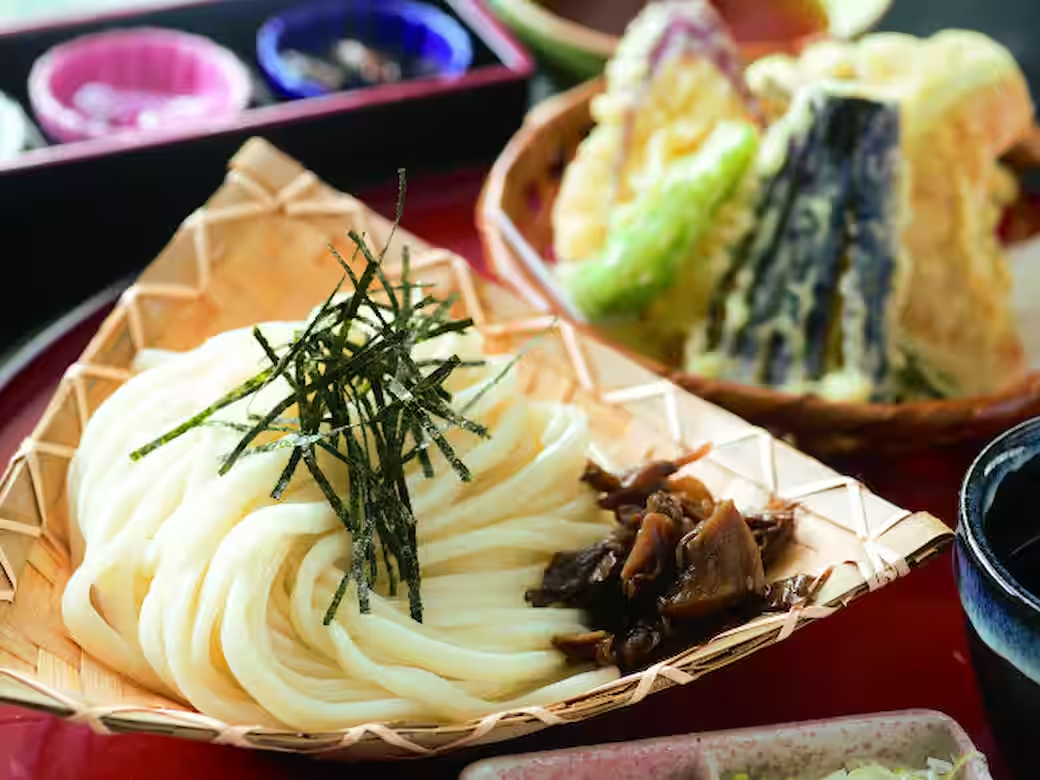
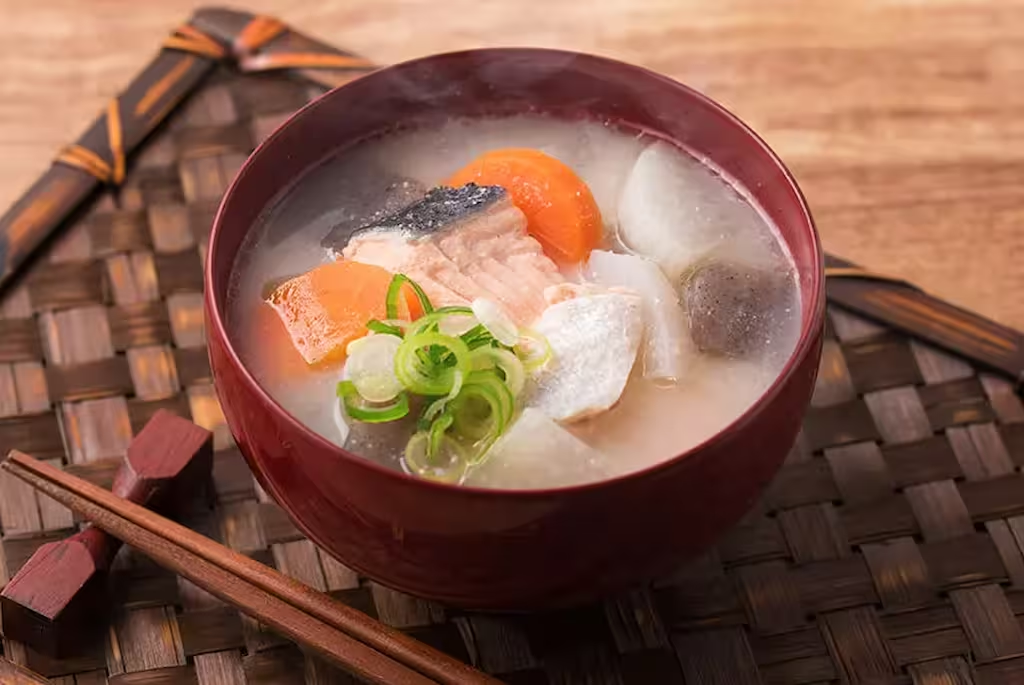
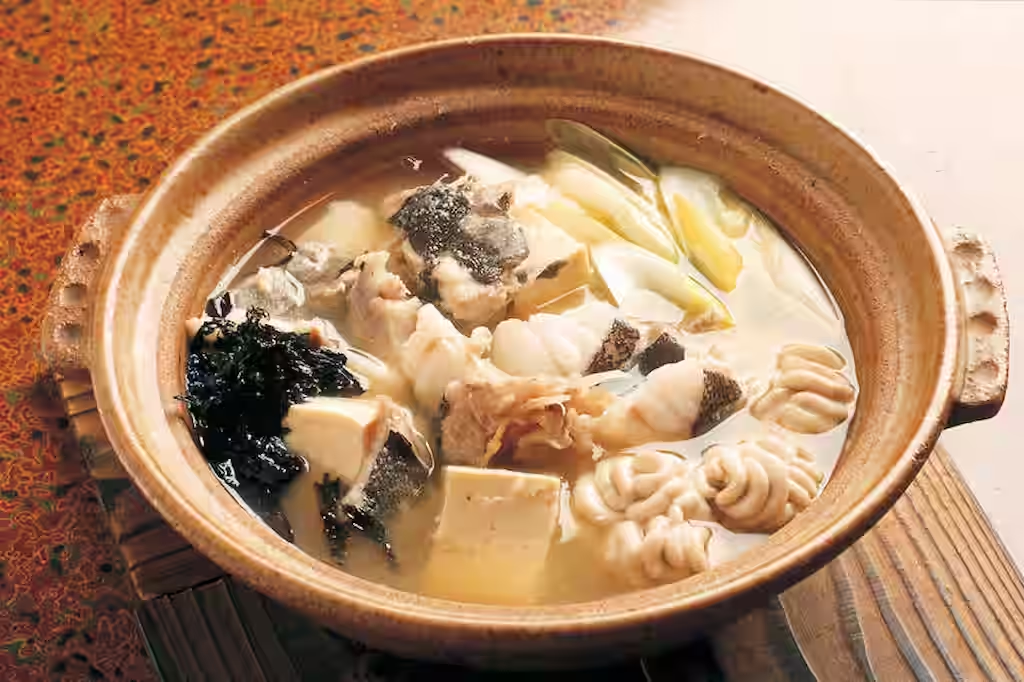
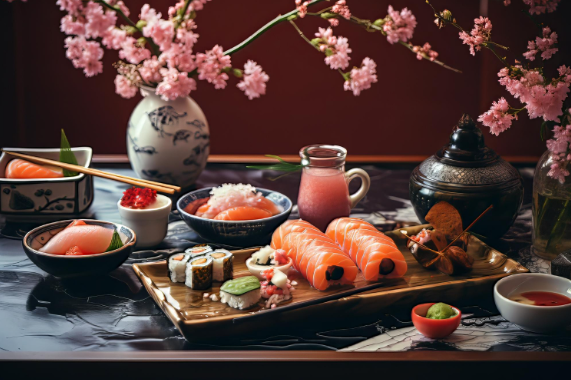


This Tokyo food guide covers the dishes, neighborhoods, and food traditions that make Japan’s capital one of the world’s great eating cities. Tokyo holds more Michelin stars than any other city on earth. Yet its most beloved foods — ramen, sushi, tempura, monjayaki — are found in tiny counter restaurants and street-level stalls that have been serving the same dishes for generations. This guide covers both worlds.
Tokyo was known as Edo until 1868. The city developed a distinct food culture over 400 years shaped by the shogunate, the merchant class, and the sea. Edo cuisine is defined by dark soy sauce, clean dashi broths, and an emphasis on fresh seafood from Tokyo Bay. The refined simplicity of Edomae sushi — fish aged and prepared rather than eaten raw immediately — began here. Tempura arrived as street food from Portuguese influence and became one of Japan’s most refined cooking techniques.
A City That Absorbs EverythingTokyo is also the city where every regional Japanese food style comes to compete and improve. Ramen from Sapporo, Fukuoka, and Kyushu all have dedicated restaurants here, often surpassing their origins. Wagyu beef from Kobe and Matsusaka is served alongside Tokyo’s own Edo-mae preparations. The city functions as both curator and innovator of Japanese food culture at the same time.
Street Food and Counter CultureTokyo’s food culture lives at counter level. Yakitori stalls under train tracks in Yurakucho, ramen counters in Golden Gai, sushi bars where eight seats face the chef — the intimate counter restaurant defines how Tokyo eats. Even the most celebrated chefs maintain tiny operations where the experience is direct, personal, and focused entirely on the food.
Tokyo’s essential dishes range from centuries-old Edo traditions to post-war comfort food that defines how the city eats today.
Tokyo’s food culture is deeply local. Each neighborhood has its own specialty, its own eating culture, and its own long-established restaurants. Knowing where to eat is as important as knowing what to eat.
Edomae — literally “in front of Edo” — refers to the seafood caught in Tokyo Bay that defined the city’s original sushi tradition. Kohada (gizzard shad), anago (conger eel), hamaguri clams, and mantis shrimp were the staples. Though Tokyo Bay’s pollution reduced the catch dramatically in the 20th century, Edomae technique continues to shape how Tokyo’s sushi chefs approach fish from around Japan.
Koikuchi Shoyu (Dark Soy Sauce)Tokyo cuisine is soy sauce cuisine. The dark, robust koikuchi shoyu from the Kanto region gives Tokyo’s ramen, soba, and yakitori their characteristic deep color and bold umami flavor. It differs sharply from the lighter soy sauces of Kansai and sets Tokyo’s flavor identity apart from every other Japanese food region.
Nori (Dried Seaweed)The Tokyo Bay coastline was once a major producer of nori, the dried seaweed that wraps sushi rolls and tops bowls of ramen and rice. The tradition of nori production gave Tokyo’s sushi culture one of its most distinctive ingredients. Premium nori from Chiba and Aichi now supplies Tokyo’s top sushi restaurants.
Tokyo’s food identity was built during the Edo period when the city was the administrative capital of Japan. A population of over one million — the largest city in the world at the time — drove rapid development of street food culture. Sushi, tempura, soba, and eel were all sold from yatai (food stalls) to the city’s working population. The combination of fresh Tokyo Bay seafood, rice from the Kanto plains, and dark soy sauce from the Chiba region created a distinct culinary identity that still defines the city.
Meiji Modernization (1868–1912)Tokyo’s opening to Western influence during the Meiji era added a new layer to its food culture. Tonkatsu, yoshoku (Western-style Japanese cooking), curry rice, and beef hot pot (gyunabe, the precursor to sukiyaki) all entered Tokyo’s food vocabulary during this period. These dishes were transformed and absorbed into a distinctly Japanese form — lighter, more refined, and served with rice and pickles — creating the category of “Western food, Japanese soul” that remains hugely popular in the city.
Post-War Food RevolutionAfter World War II, Tokyo’s food culture rebuilt itself from scarcity. Ramen — originally Chinese noodles — became a staple sold from street stalls across the city. Monjayaki emerged in the Shitamachi working-class neighborhoods as cheap, filling food made from whatever ingredients were available. Both dishes became iconic Tokyo foods through their association with the city’s resilience and energy during rebuilding.
Tokyo Food Guide FAQ
What food is Tokyo most famous for?
Tokyo is most famous for Edomae sushi, shoyu ramen, tempura, tonkatsu, yakitori, and monjayaki. It also holds more Michelin stars than any other city in the world.
What is Edomae sushi?
Edomae sushi is Tokyo’s original sushi style, developed during the Edo period. Chefs aged, cured, or lightly cooked the fish rather than serving it immediately raw — a technique born before refrigeration existed. Modern Edomae chefs continue these traditions and serve nigiri directly by hand at the counter.
What is monjayaki and where should I eat it?
Monjayaki is Tokyo’s version of a savory pancake — runnier and thinner than okonomiyaki, cooked on a hot iron griddle and eaten with a small metal spatula. Tsukishima is the undisputed home of monjayaki, with over 70 dedicated restaurants along its main street.
What is fukagawa meshi?
Fukagawa meshi is a traditional Tokyo dish of clams simmered in miso or soy sauce broth and served over rice. It originated in the Fukagawa district during the Edo period as an everyday meal for the working fishermen of Tokyo Bay. It is considered one of Japan’s five great regional rice dishes.
What is Tokyo ramen and how is it different from other regional ramen?
Tokyo ramen uses a clear shoyu (soy sauce) broth with wavy, medium-thickness noodles. It is lighter than Hokkaido miso ramen or Fukuoka tonkotsu but has a distinctive deep umami from the soy base. Many food historians consider Tokyo shoyu ramen the original style from which all other regional variations developed.
What is tsukudani?
Tsukudani is a traditional Tokyo food of small pieces of seafood, seaweed, or vegetables simmered in soy sauce and sweet sake to preserve them. It originated on Tsukudajima Island in Tokyo during the Edo period and is typically eaten as a side dish alongside rice.
What is imo yokan?
Imo yokan is a traditional Tokyo sweet made from sweet potato, sugar, and a small amount of salt, set into a firm block and sliced. It was created in Asakusa in 1902 and remains one of Tokyo’s most beloved wagashi confections.
What is ningyo-yaki?
Ningyo-yaki are small sponge cakes shaped like traditional dolls, lanterns, and figures, filled with sweet red bean paste. They are the signature souvenir sweet of Asakusa and have been sold in the neighborhood for over a century.
Is Tokyo food expensive?
Tokyo offers every price point. A bowl of excellent ramen costs around ¥800–1,200. A standing sushi lunch at Tsukiji costs ¥1,500–3,000. A top omakase dinner can exceed ¥50,000. Convenience store (konbini) meals are outstanding and cost under ¥500.
What is the best area in Tokyo for food?
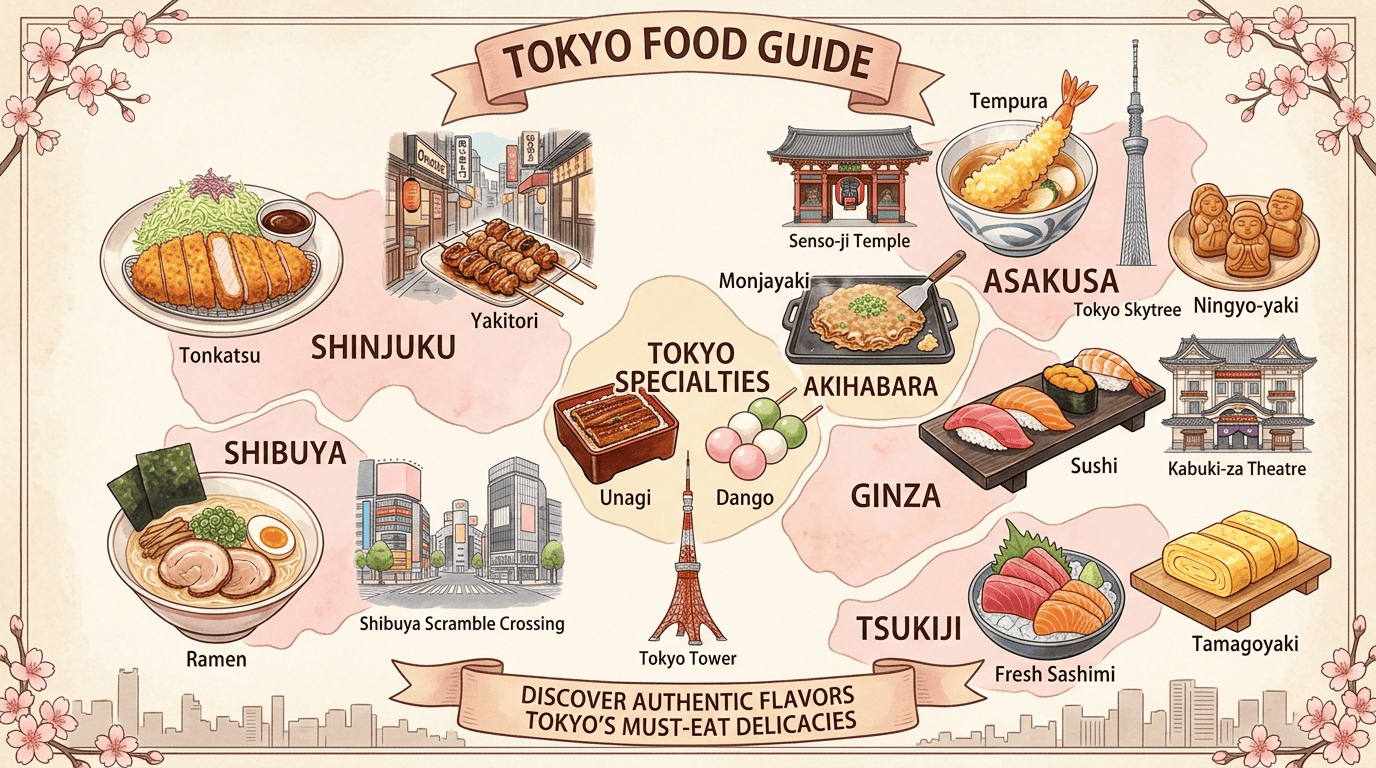
For seafood and sushi, Tsukiji and Ginza. For traditional Edo cuisine, Asakusa. For yakitori and izakaya culture, Shinjuku’s Omoide Yokocho. For monjayaki, Tsukishima. For ramen, Shinjuku or Shibuya. For the widest range of everything, any major train station depachika (basement food hall) is extraordinary.
What is a depachika?
A depachika is the basement food floor of a Japanese department store. Tokyo’s depachika — found under Isetan, Mitsukoshi, Takashimaya, and other major stores — are considered some of the best food shopping destinations in the world, selling prepared foods, bento boxes, pastries, wagashi, and premium ingredients.
What is yakitori and where is the best place to eat it in Tokyo?
Yakitori is skewered grilled chicken — every part of the bird, seasoned with salt or tare sauce and cooked over charcoal. The best place to eat yakitori in Tokyo is Yurakucho, where rows of tiny stalls operate under the railway tracks between Tokyo Station and Hibiya, creating one of the city’s most atmospheric dining experiences.
What is tonkatsu?
Tonkatsu is a deep-fried breaded pork cutlet served with shredded cabbage, tonkatsu sauce, miso soup, and rice. It was created during the Meiji era as a Japanese adaptation of Western cutlet cooking and is now one of Tokyo’s most popular everyday dishes.
What is gyudon?
Gyudon is a bowl of rice topped with thinly sliced beef and onions simmered in a sweet soy and mirin broth. It was developed in Tokyo during the Meiji era and is now one of Japan’s most popular everyday meals, served at fast-food chains like Yoshinoya and Sukiya.
What is koikuchi shoyu and why does it matter for Tokyo food?
Koikuchi shoyu is the dark, robust soy sauce of the Kanto region and the defining flavor of Tokyo cuisine. It gives Tokyo ramen, soba tsuyu, and yakitori tare their characteristic deep color and bold umami. It is significantly stronger and darker than the lighter soy sauces used in Kansai cooking.
What are Tokyo’s best food neighborhoods?
Tsukiji and Ginza for fine seafood and sushi; Asakusa for traditional Edo-period food culture; Shinjuku for yakitori, ramen, and izakaya; Tsukishima for monjayaki; Koenji and Shimokitazawa for kissaten coffee shops and casual dining; and Kanda for old-school soba shops and affordable lunch culture.
What is izakaya culture in Tokyo?
An izakaya is a Japanese gastropub where food and drinks are ordered and shared throughout the evening. Tokyo has thousands of izakayas ranging from tiny five-seat counters to large multi-floor establishments. Ordering yakitori, edamame, karaage, sashimi, and tamagoyaki alongside beer or sake is the typical izakaya experience.
What is the Tsukiji market and is it still open?
The main Tsukiji wholesale fish market relocated to Toyosu in 2018. However, the Tsukiji Outer Market — the surrounding retail and restaurant area — remains open and is one of Tokyo’s best places to eat fresh sushi, grilled seafood, tamagoyaki, and street snacks in the morning.
Does Tokyo have vegetarian or vegan food options?
Vegetarian and vegan dining has expanded significantly in Tokyo in recent years. Dedicated vegan ramen shops, tofu kaiseki restaurants, and plant-based izakayas are found across the city. Shojin ryori — traditional Buddhist temple cuisine — is also available at several Tokyo restaurants and is entirely plant-based.
What is a kissaten?
A kissaten is a traditional Japanese coffee shop, distinct from modern café chains. Tokyo has hundreds of old-school kissaten, many operating since the 1950s and 1960s, serving hand-drip coffee, toast with butter and jam, and simple egg dishes. Koenji, Shimokitazawa, and Jimbocho are the best neighborhoods for kissaten culture.
What is the food culture difference between Tokyo and Osaka?
Tokyo food culture is rooted in dark soy sauce, refined Edo-period technique, and counter dining. Osaka food culture centers on lighter flavors, street food, and the concept of kuidaore (eating until you drop). Tokyo ramen uses shoyu broth; Osaka prefers lighter broths. Tokyo sushi is Edomae-style; Osaka has its own oshizushi pressed sushi tradition.
What is washoku and how does Tokyo represent it?
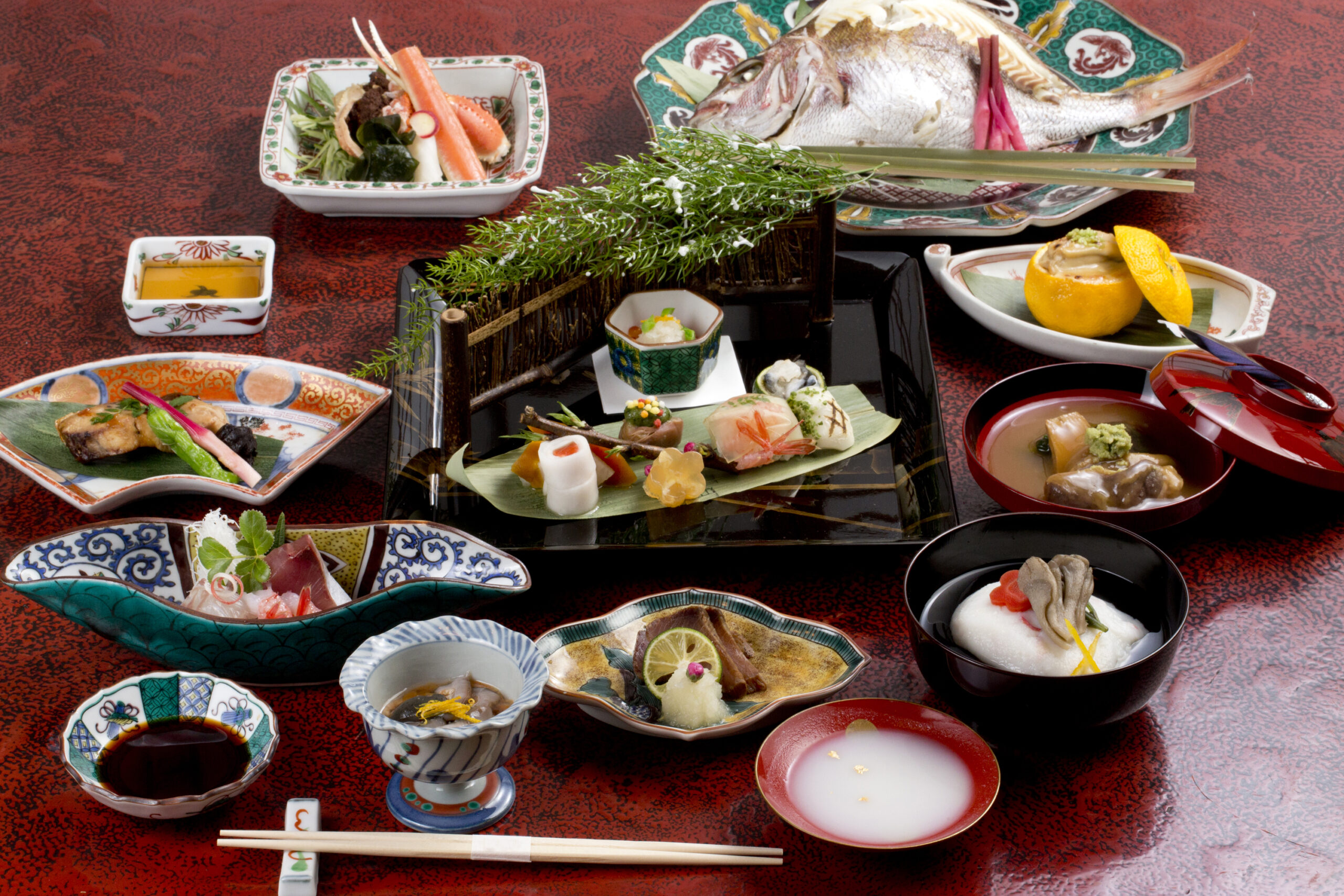
Washoku is the traditional Japanese culinary culture recognized by UNESCO as an Intangible Cultural Heritage in 2013. Tokyo is home to some of Japan’s finest washoku restaurants, ranging from omakase sushi counters and tempura-ya to kaiseki multi-course dining rooms that represent the highest expression of seasonal Japanese cooking.
What is the best time of year to eat in Tokyo?
Every season offers distinct ingredients. Spring brings bamboo shoots and sakura-flavored sweets. Summer features cold soba, kakigori shaved ice, and unagi eel (eaten for energy during the hottest days). Autumn brings matsutake mushrooms, sanma saury, and new-harvest rice. Winter is the season for oden, hot pot, and premium seafood including anko (monkfish) liver.
What is a bento box and where can I buy one in Tokyo?
A bento is a single-portion packed meal in a box containing rice, protein, and side dishes. Tokyo’s ekiben (station bento) are world-famous, with hundreds of varieties sold at major stations like Tokyo Station. The Makunouchi bento — a classic arrangement of rice, grilled fish, pickles, and egg — was developed in Tokyo during the Edo period.
What drinks are typical with Tokyo food?
Beer, sake, and shochu are the most common drinks with Tokyo meals. Highball (whisky and soda) became enormously popular in the city during the 2000s. Green tea is served free of charge at most traditional restaurants. At ramen shops, water is typically self-serve and free.
How do I make a restaurant reservation in Tokyo?
Many Tokyo restaurants require advance reservations, especially for omakase sushi, kaiseki, and popular ramen counters. Tabelog (Japan’s leading restaurant review site) handles most online reservations. For high-end restaurants, reservations through your hotel concierge or a service like Tableall or Omakase are often necessary.