



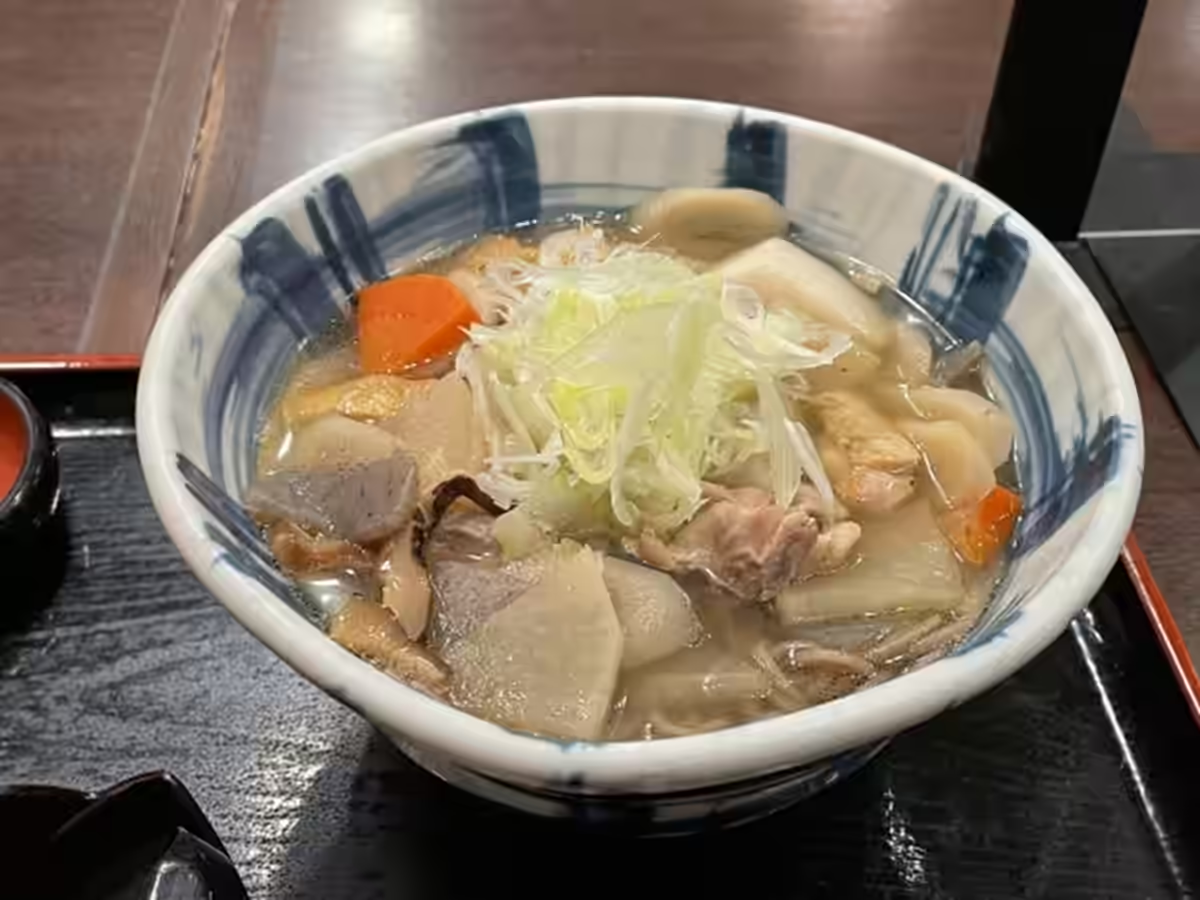


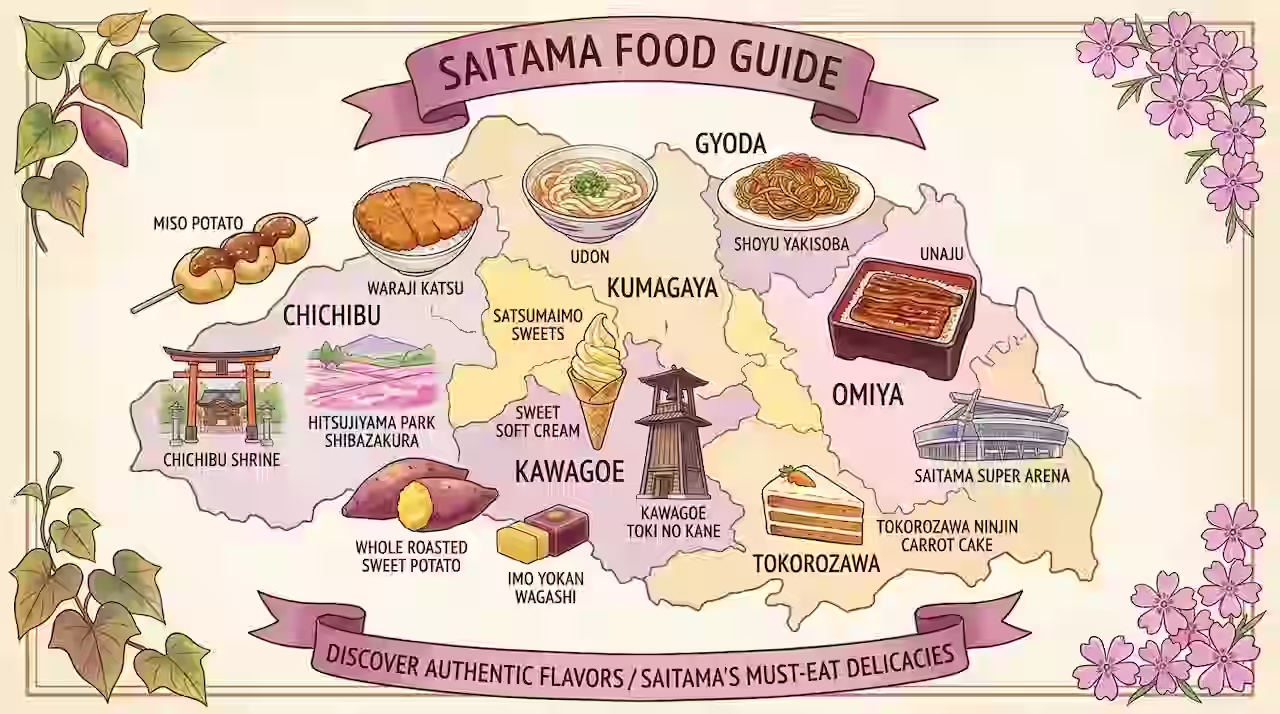
This Saitama food guide covers the dishes, cities, and agricultural traditions that make this inland prefecture one of the Kanto region’s most distinctive — and most overlooked — food destinations. Saitama sits directly north of Tokyo, and its flat Kanto plains have fed the capital with vegetables, wheat, and pork for centuries. Chichibu’s mountain region developed a unique food culture around local ingredients like miso potato and tochi mochi. Kawagoe became Japan’s most famous sweet potato town, earning the nickname “Koedo” — Little Edo. And Fukaya negi, the prefecture’s iconic sweet leek, has become one of Japan’s most celebrated vegetables. This complete Saitama food guide introduces the dishes and food culture that make this underrated prefecture worth exploring.
Saitama has no coastline and no mountains tall enough to produce high-altitude specialties — yet its flat Kanto plains create ideal conditions for vegetable and wheat farming that has shaped the prefecture’s food culture for centuries. Fukaya is one of Japan’s most important leek-growing cities, producing the sweet, thick-stalked Fukaya negi that appears on restaurant menus across the country. Kumagaya and the northern plains produce wheat in significant quantities, driving a food culture built around udon, manjyu, and other flour-based dishes. Unlike the coastal drama of Chiba or the mountain temple cuisine of Nikko, Saitama’s food identity is built on the quiet depth of agricultural tradition.
Kawagoe — Little Edo, Sweet Potato CapitalKawagoe is Saitama’s most visited food destination — a beautifully preserved Edo-period merchant town nicknamed “Koedo” (Little Edo) for its historic warehouse district. The city’s food identity is built almost entirely around sweet potatoes. Kawagoe’s sandy soil and warm climate have made it a major sweet potato producer since the Edo period, when the vegetable was transported by river to supply Edo. Today Kawagoe’s main shopping street offers sweet potato in every conceivable form: soft serve ice cream, tempura, chips, yokan, beer, shochu, and mont blanc. The sweet potato trail through Kawagoe’s historic streets is one of the Kanto region’s most enjoyable food walks.
Chichibu — Mountain Food CultureChichibu in western Saitama is a mountain region with a distinct food identity shaped by its isolation from the Kanto plains. The area developed creative uses of limited ingredients — miso potato became a staple farm worker’s snack using locally grown potatoes and fermented miso. Tochi mochi, made from horse chestnuts that required extensive processing to remove bitterness, reflected the mountain community’s resourcefulness in using wild ingredients. Chichibu’s cold winters and traditional silk industry drove a need for high-calorie, warming foods that left a lasting mark on local cuisine.
Saitama’s essential dishes range from Chichibu’s mountain farm snacks to the sweet potato culture of Kawagoe and the ancient preserved foods of the northern plains.
Saitama’s food culture varies dramatically from the sweet potato streets of Kawagoe to the mountain dishes of Chichibu and the leek fields of Fukaya.
Fukaya negi is one of Japan’s most celebrated vegetables — a long, thick-stalked leek grown in Fukaya City using a cultivation method that involves repeatedly mounding soil around the stalks to extend the white portion and enhance sweetness. The resulting sugar content of 10–15% means Fukaya negi can be used in sukiyaki without adding extra sugar. At its best in winter, when cold temperatures convert starches to sugars. The leek appears in hot pots, tempura, grilled dishes, and negi nuta across Saitama’s restaurant culture.
Kawagoe Sweet PotatoKawagoe’s sandy volcanic soil and warm climate have made it one of Japan’s most important sweet potato regions since the Edo period. Sweet potatoes were transported by the Shingashi River from Kawagoe to Edo, where they became popular as cheap, nutritious street food. Today Kawagoe produces multiple varieties including Beniazuma, Narutokintoki, and the premium Shirosatsumaimo (white sweet potato). The city’s sweet potato culture extends from traditional imo yokan and confectionery to sweet potato tempura, craft beer, and soft serve ice cream.
Chichibu MisoChichibu in western Saitama has a long tradition of miso production using locally grown soybeans and the cold mountain water of the Chichibu Basin. Chichibu miso tends toward a sweeter, more rounded flavor than the stronger miso of some other regions — the style that makes miso potato’s sauce so distinctive. The cold winters and isolated mountain location drove the development of miso as a preservation staple that could last through long winters, and it remains central to Chichibu’s cooking today.
Saitama’s food history is rooted in two distinct geographic zones. The flat Kanto plains of eastern and northern Saitama were ideal for wheat and vegetable cultivation, producing a food culture built on flour-based dishes — udon, manjyu, and griddle cakes. The mountainous western zone around Chichibu was dominated by silk farming and mountain agriculture. Horse chestnuts, wild vegetables, and preserved miso-based dishes became survival foods in communities that had limited access to rice and seafood. Chichibu’s silk industry required high-energy food for weavers working long hours in cold workshops, giving rise to filling, calorie-dense dishes like miso potato.
Edo Period — Sweet Potatoes and River TradeDuring the Edo period, Kawagoe became a vital supply town for Edo through the Shingashi River trade route. Sweet potatoes — introduced to Japan from China via Kyushu in the 1600s — found ideal growing conditions in Kawagoe’s sandy soil and were transported by river to feed Edo’s population. The city’s merchant culture and Edo-period architecture developed together, giving Kawagoe the preserved kura warehouse district that draws food tourists today. The iga manjyu tradition also developed during this period in northern Saitama, where wheat farming drove creative uses of flour in both sweet and savory preparations.
Meiji Era to Present — Agricultural IdentityIn the Meiji era, Saitama solidified its identity as an agricultural prefecture supplying Tokyo. Fukaya developed systematic leek cultivation using the suriyose deep-mounding technique that produces the characteristic long white stalks. Kumagaya became known for its wheat production and hot summers — it now regularly records Japan’s highest temperatures and has embraced kakigori (shaved ice) as a summer identity food. The post-war period saw B-grade gourmet culture emerge strongly in Saitama, with sauce yaki udon, miso potato, and other affordable local dishes becoming sources of civic pride.
Saitama Food Guide FAQ
What food is Saitama most famous for?
Saitama is most famous for miso potato (Chichibu), Fukaya negi (sweet leek), Kawagoe sweet potato cuisine, iga manjyu, sauce yaki udon, and chuushiti meshi. The prefecture is also known for being Japan’s leading wheat-producing region in the Kanto area and for Kawagoe — the “Little Edo” sweet potato capital.
What is miso potato from Chichibu?
Miso potato is a Chichibu specialty of deep-fried bite-sized potatoes coated in a sweet-savory miso sauce. It originated as a farm worker’s snack in the Chichibu mountain region, where locally grown potatoes were fried over a hearth and topped with fermented miso for a quick, energy-dense meal during breaks in farm work. Today it appears in school lunches, at festivals, and in restaurants across Saitama as a beloved B-grade gourmet dish.
What is Fukaya negi and why is it special?
Fukaya negi is a variety of Japanese leek grown in Fukaya City, Saitama, using a cultivation method that involves repeatedly mounding soil around the stalks (suriyose method) to create long white portions and enhance sweetness. The resulting sugar content of 10–15% makes Fukaya negi exceptionally sweet — sweet enough to use in sukiyaki without adding extra sugar. It is at its best in winter when cold temperatures intensify the sweetness. Fukaya negi appears on menus across Japan and is considered one of the country’s finest leek varieties.
Why is Kawagoe called the sweet potato capital?
Kawagoe’s sandy volcanic soil and warm climate made it a major sweet potato producing area since the Edo period, when the vegetable was transported by river to supply Edo (Tokyo). The city developed a broad sweet potato food culture that now encompasses imo yokan (sweet potato wagashi), tempura, chips, soft serve ice cream, craft beer, and shochu. Kawagoe’s historic Edo-period kura warehouse district provides a beautiful backdrop for sampling sweet potato foods along the Candy Lane (Kashiya Yokocho) shopping street.
What is iga manjyu?
Iga manjyu is a traditional sweet from northern Saitama — a steamed sweet bun (manjyu) wrapped in sekihan (sticky rice cooked with red azuki beans), giving it a spiky outer appearance resembling the shell (iga) of a chestnut. It developed in the wheat-farming communities of Konosu, Kazo, Hanyu, and Gyoda, where wheat and rice were both readily available. The Japanese Ministry of Agriculture has recognized it as one of Japan’s 100 Best Local Dishes.
What is Hatogaya sauce yaki udon?
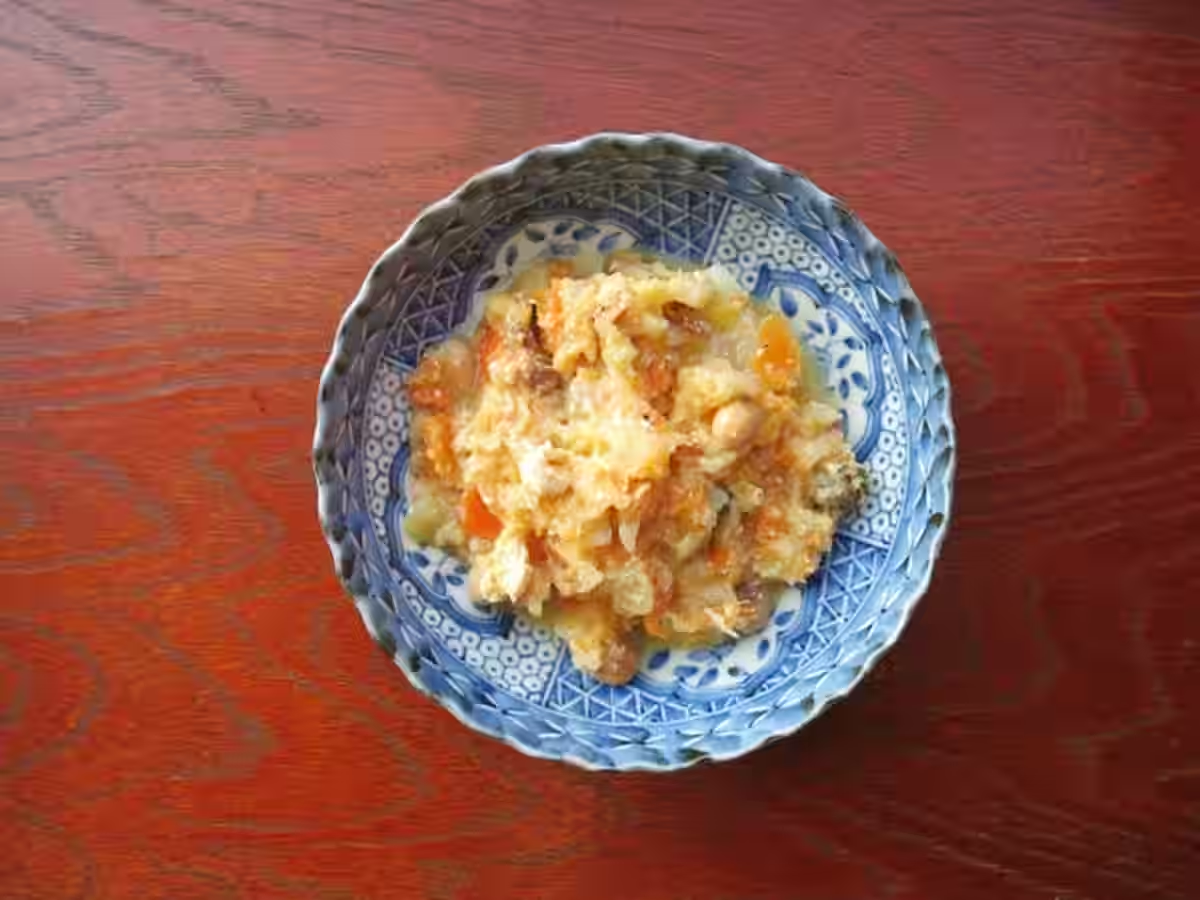
Hatogaya sauce yaki udon is a stir-fried udon noodle dish from Hatogaya in Kawaguchi City, Saitama. Thick udon noodles are stir-fried with cabbage, pork, and tempura crumbs in a tangy Worcestershire-style sauce. It was created in 2008 as part of a city revitalization project and quickly gained national recognition, being named one of Japan’s Five Great Yaki Udon dishes. The tempura crumbs (agedama) give it a distinctive texture unlike other yaki udon styles.
What is chuushiti meshi?
Chuushiti Meshi is one of Japan’s Five Great Rice Dishes — a Zen-inspired preparation of rice topped with mitsuba (Japanese parsley), nori, and wasabi, over which hot dashi broth is poured at the table. It was created at Kappo Ryokan Futaba in Ogawa Town, Saitama, during the Meiji era by chef Chushichi Yagi at the suggestion of a Zen master guest. The restaurant, a registered tangible cultural property, is the only place that serves the original recipe.
What is tarashi yaki?
Tarashi yaki is a simple, thin griddle cake made from a basic batter of flour and water, cooked on a hot iron plate. It is a traditional Saitama home cooking dish born from the prefecture’s wheat-farming culture — a practical, filling food made from the most readily available ingredient. It can be savory (with green onion or cabbage) or slightly sweet (with sugar added to the batter), and is still made in farm households across northern Saitama.
What is tochi mochi from Chichibu?
Tochi mochi is a sticky rice cake made with horse chestnut (tochi) flour from the Chichibu mountain region. Horse chestnuts are naturally bitter and require an elaborate processing method called aku nuki — soaking in water for days to remove the bitterness — before they can be eaten. The tradition dates to the Jomon period when horse chestnuts were a vital mountain food source. Tochi mochi is traditionally eaten at New Year in Ozoni soup and as a seasonal wagashi sweet.
What is negi nuta?
Negi nuta is a traditional Saitama side dish of blanched Fukaya negi dressed with sweet vinegared miso (sumiso). It has been served at winter weddings and celebration meals across Saitama for generations. The natural sweetness of Fukaya negi means almost no extra sugar is needed in the dressing — the leek itself provides the balance of sweet, tangy, and miso flavors. Sometimes seafood like octopus or shellfish is added.
What is Kawagoe’s Candy Lane (Kashiya Yokocho)?
Kashiya Yokocho (Candy Lane) is a narrow alley in the historic district of Kawagoe lined with small traditional sweet shops. Many shops have been operating for over 100 years and sell old-fashioned Japanese candy, dagashi (cheap traditional snacks), and sweet potato confections. It is one of the most charming food tourism spots in the Kanto region and pairs perfectly with exploring Kawagoe’s neighboring Edo-period kura warehouse streets.
Is Saitama good for food tourism from Tokyo?
Yes — Kawagoe is the most popular destination, about 30 minutes from Ikebukuro on the Seibu Ikebukuro Line or Tobu Tojo Line. Chichibu is about 1 hour 20 minutes from Ikebukuro on the Seibu Chichibu Line. Fukaya is about 1 hour from Ueno on the JR Takasaki Line. All three destinations offer distinct food experiences and are popular day-trip destinations from Tokyo, particularly on weekends.
What sake is produced in Saitama?
Saitama has a modest but genuine sake brewing tradition, particularly in Chichibu and along the Arakawa River valley where rice production and pure mountain water support fermentation. Chichibu’s Miya Shuzo is known for quality local sake. The prefecture is better known, however, for its craft beer scene — Coedo Brewery in Kawagoe produces internationally recognized craft beers using locally grown sweet potatoes in some of its brews.
What is Coedo Beer and why is it famous?
Coedo Brewery (Koedo Biru) is a Kawagoe-based craft brewery that produces internationally recognized craft beers. Several of its beers incorporate Kawagoe sweet potatoes — most famously the Beniaka amber lager, made with locally grown red sweet potatoes. Coedo beers are available at restaurants and shops across Japan and have won awards at international beer competitions. The brewery name references Kawagoe’s nickname “Koedo” (Little Edo).
What vegetables is Saitama famous for?
Saitama is one of Japan’s leading vegetable-producing prefectures. Fukaya negi (leek) is the most famous. The prefecture also produces large quantities of spinach (particularly from Kuki and Ageo), komatsuna (Japanese mustard spinach), edamame, broccoli, and sweet potato. Kumagaya watermelons are prized for their sweetness, and Kawagoe produces several sweet potato varieties including the premium Beniharuka variety.
What is Kumagaya famous for in terms of food?
Kumagaya is Japan’s hottest city — it regularly records the highest temperatures in the country during summer, and this identity has made kakigori (shaved ice) a major local food culture. The city hosts a major kakigori festival and numerous dedicated shaved ice specialty shops. In terms of traditional food, the northern plains around Kumagaya are associated with iga manjyu, wheat-based dishes, and Fukaya negi.
What are the best Kawagoe restaurants for sweet potato food?
Kawagoe’s Ichinoya is the most famous restaurant for traditional sweet potato cuisine, serving imo kaiseki (multi-course sweet potato meals). For street food, the shops along the Hon-Kawagoe Station area and Candy Lane offer sweet potato soft serve, imo yokan, and imo tempura. Funawa, a long-established confectionery, is renowned for its sweet potato yokan. Most shops are concentrated within walking distance of the Kurazukuri historic district.
What is the best season to eat in Saitama?
Autumn (October–November) is peak season for new sweet potato harvests in Kawagoe — the best time for fresh imo dishes. Winter (December–February) is the peak season for Fukaya negi, when cold temperatures maximize sweetness. Spring is good for fresh mountain vegetables in Chichibu. Summer is Kumagaya’s kakigori shaved ice season, when the city’s famous heat paradoxically makes it the ideal place for Japan’s most refreshing dessert.
What wheat dishes should I try in Saitama?
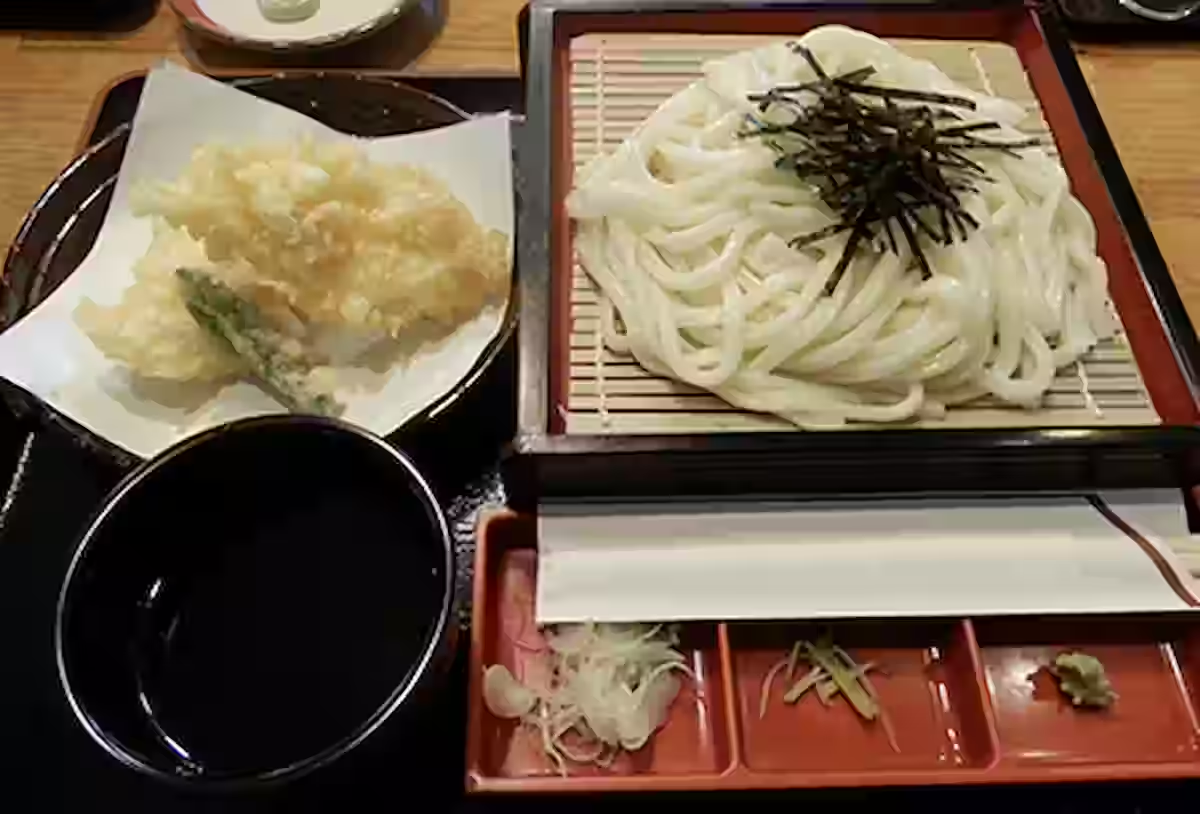
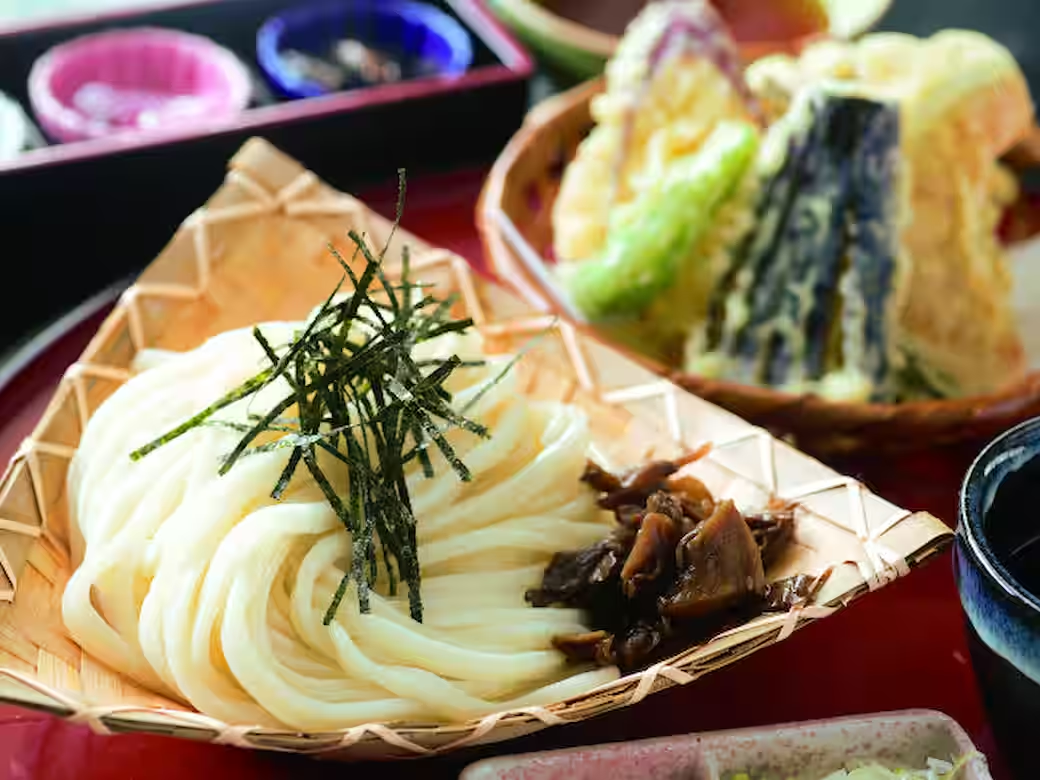
Saitama’s wheat culture is best experienced through udon — the thick, chewy noodles that dominate the prefecture’s noodle culture. Musashi Udon from the central Saitama area is a local style. Sauce yaki udon in Kawaguchi is another option. Iga manjyu, tarashi yaki, and various manjyu confections across northern Saitama all showcase the prefecture’s deep connection to wheat farming.
What is Kumagaya udon?
Kumagaya udon is a style of thick, chewy handmade udon from Kumagaya City in northern Saitama, made using locally grown wheat flour and the city’s soft water. Kumagaya has been a wheat-producing area since the Edo period, and udon became the natural everyday noodle of the region. It is served hot with a dipping sauce in winter and cold (zaru style) in summer. Several dedicated udon restaurants in Kumagaya serve it fresh-made to order, and the style is closely associated with the city’s agricultural identity.
How does Saitama food differ from Tokyo food?
Tokyo’s food identity is built on seafood, Edomae sushi, and sophisticated Edo-period cuisine. Saitama’s food identity is agricultural and inland — built on vegetables, wheat, miso, and sweet potatoes rather than fresh fish. Saitama food tends toward heartier, more rustic flavors: the sweet miso of miso potato, the earthy richness of tochi mochi, and the deep umami of long-simmered vegetable dishes. Where Tokyo refined its cuisine for aristocrats and merchants, Saitama developed practical, filling food for farmers and mountain workers.