


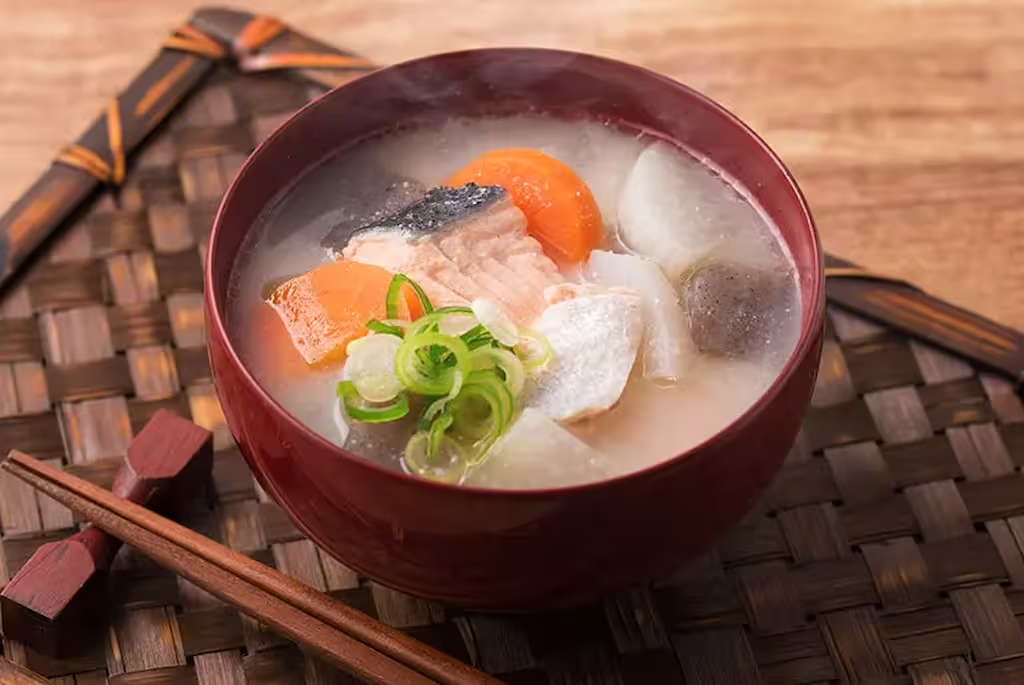


Kasu Jiru (粕汁) is a very flavorful and warming soup. People in Japan traditionally enjoy it, especially when it is cold in winter. This rich dish uses a special, useful ingredient. It turns the soup into a savory, slightly sweet, and fully complete meal. We will look at what gives Kasu Jiru its special taste and why it is a loved comfort food for the season.
What is Kasu Jiru?
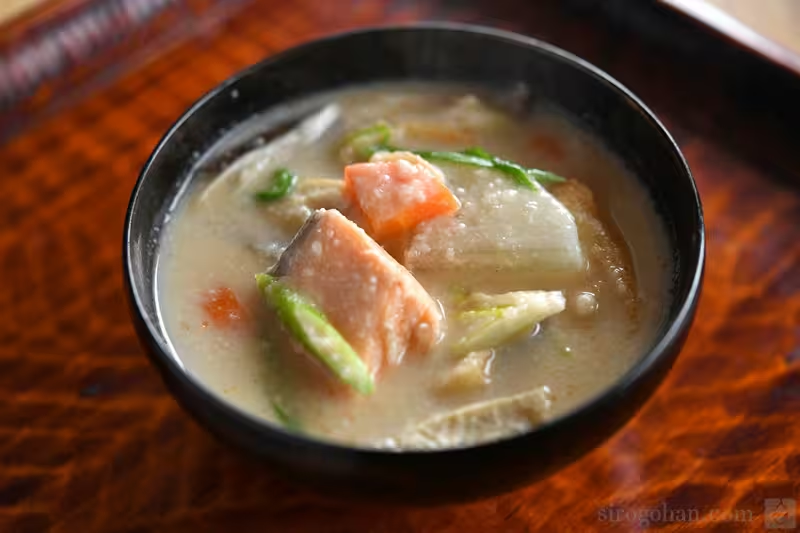
Kasu Jiru means “lees soup.” It is named for its main ingredient: sake-kasu (酒粕), or sake lees. Sake lees are the paste full of nutrients that is left over after people make Japanese rice wine (sake).
To make Kasu Jiru’s rich, creamy texture, cooks first melt the sake lees in a savory broth. Then, they cook it with many different foods. Since sake lees carry the complex, sweet smell of fermented rice, they create a special flavor unlike normal soups made with miso or soy sauce. Most of the alcohol in the lees cooks away during the heating process.
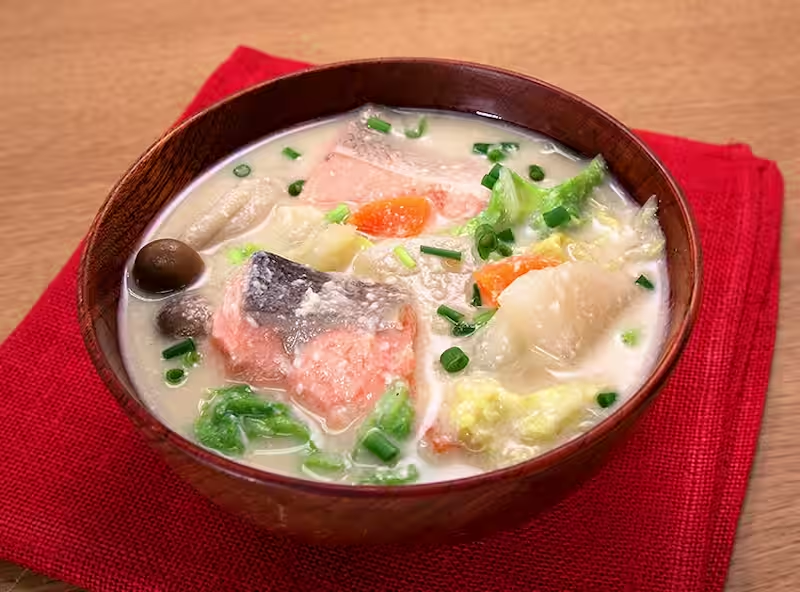
The soup is usually filled with hearty root vegetables like daikon radish, carrots, taro, and burdock root. They might also add tofu products, like fried tofu, and konjac. To make it a full meal, they add protein. This is often sliced pork or seasonal fish like salmon or yellowtail. The mix of vegetables, protein, and sake lees, finished with a little miso, makes an incredibly thick, rich, and filling soup.
What is Kasu Jiru?
Kasu Jiru (粕汁) is a hearty Japanese soup made with sake lees (sake kasu), the solids left after brewing sake . This warming winter dish originated in Hyogo Prefecture, a region famous for sake production, and typically combines root vegetables, tofu, and fish or pork in a flavorful broth . What makes it special is how it embodies the “mottainai” spirit—transforming what would be brewing waste into something nourishing and delicious . The sake lees add nutrients, protein, and that distinctive fermented character .
First Sip: That Unique Aroma
The moment I lifted the bowl, this gorgeous fragrance hit me—faintly fruity, slightly sweet, with just a whisper of alcohol . Honestly, I wasn’t sure what to expect. The soup looked creamy but not heavy, with chunks of daikon and carrot peeking through . That first taste surprised me completely. The sake lees create this subtle sourness that’s somehow incredibly comforting . It’s unlike any soup I’ve tried before.
The Warming Effect
Within minutes, I understood why this is a winter classic. The broth felt thick and velvety on my tongue, almost like a light porridge . Each spoonful brought tender pork, sweet root vegetables softened perfectly, and chewy konnyaku adding texture . Then came the warmth—a gentle, spreading heat that started in my chest and reached my fingers and toes . The alcohol from the sake lees probably helped, but it felt like pure comfort in a bowl. Some versions add white miso for sweetness, but this one kept things savory and robust . I honestly wanted another bowl immediately.
A Specialty Spot for eating
Sakakōji Bishio (酒麹 びしを)
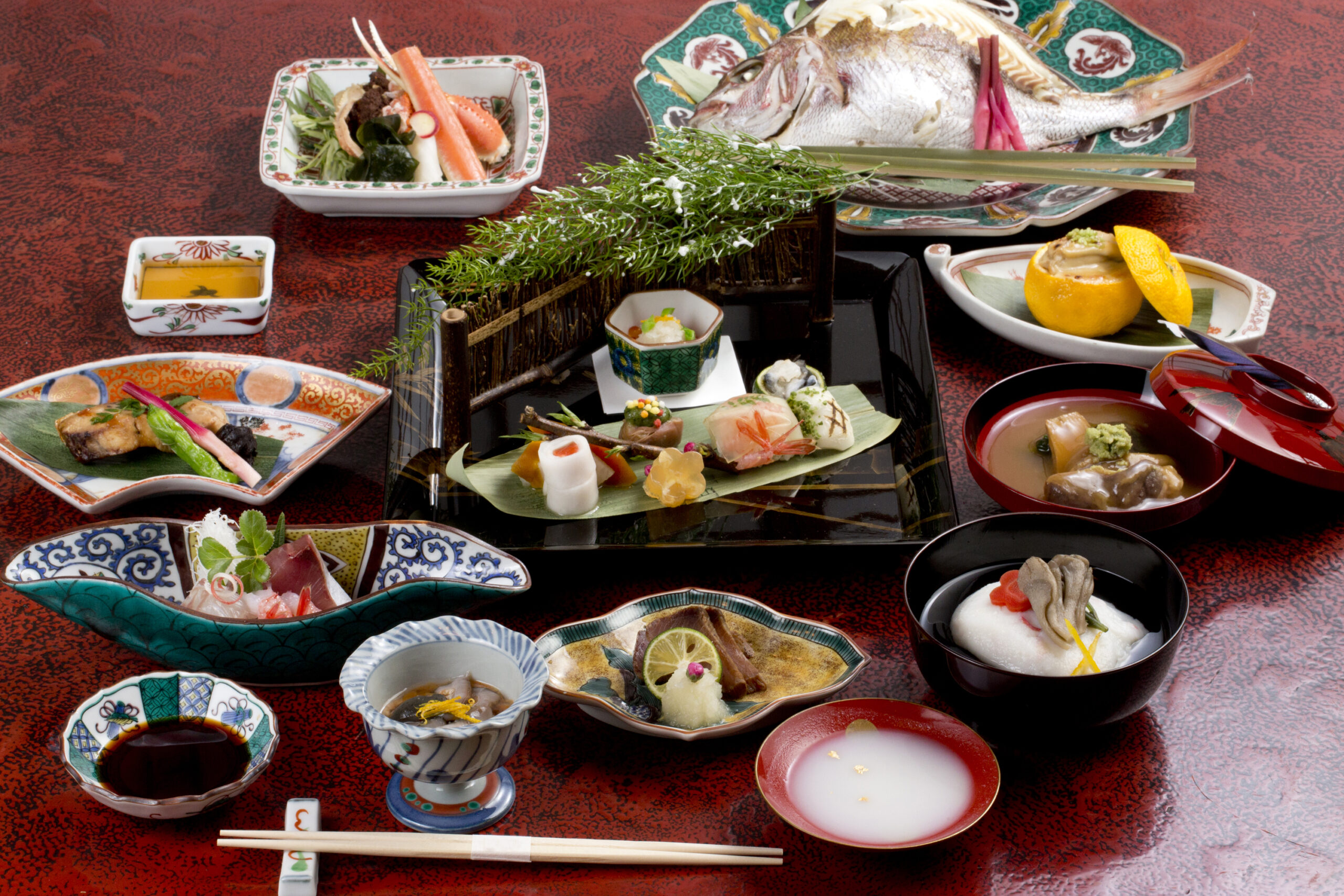
To truly enjoy the fine flavors of a sake lees dish, we highly suggest visiting a special restaurant in the Kansai area. Sakakōji Bishio (酒麹 びしを) in Kita-ku, Osaka, focuses on food that uses sake lees. This makes it the perfect place to try Kasu Jiru when it is in season. This restaurant uses high-quality fish and vegetables. They match these foods with the rich, savory notes that come from traditional sake ingredients.
Conclusion
Kasu Jiru is a delicious example of Japanese smart thinking. It turns a brewing leftover into a highly filling and deeply flavorful winter treat. It successfully mixes the complex smells of fermented rice with the pure taste of seasonal vegetables and protein. This brings deep warmth and comfort. Since the dish is only available in season, looking for it is a valuable part of the winter food experience.
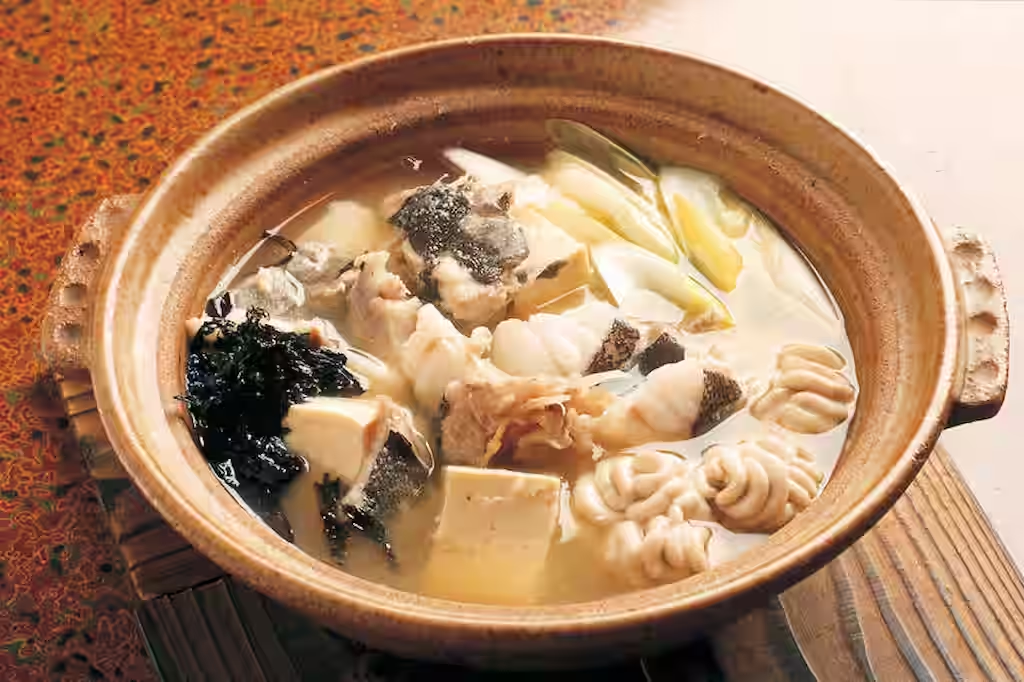
For those who enjoy the hearty, warming, and comforting depth of Kasu Jiru, we recommend trying similar Japanese Kappa nabe and Negima nabe.

Comments