


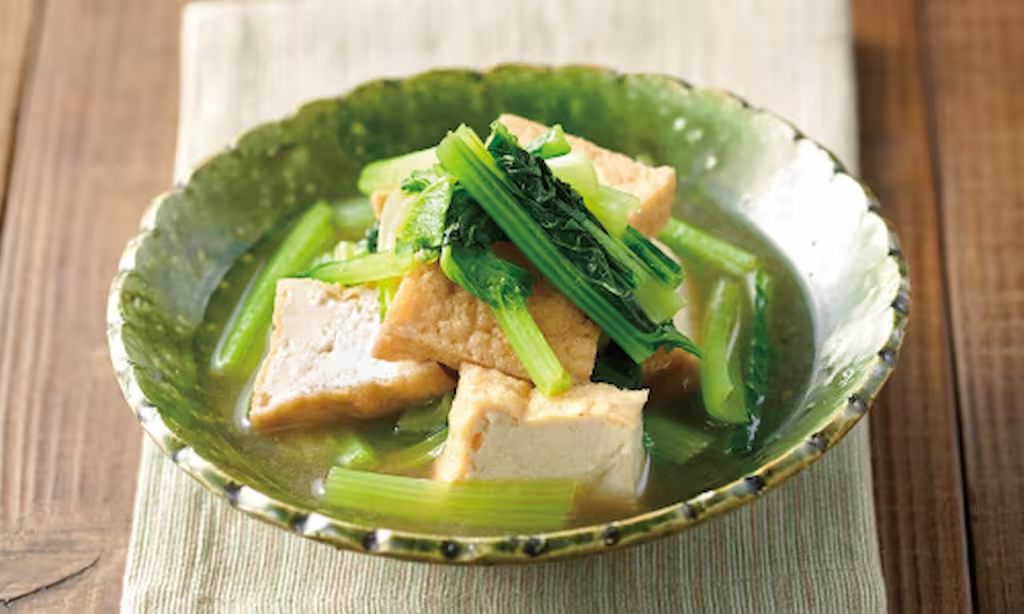

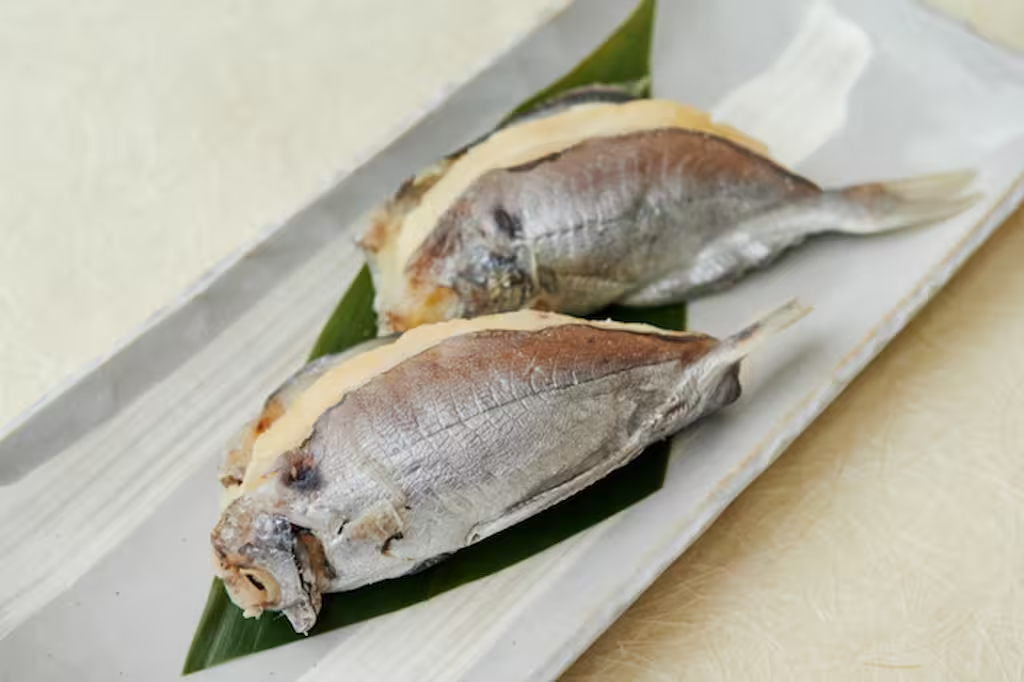

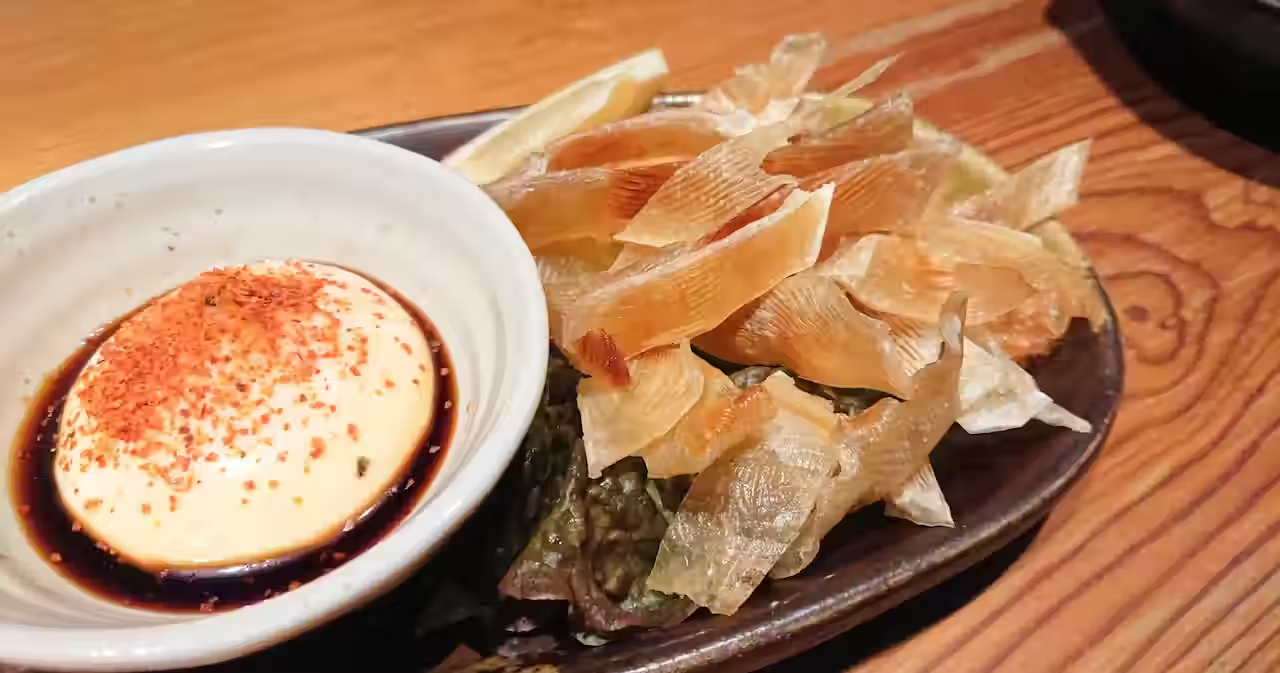


If you want a comforting and deep taste of old Japanese food, especially the daily meals of Kyoto, you need to know the word Taitan (炊いたん). This special way of gentle simmering is more than just a way to cook. It shows hundreds of years of fine cooking skill. This article explains what this important Kyoto dish is, its history, and why it is so loved in the daily life of the region.
What Is Taitan?
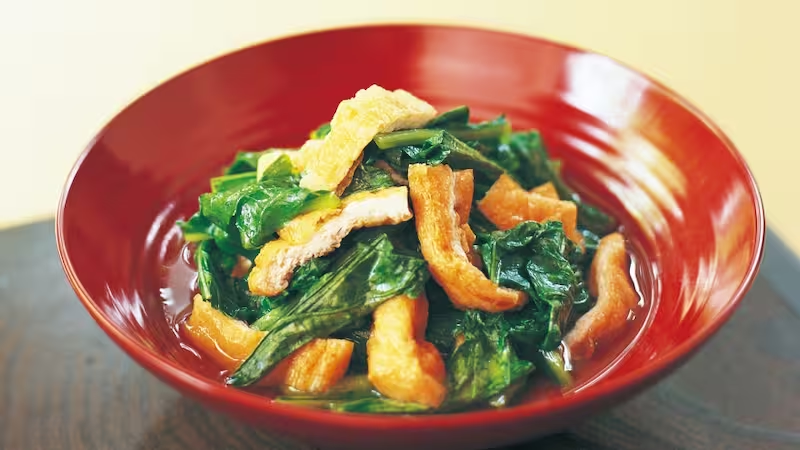
Taitan is a local word from the Kyoto area. It is used to describe food that has been gently cooked or simmered. The word itself comes from a phrase that means “something that was cooked.” This special word immediately shows that the dish follows a specific local tradition.
In Kyoto, the root word for cooking, Taku, means something a little different from the more common Japanese word for simmering, Niru. While Niru usually means heating food in broth, Taku means a process where the flavor of the liquid soaks deep inside the food. This deep flavor is the main goal of Taitan.
The method involves cooking foods, like vegetables or tofu, slowly in only a small amount of broth (dashi). They often call this “just enough liquid to cover.” By using less broth, the flavors get stronger as they soak into the food. This means they need less salt or other flavorings to get a satisfying, savory taste. The final flavor is meant to be very light. This lets the good quality fish or kelp broth’s subtle flavor shine through without covering up the food’s natural taste.
History: Taitan and Obanzai
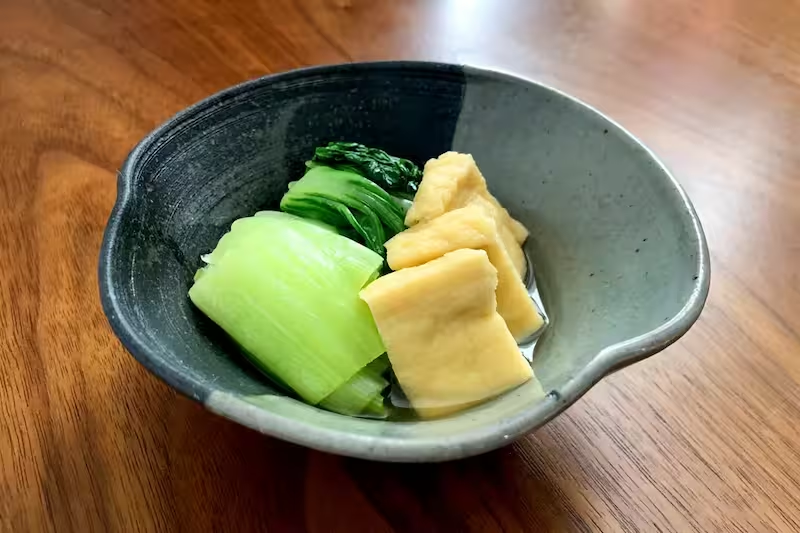
Taitan is a main part of Obanzai. This is the name for the traditional, smart, and budget-friendly daily side dishes cooked in Kyoto homes. Because Kyoto was historically located far from the sea, its food mostly used local and preserved vegetables, roots, and soy products instead of fresh seafood.
The Taitan method was key for making these hard, land-based foods soft and better tasting by using the very fine broth.
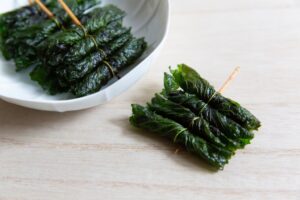
A great example that shows how clever this tradition is is Zuiki no Taitan (simmered taro stalk). Zuiki, the leaf stalk of the taro plant, is a simple food. But when they cook it using the Taitan method, it becomes a refreshing, popular summer side dish. This simple food has a deep cultural use. People traditionally believe Zuiki cleanses the blood. Dried zuiki is always served to women after giving birth to help them recover. This link to health and tradition shows how this simple simmering style is part of the city’s life and old healing methods.
Where to Try Taitan: A Kyoto Recommendation
Kyo-saiaji Nomura, Nishiki Branch (京菜味のむら 錦店)
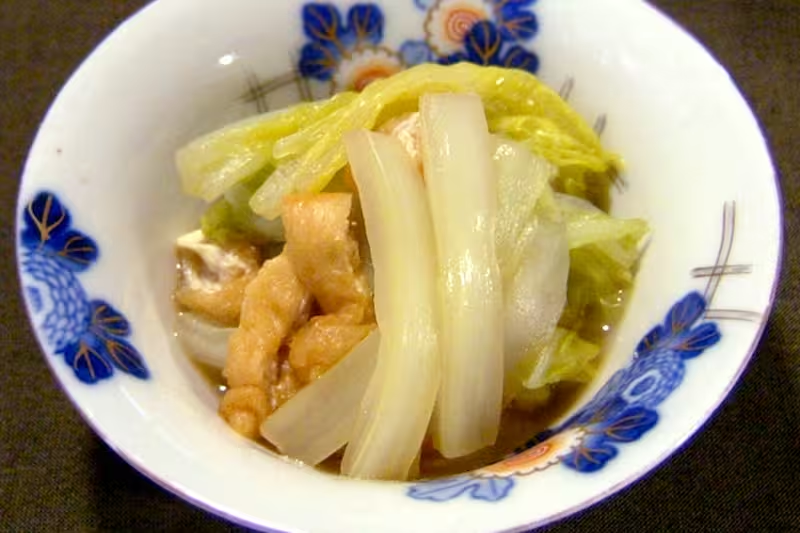
To try the fine taste of real Taitan in its home city, you can look for restaurants that focus on Obanzai. An easy and respected choice is Kyo-saiaji Nomura, Nishiki Branch (京菜味のむら 錦店). This restaurant focuses on serving many different sets of Kyoto home cooking. Their large menu lets you try many Taitan dishes, like simmered vegetables and tofu skin, within full meals. Their focus on daily, filling food is shown in the restaurant’s hours, highlighting the dish’s role as food for the start of the day.
Conclusion
Taitan is a quiet masterpiece of simple cooking and technique. It gives deep comfort and flavor by using good broth and simple ingredients. It shows the gentle, careful food idea of Kyoto, where high quality cooking and respect for ingredients are more important than strong flavors.
If you want to understand the true, delicate heart of old Kyoto cooking, you must seek out Taitan. You might also enjoy trying similar Japanese simmered dishes such as Harihari Nabe and Kappa Nabe.

Comments