




Yakisoba bread, known as yakisoba pan (焼きそばパン) in Japanese, is one of Japan’s most famous and beloved street foods. It takes the savory, complex flavors of stir-fried noodles and combines them with soft, portable bread. This article provides a close look at this unique sandwich, tracing its surprising origins and highlighting a modern Tokyo spot dedicated to perfecting this classic food. So, read on to get the full story of this simple yet satisfying meal.
What Exactly is Yakisoba Bread?

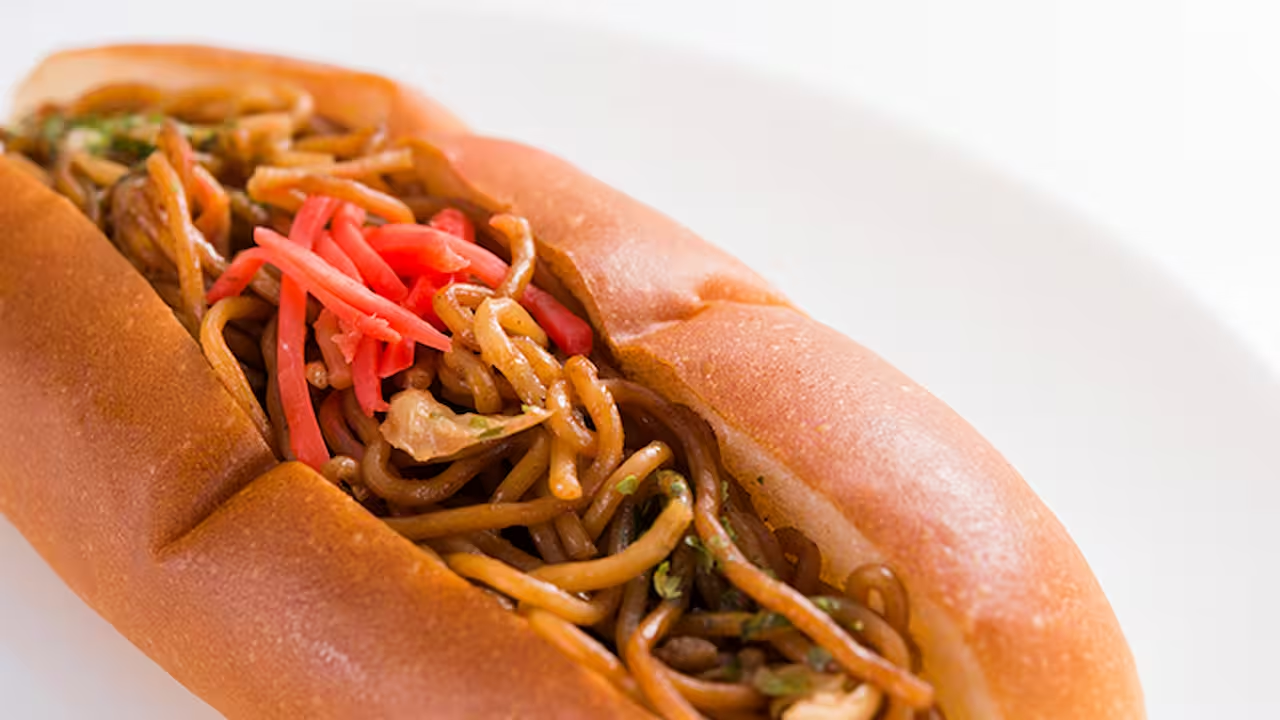
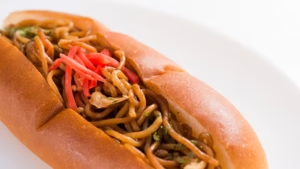
Yakisoba Pan is, at its heart, stir-fried noodles tucked inside bread. I know that might sound unusual at first. The foundation is koppepan, an elongated soft white roll that reminds you of a hot dog bun. It’s sliced lengthwise to create a pocket, then filled generously with yakisoba that’s still warm and slightly steaming.
The yakisoba filling uses wheat flour noodles. These get tossed in a thick, savory sauce that clings to every strand. You’ll usually find chopped cabbage mixed in, and sometimes there are pieces of pork, though not always. It depends on where you get it, really.
Then come the toppings, which I think are what make it complete. Pickled red ginger, or beni shoga, adds these sharp, tangy notes. There’s aonori too, those dried green seaweed flakes that bring a hint of the ocean. And mayonnaise. A drizzle of mayo might seem like overkill when you’re already dealing with saucy noodles and soft bread, but somehow it works to smooth out all those bold flavors.
The Flavor Profile
The taste is honestly hard to describe if you’ve never tried it. It’s savory, slightly sweet, and surprisingly comforting all at once. That thick yakisoba sauce brings a bold umami punch, kind of like Worcestershire sauce but with a distinctly Japanese character. The cabbage adds a gentle sweetness and crunch, which I think helps cut through the richness.
When you bite into it, the soft bread soaks up some of that sauce. The noodles themselves have a pleasant chewiness that contrasts nicely with the pillowy koppepan. Some people might wonder if it feels too heavy, and yes, it’s definitely hearty. But somehow the lightness of the bread keeps it from being overwhelming.
The pickled ginger adds these little bursts of tangy sharpness. You know those moments when you need something to wake up your palate? That’s what the beni shoga does here. The aonori contributes a subtle oceanic aroma, almost like a whisper of the sea. And the mayonnaise? It smooths everything out, adding creaminess that ties all the bold flavors together.
Why It Works
Yakisoba Pan belongs to the sōzai-pan category, which means “savory bread,” placing it among Japan’s favorite quick, hearty snacks. The soft, absorbent nature of the koppepan is essential. It gently holds the saucy noodles, making it easy to eat on the go without much mess.
There’s something almost nostalgic about it, even if you didn’t grow up in Japan. Maybe it’s the combination of carbs on carbs that feels indulgent yet unpretentious. It’s the kind of food that doesn’t try too hard but delivers exactly what you want when hunger strikes.
The Unexpected Origin Story
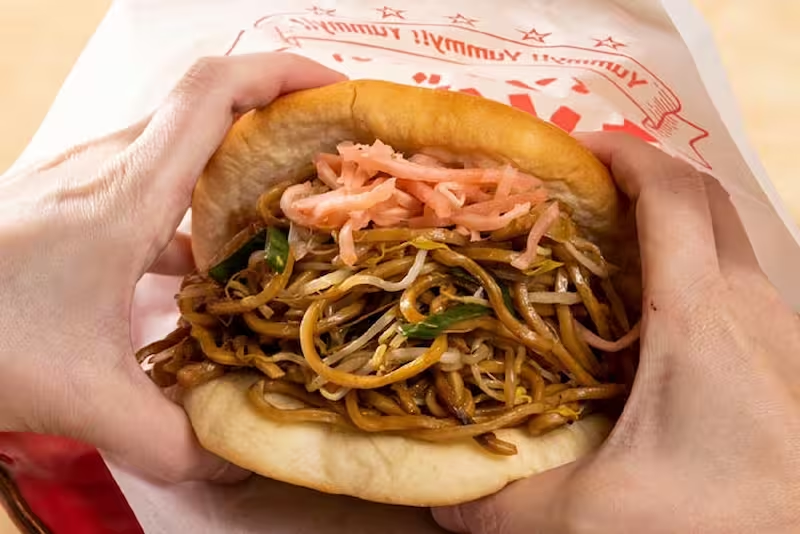
The history of Yakisoba bread is surprisingly clear, originating from a simple request for convenience. The dish first appeared in 1952 (Showa 27) at a shop named Nozaway, located in Minamisenju, Tokyo.
The shop was selling both yakisoba noodles and koppepan rolls separately. One day, a customer asked the shop owner to simply put the yakisoba inside the bread roll because eating the two items separately was “too bothersome.” The owner tried the combination, and it quickly became an instant hit. It was a success because it transformed two simple, messy meals into a single, highly portable unit, perfectly suited for the busy lifestyle emerging in post-war Japan. This focus on utility made it an ideal choice for quick lunches, securing its place in popular culture, especially in high school cafeterias where the dish is still considered a nostalgic “soul food.”
The Modern Restaurant serving it
Koppe Tajima (コッペ田島)
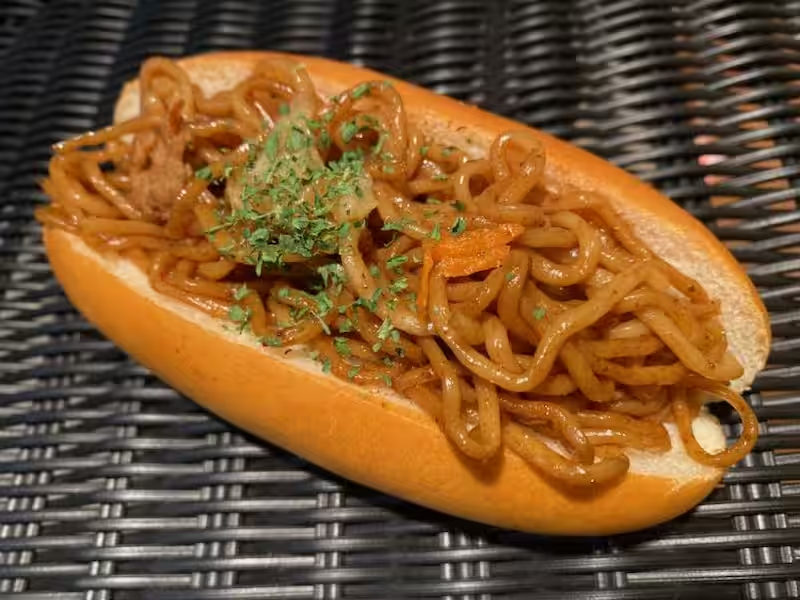
While Yakisoba Bread vremains a staple in convenience stores and supermarkets across Japan, its simple origins have inspired specialty shops to elevate the classic recipe.
This type of modern specialty shop ensures that every element of the dish, from the bread to the filling. Pan no Tajima emphasizes three core commitments: “Freshly Baked, Freshly Fried, and Freshly Made.” This ensures the koppepan is always soft and the yakisoba filling is hot and flavorful.
Conclusion: A Comfort Food Icon
Yakisoba Bread is more than just a quick meal; it is a successful culinary invention built on practicality. The combination of soft bread and savory, sauce-laden noodles offers a texture and flavor contrast that has defined Japanese street food for over half a century. Its continued popularity demonstrates the enduring appeal of clever food engineering and nostalgia.
If the blend of satisfying bread and hearty fillings appeals to you, consider trying other popular Japanese savory and sweet breads such as Melon pan, anpan, and Korokke pan.
Yakisoba Pan (Noodle Sandwich) FAQ
What is Yakisoba Pan?
It is a Japanese carb-on-carb snack consisting of a hot dog bun filled with fried noodles.
Why put noodles in bread?
It provides a cheap, filling, and portable energy boost, making it popular with students and workers.
Where can I buy it?
You find it in every convenience store (Konbini), supermarket, and school cafeteria in Japan.
What does it taste like?
It tastes savory and sweet due to the thick Worcestershire-style sauce coating the noodles.
Is it cold or hot?
You typically eat it at room temperature, though you can microwave it for 10-20 seconds.
What is the red stuff on top?
That is “Beni Shoga” (red pickled ginger). It adds a sour kick to cut through the grease.
Is it expensive?
No. It is extremely cheap, usually costing between 150 JPY and 200 JPY.
Is it vegetarian?
Usually, no. The sauce often contains meat extracts, and the noodles may contain pork bits.
What kind of bread do they use?
Bakers use “Coppé-pan,” a soft, slightly sweet, oval-shaped white bread similar to a hot dog bun.
Is it popular in Anime?
Yes. Anime characters frequently run to the school store to buy it before it sells out at lunch.
Do they add mayonnaise?
Often, yes. Many brands squeeze mild Japanese mayonnaise on top for extra richness.
Is it a meal or a snack?
Most people treat it as a quick lunch, but some eat it as a heavy snack.
Does the bread get soggy?
Sometimes. However, makers usually butter the bread slightly to prevent the sauce from soaking in too much.
Are there other noodle breads?
Yes. “Napolitan Pan” (spaghetti with ketchup) is another popular variation in Japan.
How long does it last?
You should eat it the same day you buy it for the best texture and safety.

Comments