


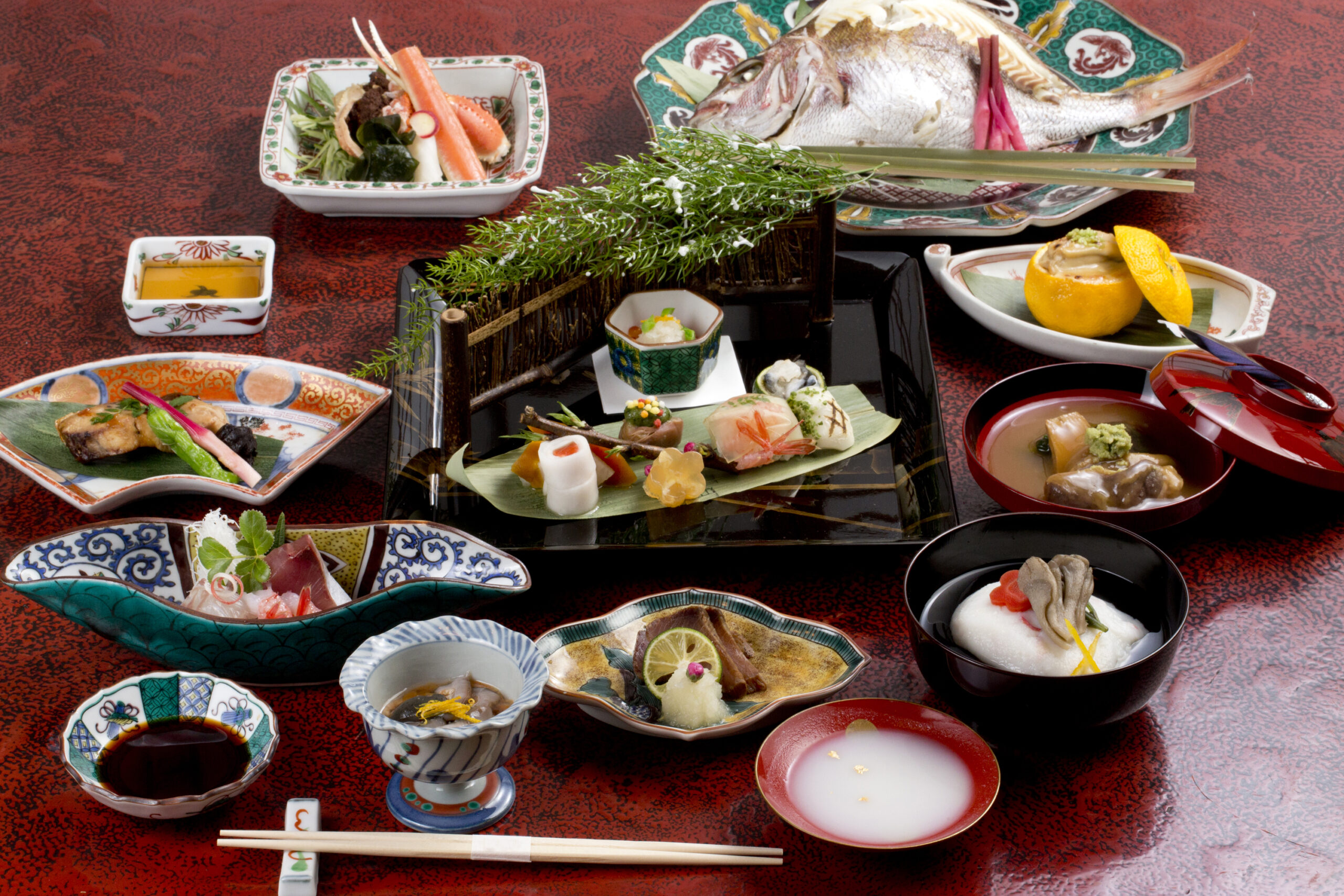
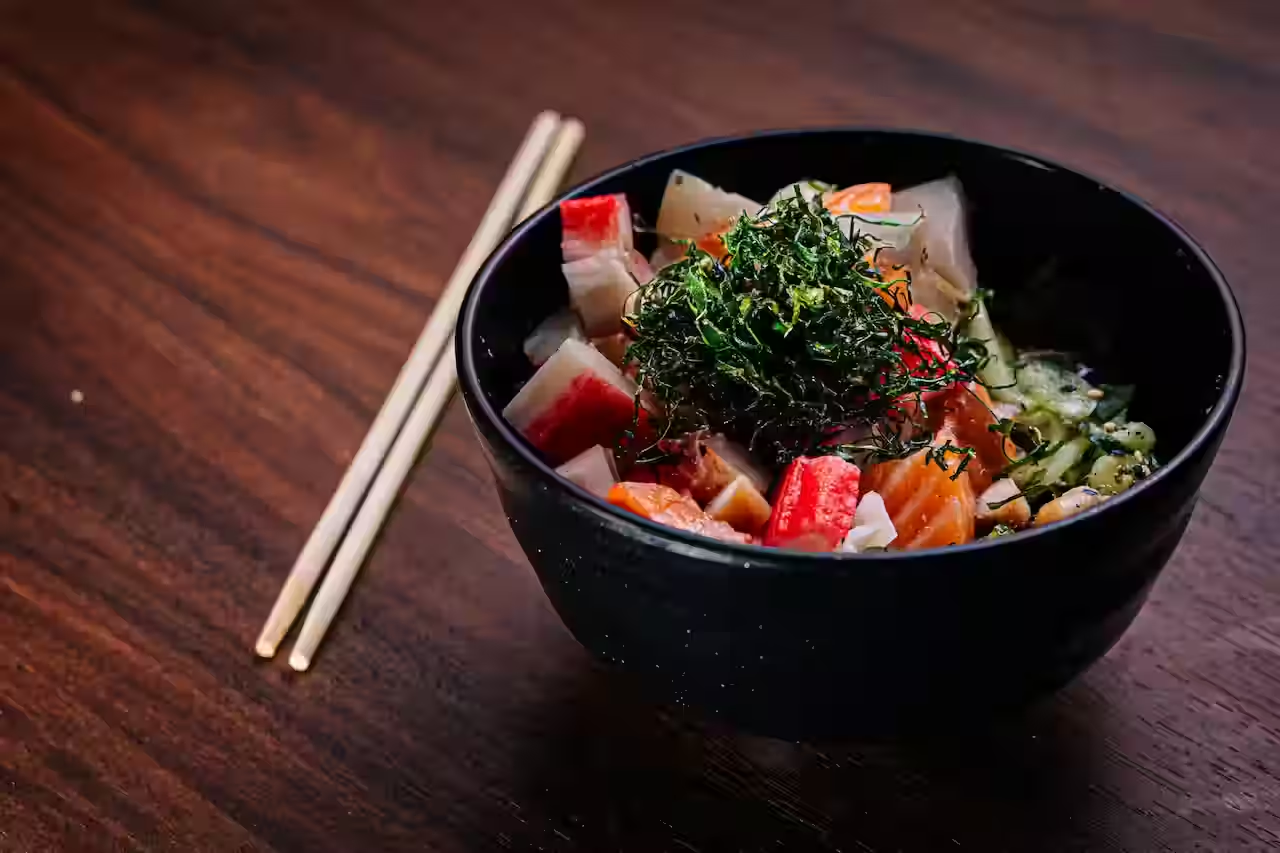

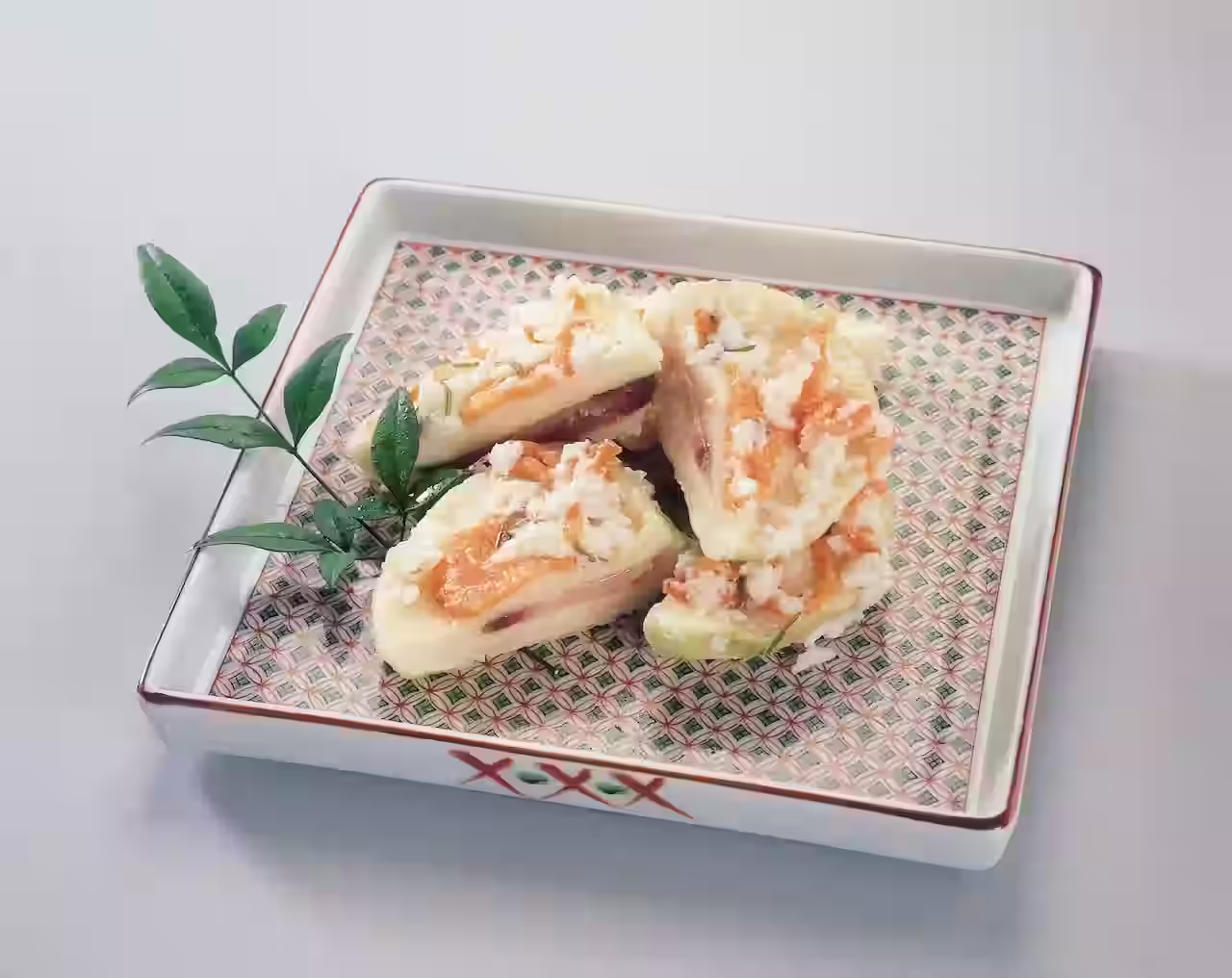
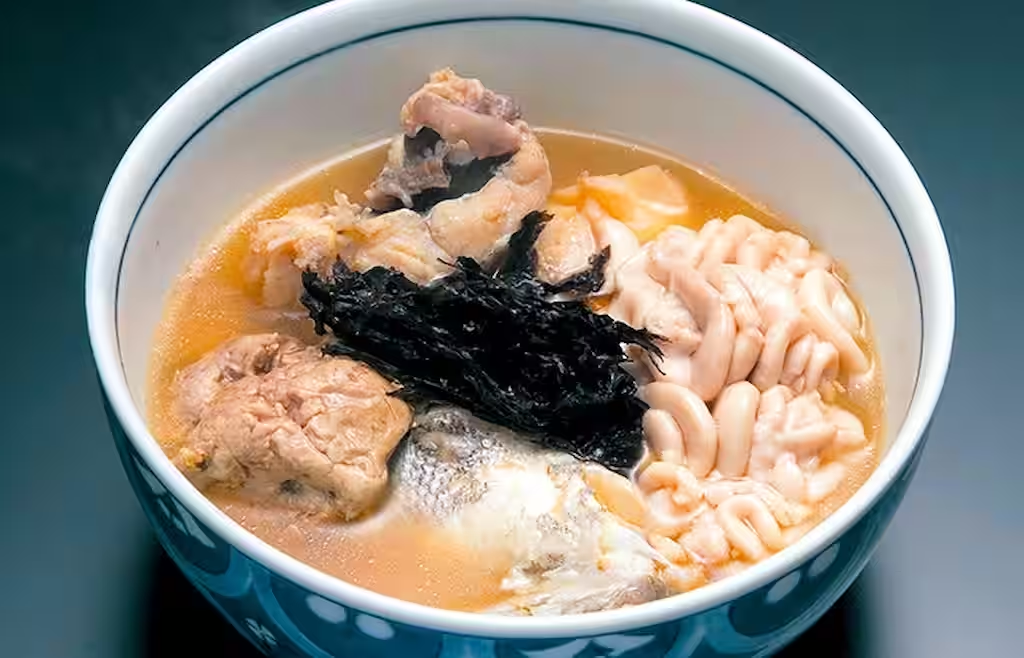


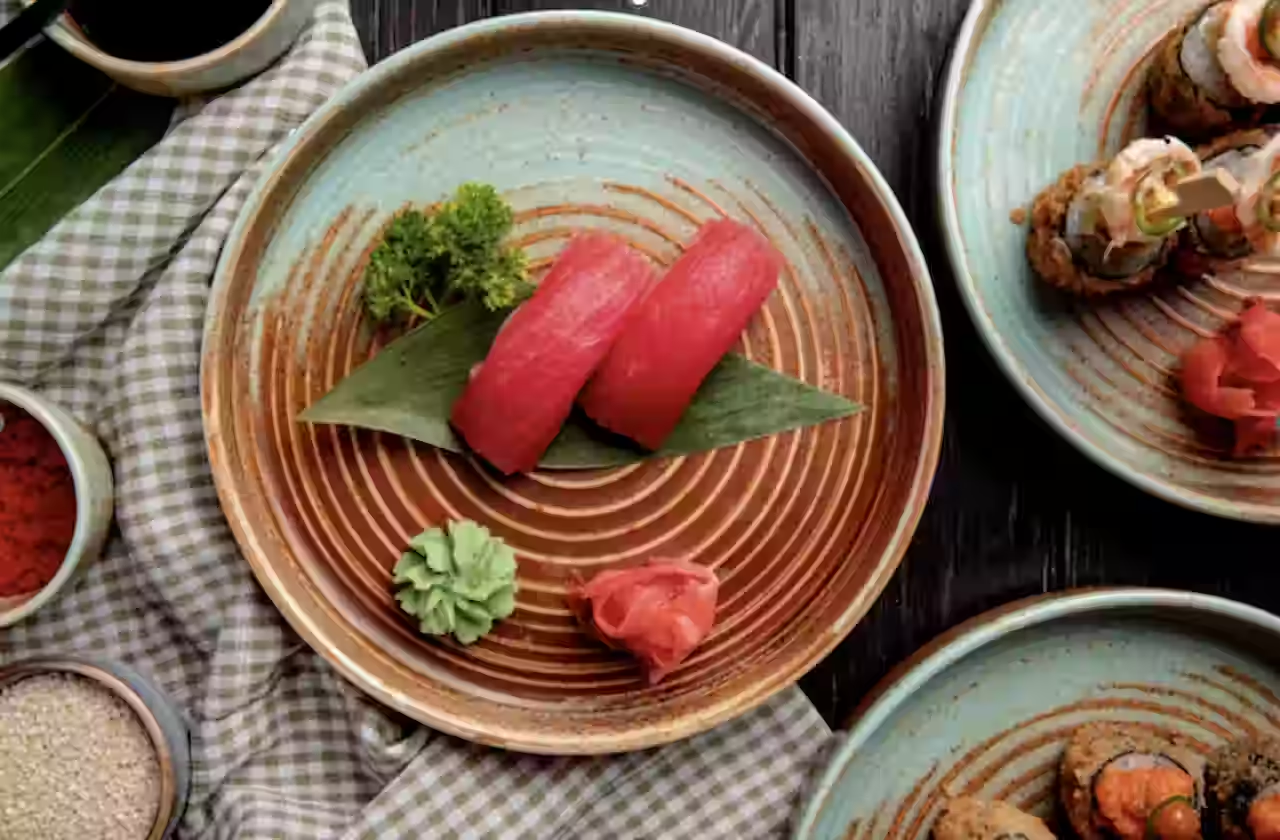
Trying local food can help an international student feel more at home in Japan. Many meals are simple, low cost and easy to find near schools or stations. Rice dishes, noodles and small side plates give you many options to try. Some students start with familiar items, then test new flavors over time. You may not speak much Japanese at first, but menus often have photos, which helps. It is normal to make small mistakes when ordering. Staff are usually patient, and other students can guide you. Little by little, you learn what you like and how to order it with confidence.
Balancing Academic Responsibilities Before Exploring Local Food
Finishing school tasks before going out is important because it helps reduce stress. It is hard to enjoy a new place to eat when you keep thinking about deadlines. In the middle of busy weeks, some students who struggle with assignments may search for write my essay and try a writing service for support. This shows how common the pressure can be. Getting work done early gives you a clear mind. It also lets you plan your time better. When your studies are in order, you can sit down for a meal with calm thoughts and pay full attention to the taste and feel of the place.
Key Meals Students Often Try First
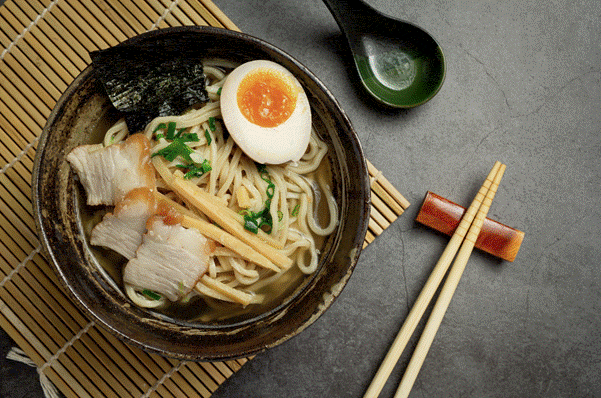
Students often try simple and well-known meals when they first arrive in Japan. Ramen is common because it is warm and easy to find. Sushi gives a clear taste of local fish and rice. Curry rice is mild and filling, so many students choose it on busy days. Onigiri is useful when someone needs a quick meal between classes. Tempura offers light fried items that can be ordered in small portions. These dishes help students learn local habits through everyday food.
| Dish | Approximate price range | Common locations |
| Ramen | 600-900¥ | Casual restaurants, school cafeterias |
| Sushi | 100-300¥ per plate | Conveyor belt shops, supermarkets |
| Curry rice | 400-700¥ | School cafeterias, casual restaurants |
| Onigiri | 120-200¥ | Convenience stores |
| Tempura | 500-900¥ | Casual restaurants, food stalls |
Cultural Notes and Etiquette
Eating habits in Japan adhere to simple customs which help in showing respect. It is said itadakimasu before eating to show one’s thanks. After this meal they say gochisousama. Students also learn not to stick chopsticks upright in rice which is associated with funerals. It is common to wait until everyone has food to start. These habits help visitors to understand daily life in Japan.
Etiquette points:
- Say itadakimasu before eating.
- Say gochisousama at the end of the meal.
- Never stick chopsticks in rice vertically.
- Do not point with chopsticks.
- Wait for all people at the table to be served.
- When not in use, place chopsticks on the holder.
Check out essential table manners to learn in Japan by JoynTokyo
Tips for Enjoying New Tastes While Adjusting to Student Life
Eating new food may seem somewhat awkward at first and small steps will help. Begin with easy food and introduce new food gradually. Get ideas out of friends and classmates, they might be able to suggest something that would go well with you. The dishes that are seasonal may be useful too since they tend to have fresh ingredients and clear flavors.
Read labels of ingredients and watch out in case of allergies. This may be done to avoid confusion in the future. To get acquainted with how local food functions can make the life of a student more comfortable. Every one of the meals is an opportunity to learn about everyday routine and feel more comfortable in your new environment.
Conclusion
Getting to learn about local food makes the students be able to comprehend the everyday traditions and the life pace in Japan. Easy food could facilitate the transition into a different environment and make every day appear more comfortable. Experiencing other cuisines also helps us to learn to respect local ways and effort that goes into each cook. Being open to new tastes is also beneficial in the long run since it helps in gaining confidence and making a student feel closer to those surrounding him or her. As time passes, such moments at the table contribute to a cozy and gradual beginning of student life.



Comments