


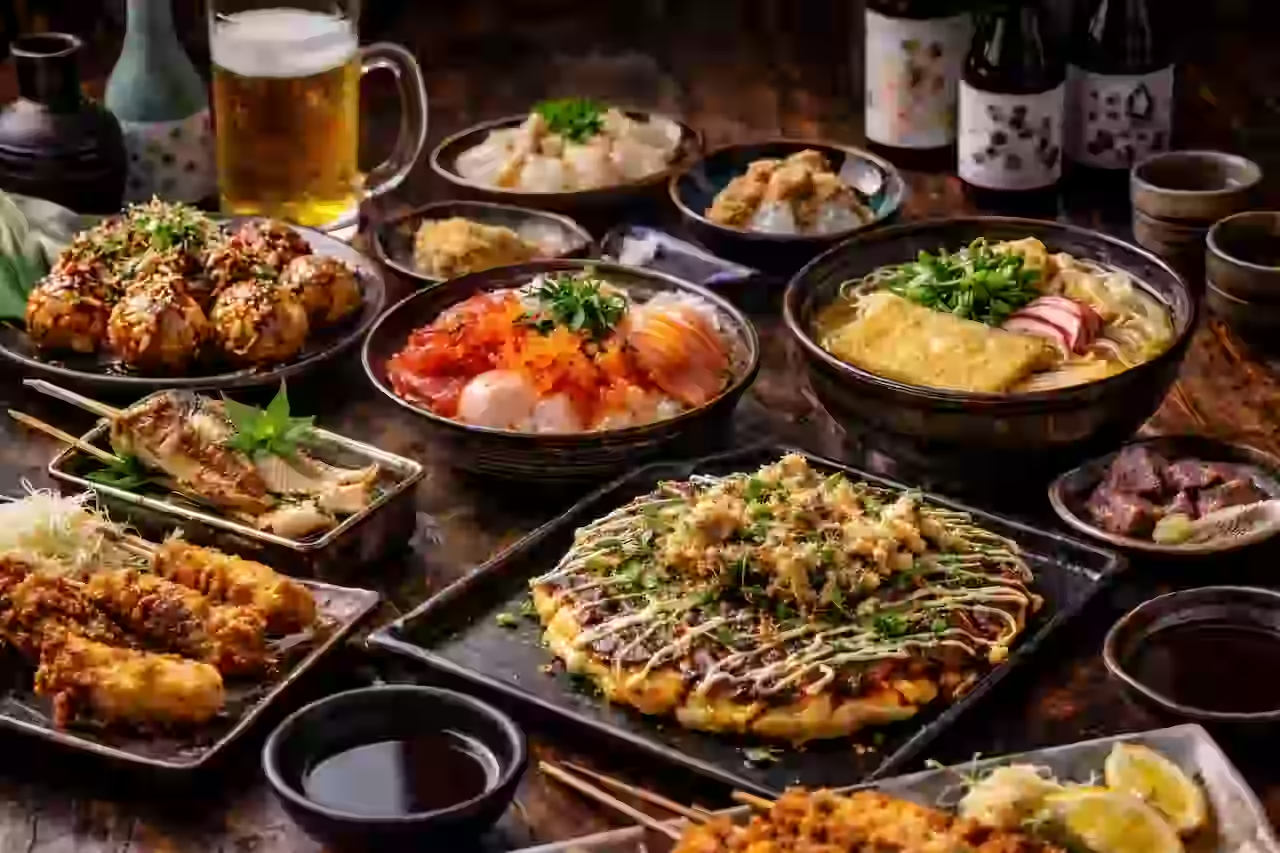


“I want to try nodoguro, but where can I find it?” Many people have likely had this thought. Every time it’s featured on TV, it becomes a hot topic, drawing in locals from fishing ports and tourists from across the country who travel specifically to taste it. That is the level of allure nodoguro holds.
Once you take a bite, the intense umami and the sweetness of the fat leave many people hooked. To be honest, I am one of them. I still remember the shock I felt the first time I tried it: “Can white fish really be this fatty?”
In this article, we will cover everything from basic information about nodoguro to why it became famous, its characteristic flavor profile, and its historical background. Furthermore, we will introduce five recommended restaurants where you can actually enjoy nodoguro, so please use this as a reference for your next trip.
What Kind of Fish is Nodoguro? Basic Information
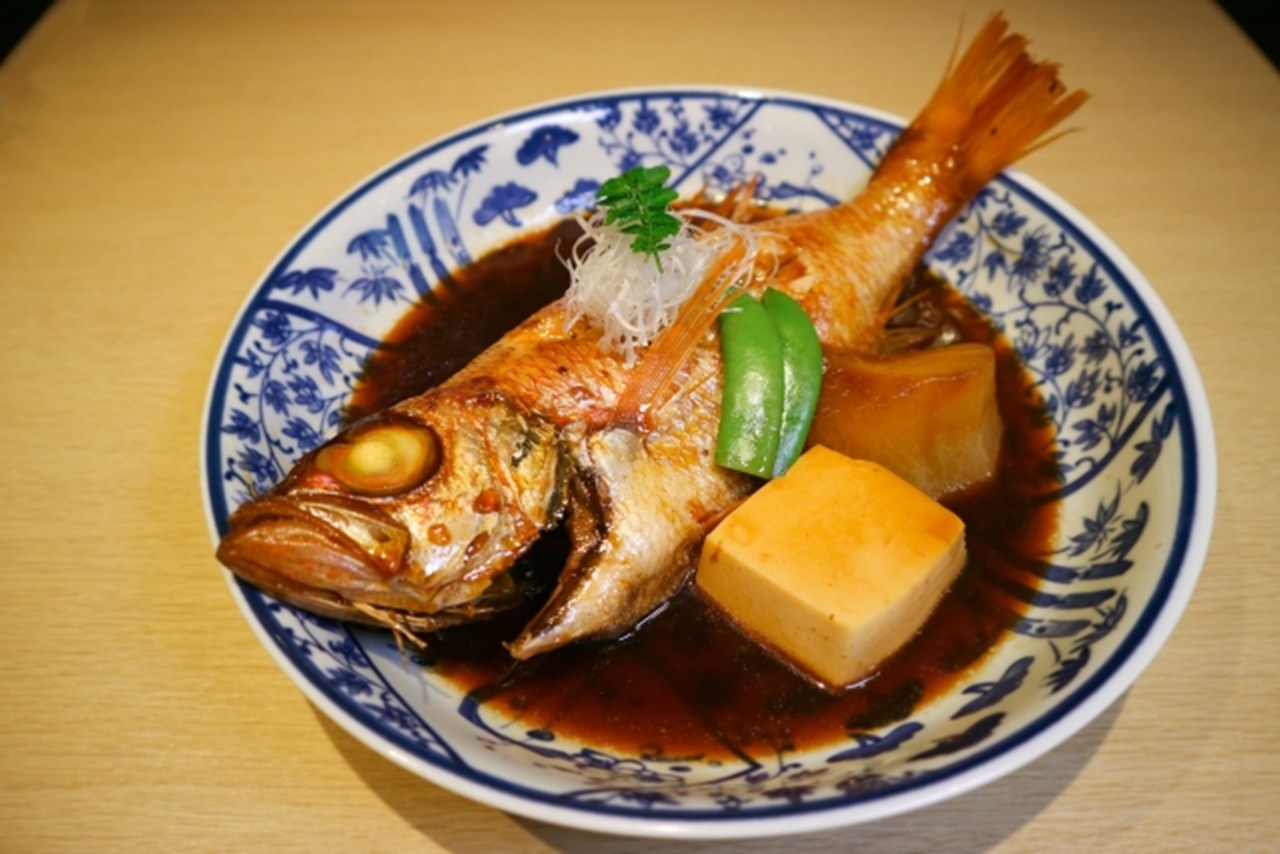
The official name for nodoguro is “Akamutsu” (Rosy Seabass). It is a deep-sea fish classified under the order Perciformes, family Acropomatidae, genus Doederleinia, and it has a vibrant red body. The name “nodoguro” (black throat) comes from the fact that the back of its throat appears pitch black when it opens its mouth. Originally, fishermen in the Hokuriku and Sanin regions along the Sea of Japan used this as a colloquial name, but it has now surpassed its official name in recognition.
Even in English, people call it “Blackthroat seaperch,” suggesting that this naming convention based on physical characteristics is universal. It’s quite interesting that Japanese and English share the same logic for the name. Nodoguro inhabits sandy bottoms at depths of 100 to 200 meters. It ranges across a wide area, from the waters near Japan to Southeast Asia and Australia. In Japan, fishermen harvest it along the coasts of the Sea of Japan and the East China Sea from Aomori to Kyushu, as well as the Pacific coast from Hokkaido to Kyushu. The Hokuriku, Sanin, and Kyushu regions stand out as particularly famous production areas.
Sizes range from small specimens around 15cm to large ones exceeding 40–50cm. A fish around 200g generally fetches between 1,500 and 2,000 yen (approx. $10–$13), but as the fish grows larger, it accumulates more fat and the price skyrockets. For a large specimen over 1kg, buyers not uncommonly pay tens of thousands of yen (several hundred US dollars or more)*. This combination of rarity and high quality is one of the reasons people consider nodoguro a top-tier luxury fish.
*USD conversion is based on the rate as of March 4, 2026 ($1 = approx. 150 yen).
A Surprise in the Mouth
The flesh flakes away effortlessly, and with every chew, the sweet fat spreads gently. Curiously, it is almost never heavy or greasy. Despite the clean finish, a rich aftertaste lingers for a long time. If you ate it without knowing it was white fish, you might be genuinely surprised.
The Aroma the Moment It’s Grilled
When grilled with salt (shioyaki), the savory aroma is incredibly appetizing. There is almost no fishy smell; instead, an elegant scent of the sea wafts through the air. It has a delicate texture that is distinctly different from other blue-backed fish.
Check here for Basic Information of Nodoguro
Why Did Nodoguro Become So Famous?
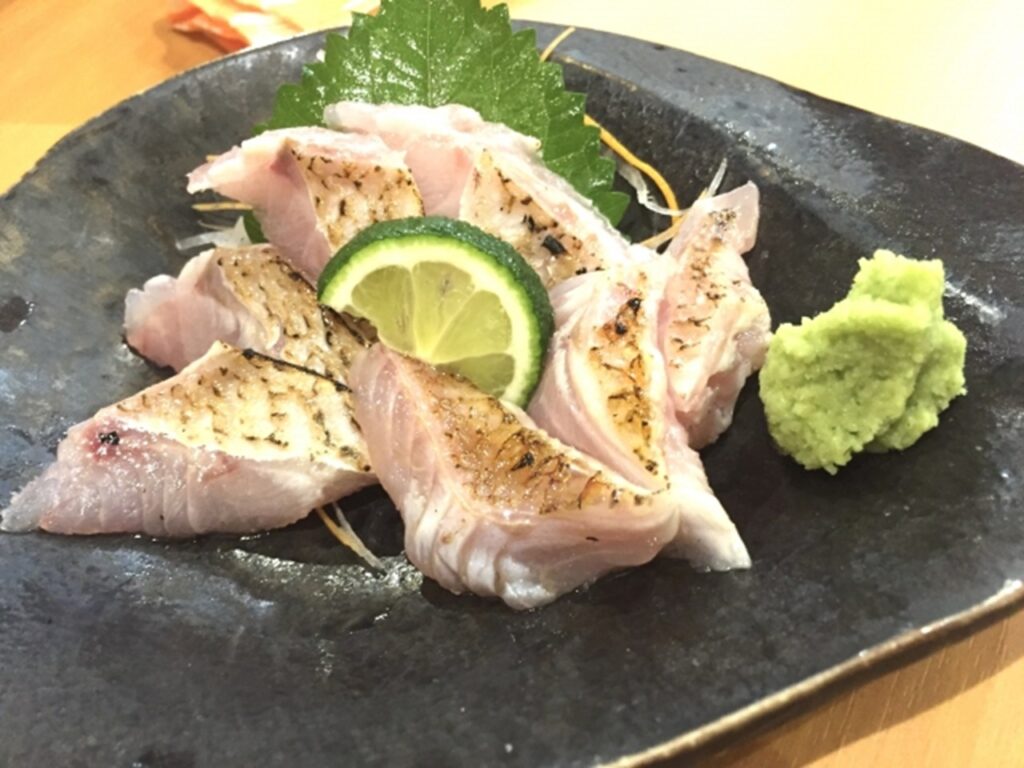
Nodoguro’s nationwide fame is a relatively recent phenomenon. Since the early 2000s, it has appeared more frequently on television programs, gradually increasing its recognition. Some may remember a certain tennis player mentioning in a post-match interview that they “wanted to eat nodoguro,” which caused an instant sensation.
Because the catch volume is low and fluctuates significantly from year to year, the more popular it becomes, the more demand outstrips supply, causing prices to soar. Today, it is known as one of the highest-priced fish on the market, and its presence continues to grow.
In production areas, there is a movement toward regional branding. Hamada City in Shimane Prefecture established the “Donchitchi Nodoguro” brand, while Tsushima City in Nagasaki Prefecture created “Beni-hitomi” (Crimson Eye), successfully raising both quality and name recognition. These efforts have further attracted gourmet enthusiasts from all over the country.
The 2015 opening of the Hokuriku Shinkansen to Kanazawa also contributed greatly to nodoguro’s popularity. As Kanazawa became a major tourist destination, the number of travelers visiting specifically for the local specialty, nodoguro, surged. It is a perfect example of tourism and food culture overlapping successfully.
Characteristics and Flavor of Nodoguro
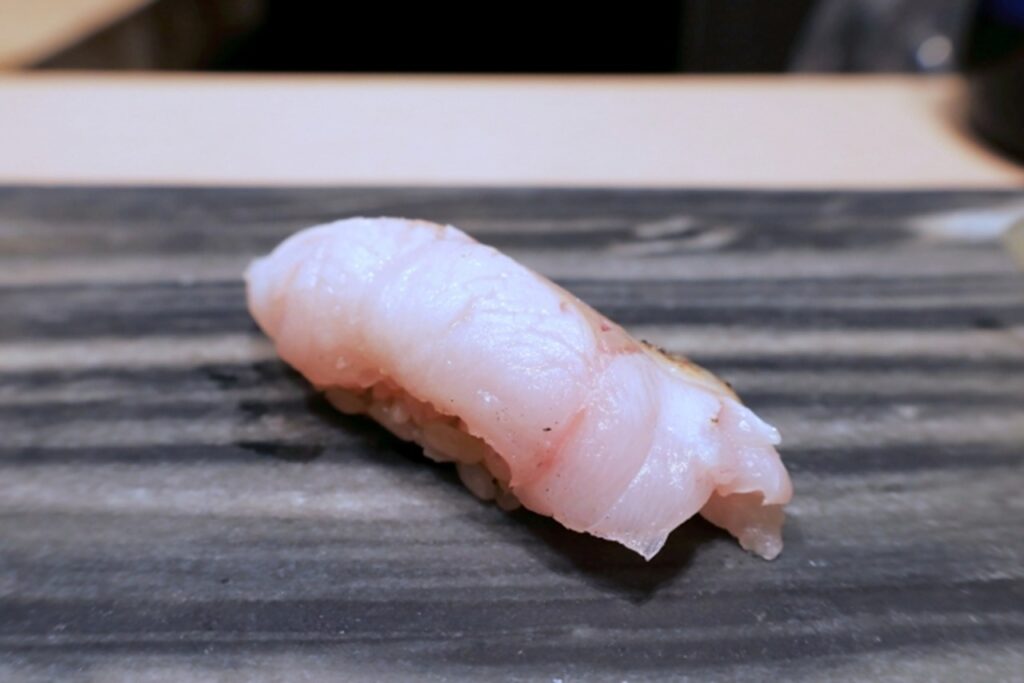
The nickname “White-Fleshed Toro” perfectly describes the characteristics of nodoguro. Despite being a white fish, its fat content can reach 25–30%. This is roughly the same level as the belly (Otoro) of a Bluefin Tuna. When you put it in your mouth, the first thing you notice is the melting sweetness of the fat. This is followed by the clean, refined umami characteristic of white fish.
The lack of heaviness and the refreshing aftertaste are also major draws. Even people who usually dislike fatty fish often find they can enjoy nodoguro. Generally, fatty fish tend to have higher fat content as they grow larger, and nodoguro is no exception. For individuals over 200g, the fat content is between 15–35%, and for those over 300g, the minimum fat level increases even further.
Many people wonder, “When is nodoguro in season?” Truthfully, there is no simple answer. There are two main theories: one suggests the peak is summer to autumn, when the fish store fat before the spawning season (July–October), while the other suggests autumn to winter, as they store nutrients for the cold.
Research by the Shimane Prefectural Fisheries Technology Center has even shown that “the lipid content of nodoguro does not fluctuate by season.” In other words, the idea that “nodoguro has no season; it’s delicious year-round” might be the most accurate answer.
However, it is true that different regions have different ideas of when it is best: July–September in Niigata and Toyama, August–December in Shimane, and around November–February in Kanazawa. It’s a good idea to check the peak season of the specific region you plan to visit.
Representative Ways to Eat It
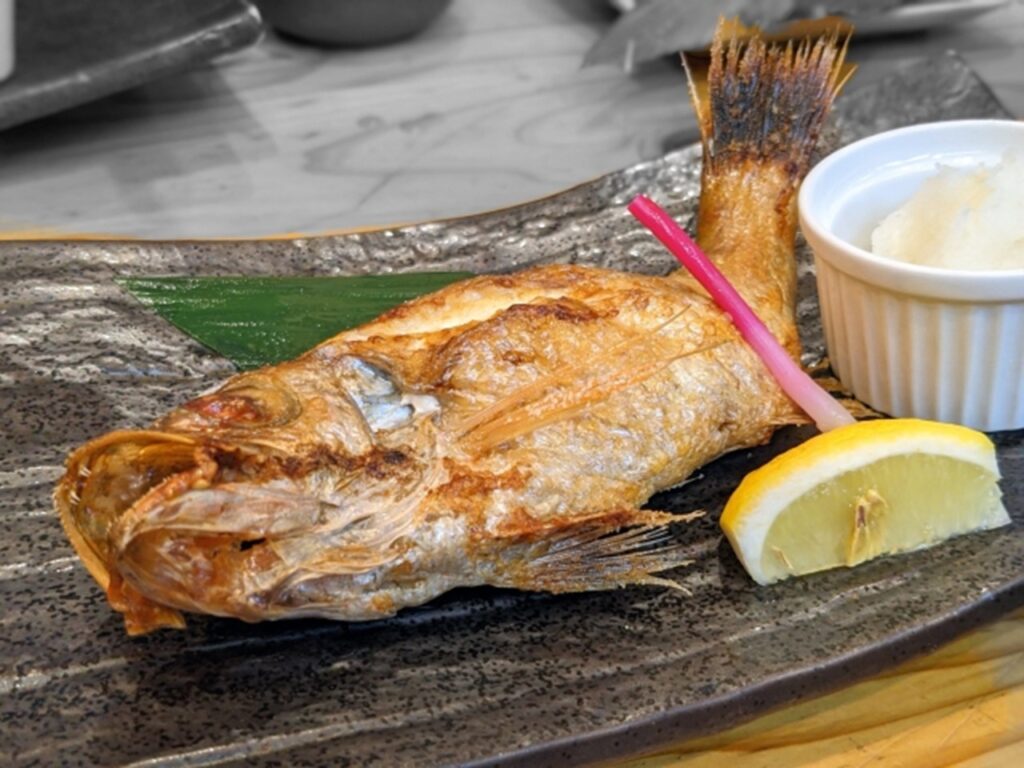
There are five main traditional ways to prepare nodoguro.
Shioyaki (Salt-grilling) is the simplest method, allowing you to enjoy the quality of the ingredient directly. When you break through the crispy skin, the sweet fat oozes out. The flesh has a flaky texture that is unforgettable once tasted.
Sashimi and Sushi are privileges reserved for when you can get your hands on truly fresh specimens. The fish is so fatty that oil floats in the soy sauce, and the sensation of it melting in your mouth is extraordinary. It is said that umami increases when prepared as Kobujime (cured with kelp), and Yakishimo-zukuri (seared skin) is also very popular.
Nitsuke (Simmered) uses a sweet and savory sauce to highlight the deep umami of the nodoguro. During the period from summer to autumn when egg-bearing nodoguro are available, it becomes a delicacy so good you’ll want to drink the simmering liquid.
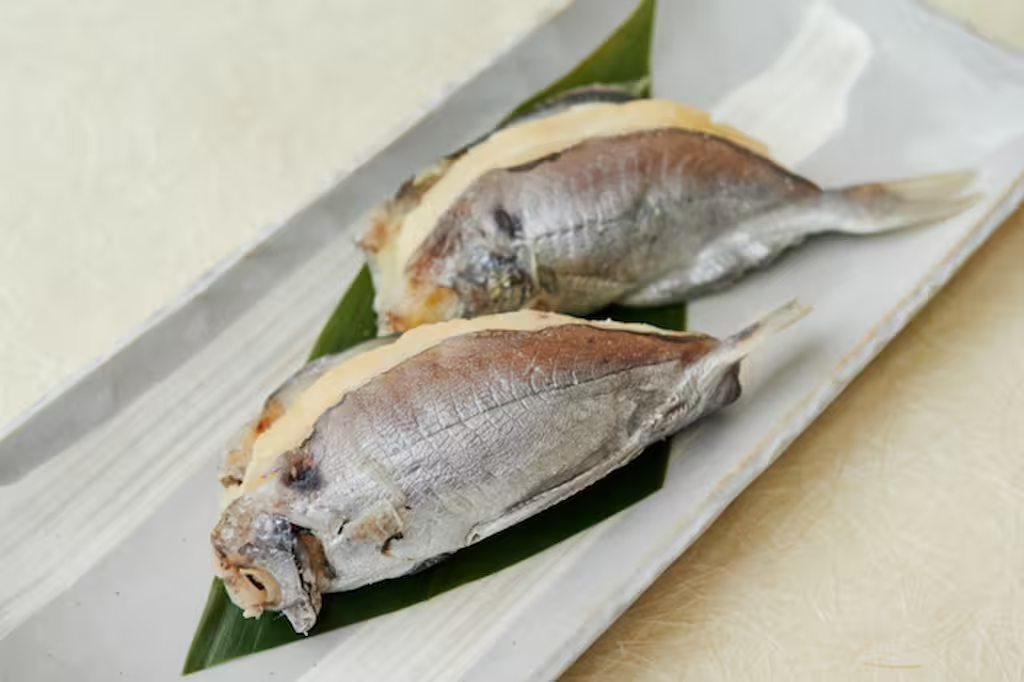
Ichiyaboshi (Overnight dried) or dried fish concentrates the unique sweetness of nodoguro even further. Many enthusiasts claim that “the sweetness of nodoguro is best brought out by drying it.” Because it is easy to prepare, it is also a very popular gift item.
Shabu-shabu or Hot Pot is a luxurious way to eat it, often served at high-end traditional restaurants. Swishing the nodoguro through the broth releases its umami, making the vegetables that soak up the soup taste incredible as well.
History, Background, and the Present of Nodoguro
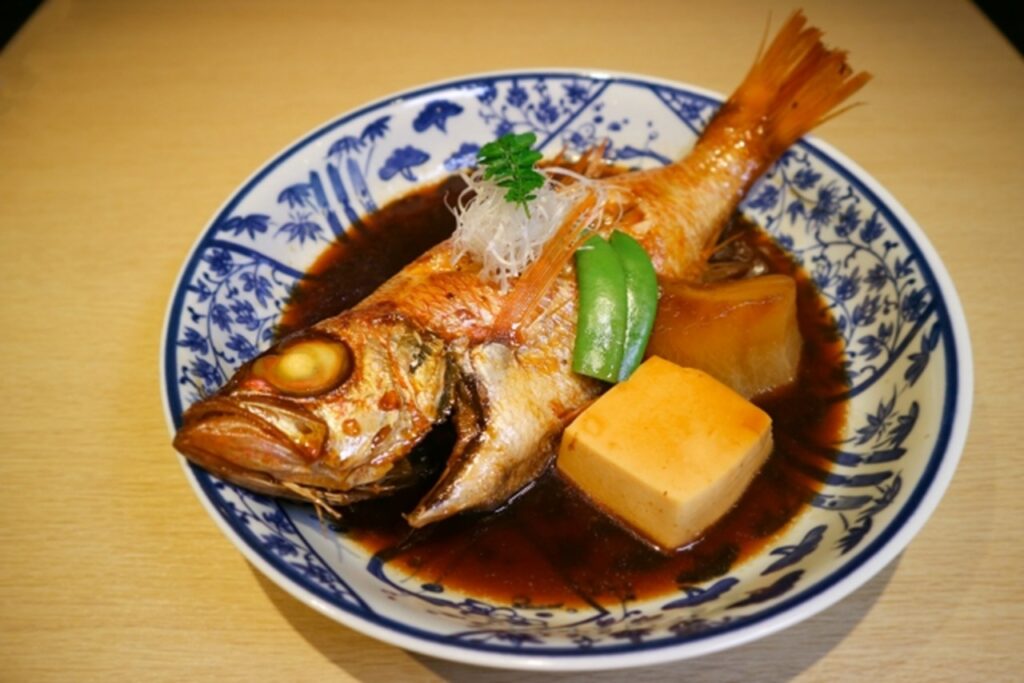
The most prominent theory regarding the origin of the name “nodoguro” holds that fishermen in Hamada City, Shimane Prefecture spread the term. They reportedly used it for at least 50 years. At the time, because distribution had not yet advanced, fishermen enjoyed smaller fish as “local fish” on their own tables. By today’s standards, it was a “hidden gem” that only locals could eat.
Some might be surprised to hear that people once avoided it for being too fatty. Seafood industry insiders report that buyers sometimes evaluated it poorly in the past as “greasy and not delicious.” Like Sablefish (Gindara) or Atka Mackerel (Shimahokke), high fat content carried a negative perception for a time. However, as Japanese food preferences changed, people came to recognize the high fat content as an asset. The Westernization of the diet and the growth of a culture that actively embraces richness likely drove this shift.
Around 2000, increased media exposure on TV and other platforms brought nodoguro nationwide fame. The 2015 opening of the Hokuriku Shinkansen gave the trend further momentum, drawing more tourists to Kanazawa specifically for nodoguro.
Today, production areas across the country are simultaneously pursuing branding and resource protection. In Shimane Prefecture, authorities are targeting sustainable fishing by imposing catch limits on small fish (those under 18cm, called “mekkin”) and establishing closed seasons. From June 1st to August 15th, a closed season protects resources, guarding the future of nodoguro from a long-term perspective. Scientific efforts are also advancing — an aquarium in Niigata City became the first in the world to successfully raise nodoguro fry artificially. While nodoguro solidifies its status as a luxury fish, those in the industry are working to protect the resource and pass it on to the next generation. Within this balance, nodoguro continues to hold a special place on the Japanese table today.
4 Recommended Restaurants to Eat Nodoguro
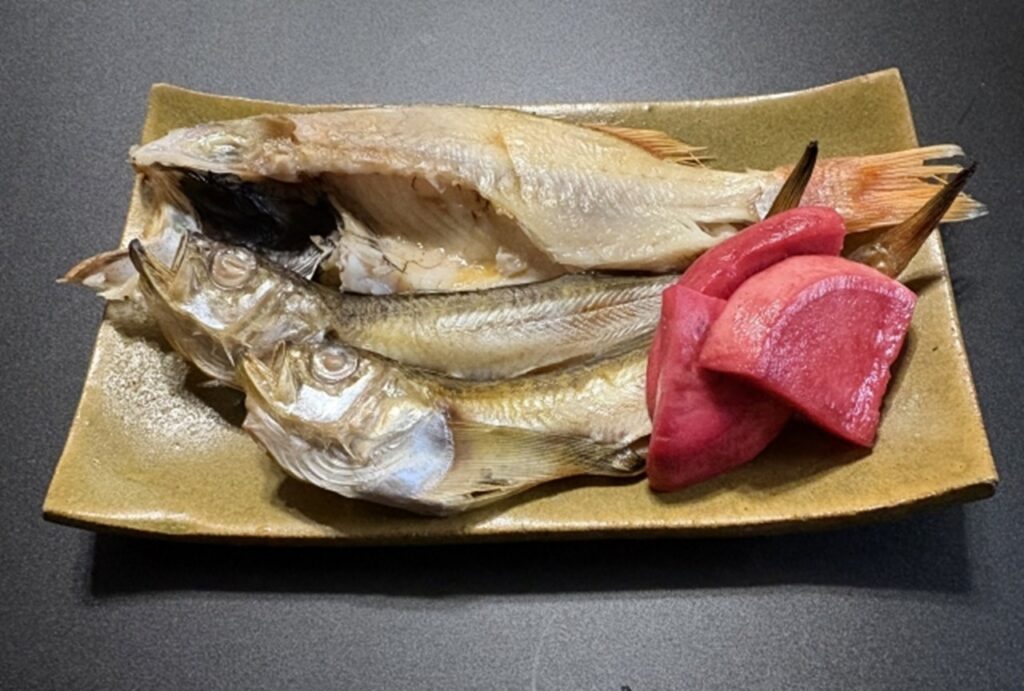
Nodoguro-meshi Honpo Itaru (のど黒めし本舗 いたる)
A specialty restaurant for “Nodoguro-meshi” run by the popular izakaya “Sake to Ninjo Ryori Itaru,” founded in 1988. It opened in conjunction with the 2015 launch of the Hokuriku Shinkansen and has since become a staple of Kanazawa tourism. The signature dish, “Nodoguro-meshi,” is served Hitsumabushi-style, where you pour a cloudy soup made from nodoguro bones over the fish. You can enjoy it in three stages: plain, with condiments, and finally as a dashi-chazuke. The interior, a renovated traditional house with an inn-like atmosphere, is excellent. Reservations are a must as there are lines even on weekdays.
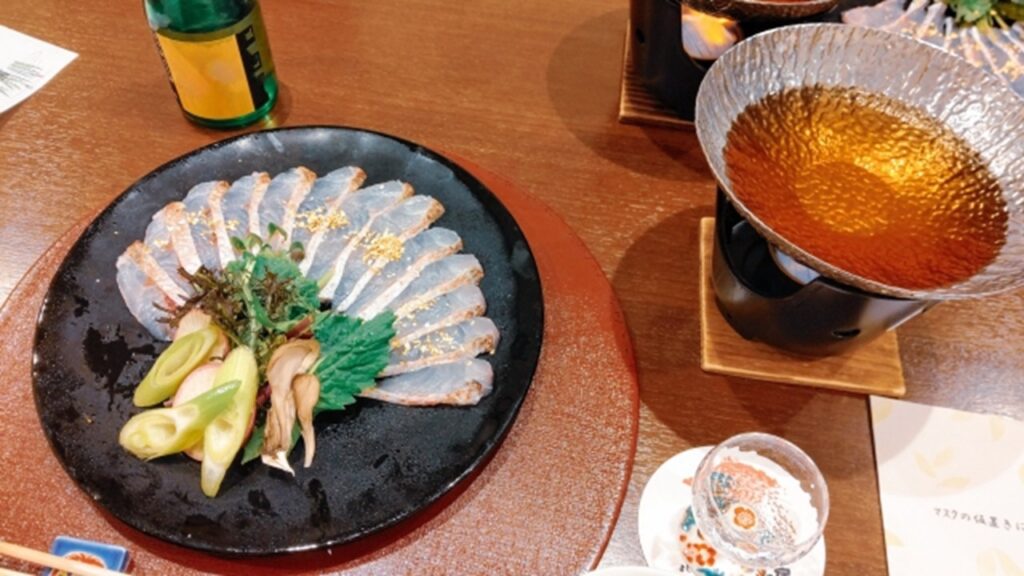
Nodoguro Shunsa Minoriya (のどぐろ旬菜 みのりや)
A nodoguro specialty restaurant located about a 10-minute walk from Kanazawa Station. The owner, who trained across Japan, serves nodoguro sourced directly from fishing ports using a variety of cooking methods. The 7-course “Nodoguro Full Course” is a decadent experience where every dish except dessert—from the appetizer soup to charcoal-grilled fish, savory custard, and porridge—features nodoguro. You can enjoy every charm of the fish, from salt-grilled to sashimi and shabu-shabu, in a single meal. In winter, courses featuring Kano Crab are also popular.
Sekai Sushi (せかい鮨)
A long-standing sushi restaurant founded in 1937, known as a representative food hub of Niigata. The “Seared Nodoguro Don,” conceived by the third-generation owner, features the luxury brand nodoguro “Biho” from Iwafune, served simply with natural salt from Sasagawa Nagare. Due to its rarity—limited to 10 servings a day—reservations are essential. With a history of providing meals for the luxury sleeper train “TRAIN SUITE Shiki-shima,” it is loved by everyone from locals to tourists. Enjoy the local food culture alongside Niigata’s regional dish “Noppe” and local sake.
Nodoguro no Nakamata Tsukiji (のどぐろの中俣 築地)
If you want to eat authentic nodoguro in Tokyo, this might be the best place to go. This is a nodoguro specialty restaurant operated by the “Nakamata Shuzo” group from Ibusuki, Kagoshima. Their signature dish features extra-large nodoguro exceeding 500g, prepared using traditional “charcoal rudimentary grilling” (genshiyaki). This method removes excess moisture and concentrates the umami, resulting in plump, thick flesh. The modern Japanese space, styled like a sake brewery, includes private rooms, making it ideal for business entertainment or dinners. Located within walking distance of Tsukiji Market and Kabukiza, a post-meal stroll is also recommended.
Summary
Nodoguro is a one-of-a-kind luxury fish that, despite being white-fleshed, possesses a fatty sweetness akin to toro. While its official name is Akamutsu, the name “nodoguro” is now much more widely recognized. Production areas are spread across the country, centered in Hokuriku, Sanin, and Kyushu, with regional branding such as Shimane’s “Donchitchi Nodoguro” and Nagasaki’s “Beni-hitomi” advancing everywhere.
Regarding its season, the honest truth is that it is “delicious anytime year-round,” and part of the fun is changing how you enjoy it based on the region and season. Whether salt-grilled, served as sashimi, or dried overnight, every cooking method brings out the quality of the ingredient.
A local fish that once sat on fishermen’s tables has now become one of the highest-priced fish on the market. This dramatic transition is a fascinating story where food, culture, and changing human preferences intersect. I highly recommend visiting a production area to experience the true taste of nodoguro for yourself. You will surely find its intense umami addictive.
Reference Information
Izakaya Ouentai “Read this and you’ll be a ‘Nodoguro Doctor’! A Summary of Everything Nodoguro”
Inaka Online “Where are the Famous Production Areas for Nodoguro (Akamutsu)?”
Comments