






This article offers a look into Moroko Sushi (もろこ寿司), a special type of traditional regional food known as Kyōdozushi. This dish is very different from the fresh, raw fish sushi most people know, because it uses preserved freshwater fish.
Keep reading to understand how this pressed dish from Gifu and Aichi prefectures tells a strong story about Japan’s inland river culture.
What is Moroko Sushi?
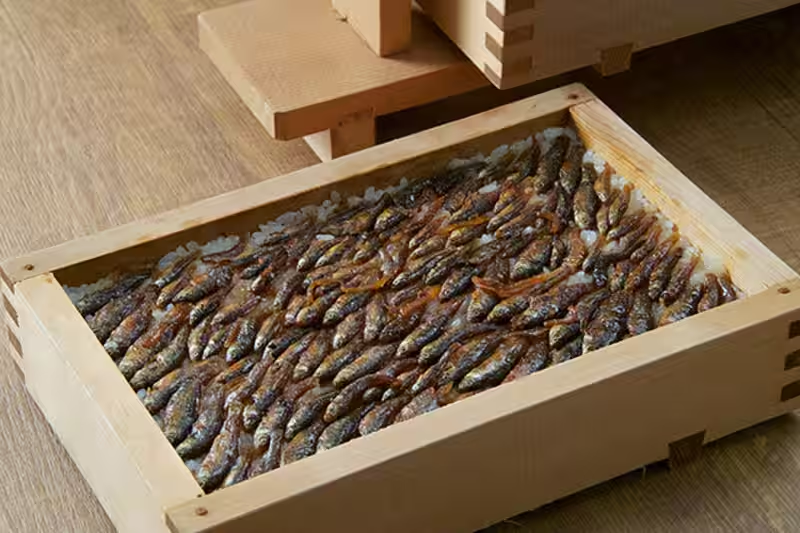
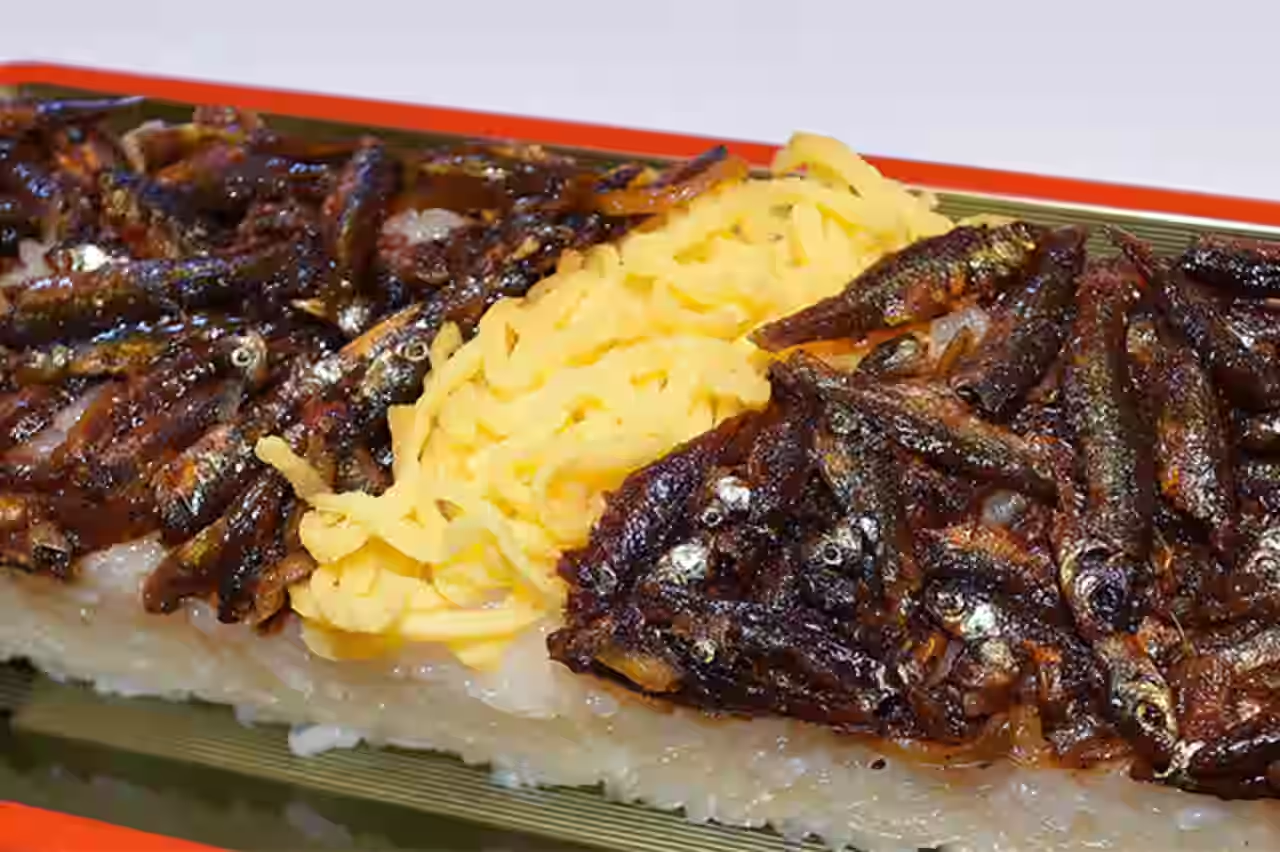
Moroko Sushi is a type of pressed sushi, or Oshi-zushi, made by putting ingredients into a box and pressing them down hard. Its main ingredient is moroko, a small freshwater fish from the carp family, which usually grows to about 10 centimeters long. Crucially, they prepared the fish using preservation methods. Then, they will fully cooked the moroko in a rich, sweet, and savory sauce containing soy sauce, sugar, sake, and ginger. Additionally, this process creates tsukudani (preserved food).
Locals spread the preserved fish over vinegared rice (sushi-meshi) and pressed firmly for two to three hours. The final product is a block of sushi that you can slice, giving a gentle, rustic flavor that mixes the fish with the lightly sweetened rice. This cooking process was also vital in the past, allowing the delicate river catch to be stored and eaten on special days.
Sweet Meets Sour in Harmony
The taste is rich but balanced. The moroko tsukudani brings an intense sweetness from the sugar and sake, tempered by the salty depth of soy sauce. There’s a subtle warmth from the ginger too, though it’s more of a background note than a sharp bite. I remember expecting something overly sweet, but the vinegared rice provides just enough acidity to keep everything in check. The rice itself is lightly seasoned, allowing the fish to be the star while still contributing its own mild tang. Together, they create this harmonious blend that’s comforting rather than overwhelming.
Firm Blocks, Tender Bites
The texture is what makes pressed sushi unique. The fish has been cooked until tender, almost soft, with a slight chewiness that comes from the preservation process. It’s not flaky like grilled fish but more condensed. The rice is firmly packed from hours of pressing, creating a dense, compact bite that holds together beautifully when sliced. You might wonder if this makes it heavy or hard to eat, but it’s actually quite pleasant. Each piece has substance and weight, yielding slowly as you chew rather than falling apart immediately.
Earthy Whispers of River and Home
The aroma is warm and inviting, with that characteristic tsukudani fragrance of sweet soy sauce and ginger. There’s an earthiness from the freshwater fish that’s different from ocean fish, more subtle and almost grassy. When you slice into the block, you catch the mild scent of vinegared rice mixing with the preserved fish. It’s nostalgic somehow, the kind of smell that reminds you of home cooking rather than restaurant fare.
History: Roots in River Culture
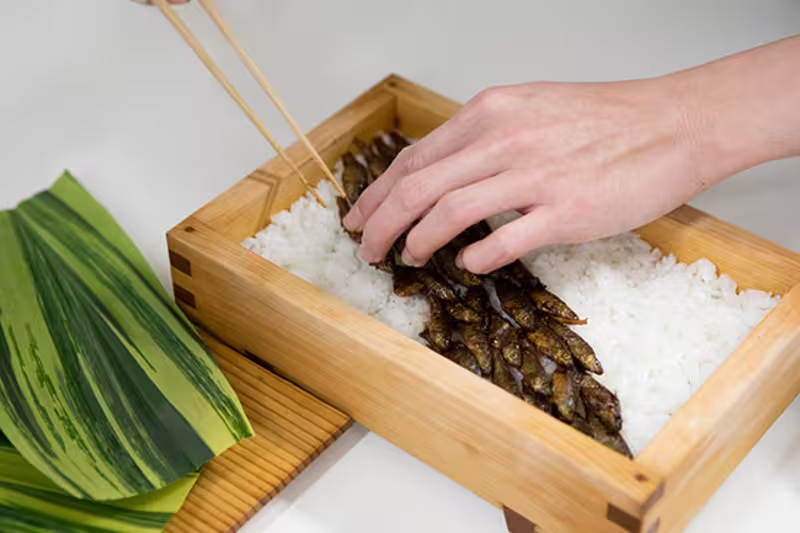
The start of Moroko Sushi is deeply linked to the land of central Japan, specifically the Seino region of Gifu Prefecture and the former Ama District of Aichi Prefecture. Historically, this was a fertile “water village area” fed by the Kiso River system. This special environment provided a lot of river fish, including moroko, funa, and koi, which naturally led to a rich cooking tradition based on these resources.
Records suggest people have been eating this dish since the Edo period (1603–1867). It was traditionally a valued food for “Hare no Hi,” or celebratory occasions like festivals, used for entertaining guests. Even though the custom of making Moroko Sushi at home has decreased due to changes in rivers and fish numbers, its preparation keeps a real connection to the region’s old river culture.
Where to Find Moroko Sushi Today
Kanezen Direct Sales Store (かね善 直売店)
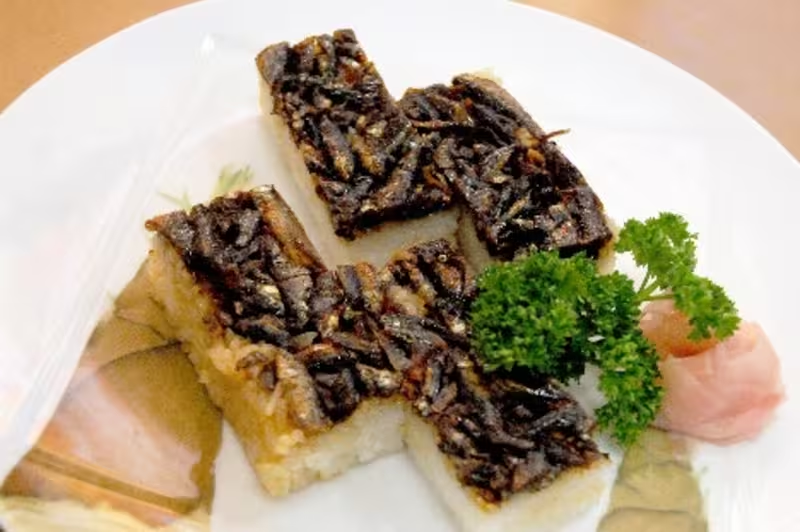
Since making Moroko Sushi at home has become rare, its survival depends on dedicated local sellers. Finding this regional specialty means looking for businesses that specifically preserve and sell these traditional pressed dishes. Because the dish represents a long history of eating freshwater fish, finding a steady supplier is important.
One great place is the Kanezen Direct Sales Store (かね善 直売店) in Gifu Prefecture, which offers a reliable way for visitors to try this unique regional taste.
Visiting a place like this helps support the continuation of Kyōdozushi traditions. The details below help food lovers find and plan a visit to try this authentic pressed river fish sushi.
Conclusion and Enduring Taste
Moroko Sushi is a special food that captures the history and geography of central Japan’s river regions. By mixing vinegared rice with richly seasoned freshwater fish, it offers a taste that’s different from typical ocean sushi. Its method as pressed sushi speaks directly to the past need for preservation and celebration. Eating this dish connects one to the area’s historical inland food culture, and it is still known today as a cherished, nostalgic specialty.
For readers interested in other examples of unique Japanese regional sushi, several traditional dishes share a similar spirit such as Masuzushi, Funazushi and Sasa sushi. These dishes are part of the larger family of regional specialties (Kyōdozushi).

Comments