





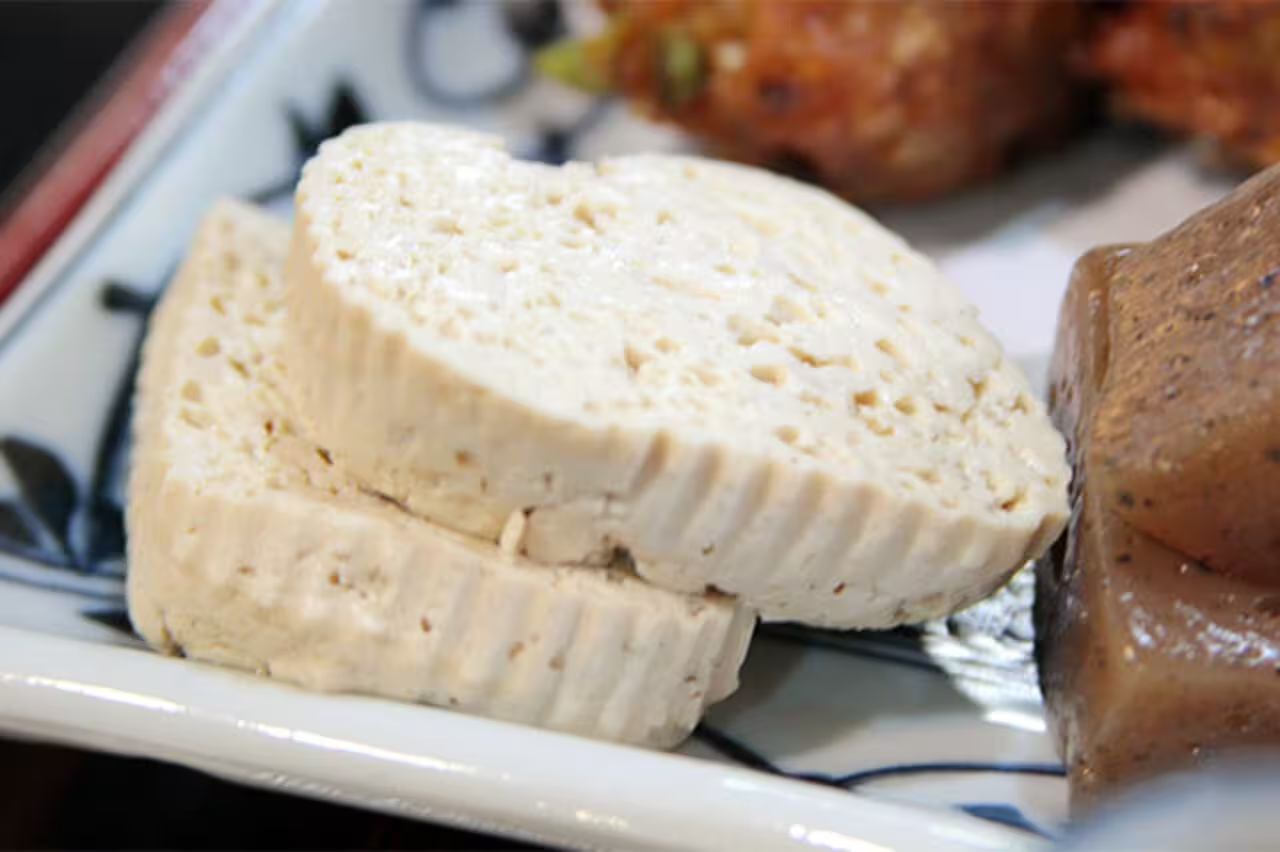
This article talks about Komo Tofu (こも豆腐), a very special food deeply tied to the cooking tradition of Gifu Prefecture, especially the mountainous Hida area. The geography of this region has historically forced people to be clever about preparing food, leading to unique ways to make simple ingredients better.
This report gives you the facts on Komo Tofu, looking at the distinct process that makes it different from regular tofu, its history as a special hospitality dish, and the cooking methods that give it its great flavor.
What is Komo Tofu?
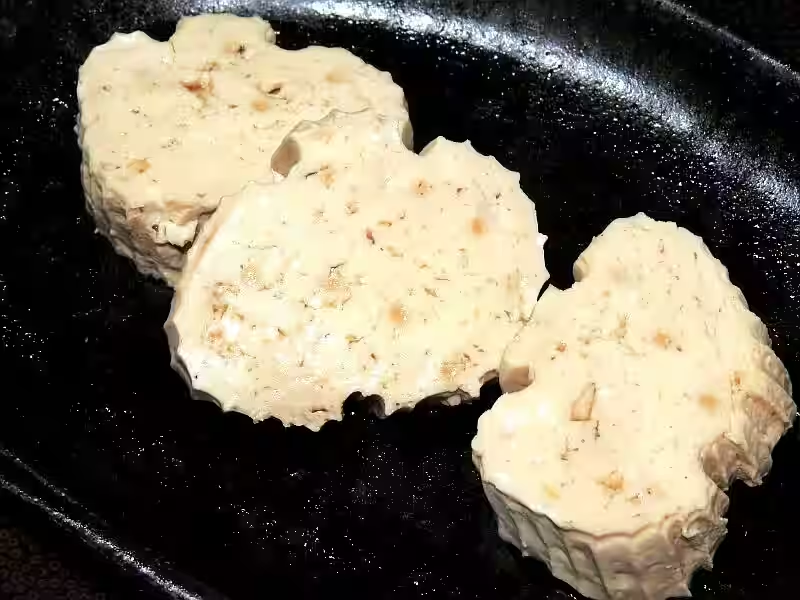
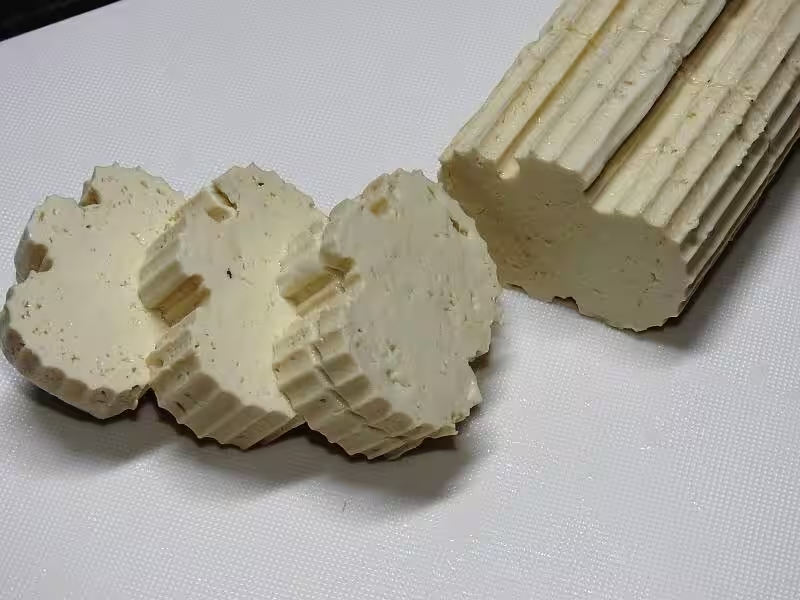
Komo Tofu is a highly unique type of bean curd with a special treatment using rice straw before they simmer it. The name comes from this key step: the tofu is inside a komo (a straw mat) or a tsuto (a rice straw wrapper) before locals processed them.
The taste of komo tofu
First Impressions
The first thing you notice is this subtle, earthy aroma from the straw wrapping. It’s not overwhelming, but there’s definitely something rustic about it. Maybe a bit nostalgic if you’ve ever been around dried straw.
The Texture
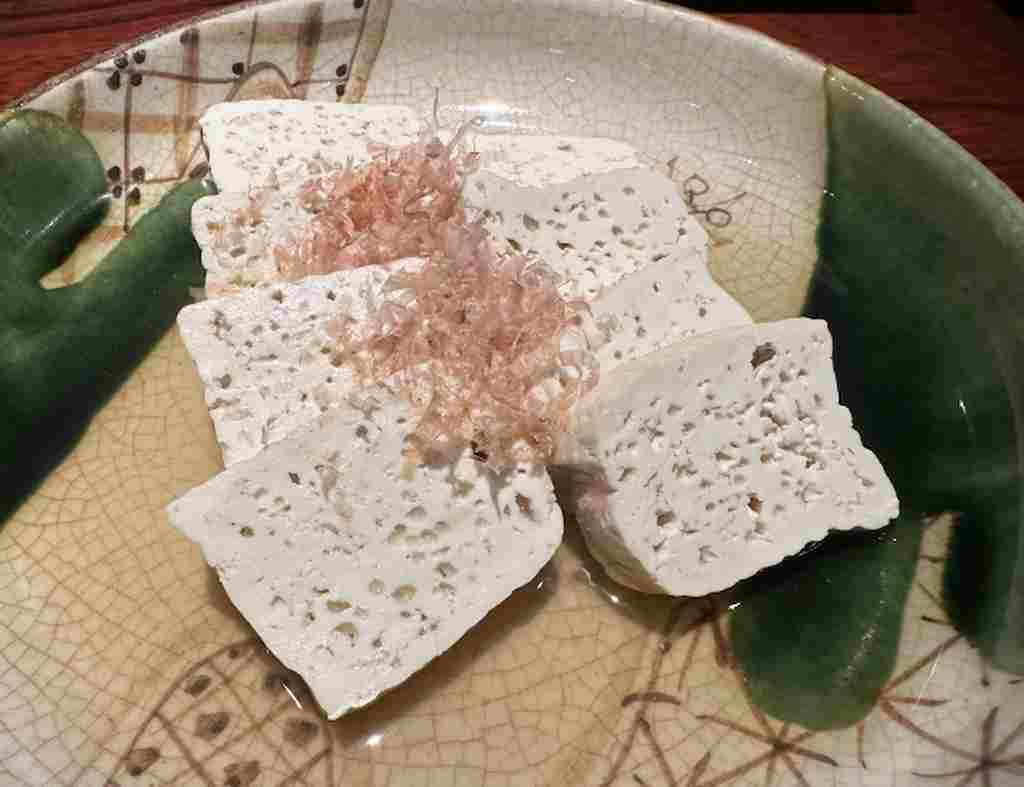
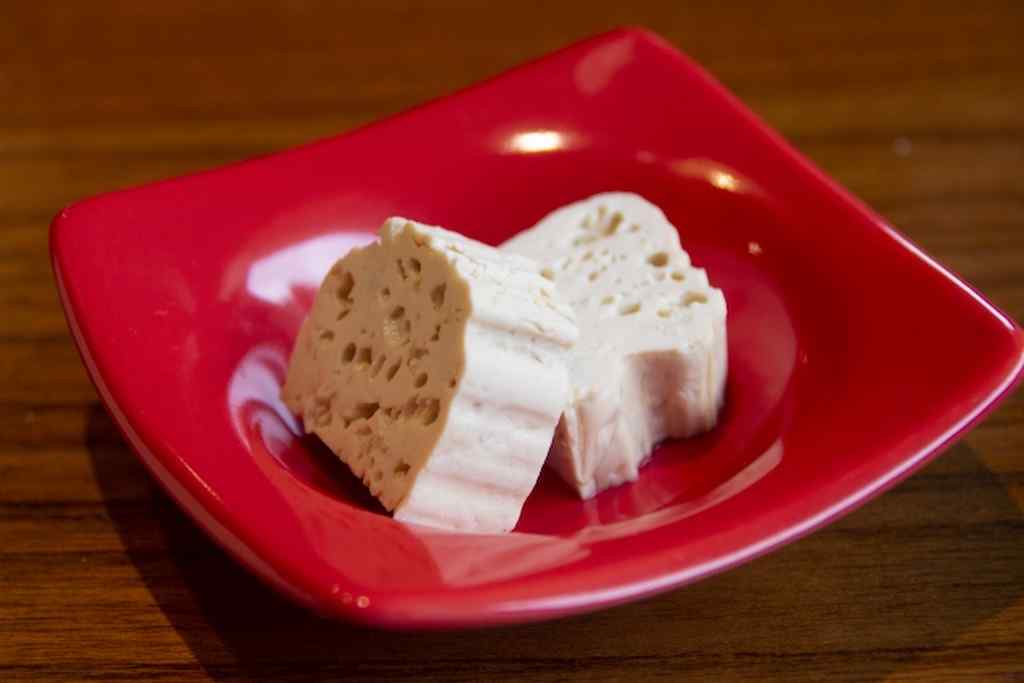
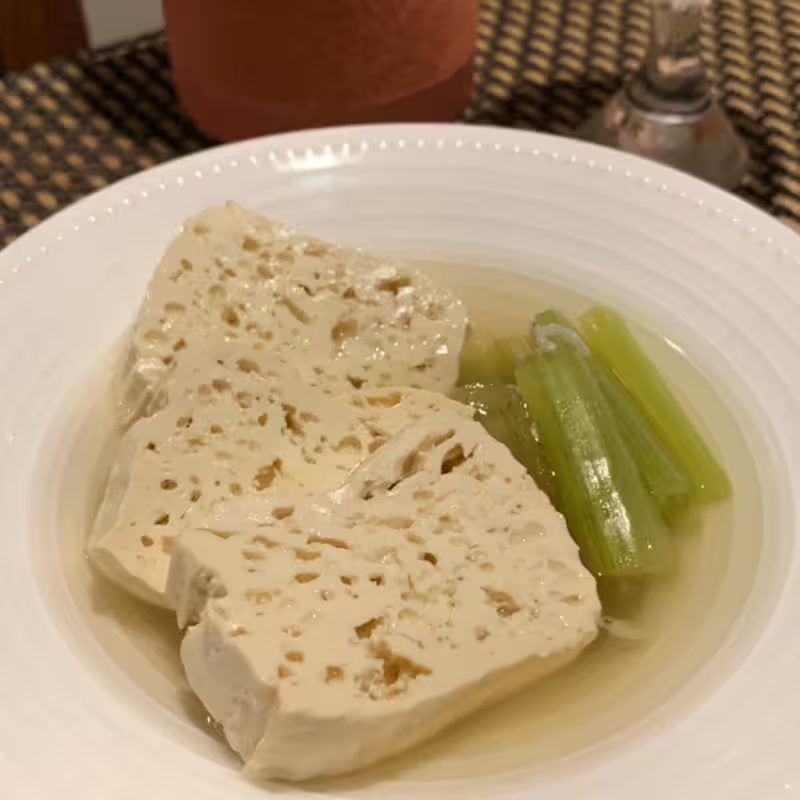
This is where komo tofu really stands out. When cooked, it develops countless tiny air pockets throughout, almost like a sponge. The surface has these beautiful impressions from the straw, and those patterns aren’t just decorative. They help the tofu absorb broth incredibly well.
When you bite into it, there’s this satisfying burst of liquid. The Japanese call it “juwa,” that gushing sensation in your mouth. The tofu itself is firmer and denser than regular tofu, but it still maintains smoothness. It won’t fall apart on you.
The Taste
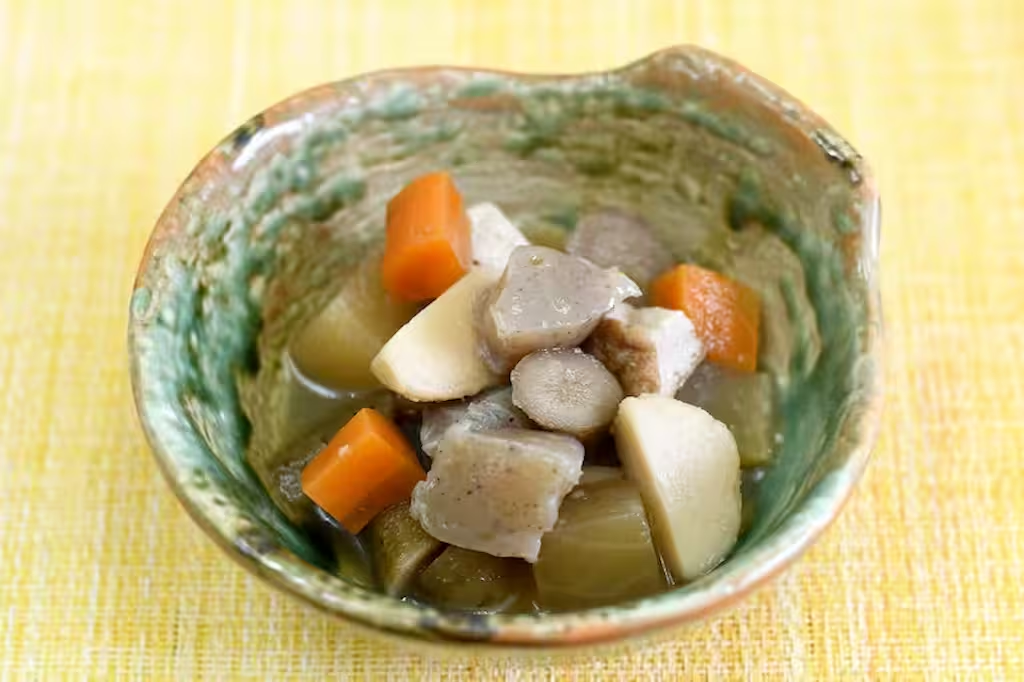
On its own, komo tofu is mild with that gentle straw fragrance layered in. But I guess that’s the point? It acts like a flavor sponge. People traditionally simmer it in sweetened soy-based broths, and the tofu absorbs all those savory, slightly sweet notes deeply.
Overall Feel
The experience is comforting and unpretentious. It’s the kind of food that makes you understand why families served it at celebrations. There’s something honest about it.
How They Make It
The process starts by crumbling the tofu and firmly packing it into the rice straw wrapper. The wrapped tofu is then boiled in hot water. This boiling while wrapped tightly in straw does two important things:
- It adds a pattern and a scent: The weaving of the straw presses a distinct pattern onto the tofu’s surface, and a characteristic straw scent (wara no kaori$) soaks into the finished product.
- It changes the structure: The constrained boiling fundamentally changes the inside of the tofu. Unlike soft tofu, this tofu develops a porous, sponge-like texture, known in Japanese as su (鬆).
History and Cultural Importance
The history of Komo Tofu is somehow cultural life and social calendar of the Hida region, where it is much more than an everyday food.
The Special Name
The name Komo Tofu also comes directly from the fact wrapped in a straw mat (koma) and boiled. This direct link between the name and the process highlights how important this technique is to the region. Using easy-to-find resources like rice straw to make a specialized food shows how resourceful people were in the isolated mountains.
A Dish of Hospitality
Culturally, Komo Tofu is famous as a vital hospitality dish, regionally called Gotsuo in Hida. Specifically served when people gather for important events, festivals, or the New Year. Historically deemed essential for celebrations (waigoto niwa kanarazu shokushita).
This importance remains today. Komotofu is a traditional part of New Year’s Osechi-ryōri (special celebratory foods) and O-zōni (New Year’s soup). The hard work and specialized technique required to make it cement its status as a high-value dish saved for important group gatherings.
Where to Get Authentic Komo Tofu
Furuta Tofuten (古田豆腐店)
Komo Tofu is a specialty item best purchased directly from makers dedicated to traditional regional methods, especially in the Oku-Hida area.Furuta Tofuten (古田豆腐店) is a reliable producer and seller of “Oku-Hida’s Komo Tofu” in Hida City. Getting the product from a specialized maker ensures the integrity of the straw-wrapping process.
Summary of Komo Tofu’s Enduring Role
Komo Tofu is a remarkable example of culinary ingenuity preserved in the Hida region of Gifu Prefecture. Its character is by its resourcefulness of its creation—using straw to physically manipulate the tofu’s structure. Furthermore, the endurance of this dish confirms its status as a vital part of Gifu’s cultural heritage, linking local agricultural materials directly to sophisticated, celebratory cuisine.
For readers interested in experiencing similar simmered or dashi-infused tofu preparations, highly recommended dishes include Agedashi Tofu, Yudofu, and Niku Dofu.


Comments