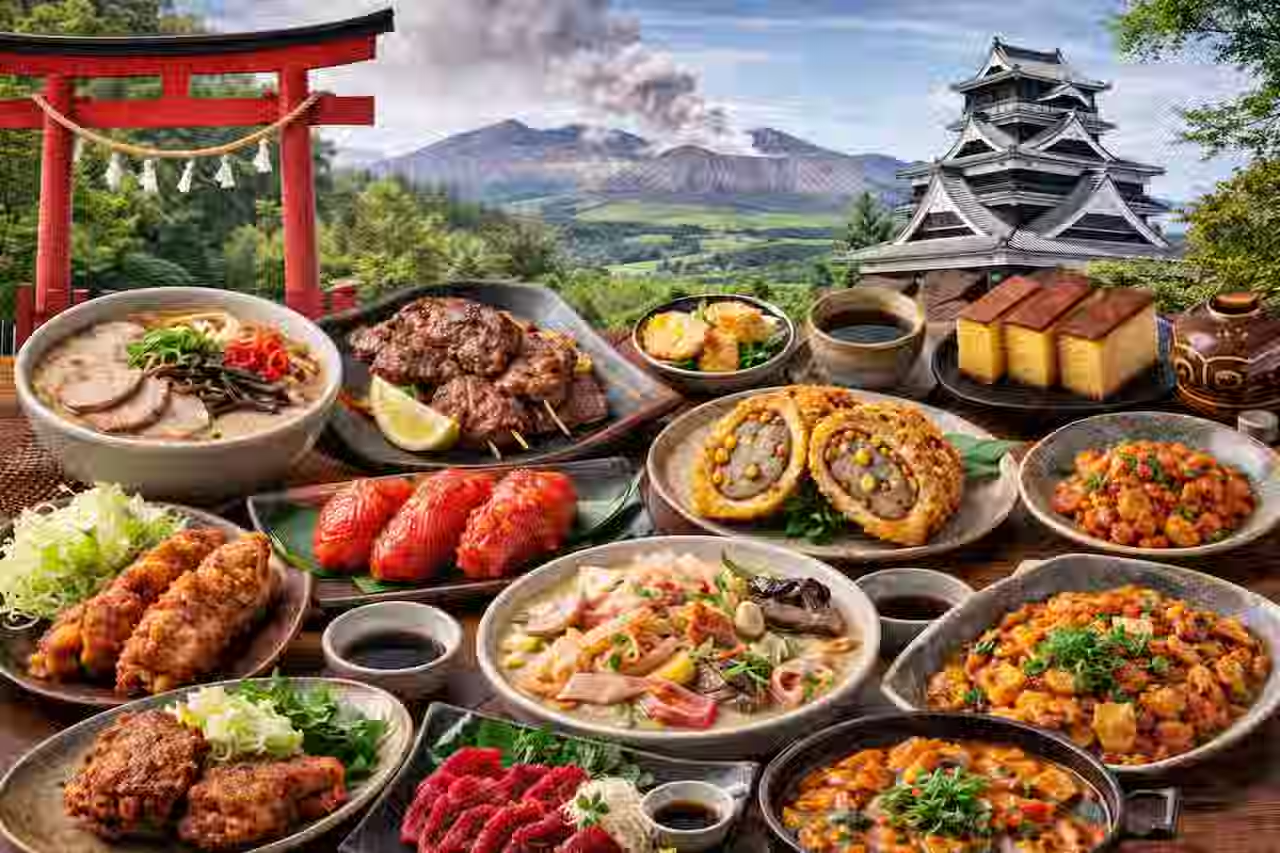
Kyushu is a region blessed with a warm climate, located at the southwestern tip of the Japanese archipelago. Comprising the seven prefectures of Fukuoka, Saga, Nagasaki, Kumamoto, Oita, Miyazaki, and Kagoshima, this area holds a special place in Japan’s food culture.
Kyushu has long been a gateway for trade with the Korean Peninsula, China, and Southeast Asia. Nagasaki, in particular, was the only place permitted to interact with foreign countries during the Edo period’s isolationist policy. Foreign food cultures flowed in and developed uniquely here. The southern part is warm and rainy, which led to the development of dishes with strong spices and sour flavors.
And when you think of Kyushu, it’s a region with a thriving livestock industry. It boasts nationally famous brand meats like Kagoshima’s Kurobuta (black pork), Miyazaki’s Jidori chicken, and Kumamoto’s Akaushi (red cattle). Its geography, surrounded by sea, also enriches its food culture, with different seas like the Genkai Sea, Ariake Sea, and the Pacific Ocean providing a diverse array of seafood.
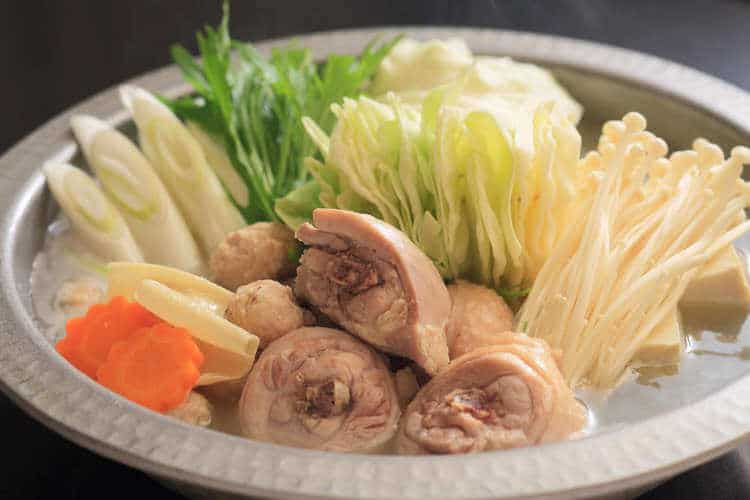
1. Mizutaki (Chicken Hot Pot) – Fukuoka Prefecture
mizutaki
When you first eat Hakata’s Mizutaki, you’ll be surprised by the pure whiteness of the soup. This is proof that chicken bones have been simmered slowly, releasing collagen.
Mizutaki is a representative hot pot dish from Fukuoka, where chicken and plenty of vegetables are simmered from water. The soup is milky white and rich, with the sweetness of collagen spreading in your mouth. The chicken is surprisingly tender, with a texture that falls apart easily. It’s a cooking method that shows confidence in the ingredients, drawing out their umami with just water and salt, without adding broth.
It can be called the ultimate form of technique born from Hakata’s gourmet culture, which maximizes the quality of ingredients. And you can’t forget the finishing rice porridge (zosui). Cooking rice in the soup infused with the sweetness of vegetables and the umami of chicken—some people come just for this porridge.
There are many long-established Mizutaki specialty restaurants in Hakata City, each boasting over 100 years of history.
2. Yobuko Squid – Saga Prefecture
yobuko squid
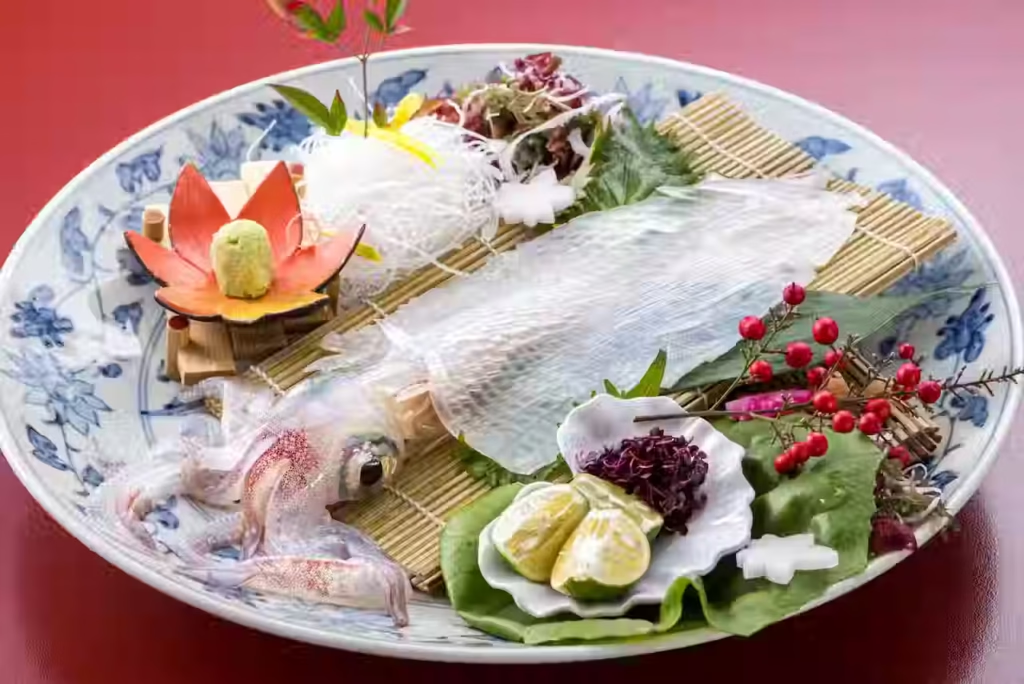
A translucent clarity. Sashimi from a live squid is more beautiful than you can imagine.
Yobuko is a port town in northern Saga Prefecture, facing the Genkai Sea. The spear squid landed here has unmatched freshness and sweetness. “Ikizukuri” (live preparation) is a method where chefs prepare live yobuko squid on the spot and serve it immediately; the transparent flesh offers a firm, springy texture. The more you chew, the more sweetness spreads, leaving a clean aftertaste.
It’s a luxury you can only experience at its origin, with freshness so high the legs might still be moving. Many restaurants will take the remaining parts after sashimi and make them into tempura, allowing you to enjoy one squid two ways. As time passes, the flesh turns white and cloudy, and the texture changes, so there’s real meaning in eating it in Yobuko.
Yobuko’s morning market is also famous, lined with fresh seafood from early morning. After eating squid, strolling through the morning market is enjoyable too.
3. Shippoku Cuisine – Nagasaki Prefecture
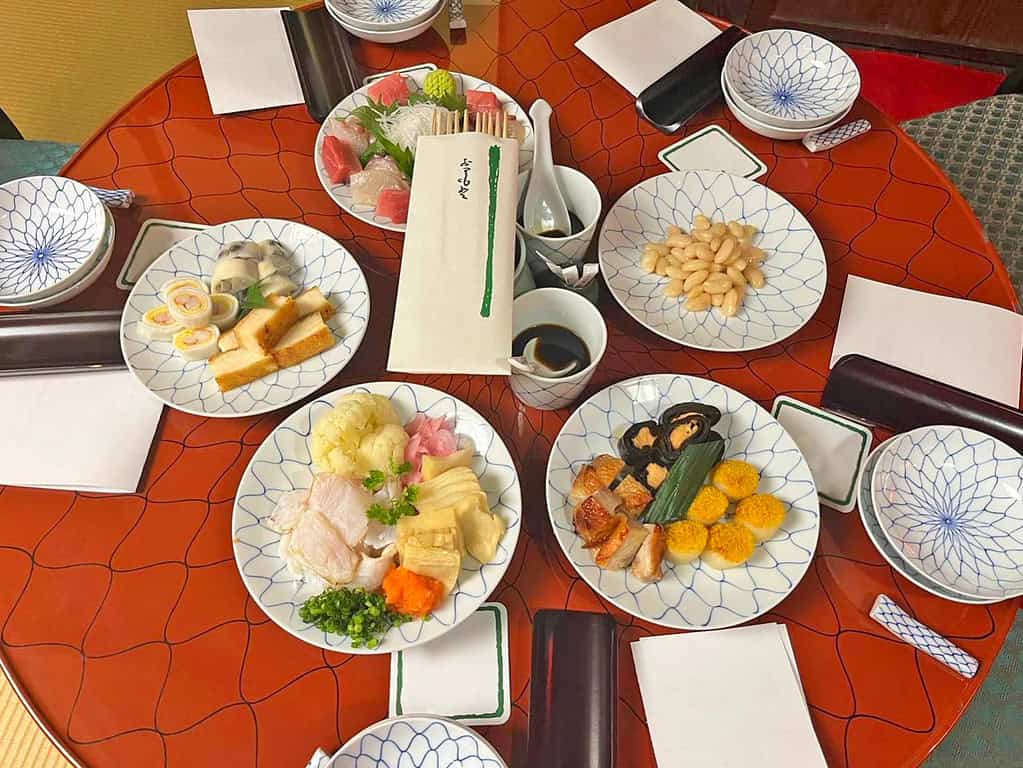
An elegant Kyushu sashimi presentation with fresh fish, roe, and garnishes served on traditional plates.
Gathering around a large round table, sharing dishes while eating together. It’s not Chinese cuisine, nor Japanese cuisine—it’s Nagasaki’s unique food culture.
Shippoku cuisine is a banquet-style cuisine born in Nagasaki during the Edo period, blending Chinese, Dutch, and Japanese cooking. Braised pork belly (Buta no Kakuni) is meltingly tender, soaked in a sweet-salty soy sauce flavor. Shrimp dishes are firm and bouncy, coated in a Chinese-style thickened sauce for richness. The characteristic is that each plate offers various tastes: sweet, spicy, sour.
It’s a cuisine born from foreign cultures entering through Dejima—the only open port during the isolation period—meeting Japanese ingredients and cooking methods. The style of gathering around a round table is Chinese influence, but the dishes include Japanese-style items as well, showing a curious harmony.
It’s served at long-established traditional restaurants in Nagasaki City, but as it’s a high-class cuisine, reservations are often required.
4. Toriten (Chicken Tempura) – Oita Prefecture
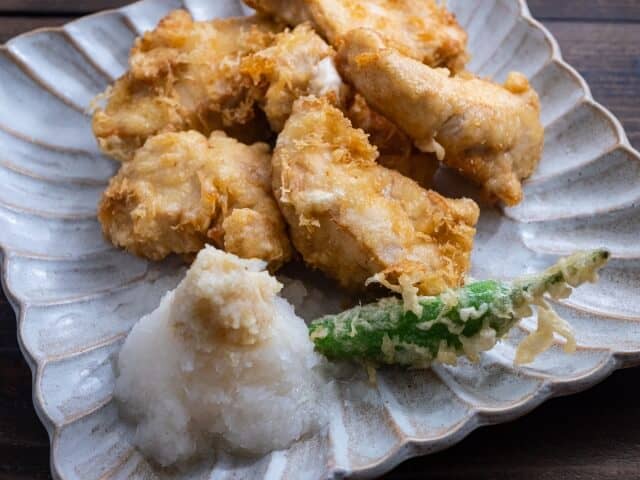
Crispy Japanese fried chicken with grated daikon and green tempura vegetable on a traditional ceramic plate.
Toriten is a local dish from Oita Prefecture where cooks coat chicken in tempura batter and fry it. It differs from karaage, with its characteristically light, fluffy batter texture. The batter is thin and light, with a pleasant crispy crunch. The chicken inside is juicy, with meat juices gushing out. When you eat it with ponzu (citrus soy sauce) and yuzu kosho (citrus chili paste), the citrus acidity and a hint of spiciness add a refreshing aftertaste.
Oita is famous for hot springs, but it’s also a prefecture with high chicken consumption. Cooks prepare fresh chicken using tempura techniques and combine it with ponzu made using kabosu citrus. It’s a dish where regional characteristics fuse beautifully. It’s not greasy, so you can eat many pieces.
The Oita way is to enjoy Toriten with a cold beer after soaking in a hot spring.
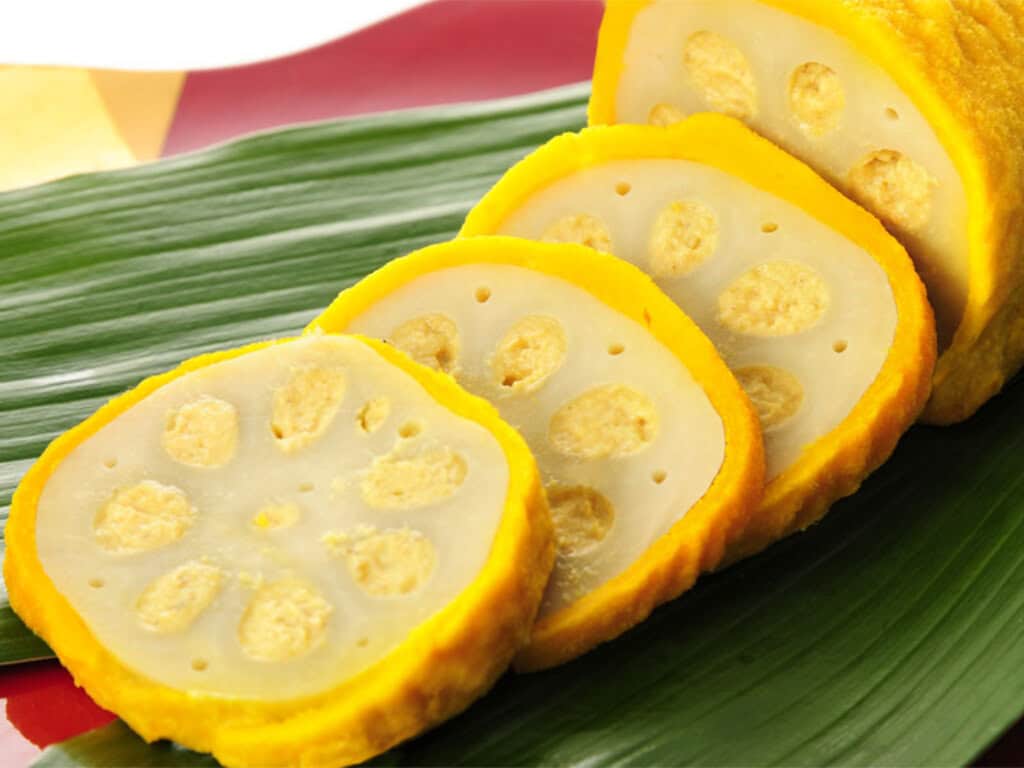
Karashi Renkon, with its beautiful yellow cross-section. This dish born in Kumamoto Castle’s castle town has a history of being an offering to feudal lords.
It’s a dish where cooks stuff lotus root holes with spicy mustard miso, coat them in batter, and fry them. Take a bite: the outer coating is crispy and savory, the lotus root has a crunchy texture, and then the mustard miso gives a sharp, nose-tingling kick. The rich sweet-salty miso flavor and the pungent spiciness of the mustard are exquisite, becoming more flavorful the more you chew. When you slice it crosswise, the yellow mustard miso creates a flower-like pattern; people say it resembled the Hosokawa family crest and families kept it secret. Lotus root is considered auspicious; because it has holes, it symbolizes “good foresight.” It’s perfect as a snack with drinks.
You should try it freshly fried at specialty shops in Kumamoto City.
6. Hiyajiru (Chilled Soup) – Miyazaki Prefecture
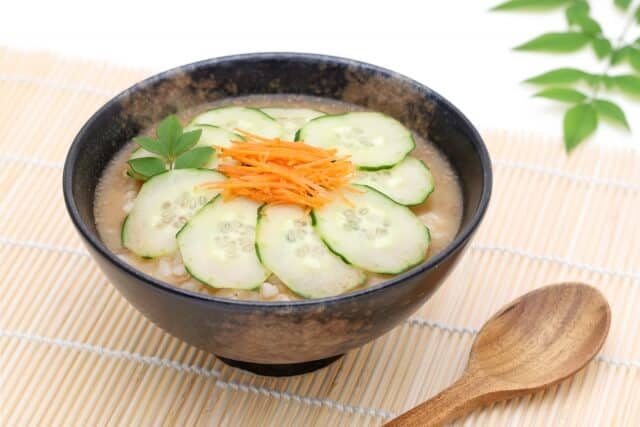
Refreshing cucumber and carrot salad served in a traditional Japanese bowl, perfect for light, healthy meals in Japan.
On a hot summer day when you have no appetite. But you still want proper nutrition. That’s when people in Miyazaki eat Hiyajiru.
Cooks make it by mixing ground roasted fish with miso and sesame, thinning it with cold broth, and pouring it over rice along with tofu and vegetables. It has a cold, smooth mouthfeel that goes down easily even on hot days. The savory aroma of roasted miso, the fragrance of sesame, and the umami of fish blend together for a complex yet refreshing taste. The crunch of cucumber and the smoothness of tofu add textural accents.
Its charm lies in its simple yet perfectly balanced nutrition. Cooks grill blue fish like horse mackerel or saury and flake them, then add roasted miso and sesame for savoriness. This labor-intensive cooking method creates a deep flavor. In Miyazaki’s diners and set meal restaurants, chefs offer it as a summer staple menu item.
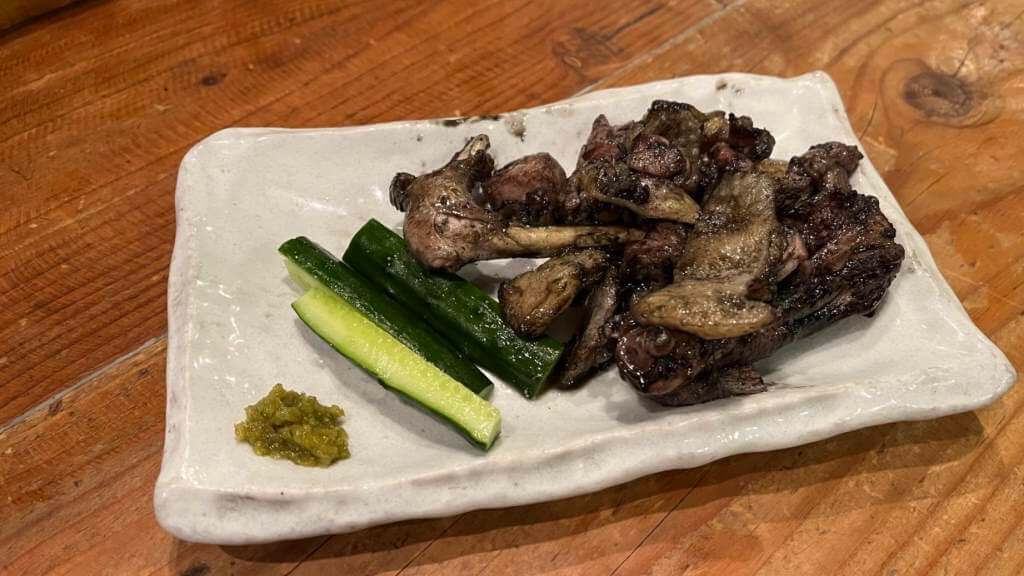
Jidori chicken sizzling over charcoal flames. Just that savory aroma makes you want a beer already.
Jidori chicken seasoned simply with salt and pepper is grilled quickly over high charcoal heat. The outside is crispy and savory, with skin that’s crackly. The inside is juicy, with meat juices gushing out. The more you chew, the more the meat’s umami spreads in your mouth, with the smoky charcoal aroma wafting through your nose. The meat has a firm texture—substantial bite without being too tough.
Miyazaki has a thriving livestock industry, especially focusing on raising Jidori chicken. It’s a dish where you can taste the deliciousness of Jidori chicken raised freely on spacious land, in its simplest form.
At izakayas in Miyazaki City, it’s on the menu almost everywhere. Miyazaki is also the home of shochu; pairing it with local shochu is the best combination.
8. Keihan (Chicken Rice) – Kagoshima Prefecture
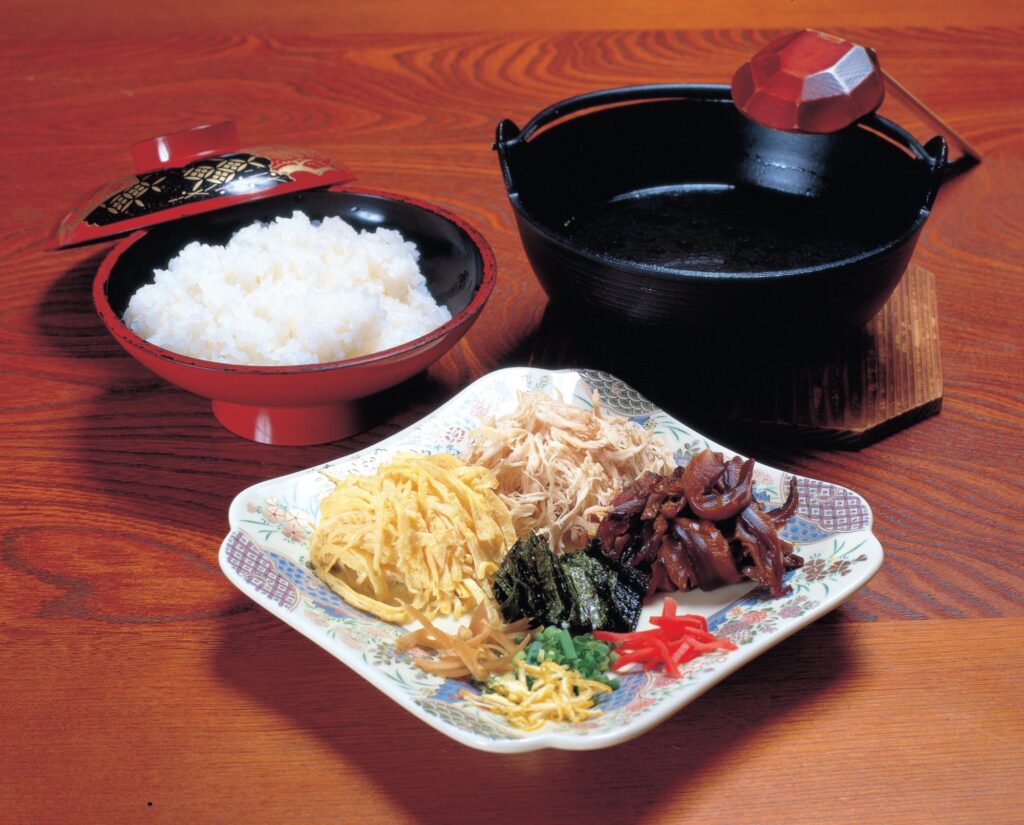
写真協力:公益社団法人 鹿児島県観光連盟
Written as “鶏飯” but read as “Keihan.” It’s a local dish from Amami Oshima Island with a deeper flavor than its appearance suggests.
Warm rice is topped with shredded chicken meat, thinly sliced omelet strips (kinshi tamago), shiitake mushrooms, pickled papaya, tangkan (citrus) peel, and other ingredients, then generously poured over with chicken broth. The broth is clear yet rich, with concentrated chicken umami. It goes down smoothly but leaves a deep flavor lingering. Each ingredient has a different texture—softness, fluffiness, chewiness, crunchiness—all coming together.
Originally created to entertain Satsuma domain officials, it combines hospitality and practicality. You put your favorite ingredients on rice as you like and pour broth over it. This freedom is part of the fun.
Of course on Amami Oshima Island, but there are also restaurants serving Keihan in Kagoshima City.
9. Satsuma-age (Fried Fish Cake) – Kagoshima Prefecture
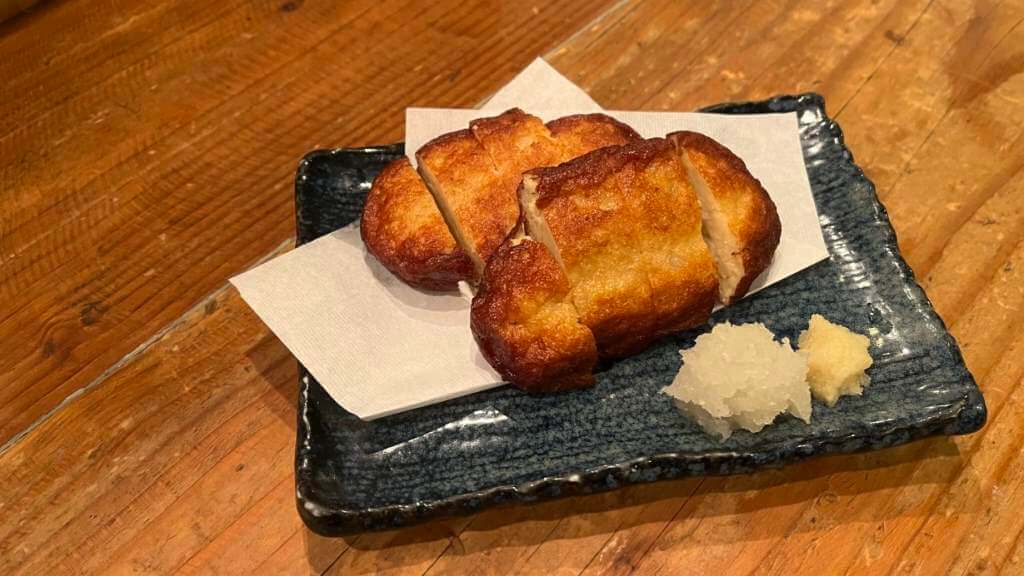
satsuma age
It’s sold nationwide as “Satsuma-age,” but the real thing from Kagoshima is still different.
It’s a type of fish cake where minced fish is seasoned with salt and sugar, shaped, and fried in oil. The outside is golden brown with a crispy texture. The inside is fluffy and elastic, with concentrated fish umami. Chewing releases the fish’s sweetness and aroma slowly, leaving a clean aftertaste.
Its charm lies in the variety of fish types and ingredients used. Depending on the fish used—like lizardfish, flying fish, or sardines—the flavor changes. There are also variations mixed with various ingredients like burdock root, carrot, squid, octopus, or red ginger; some shops make dozens of varieties.
There are many specialty shops in Kagoshima City selling freshly fried ones at their storefronts. Adding a little ginger soy sauce enhances the flavor further.
10. Goya Champuru – Okinawa Prefecture
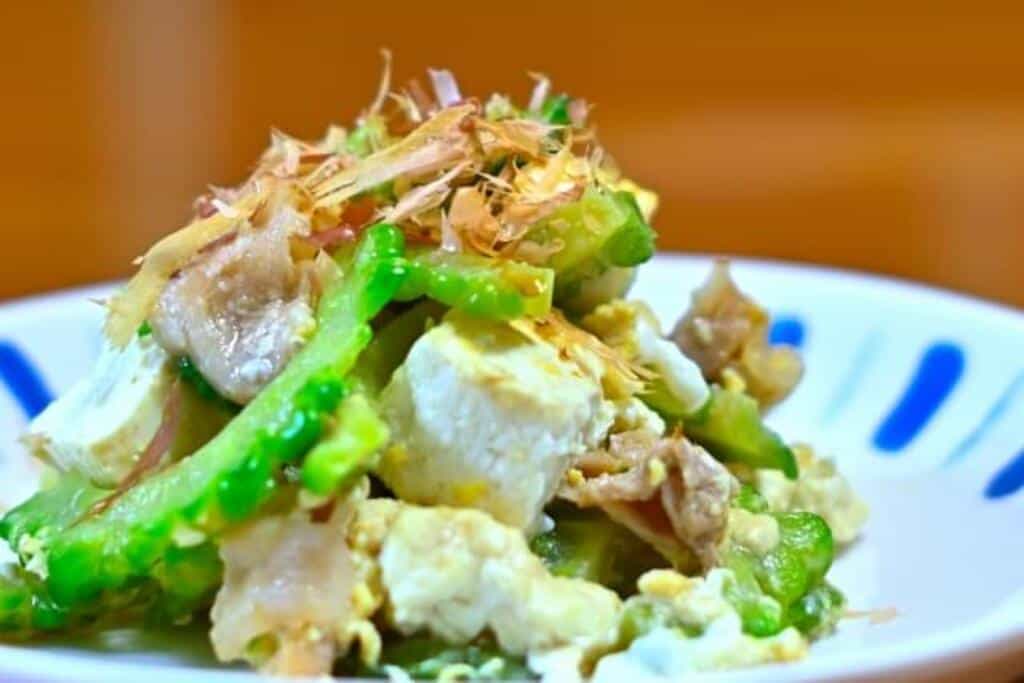
Freshly cooked Japanese stir-fry with chicken, green beans, and garnished bonito flakes showcasing authentic Japanese cuisine.
When you think of representative Okinawan dishes, Goya Champuru comes to mind. It’s a home-cooked dish where cooks stir-fry bitter melon (goya) with its unique bitterness together with tofu and pork.Cooks make this dish by stir-frying thinly sliced bitter melon (goya), island tofu (shima-dofu), pork, and eggs together. Goya has a distinct bitterness but offers a pleasant crunchy texture. Island tofu is firmer than regular cotton tofu, holding up well to stir-frying with a chewy texture. The umami and fat from pork mellow the whole dish, and eggs wrap it softly for a mild flavor.
It’s a dish where you can learn about Okinawa’s food culture and health secrets. Goya is rich in vitamin C and fights summer fatigue effectively. Pork and tofu provide quality protein—it’s an exceptionally nutritionally balanced dish. The pork fat and tofu mellowness soften the bitterness.
Okinawan households make it regularly, and diners serve it as a popular side dish in set meals.
In Closing
How did you find these local dishes from Kyushu? Unique dishes born from overseas exchange, fresh ingredients nurtured by a warm climate, and brand meats brought by livestock industry development. Kyushu’s food culture is truly diverse and profound.
Each prefecture has cultivated dishes within its own history and climate. All are flavors rooted in local people’s lives, full of warmth. If you have a chance to visit Kyushu, be sure to try the local dishes of each area. Ideally at diners or izakayas locals frequent. There you’ll find a different Kyushu from tourist spots—the real Kyushu.
Kyushu is also rich in hot springs. A trip enjoying delicious food and hot springs will surely become an unforgettable memory.









Comments