


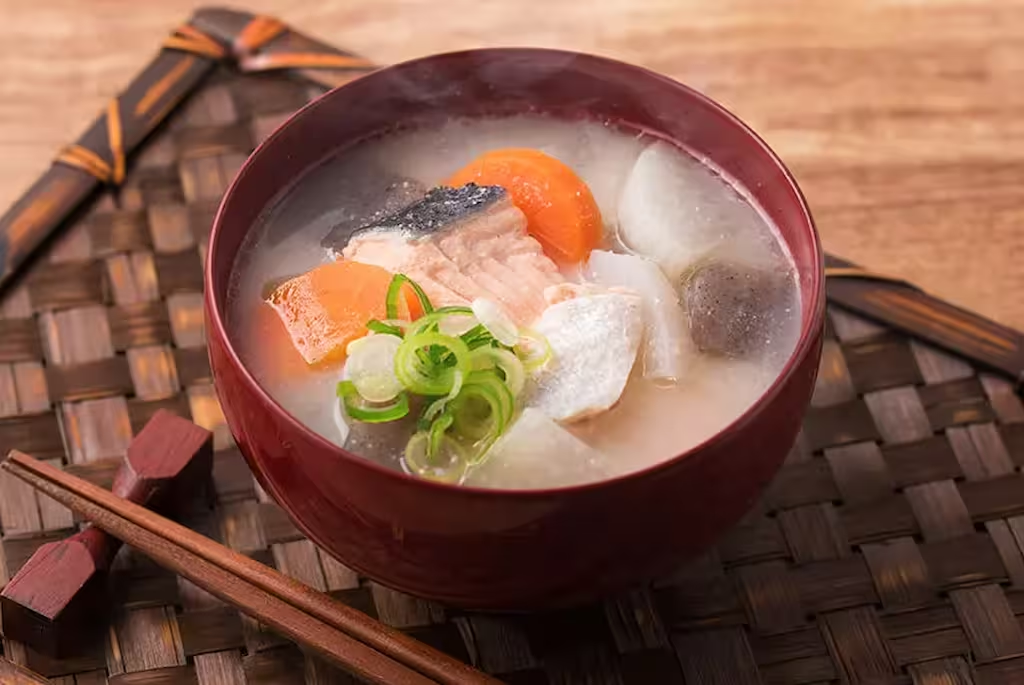


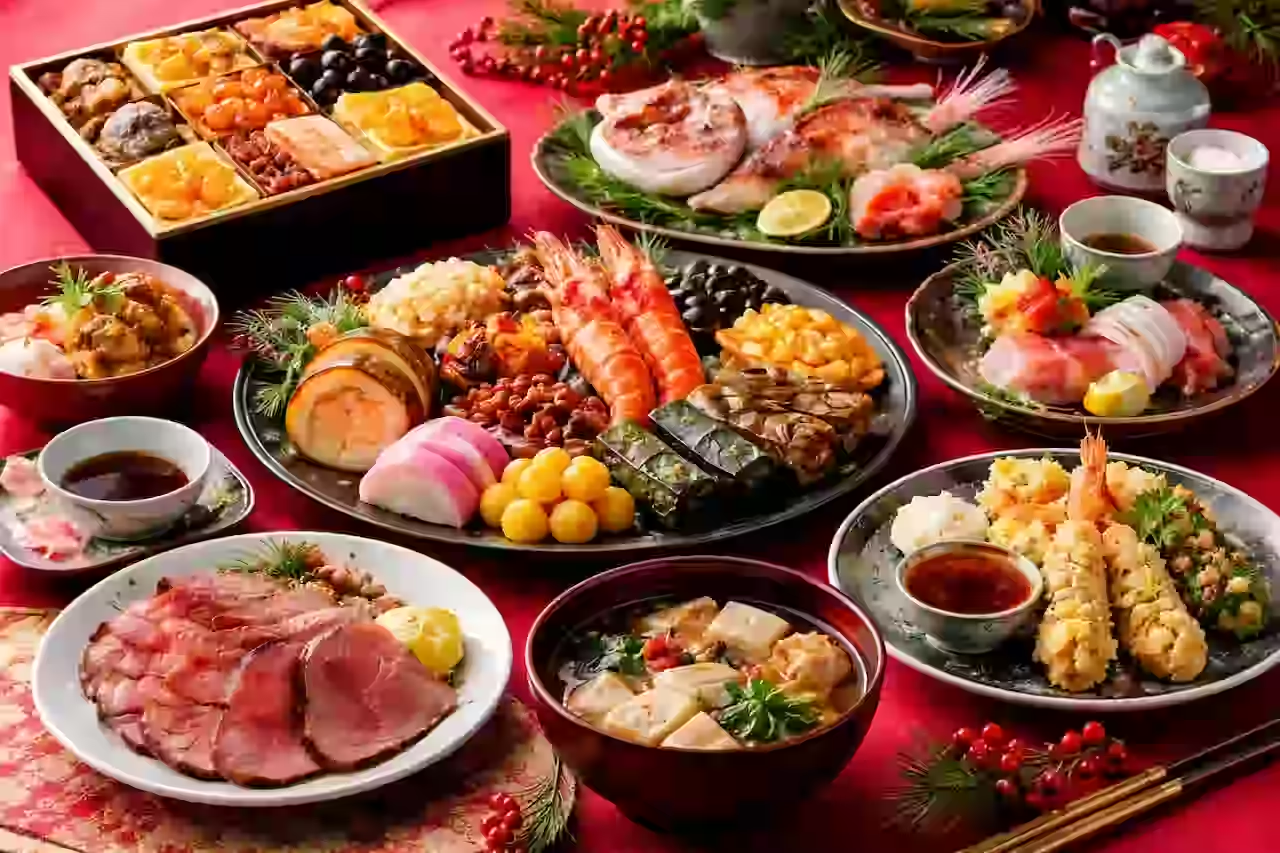
As the calendar turns to January 1st, Japanese households transform into vibrant celebrations of tradition, family, and extraordinary cuisine. New Year, or Oshogatsu, is Japan’s most important holiday. Generations gather to welcome fresh beginnings with carefully prepared dishes steeped in centuries of meaning.
At the heart of these celebrations lies osechi-ryori. This elaborate array of symbolic foods is traditionally packed into elegant tiered lacquer boxes. Each dish carries wishes for prosperity, good health, happiness, and longevity. From steaming bowls of ozoni mochi soup to sweet black soybeans and golden herring roe, these delicacies tell stories. They speak through both taste and presentation.
Let’s explore the flavors, symbolism, and stories behind Japan’s most cherished New Year foods!!
1. Osechi Ryori: The Quintessential Japanese New Year Feast
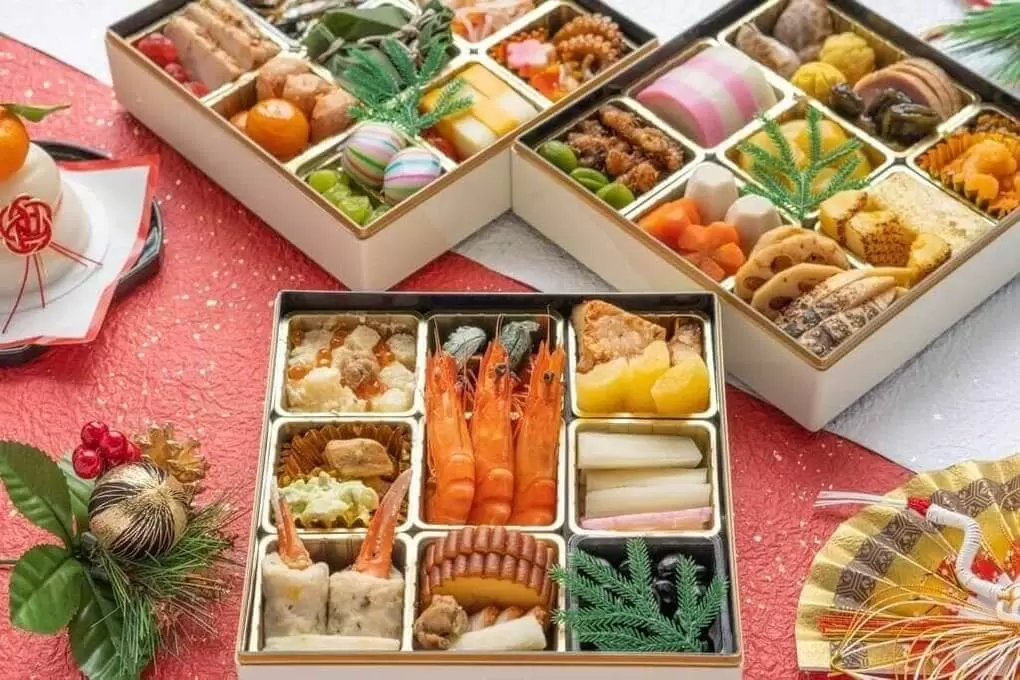
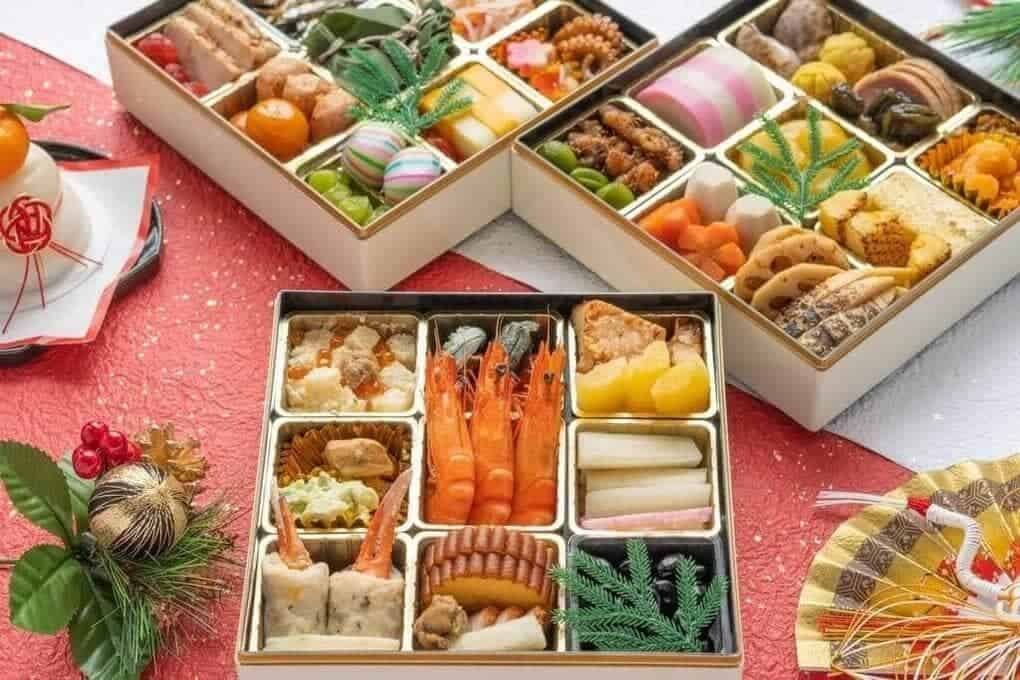
Osechi Ryori is a beautifully arranged Japanese New Year food box featuring a variety of traditional, symbolic dishes.
As the heart and soul of Japanese New Year celebrations, Osechi Ryori is more than just a meal; it’s a vibrant embodiment of tradition and culture. Each delicately arranged food box presents an array of dishes, each steeped in symbolism, promising prosperity, happiness, and longevity for the year ahead.
Characteristics: Colorful presentation, layered wooden boxes, dishes symbolize prosperity, happiness, longevity.
Osechi Ryori gains renown for its vivid presentation, neatly packed into beautifully lacquered wooden boxes known as jubako. Each tier of the box contains meticulously arranged dishes, from sweet black beans signifying health to golden herring roe for fertility. Families design these vibrant arrays not only to please the eye but also to bring good fortunes and blessings.
Advantages: Visually stunning, rich cultural symbolism, easy to share with family.
The visual appeal of Osechi Ryori is undeniable, with each box resembling a work of art, making it a centerpiece at any New Year’s table. Beyond aesthetics, its rich cultural symbolism offers a tangible connection to the past, while its versatility allows families to share and enjoy the feast together easily, fostering a sense of unity and celebration.
Disadvantages: Can be expensive, requires time to prepare authentically.
Despite its allure, preparing an authentic Osechi Ryori can be a costly affair, with traditional ingredients and the intricate preparation process demanding both time and investment. For those choosing to make it at home, the task can be daunting, requiring patience and precision to maintain its cultural authenticity.
Why Recommended: The heart of Japanese New Year celebrations, essential for experiencing Japanese New Year traditions.
Embracing Osechi Ryori is akin to embracing the very spirit of Japanese New Year customs. It is not only a culinary experience but a cultural journey that offers a deep understanding of Japanese traditions. Whether you prepare it yourself or purchase it, indulging in Osechi Ryori is a profound way to connect with Japan’s rich heritage. Consider integrating this tradition into your celebrations to fully immerse in the essence of Japanese New Year.
2. Kagami Mochi: Sacred Yet Edible New Year Tradition

Kagami Mochi, a central symbol during Japanese New Year customs, consists of two round rice cakes stacked with a mandarin orange on top.
A vibrant emblem of Japanese New Year customs and traditions, this iconic delicacy features two soft, round rice cakes stacked in perfect symmetry, a smaller one atop a larger one, crowned by a mandarin orange. Known as Kagami Mochi, this simple yet profound display carries rich symbolism and represents the continuity between the past year and the year to come. As part of Japanese New Year celebrations, families place it in homes as an offering to bring good fortune and to honor the gods.
Characteristics: Symbolizes the passing year and the one to come; displayed for good luck before being eaten.
Kagami Mochi holds deep cultural significance in Japanese New Year traditions, symbolizing the passage from the old year to the new one. Families traditionally display it in homes throughout the New Year period, inviting prosperity and good fortune. The stacked rice cakes reflect the layers of the past and future, while the mandarin orange, or “daidai,” translates to “generation to generation,” emphasizing hope for family prosperity and longevity. Once its role as a spiritual symbol is complete, families consume it, turning a sacred tradition into a delicious experience.
Advantages: Deep spiritual meaning, delicious when roasted or added to New Year soup.
More than just a decorative piece, Kagami Mochi offers both spiritual and culinary satisfaction. After its time as a symbol of good luck has passed, families can transform it into a delightful treat. They can roast the mochi until it achieves a crispy exterior, releasing a comforting aroma, or they can incorporate it into ozoni, a traditional New Year soup, enhancing the dish with its chewy texture and subtle sweetness. This dual purpose aligns perfectly with Japanese values, where food and spiritual practices intertwine deeply.
Disadvantages: Not always eaten fresh; care needed to prevent mold.
While families revere Kagami Mochi for its significance, it requires care to maintain its quality. Being made from rice, it hardens or develops mold easily if people do not store it properly, especially as it often remains on display for an extended period. This presents a challenge for maintaining its edibility without compromising its symbolic presence. Thus, families must pay attention to its storage conditions, and some opt for a plastic replica to avoid spoilage while preserving the tradition.
Why Recommended: Highlight of Japan traditional foods, merging spiritual and culinary pleasure.
Kagami Mochi is recommended not only for its delectable taste but also for the cultural richness it embodies. It is a quintessential part of Japan traditional foods, offering a taste of history and spirituality in each bite. It bridges the gap between the sacred and the everyday, making it a must-have feature in Japanese New Year customs. By incorporating Kagami Mochi into celebrations, one partakes in a tradition that brings both blessings and a unique culinary delight. As you explore Japanese New Year foods, consider adding Kagami Mochi to your festivities to experience this harmonious blend of cultural significance and taste.
3. Ozoni: Comforting New Year’s Mochi Soup
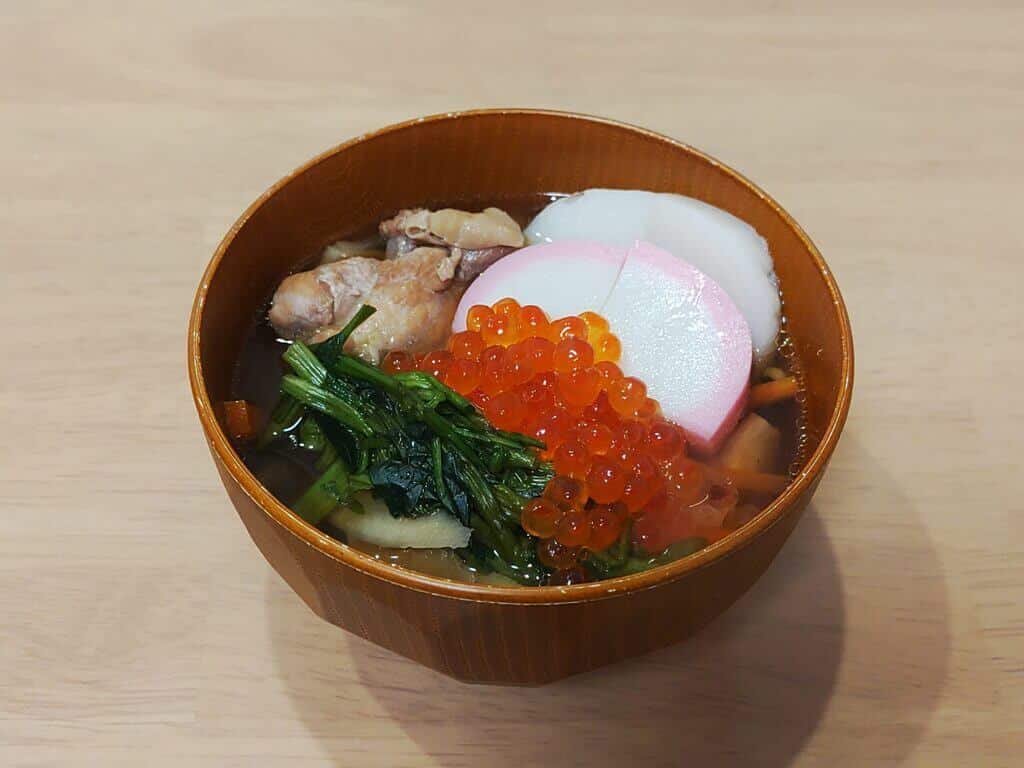
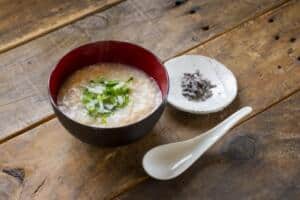
Ozoni is a mochi soup enjoyed during Japanese New Year celebrations, with regional variations across Japan.
Ozoni is a beloved dish savored during the Japanese New Year celebrations, deeply rooted in Japanese New Year traditions. Each region in Japan boasts its own unique version of this comforting mochi soup, reflecting the diverse tapestry of Japan’s culinary landscape. Whether you’re in the snowy landscapes of the north or the subtropical south, the ingredients and flavors of Ozoni vary significantly, offering a taste of local culture and tradition with each bowl. From clear broth to miso-based, these variations add a rich layer of cultural significance to the dish, making it a staple of Japanese New Year celebrations.
Characteristics: Includes mochi, vegetables, and protein in a clear or miso broth; flavor varies by region.
At the heart of Ozoni is the chewy, delightful mochi, complemented by an assortment of vegetables and proteins. The broth, whether clear or miso-based, serves as the flavorful canvas upon which these ingredients shine. Each region contributes its own touch; for instance, Kansai’s white miso version contrasts sharply with Kanto’s soy sauce-based variant. The vegetables and proteins used can range from leafy greens and radishes to chicken or fish, depending on local preferences. This diversity in ingredients not only reflects the agricultural abundance of each region but also adds a personal touch to every family’s New Year feast.
Advantages: Warm, nourishing, highly customizable.
Ozoni is much more than just a New Year’s dish; it’s a warm, nourishing embrace in a bowl, perfect for the winter season. It provides comfort with every spoonful, offering both sustenance and warmth. One of its greatest strengths is its customizability—families can adapt the recipe to suit their tastes and available ingredients, making it a versatile addition to any festive table. This adaptability ensures that Ozoni can be personalized to create a unique blend of flavors and memories each year.
Disadvantages: Regional differences can cause confusion for first-timers.
While the diversity of Ozoni is a testament to Japan’s rich culinary heritage, it can also pose a challenge for first-time tasters. The distinct regional variations might confuse those unfamiliar with the nuances of Japanese New Year food. For instance, a clear broth version might not be what someone from a miso-preferring region expects. This variance might lead to a bit of a culinary adventure for those trying it for the first time, as they navigate the differences in ingredients and flavors across Japan.
Why Recommended: A delicious fusion of family flavor and Japanese New Year traditions.
Ozoni is a delightful fusion of familial flavors and deeply ingrained Japanese New Year customs, making it an essential part of the celebrations. Each bowl tells a story of family tradition, regional pride, and the welcoming spirit of Kagami mochi and other traditional foods. As you savor the harmony of flavors and textures, you’re also partaking in a centuries-old tradition that celebrates the New Year with warmth and goodwill. Why not make it part of your New Year’s tradition and explore the diverse tastes of Japan’s beloved mochi soup?
4. Kuromame: Black Soybeans for Longevity
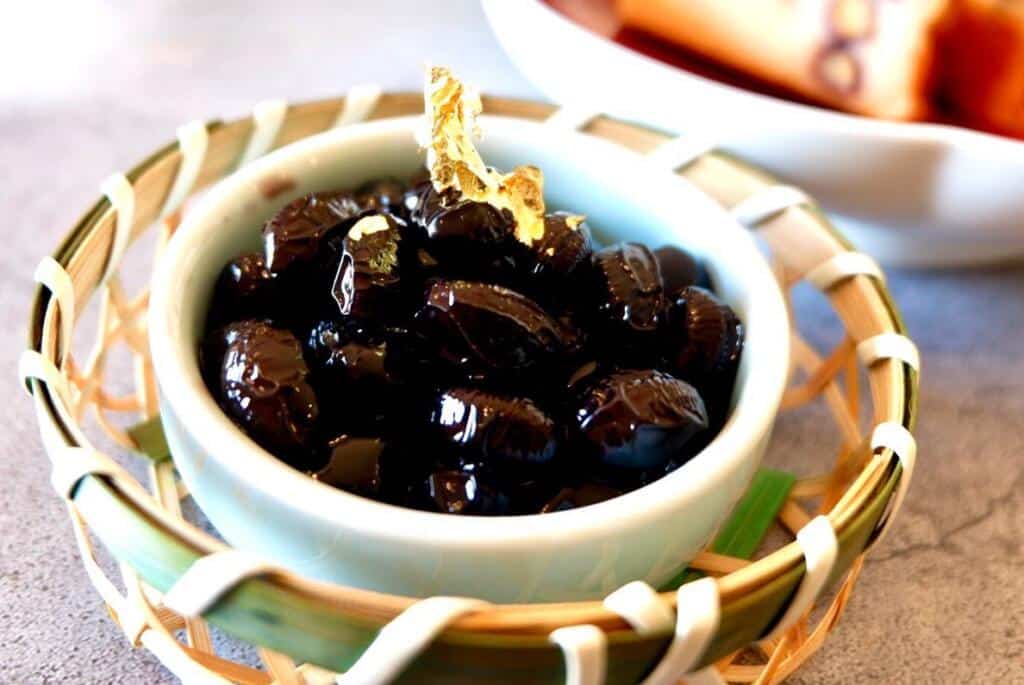
Sweet simmered black soybeans, known as Kuromame, are eaten for good health and hard work in the new year.
Kuromame, a staple of Japanese New Year celebrations, are not just a culinary delight but also a symbol of health and perseverance. Cooks simmer these glossy, black soybeans sweetly to perfection, creating a tender taste that runs deeply rooted in tradition. Often enjoyed as part of the wider array of Japan’s traditional foods, Kuromame ensures a prosperous and healthy year, embodying the spirit of hard work and resilience that Japanese New Year customs highly value. As families gather to usher in the new year, these beans serve as a reminder to maintain good health and stay diligent in one’s endeavors.
Characteristics: Sweet, glossy, tender beans.
Kuromame are characterized by their sweet, almost umami flavor profile. Their glossy appearance makes them a visually appealing addition to any festive table, while their tenderness provides a delightful texture that complements other dishes. This unique combination of taste and texture makes Kuromame a beloved part of the Japanese New Year traditions.
Advantages: Packed with nutrients; significant symbolic value.
Kuromame are more than just a delicious treat; they are a powerhouse of nutrients. Rich in protein and antioxidants, these beans offer health benefits that align perfectly with their symbolic meaning of longevity and good fortune. Their presence in New Year celebrations underscores their significant cultural value, providing both nourishment and a sense of continuity with past generations.
Disadvantages: Sweet taste not for everyone; requires slow cooking.
Despite their popularity, Kuromame’s sweetness might not appeal to everyone, especially those who prefer savory flavors. Additionally, the preparation process is time-consuming, requiring patience as the beans are slowly simmered to achieve their signature taste and texture. This slow cooking can be a deterrent for those seeking quicker culinary solutions.
Why Recommended: Essential for completing the festive Japanese New Year food experience.
Incorporating Kuromame into your New Year festivities is essential for a complete Japanese culinary experience. Their symbolic and nutritional significance cannot be overstated, making them a must-have on the New Year’s table. As you savor these sweet beans, consider how they connect you to a long-standing tradition of health and hard work—a perfect way to start the year on a positive note. Why not try adding Kuromame to your own celebrations and embrace the rich heritage they represent?
5. Datemaki: Sweet Rolled Omelet

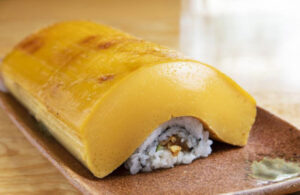
Datemaki is a sweet, spongy rolled omelet, often enjoyed as part of osechi.
When it comes to traditional Japanese New Year foods, Datemaki is a delightful treat that stands out. This sweet, spongy rolled omelet is a staple in osechi, the colorful array of dishes enjoyed during Japanese New Year celebrations. It is loved for its unique texture and taste, offering a sweet contrast to the more savory dishes in the osechi collection.
Characteristics: Fluffy texture, made with fish paste and egg, rolled for a festive look.
Datemaki boasts a fluffy texture that melts in your mouth. Cooks make it by blending fish paste with egg, a combination that brings a subtle umami flavor enhanced by sweetness. They then skillfully roll the mixture into a spiral, creating a festive appearance that adds visual appeal to any New Year spread. Its golden hue symbolizes the sun, making it a perfect dish to welcome the dawn of a new year.
Advantages: Visually appealing, sweet taste.
The advantages of Datemaki are both visual and gustatory. Its vibrant spiral is not only visually appealing but also a symbol of prosperity and hope for the future. The sweet taste makes it a favorite among those who enjoy desserts, providing a delightful contrast to the other savory dishes traditionally served in osechi. Its unique preparation and presentation ensure it is always a conversation starter at any celebration.
Disadvantages: Requires skill to roll; may not suit savory preferences.
Despite its appeal, Datemaki does present some challenges. Creating the perfect roll requires a level of culinary skill and precision that may be daunting for beginners. Additionally, its inherent sweetness might not appeal to those who prefer more savory flavors, making it a less popular choice for some. Nevertheless, its charm lies in its uniqueness and the skill involved in its preparation.
Why Recommended: A delight for sweet lovers, signifying education and culture in Japanese New Year customs.
For sweet lovers, Datemaki is an exquisite delight that encapsulates the essence of Japanese New Year customs. Beyond its taste, it symbolizes education and cultural richness, reminiscent of scrolls or books, which explains why people consider it auspicious for academic success. Including Datemaki in your New Year feast is not just about indulging in sweetness but also about embracing a rich cultural tradition. So, why not try making Datemaki this New Year and add a touch of tradition and sweetness to your celebrations?
6. Kazunoko: Herring Roe for Family Prosperity
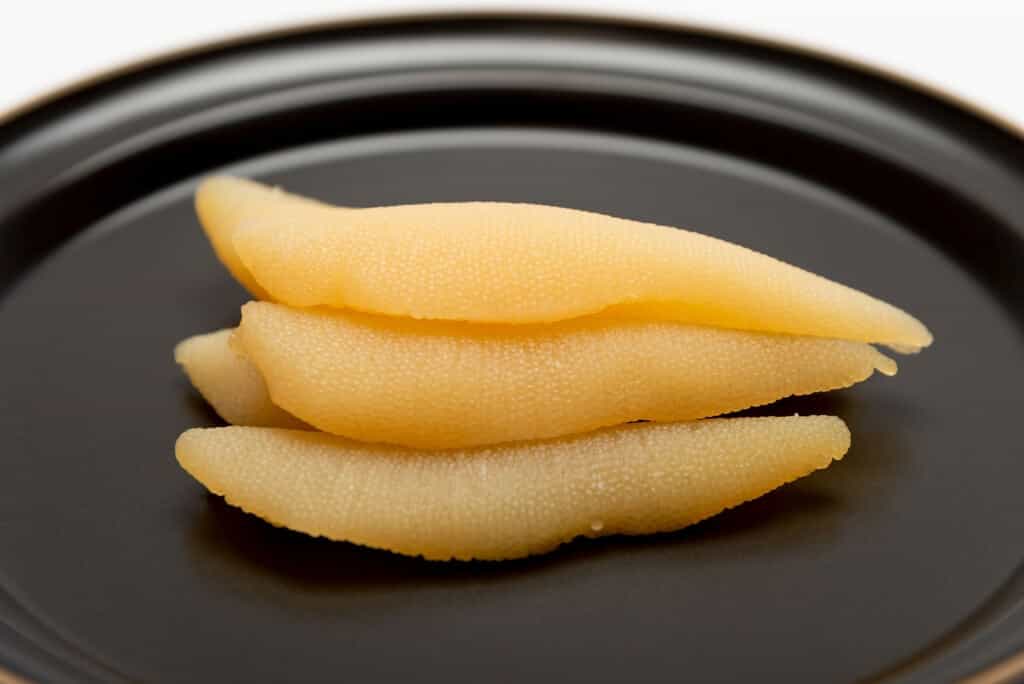
Kazunoko are crunchy herring roe, appreciated for their texture and meaning during Japanese New Year celebrations.
The crunchy herring roe holds a special place in Japanese New Year celebrations. Its unique texture and cultural significance make it a staple in traditional feasts. With each bite, the delightful crunch offers a sensory experience that connects generations, honoring the traditions of Japan’s rich culinary history. Enjoying this delicacy during New Year’s transcends mere taste; it embraces customs that symbolize hope and prosperity for the family.
Characteristics: Bright yellow eggs; symbolizes fertility and family prosperity.
Kazunoko, with its bright yellow eggs, stands out not only for its distinct appearance but also for its profound symbolism. People see these vibrant eggs as a symbol of fertility and family prosperity, embodying the hope for growth and abundance in the coming year. The color yellow, often associated with happiness and positivity, further enhances its role as a cherished component of Japanese New Year food traditions.
Advantages: Unique crunchy texture, high in nutrients.
Kazunoko boasts a unique crunchy texture that is adored by many, adding a delightful contrast to the other soft-textured dishes in the New Year’s feast. Beyond its texture, kazunoko is also a nutritional powerhouse. It is rich in proteins and omega-3 fatty acids, making it not only a delicious but also a health-conscious choice for those celebrating the New Year with traditional Japanese foods.
Disadvantages: Salty taste may not appeal to everyone.
While kazunoko is revered for its symbolic and nutritional benefits, its salty taste can be a drawback for some. The brine used in its preparation imparts a strong flavor that might not be universally appealing. For those unaccustomed to such intensity, it might pose a challenge to fully enjoy this traditional delicacy. However, for fans of savory flavors, kazunoko remains an irresistible treat.
Why Recommended: Powerful symbolism and traditional highlight of Japanese New Year food.
Kazunoko comes highly recommended for its powerful symbolism and its status as a highlight of Japanese New Year food traditions. Its presence on the table reminds diners of the hopes and blessings that come with the start of a new year. Embracing kazunoko means embracing a custom that generations have passed down, adding depth and meaning to the festive celebrations. So, why not invite prosperity and tradition to your New Year table with kazunoko?
7. Tazukuri: Candied Sardines for Bumper Harvests
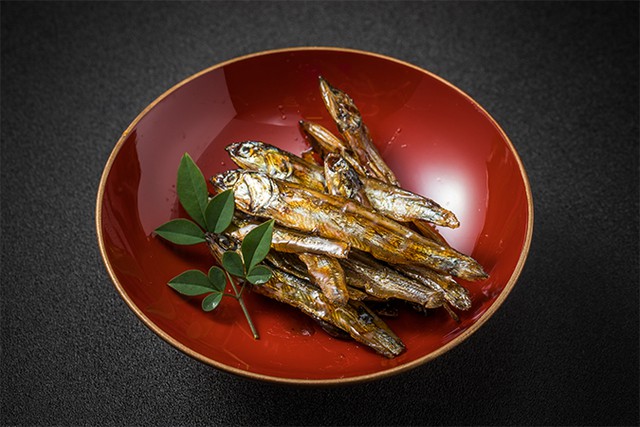
Tazukuri consists of small sardines caramelized in soy sauce and sugar.
One of the staples of Japanese New Year food, Tazukuri, brings together simple ingredients to create a dish rich in flavor and tradition. This dish features small sardines that cooks caramelize in a combination of soy sauce and sugar, creating a beautiful glaze that is both sweet and savory.The preparation not only enhances the natural taste of the fish but also offers a shiny appearance that is as appealing to the eyes as it is to the palate.
Characteristics: Shiny, sweet-savory fish; symbolizes abundant harvests.
Tazukuri is renowned for its glossy finish and the harmonious balance of sweet and savory flavors. This appealing dish is more than just a treat for the taste buds; it holds cultural significance as it symbolizes abundant harvests. The shiny, caramelized surface of the sardines echoes the hope for a prosperous year ahead, reflecting the deep-rooted Japanese New Year customs that celebrate prosperity and good fortune.
Advantages: Crunchy, protein-rich, long shelf life.
One can’t help but appreciate the many advantages of Tazukuri. Its crunchiness provides a delightful texture contrast, while its protein content makes it a nutritious addition to the New Year feast. Moreover, its long shelf life means you can enjoy this traditional delicacy well beyond the initial celebrations, allowing it to be a lasting symbol of good luck and abundance.
Disadvantages: Strong fish flavor.
Despite its many attributes, Tazukuri isn’t for everyone. The dish has a potent fish flavor that can be overwhelming to those not accustomed to such intense seafood tastes. This strong aroma and taste might deter some, but for those who relish traditional Japan traditional foods, it’s an essential part of the Japanese New Year celebrations.
Why Recommended: Popular among Japanese New Year traditions for their prosperity symbolism.
Tazukuri is recommended not only for its taste and texture but also for its cultural significance. It’s a beloved part of Japanese New Year traditions, serving as a symbol of prosperity. Including Tazukuri in your celebrations is a way to embrace the full spirit of Japanese New Year customs and attract the hope for a bountiful year. By adding this dish to your spread, you’re participating in a ritual that many generations have cherished, honoring the past while welcoming the future. Why not add Tazukuri to your New Year table and share in the tradition of abundance and goodwill?
8. Nimono: Simmered Root Vegetables
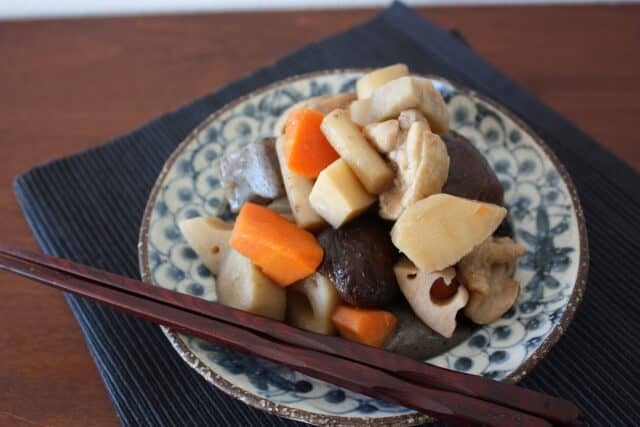
Nimono are slow-simmered seasonal root vegetables, an important part of osechi.
As an essential component of osechi, the traditional Japanese New Year feast, these tender, slow-simmered root vegetables capture the spirit of the season. They provide comforting warmth and balance amid the festive abundance of the spread. The dish represents a time-honored tradition, highlighting seasonal ingredients that cooks carefully prepare to welcome the New Year. It reflects the cultural and historical depth of Japanese New Year customs, where every dish tells a story and expresses hopes for the coming year.
Characteristics: Includes lotus root, carrot, burdock, all simmered in savory broth.
The unique charm of nimono lies in its delicate yet complex flavors, achieved through the artful combination of lotus root, carrot, and burdock. Cooks gently simmer these vegetables in a savory broth, typically seasoning them with soy sauce, mirin, and sake, which enhances their natural sweetness and imparts a subtle umami taste. The lotus root symbolizes stability, while the vibrant carrot and earthy burdock add a touch of color and texture, making nimono a visually appealing dish that complements the colorful array of osechi delights.
Advantages: Healthy, vegetarian-friendly, easy to prepare in advance.
Nimono stands out not just for its taste but also for its practical advantages. As a healthy, vegetarian-friendly option, it caters to a wide range of dietary preferences, making it an inclusive choice for Japanese New Year celebrations. Additionally, nimono can be prepared in advance, allowing you to focus on enjoying the festivities without the stress of last-minute cooking. Its longevity and ease of preparation make it a staple in homes across Japan during the New Year.
Disadvantages: Flavors can be subtle compared to other festive dishes.
While nimono offers a delightful, healthful addition to the osechi lineup, its gentle flavors might seem subdued when compared to the more robust and bold tastes of other dishes. In the midst of the festive culinary symphony, nimono’s subtlety can be overshadowed. However, for those who appreciate the nuanced flavors of traditional Japanese cuisine, nimono provides a contemplative pause, allowing one to savor the simplicity and elegance of carefully prepared vegetables.
Why Recommended: Represents stability and growth, essential for a balanced Japanese New Year celebrations spread.
Nimono is highly recommended for its symbolic representation of stability and growth, two essential components of a prosperous New Year. Incorporating nimono into your osechi not only enhances the meal’s nutritional balance but also imbues the celebration with depth and meaning. As you savor each bite, consider the growth and stability you wish for in the coming year, encouraged by the roots of nimono. Why not embrace the tradition and see how nimono can enrich your New Year spread, offering a taste of history and hope?
9. Tai: Celebration Sea Bream

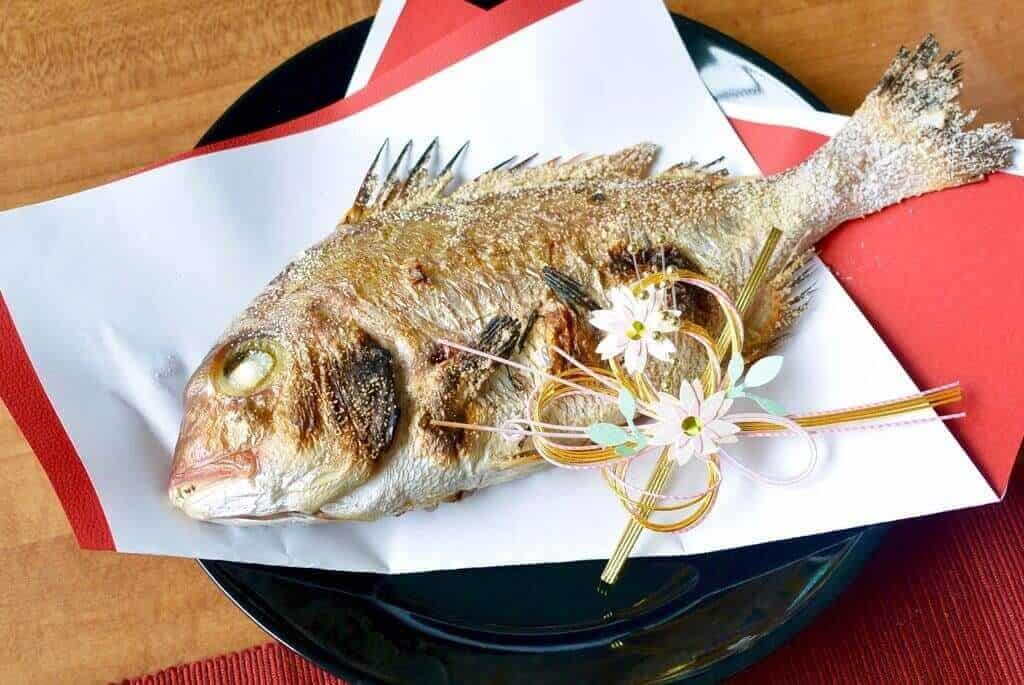
Tais is a grilled or steamed sea bream served for its auspicious connotations.
The Japanese New Year is a time of celebration and tradition, and Tai, or sea bream, holds a special place at the festive table. Chefs often grill or steam this dish, treating its preparation as an art form that elevates its natural flavor while honoring its cultural significance. Cooks serve tai whole, a presentation that symbolizes prosperity and good fortune, reflecting Japan’s deep-seated traditions of using food to convey meaning and blessings for the year ahead.
Characteristics: Firm texture, mild taste, presented whole for celebration.
Tai’s appeal lies in its firm texture and mild, delicate taste that pairs beautifully with the simplicity of traditional Japanese seasoning. When served whole, it becomes not just a culinary delight but also a visual feast, embodying the spirit of celebration. This whole presentation is a powerful symbol of completeness and prosperity, making it a fitting centerpiece for New Year’s gatherings.
Advantages: Symbol of good fortune, impressive centerpiece dish.
The presence of Tai at the New Year table is more than just a culinary choice; it is a cultural statement. As a symbol of good fortune, it sets a hopeful tone for the coming year, embodying wishes for success and happiness. As a centerpiece dish, Tai impresses with its grandeur, offering a focal point for family and friends to gather around, fostering an atmosphere of unity and celebration.
Disadvantages: Whole fish may be daunting for some; requires preparation skills.
While Tai is revered for its auspicious symbolism, preparing a whole fish can be daunting for those unfamiliar with the process. It requires not only skilled preparation but also an understanding of how to present it elegantly. This might be a hurdle for some, especially in households where such culinary expertise is less common. However, overcoming this challenge can lead to a rewarding experience both in taste and tradition.
Why Recommended: Creates festive ambience and aligns with Japanese New Year foods honoring success.
Including Tai in your New Year’s celebration is highly recommended for those seeking to embrace Japanese customs fully. It not only adds to the festive ambience with its impressive presence but also aligns with the New Year’s theme of honoring success and welcoming good fortune. By partaking in this tradition, you’re not just enjoying a meal; you’re participating in a time-honored celebration that speaks volumes about hope, prosperity, and cultural heritage. Why not explore this tradition and add a touch of elegance and meaning to your New Year festivities?
10. Sake & Amazake: New Year’s Traditional Drinks

Sake (rice wine) and Amazake (sweet rice drink) are enjoyed during New Year’s gatherings.
During Japanese New Year gatherings, the clinking of glasses filled with Sake or the gentle warmth of Amazake in your hands evokes a sense of togetherness and celebration. Sake, a rice wine with a rich cultural heritage, and Amazake, a sweet non-alcoholic rice drink, are integral to the festivities, providing a taste of tradition with every sip. As friends and families gather to celebrate, these drinks play a significant role in enhancing the mood and setting a festive tone.
Characteristics: Served hot or cold, often paired with osechi or Kagami Mochi.
Whether served hot to warm the soul in the chilly winter air or cold for a refreshing twist, Sake and Amazake are versatile companions to the delights of osechi, the traditional Japanese New Year’s feast, and Kagami Mochi, a symbol of good fortune. The ability to enjoy these drinks in different temperatures ensures they complement a variety of dishes and add a harmonious balance to the New Year celebrations.
Advantages: Enhances social atmosphere, variety of flavors.
Sake and Amazake are more than just drinks; they are social lubricants that elevate the atmosphere with their variety of flavors. From the complex notes of a finely brewed Sake to the comforting sweetness of Amazake, there’s something for every palate. Their presence not only adds depth to culinary experiences but also strengthens the bonds of those gathered, making the celebrations even more memorable.
Disadvantages: Alcoholic option may not suit all ages (Amazake is non-alcoholic).
While Sake brings an authentic touch to adult gatherings, its alcoholic nature means it’s not suitable for everyone, especially children or those abstaining from alcohol. In contrast, Amazake offers a delightful alternative, being non-alcoholic and family-friendly, ensuring that everyone can partake in the celebratory traditions without concern.
Why Recommended: Completes the Japanese New Year traditions with cheers and hospitality.
Incorporating Sake and Amazake into your New Year celebrations is more than a nod to tradition—it’s an embrace of Japanese hospitality and cheer. These drinks are a toast to the past and the future, embodying the spirit of renewal and unity. As you raise your glass this New Year, consider the cultural richness and joy these beverages bring to the table. Why not make the most of these delightful drinks to enhance your New Year experience?
Conclusion
of flavors that anchor the New Year’s meal. Prepared with gentle care, Nimono features an assortment of seasonal vegetables, often including carrots, lotus root, and burdock, each slowly simmered to absorb the rich flavors of broth, soy sauce, and mirin. This dish is more than just a culinary delight; it is a celebration of nature’s bounty and the simplicity that characterizes Japanese cuisine.
Characteristics: Tender texture, earthy flavors, variety of seasonal vegetables.
People cherish Nimono for its tender texture and earthy flavors that come from the fresh, seasonal vegetables it features. The subtle, umami-rich broth infuses each piece, creating a harmonious medley that highlights the natural sweetness and distinct flavors of the vegetables. The variety of ingredients not only showcases the seasonal produce but also adds a visual appeal to the osechi spread, making it a staple in New Year celebrations.
Advantages: Nutritious, vegetarian-friendly, enhances osechi variety.
The advantages of Nimono are manifold. It is a nutritious dish, packed with the vitamins and minerals inherent in root vegetables, making it a healthy addition to the New Year’s meal. Being plant-based, it is also vegetarian-friendly, catering to diverse dietary preferences. Additionally, Nimono enhances the variety of textures and flavors in the osechi, offering a balance to the more protein-rich components of the meal.
Disadvantages: Time-consuming preparation, delicate balance of flavors.
Despite its benefits, preparing Nimono can be time-consuming, as it requires patience and precision in simmering the vegetables to the perfect tenderness without losing their shape. Achieving the delicate balance of flavors demands careful attention to the seasoning, which might be challenging for those unfamiliar with Japanese cooking techniques. However, the effort is rewarded with a dish that embodies tranquility and tradition.
Why Recommended: Completes the osechi experience, symbolic of harmony and balance.
Nimono completes the osechi experience, as it embodies the harmony and balance central to Japanese New Year customs. It reflects the season and pays tribute to the simplicity and elegance of Japanese culinary traditions. Integrating Nimono into your New Year celebrations offers a taste of the cultural richness and the mindful appreciation of nature’s offerings. By adding Nimono to your table, you embrace the spirit of the New Year and the timeless customs that generations have cherished. Why not savor the comforting flavors of Nimono and make it a part of your festive traditions?
In conclusion, Japanese New Year foods like Osechi Ryori, Kagami Mochi, Ozoni, Kuromame, Datemaki, Kazunoko, Tazukuri, and Nimono are more than just culinary delights; they are rich tapestries of history, tradition, and cultural symbolism. Each dish offers a unique flavor experience while embodying the hopes, blessings, and values cherished in Japanese society. Whether you are exploring these delicacies for the first time or continuing a beloved tradition, integrating these foods into your New Year celebrations provides a profound connection to Japan’s rich heritage and the universal themes of prosperity, health, and family togetherness.


Comments