


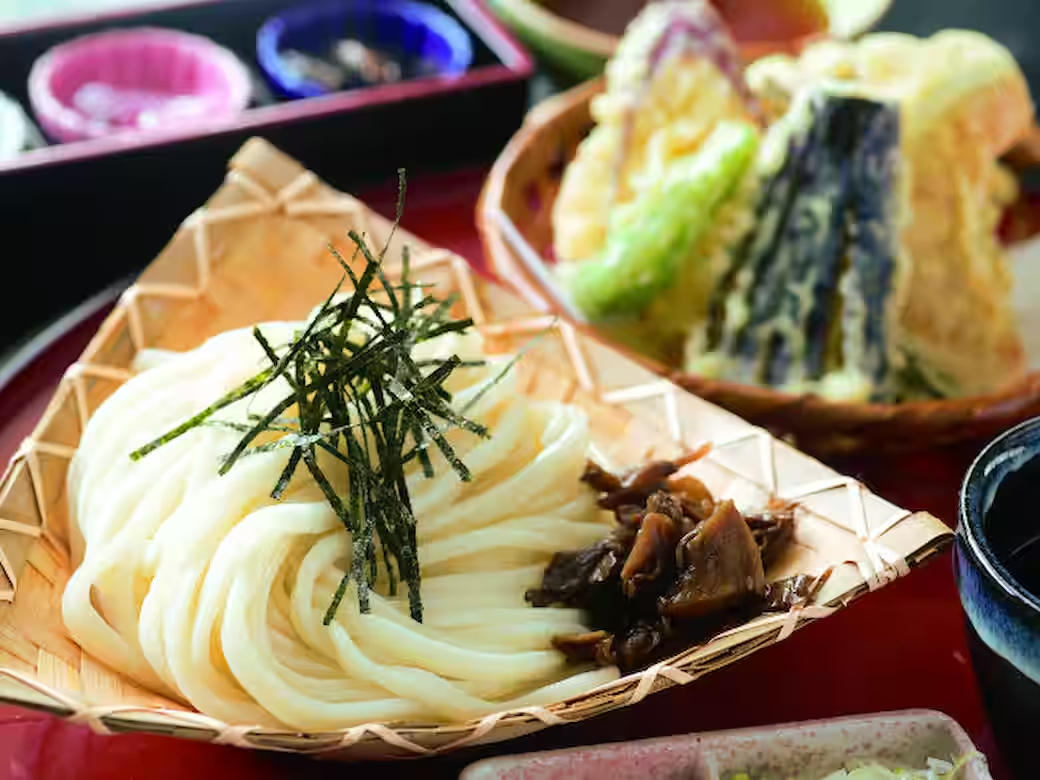
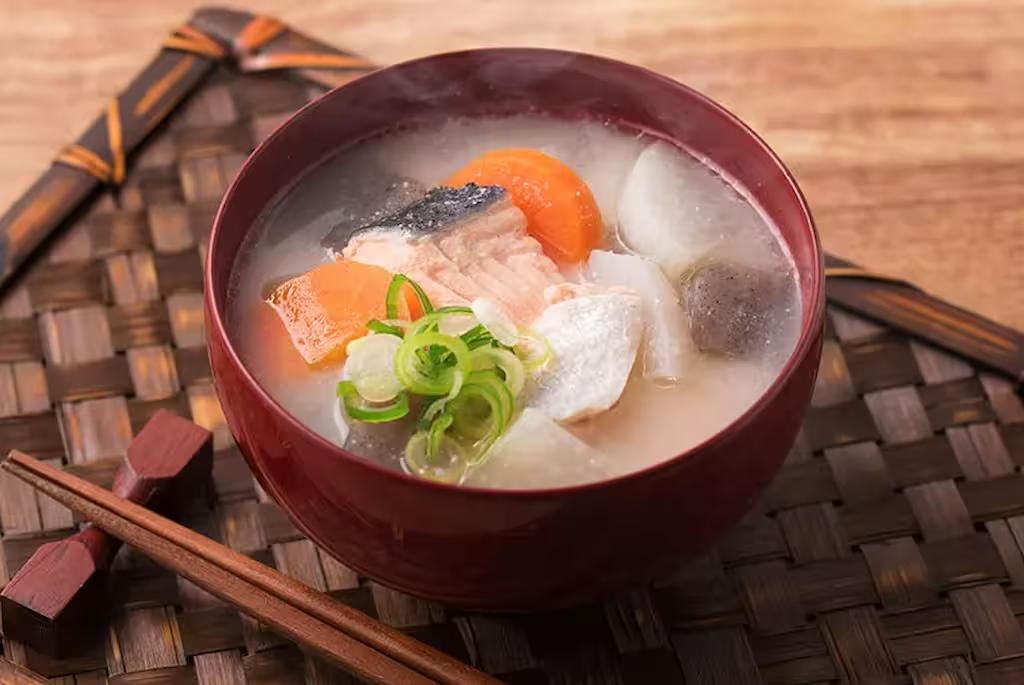
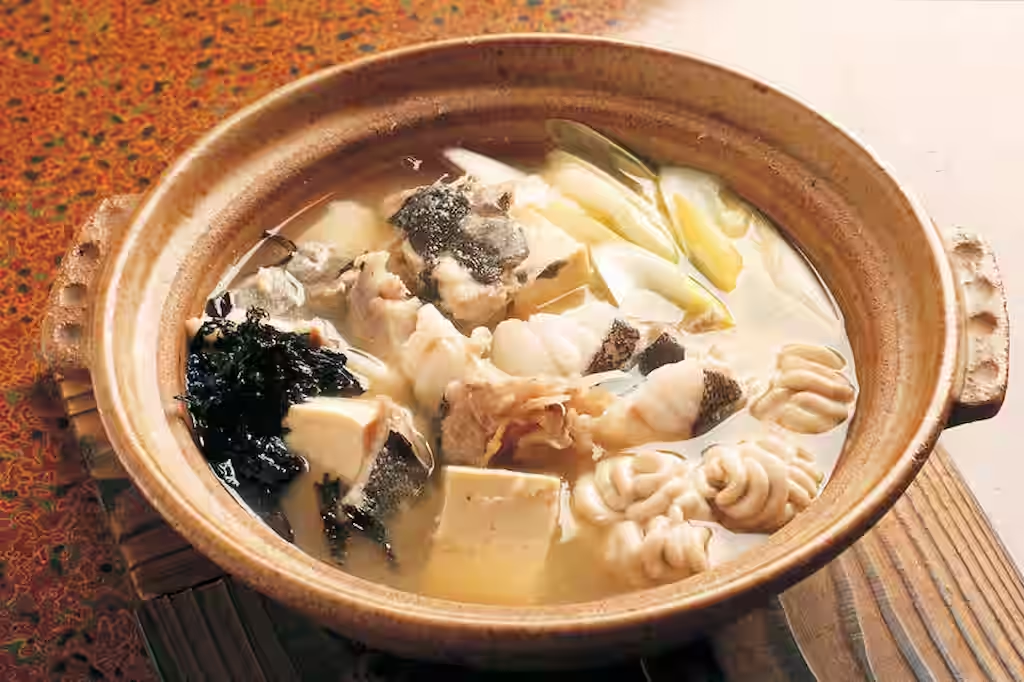
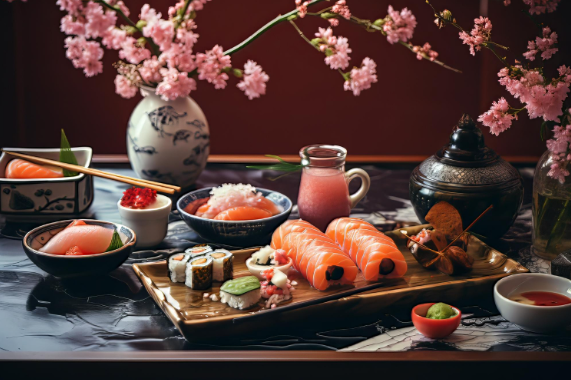


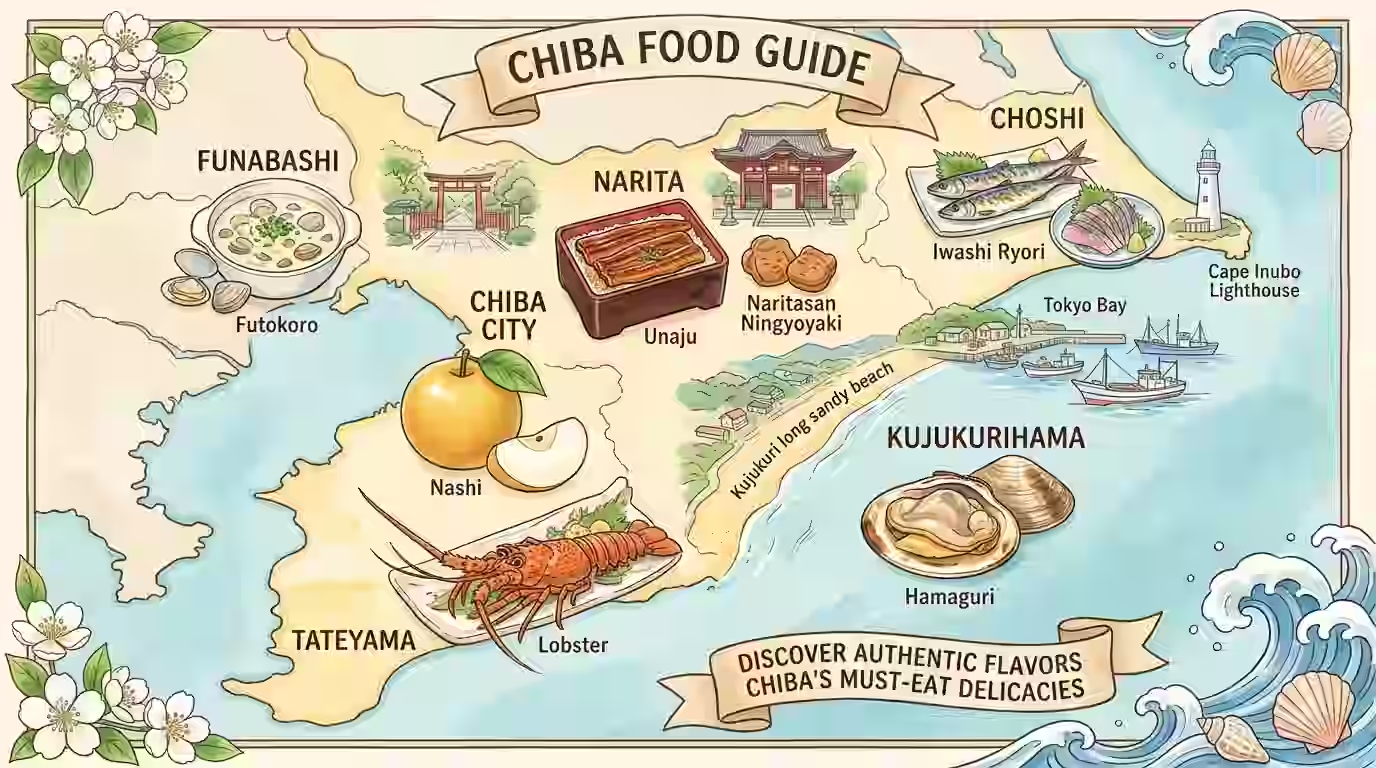
This Chiba food guide covers the dishes, coastlines, and food traditions that make Japan’s most underrated prefecture one of the country’s richest regional food cultures. Chiba surrounds Tokyo on three sides, supplying the capital with fresh seafood, vegetables, soy sauce, and pork for centuries — yet its own food identity remains largely unknown outside Japan. The Boso Peninsula produces some of the country’s most distinctive fisherman’s cuisine: namero, sangayaki, hana sushi, and Takeoka ramen are all Chiba originals. This complete Chiba food guide introduces them all.
Chiba is one of Japan’s most important food-producing prefectures, yet most visitors pass through it without stopping. The prefecture supplies Tokyo with fresh fish from Tokyo Bay and the Pacific, pork from its extensive inland farms, nori from its coastal shallows, and soy sauce from Choshi — one of Japan’s great brewing cities. Despite this, Chiba’s own food culture is one of the least visited and most rewarding in the Kanto region.
Boso Peninsula — Japan’s Fisherman’s KitchenThe Boso Peninsula extends south into the Pacific Ocean, with the warm Kuroshio Current running along its eastern coast and Tokyo Bay sheltering its western shore. This dual-coast geography produces exceptional variety in seafood. The fishermen of Minamiboso developed some of Japan’s most distinctive fish dishes — namero (minced fresh fish with miso) and its grilled variant sangayaki — directly on their boats, using whatever was caught that day. These dishes remain unique to Chiba and are rarely found elsewhere in Japan.
Choshi — The Soy Sauce CapitalChoshi, at the northern tip of the Boso Peninsula where the Tone River meets the Pacific, has been one of Japan’s most important soy sauce and fermented seasoning production centers since the Edo period. Its stable coastal climate — warm winters, cool summers, minimal temperature variation — creates ideal conditions for koji fermentation. Yamasa and Higeta, two of Japan’s major soy sauce brands, both originated in Choshi. The city’s fermented condiment hishio, a precursor to miso and soy sauce, has been produced here for over a thousand years.
Chiba’s essential dishes range from ancient Boso Peninsula fisherman’s recipes to modern local specialties found nowhere else in Japan.
Chiba’s food culture divides clearly between its long coastlines and the productive agricultural interior. Each area has its own signature ingredients and dishes.
Chiba is surrounded by water on three sides. Tokyo Bay to the west provides calm sheltered fishing grounds for horse mackerel, flounder, and clams. The Pacific coast to the east and south, warmed by the Kuroshio Current, produces bonito, yellowtail, abalone, and spiny lobster. The combination gives Chiba extraordinary seafood variety across all seasons — a diversity that directly shaped the fisherman’s cuisine of the Boso Peninsula.
Choshi Soy Sauce and HishioChoshi has been fermenting soy sauce and its predecessor hishio since at least the Edo period. The city’s stable coastal climate creates ideal conditions for koji mold cultivation. Yamasa, founded in 1645, and Higeta, founded in 1616, both began in Choshi and still operate there today. The deep, complex flavor of Choshi soy sauce has supplied Tokyo’s kitchens for centuries and shaped the dark, umami-forward flavor profile of Kanto cuisine.
Chiba PeanutsChiba is Japan’s leading peanut-producing prefecture, accounting for over 70% of national production. The prefecture’s sandy soil and warm climate suit peanut cultivation perfectly. Chiba peanuts appear in local confectionery, miso (peanut miso), noodle sauces, and as snacks sold at every roadside stand across the prefecture. Peanut tofu (rakkasei tofu) is a distinctive Chiba specialty that surprises visitors expecting the soy-based original.
Chiba’s food history stretches back thousands of years. During the Kofun period the region was called Fusa no Kuni — the Land of Hemp. The Boso coastline was already producing nori, clams, and seafood that was sent as tribute to the imperial court. Shell middens from this era show that the area has been a productive fishing ground for at least two thousand years. By the Edo period, Chiba had become the primary seafood supplier for the Tokugawa shogunate in Edo — a role that shaped the prefecture’s entire food identity around freshness, seasonality, and the sea.
Edo Period — Supplying the ShogunateDuring the Edo period, Chiba’s fishing villages supplied Edo (Tokyo) daily with fresh fish via the Edo Bay fishing routes. The nori farms of Tokyo Bay’s Chiba coastline became one of Japan’s most important nori-producing areas. Choshi developed as a major soy sauce brewing city, and its products traveled by river and sea to supply Edo’s growing restaurant culture. The fishermen of the Boso Peninsula developed namero and sangayaki as practical boat foods — dishes that required no fire and used whatever fish was most abundant that day.
Modern Era — Pork, Peanuts, and RamenIn the modern era Chiba diversified beyond seafood. Pork farming expanded inland using locally grown sweet potatoes and sardine meal as feed — the same feed combination that gives Chibaza Pork its distinctive mild flavor today. Peanut cultivation spread across the sandy soils of the Kujukuri Plain. Takeoka ramen emerged in the post-war period in Futtsu City as a practical, intensely flavorful dish made from readily available dried noodles and char siu braising liquid. White gyoza was introduced to Noda City after the war and became one of Chiba’s most recognizable modern food exports.
Chiba Food Guide FAQ
What food is Chiba most famous for?
Chiba is most famous for namero (minced fish with miso), sangayaki (grilled namero), Takeoka ramen, hana sushi, and white gyoza. The prefecture is also Japan’s leading producer of peanuts and one of its most important soy sauce and pork producing regions.
What is namero and where does it come from?
Namero is a dish of fresh fish — typically horse mackerel, sardine, or bonito — finely minced with miso, spring onion, ginger, and perilla (shiso). It originated on the fishing boats of the Boso Peninsula, where fishermen made it at sea using that day’s catch. Its name is said to come from the phrase “lick the plate clean” because it is so delicious. It is unique to Chiba and rarely found outside the prefecture.
What is sangayaki?
Sangayaki is the grilled version of namero. Fishermen pressed leftover namero into the shells of abalone and grilled it over open fire in mountain huts during rest days ashore. The name “sanga” means mountain dwelling. Today, sangayaki is typically shaped into patties, wrapped in shiso leaves, and pan-fried. It is a Chiba specialty found mainly in Minamiboso and Katsuura.
What is Takeoka ramen and what makes it unique?
Takeoka ramen is a ramen style from Futtsu City, Chiba, that uses the braising liquid from char siu pork as the soup base, diluted with boiling water. Dried noodles — not fresh ones — are placed directly in the bowl and rehydrate in the hot soup. The result is an intensely savory, concentrated pork-soy flavor unlike any other ramen in Japan. Two restaurants in Futtsu claim to be the original.
What is hana sushi?
Hana sushi is a type of thick decorative rolled sushi from the Boso Peninsula where the fillings are arranged to create flower patterns when the roll is sliced. Traditionally served at festivals and celebrations, it uses local kanpyo (dried gourd), vegetables, tamagoyaki (egg), denbu (pink fish flakes), and nori. Modern versions feature animals and popular character designs. It is a distinctive Chiba celebration food.
What is white gyoza?
White gyoza (Howagyo) is a deep-fried gyoza dumpling with a thick, bread-like skin that becomes extremely crispy when fried in oil. Its shape resembles inari sushi rather than conventional dumplings. It was introduced to Noda City, Chiba, after World War II by a founder who learned to make it in Manchuria. White Gyoza now has over 20 restaurants across Japan, but its headquarters remains in Noda.
What is kogane aji and why is it special?
Kogane aji means “golden horse mackerel” — a premium variety caught in the nutrient-rich waters off the Uchibo coast of Chiba, near Tokyo Bay. Its golden-tinged skin and exceptionally high fat content distinguish it from ordinary horse mackerel. Because of the difficult fishing terrain, fishermen must catch them individually by hand-line, which limits supply and raises the price. It is typically served as sashimi and is in season from early summer to autumn.
What is hishio and how is it different from miso and soy sauce?
Hishio is one of Japan’s oldest fermented condiments — made from soybeans, barley, and salt and aged in a process similar to both miso and soy sauce. It has a flavor closer to soy sauce but with the thick texture of miso. Recorded in Japan’s Taiho legal code in 701 AD, it was a staple of both aristocratic and common tables throughout Japanese history. Choshi is its historic production center.
What is Chiba famous for producing besides food?
Chiba is Japan’s leading producer of peanuts (over 70% of national production), nori seaweed, pork (Chibaza Pork), and soy sauce (Choshi is home to Yamasa and Higeta breweries). The prefecture also produces exceptional vegetables including Miura cabbage, daikon, and watermelon, as well as flowers — Chikura is one of Japan’s most important flower-growing areas.
What is the Boso Peninsula and why is it important for food?
The Boso Peninsula is the large landmass that forms the eastern side of Tokyo Bay and extends south into the Pacific Ocean. With Pacific Ocean on the east and Tokyo Bay on the west, it has two completely different fishing environments within a short distance. The warm Kuroshio Current on the Pacific side and the calm, sheltered waters of Tokyo Bay on the west give the peninsula extraordinary seafood variety. It is the origin of namero, sangayaki, hana sushi, and Takeoka ramen.
Where is the best place to eat namero in Chiba?
Minamiboso and Katsuura are the best places. The Katsuura fishing port area has numerous restaurants serving fresh namero and sangayaki using fish caught the same morning. The Shirahama and Tateyama areas of Minamiboso also have excellent namero restaurants near the coast. Look for restaurants that source fish directly from local fishermen for the freshest preparation.
What is the narita eel (unaju) tradition?
The approach road to Naritasan Shinshoji Temple — one of Japan’s most visited Buddhist temples — is lined with dozens of eel restaurants serving unaju (grilled eel over rice). The tradition dates to the Edo period when pilgrims stopped for meals on the way to the temple. Narita unaju uses eel from the nearby Tone River, grilled over charcoal and glazed with sweet tare sauce. It remains one of Chiba’s most beloved food traditions.
What are Choshi soy sauce brands?
Choshi is home to two of Japan’s most important soy sauce brands: Yamasa (founded 1645) and Higeta (founded 1616). Both have been brewing soy sauce in Choshi for nearly 400 years using the city’s ideal fermentation climate. Their products supply restaurants and homes across Japan and have shaped the characteristic dark, bold flavor of Kanto cuisine for centuries.
What is iwashi dango-jiru?
Iwashi dango-jiru is a soup from the Kujukuri region of Chiba made with fluffy fish balls (dango) formed from minced sardines. The sardines are deboned, minced, and shaped into balls before being added to a miso or soy sauce broth with vegetables. It developed in Kujukuri because the region has always had an abundance of sardines and needed creative ways to use them. It is considered one of Japan’s 100 regional home cooking dishes.
What is peanut tofu from Chiba?
Peanut tofu (rakkasei tofu) is a Chiba specialty made by grinding peanuts with water, cooking the liquid with starch, and setting it into firm blocks. It has a rich, nutty flavor and smooth texture that surprises people expecting the neutral taste of soy-based tofu. Chiba produces over 70% of Japan’s peanuts, making it the natural home of this distinctive local food.
Is Chiba worth visiting just for food?
Yes — especially the Boso Peninsula south of Chiba City. The Katsuura Morning Market (held daily from 9am) is one of the best fresh seafood markets in the Kanto region. The coastal route from Katsuura to Tateyama passes numerous fish restaurants with ocean views. Narita for eel, Choshi for soy sauce and fresh Pacific seafood, and Kujukuri for beach seafood complete a genuinely distinctive food journey that most visitors to Japan never make.
What is the best season to visit Chiba for food?
Spring (March–May) for fresh horse mackerel (aji) season and cherry blossoms along the Boso coast. Summer for fresh bonito (katsuo), beach seafood at Kujukuri, and cold namero. Autumn for new-harvest rice, yellowtail, and the full range of Pacific seafood. Winter for spiny lobster (ise-ebi) from the Boso Pacific coast — at its best from October to April.
What is Chibaza Pork and where can I eat it?
Chibaza Pork is Chiba Prefecture’s premium pork brand covering multiple producer labels including Boso Pork and Hinode Pork. Raised in Chiba’s stable climate using local feed including seaweed powder (for vitamin E content), it is known for mild flavor, tender texture, and clean umami. Restaurants at Chiba Port Tower and specialty butcher shops throughout the prefecture serve it.
What nori comes from Chiba?
Tokyo Bay’s Chiba coastline was historically one of Japan’s most important nori-producing areas. The shallow, nutrient-rich waters of the bay provided ideal growing conditions for the dried seaweed. While environmental changes have reduced production in recent decades, Chiba still produces quality nori and the prefecture’s connection to nori culture remains strong — particularly in Choshi where nori-based dishes appear on many restaurant menus.
How do I get from Tokyo to the Boso Peninsula for food?
From Tokyo Station, take the JR Sotobo Line directly to Katsuura (about 1 hour 45 minutes by limited express). For the Minamiboso area, take the Uchibo Line from Chiba Station to Tateyama (about 1 hour 30 minutes). The Boso Peninsula is also accessible by highway bus from Tokyo Station and Shinjuku. A rental car is recommended for exploring the coastal food areas thoroughly.
What is hana ryori and when can I eat it?
Hana ryori (flower cuisine) is a seasonal specialty of Chikura Town (now part of Minamiboso City), where local chefs create dishes using edible flowers grown in the area’s famous flower farms. Available from January to March, the menus feature flowers in tempura, salads, rice dishes, and desserts. Chikura is one of Japan’s most important cut-flower producing areas, and the flower cuisine tradition developed as a way to showcase this local identity.
What is the connection between Chiba and Kikkoman soy sauce?
Kikkoman, Japan’s most internationally recognized soy sauce brand, was founded in Noda City, Chiba, in 1917 — though its brewing roots in Noda go back to the 17th century. Noda sits on the Edo River and was ideally positioned to supply the shogunate capital with soy sauce by boat. The city’s water quality and climate supported excellent koji fermentation. Kikkoman’s main factory and museum remain in Noda today.