


Japanese Sweets– Wagashi, Mochi and Traditional Japanese Desserts –
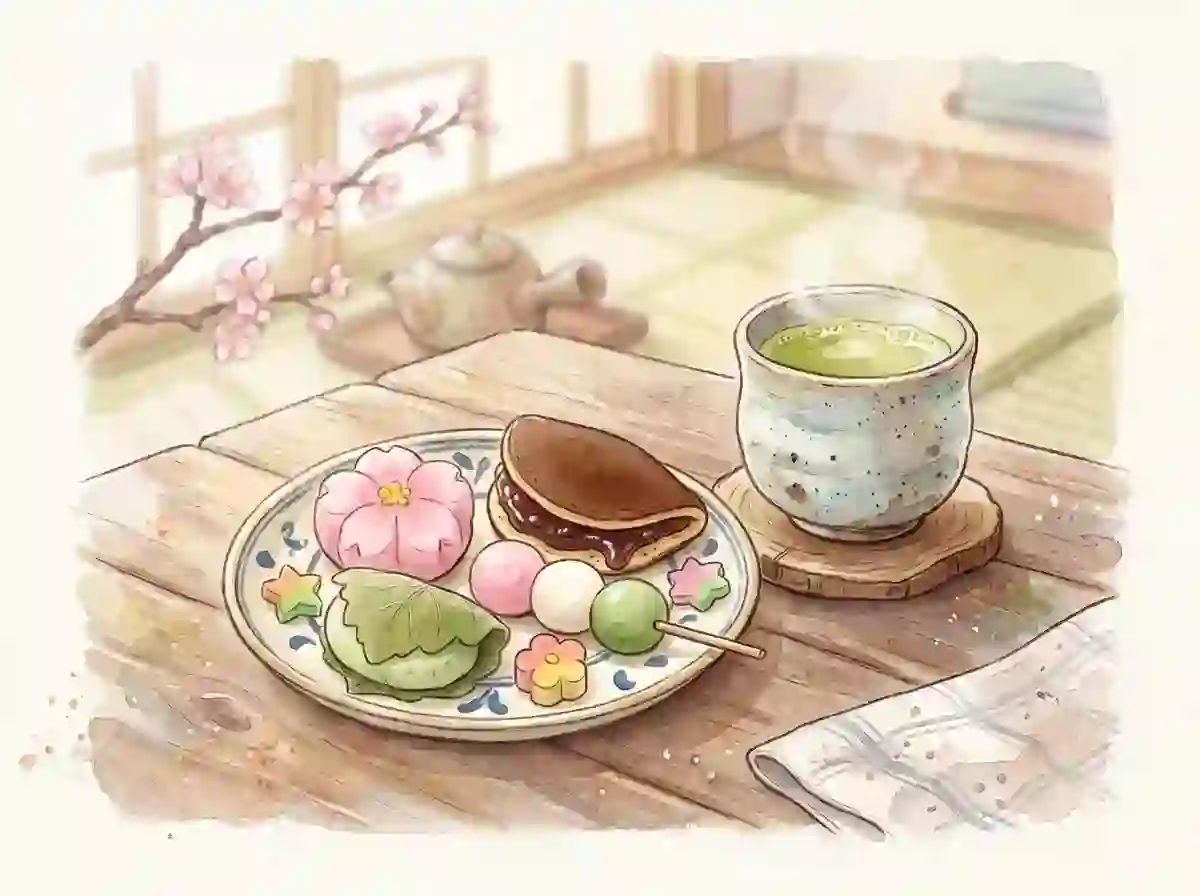
Japanese sweets, known as “wagashi,” are traditional desserts that reflect Japan’s seasonal beauty and culinary craftsmanship. These sweets are often made with simple ingredients such as rice flour, mochi, red bean paste, and sugar.
Many wagashi are carefully designed to represent the four seasons. For example, sakura mochi is associated with spring, while seasonal sweets with maple or chestnut flavors appear in autumn. These desserts are often enjoyed with green tea and are an important part of Japanese tea culture.
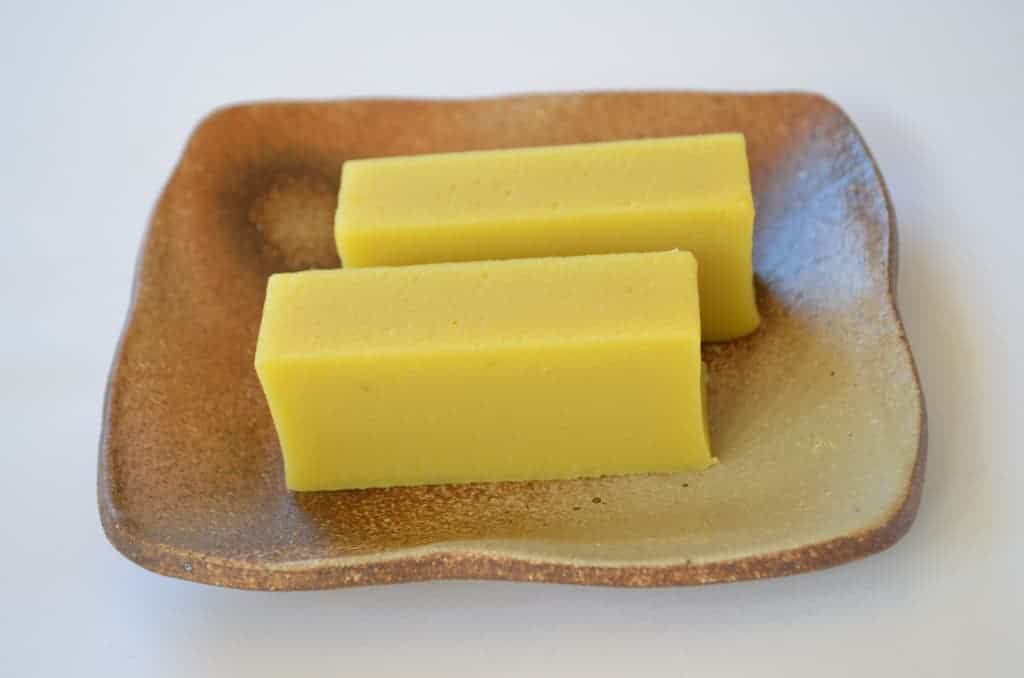
Some of the most popular Japanese sweets include mochi rice cakes, dango dumplings, dorayaki pancake sandwiches filled with red bean paste, and yokan jelly desserts made from sweet bean paste and agar.
In this category, explore Japanese sweets, traditional wagashi, and popular desserts that showcase the delicate flavors and artistic presentation of Japanese confectionery.
-
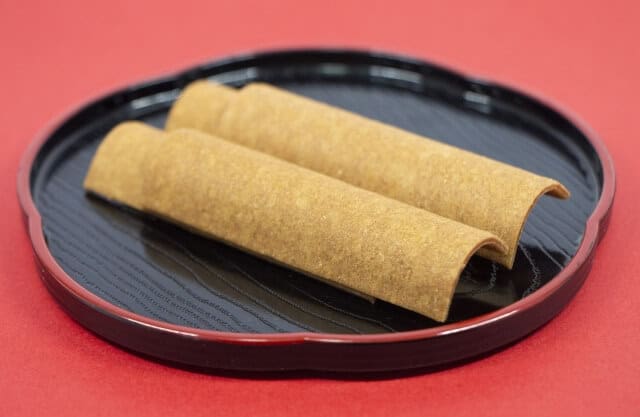

Yatsuhashi (八ツ橋)
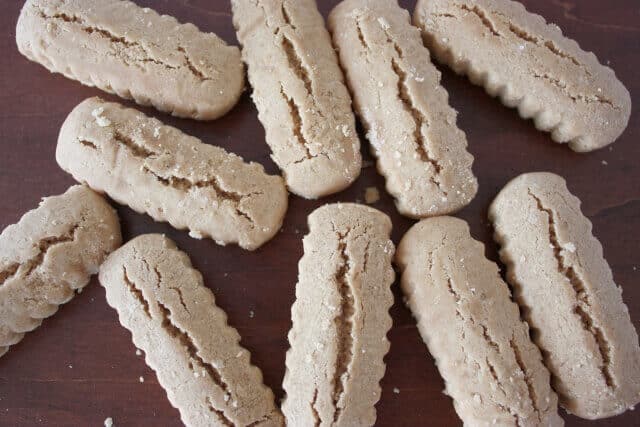
Speaking of sweets that represent Kyoto, you can't miss Yatsuhashi. It has a very long history and is said to have been born in the second year of Genroku (1689). Then what is the story behind the birth of this sweet? Let's find out... -
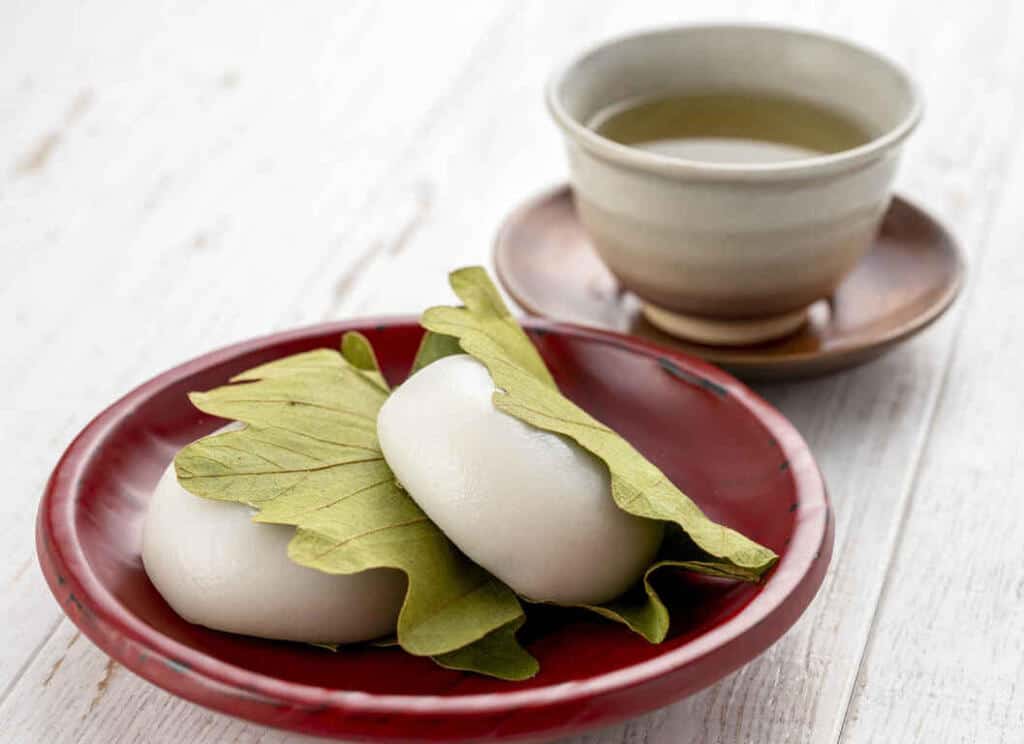

Kashiwa Mochi (柏餅)
You're probably thinking why are there so many types of mochi in Japan. Well, you're not alone. As a matter of fact, there might be more than what we know. Also, there seems to be a kind of mochi for every occasion. For example, locals m... -
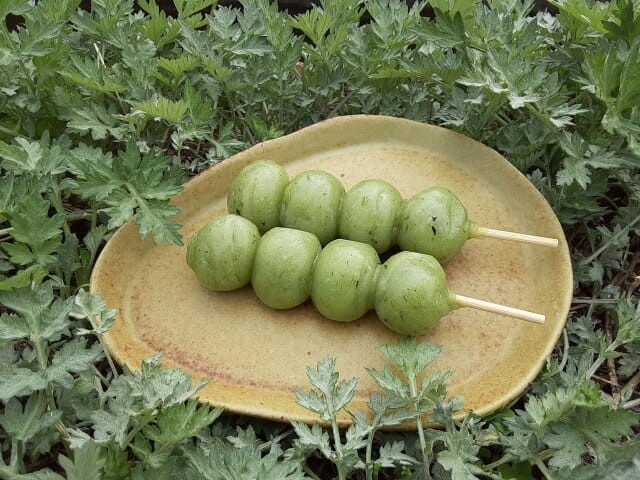

Kusa mochi (草餅)
What is Kusa mochi? Kusa mochi (草餅) is one of the Japanese sweets also known as "kusamochi or yomogi mochi (蓬餅)." Locals made it using mochi and yomogi (known as Japanese mugwort) leaves. In fact, this Kusa Mochi is the Yomogi Moch... -
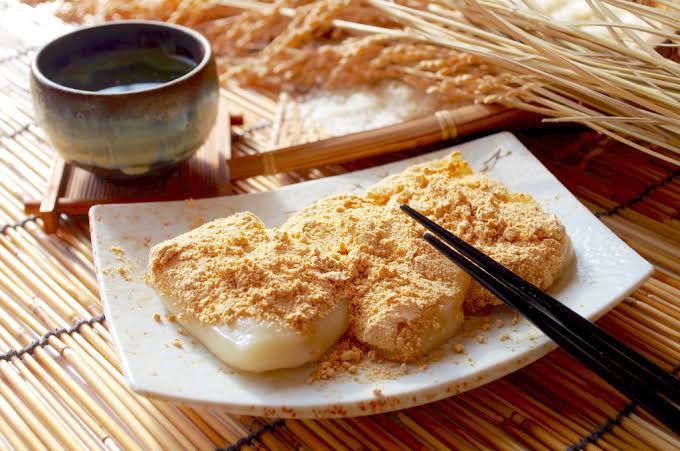

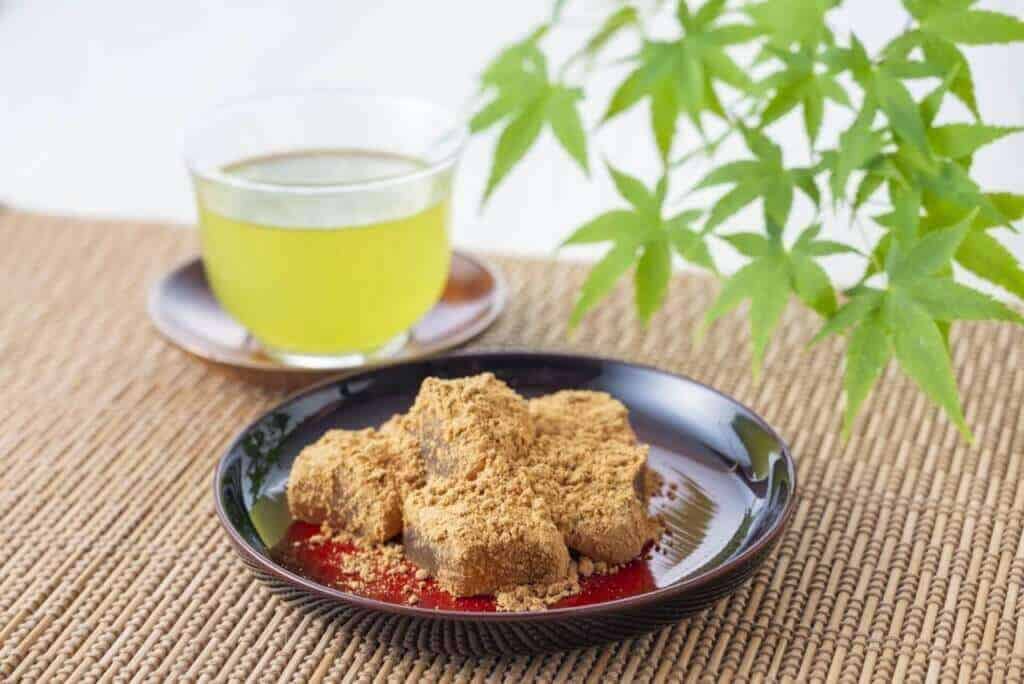
Kinako Mochi (きな粉餅)
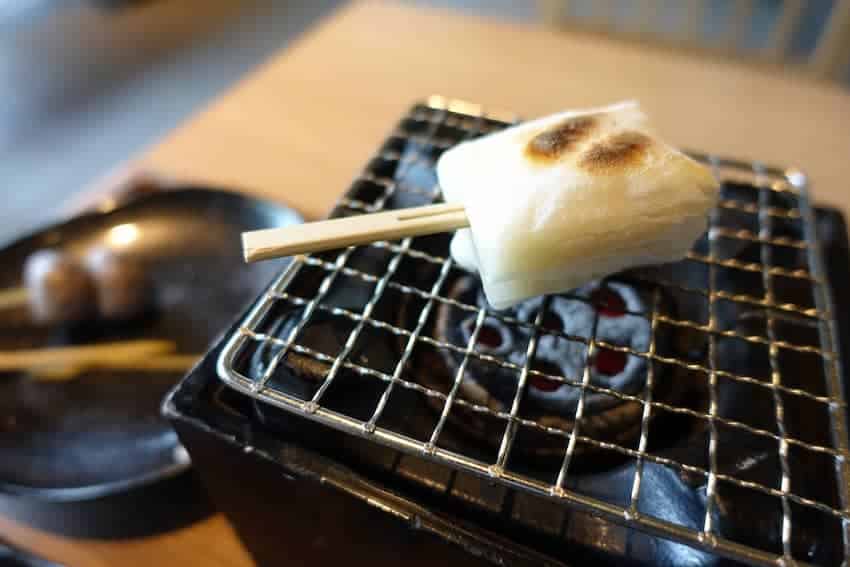
What if I told you that there is a Japanese dessert that can make you live longer and happier? It is called kinako mochi, and it consists of chewy rice cakes dusted with roasted soybean powder. Kinako mochi has a nutty and slightly sweet... -
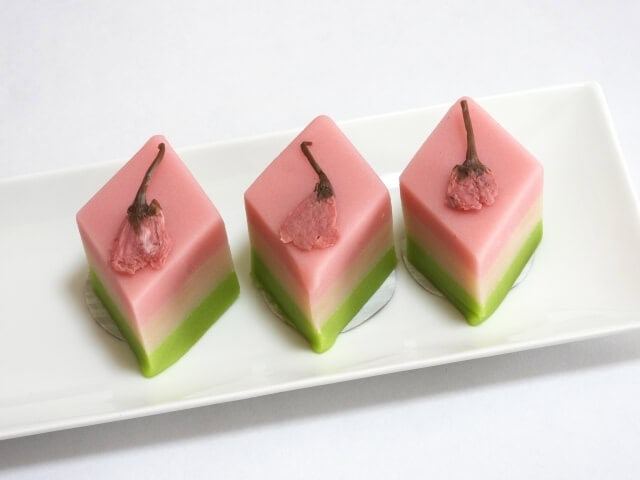
Hishi mochi (菱餅)
Introduction to Hishi MochiIn Japan, they have this custom or festival in which they celebrated it for the growth of girls. They call it "Hinamatsuri" and they always held it on March 3rd. One of the indispensable items on this day is th... -
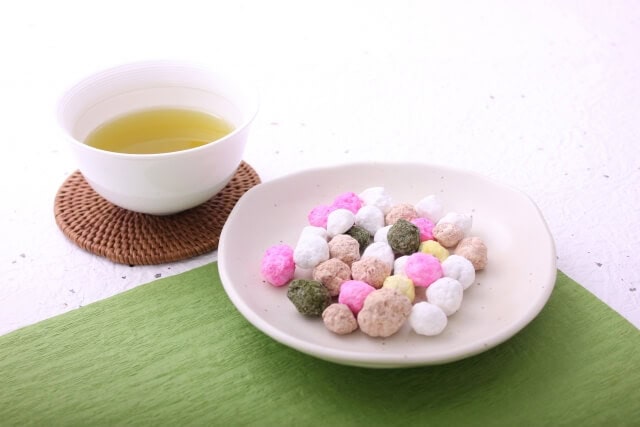

Hina-arare (ひなあられ)
Introduction to Hinaarare The Hinamatsuri in Japan is celebrated with chirashizushi, clam soup, rice cakes, and Hina-arare. Hinamatsuri has been popular as a celebration for the growth of girls since the Edo period. Locals held this fest... -
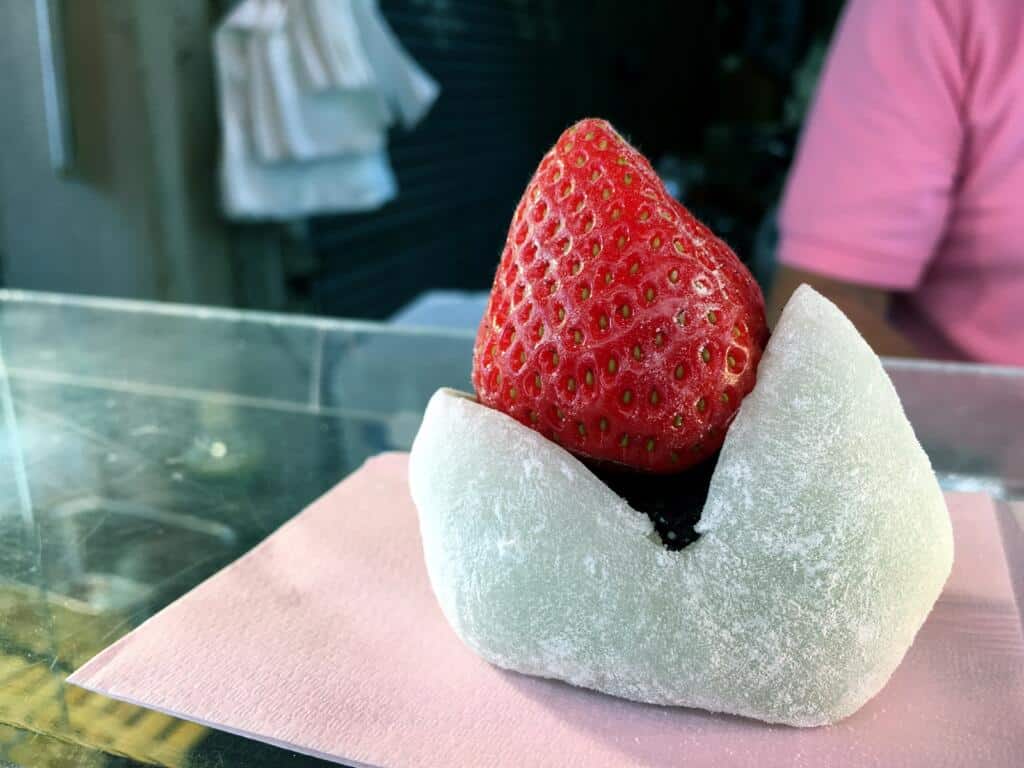

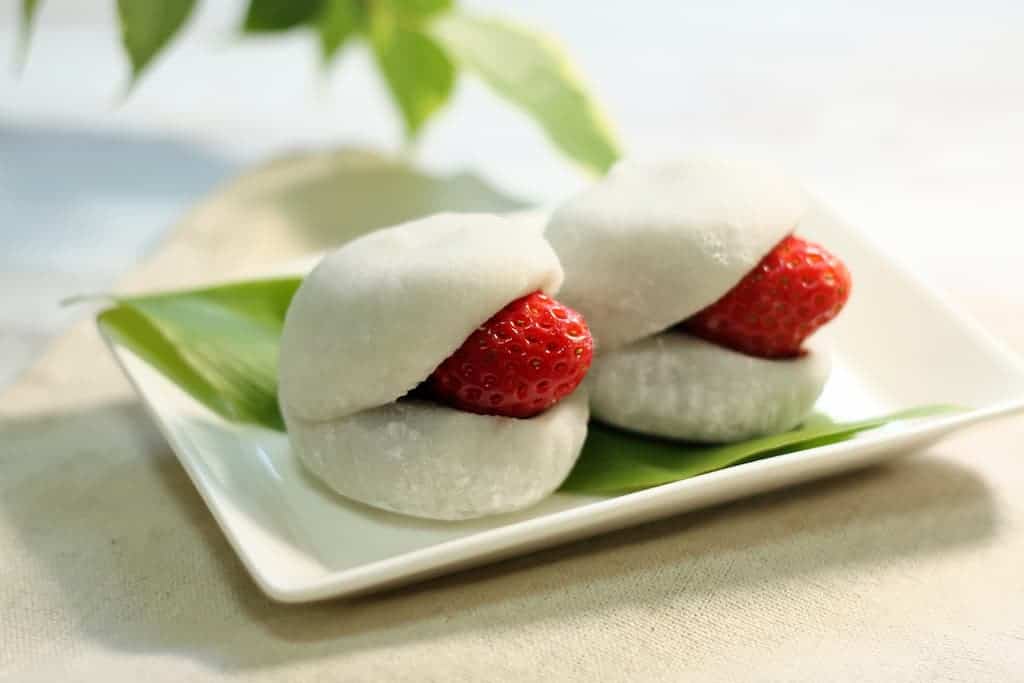
Ichigo Daifuku (いちご大福)
Introduction to Ichigo Daifuku Ichigo daifuku is a very popular spring dessert. It is another type of sweet Japanese snack with strawberry and sweet red bean paste, also known as strawberry mochi. It is one of the most interesting and un... -
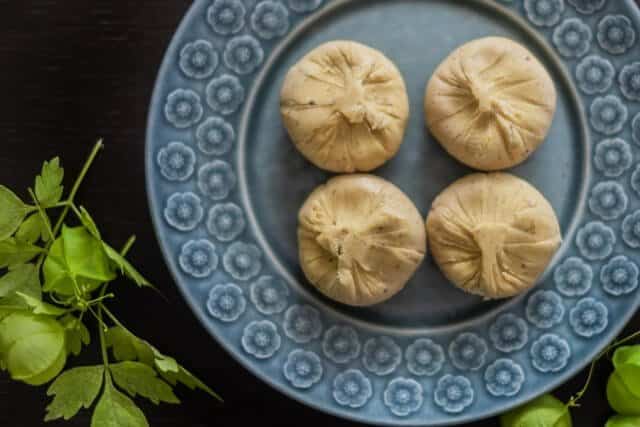
KuriKinton (栗きんとん)
Introduction to KuriKinton Are you a fan of eating something healthy but at the same time, sweet? Do you also believe that you can have a bite of autumn taste during New Year? Following Christmas, you can see the entire region of Japan p... -
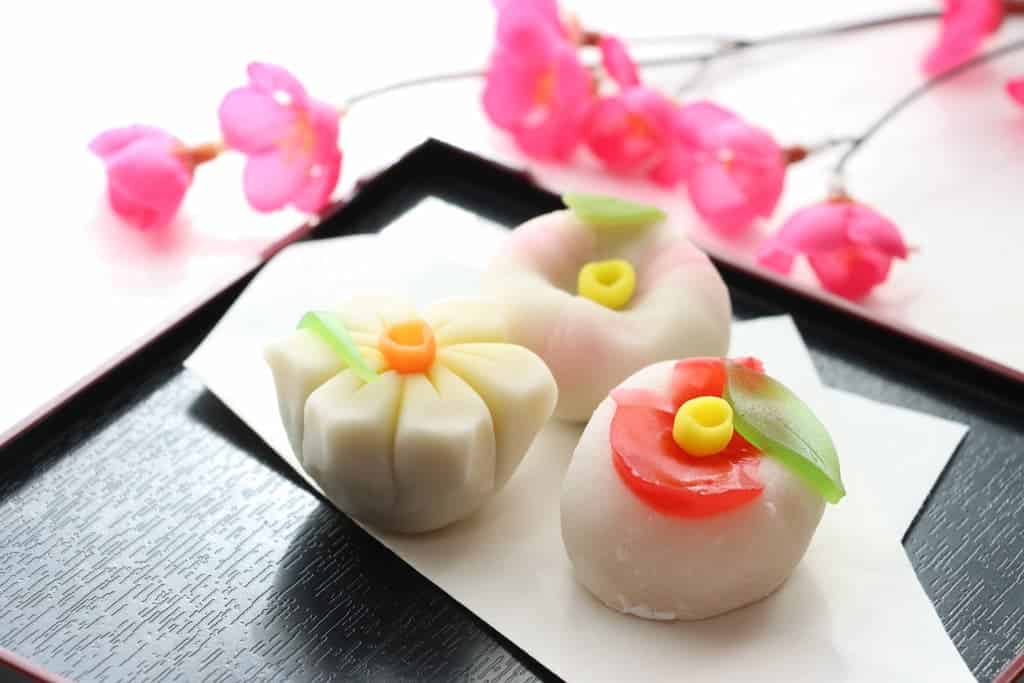

Nerikiri (練り切り)
Colorful nerikiri is lined up in a Japanese confectionery shop. The colors and shapes of them are quaint and will captivate your eyes. It is a Japanese confectionery that not only looks beautiful, but also has a smooth mouthfeel and eleg... -
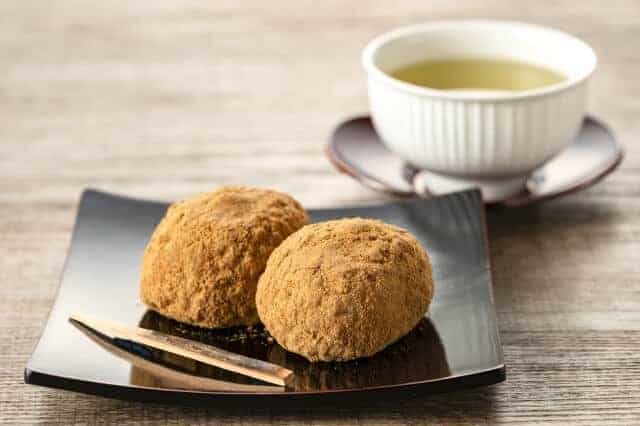

Ohagi (おはぎ)
Introduction to Ohagi Ohagi is one of the traditional Japanese sweets that locals eat during autumn. Japanese make this by steaming or cooking glutinous rice and pounding it lightly to the extent that half of the grains remain, then they...