





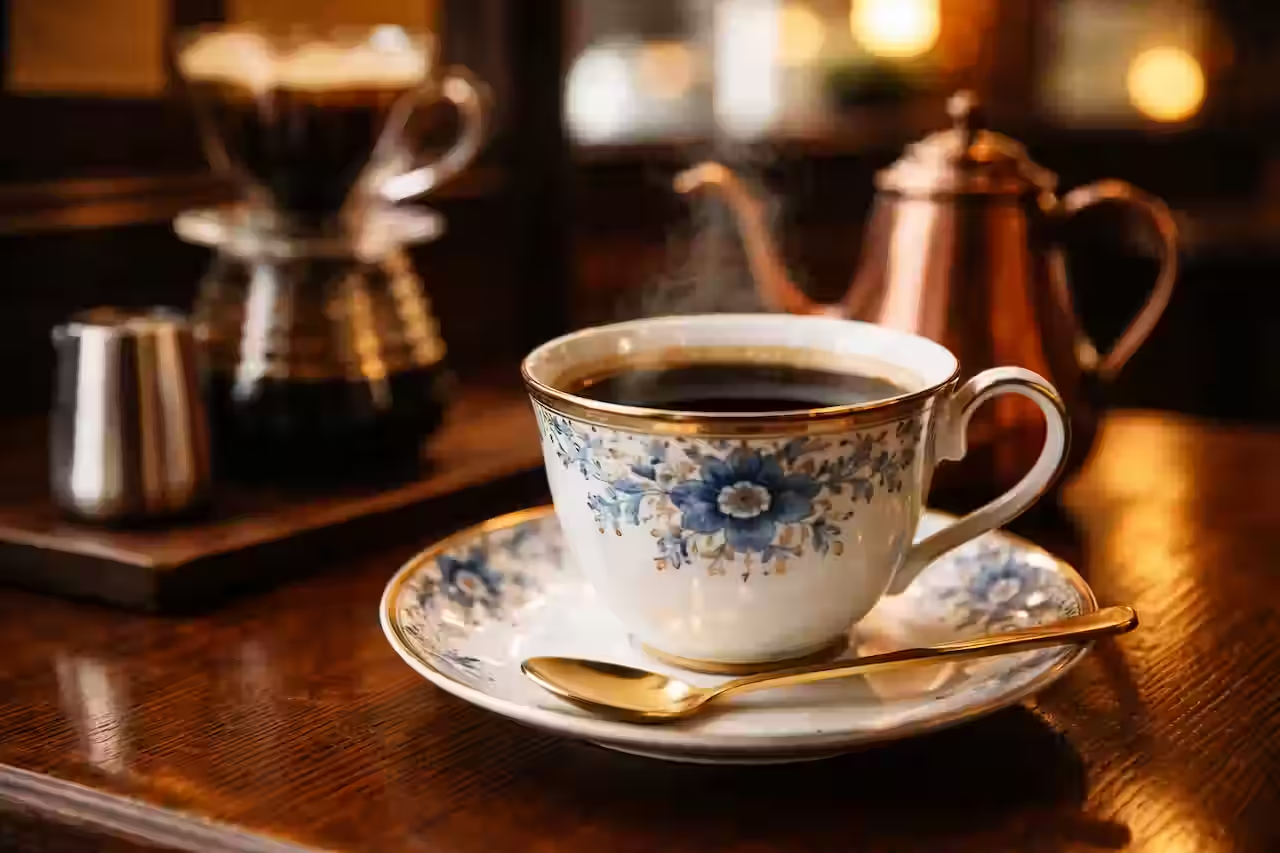
Japanese coffee is not just about the drink itself but also the atmosphere, precision, and surprising variety that surround each cup. For many American visitors, it feels like a unique blend of Old World charm, modern design, and everyday convenience.
What Is “Japanese Coffee”?
When people say “Japanese coffee,” they usually mean both the flavor and the experience. The taste part is interesting. In many cafés, coffee is carefully hand-brewed using pour-over methods, creating a clean, balanced cup with a clear aroma. Some shops favor dark roasts with deep bitterness and rich body. Newer specialty cafés, though, highlight lighter roasts with bright, fruity notes that might surprise you if you’re used to American coffee.
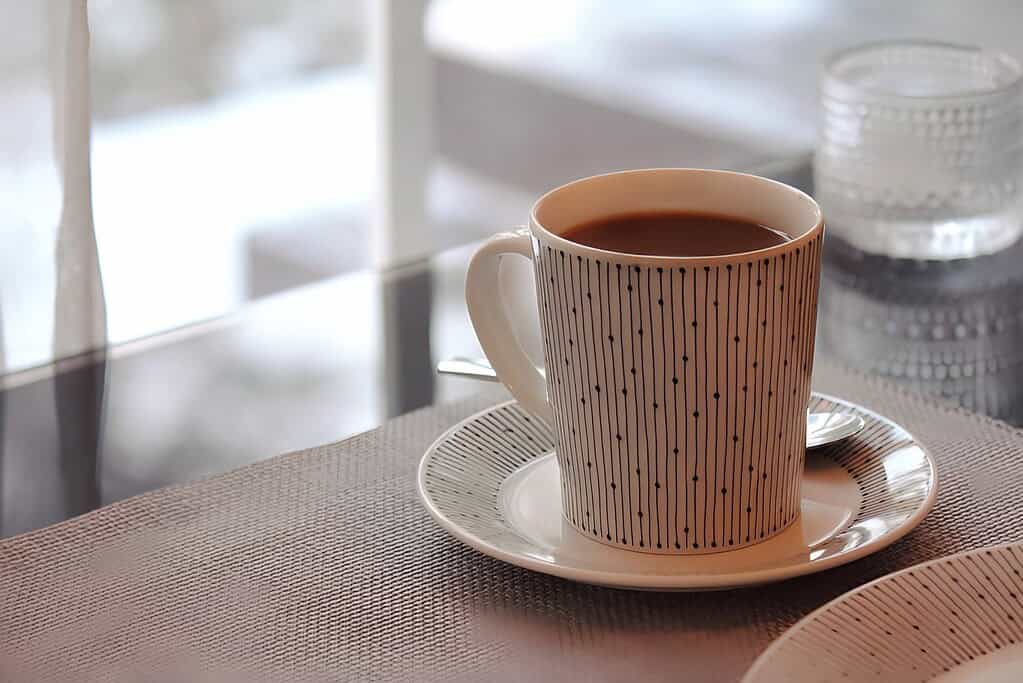
But here’s what really stands out: the setting itself. Many places are quiet, with soft music, simple interiors, and a relaxed pace that’s hard to find back home. Instead of grabbing a large to-go cup on the way to work, you often sit down, drink from a ceramic cup, and actually slow down for a while. Even in busy cities like Tokyo, coffee can feel like a small ritual rather than just a caffeine boost. I wasn’t sure I’d appreciate this at first, but it grows on you.
A Brief History of Coffee in Japan
Coffee first arrived in Japan several centuries ago through trade with Europeans. It didn’t catch on widely at first, remaining something of a curiosity for the wealthy and well-connected. In the late 19th century, when Japan opened more to the West, coffee began to gain real popularity in the cities. Western-style cafés appeared in Tokyo, and coffee became a symbol of modern life and international culture.
After World War II, coffee slowly turned into an everyday drink. Traditional coffee houses and modern cafés grew in number. More people started enjoying coffee with friends, after meals, or during breaks. In the late 20th century, canned coffee and vending machines made it possible to drink coffee almost anywhere, at any time. Today, Japan has everything from retro coffee houses to cutting-edge specialty shops, all existing side by side. It’s a bit overwhelming, honestly, but in a good way.
Unique Japanese Coffee Experiences
Kissaten – Old-Style Coffee Houses
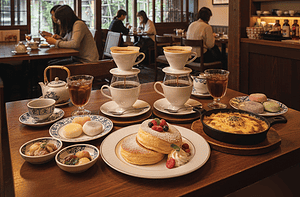
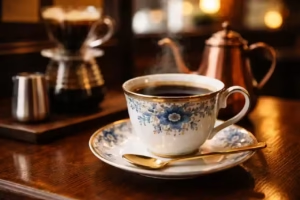
One of the most special parts of Japanese coffee is the kissaten, or old-style coffee house. These places often have wooden interiors, dim lighting, and a slightly nostalgic feeling, as if time moves more slowly inside. Coffee is usually made by hand, sometimes with cloth filters, and served in classic cups. You might wonder if the quality justifies the wait, but there’s something meditative about watching the process.
Simple foods like buttered toast, sandwiches, or pudding are common. Some shops play jazz or classical music in the background. For many visitors, a kissaten feels like stepping into another era. It’s not for everyone, especially if you’re in a rush, but if you have the time, it’s worth experiencing at least once.
Vending Machine Coffee
Another uniquely Japanese experience is canned coffee from vending machines. On a street corner, near a train station, or by a parking lot, you can find machines selling hot and cold canned coffee in many flavors. It is not luxury coffee. Let’s be honest about that. But it is part of everyday life and a fun way to experience “Japanese coffee” in a casual way. Trying a few different brands and styles can become a small adventure during your trip. Some are sweet, some are bitter, and a few are genuinely terrible, but that’s part of the experience.
Convenience Store Coffee
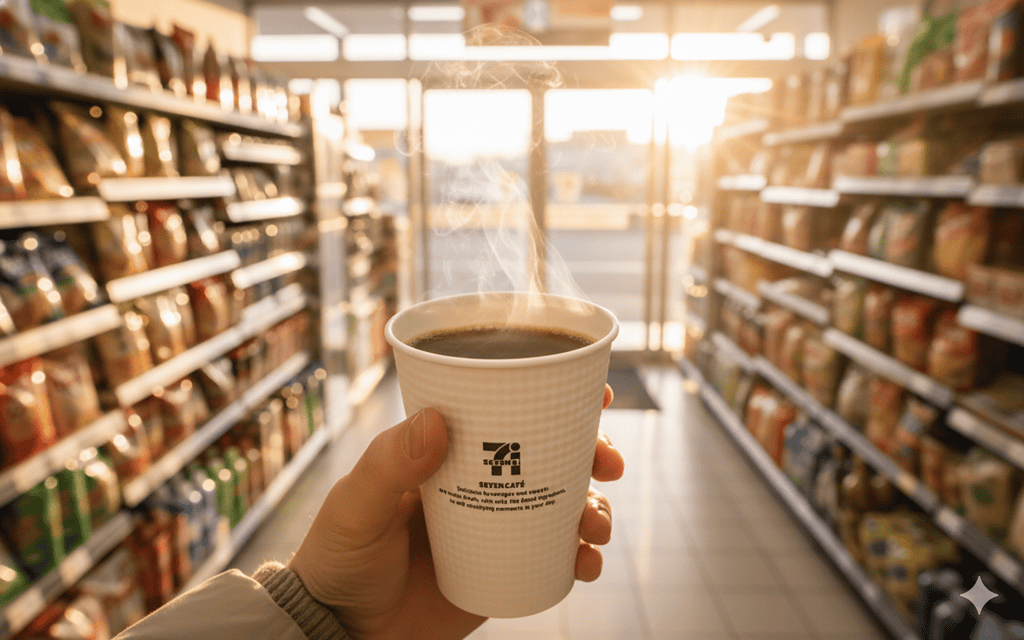
Convenience store coffee is also worth a try. Chains like 7-Eleven, Lawson, and FamilyMart offer freshly brewed coffee at the counter for a low price. The quality is surprisingly good for the cost. It’s perfect when you are traveling between sights or waiting for a train. Many American visitors are impressed by how reliable and easy this kind of coffee is. I certainly didn’t expect much the first time I tried it, but it became a daily habit by the end of my trip.
Modern Specialty Coffee Shops
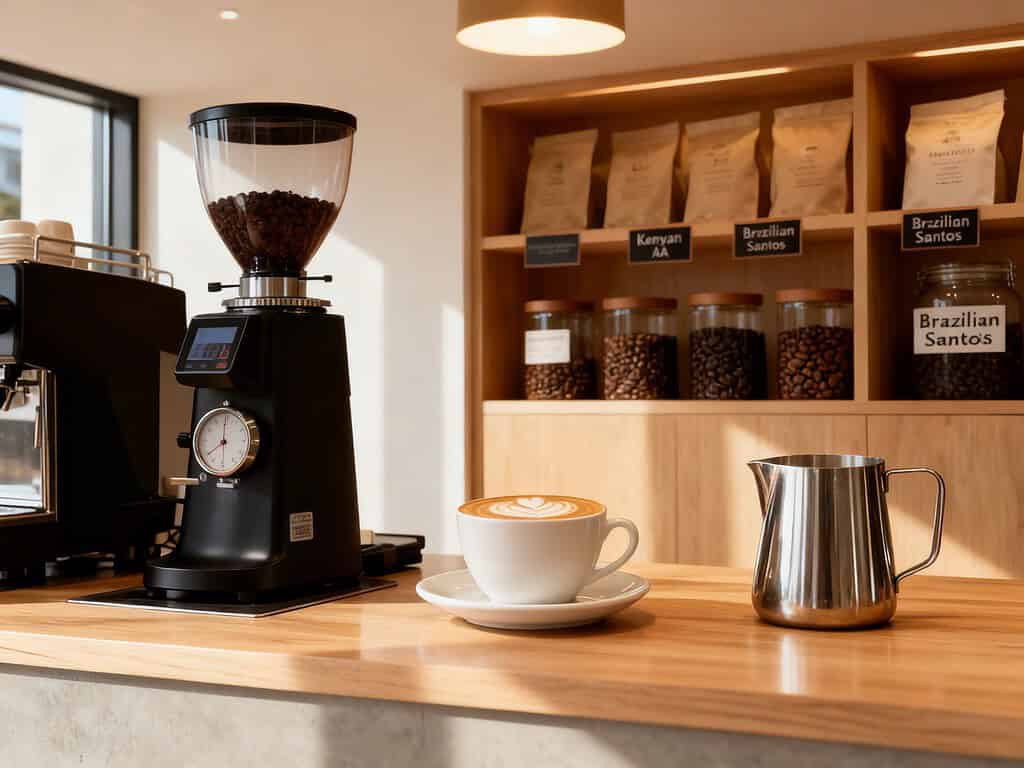
Finally, modern specialty coffee shops complete the picture. In neighborhoods across Tokyo, Kyoto, and other cities, you can find cafés that roast their own beans, serve single-origin coffee, and focus on precise brewing methods. These places often have minimalist design, friendly baristas, and a strong sense of craft. The attention to detail can be almost intimidating if you’re used to more casual coffee culture. For coffee lovers, though, visiting a few of these cafés can be one of the highlights of exploring Japanese cities.
Summary
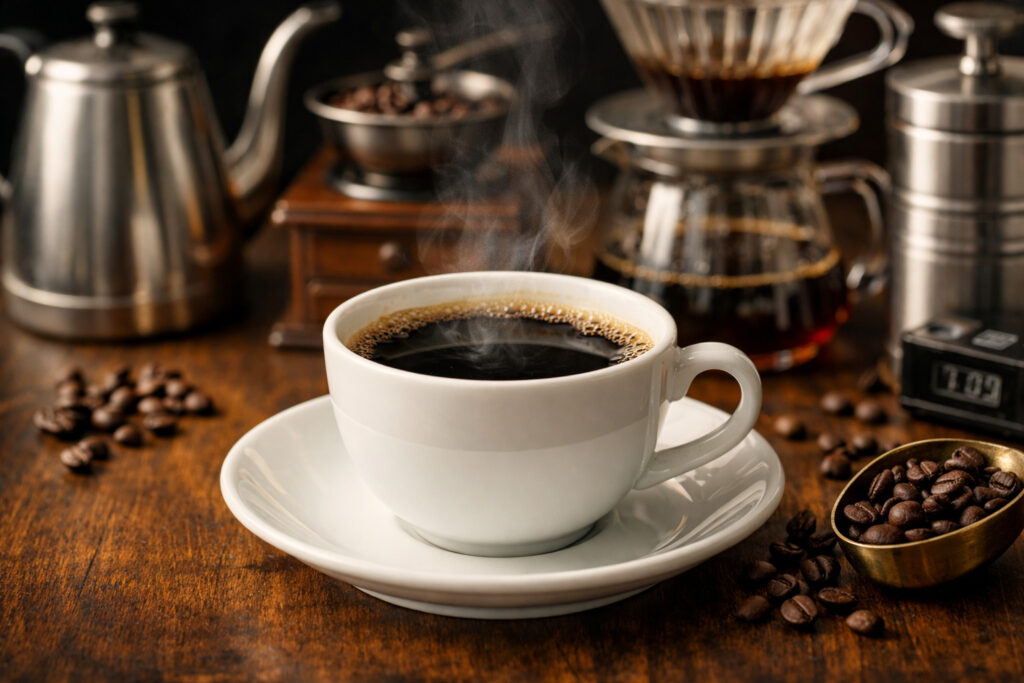
For visitors from the U.S., Japanese coffee offers a different way of thinking about that daily cup. It is not only about speed and size, but also about care in preparation, attention to detail, and respect for the moment itself. From the quiet calm of a kissaten to the efficient convenience of a canned or convenience-store coffee, Japan has turned coffee into something that fits many lifestyles within the same culture.
When you try Japanese coffee during your trip, think of it as more than just a drink. The pour-over method, the ceramic cup, the slow sipping, and the atmosphere of the café all tell part of Japan’s story. Whether you sit in a wooden booth with jazz in the background or buy a can from a vending machine on a city street, each experience gives you a small taste of how Japan blends tradition, design, and practicality into everyday life.
If you visit Tokyo, Kyoto, or any other Japanese city, I’d suggest making time for a few different coffee experiences. You might find yourself surprisingly moved by something as simple as a cup of coffee in the right setting. It’s one of those small things that ends up being more memorable than you’d expect.
If you are interested check more Japanese drinks !
Japanese Coffee Culture FAQ
What makes Japanese coffee unique?
Japanese masters perfected the hand-drip “Pour Over” technique to extract the purest flavor from the beans.
What is a “Kissaten”?
It is a traditional Showa-style coffee shop. Owners prioritize a quiet atmosphere and dark roast coffee over speed.
Why is there coffee in cans?
UCC invented canned coffee in 1969 to allow busy workers to drink hot coffee anywhere, anytime.
Is convenience store coffee good?
Yes. Stores like 7-Eleven use freshly ground beans for their machines, offering high quality for only 100 JPY.
What is “Morning Service”?
Cafes in Nagoya serve free toast and boiled eggs when you order a cup of coffee in the morning.
How is Japanese Iced Coffee made?
Baristas brew hot coffee directly onto ice to lock in the aroma instantly. We call this “Flash Chilling.”
Do they prefer dark or light roast?
Old-school Kissaten prefer deep, bitter dark roasts. Modern specialty cafes prefer fruity light roasts.
What is “Nel Drip”?
Masters use a flannel cloth filter instead of paper to create a thicker, oil-rich texture.
Can I buy hot coffee on the street?
Yes. Vending machines sell hot cans (look for the red label) and cold cans (blue label) year-round.
What is the “Third Wave” coffee?
It refers to the modern movement focusing on high-quality beans and artisanal brewing, popular in Tokyo.
Can I smoke in cafes?
Many old Kissaten still allow smoking. However, most modern chains like Starbucks prohibit it completely.
What is the little pot of milk?
That is “Fresh” (liquid creamer). It contains vegetable fat, not dairy milk, so vegans should check carefully.
Is Hario V60 Japanese?
Yes. The famous Hario V60 dripper originated in Japan and revolutionized the global pour-over scene.
How much does it cost?
Canned coffee costs 130 JPY. Kissaten coffee costs 500-800 JPY. Luxury hotels charge over 1,000 JPY.
Is decaf common?
It is growing but still rare in traditional shops. Major chains like Starbucks always offer it.
Comments