'/%3E%3Cpath%20fill='%23b2b2b2'%20d='M241%20382q0%2016%2017%2026%2017%2011%2042%2011t42-11q16-11%2017-26V269H241'/%3E%3Cpath%20fill='%239f7e00'%20d='M241%20379q0%2014%208%2023%209%209%2021%209%2014%200%2021-9%209-9%209-23V269h-59'/%3E%3Cpath%20d='M241%20339v-70h59v110q0%2014-9%2023l-6%205v-68h-15v72q-8%200-14-4v-68zm59%2040c0%2022%2015%2032%2029%2032%2021%200%2030-18%2030-32v-40h-59'/%3E%3Cpath%20fill='%239f7e00'%20d='M266%20277v5h2v12h-3v-5h2v-5h-9v5h2v5h-4v9h3v18h-5v10h34v-10h-5v-18h3v-9h-4v-5h2v-5h-9v5h2v5h-3v-12h2v-5zm42%20101q0%2010%206%2017%206%206%2015%207%2010-1%2016-7%206-7%206-17v-29h-43'/%3E%3Ccircle%20fill='%230044ad'%20cx='329.5'%20cy='372'%20r='6'/%3E%3Cellipse%20fill='%230044ad'%20cx='300'%20cy='340'%20rx='16'%20ry='21'/%3E%3C/svg%3E)


'%3E%3Cpath%20stroke='%23000'%20stroke-width='4'%20d='m-35-37-13%2020m5%203%2013-20m5%203-13%2020m63%2042%206-9m1-2%206-9m5%203-6%209m-1%202-6%209m5%203%206-9m1-2%206-9m-96%200%2013%2020m5-3-6-9m-1-2-6-9m5-3%2013%2020m63-42-6-9m-1-2-6-9m5-3%2013%2020m5-3-6-9m-1-2-6-9'/%3E%3Ccircle%20r='24'%20fill='%23cd2e3a'/%3E%3Cpath%20fill='%230047a0'%20d='M0%200a12%2012%200%201%201%2020%2013%2024%2024%200%201%201-40-26A12%2012%200%201%200%200%200'/%3E%3C/g%3E%3C/svg%3E)






Kanazawa’s Elegant Duck Stew from Kaga Cuisine
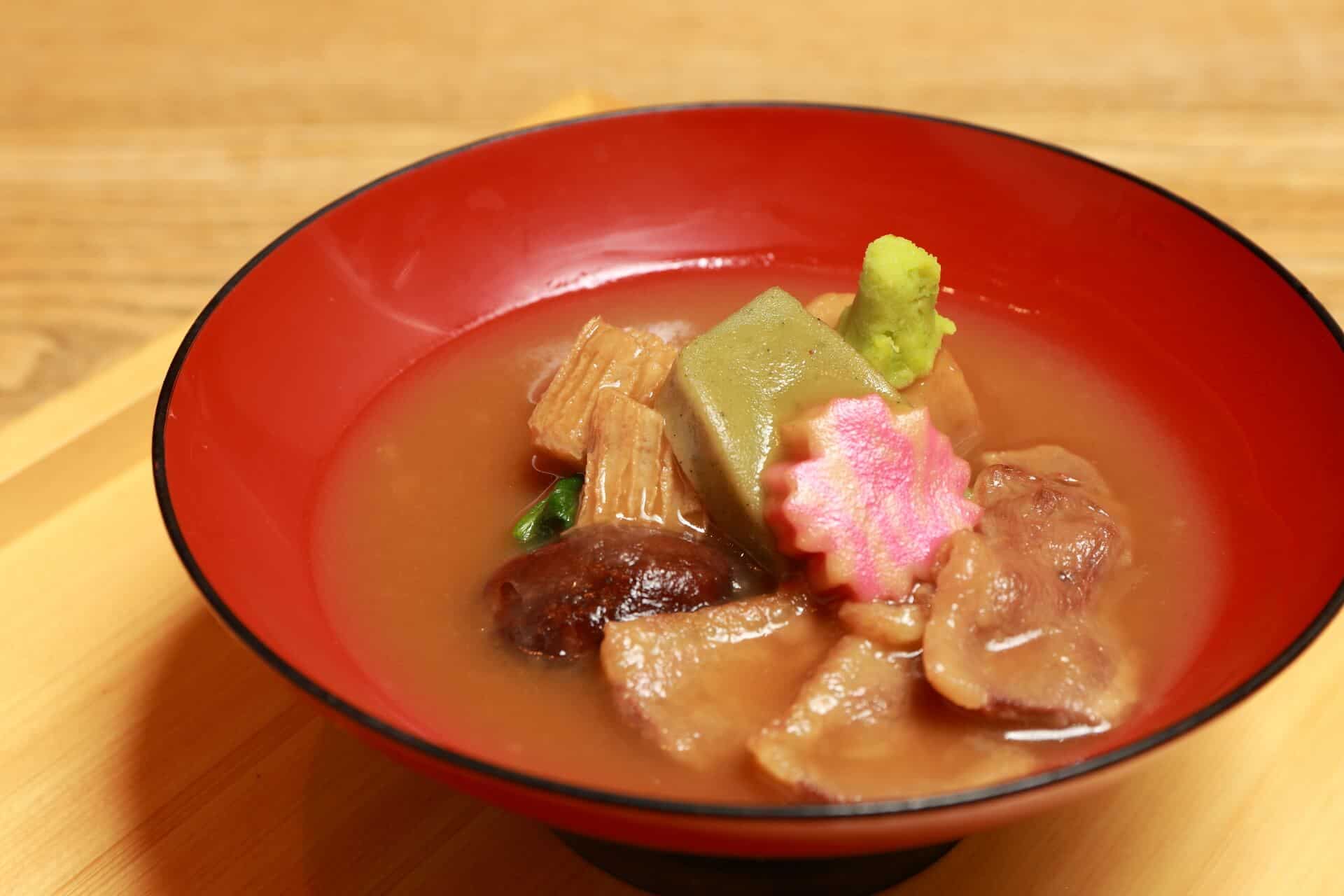
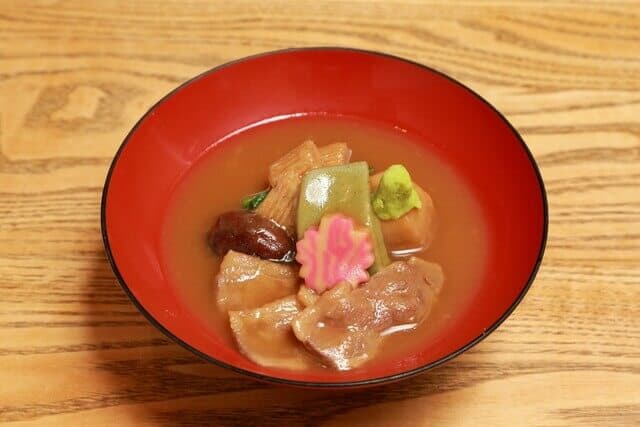
Jibuni is a classic Kanazawa duck stew with tender meat, seasonal vegetables, and a silky soy-based broth. It is one of Ishikawa’s best-known regional dishes and a refined example of Kaga cuisine.
The dish feels elegant, but it is also comforting. Duck or chicken is lightly coated in flour before simmering. This small step thickens the broth and gives the meat a soft, smooth texture.
Fresh wasabi gives the final touch. It cuts through the rich broth and keeps the flavor clean. That balance makes this Kanazawa specialty different from ordinary Japanese stew.
Source: Ministry of Agriculture, Forestry and Fisheries website
What Is This Traditional Kanazawa Stew?
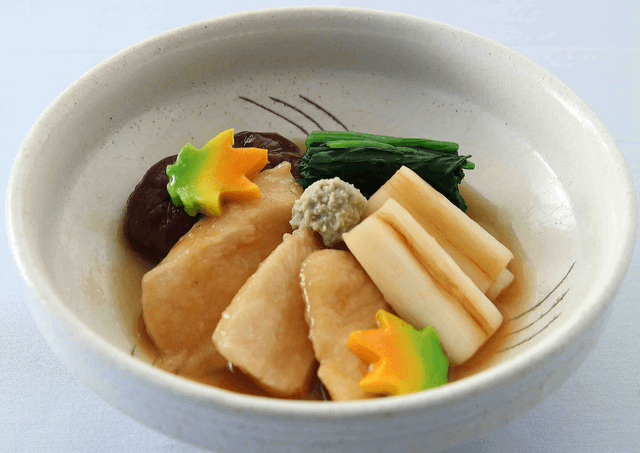
This local dish from Ishikawa uses duck or chicken, seasonal vegetables, and a gently thickened broth. Common ingredients include shiitake mushrooms, carrots, greens, and sudare-fu, a wheat gluten specialty from the region.
The broth usually combines dashi, soy sauce, mirin, and sake. It tastes sweet, savory, and warm without becoming heavy. The flour coating on the meat creates a gravy-like texture that clings to each ingredient.
In restaurants, chefs often use duck because it gives deeper flavor. At home, many people use chicken because it is easier to find. Both versions still keep the same heart of the recipe.
What Makes This Dish Different?
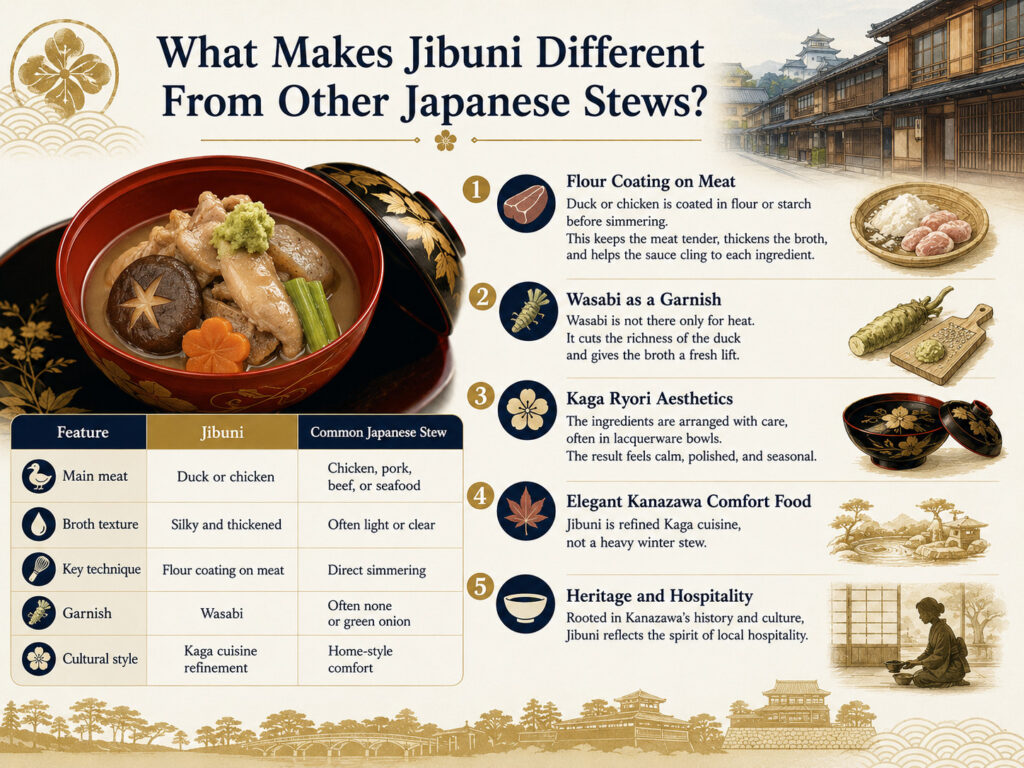
Several details make this stew stand out from other simmered Japanese dishes. The first is the flour coating. It protects the meat, seals in juices, and thickens the broth naturally.
The second point is wasabi. Most Japanese stews do not use it this way. Here, wasabi refreshes the rich duck flavor and gives the dish a sharper finish.
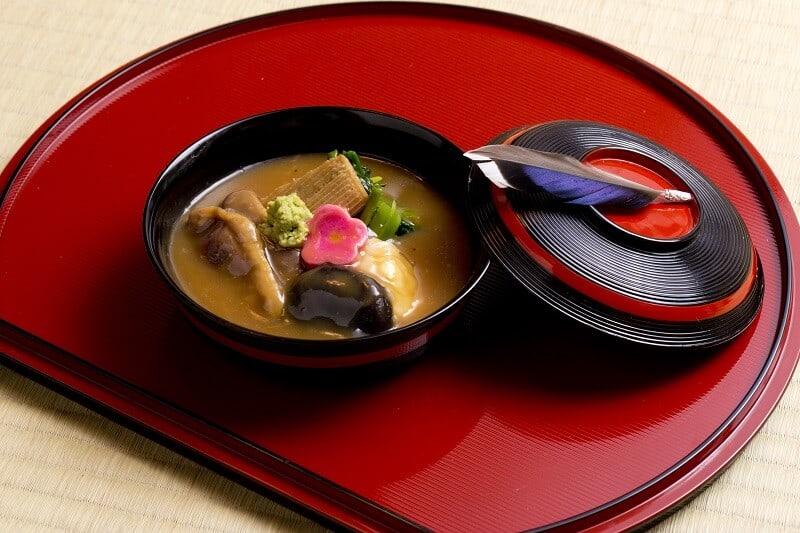
The third difference is presentation. This Kanazawa local dish often appears in shallow lacquerware bowls. The arrangement reflects Kaga ryori, where color, season, and tableware all matter.
| Feature | This Kanazawa Stew | Common Japanese Stew |
|---|---|---|
| Main meat | Duck or chicken | Chicken, pork, beef, or seafood |
| Broth texture | Silky and thickened | Often light or clear |
| Key technique | Flour coating on meat | Direct simmering |
| Garnish | Fresh wasabi | Green onion or no garnish |
| Cultural style | Kaga cuisine refinement | Home-style comfort |
Flavor, Texture, and First Impression
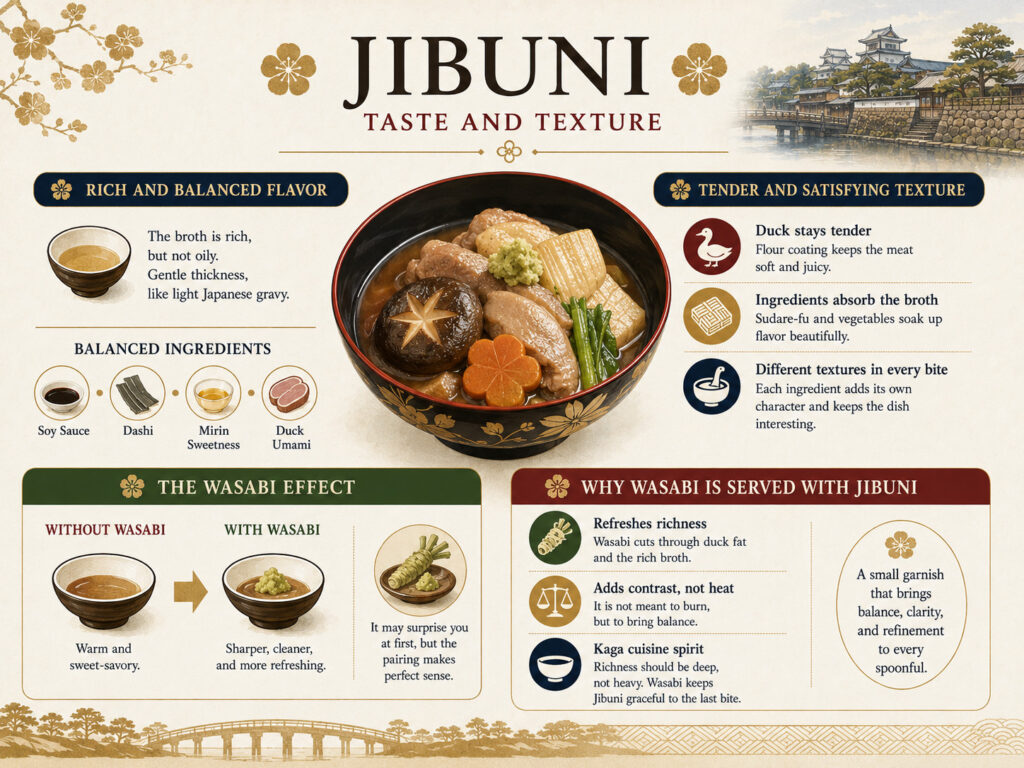
The flavor feels rich, savory, and slightly sweet. Dashi gives depth, soy sauce adds structure, and mirin softens the edges. The broth feels thicker than most Japanese soups, yet it does not feel oily.
The texture often surprises first-time visitors. The sauce wraps around the duck, vegetables, and sudare-fu. Each bite feels smooth and warm, almost like a refined Japanese gravy.
The wasabi creates contrast. Without it, the stew feels mellow and sweet-savory. With it, the flavor becomes cleaner and more elegant. I would taste the broth first, then mix in a little wasabi.
Why Is Wasabi Served With It?
Wasabi is served because it balances the richness of duck and thick broth. It is not only there for heat. Instead, it refreshes the palate and adds a clean finish.
This detail fits the spirit of Kaga cuisine. Deep flavor should still feel graceful. The wasabi keeps the dish lively until the final spoonful.
How This Ishikawa Stew Is Made
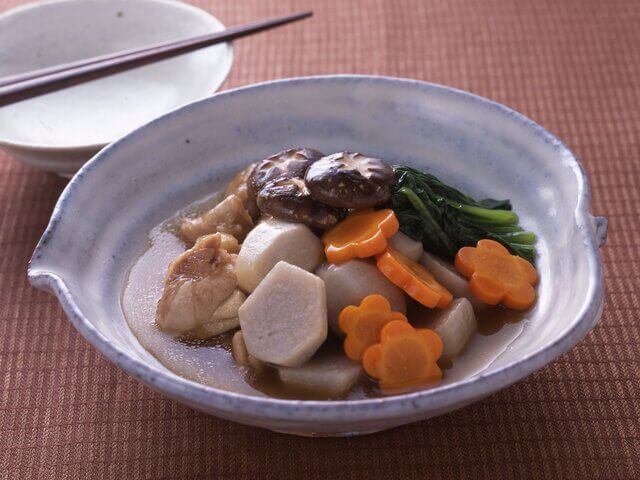
The cooking method is simple in structure. Duck or chicken is coated lightly with flour or potato starch. Then the meat simmers in dashi, soy sauce, mirin, and sake.
Vegetables, mushrooms, and sudare-fu join the pot as the broth thickens. The stew finishes with fresh wasabi on top. At restaurants, chefs often serve it in beautiful lacquerware-style bowls.
- Coat duck or chicken lightly with flour or starch.
- Simmer the meat in dashi, soy sauce, mirin, and sake.
- Add seasonal vegetables, mushrooms, and sudare-fu.
- Let the broth thicken gently.
- Serve with fresh wasabi as the final accent.
History and Kaga Cuisine Background
The dish’s history is closely tied to Kanazawa and the old Kaga domain. It is said to date back to the Edo period. At that time, people in samurai families and local communities enjoyed similar simmered dishes.
Several theories explain the name. One idea links it to the “jibu-jibu” sound of simmering. Another theory connects it to foreign cooking influences that reached Japan in earlier centuries.
The exact origin remains uncertain. Still, that uncertainty adds charm. Over time, this regional food became a hospitality dish that represents Kanazawa’s refined table culture.
For more regional context, see the Ishikawa food guide. You can also explore Kanazawa curry, another famous local dish from the city.
Comparison With Other Japanese Stews
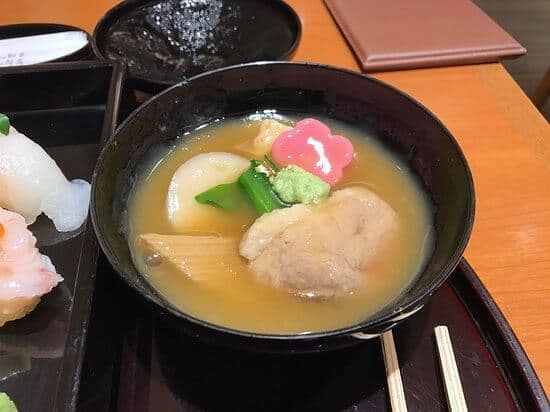
Many travelers compare this stew with Chikuzen-ni, also called Gameni in Fukuoka. Both dishes use simmered ingredients, but their texture and purpose differ. Chikuzen-ni cooks down the broth, while the Kanazawa version keeps it silky.
Chikuzen-ni feels hearty and rustic. This Ishikawa dish feels more refined and ceremonial. The wasabi garnish also gives it a sharper, cleaner finish.
If you want to compare regional simmered dishes, see the Gameni guide.
Where to Eat It in Kanazawa
Kanazawa has many restaurants serving this traditional stew. You can find it at ryotei, hotel restaurants, and casual local dining spots. For first-time visitors, three places make useful starting points.
Tsubotei
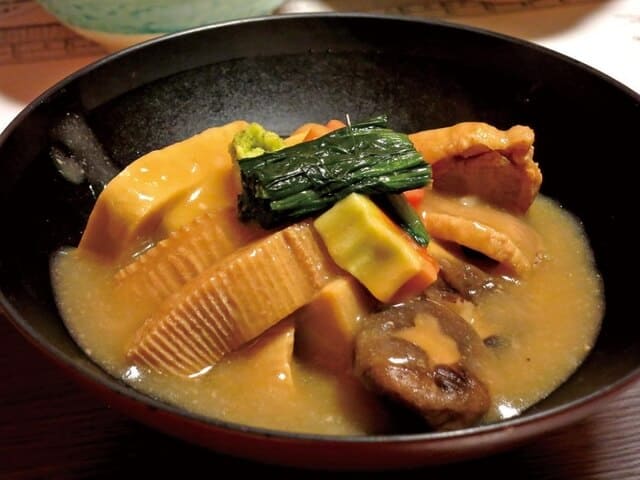
Tsubotei is a traditional restaurant near Omicho Market. It serves local ingredients in a calm setting. The stew here often appears with seasonal side dishes and an elegant presentation.
Ishiya
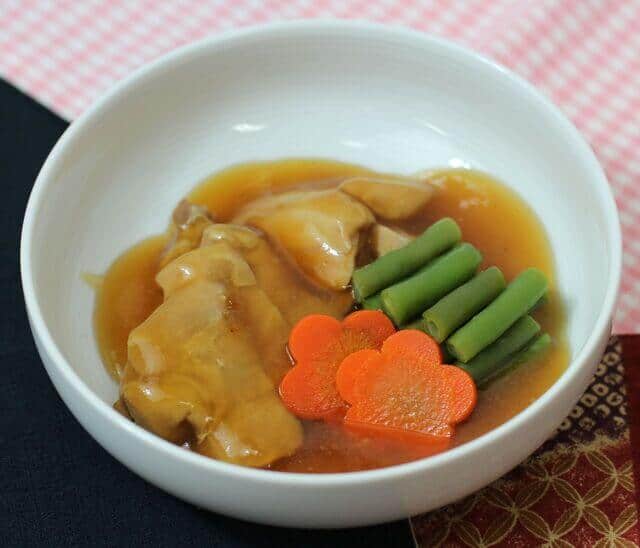
Ishiya is a long-established restaurant where visitors can enjoy Kanazawa local cuisine and sake. The setting feels polished without becoming too formal. It is a good choice for travelers seeking a classic Ishikawa cuisine experience.
Gyohan Bukeyashikimaeten
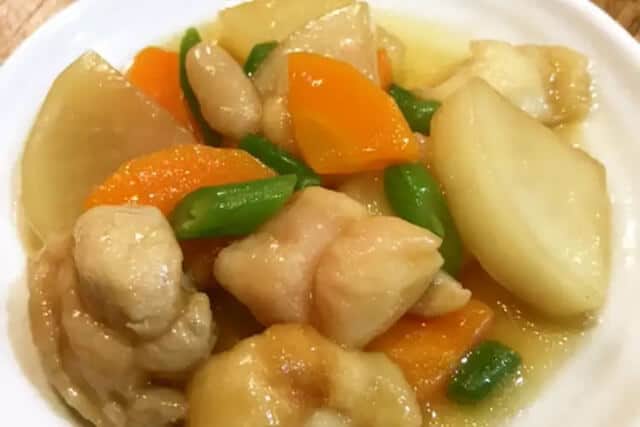
Gyohan Bukeyashikimaeten serves seafood and regional Kanazawa dishes in a relaxed atmosphere. The location near the samurai district suits sightseeing. It is useful for visitors who want local food without a very formal course meal.
More Local Foods to Try
This stew is a strong starting point for exploring Kanazawa food. However, the city has many other dishes worth trying. Kanazawa curry shows a modern comfort-food side of the city.
Seafood lovers may enjoy reading about local coastal dishes through the Ishikawa regional food guide. The region’s food culture combines seafood, fermented foods, elegant tableware, and seasonal cooking.
Frequently Asked Questions
Kanazawa Duck Stew FAQ
What is this Kanazawa duck stew?
Jibuni is a traditional Kanazawa dish made with duck or chicken, vegetables, and thickened soy-based broth. The meat is coated in flour before simmering. This creates a silky texture and tender bite. It is one of the best-known dishes in Kaga cuisine.
Why does the recipe use flour coating?
The flour coating keeps the meat moist and thickens the broth naturally. It helps the sauce cling to duck, chicken, and vegetables. This technique gives the dish its smooth, gravy-like texture. Without it, the broth would feel much lighter.
Why is wasabi served with it?
Wasabi balances the richness of duck and thick broth. It does not only add heat. Instead, it refreshes the palate and makes the finish cleaner. This contrast reflects the refined style of Kaga cuisine.
Is duck always used?
Traditional versions often use duck, especially in restaurants. Chicken is common at home because it is easier to buy. Duck gives deeper flavor, while chicken tastes lighter. Both versions use the same basic simmering method.
What does it taste like?
The dish tastes rich, savory, slightly sweet, and smooth. Dashi and soy sauce create depth, while mirin adds gentle sweetness. The thick broth gives a silky texture. Fresh wasabi keeps the flavor from feeling too heavy.
Where does it come from?
The dish comes from Kanazawa in Ishikawa Prefecture. It is closely connected to the old Kaga domain. Today, restaurants serve it as a classic example of Kanazawa local food. Travelers often find it in traditional Japanese restaurants.
Is it a winter food?
The stew feels especially good in winter because the thick broth warms the body. Still, restaurants can serve it throughout the year. Seasonal vegetables may change by season. That flexibility keeps it part of Kanazawa dining culture.
Where can travelers eat it?
Travelers can find it at Kaga cuisine restaurants, ryotei, izakaya, and hotel restaurants in Kanazawa. Tsubotei, Ishiya, and Gyohan Bukeyashikimaeten are useful starting points. Opening hours may change, so check before visiting.
Final Thoughts
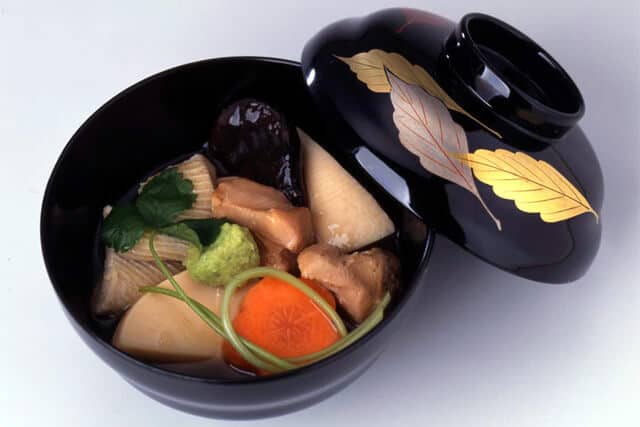
This Kanazawa specialty shows how simple ingredients can become graceful. Duck, vegetables, wasabi, and thickened broth create a dish that feels warm and refined. It offers comfort, but never loses elegance.
If you want to understand Ishikawa cuisine, start with this stew. It gives a quiet taste of old Kanazawa. Rich broth, gentle sweetness, and fresh wasabi make the memory last.
References
- Ministry of Agriculture, Forestry and Fisheries, “Jibuni, Ishikawa Prefecture”, checked in 2026, traditional local dish of Ishikawa Prefecture.
- Kanazawa Curry, checked in 2026, related internal article for Kanazawa local food.
- Ishikawa Food Guide, checked in 2026, related internal category for Ishikawa regional food.
- Gameni, checked in 2026, related internal article for Chikuzen-ni style simmered dish comparison.



Comments