


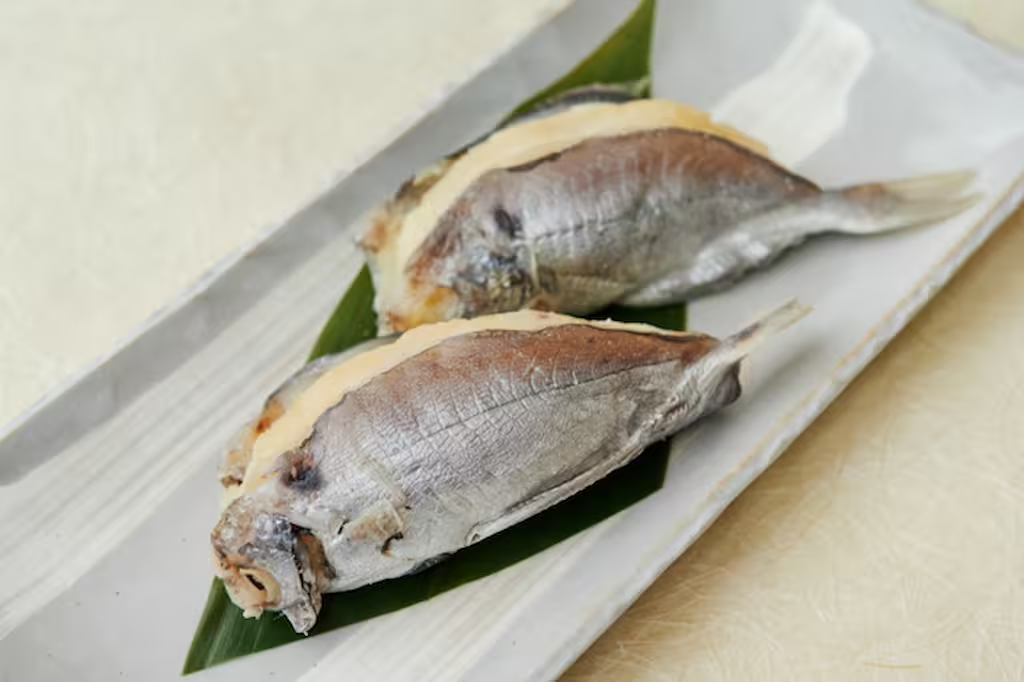


Authentic Japanese dishes are known for their clean flavors, precise cuts, and careful presentation. Every step in the kitchen matters, from slicing vegetables to handling rice. Preparation is deliberate, and each action serves a clear purpose rooted in technique.
If you have tried to recreate authentic Japanese dishes at home and felt disappointed with the results, the issue may not be the recipe. In many cases, the problem is the equipment. Using the wrong knife, pan, or pot can change texture and flavor in ways that are difficult to correct later.
The Role of Precision in Japanese Cooking
Precision is central to Japanese cooking techniques. Ingredients are cut evenly so they cook at the same rate and look balanced on the plate. Heat is controlled carefully to preserve natural flavors and prevent broths or sauces from becoming cloudy or bitter.
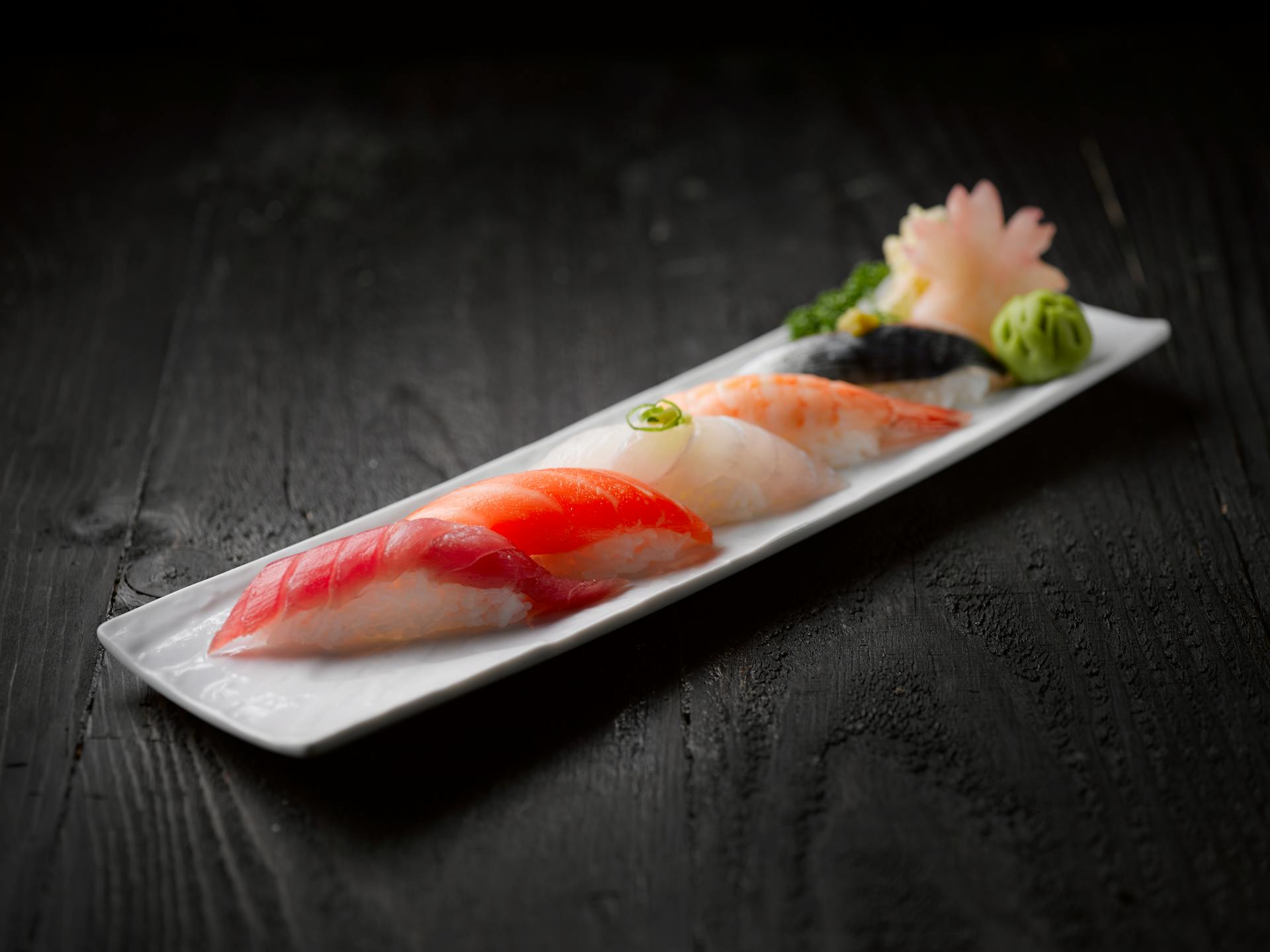
Consistency is just as important as taste. A slice of fish that is too thick alters the texture of sushi. Uneven vegetables can disrupt both the cooking time and the visual harmony of a stir fry. Because the cuisine emphasizes clarity and balance, even small inconsistencies become noticeable.
Many serious home cooks explore specialized kitchenware wholesale options to understand which tools are traditionally used in professional Japanese kitchens. Specialty suppliers stock equipment designed for control and accuracy, including finely balanced knives and cookware that distributes heat evenly. Choosing tools designed for these techniques allows you to follow traditional methods instead of adjusting them to compensate for basic equipment.
Good tools do not replace skill, but they support it. A stable chopping board reduces slipping and keeps cuts straight. Well-designed utensils improve control, reduce waste, and help preserve the integrity of delicate ingredients.
Why Knives Matter More Than Most People Think
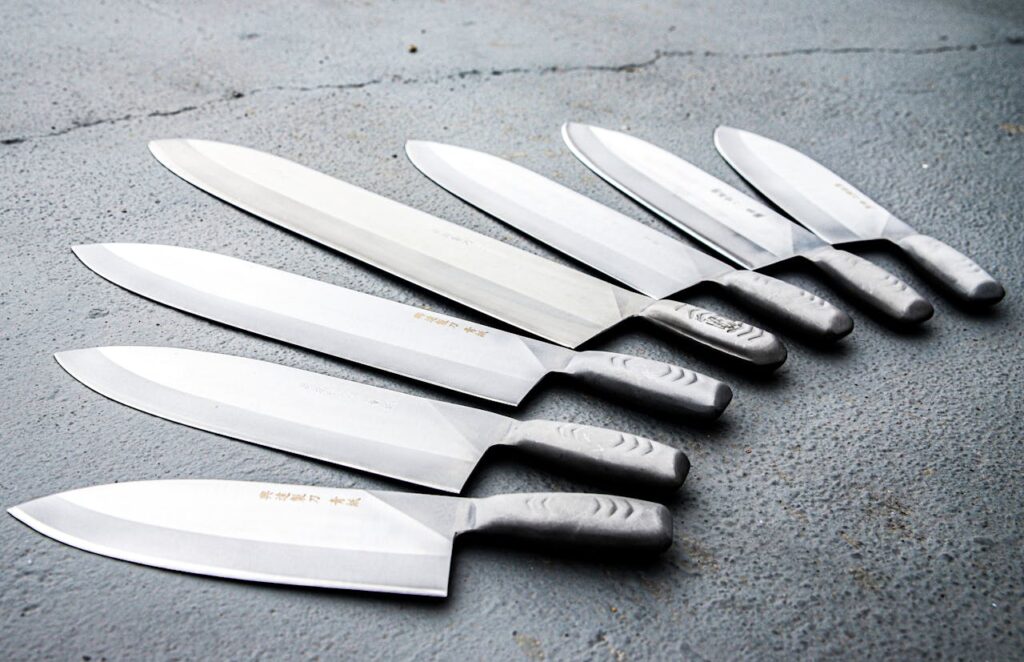
Knife selection has a direct impact on texture. Japanese knives are typically thinner and sharper than many Western-style blades, allowing them to glide through ingredients with minimal pressure. Less pressure means less cellular damage, which helps protect delicate foods such as fish and herbs.
The Santoku knife is commonly used for vegetables, fish, and boneless meat because its flat edge makes full contact with the cutting board. This encourages straight, downward cuts rather than a rocking motion. Uniform slices cook evenly and create a cleaner presentation.
For raw fish, a longer blade is essential. The Yanagiba, a traditional single bevel slicing knife, is designed to cut fillets in one smooth motion. Shorter, thicker knives often require a sawing action, which can tear fibers and leave uneven edges.
In professional kitchens, knives are sharpened and maintained regularly to preserve their performance. Maintaining sharpness is considered a fundamental standard in traditional Japanese culinary practice. Without the correct blade and proper care, even simple dishes can lose the refined texture that defines authentic preparation.
The Value of Proper Rice Preparation
Rice is central to many Japanese meals, and its quality can determine the success of the entire dish. Japanese short grain rice should be tender yet slightly firm, with grains that cling together without becoming overly sticky. Achieving this texture requires attention to detail.
Accurate measuring is the first step. Rinse the rice several times until the water runs clear to remove excess surface starch. Allowing the rice to soak before cooking helps the grains absorb moisture evenly.
Consistent heat is equally important. Modern rice cookers adjust temperature automatically as the rice cooks and steams, reducing the risk of scorched bottoms or undercooked centers. Thin metal pots can produce uneven results because they respond too quickly to changes in heat.
After cooking, rice used for sushi is traditionally transferred to a Hangiri, a wide wooden tub. The wood absorbs excess moisture while you gently fold and cool the rice. This step improves texture and prepares it for seasoning with vinegar.
Handling is just as important as cooking. Stirring too aggressively can crush the grains and create a dense, sticky mass. Using a proper rice paddle and a wide container helps maintain structure and produce the light, glossy finish expected in authentic dishes.
Heat Control and Traditional Cookware

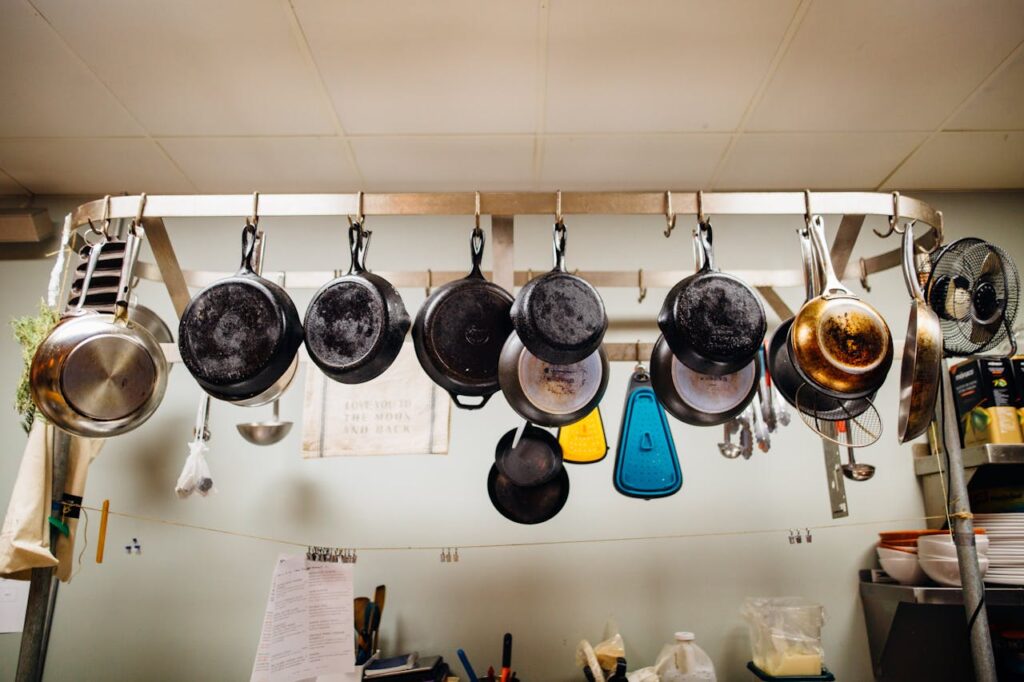
The materials used in your cookware influence flavor and texture more than you might expect. Clay, cast iron, and thick steel retain and distribute heat differently. Stable temperature control is essential for protecting delicate broths, sauces, and simmered dishes.
A Donabe, a traditional Japanese clay pot, retains heat effectively and releases it gradually. This gentle, consistent warmth is ideal for soups, hot pots, and rice dishes that require steady simmering. Thin pans can cause liquids to boil too rapidly, which may cloud broths and alter their flavor.
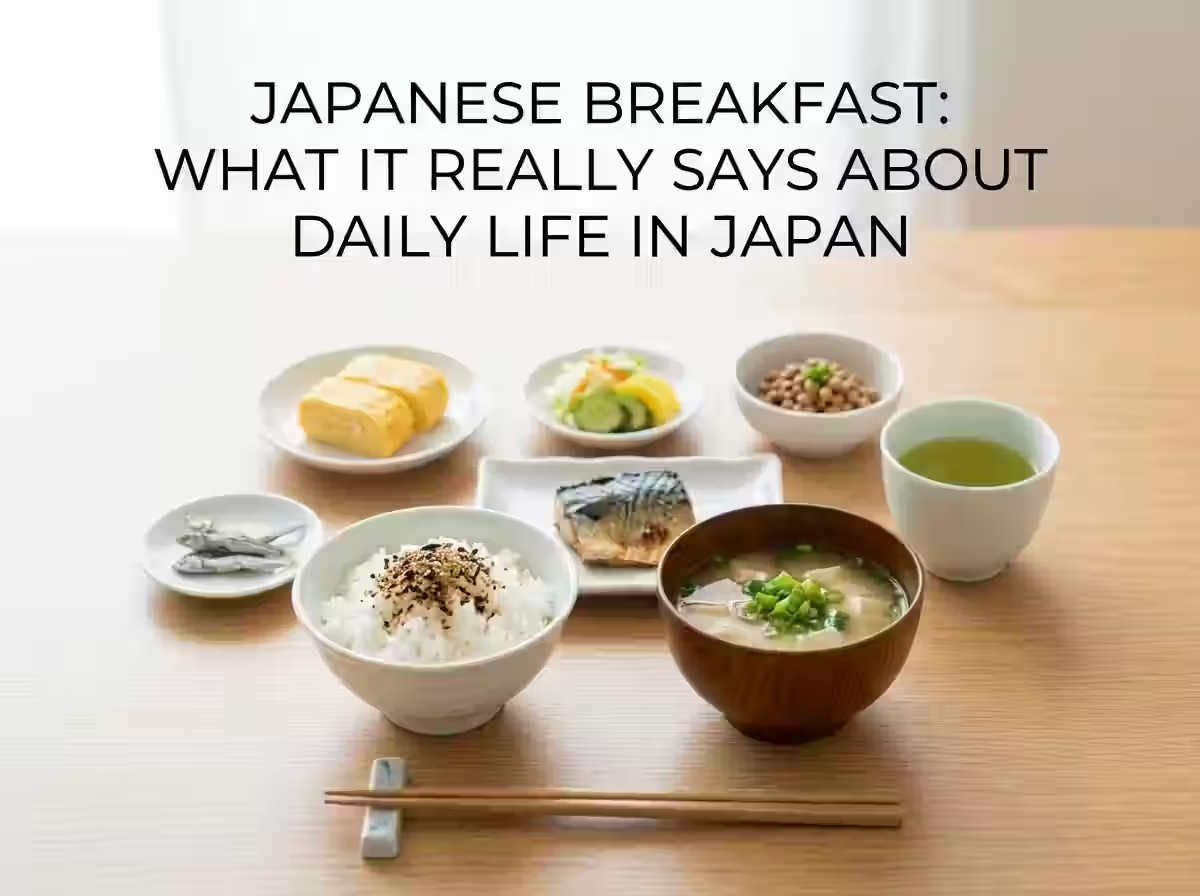
Egg preparation provides another clear example. The Tamagoyaki pan features straight sides that make it easier to shape layered omelets into neat rectangles. Standard round pans can make rolling more difficult and lead to uneven thickness.
Surface quality also matters. Well seasoned or properly coated pans prevent sticking and reduce the need for excess oil. With steady heat and appropriate pan design, you can focus on timing and technique rather than correcting avoidable mistakes.
Reliable cookware supports consistent results. When temperature remains stable, it becomes easier to replicate recipes and refine your skills over time. This emphasis on repeatability reflects the disciplined standards upheld in traditional Japanese kitchens.
Presentation and Serving Tools
Presentation is not an afterthought in Japanese cuisine. Color contrast, spacing, and portion size are arranged to create visual harmony. If plating feels careless, it can diminish the overall dining experience.
Rolling sushi requires a controlled and even pressure. A Makisu, or bamboo rolling mat, helps keep rolls tight and symmetrical so fillings remain secure. Without proper support, rolls often become loose or uneven.
The serving dishes you choose also influence perception. Smaller plates frame food carefully and highlight detail. Oversized or mismatched plates can make portions appear scattered and reduce visual impact.
Final Thoughts
Authentic Japanese cooking relies on technique, precision, and respect for ingredients. The equipment you use shapes your movements in the kitchen, which in turn affects flavor, texture, and presentation. When your tools are aligned with traditional methods, you can focus on refining your skills rather than compensating for limitations.

Comments