






Japan has a reputation for high prices, yet careful planning turns a dream trip into an affordable reality. You can enjoy steaming bowls of ramen, peaceful temples, and neon city nights without draining your savings. The key lies in knowing where locals eat, how transport works, and which experiences give the most value per yen.
Small choices across each day add up. A breakfast from a convenience store, a well-timed rail pass, and a few free cultural sights can balance a special splurge meal or a memorable day trip. With a flexible mindset and a little research, you can savor Japan fully and still return home with money in your account.
Choosing Areas And Accommodation That Stretch Your Budget
Location shapes your spending more than almost anything else. A hotel a few stops away from the busiest districts often costs less than a place in the very center, while train lines still deliver quick access to major sights. Suburban neighborhoods near big stations in Tokyo, Osaka, or Fukuoka often offer quieter streets and better prices.
Guesthouses, business hotels, and simple apartments cover a wide budget range. Business hotels usually provide small yet clean rooms, strong Wi-Fi, and convenient locations for a reasonable nightly rate. Hostels and guesthouses add social spaces and sometimes shared kitchens where you can cook simple meals with supermarket ingredients.
Finding Food Deals And Discounted Experiences
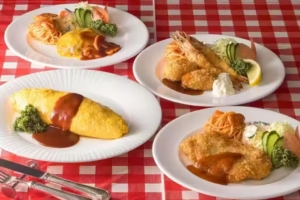
Food often feels like the highlight of a trip to Japan, and affordable options appear on almost every street. Look for small ramen shops, standing sushi counters, and local chains that serve set meals with rice, miso soup, and pickles.
These places feed office workers and students every day, so prices stay friendly. Travelers who plan ahead often check websites such as CouponChief, rail company campaign pages, and city tourism sites for promo codes on passes, museum tickets, and chain restaurants before they confirm bookings, and those small discounts free up money for unique local treats. After you arrive, keep an eye out for lunch specials posted on signs outside restaurants, since many places offer generous midday sets for much less than dinner.
Using Transit Smartly With Passes And Planning
Japan’s trains and subways run with impressive reliability, and smart use of passes can shrink transport costs. In big cities, reloadable IC cards such as Suica, PASMO, or ICOCA handle almost every local train, subway, and many buses. Tapping in and out speeds up transfers and keeps you from juggling paper tickets.
For longer distances, regional passes often beat the nationwide rail pass when you focus on one area such as Kansai, Kyushu, or Tohoku. Plan your long trips close together so you activate a pass on the days when you cover the most ground. Local trips outside those days can run on regular fares or city day tickets.
Eating Like A Local Without Emptying Your Wallet
Convenience stores in Japan feel surprisingly friendly for budget travelers. Breakfast from a konbini might include onigiri, yoghurt, and hot coffee for far less than a sit-down cafe. Microwavable meals, salads, and sides offer quick dinners on days when you arrive late or feel too tired to search for restaurants.
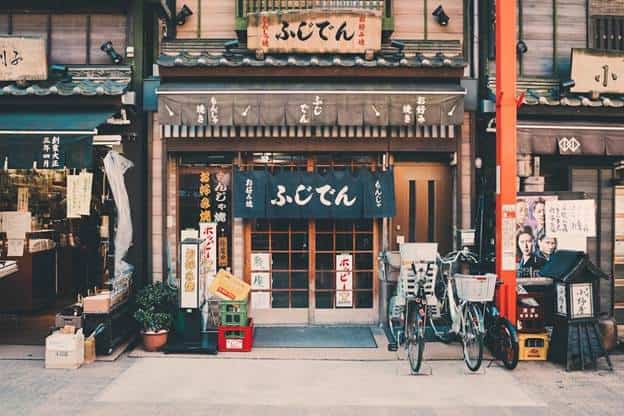
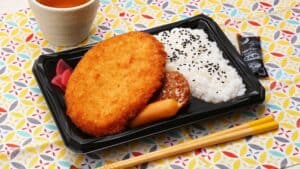
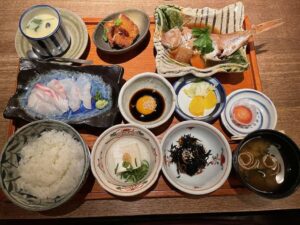
Look for teishoku, or set meals, in family restaurants and local diners. A typical set brings grilled fish or meat, rice, soup, and small sides, which gives balance and value. Many places display plastic food models in the window, so you can see portion sizes before you decide.
Enjoying Free And Low-Cost Sights
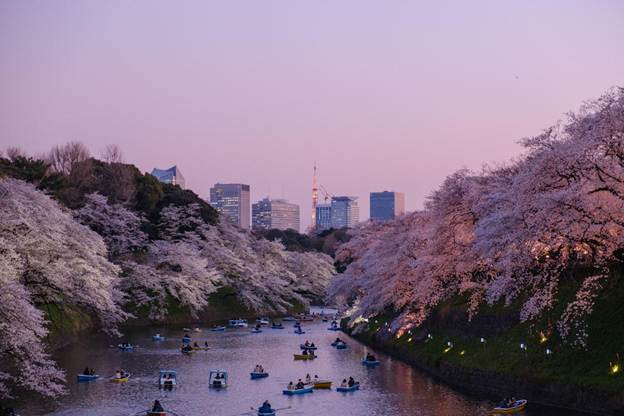
Not every memorable moment requires a ticket. City halls and office towers often provide free observation decks with striking skyline views. Riversides and urban parks in Tokyo and Osaka host joggers, families, and seasonal events that cost nothing yet reveal everyday life.
Shrines usually welcome visitors without a fee, while many temples charge only a modest amount. Simple rituals such as washing hands at the entrance, ringing a bell, or drawing an omikuji fortune slip add meaning without adding much to your budget. Respectful behavior matters more than money in these spaces.
Planning Ahead While Staying Flexible
Research sets a strong foundation for a budget-friendly trip, yet flexibility keeps stress low once plans meet reality. Mark must see sights on a map, then group them by neighborhood so you avoid crisscrossing towns and doubling transport costs. Slot in free spots and parks between paid attractions to give both your budget and your energy a break.
Set a daily spending range rather than tracking every coin. A rough allowance for food, transport, and small treats gives you freedom to indulge some days and scale back on others. When you spend less than planned, you gain room to enjoy an unplanned splurge later, such as a special omakase meal or a themed cafe.
Savoring Japan on a budget comes down to thoughtful choices rather than strict denial. When you pick smart locations, use deals and passes, eat where locals eat, lean on free experiences, and keep plans flexible, each day delivers richness without shock to your account balance. You return home with strong memories of flavors, views, and connections, along with the quiet satisfaction that you traveled well and spent wisely.



Comments