


sake– tag –
-


Sake Glasses and Cups: A Guide to Japanese Sake Vessels
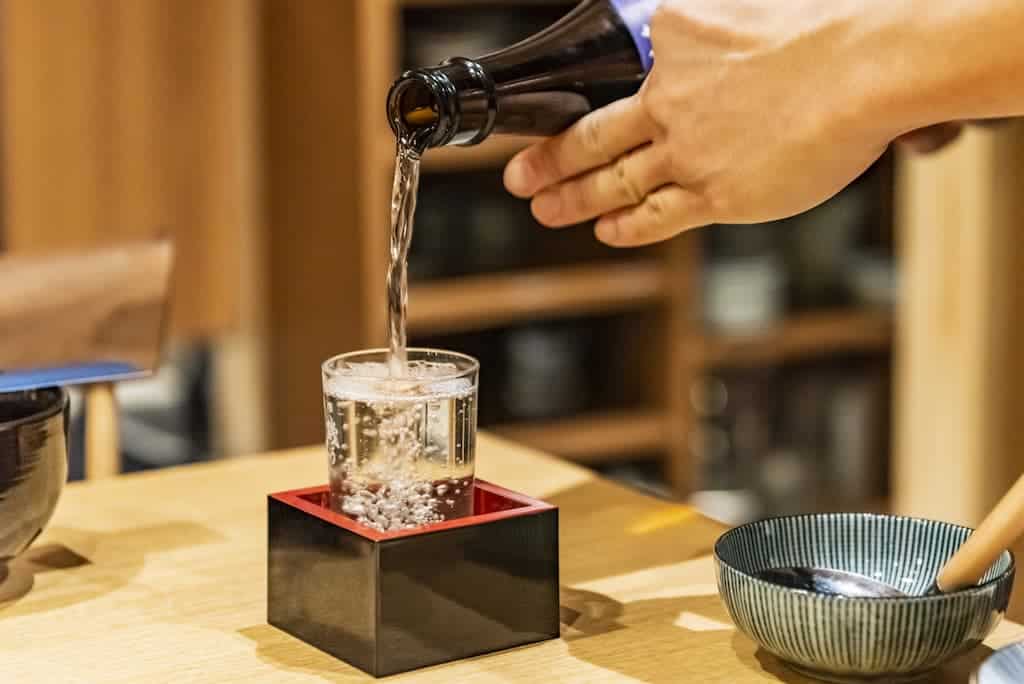
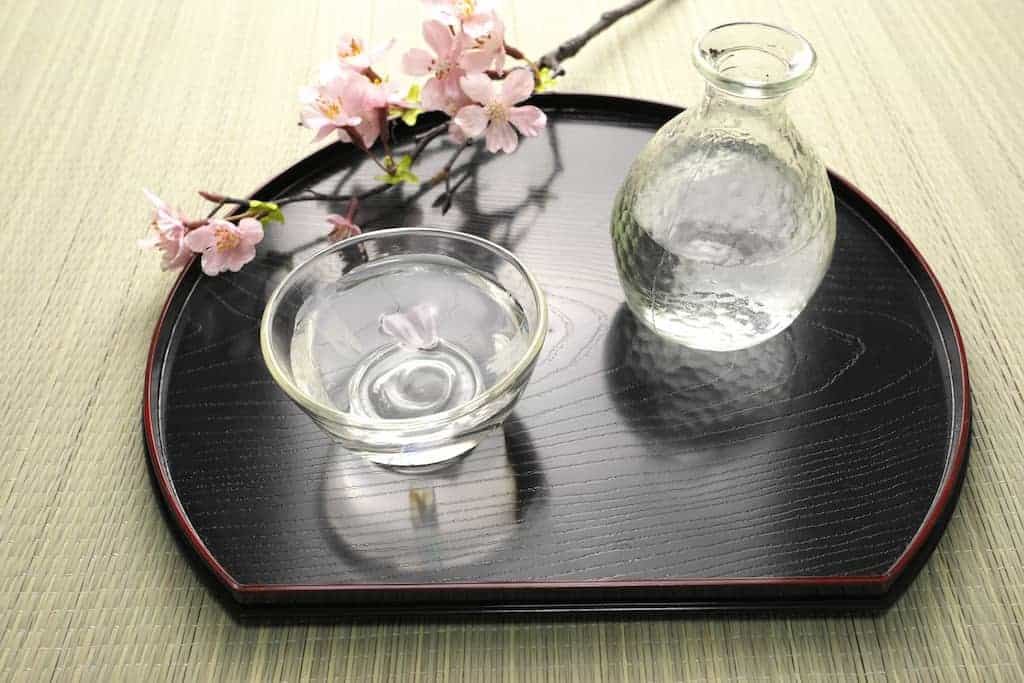
Pour the same sake into three vessels: a small ceramic cup, a straight-sided glass and a wine glass. Then smell each one. The sake has not changed, yet the three pours may not seem the same. One might seem quieter, another brighter. This... -


Nara and Heian Sake: Court Brewing and History
Beneath the grass of the Heijo Palace site in Nara, archaeologists uncovered a well surrounded by hexagonal stone paving. Nearby lay wooden pipes, the sockets of large ceramic jars, and wooden tablets carrying notes about brewing. These ... -

Orisage (滓下げ): Clarifying Sake Before Bottling
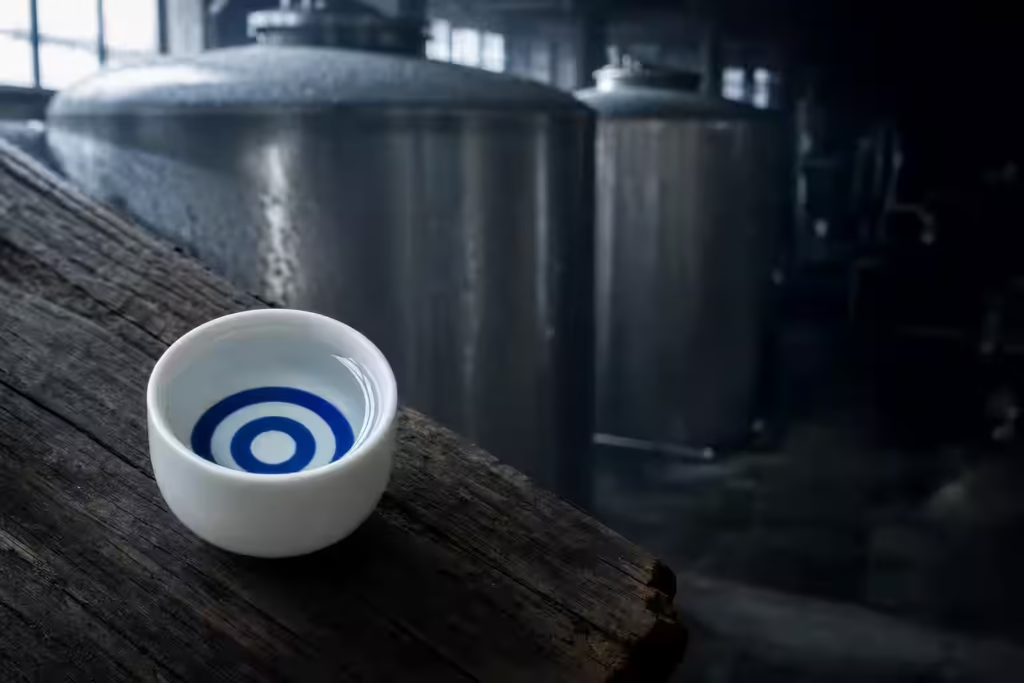
Pour a glass of good sake and hold it up to the light. That transparency looks effortless, yet it takes weeks of quiet work. So what is Orisage? Orisage (滓下げ) is the clarification step brewers carry out before bottling. It settles the... -
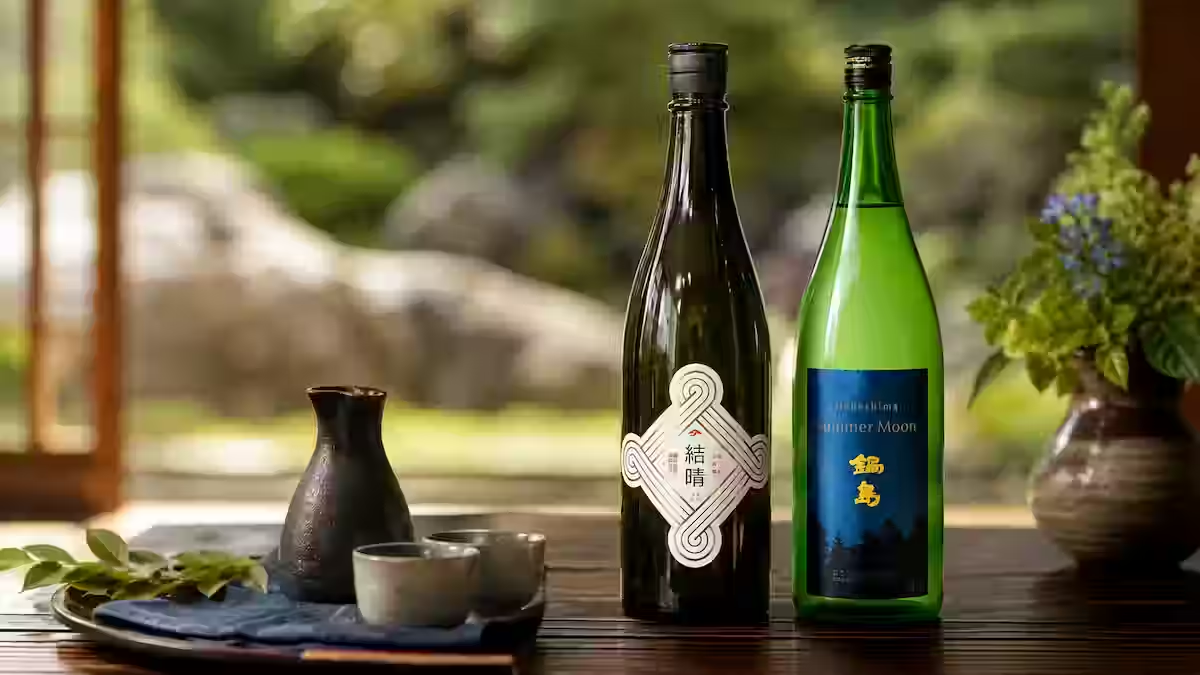

Saga sake (佐賀の酒)
Saga sake is known for a rich, full-bodied, and gently sweet style, often called nōjun umakuchi. Brewers craft it with soft mountain water and quality sake rice, especially Yamada Nishiki. The most famous label is Nabeshima, a champion a... -
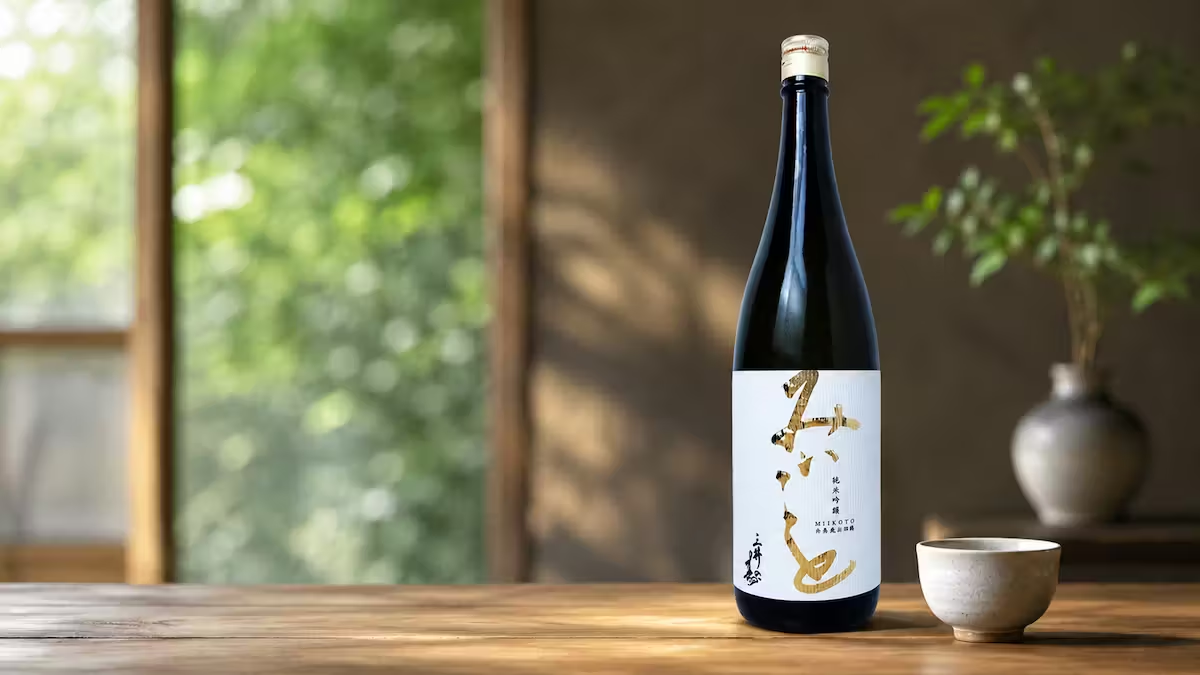
Fukuoka Sake (福岡の酒)
Fukuoka is best known as a food city, yet it also brews serious sake. The prefecture sits in northern Kyushu, facing the sea and the Korean Peninsula. People often picture Hakata ramen first, not the local rice wine. That view sells the ... -
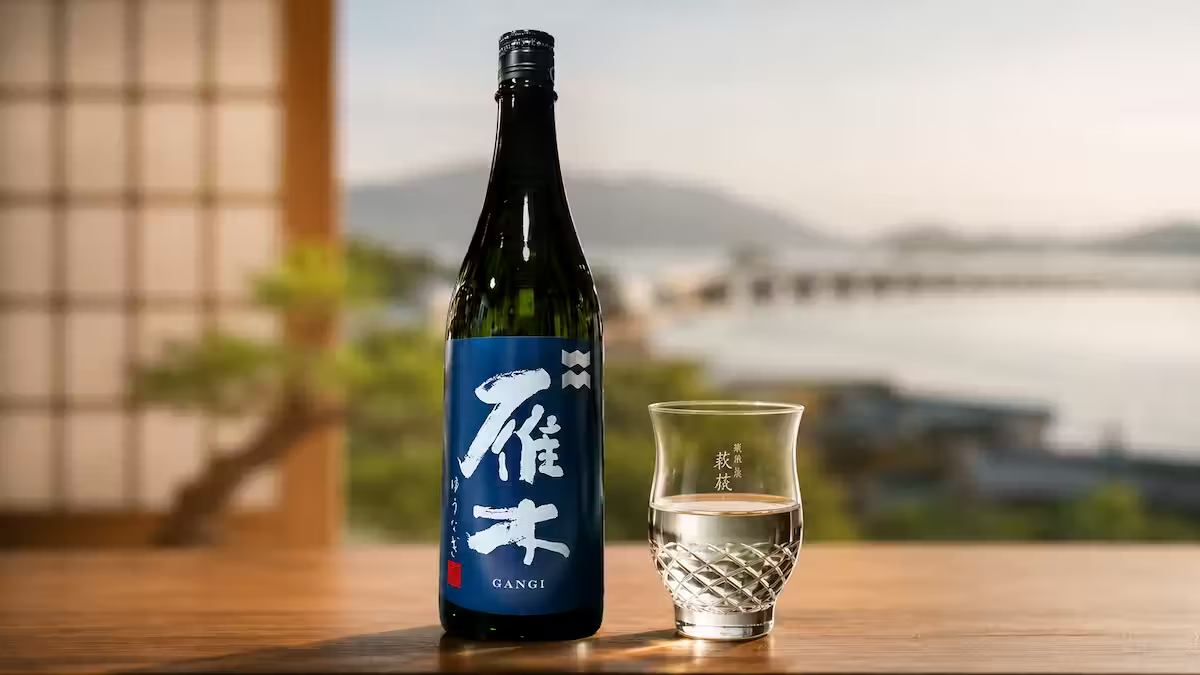
Yamaguchi Sake (山口の酒)
Yamaguchi sake has quietly become one of Japan's most exciting regional styles. The prefecture sits at the western tip of Honshu, facing the Seto Inland Sea. For years, drinkers overlooked it beside giants like Niigata. That picture chan... -
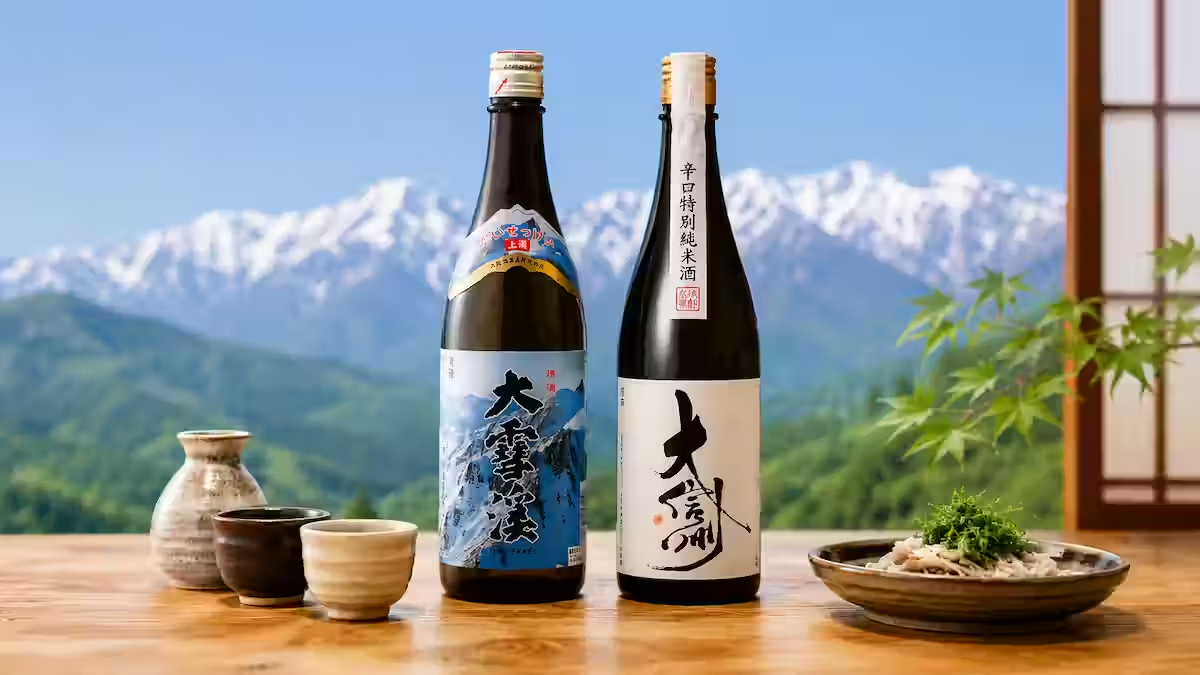
Nagano Sake (長野の酒)
Nagano Prefecture sits at the heart of Japan's main island, surrounded by mountains on every side. Most visitors kNagano Prefecture sits at the heart of Japan's main island, surrounded by mountains on every side. Most visitors know it fo... -
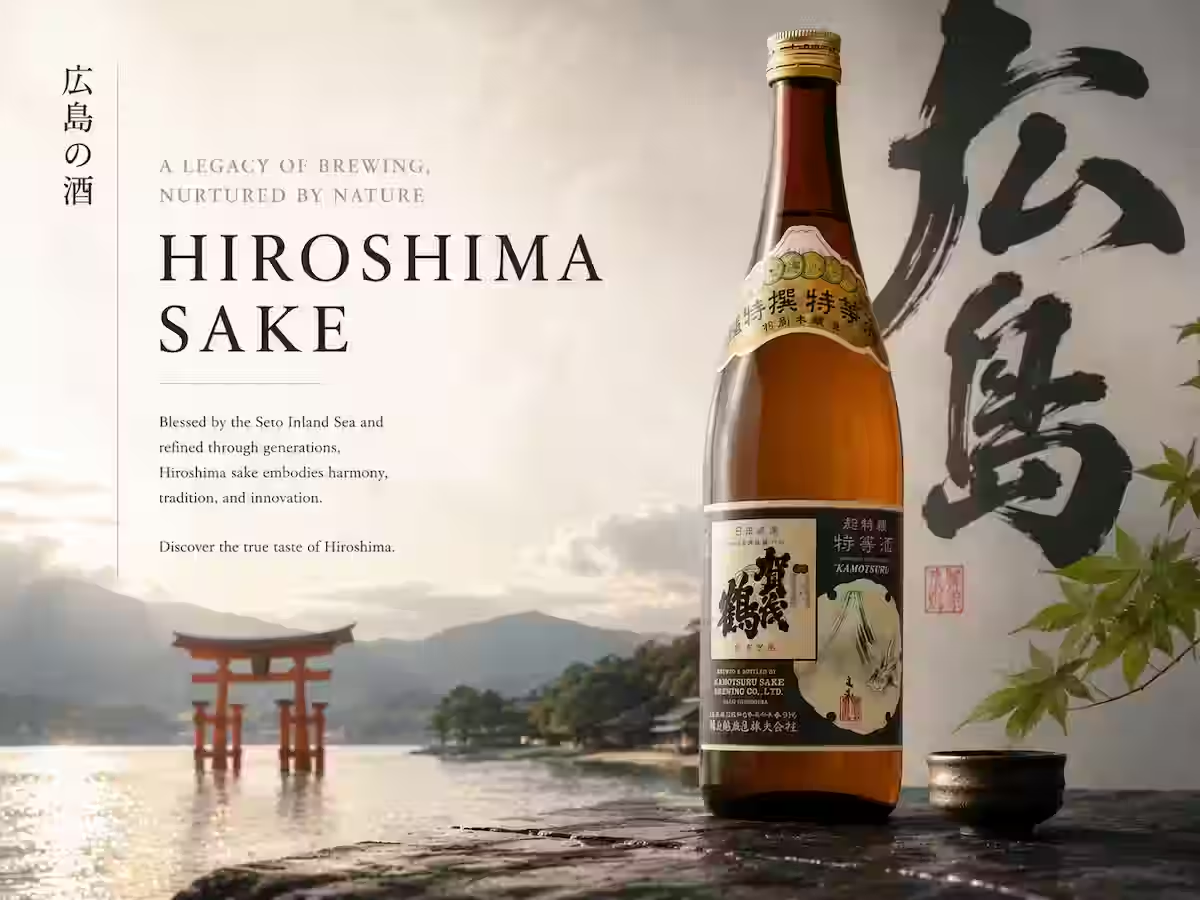

Hiroshima sake (広島の酒)
Hiroshima stands as one of Japan's three great sake-producing regions, alongside Nada in Hyogo and Fushimi in Kyoto. Its sake carries a particular softness. Soft water, long-term low-temperature fermentation, and over a century of ginjo-... -
Kyoto Sake (京都の酒)
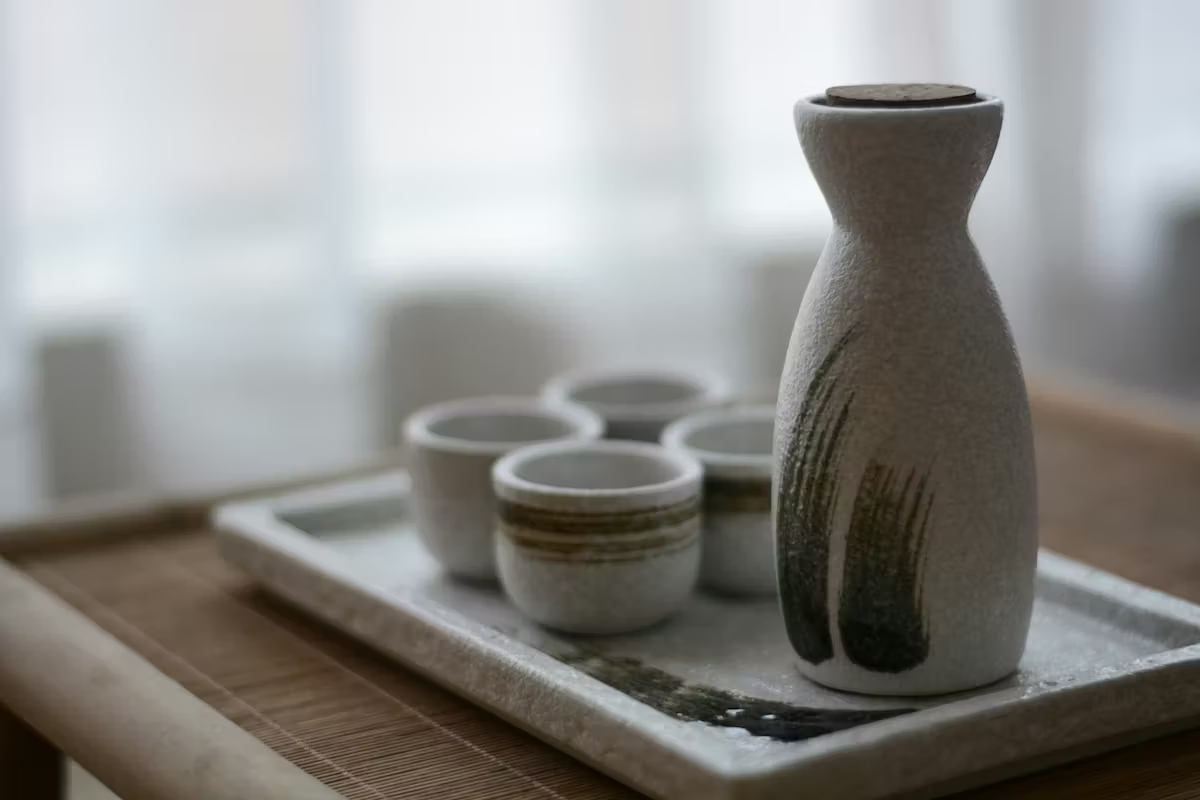
Kyoto sake is known for smooth texture, fragrant sake aroma, and an elegant finish. The center of this regional sake culture is Fushimi, a historical brewery district in southern Kyoto. Soft water, Kyoto brewing tradition, and the city’s... -

Namagenshu (生原酒)
Namagenshu is Japanese sake that is both unpasteurized and undiluted. “Nama” means the sake skips pasteurization, while “genshu” means no water is added after brewing. Because of this, namagenshu tastes fresh, rich, lively, and often str...