





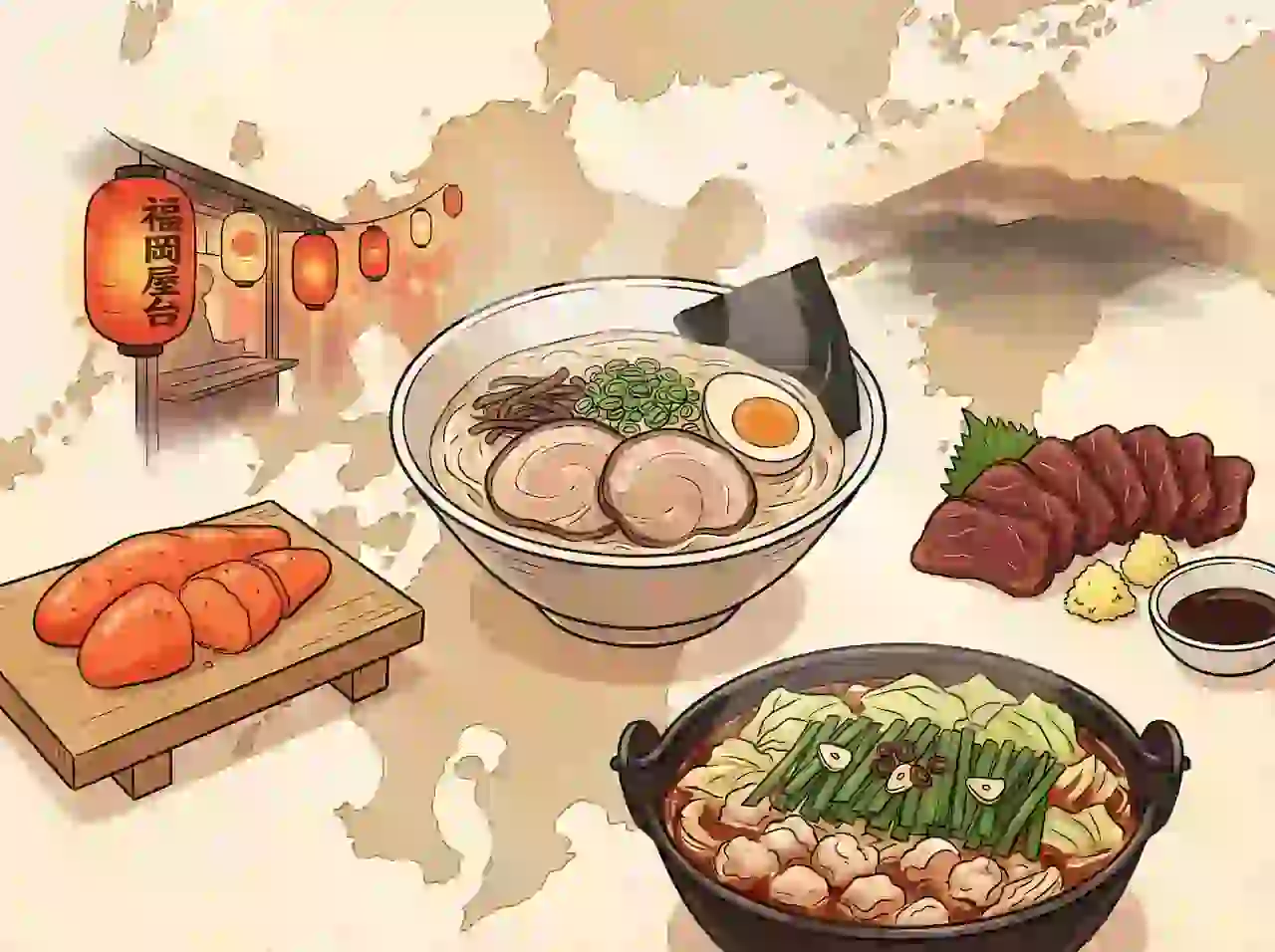
Kyushu, the southernmost of Japan’s four main islands, is one of the country’s most exciting and diverse culinary destinations. Kyushu spans seven prefectures — Fukuoka, Saga, Nagasaki, Kumamoto, Oita, Miyazaki, and Kagoshima. It also includes the culturally distinct island of Okinawa. The region’s food culture reflects its warm climate, volcanic landscapes, and rich coastal waters. Centuries of trade with continental Asia have further shaped its culinary identity.
Kyushu is perhaps best known internationally for tonkotsu ramen. This rich pork bone broth originated in Fukuoka and has since conquered the globe. But the island’s culinary identity runs far deeper than ramen alone. Fukuoka is also home to spicy mentaiko, while Beppu is famous for hot spring steam cooking. Kagoshima prizes its Kurobuta black pork, and Okinawa carries the unique legacy of Ryukyu Kingdom traditions. Together, these regions offer bold, warming, and deeply satisfying flavors.
This guide explores the most famous Kyushu foods and the cities where they were born. It also covers the culinary traditions that have made southern Japan essential for food lovers.
Quick Facts About Kyushu Food
- Region: Kyushu
- Prefectures: Fukuoka, Saga, Nagasaki, Kumamoto, Oita, Miyazaki, Kagoshima, Okinawa
- Main Cities: Fukuoka, Nagasaki, Kumamoto, Kagoshima
- Famous Foods: Hakata Ramen, Mentaiko, Basashi, Motsunabe
- Signature Flavor: Bold, rich, and pork-forward — with strong regional variety
- Food Culture Keyword: Yatai — Fukuoka’s beloved open-air street food stalls
- Famous Ingredients: Pork, mentaiko, Kurobuta black pork, fresh seafood, shochu
What Makes Kyushu Cuisine Unique?
Kyushu’s cuisine is defined above all by boldness. The island’s warm climate, fertile volcanic soil, and surrounding seas provide an extraordinary range of high-quality ingredients, while its long history of trade with Korea, China, and Southeast Asia has introduced flavors and techniques not found elsewhere in Japan.
The most iconic expression of Kyushu’s food culture is tonkotsu ramen — a milky, intensely rich broth made by boiling pork bones at high heat for many hours. This style of ramen originated in Fukuoka in the mid-twentieth century and has since become one of the most recognized Japanese dishes in the world. But Kyushu’s ramen culture is remarkably diverse: Kumamoto adds garlic oil and mayu to its version, Kagoshima uses a lighter pork and chicken blend, and Nagasaki developed champon, a noodle dish that reflects the city’s deep Chinese culinary heritage.
Beyond ramen, Kyushu’s food culture celebrates the pig in almost every form. Motsu nabe (offal hot pot), Kurobuta black pork shabu-shabu, and tonkotsu-based dishes of every variety appear across the island. Seafood is equally important, with Oita’s Seki mackerel, Nagasaki’s oysters, and the warm-water fish of the southern coasts among the most prized catches.
Okinawa adds a further layer of uniqueness to Kyushu’s food landscape. With its own distinct Ryukyuan culinary tradition — shaped by centuries of independence, trade with China, and later American influence — Okinawan cuisine features ingredients and techniques found nowhere else in Japan, including champuru stir-fries, Okinawa soba, and a tradition of longevity-focused cooking centered on pork, tofu, and bitter melon.
Famous Kyushu Foods You Must Try
Kyushu has produced some of the most bold and memorable regional dishes in all of Japan. Many of these foods have spread far beyond the island to become nationally and internationally recognized.
Hakata Ramen
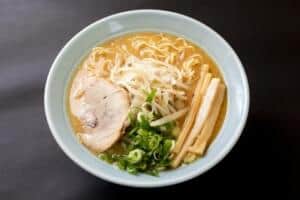
Hakata ramen is the signature dish of Fukuoka and one of Japan’s most celebrated ramen styles. Its defining feature is the tonkotsu broth — a thick, creamy, milky-white soup made by simmering pork bones at a rolling boil for many hours until the collagen and fat fully emulsify into the liquid. The noodles are thin and straight, the toppings simple: chashu pork, green onion, pickled ginger, and sesame. What makes the Hakata experience unique is the kaedama system — when you finish your noodles, you can order a fresh portion to drop into your remaining broth, not wasting a single drop of the rich soup.
Mentaiko
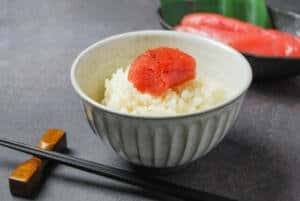
Mentaiko is one of Fukuoka’s most prized food products — Spicy marinated pollock roe that has become a beloved ingredient across Japan. Those vibrant pink or red eggs undergo a careful curing process. Producers blend chili pepper, salt, and sake to create a briny, spicy, umami-rich ingredient that simply pops with flavor. It pairs beautifully with rice, pasta, and onigiri, or you can enjoy it on its own without anything else. Fukuoka proudly claims its title as the undisputed home of mentaiko culture. Wander through the city’s covered shopping arcades and you will find specialist shops lining the streets, offering mentaiko in every imaginable form.
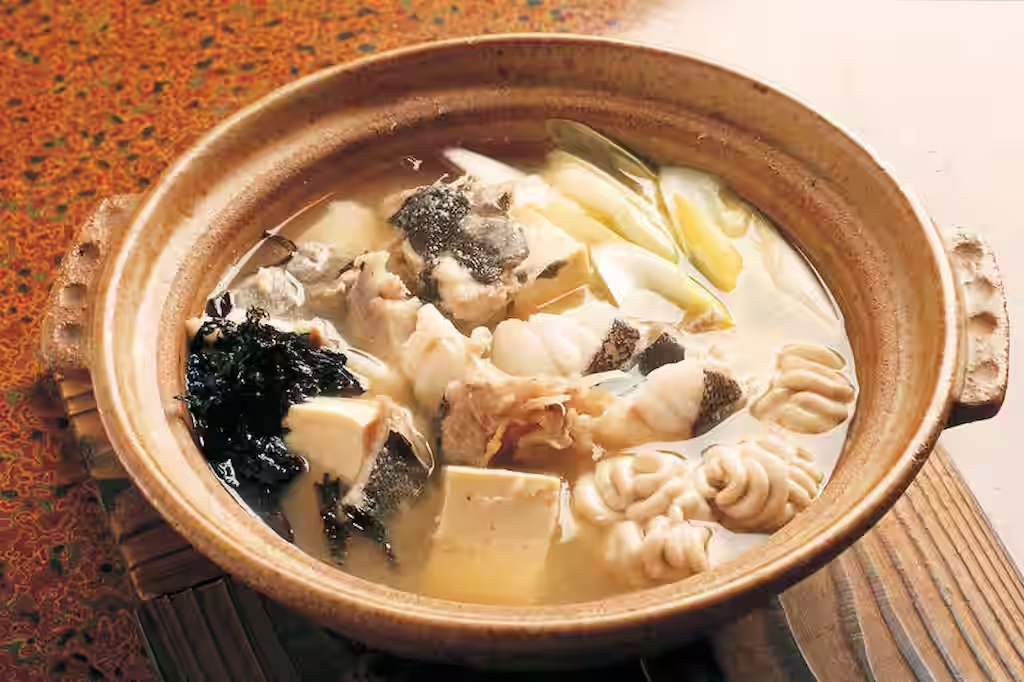
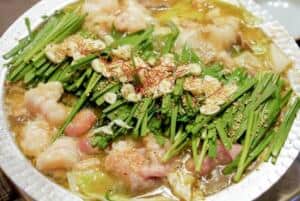
Motsunabe
Motsunabe is a hot pot dish born in Fukuoka that celebrates beef and pork offal (motsu) simmered in a rich broth of soy sauce or miso, packed with cabbage, garlic chives (nira), and tofu. Inexpensive and deeply satisfying, motsunabe became popular in the post-war period as a way to use every part of the animal, and today it is one of Fukuoka’s most beloved communal dining experiences. The collagen-rich offal gives the broth an extraordinary richness, and the dish is almost always finished by adding champon noodles to absorb the remaining soup.
Basashi
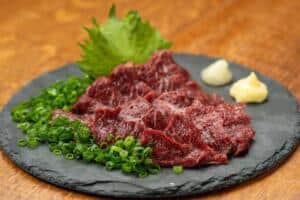
Basashi — raw horse meat served as sashimi — is one of Kumamoto’s most distinctive and famous specialties. Thinly sliced and served with ginger, garlic, and soy sauce, basashi has a delicate, lean flavor with a fine-grained texture quite unlike beef or pork. Horse meat has been eaten in Kumamoto for centuries, originally as a practical food source in a region known for horse breeding. Today, basashi is served proudly in restaurants throughout Kumamoto as a symbol of the city’s unique food culture, and visitors often find it far more approachable and delicious than expected.
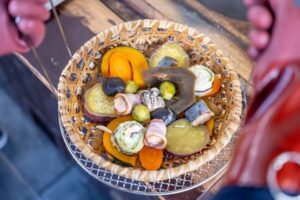
Jigokumushi
Jigokumushi — literally “hell steaming” — is a unique cooking method from Beppu, Oita Prefecture, one of Japan’s most famous hot spring towns. Vegetables, eggs, seafood, and dumplings are placed in bamboo steamers set over natural geothermal steam vents and then cooked using the earth’s own heat. As a result, the food takes on an extraordinarily pure taste. The natural sweetness of each ingredient intensifies beautifully without any added seasoning. This is why experiencing jigokumushi is one of the most memorable and unusual culinary experiences available anywhere in Japan.
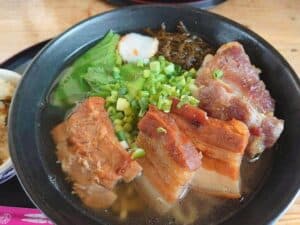
Okinawa Soba
Okinawa soba is the soul food of Okinawa — a noodle dish that shares its name with buckwheat soba but contains no buckwheat at all. The thick, wheat-flour noodles are served in a light, clear broth made from pork and bonito, topped with tender braised pork belly (soki), fish cake, and pickled ginger. The dish reflects Okinawa’s deep pork culture and its distinct culinary heritage, separate from mainland Japanese traditions. On the island, okinawa soba is eaten at any time of day and forms the foundation of the local food identity.
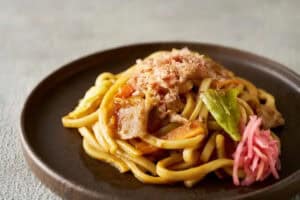
Yaki Udon
Yaki udon is a stir-fried udon noodle dish that was born in Kokura (now Kitakyushu), Fukuoka, during the post-war food shortage when ramen noodles were unavailable and udon was used as a substitute. Thick udon noodles are stir-fried on a flat iron griddle with vegetables, pork, and a savory soy-based sauce. Crispy on the outside and chewy within, yaki udon has spread across Japan but remains a dish of particular pride in the Fukuoka region.
Must-Try Kyushu Dishes


Famous Ingredients from Kyushu
The ingredients that define Kyushu cuisine reflect the island’s warm climate, volcanic geography, and centuries of trade and cultural exchange.
Pork is the single most important ingredient in Kyushu’s culinary identity. The island’s food culture has developed an extraordinary range of pork-based dishes, from tonkotsu ramen broth to motsu nabe offal hot pot. Most celebrated of all is Kagoshima’s Kurobuta — the Berkshire black pig breed raised in the southern prefecture, prized for its rich fat marbling, tender texture, and deep umami flavor. Kurobuta shabu-shabu and tonkatsu are among the most luxurious eating experiences Kyushu has to offer.
Mentaiko (Spicy Pollock Roe) is Fukuoka’s most famous food export and one of the most versatile and beloved ingredients in Japanese cooking. The bright, spicy, briny roe appears in everything from rice dishes and pasta to onigiri and cream sauce.
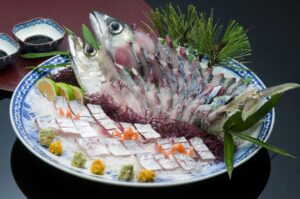
Fresh Seafood from the waters surrounding Kyushu is exceptional. Oita Prefecture’s Seki saba — mackerel caught in the fast-moving currents of the Bungo Channel — is considered among the finest in Japan, firm enough to be eaten as sashimi. Nagasaki is famous for its oysters and eel, while the warm waters of the south produce an abundance of sea bream, amberjack, and flying fish.
Shochu is Kyushu’s signature spirit — a distilled liquor made from sweet potato (most famously in Kagoshima), barley (in Oita), or rice. Unlike sake, which is brewed, shochu is distilled, resulting in a cleaner, drier flavor. It is the everyday drink of Kyushu and pairs naturally with the island’s rich, fatty foods.
Amaou Strawberries from Fukuoka are regarded as the finest strawberries in Japan — large, deeply red, intensely sweet, and commanding prices that reflect their premium status. The name amaou combines four Japanese words meaning red, round, large, and delicious.
The History of Food Culture in Kyushu
Kyushu has played an outsized role in Japanese culinary history, particularly in the transmission of foreign foods and techniques to the rest of the country.
The island’s position at the western edge of Japan made it the point of first contact for trade and cultural exchange with China, Korea, and eventually Portugal and the Netherlands. When Portuguese missionaries arrived in Nagasaki in the sixteenth century, they introduced tempura frying techniques, castella sponge cake, and other cooking methods that were adapted and refined into distinctly Japanese forms. Nagasaki remained Japan’s only official window to the outside world during the Edo period, making it a uniquely cosmopolitan culinary city.
Fukuoka’s position as Kyushu’s commercial capital gave rise to the yatai culture — mobile open-air food stalls that lined the city’s streets and canal banks, serving workers and revelers through the night. The tonkotsu ramen that emerged from these stalls in the 1940s and 1950s would go on to become one of Japan’s most globally recognized dishes.
Okinawa’s food history is entirely distinct. As the center of the Ryukyu Kingdom until the late nineteenth century, Okinawa maintained deep culinary ties with China and Southeast Asia. The island’s cuisine developed around ingredients such as bitter melon, purple sweet potato, pork, and awamori rice spirit — a tradition that continues to this day and is now studied internationally for its connection to the island’s remarkable longevity rates.
Food Cities of Kyushu
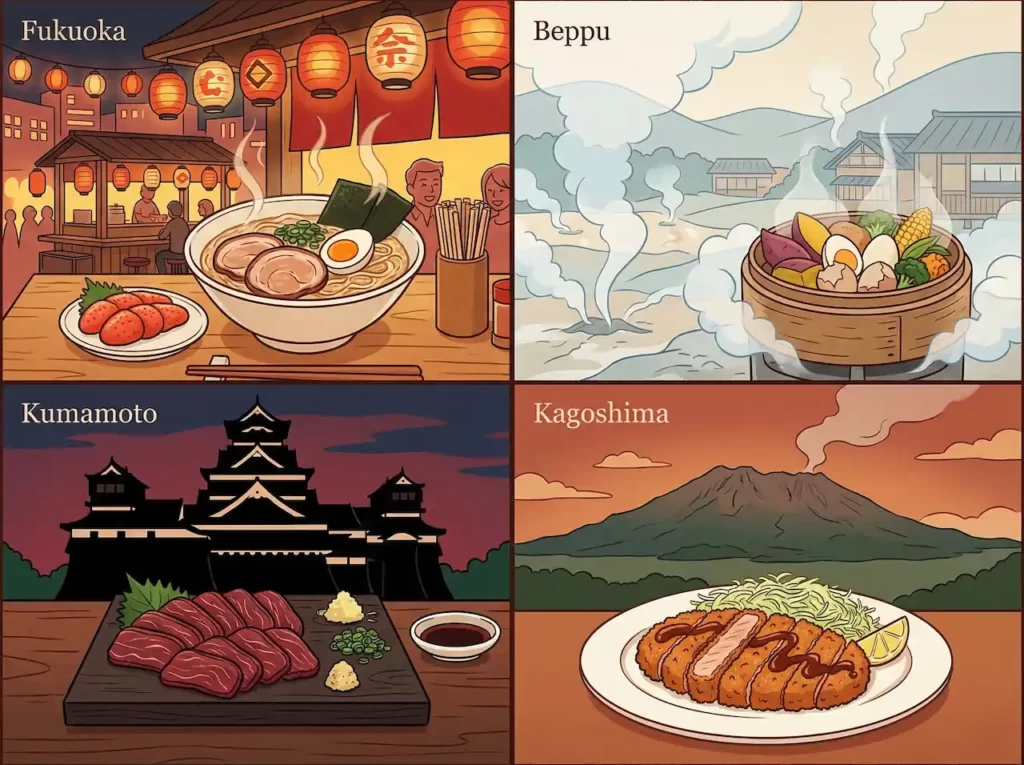
Kyushu is home to some of Japan’s most exciting and distinctive food cities, each shaped by its own history, geography, and local ingredients.
Fukuoka — The Ramen and Street Food Capital
Fukuoka is the largest city in Kyushu and one of the most food-obsessed cities in Japan. It is best known as the birthplace of Hakata ramen, the iconic tonkotsu ramen style that has spread across the world, but the city’s food culture runs much deeper. Motsunabe hot pot, mentaiko spicy roe, and yaki udon all call Fukuoka home. Perhaps most beloved of all is the city’s yatai culture — dozens of small open-air stalls that set up along the Nakasu canal and Tenjin streets each evening, offering ramen, yakitori, and local snacks in an intimate, convivial atmosphere that is unique to Fukuoka.
Nagasaki — Japan’s International Port Kitchen
Nagasaki has a long history as Japan’s gateway. This created a distinctive international food culture. Champon best embodies this culinary heritage. It is a thick, hearty noodle soup. The soup loads with vegetables, seafood, and pork. Chinese merchants originally brought this dish. Nagasaki later adapted it into a beloved local specialty. Sara udon (crispy noodles with the same toppings), castella sponge cake (introduced by Portuguese traders), and Nagasaki tempura — a lighter, slightly sweet battered style — all reflect the city’s remarkable cultural layering. Nagasaki’s Chinatown (Shinchi) is one of Japan’s oldest and most vibrant.
Kumamoto — Home of Basashi and Kumamoto Ramen
Kumamoto, located at the heart of Kyushu beneath the vast caldera of Mt. Aso, is best known for two foods that surprise many visitors: basashi — raw horse meat sashimi — and Kumamoto ramen, a tonkotsu-based style distinguished by the addition of fragrant garlic oil and roasted mayu (blackened garlic paste). The city’s agricultural hinterland also produces excellent vegetables and karashi lotus root — a local specialty of lotus root stuffed with mustard miso and deep-fried.
Beppu and Oita — The Taste of Geothermal Japan
Oita Prefecture, home to Beppu — Japan’s most famous hot spring resort — has developed a unique culinary tradition centered on its geothermal resources. Jigokumushi steam cooking using natural volcanic vents is the most theatrical expression of this tradition, while Seki saba — premium mackerel from the Bungo Channel — and Hita yakisoba pan-fried noodles represent the prefecture’s broader culinary richness.
Kagoshima — Kurobuta and Southern Flavors
Kagoshima sits at the southern tip of Kyushu. Sakurajima volcano watches over it. This city is the home of Kurobuta black pork. The prized Berkshire breed raises on lush farmland. Kurobuta shabu-shabu and tonkatsu celebrate here. Kagoshima ramen offers a lighter alternative. Its broth mixes tonkotsu and chicken. The prefecture is also the heartland of imo shochu. This sweet potato spirit is the top drink throughout southern Kyushu.
Okinawa — A Culinary World Apart
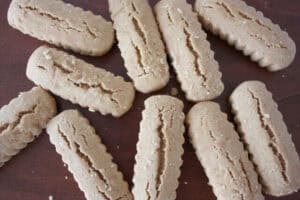
Okinawa’s food culture stands entirely apart from mainland Japan. The former Ryukyu Kingdom developed a cuisine deeply influenced by China and the tropics, centered on pork, bitter melon (goya), purple sweet potato (beni-imo), and the firm shima tofu unique to the island. Okinawa soba — thick wheat noodles in a pork and bonito broth — is the island’s soul food, while chinsuko shortbread cookies are its most beloved souvenir sweet. Okinawa’s food culture has attracted global interest for its connection to the island’s exceptional longevity rates.
Kyushu Food Map
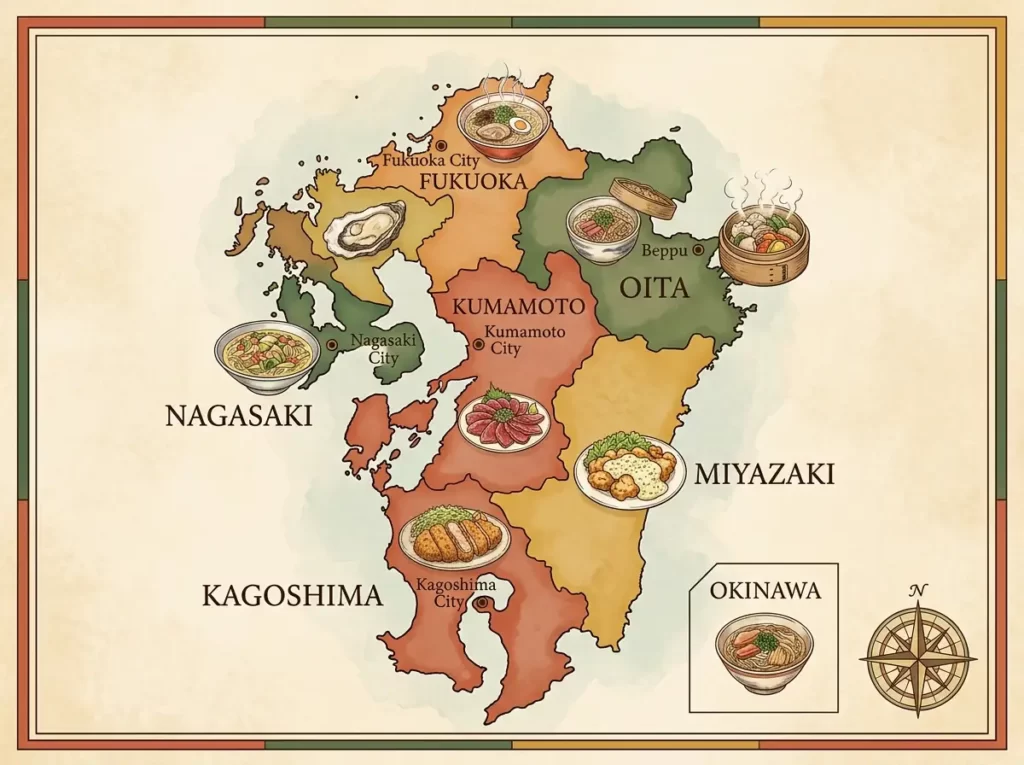
Kyushu’s culinary landscape reflects the remarkable diversity of its seven prefectures and Okinawa. To begin with, Fukuoka in the north anchors the region as its food capital, celebrated worldwide for tonkotsu ramen and mentaiko. Moving southwest, Nagasaki carries centuries of international influence in its champon noodles and castella sweets. Meanwhile, at the center of the island, Kumamoto is defined by basashi horse sashimi and its distinctive garlic-oil ramen. On the eastern coast, Oita offers the unique pleasures of jigokumushi geothermal cooking and premium Seki mackerel. Further along the Pacific side, Miyazaki is known for chicken nanban and its exceptional agricultural produce. At the southern tip, Kagoshima crowns the island’s pork culture with prized Kurobuta beef and sweet potato shochu. Finally, Okinawa, floating in the subtropical south, offers a world entirely its own — a cuisine shaped by the Ryukyu Kingdom, China, and the sea.
Why Kyushu Is a Paradise for Food Lovers
Few regions in Japan match Kyushu’s culinary depth, diversity, and sheer eating pleasure. In Fukuoka, a day can begin with fresh mentaiko on rice at a market stall, then enjoy Seki saba sashimi in the afternoon, and end with Hakata ramen at an open-air yatai stall. A journey further south reveals Beppu’s geothermal jigokumushi cooking, Kumamoto’s delicate basashi, and Okinawa’s tropical cuisine unlike anywhere else in Japan.
Kyushu stands out for its strong culture of hospitality and local pride. Every prefecture, city, and town treasures its own unique dishes, ingredients, or preparation methods that locals claim exist nowhere else. This deep regional identity makes eating across Kyushu a journey of continuous discovery.
For those who believe Japanese food begins and ends with Tokyo, Kyushu offers a different story. The country’s greatest flavors are often found far from the center.
Explore More Kyushu Foods
- Hakata Ramen — Fukuoka’s world-famous tonkotsu ramen.
- Mentaiko — Fukuoka’s iconic spicy pollock roe.
- Basashi — Kumamoto’s famous raw horse sashimi.
- Motsunabe — Fukuoka’s rich offal hot pot.
- Jigokumushi — Beppu’s unique geothermal steam cooking.
- Okinawa Soba — The soul food of the Ryukyu islands.
- Seki Saba — Oita’s premium line-caught mackerel.
- Yaki Udon — Stir-fried udon noodles born in Kitakyushu.
Explore More Japanese Regional Foods
Japan’s regional cuisines vary widely depending on climate, history, and local ingredients. If you enjoyed learning about Kyushu food, explore dishes from other regions of Japan.
- Hokkaido Food Guide — Seafood, ramen, and dairy from Japan’s northern island.
- Tohoku Food Guide — Hearty winter dishes from northern Honshu.
- Kanto Food Guide — Tokyo’s vibrant food culture and famous regional dishes.
- Kansai Food Guide — Osaka street food, Kyoto kaiseki, and Kobe beef.
- Chubu Food Guide — Mountain cuisine, Nagoya meshi, and traditional specialties.
Kyushu Food Guide FAQ
What food is Kyushu famous for?
The region offers rich Tonkotsu ramen, fresh seafood, premium Kurobuta pork, spicy Mentaiko, and a vibrant street food culture.
Which prefectures are part of the Kyushu region?
The region consists of Fukuoka, Saga, Nagasaki, Kumamoto, Oita, Miyazaki, and Kagoshima prefectures (often grouped with Okinawa).
What makes Kyushu food different from other regions of Japan?
Chefs use sweeter soy sauce, bolder flavors, and abundant pork and chicken, contrasting with the delicate fish-based dishes of Kyoto or Tokyo.
What is the most popular dish in Kyushu?
Tonkotsu (pork bone) ramen holds the title as the most globally recognized and beloved daily meal in Kyushu.
What is Hakata ramen and what makes it unique?
Cooks serve ultra-thin, firm wheat noodles in a rich, milky pork bone broth, usually accompanied by a quick noodle refill system (Kaedama).
What is the difference between Hakata ramen and other Japanese ramen?
Hakata ramen features a cloudy pork broth and very thin noodles, whereas Tokyo or Sapporo styles use clear soy sauce or miso broths with thicker noodles.
What is tonkotsu broth made from?
Chefs boil pork bones, fat, and collagen at high heat for many hours until the soup emulsifies into a creamy white liquid.
What are the different ramen styles in Kyushu?
You will find Hakata (classic pork), Kurume (heavy, aged pork), Kumamoto (roasted garlic oil), and Kagoshima (chicken and pork blend) styles.
What is Kumamoto ramen?
Chefs enhance a pork and chicken broth with medium-thick noodles and a generous drizzle of dark roasted garlic oil (Mayu).
What is Nagasaki champon?
Cooks stir-fry pork, seafood, and cabbage, then boil them together with thick noodles in a creamy chicken and pig bone soup.
What is mentaiko and how is it eaten?
It is spicy marinated pollock roe. Locals eat it raw over white rice, grill it slightly, or mix it into pasta and mayonnaise.
What is the difference between mentaiko and tarako?
Producers salt tarako mildly, whereas they marinate mentaiko in chili peppers and spices to give it a sharp, fiery kick.
What is motsunabe and where did it originate?
It is a hearty Fukuoka hot pot where chefs stew beef or pork intestines, cabbage, and garlic chives in a soy or miso broth.
What is yaki udon and why is it famous in Fukuoka?
Cooks stir-fry thick udon noodles with meat, vegetables, and savory sauce. A restaurant in Kitakyushu invented it after World War II.
What street foods are famous in Fukuoka’s Nakasu yatai?
Vendors sell hot Tonkotsu ramen, grilled chicken skewers (Yakitori), Mentaiko tamagoyaki (omelets), and Oden (simmered skewers).
What is basashi and which prefecture is it from?
It is raw horse meat sashimi. Chefs in Kumamoto carefully slice it and serve it with sweet soy sauce, garlic, and ginger.
What is jigokumushi in Beppu?
It means “hell steaming.” Locals use natural, boiling geothermal hot spring steam to cook fresh vegetables, eggs, and seafood instantly.
What is Kagoshima black pork (Kurobuta)?
Farmers raise premium Berkshire pigs on a diet containing sweet potatoes to produce tender, highly marbled, and sweet-tasting pork.
What is chicken nanban from Miyazaki?
Chefs deep-fry chicken, dip it in sweet and sour vinegar sauce, and cover it generously with rich tartar sauce.
What is Okinawa soba?
Cooks serve thick, chewy wheat noodles in a clear pork and bonito broth, topped with slow-cooked pork belly or ribs.
What ingredients are famous in Kyushu cuisine?
Chefs heavily utilize sweet soy sauce, Yuzu Kosho (citrus chili paste), premium pork, fresh mackerel, and sweet potatoes.
What is shochu and which Kyushu prefecture is it most famous in?
It is a clear, distilled Japanese liquor. Kagoshima and Miyazaki lead the production, brewing it from sweet potatoes, barley, or rice.
What sweets and desserts is Kyushu famous for?
You should try Castella (sponge cake) in Nagasaki, Umegae Mochi (red bean rice cakes) in Fukuoka, and Shirokuma (shaved ice) in Kagoshima.
When is the best season to visit Kyushu for food?
Winter provides the best hot pots and fattiest seafood, but autumn offers excellent sweet potatoes and comfortable weather for street food.
Is Kyushu food spicier than other regions of Japan?
Yes, slightly. Cooks frequently use spicy Mentaiko, fiery Yuzu Kosho, and Koregusu (chili-infused liquor) to add sharp kicks to their dishes.
What is Yuzu Kosho?
It is a pungent, salty paste made from fermented yuzu citrus peel and green chili peppers, widely used to flavor hot pots and grilled meats.
What is Castella?
It is a sweet, moist sponge cake. Portuguese merchants brought the original recipe to Nagasaki in the 16th century.
Do I need to make reservations for Yatai (food stalls) in Fukuoka?
No. Vendors operate on a first-come, first-served basis. You just find an empty stool, sit down, and order directly from the chef.
What is Shirokuma?
It is a massive Kagoshima dessert where cafes pile sweet condensed milk, canned fruits, and sweet beans over finely shaved ice.
Are Kyushu dishes vegan-friendly?
Generally, no. Most local specialties rely heavily on pork bones, pork fat, and seafood extracts, making strict vegan dining difficult.
References
Fukuoka City Tourism (https://www.fukuoka-now.com/en/)
Nagasaki Prefecture Tourism (https://www.nagasaki-tabinet.com/)
Kumamoto Prefecture Official Tourism (https://kumamoto.guide/en/)
Oita Prefecture Tourism (https://www.visit-oita.jp/en/)
Kagoshima Prefecture Tourism (https://www.kagoshima-kankou.com/foreign/en/)
Okinawa Convention & Visitors Bureau (https://www.visitokinawa.jp/)