





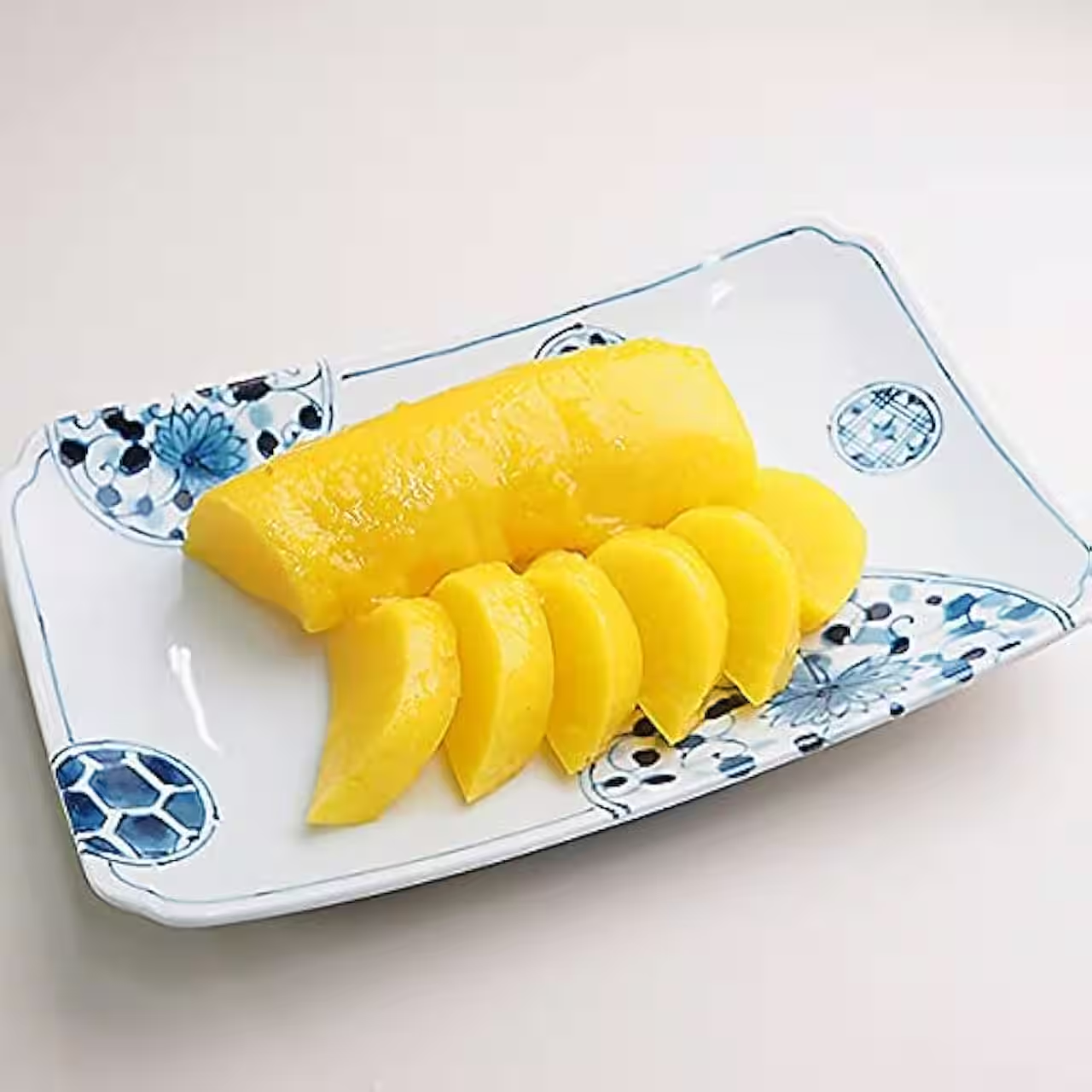
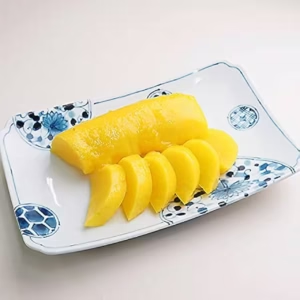
This article explains the story of Tokyo Takuan (東京沢庵), a specific type of pickled daikon radish. Pickles, or tsukemono, are a key part of Japanese meals, helping balance the food and aid digestion. Takuan-zuke (daikon pickle) is famous across Japan, but the style made in Tokyo (formerly Edo) is special because of its history and the refined taste demanded by the capital city.
What Makes Tokyo Takuan Different?
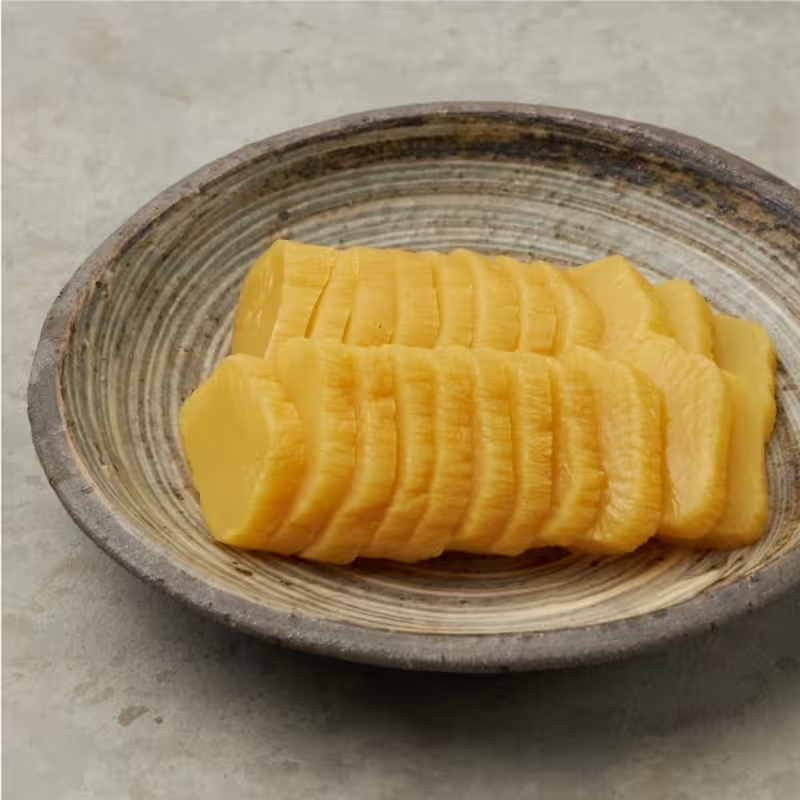
Tokyo Takuan has a specific, refined taste that sets it apart from stronger, more deeply fermented pickles from other areas. The best quality has three main features: crispness (shaki-shaki), deep flavor (koku), and most importantly, a clean finish (kire). This clean finish is crucial so the pickle doesn’t overpower your mouth.
The main job of Tokyo Takuan is to act as hashiyasume, which literally means “chopstick rest.” It’s a small dish served between courses or bites of rich food to refresh your taste buds. This specific purpose means the Tokyo style must taste good (koku) but also be bright and refreshing, clearing your palate without leaving a strong, lingering smell or taste. This focus on a clean, balanced flavor shows how sophisticated the traditional Edo food culture was.
Sweetness Whispers, Salt Follows Gently
The taste is delicate in a way that caught me off guard. A gentle sweetness appears first, then mild saltiness follows without either one taking over completely. I’d anticipated something more aggressive, maybe even pungent like the takuan I’d encountered elsewhere. Instead, this version revealed layers slowly. The flavor builds as you chew, releasing umami notes that weren’t apparent at first bite. What really impressed me was the finish. It simply vanishes, leaving your palate clear rather than heavy with pickle aftertaste.
Crisp Snap with Every Bite
The texture offers a satisfying crunch. Your teeth meet resistance, then the daikon breaks with that distinctive shaki-shaki sound people talk about. Nothing soft or wilted here. The pickling process has added character while preserving the vegetable’s natural firmness. You might expect something that’s been sitting in brine to lose its backbone, but quality Tokyo Takuan proves otherwise. Each piece maintains this lively crispness that almost seems to echo in your mouth.
Barely There, Politely Fragrant
The aroma keeps itself in check. Other regional takuan varieties might fill a room with their bold, fermented presence, but Tokyo style takes a different approach. The scent is gentle, carrying just a hint of sweetness mixed with rice bran notes. There’s definitely fermentation happening, though it expresses itself quietly, almost politely. Opening the package releases a subtle fragrance rather than an announcement, which makes sense for something designed to refresh rather than overwhelm your senses between courses.
The History: A Public Health Food
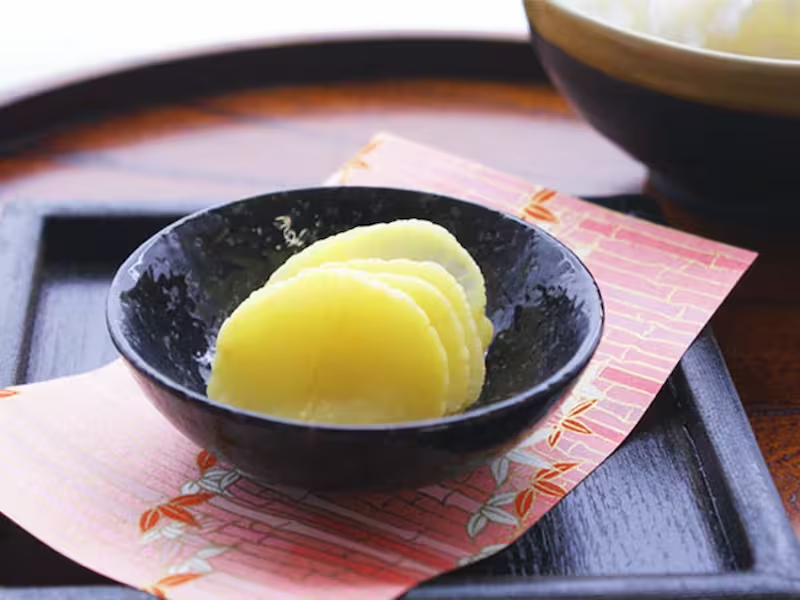
The story of Takuan’s name linked to the respected Buddhist monk, Takuan Sōhō (1573–1646). He lived in the Edo area and have perfected the pickling method around 1645, giving the pickle its famous name.
The biggest reason Takuan production grew so large in the Kanto region was because of a major public health issue. During the Edo period, many people who ate a lot of polished white rice (a status symbol) became sick with Edo Disease (now known as Beri-Beri, caused by a lack of Vitamin B1).
To fight this widespread sickness, the fifth Tokugawa Shogun, Tsunayoshi, ordered farmers to grow the daikon radish everywhere. Daikon is rich in vitamins and fiber, and seen as a food that could help cure the disease. This government order turned the daikon into a strategic public health crop, ensuring they grow it heavily in the surrounding Kanto region, especially in the Nerima area. This political and medical need is why the region and the pickle are so closely linked today.
Where to Taste Authentic Tokyo Takuan
Yoshiokaya Honten (吉岡屋本店)
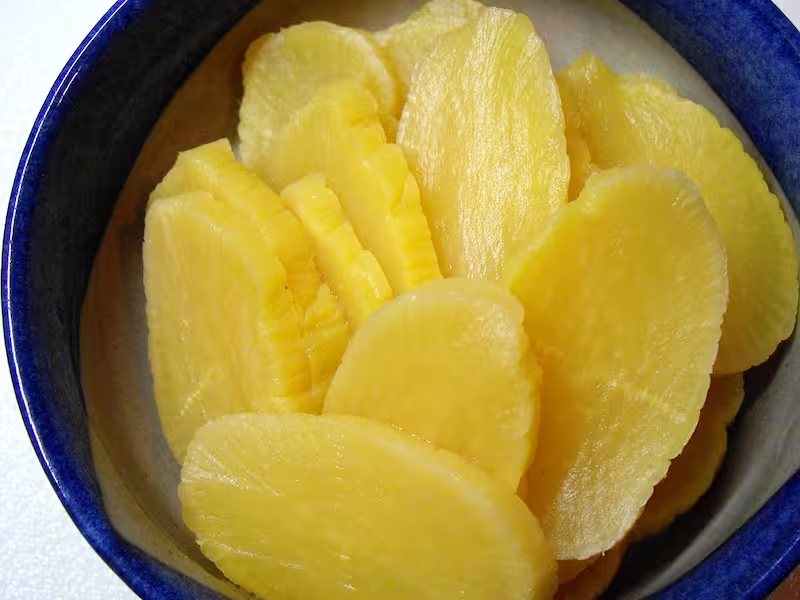
Yoshiokaya Honten (吉岡屋本店) is a specialty pickle retailer that operates in central commercial districts, representing the high-end market for this refined product. Additionally, they are one of the key places where they distributed and celebrated this premium pickle as “Edo’s flavor.”
Conclusion: Crispness and Heritage
Tokyo Takuan is a perfect example of an Edo-period food whose identity was shaped by the government’s need for public health, not just cooking trends. Today, its core features are its crisp texture, deep flavor, and the all-important clean finish that makes it a perfect palate cleanser. Although the original daikon is scarce, the future of Tokyo Takuan as a high-value food relies on the makers mastering the technical skills of sun-drying and fermentation to maintain the specific balance of taste and texture that metropolitan customers expect in dishes like pickled eggplant, ginger, and turnip.
If you are interested in Tokyo takuwan, you can also look for condiments like beni shoga, gari, takuwan, and many more.

Comments