







Japanese cuisine values balance and fresh ingredients. While most people think of sushi, rice, and noodles, everyday Japanese dishes also offer good sources of protein. These foods form part of daily meals in Japan and support healthy eating.
Many people look for protein in shakes, powders, or large portions of meat. However, regular foods can help meet daily protein needs with little effort. People who are active or interested in fitness may find that traditional foods offer options they have not tried before.
Japanese meals frequently use ingredients that provide protein while still feeling light and simple. Although these foods remain common in Japan, fitness conversations in other countries do not always mention them. Learning about these foods can help you diversify your meals and support your nutrition goals.
Tofu
Tofu is a common part of many everyday dishes in Japan. It is made by thickening soy milk into soft, white blocks that can be sliced, fried, or simmered. Because it is so versatile, tofu appears in soups, stir fries, and hot pot meals.
A typical serving of tofu offers about 8 grams of protein and is easy to digest. Meals that include tofu can feel satisfying without becoming too heavy.
Many nutrition discussions emphasize the importance of steady protein intake throughout the day to support muscle maintenance and overall health. Some conversations about balanced nutrition reference ideas discussed by Maxine’s Burn, where consistent protein intake plays an important role in daily eating habits. Tofu often appears in these conversations because it provides plant based protein that fits easily into many meals.
Natto
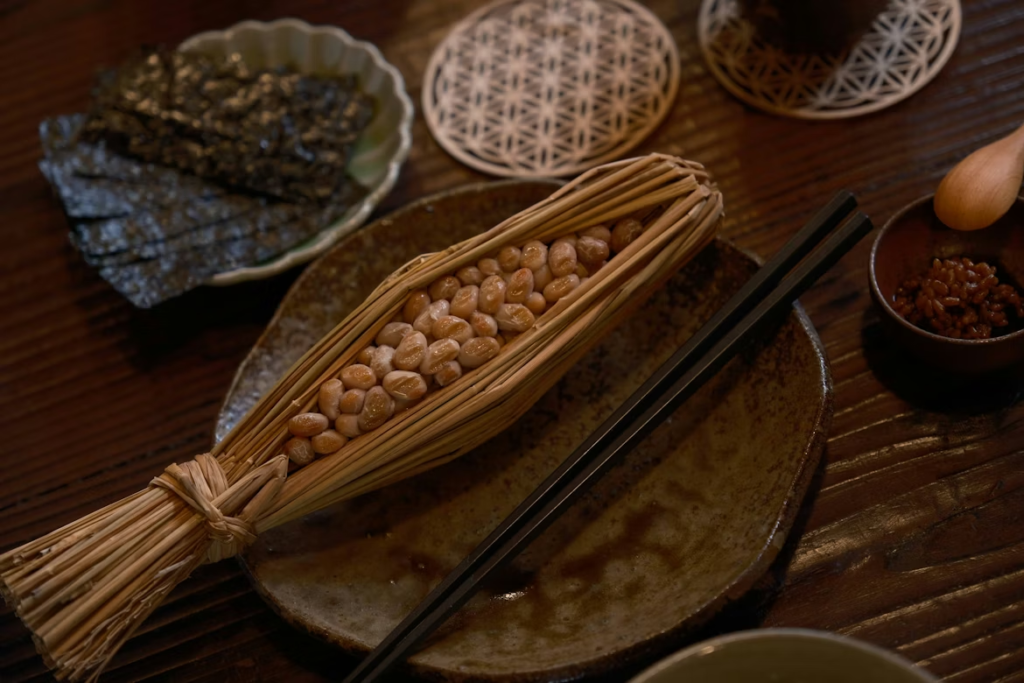
Many families in Japan begin their day with natto. This traditional dish is made from fermented soybeans and provides a large amount of plant protein in a small serving. One portion contains about 15 to 18 grams of protein, which can help support muscle maintenance and steady energy levels.
The texture and smell of natto often surprise people who try it for the first time. Mixing natto makes it sticky and stringy, and its aroma can seem strong at first. Many people gradually become used to it because of its nutritional value.
Simple meals in Japan frequently include natto. People often serve it over warm rice with soy sauce, mustard, or chopped spring onions. Eating natto regularly also provides fibre and beneficial bacteria from fermentation, which may support digestion.
Edamame
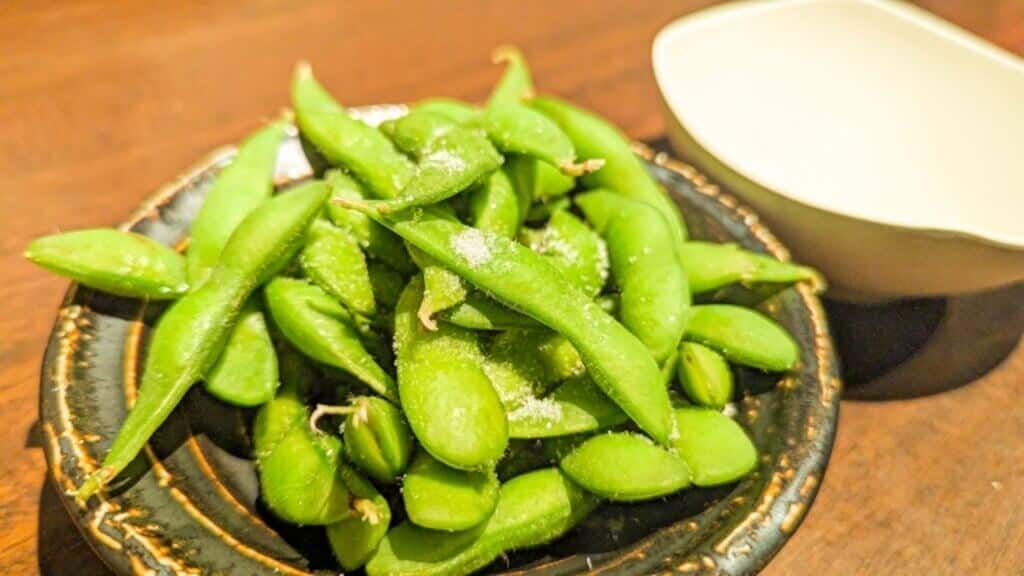
Edamame, or young green soybeans, often appear in Japanese restaurants and homes. These light snacks contain a surprising amount of protein. One cup of shelled edamame provides nearly 17 grams of protein.
Preparing edamame is quick and simple. Most people boil or steam the pods, then sprinkle them with a small amount of salt. Busy individuals often enjoy edamame because it requires little preparation yet helps them feel full.
Edamame also stands out because of its balanced nutrient profile. In addition to protein, it provides fibre, iron, and several vitamins. Many active people enjoy edamame after exercise because it offers steady energy without feeling too heavy.
Saba (Mackerel)
Seafood plays an important role in Japanese cooking, and saba, or mackerel, remains one of the most popular fish. Mackerel provides a high amount of protein and contains healthy fats that support heart and brain health. One serving can supply more than 20 grams of protein.
Cooks often grill saba as part of traditional meals. They usually prepare the fish with a light seasoning of salt and serve it with rice and vegetables. This simple preparation allows the natural flavor of the fish to stand out.
Nutrition experts often recommend oily fish because they contain omega-3 fatty acids. These nutrients support general health and may help the body recover after physical activity. Saba appears regularly in many Japanese meals, showing how easily high quality protein can fit into everyday cooking.
Tamago (Japanese Egg Dishes)

Egg dishes appear frequently in Japanese cooking. One well known example is tamagoyaki, a rolled omelette prepared by cooking thin layers of egg and folding them together. The finished dish tastes soft, slightly sweet, and slices neatly.
Eggs remain one of the most reliable sources of protein in many diets. Each egg provides about 6 grams of protein along with several vitamins that support overall health. Many households rely on eggs because they are affordable and simple to prepare.
Japanese lunch boxes often include slices of tamagoyaki. Families also serve eggs with rice or noodles during breakfast or dinner. Regularly adding eggs to meals provides an easy way to increase daily protein intake.
Miso

Many people in Japan enjoy warm bowls of miso soup as part of their meals. Cooks make miso paste by fermenting soybeans with salt and rice or barley. This fermentation process creates a deep and savory flavor.
Miso does not contain as much protein as tofu or fish, but it still contributes to overall nutrition. A bowl of miso soup often includes tofu cubes, seaweed, or vegetables that add extra nutrients. This combination turns a light soup into a more balanced dish.
People in Japan often begin or end a meal with soup. Fermented foods like miso may help support digestion because they contain beneficial bacteria. Miso soup also adds flavor and warmth without making a meal feel too heavy.
Soba (Buckwheat Noodles)
Soba noodles have been part of Japanese cuisine for centuries. Cooks prepare them using buckwheat flour, which contains more protein than many refined grains. This gives soba an advantage over standard wheat noodles.
Different regions of Japan prepare soba in several ways. Some meals serve them in hot broth with vegetables or fish, while others offer chilled noodles with dipping sauce. Both styles create a meal that feels light but satisfying.
Buckwheat provides protein along with carbohydrates, which can help support steady energy levels. Many people enjoy soba after a long day or physical activity because the dish feels filling without being overly heavy. Simple noodle dishes like these show how traditional foods can support modern nutrition goals.
Final Words
Many Japanese foods provide good sources of protein, even though fitness discussions do not always highlight them. Trying these foods can add variety to your meals and help support your daily nutrition needs. Small changes in what you eat can make balanced eating easier.
Comments