





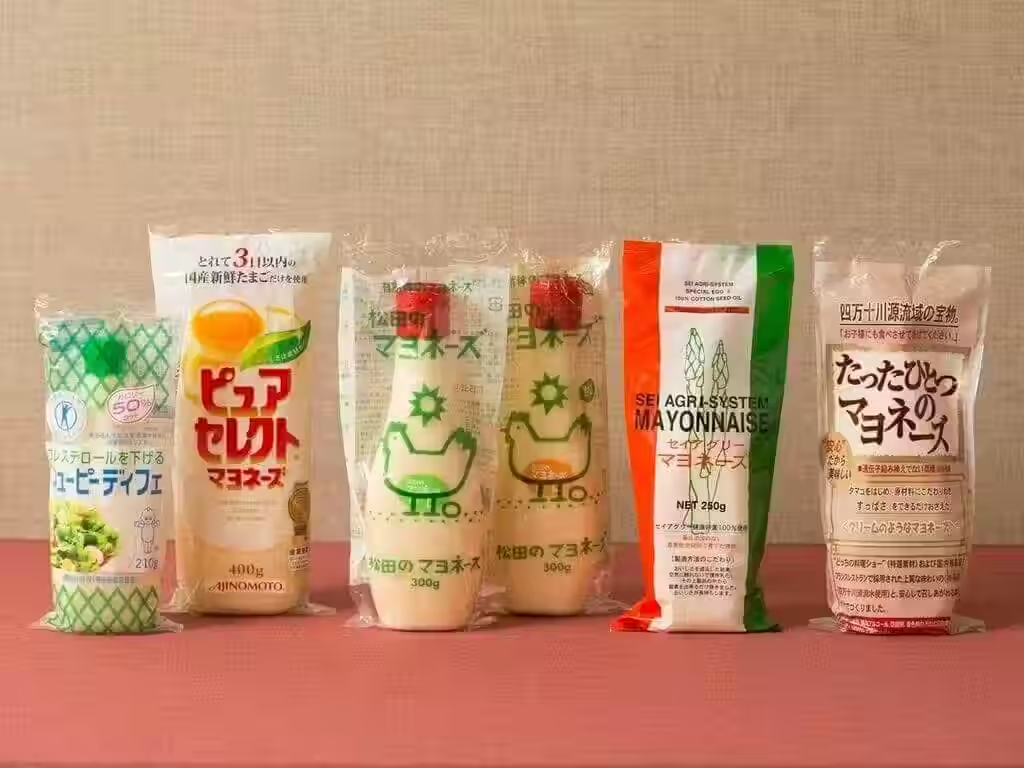
Mayonnaise is a familiar sight in kitchens and on dining tables around the world, but it holds a special place in Japan. More than just a simple condiment, Japanese mayonnaise, often recognized by its distinct flavor, is a versatile ingredient used in countless dishes. This article looks at what makes mayonnaise so popular, its interesting history, and its unique role in Japanese food, from a specialty restaurant to the home kitchen.
What is Mayonnaise?
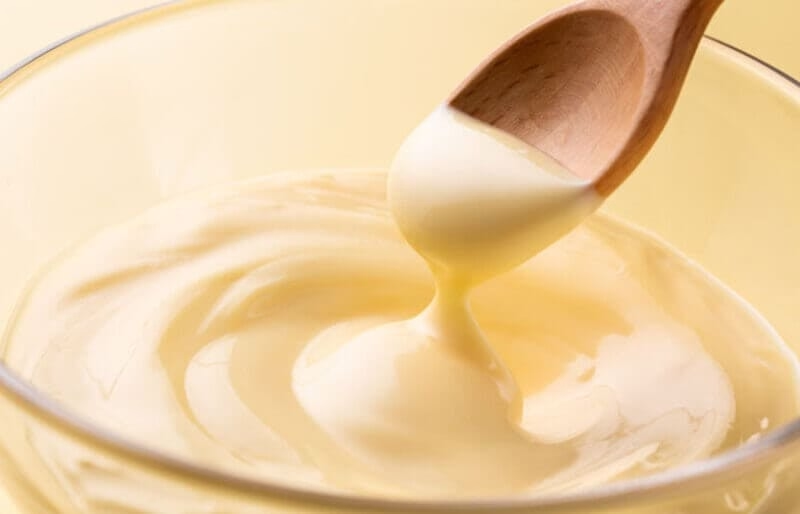
At its most basic, mayonnaise is a sauce famous as an emulsion, which is a stable mixture of ingredients that usually do not mix, like oil and water. Traditionally made from oil, egg yolk, and an acid like vinegar or lemon juice. The emulsifying power of the egg yolk allows the oil and acid to combine into a smooth, thick consistency.
What makes Japanese mayonnaise different?
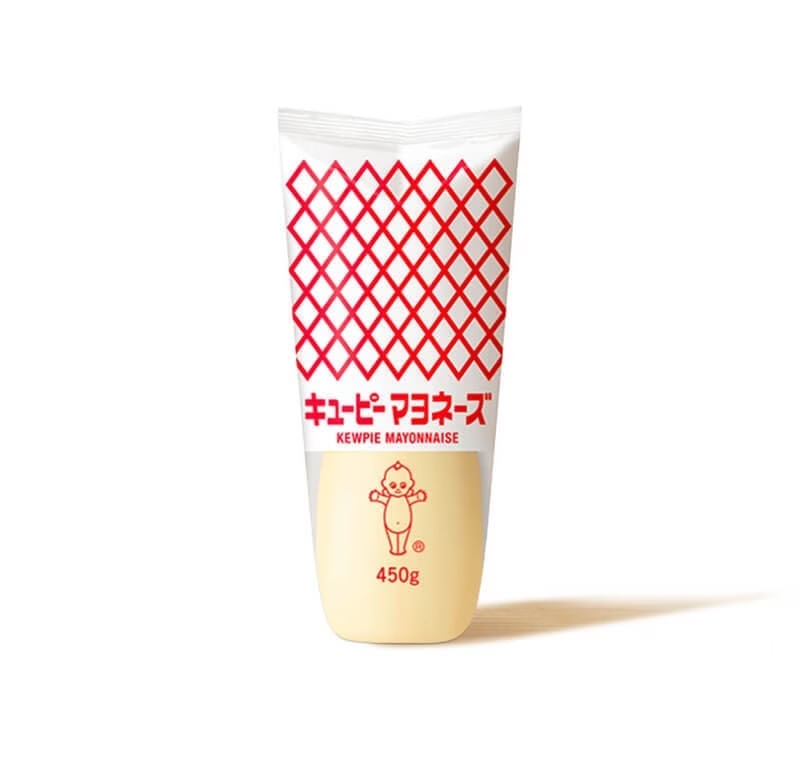
Japanese mayonnaise, like the popular brand Kewpie, has a different taste from its Western counterparts. While many Western versions use the whole egg, Japanese mayonnaise is made with only the egg yolk. This simple difference creates a richer, creamier, and more savory flavor. The use of different vinegars, such as rice vinegar, also gives it a milder, slightly sweeter taste compared to the tangy versions popular in other parts of the world.
This unique blend of ingredients has made Japanese mayonnaise more than just a sauce for salads. Seen as a versatile tool for cooking. Its properties allow it to change the texture of a dish in surprising ways. For instance, adding it to hamburger patties or thick omelets can make them soft and juicy. Using it instead of oil when frying rice can result in a fluffier texture because the emulsified oil coats each grain, preventing them from clumping together. You can even add this to pudding mix to keep the texture moist and smooth. This shows that its use is not just for flavor, but for its unique physical properties that improve the final dish.
The Umami Secret of the Japanese Profile
Japanese mayonnaise is a total game changer compared to the standard American jar. While Western versions rely on whole eggs and distilled vinegar for a sharp and clean tang, the Japanese style uses only yolks. This creates a deep yellow hue and a custard like richness. The use of rice or apple cider vinegar adds a gentle sweetness instead of a harsh bite. Most importantly, the addition of msg provides a savory backbone. It tastes less like a simple spread and more like a massive hit of salty and vinegary sunshine.
Comparing Classic and Light Variations
Most people know the classic red cap bottle, but there is a light version for those watching their diet. The original version is heavy on fat, providing a luxurious mouthfeel that lingers. It is calorie dense but packs a big punch of flavor. If you’re really watching your intake, though, you can find “Kewpie Half,” which cuts the calories down by 50% without losing that signature creamy vibe. This version uses less oil and more water. It tastes slightly brighter, making it better for salads where you want a cleaner finish.
The Evolution of Texture and Mouthfeel
The texture is probably its most addictive quality. It is thick and bouncy, holding its shape perfectly when squeezed from the signature soft bottle. On the tongue, it feels like silk, coating every corner of the mouth with a smooth oiliness. When you heat it, the magic truly happens. It transforms from a cool cream into a sizzling, clear glaze that seeps into rice or noodles. It does not break as easily as Western mayo when grilled. Instead, it forms a golden crust that adds a smoky and fatty crunch to any dish.
The History of Mayonnaise
The story of mayonnaise is said to have started in the mid-18th century. One of the most famous tales traces its origin to the island of Menorca, Spain. In 1756, the French army, led by Duke de Richelieu, captured the town of Mahón. As a celebration, a French chef created a new sauce with local ingredients, and named “Mahonnaise” in honor of the town. This story, while widely shared, is just one of many, but it highlights the sauce’s long history in European cooking.
Mayonnaise arrived in Japan much later. The Kewpie Corporation introduced the condiment to the country in 1925, aiming to provide a high-quality sauce rich in nutrition. They focused on using only egg yolks to create a product that was not only tasty but also a source of important nutrients. Over the decades, mayonnaise became a staple in Japanese kitchens, moving beyond a simple salad dressing to become a beloved all-purpose seasoning used in everything from main dishes to snacks.
A Restaurant Where Mayonnaise Takes the Stage
MAYO×MAYO (MAYO×MAYO 神戸岡本)
Located in the fashionable Okamoto area of Kobe, this rare specialty shop is dedicated entirely to mayonnaise. The shop opened in December 2025. They offer original mayonnaise sold by weight. You can choose from various flavors and spices to suit your taste.
You might be surprised to find unique sweets here. One example is “Mayo Daifuku,” a soft rice cake filled with creamy mayonnaise mixture. It is a perfect spot for mayonnaise lovers. You can explore new possibilities of this condiment. They offer savory dips for fresh vegetables. They also have unexpected dessert pairings that defy conventional wisdom.
Chuka Kitchen Mayonnaise Honpo (中華キッチン マヨネーズ本舗)
As the name suggests, this Chinese dining bar in Osaka takes its mayonnaise seriously. They are famous for providing several types of homemade mayonnaise. Flavors include basil, mustard, and spicy chili. You can freely use them as dipping sauces for their dishes.
Their menu features classic Chinese favorites like Shrimp Mayonnaise and Fried Chicken. These dishes pair perfectly with their creamy house-made sauces. It is a fun and casual place. You can experiment with different mayonnaise flavors to find your perfect match. Enjoy the rich, savory combination of Chinese cuisine and Japanese mayo.
Niru (Niru)
For a sophisticated take on mayonnaise, this bistro in Shibuya offers a popular dish. It is known as “Oeuf Mayo” or Egg Mayonnaise. Their version features a perfectly cooked soft-boiled egg. It is topped with a rich, truffle-flavored mayonnaise sauce. The dish is often presented in a cute and photogenic style.
This is primarily a wine bar serving natural wines and stewed dishes. The truffle mayonnaise egg has become a signature appetizer. It draws many visitors to the restaurant. It is an excellent example of elevated mayonnaise. Mayonnaise can be transformed into a gourmet experience. It provides a creamy and luxurious companion to a glass of wine.
Tsuruhashi Fugetsu (鶴橋風月)
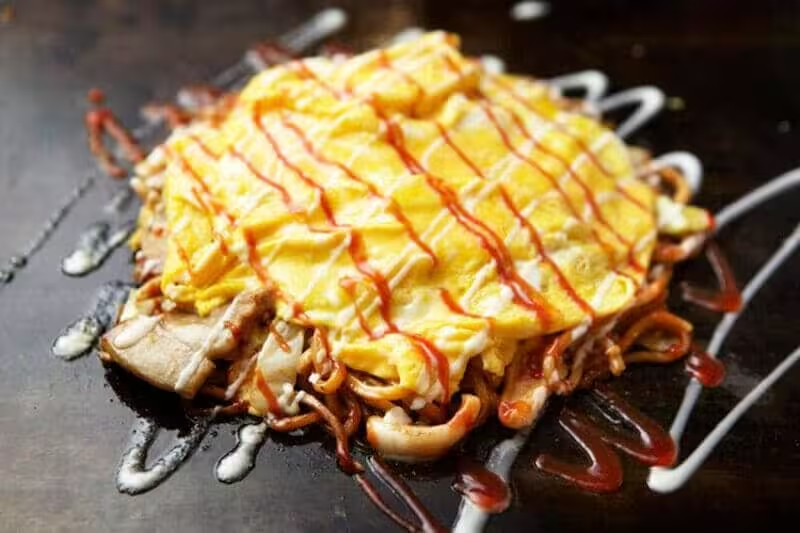
Mayonnaise is a popular part of Japanese cuisine. You can find it at countless restaurants. It is especially common at those serving classic comfort foods. For a true taste of how they use it, consider visiting Tsuruhashi Fugetsu. This is a famous okonomiyaki restaurant chain. They have a branch in Aqua City Odaiba in Tokyo.
Okonomiyaki is a savory pancake with cabbage and other fillings. It is cooked on a hot griddle. After they cook it, they top it with special sauce. They also add dried bonito flakes and green seaweed. Of course, they include a generous drizzle of mayonnaise. The creamy, mild mayonnaise provides a perfect contrast to the salty okonomiyaki sauce. This makes each bite balanced and delicious.
Final Takeaway
Mayonnaise has come a long way from its possible beginnings in Spain. It has become a global favorite and a culinary icon in Japan. Its smooth texture and rich flavor make it more than a simple sauce. It is a vital ingredient that adds richness and moisture to many dishes. Japanese mayonnaise has a unique composition with egg yolks and special vinegar. It has a distinct taste. This distinctive flavor has captured the hearts of many food lovers around the world.
When you’re ready to try more dishes that use mayonnaise in a delicious and creative way, you can look for classics like yakisoba, a stir-fried noodle dish often topped with mayo, or takoyaki, fried octopus balls with a signature mayonnaise drizzle.
You can also find it in tuna mayonnaise onigiri, a popular rice ball snack. It is used in Japanese potato salad as well. This version has a creamier texture than the Western version. Even fried foods like katsu-sando often feature mayonnaise. Katsu-sando is a breaded pork cutlet sandwich. It is often served with a touch of mayonnaise. Mayonnaise is a key ingredient in many Japanese dishes. It highlights the ability to add a unique, savory flavor to any meal.
Japanese Mayonnaise FAQ
How is it different from Western mayonnaise?
Japanese mayo tastes richer, creamier, and tangier because makers use only egg yolks and rice vinegar.
What is the most famous brand?
Kewpie is the most famous brand. You can recognize it easily by the baby doll logo on the package.
Why is it so yellow?
It looks deep yellow because the recipe uses a high concentration of egg yolks instead of whole eggs.
Does it contain MSG?
Yes. Most Japanese brands add MSG to boost the savory “Umami” flavor profile.
Why is the bottle soft?
Manufacturers use soft squeeze bottles to keep air out, which preserves the flavor and prevents oxidation.
What do Japanese people put it on?
Locals put it on almost everything, including Okonomiyaki, Yakisoba, pizza, fried chicken, and broccoli.
Is it sweet?
No. It lacks the added sugar found in some Western brands, offering a savory and tart taste instead.
Why is it on Pizza?
Japanese pizza chains frequently use mayo as a topping, especially on Potato & Corn or Seafood pizzas.
What is “Tuna Mayo”?
It is a mixture of canned tuna and mayonnaise. It is the most popular filling for Onigiri (rice balls).
Can I cook with it?
Yes. Many home cooks use it instead of oil for stir-frying vegetables to add richness.
Why is the nozzle star-shaped?
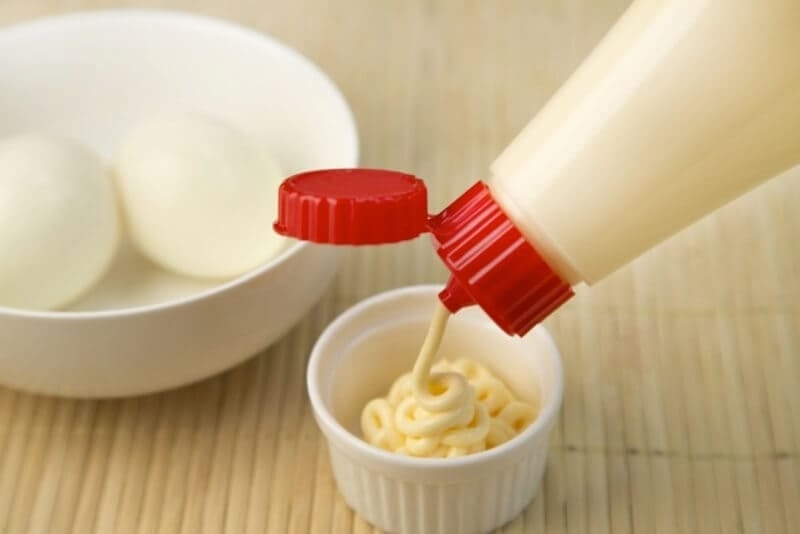
The star-shaped nozzle allows you to decorate food with professional-looking ridges when squeezing the bottle.
Do they serve it with Sushi?
Yes. Kaiten-zushi (conveyor belt sushi) shops often top salmon, shrimp, or hamburger sushi with mayonnaise.
Do I need to refrigerate it?
Yes. While shops sell it on shelves, you must refrigerate the bottle immediately after opening.
Are there low-calorie versions?
Yes. Kewpie sells a version with 50% fewer calories, usually identifiable by a different colored cap.
Can I buy it as a souvenir?
Yes. Tourists often buy the cute, small-sized bottles or regional limited flavors as gifts.
Comments