







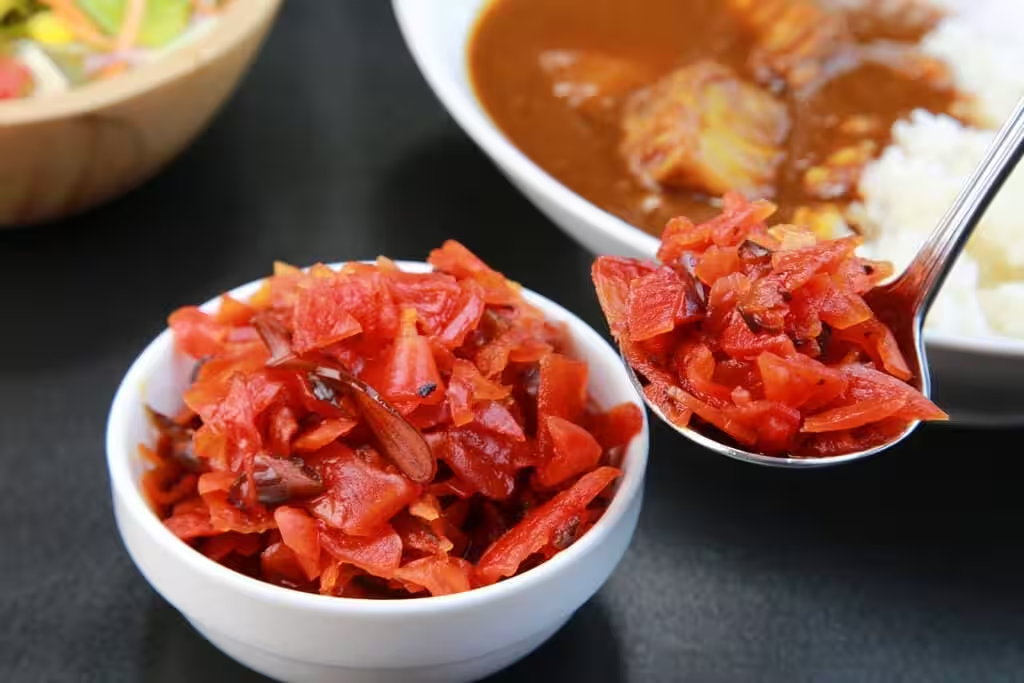
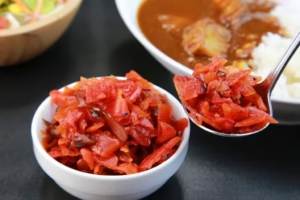
You know that red stuff that comes with Japanese curry? That’s Fukujin zuke. It’s a sweet and salty pickle that’s crunchy and adds a nice pop of color and flavor to the rich curry and soft rice. Even though it’s a common side dish now, this simple pickle has an interesting past. It was created in a very clever way and later became popular all over the country. This article will go into the origins of this popular condiment, what makes it so special, and how it become one of Japan’s most popular dishes.
What Is Fukujin zuke?
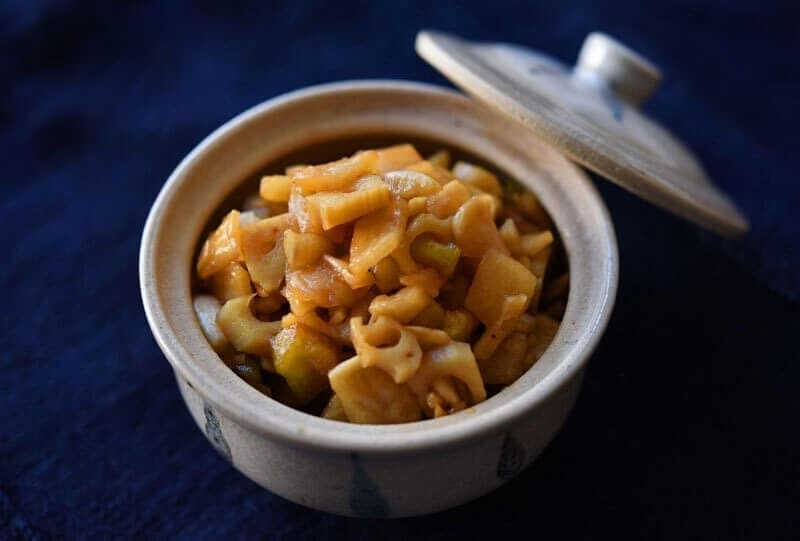
Fukujin zuke (福神漬け) is a type of tsukemono, or Japanese pickled vegetable. Its name, which translates to “Seven Lucky Gods pickle,” comes from the traditional practice of using seven different vegetables in its preparation. While the original recipe called for specific vegetables like daikon radish, eggplant, and lotus root, modern versions often use a variety of five to seven ingredients from a list of eleven. They soak the chopped vegetables in a pickling liquid made from soy sauce, sugar, and mirin until they become soft but still have a satisfying crunch. The taste is a unique blend of salty, sweet, and tangy, setting it apart from other pickles. It’s most famously served as a bright red or brown condiment to Japanese curry rice, though it’s also a common side dish for a simple bowl of rice or a bento box.
A Deep Soy Twist on the Classic Sweet Relish
You might think this is just like a sweet relish you put on a hot dog, but it is much deeper. While Western pickles usually rely on a sharp vinegar and sugar mix, this Japanese version is soaked in a rich base of soy sauce. This gives it a dark and savory depth that feels very earthy and grounded. You get a mix of sweet and salty notes that hit the tongue at the same time. Adding things like lotus root and ginger provides a spicy taste that makes the whole flavor feel very balanced.
Comparing the Bright Red Curry Style to Natural Brown Blends
There are usually two main versions of these pickles you can find in the store. The most common one is the bright red kind often served with Japanese curry. It is very sweet and uses food coloring to get that famous neon look. This version has a bit more sugar and calories to help it cut through a heavy stew. The other type is a natural brown color with no dyes. This version tastes more like pure soy sauce and is less sweet. It is better for people who want to avoid artificial ingredients.
The Multi Layered Crunch of Seven Different Vegetables
The physical feeling of eating these pickles is all about the different crunches in every single spoonful. Since it uses a mix of seven vegetables, you get the hard snap of daikon followed by the thin and brittle crunch of lotus root. It feels very cold and refreshing inside your mouth. When you pile it on top of a hot bowl of curry, the texture stays firm even as it sits in the warm sauce. It does not get soggy like other toppings. This constant snap provides a great break from the soft rice.
History
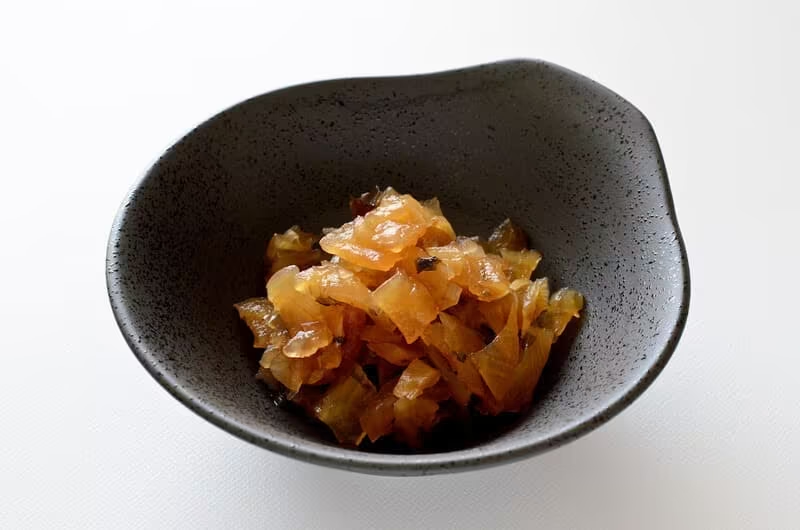
The story of Fukujin zuke begins in the late 19th century in Tokyo. A pickled vegetable shop owner, Seiemon Noda, created the pickle as a new kind of tsukemono. He used a mix of seasonal vegetables and a pickling liquid that gave it a deep, rich flavor. Interestingly, the name “Fukujin zuke” came from a well-known writer, Kinga Baitei, who suggested the name because the dish, with its mix of different vegetables, was so delicious and a perfect accompaniment to rice that one could enjoy it without any other side dishes. In fact, he joked that by saving people from needing other food, the pickle was like the “Seven Lucky Gods” of food, bringing good fortune and satisfaction.
Initially, Fukujin zuke’s popularity grew steadily, but its big break came in the early 20th century. At that time, Japanese navy ships and cruise liners began serving it alongside curry rice, a dish that was gaining popularity. As it turned out, the sweet, tangy flavor of the pickle was a perfect match for the rich, spicy taste of curry, providing a refreshing contrast. Consequently, this pairing became a staple, and soon after, canned Fukujin zuke was even a part of the Japanese military’s food supply. Ultimately, this history of being a travel-friendly and a reliable food source further cemented its place in Japanese cuisine and made it the iconic partner to curry that it is today.
The Seven Lucky Gods and Fukujinzuke

The Seven Lucky Gods are a group of seven gods from various religions who bring good fortune. They include Ebisu, Daikokuten, Fukurokuju, Bishamonten, Hotei, Jurojin, and Benzaiten. Their lineup has changed over time, but they are most famously popular for their lively depictions on a treasure ship. Fukujinzuke was named after them, reflecting the idea of good luck and variety.
A Restaurant That Serves This Dish
Shuetsu (秋悦)
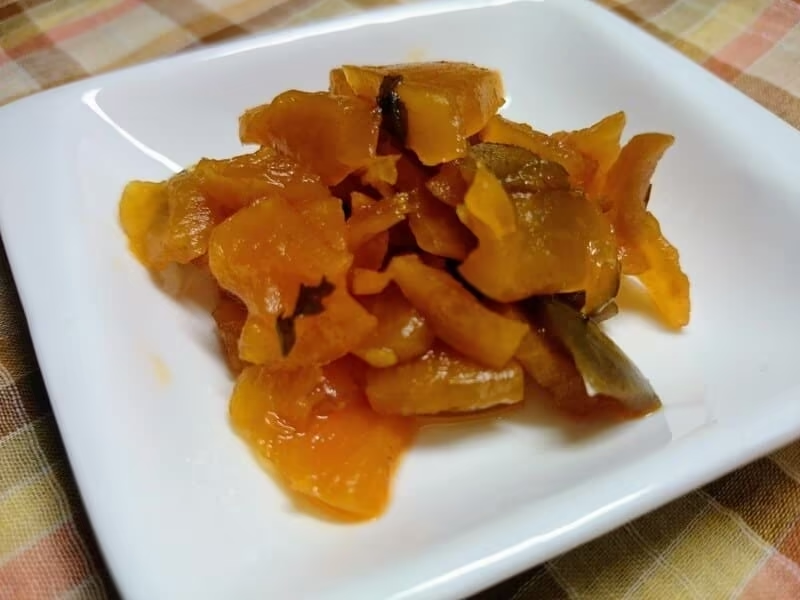
To truly appreciate the history and flavor of Fukujin zuke, one can visit its place of origin at Shuetsu. This long-standing pickling shop is a historical landmark in Tokyo, credited with creating the dish. Visiting their main store allows you to experience the authentic taste of the original Fukujin zuke recipe, as well as many other kinds of pickles that the store is famous for.
Conclusion
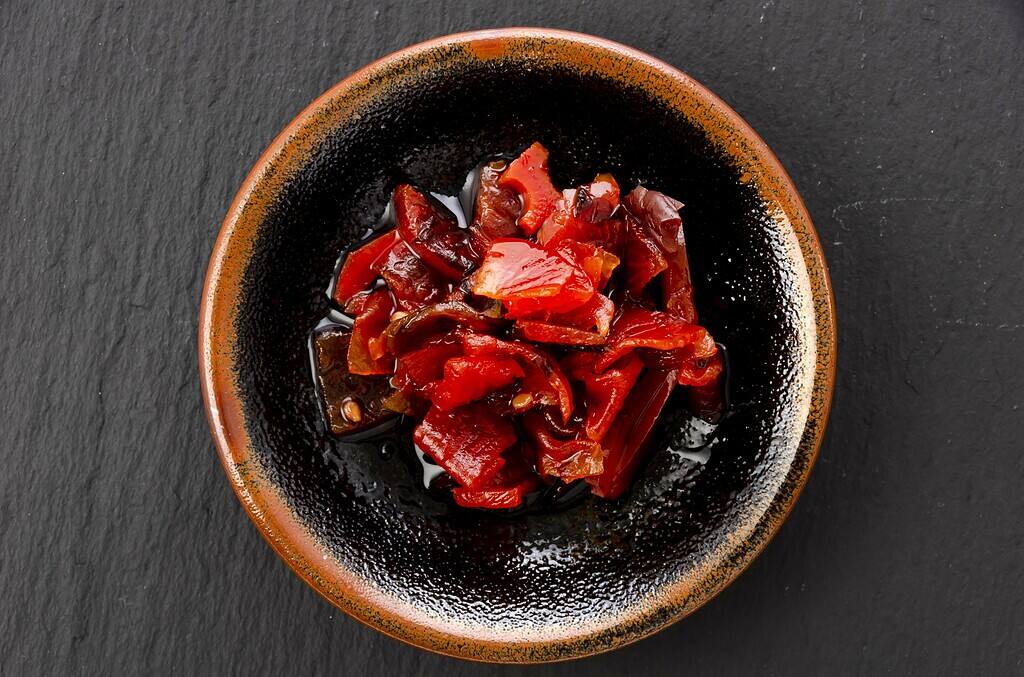
Fukujin zuke’s journey from a simple pickled vegetable to a national condiment is a testament to its unique flavor and cultural significance. It embodies the Japanese art of pickling, where simple ingredients are transformed into a complex and delicious dish. Its history, tied to a famous writer, naval ships, and a pioneering store owner, gives it a special place in the country’s culinary heritage. Furthermore, the dish’s appeal lies in its ability to bring a balanced contrast to savory meals, making it a perfect example of how a small side dish can have a big impact on a meal.
For those who enjoy the unique texture and flavor of Fukujin zuke, there are many other Japanese pickled vegetables worth trying. You might enjoy Takuan, a yellow pickled daikon radish known for its crunch, or the bright pink Beni Shoga, pickled ginger often served with dishes like gyudon. Other great options include Shibazuke, a purple pickle made from cucumber and eggplant, and Gari, the thinly sliced pickled ginger that accompanies sushi. And so, trying these similar dishes will give you a deeper understanding of the wide world of Japanese pickles and their role in the country’s cuisine.
Fukujinzuke (Japanese Curry Pickles) FAQ
What is Fukujinzuke?
It is a crunchy Japanese pickle relish made from chopped vegetables marinated in soy sauce and sugar.
What do I eat it with?
You almost always eat it as a garnish alongside Japanese Curry Rice.
Why is it called “Fukujin”?
The name refers to the “Seven Lucky Gods” (Shichifukujin) because the recipe originally used seven different vegetables.
What vegetables are inside?
Makers mix daikon radish, eggplant, lotus root, cucumber, ginger, sword beans, and perilla leaves.
Why is it usually red?
Most brands use food coloring to make it look appetizing, though natural brown versions exist.
What does it taste like?
It tastes sweet, salty, and savory with a very satisfying crunchy texture.
Is it spicy?
No. Unlike kimchi or spicy pickles, Fukujinzuke has a mild, sweet soy sauce flavor.
Is it free at restaurants?
Yes. Curry shops usually place a jar on the table for you to take freely.
Is it vegan?
Generally, yes. The marinade consists of soy sauce and sugar, using plant-based ingredients.
Where did it originate?
A pickle shop near Ueno, Tokyo invented it during the Meiji Era.
Why pair it with curry?
The crunchy texture and sweetness refresh your palate between bites of rich, spicy curry sauce.
Can I buy it at supermarkets?
Yes. You can find small bags of it in the pickle section of any grocery store.
Is it healthy?
It contains fiber from vegetables, but you should eat it moderately due to the sugar and salt content.
Does it smell strong?
No. It has a mild soy sauce aroma that is not overpowering like some fermented pickles.
How is it different from Beni Shoga?
Beni Shoga uses ginger and tastes sour/spicy. Fukujinzuke uses mixed vegetables and tastes sweet/salty.

Comments