






The small town of Himi, on the coast of Toyama, has a strong tie to one of Japan’s most loved winter foods. This article looks at the special qualities of a valued fish called Himi Kanburi. We will explain why this local favorite has earned its name as the king of winter seafood.
What is Himi Kanburi?
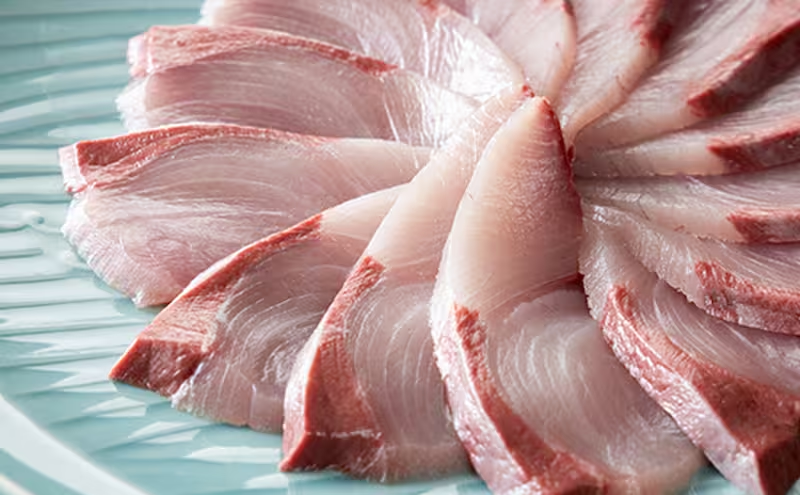
Kanburi means “Winter Yellowtail.” This is the name for the Japanese fish Amberjack (Buri) caught in the cold months, which is when the fish has the most fat. But “Himi Kanburi” is a specific, high-quality fish. It must follow strict rules and has a special registered name since 2011.
To earn the name Himi Kanburi, fishermen must catch the fish using traditional fixed nets in Toyama Bay. They must then sell it at the Himi Fish Market. This name is very exclusive. A group of fishing officials officially announces the exact start and end dates for the season each year. This makes sure that only yellowtail caught at its peak quality gets the honored name.
Himi Kanburi has excellent quality for two main reasons: its large amount of fat and the way people handle it. Yellowtail caught in Himi sells for higher prices than fish from other areas because its flavor is better. Fishermen quickly shock the fish in iced water on the boat. This careful step stops the fish from struggling and dying suddenly, which would quickly damage a key flavor part. This strict process ensures the famous delicious taste. It also keeps the meat firm and slightly crunchy, which people expect from fresh raw fish.
Buttery Depth of Winter Gold
Himi kanburi is often called the king of winter fish for a good reason. Unlike the lean yellowtail you find in summer, this cold water version is packed with a massive amount of natural fat. It has a rich and buttery flavor that is much deeper than something like a fatty Western salmon or tuna. The umami is so strong that it almost feels like eating a piece of marbled beef rather than fish. It offers a clean yet heavy sweetness that coats the whole palate in a truly special way.
Comparing Wild Peak and Farmed Varieties
There is a big difference between this wild winter brand and the standard farmed hamachi found in many stores. Himi kanburi is caught only during the coldest months, giving it a much higher fat content and more calories than the younger fish. However, this fat is full of healthy oils that are great for your body. Farmed versions are available all year and have a stable taste, but they lack the complex layers of the wild fish. The wild version feels like a seasonal luxury with a much punchier and natural saltiness.
Experience of tasting it
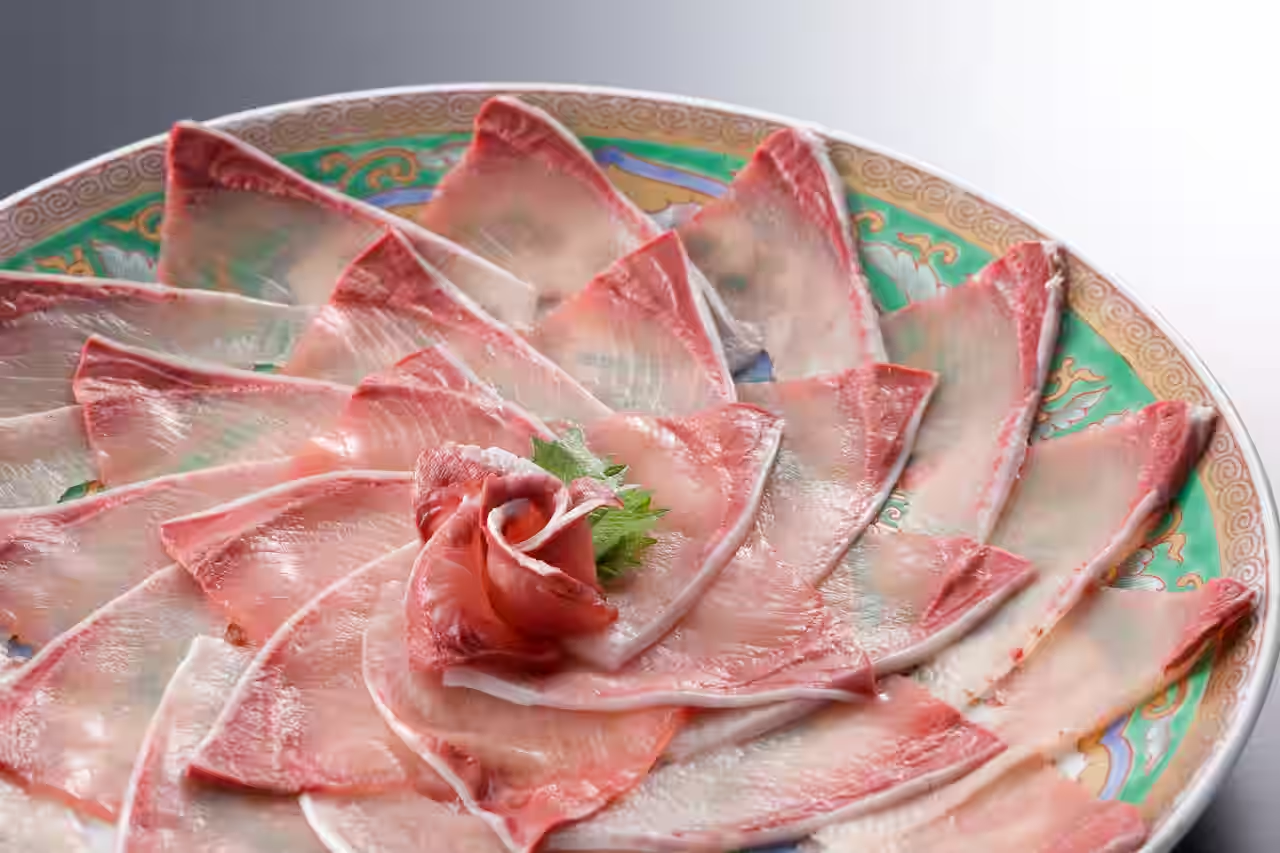
The physical experience of eating this fish changes based on how you prepare it. As sashimi, it is incredibly smooth and feels like silk sliding across your tongue. It has a slight bounciness that resists your teeth just a little bit. When you cook it in a broth like buri shabu, the texture shifts instantly. The heavy fat melts away into the liquid, leaving behind a piece of meat that is flaky and very tender. It turns from a rich cream into a light and savory bite that just melts away in your mouth.
A 400-Year-Old Tradition
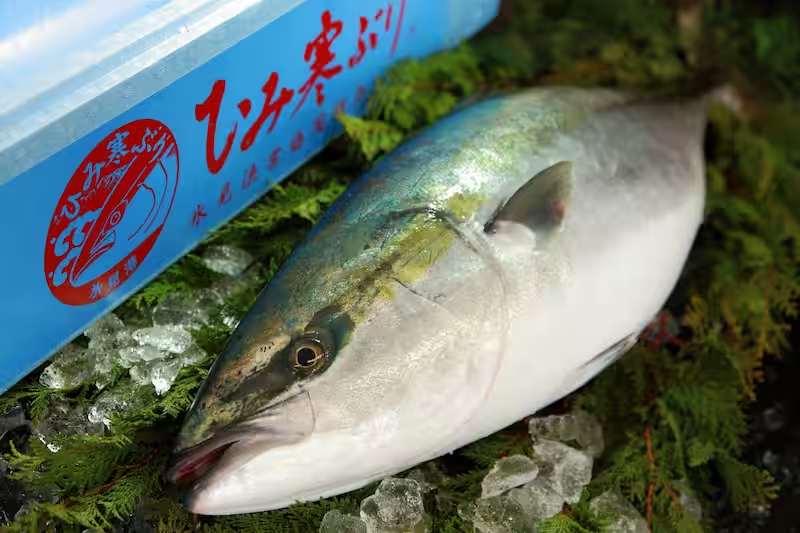
The tradition of this fish goes back over 400 years. The fixed net fishing method used in Himi started that long ago. The fish itself has always been seen as important. Old papers show that important leaders ordered yellowtail to be sent from Himi to high-ranking people in Kyoto as far back as 1595.
Himi Kanburi becomes available because of the local area. In late autumn and early winter, large groups of yellowtail swim south. Near the Himi coast, these fish schools run into the Noto Peninsula. This creates a narrow spot where millions of fish gather. This big rush only happens once or twice during the season. This makes the catch a major yearly event for the local fishermen. Because this chance is so rare, fishermen think of the Kanburi caught in their nets as a “gift from God.”
Culturally, people call the yellowtail a Shusse-uo, or a “fish of success.” Its name changes as it grows, which stands for moving forward and good luck. This meaning shows up in the local tradition of Yome-buri (Bridal Yellowtail). The bride’s family gives a whole Kanburi to the groom’s family as a New Year’s gift in the first year of marriage.
Recommended Stop for Trying out Himi Kanburi
Himi Ganpeki Ichiba (ひみ岸壁市場)
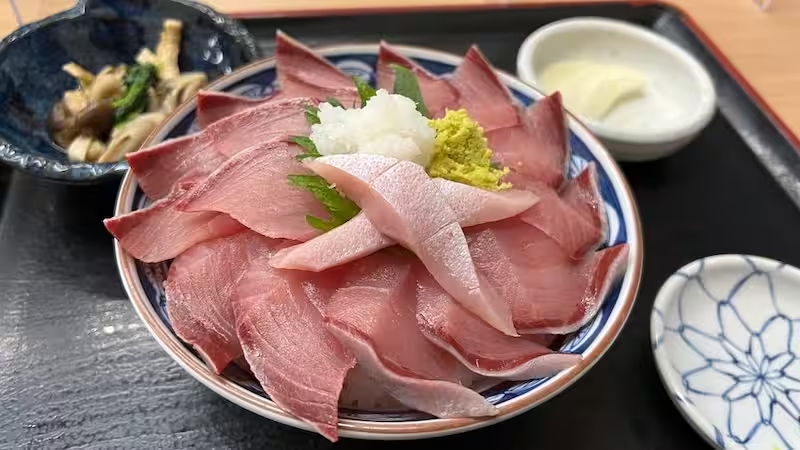
To eat the freshest Himi Kanburi, you should visit the dining spots right near the port. Himi Ganpeki Ichiba, located at the Himi Gyogyou Bunka Kouryu Center, focuses on fish caught that same morning. You can enjoy the yellowtail prepared in many ways, like raw slices, grilled, or lightly boiled in a soup called buri shabu.
Conclusion
Himi Kanburi is a perfect example of how local geography, careful tradition, and strict quality rules make a world-class delicacy. By closely controlling the product with a trademark and seasonal dates, Himi ensures every piece of Kanburi sold meets the high standards set over 400 years.
If you look for this mix of history and flavor, finding Himi Kanburi in winter is an essential food journey. You might also like to try other top Japanese winter seafoods.
Himi Kanburi (Winter Yellowtail) FAQ
What is Himi Kanburi?
It is a premium brand of winter yellowtail caught in the rough waves off Himi City, Toyama Prefecture.
When is the season?
Fishermen catch them during the peak of winter, typically from December to February.
What makes it special?
It possesses an incredibly high fat content and a firm texture that melts in your mouth like Wagyu beef.
What is the “Kanburi Declaration”?
The fishery cooperative officially announces the start of the season when the catch meets strict quality standards.
How do they catch the fish?
Fishermen use traditional “fixed net fishing” (Teichi-ami) to catch the fish alive without damaging them.
What is “Buri Shabu”?
You swish thin slices of raw yellowtail in hot broth for a few seconds to melt the fat slightly.
Can I eat it as Sashimi?
Yes. Eating it raw as Sashimi is the best way to enjoy the rich sweetness of the fat.
How big is the fish?
To qualify as Himi Kanburi, the fish must usually weigh over 6kg and have a perfect shape.
Is it expensive?
Yes. It costs significantly more than regular yellowtail due to its brand status and limited availability.
What is “Buri Daikon”?
It is a stew where cooks simmer the fish head and bones with daikon radish in soy sauce.
How do I know it is authentic?
Sellers attach a specific blue certificate of authenticity to the fish box or display it in the shop.
Why is it called “Kan”?
“Kan” refers to the coldest time of the year. The fish becomes fattiest and most delicious in this cold water.
Can I eat it grilled?
Yes. “Buri Teriyaki” (grilled with sweet soy sauce) and “Shioyaki” (salt-grilled) are very popular.
Where is Himi located?
You find Himi City in Toyama Prefecture, facing the Sea of Japan and backed by the Tateyama mountains.
Is it a lucky food?
Yes. Japanese consider Buri a “promotion fish” (Shusse-uo) because its name changes as it grows, symbolizing success.
Comments