





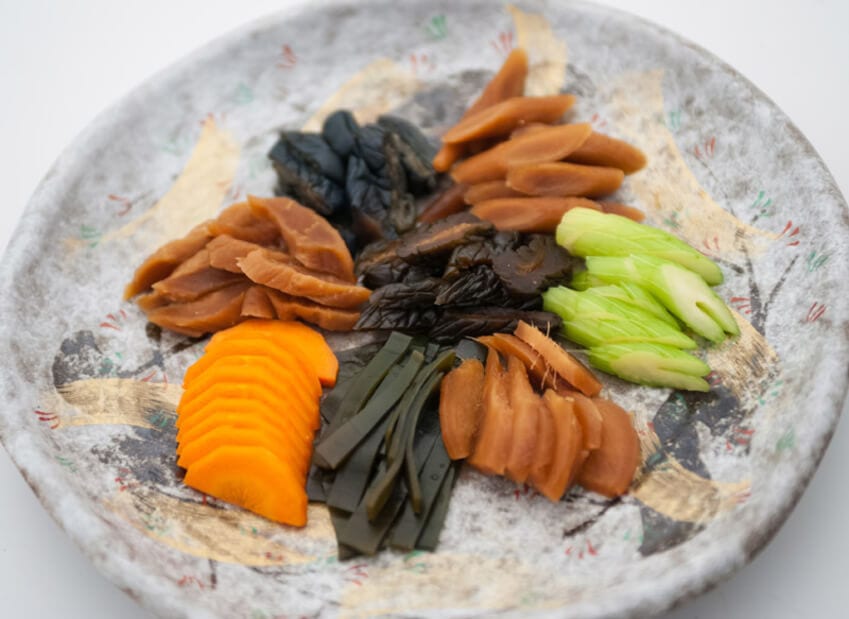
When it comes to traditional Japanese methods of enhancing flavor and preserving ingredients, miso zuke stands out. Rooted in centuries of culinary wisdom, miso zuke transforms everyday ingredients into savory, umami-packed delights that speak volumes about Japan’s rich food culture. Let’s dive into what makes miso zuke so special, where it comes from, and where you can taste it for yourself.
What Exactly is Miso Zuke?
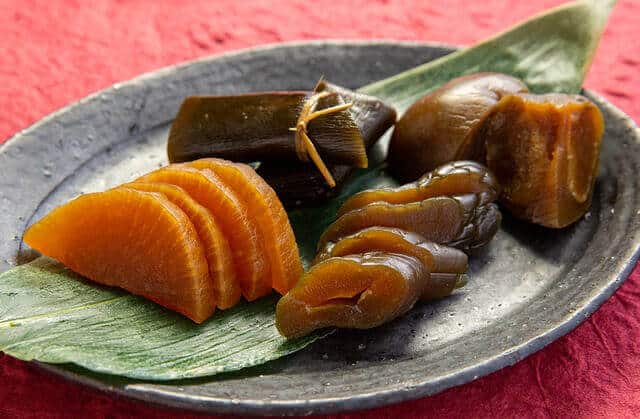
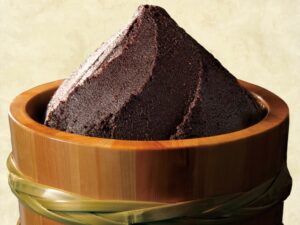
Miso zuke (味噌漬け) refers to the process of marinating or pickling foods in miso, a fermented soybean paste that’s a staple in Japanese kitchens. Cooks from Nagano prefecture use this method to preserve and flavor a wide range of ingredients—from firm vegetables like daikon and eggplant to proteins such as fish, chicken, and pork. As the ingredients sit in a bed of miso, they absorb its deep, savory, and slightly sweet flavors. The miso not only seasons the food but also helps tenderize it and extend its shelf life, thanks to its fermentation properties.
Home cooks and professional chefs alike favor miso zuke for the complexity it adds to simple ingredients. After a few days of marination, a piece of fish or a chunk of radish comes out of the miso deeply flavorful, rich in umami, and carrying a mellow, earthy aroma that speaks of patience and tradition.
Why Fermentation Beats a Basic Vinegar Brine
Miso zuke offers a depth of flavor that is far beyond a basic Western brine. While a Western marinade often uses vinegar and salt for a sharp bite, this Japanese method uses fermented soybean paste to slowly soak into the food. This creates a huge hit of umami that tastes like toasted nuts or dark honey. It is not just salty. It has a funky and sweet complexity that changes the very nature of the ingredients. It feels much warmer and more grounded than the acidic marinades found in many European kitchens.
From Buttery Fish to the Crunch of Cured Veggies
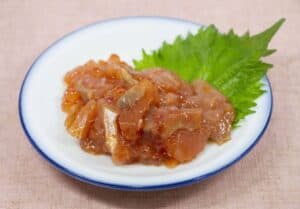
There is a big difference between curing fatty fish and crisp vegetables in miso. Fish like black cod becomes incredibly rich and buttery as the miso breaks down the proteins over time. This version is higher in calories and healthy fats, making it a heavy and decadent main dish. On the other hand, miso zuke vegetables remain light and refreshing. They are much lower in calories and focus on a salty and fermented crunch. While the fish tastes like a luxurious treat, the vegetables offer a healthy boost for balancing a meal.
How Searing Turns Firm Meat into Silk
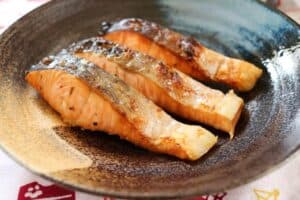
The physical feeling of eating miso zuke is all about the change in density. Before it is cooked, a miso cured protein feels much firmer because the salt has drawn out the moisture. However, once you apply heat, the texture transforms into something almost like velvet. The outside becomes a sticky and charred glaze that is slightly tacky to the touch. Inside, the meat or fish stays moist and tender. When used on vegetables, the texture stays snappy but gains a slick and glossy coating that makes every single bite feel very smooth.
A Look Back at Its History
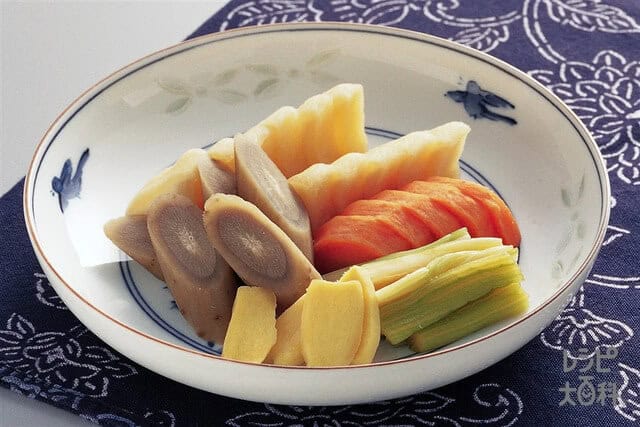
People in Japan have been using fermented foods like miso to preserve ingredients for more than a thousand years. Miso itself dates back to ancient times and has always played a key role in the Japanese diet. The practice of pickling with miso developed alongside the broader tradition of tsukemono (漬物), which encompasses all types of Japanese pickles.
Historical documents such as the “Engishiki” (延喜式), a compilation of laws and customs from the Heian period in 927 AD, already mention forms of miso pickling.
For instance, they reference the use of miso and sake lees to pickle winter melon, indicating that people relied on these techniques well over a millennium ago. In a time without refrigeration, preserving food in miso wasn’t just a culinary choice—it was a necessity. Over the years, however, miso zuke evolved beyond its practical roots and became appreciated for the depth of flavor it imparts.
Where Can You Try Miso Zuke Today?
Ginza Uchiyama (銀座うち山)
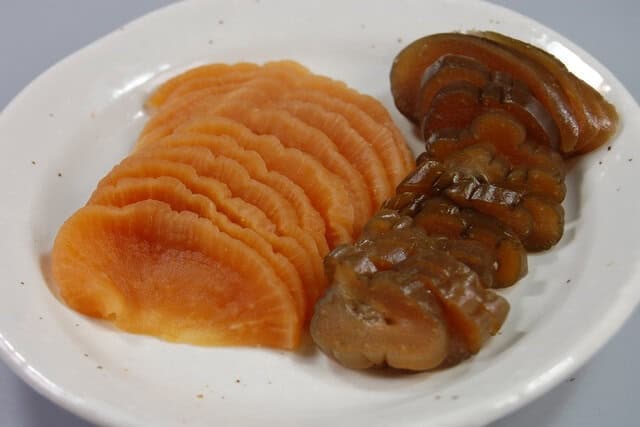
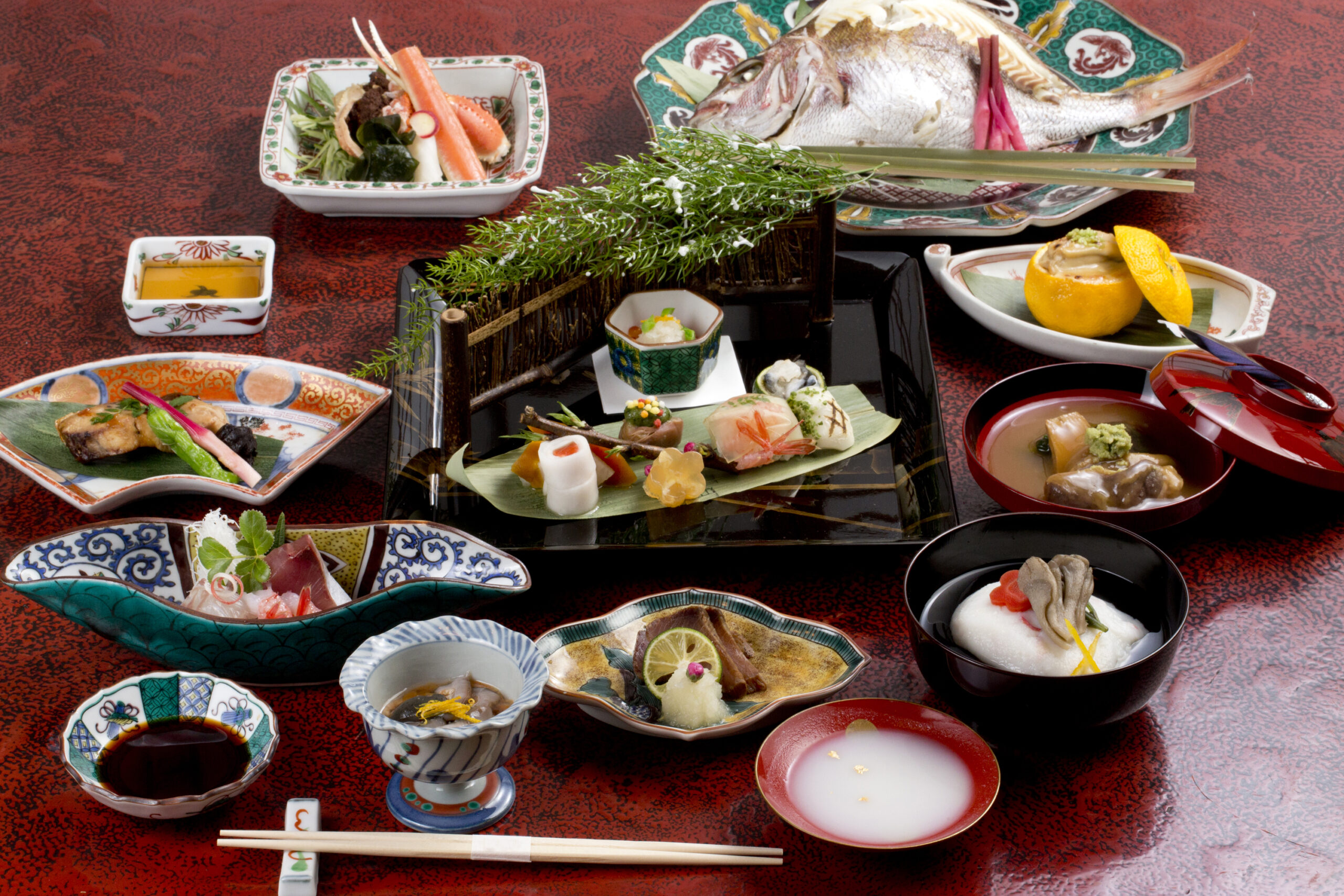
You can still find miso zuke in modern Japanese cuisine, especially in restaurants that honor tradition. One standout location is Ginza Uchiyama (銀座うち山) in Tokyo. This high-end restaurant specializes in refined Japanese dishes, many of which feature classic preparation methods like miso marination. While the menu changes with the seasons, you’re likely to encounter grilled fish or vegetables that have been gently marinated in miso for a rich, flavorful finish.
Final Thoughts
Miso zuke continues to charm both locals and travelers with its bold yet balanced taste and cultural depth. What began as a practical preservation technique has become a culinary art form, showcasing the versatility of miso and the ingenuity of Japanese cooking.
If this technique fascinates you, consider exploring similar pickling methods like nukazuke (pickled in rice bran), sake kasu zuke (pickled in sake lees), or other regional varieties of tsukemono. Each brings its own flavor profile and story—proof that Japan’s pickling culture is as diverse as it is delicious.
Misozuke (Miso Pickles) FAQ
What is Misozuke?
It is a traditional Japanese pickle made by curing vegetables, meat, or fish in miso paste.
What does it taste like?
It tastes salty, savory, and deep. The ingredients absorb the rich umami flavor of the fermented soybeans.
What vegetables do they use?
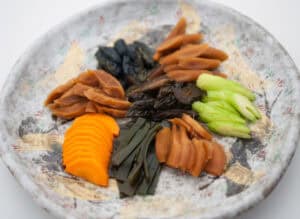
Makers commonly use daikon radish, cucumber, carrot, eggplant, garlic, and ginger.
Do I eat the miso paste?
Generally, no. You should wipe or lightly wash off the paste before eating, as it is extremely salty.
Is it a main dish?
No. Japanese eat vegetable Misozuke as a side dish (Tsukemono) for rice or as a snack with alcohol.
Is it fermented?
Yes. The miso itself is fermented, so the pickles contain beneficial enzymes and probiotics for gut health.
Can I pickle meat?
Yes. Chefs pickle pork, beef, and fish to tenderize the meat and infuse it with flavor before grilling.
Is vegetable Misozuke raw?
Yes. The salt in the miso cures the vegetables, so you eat them crunchy and raw without cooking.
How long does it last?
It preserves well. The high salt content allows it to stay fresh for weeks or months in the refrigerator.
Is it very salty?
Yes. It has a high sodium content, so you should eat it in small portions with plain rice.
What is “Tofu Misozuke”?
It is tofu aged in miso for months. It develops a creamy texture and strong flavor resembling blue cheese.
Is it vegan?
Usually, yes. However, some commercial miso pastes contain dashi (fish stock), so you should check the label.
Where can I buy it?
You find it in supermarkets, souvenir shops, and specialty pickle stores (Tsukemono-ya) across Japan.
Does it smell strong?
Yes. It carries the distinct, earthy aroma of fermented soybeans, which some people compare to cheese.


Comments