





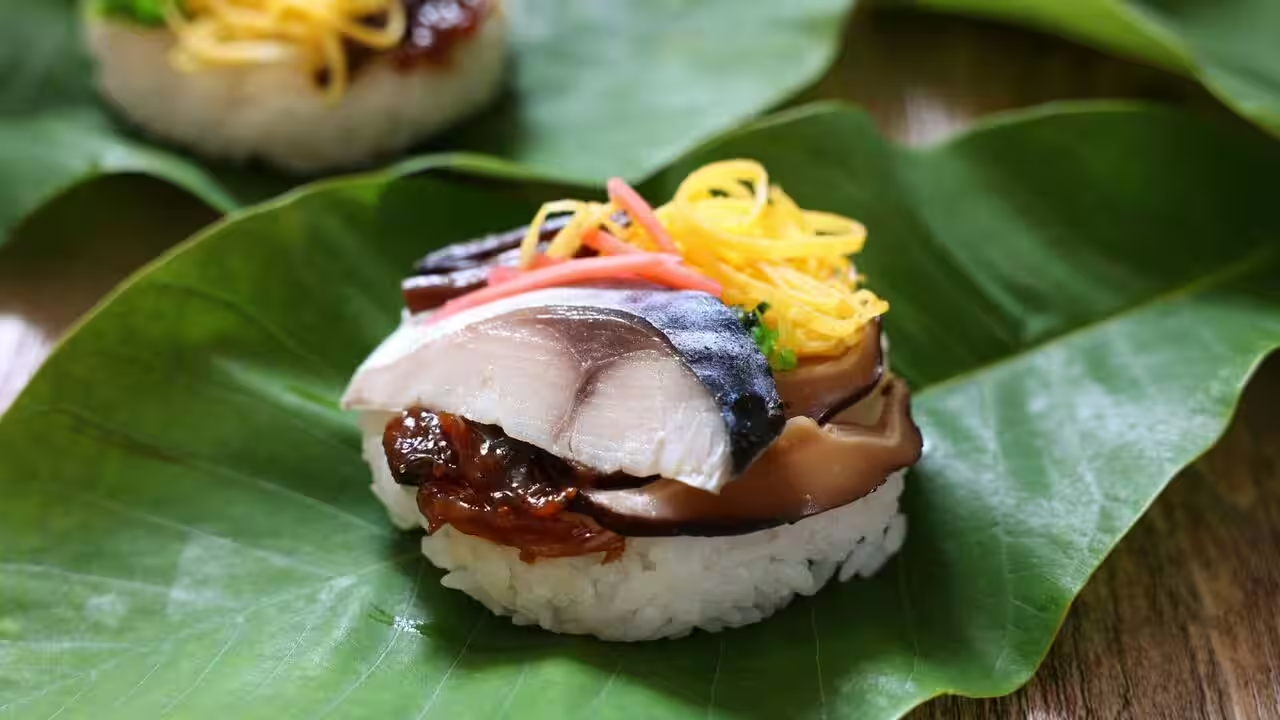
This article gives you the basics of Hooba Sushi, a traditional Japanese food known for its natural leaf wrapper. The use of a large, fragrant leaf makes this seasonal meal different from everyday sushi rolls. We will cover what this food is, where it comes from, and why its preparation depends entirely on a giant leaf.
Keep reading to get the background and important facts about this regional dish.
What is Hoooba Sushi?
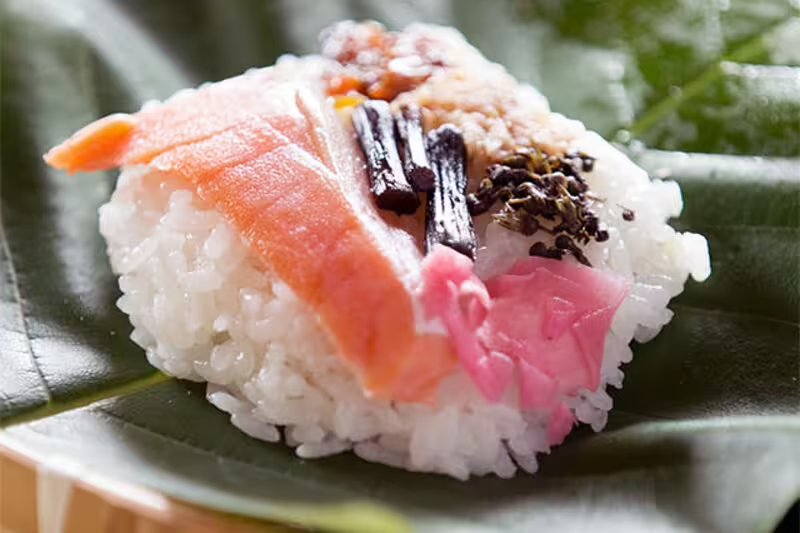
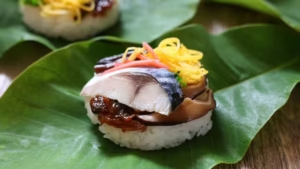
Hooba Sushi (朴葉すし), also called Hoba zushi, is a special kind of vinegared rice dish wrapped completely in the huge, flexible leaf of the Japanese Bigleaf Magnolia tree (Hoba). You can’t find this item everywhere in Japan. It’s a regional food mainly comes from the mountainous parts of Gifu Prefecture, especially the Hida and Chuno areas.
The dish starts with slightly firm sushi rice topped with cured or cooked ingredients. Common toppings often include salted salmon or mackerel, shredded thin egg omelet (kinshi tamago), and mountain vegetables like sweet simmered butterbur or Japanese ginger (myoga). The whole serving is then neatly folded and sealed inside the magnolia leaf. The leaf gives the food a refreshing, distinct forest smell as it rests.
Salty Fish Meets Herbal Freshness
The taste is complex and earthy. The salted salmon or mackerel brings a strong, briny flavor that’s quite assertive. The vinegared rice provides a gentle tang that balances the saltiness. I remember unwrapping the leaf and being struck by how distinct each element tasted. The kinshi tamago adds a mild sweetness, while the mountain vegetables like myoga bring a sharp, almost peppery bite. The magnolia leaf itself infuses everything with a subtle herbal note.
Firm Rice, Tender Toppings
The texture is interesting. The sushi rice is slightly firmer than typical sushi, holding its shape well after being wrapped. It’s not sticky or soft but has a pleasant chew. The salted fish is tender, almost melting on your tongue after being cured. The egg strands are silky and delicate. The mountain vegetables provide crunch and bite, creating contrast. You might wonder if the leaf makes things soggy, but it doesn’t. It keeps everything fresh without transferring too much moisture.
Forest Wrapped Around Your Meal
The aroma is what makes this dish truly special. When you unwrap the magnolia leaf, you’re hit with this fresh, woody scent that’s almost medicinal in a pleasant way. It smells green and alive, like walking through a mountain forest. The salted fish adds its own oceanic smell, mixing with the herbal notes from the leaf. There’s also that familiar vinegar scent from the rice. Together, they create this uniquely mountain-meets-sea fragrance that you don’t encounter in other sushi.
Why the Leaf Makes All the Difference
The magnolia leaf isn’t just packaging. It’s an integral part of the dish, imparting that distinctive aroma and keeping the rice and toppings fresh during transport. In the mountains where refrigeration was once scarce, the leaf’s natural antibacterial properties helped preserve the food. Even now, that forest fragrance is part of what defines Hooba Sushi’s identity, connecting it to the mountainous regions where it originated.
A Quick Look at Its Past
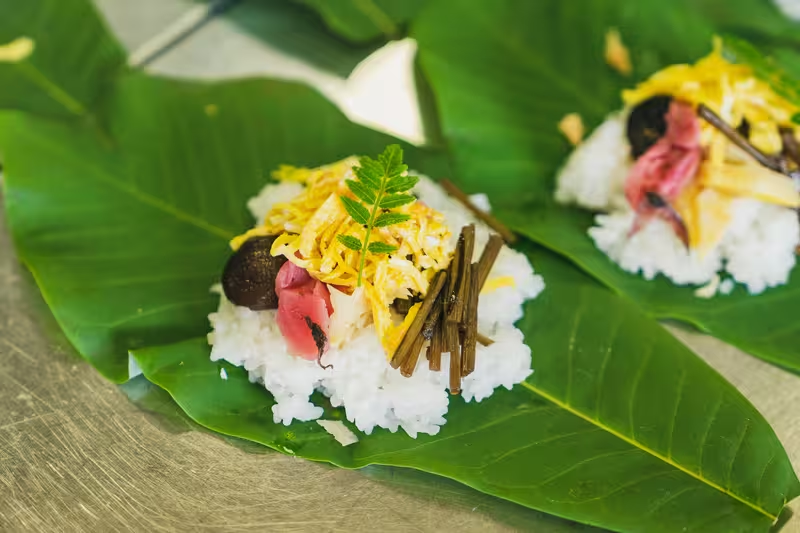
The story of Hooba Sushi goes back to the middle of the Edo period (1603–1868). This dish didn’t start as a fancy food; it grew out of simple need and regional trade. Its start partly influenced by the trade of preserved fish, brought inland to raise money after feudal taxes were imposed.
More importantly, Hoba Sushi served as a solid, easy-to-carry meal (keitai-shoku) for people doing hard work during farm breaks, particularly the tough rice planting season (nō-yasumi). Since planting happens during the warm, wet months of May to August, food spoiling was a serious worry. The magnolia leaf wrapper provided a solution, letting people eat easily in the field without needing plates or utensils.
Important Things to Know About Hooba Sushi
Natural Preservation Power
The main reason the Hoba leaf works so well is its strong natural protection. The leaf holds a natural compound called hinokitiol, which has powerful anti-bacterial and anti-fungal effects. When this natural defense mixes with the vinegar in the rice, it creates a strong, natural way to preserve the food, keeping the sushi safe for a long time, even in hot weather.
Seasonal Timing
Hooba Sushi is strongly link to the season, locals traditionally eat this between May and August. This is when the large magnolia leaves reach their best size, smell, and color.
Ingredients Change by Area
The toppings and look of the dish vary a lot by place. In the Hida region, people prefer simpler, lighter tastes, sometimes using only rice and Japanese ginger. In contrast, areas like Ena City and Tono often use seven or eight bright, detailed toppings to make a colorful, celebratory meal, including river fish and vinegared mackerel.
Where to Find It
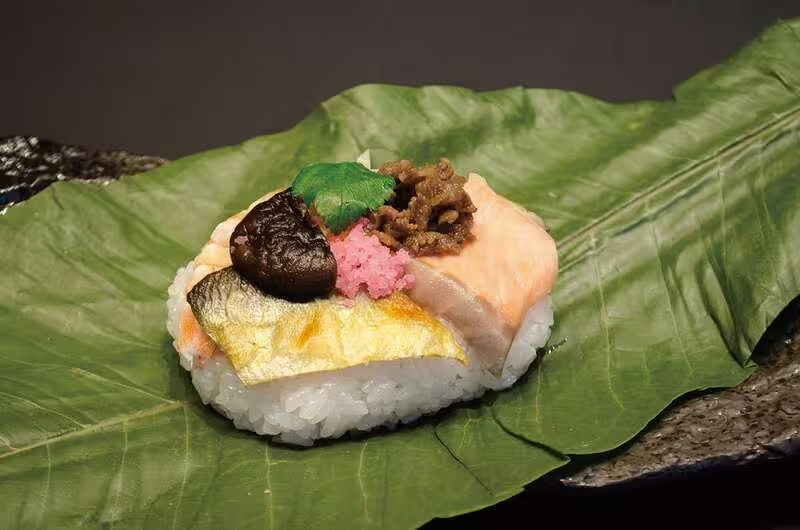
Hooba Sushi is not typically sold year-round; it is a seasonal product tied directly to the harvest of the Japanese Bigleaf Magnolia (Hoba) leaves
As a regional specialty, Hoba Sushi is typically available commercially during the season (mid-May to July) at direct farm stands and in restaurants located in the Tono region and surrounding areas. The toppings and presentation vary widely by the shops that sell it, often including deluxe ingredients like Hida beef or eel in places like Ena City.
Summary of This Traditional Dish
Hooba Sushi is more than just a tasty seasonal item; it shows a perfect mix of local food culture, hard farm work, and smart use of nature. It’s a great example of how local, natural items perfectly used to support and maintain intensive farming traditions across the region.
For those interested in this special kind of leaf-wrapped food, it’s worth looking at other preserved regional dishes such as Kakinoha Sushi, Masuzushi, and various types of Oshizushi. These include similar pressed sushi forms.



Comments