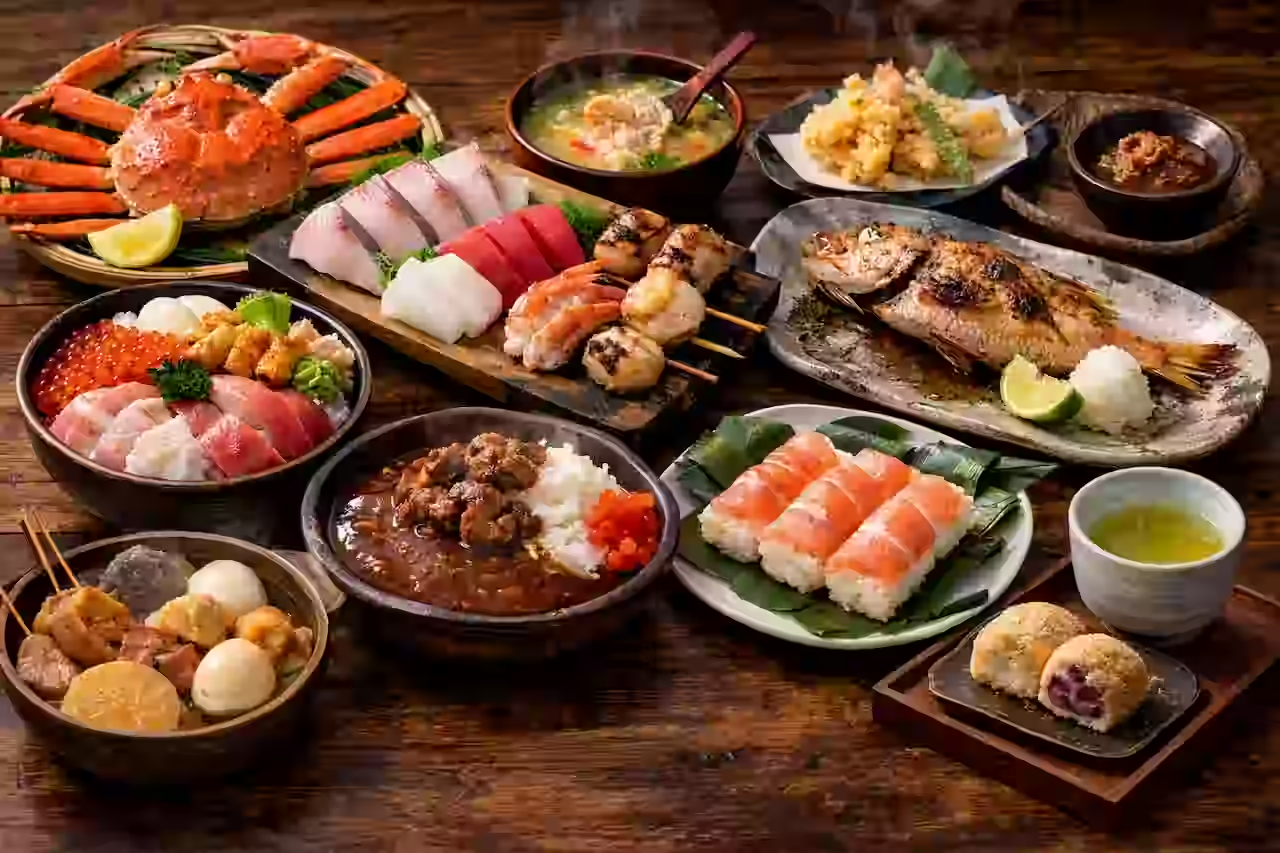
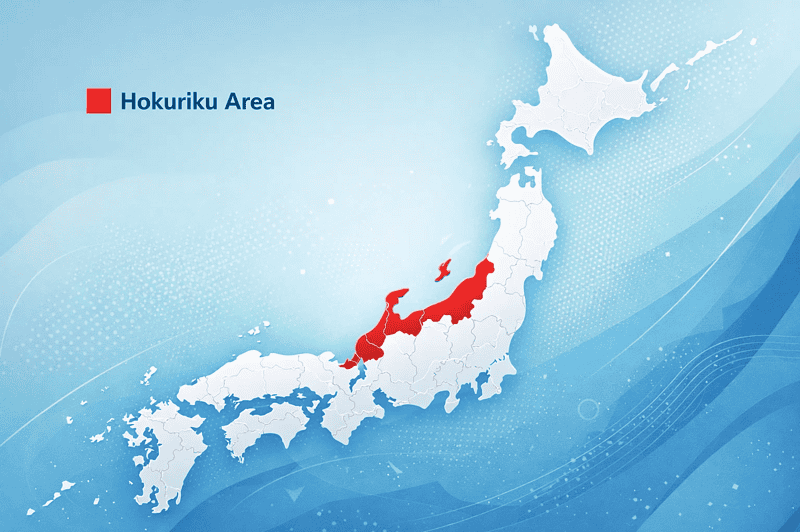
Hokuriku food is hard to describe until you’ve actually tasted it. The region spans Fukui, Ishikawa, Toyama, and Niigata along the Japan Sea coast. That geography shapes everything on the plate. Unlike the bold spice of akita food or the smoky depth of aomori food and iwate food, Hokuriku cuisine leans into umami. Think clean, cold-water seafood, fermented traditions, and rice that is frankly some of the best in the country. Even if you’ve explored miyagi food or yamagata food, this corner of Japan feels different. Quieter, maybe. But the flavors linger.
TOC
Selection Criteria for the Ultimate Hokuriku Food Listicle
The dishes below were chosen for three reasons. They genuinely represent the prefectures they come from. They’re accessible enough that most travelers can find and try them. And they reward curiosity. Some are famous. A few might surprise you.
Hokuriku cuisine rewards those who pay attention. There’s always something underneath the surface worth finding.
Echizen Crab (Fukui): The King of Fukui Food
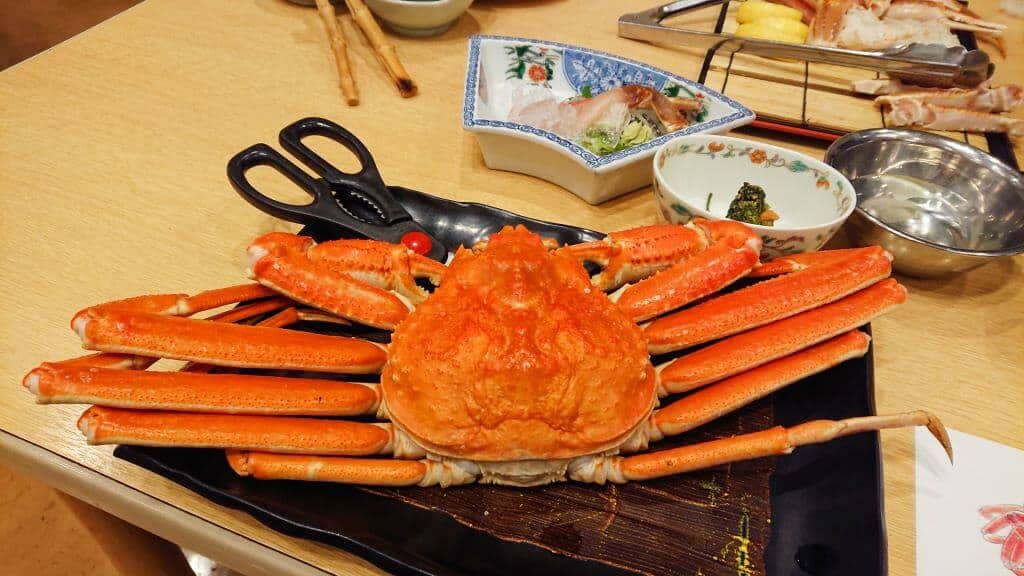
Echizen Crab from Fukui is the one hokuriku food that stops people mid-conversation. The snow crab legs are plump and sweet. The sweetness feels almost unearned, with a faint mineral scent of the cold Japan Sea. The texture is tender but not mushy. It separates cleanly from the shell without tearing. Worth the price? Almost certainly yes.
Season and Availability
The official season runs from November 6 to March 20. Only male snow crabs caught off Fukui’s coast earn the “Echizen” name. Each certified crab carries a yellow tag on one leg — that tag is your guarantee of origin. Female crabs (ko-gani) are smaller and cheaper, with a different texture, and sold separately. Restaurants in Tsuruga and Takefu offer full multi-course crab dinners. Book at least a week ahead during peak winter months. In Fukui City, the Yume-Terrace Miaru area near the station has several options open to walk-ins on weekdays.
Flavor Profile
Sweet, tender flesh with a faint mineral scent. Melts on the tongue cleanly. The cold-water origin comes through in every bite. There’s a clarity to the flavor that warmer-water crab never quite achieves.
Price and Value
Winter only. Sets from around $100. Expensive, but honestly hard to regret. A full course typically includes boiled legs, grilled claw meat, crab miso hot pot (kani-nabe), and steamed rice finished in the leftover broth. Nothing goes to waste.
The First Bite
Tender, pulls cleanly apart. Sweet and faintly mineral. The meat near the joint is the richest — start there if you can. It melts before you’ve finished chewing.
The Lingering Finish
Clean saltiness stays after swallowing. Not fishy. Just cold sea, quietly simplified. The aftertaste is long for something so delicate. It doesn’t disappear — it slowly fades.
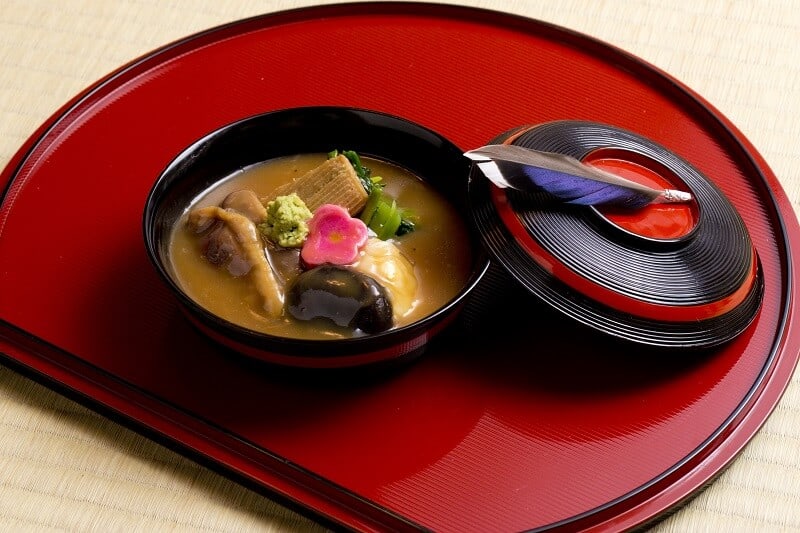
Jibu-ni is Kanazawa’s answer to comfort food, and it earns that title. Duck or chicken is coated in flour or starch before simmering. This thickens the soy-mirin broth into something glossy and almost lacquer-like. The gluten dumplings (fu) absorb the broth completely. Seasonal vegetables and a small amount of wasabi sit on top. They cut the richness just enough. The smell rising from the bowl is warm, savory, and slightly sweet. It’s the kind of dish that makes you slow down.
Name and History
The name “jibu” likely comes from jibujib — the sound the broth makes as it simmers. The dish has been part of Kanazawa cuisine for centuries. It reflects the city’s long tradition of refined home cooking.
Where to Find It
Sudachi citrus and freshly grated wasabi are added tableside just before eating. Don’t skip them — they change the balance noticeably. Seek out traditional kappo counter-dining restaurants in Kanazawa’s Higashi Chaya geisha district or the Kazuemachi area. These are small restaurants where the cook works meters from your seat. Lunch sets featuring jibu-ni are common and more affordable than dinner orders.
Flavor Profile
Thick, glossy broth with a savory-sweet aroma. The starch coating on the meat creates an unusual texture. It sits somewhere between tender and velvety. The broth clings to every surface. Duck (when used instead of chicken) adds a faint gaminess. This makes the dish more interesting on the second and third spoonful.
Price and Portion
Around $10 at a local restaurant. Filling and genuinely satisfying. Kanazawa cuisine tends toward refinement over volume. But jibu-ni manages to feel both generous and elegant at the same time.
Aroma
Warm soy and mirin scent rises from the bowl. Sweet and savory, hard to walk past. The wasabi on top adds a green, vegetal note to the steam. It signals the dish before you’ve picked up a chopstick.
Masu Sushi (Toyama): Pressed Trout Sushi Icon
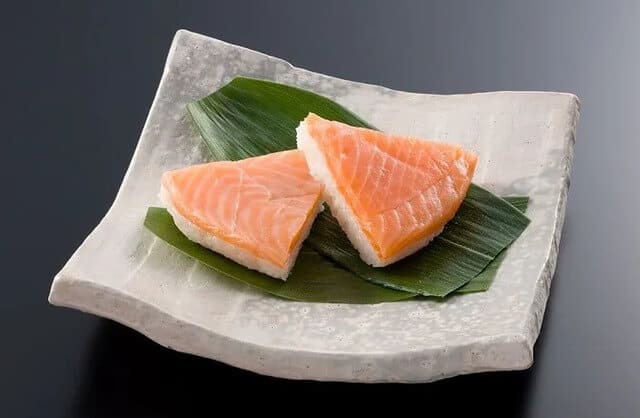
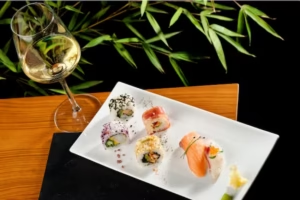
Fresh salmon sushi slices served on a traditional Japanese ceramic plate with green leaves.
Masu Sushi looks almost too neat to eat. Vivid pink trout is pressed over vinegared rice in a round cedar box. Bamboo leaves wrap the whole thing tightly, imparting a faint woody, grassy fragrance. The vinegar is pronounced — more assertive than standard nigiri sushi. The rice has a firm, slightly chewy texture from the pressing. When you cut through the circular cake and lift a wedge, the layers hold perfectly. Cold and clean, it travels well. That’s part of why locals have been bringing it on trains for centuries.
History and Tradition
Masu sushi has been sold as an ekiben (train station bento) at Toyama Station for over 300 years. It is one of Japan’s oldest continuously sold train-platform foods. The format has barely changed. The round cedar box is part of the identity, not just the packaging.
Buying Tips
More than a dozen local producers each make their own version. Vinegar strength and rice texture vary between brands. Masu no Sushi Honpo Minamoto is among the most historically established and widely available. Always serve it at room temperature rather than straight from the fridge. Cold rice firms up unpleasantly and mutes the flavor of the trout. The cedar box is reusable and makes a decent small souvenir on its own. It keeps well for about a day at room temperature — ideal for long bullet train journeys.
Flavor Profile
Grassy bamboo fragrance, bright vinegar, firm rice. Cold, clean, and precise. The trout is cured rather than raw. This gives it a firmer bite and a more concentrated flavor than fresh fish. Think somewhere between sashimi and lightly smoked salmon.
Price and Portability
Around $10 per portion. Portable and quietly addictive once you trust the vinegar. The circular format means each wedge delivers an even ratio of rice to fish. This is one of the underappreciated pleasures of pressed sushi over hand-formed nigiri.
Texture and Scent
Chilled rice, springy trout layer. Crisp at the edges, firm at the center. The pressing creates a density that standard sushi doesn’t have. The texture holds for hours without the rice drying out. The bamboo leaf releases a grassy, woody scent the moment it’s peeled back — a brief sensory reset before the vinegar takes over.
Black Ramen (Toyama): Bold and Unique Hokuriku Cuisine
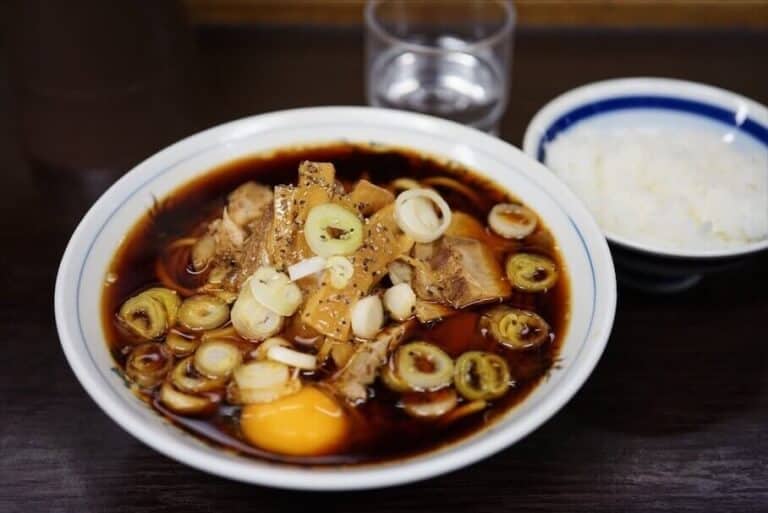
toyama black ramen
Toyama Black Ramen is aggressive in the best way. The jet-black broth is built on heavily reduced soy sauce. Garlic and coarse black pepper layer on top. It hits the nose before the bowl even lands on the table. The noodles are straight and firm. The broth is intense and salty. It demands full attention. Not for the faint of palate, but absolutely worth the commitment.
Origin Story
Toyama Black was reportedly invented post-WWII at Nishida Honten restaurant. It was designed as a meal for manual laborers on reconstruction sites. The extreme saltiness was deliberate. It was meant to replenish the salt lost through heavy physical work. That heritage explains everything about the bowl. This is fuel food dressed up as ramen, and it makes no apologies.
How to Order It
The classic way to eat it is with a side bowl of plain steamed white rice. Dip the rice into the broth between spoonfuls of noodles. This genuinely transforms the experience. It softens the intensity in waves. Nishida Honten and Taiki are the two foundational shops in Toyama City. Both are small, often busy at lunch, and worth any queue.
Flavor Profile
Garlic and coarse black pepper hit the nose before the bowl arrives. Intense, almost smoky. The color is genuinely alarming the first time — ink-black and opaque. Nothing like the amber broths of most Japanese ramen styles.
Price
Around $6 per bowl. Salty, bold, unapologetically strong. You’ll form an opinion fast. It will almost certainly be strong in one direction or the other. Locals often order it with extra pepper, which tells you something about calibration.
The Broth
Salty, thick, and heavy with layered umami. It coats the mouth and stays there long after the bowl is empty. The pepper builds with each sip. A mild heat arrives late and lingers well past the last noodle.
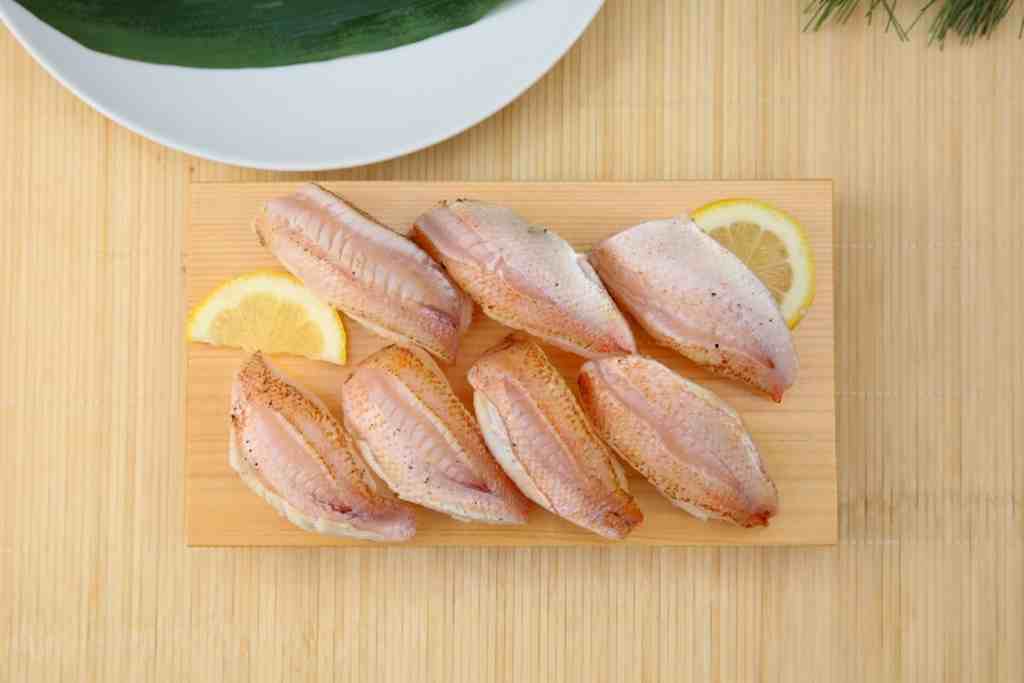
Japanese seafood dish featuring fresh fish fillets with lemon, showcasing traditional Japanese cuisine.
Nodoguro is expensive and slightly elusive. Finding it feels like a small victory. The flesh is pure white, marbled with fat in thin veins. These become visible when sliced for sashimi. When grilled, the skin develops a golden, crackling surface. The interior stays moist and yielding underneath. The flavor is deep umami with a long, buttery finish. As sashimi, the creaminess is almost shocking for something that looks so lean. It’s the signature luxury of hokuriku cuisine, full stop.
Name and Availability
The name nodoguro means “black throat” — the inside of its mouth is jet black. This distinguishes it immediately from similar-looking fish at the market. It’s most abundant in autumn and winter. It can often be found whole at Kanazawa’s Omicho Market. Fishmongers there will trim and portion it on request.
How to Order
Order it shioyaki (salt-grilled whole) before trying it as sashimi. The skin crisps into something almost chip-like. The contrast between the crackled exterior and the creamy interior is the dish’s real argument. As sashimi, ask for a touch of soy and freshly grated wasabi — but not the standard amount. The delicate fat content is easily overwhelmed. Kanazawa and Wajima restaurants offer the best quality at fair prices. Smaller counter-style places near the fish markets are your best bet.
Flavor Profile
Buttery white flesh with a faint ocean scent. Deep umami finish when grilled. The finish is long and clean — it doesn’t fade quickly. A single portion feels substantial even when the serving looks modest.
Price and Season
Sashimi from $20 and up. Seasonal and pricey. But it’s the kind of dish that rewires your expectations for what white fish can taste like. Most people who try it once order it again the same evening if it’s still available.
Texture and Aroma
Creamy as sashimi — almost startlingly so given how lean the flesh appears. Crackled and golden when grilled. A buttery, faintly oceanic scent rises from the grill. Rich, but never heavy or sharp. The fat is clean enough that it reads as depth rather than grease.
Koshihikari Rice (Niigata): Foundation of Niigata Food
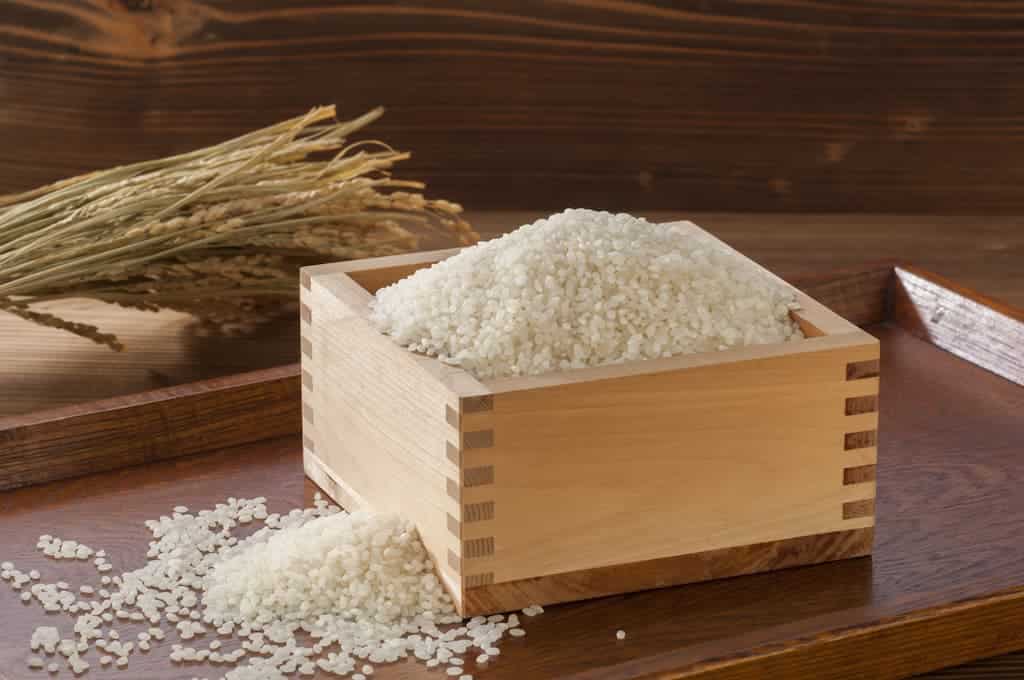
Premium short-grain rice prized across Japan for its sweetness and texture
Niigata’s Koshihikari is the quiet hero of this entire list. Short-grain, slightly sticky, subtly sweet. A clean starchy scent rises when it’s freshly cooked. Each grain holds its shape but yields gently to the teeth. There’s no chalkiness, no resistance. A faint natural sweetness develops in the chew. It tastes like the best version of plain rice you’ve ever had. Everything else on this list gets better eaten alongside it. Good rice doesn’t compete — it amplifies.
Why Niigata Produces the Best
The geography does most of the work. Snowmelt water from the Echigo Mountains is exceptionally soft and mineral-light. This suits rice cultivation well. Large swings between warm days and cool nights slow starch conversion. They build sweetness gradually rather than all at once. Rich alluvial soil in the Uonuma region adds the final piece.
Uonuma: The Premium Tier
Uonuma Koshihikari commands noticeably higher prices even within Japan. The difference from standard supermarket rice is not subtle side by side. If a restaurant lists rice labeled Uonuma-san, it’s worth the extra cost. New-harvest rice (shinmai) is available from October onward. It has a moisture content and fragrance that doesn’t last. Eating it in season is meaningfully different from eating it in spring.
Flavor Profile
Subtly sweet, sticky, and plump. The sweetness builds as you chew rather than arriving all at once. This is a characteristic of well-grown short-grain rice. Even when the bowl has been sitting for several minutes, the texture holds. It doesn’t clump or harden the way lower-quality rice does.
Price
Around $3 as a side dish. Simple alone, but essential with everything else. A bowl of Koshihikari alongside good sashimi reveals how much rice has been underestimated in discussions of Japanese cuisine.
Aroma
Sweet starchy scent fills the air when served hot. Hard to rush past. The steam carries the full aroma before the first bite. This is why eating Koshihikari from a wooden bowl — which retains heat without sweating — makes a noticeable sensory difference.
Sasa Dango (Niigata): Unique Hokuriku Confectionery
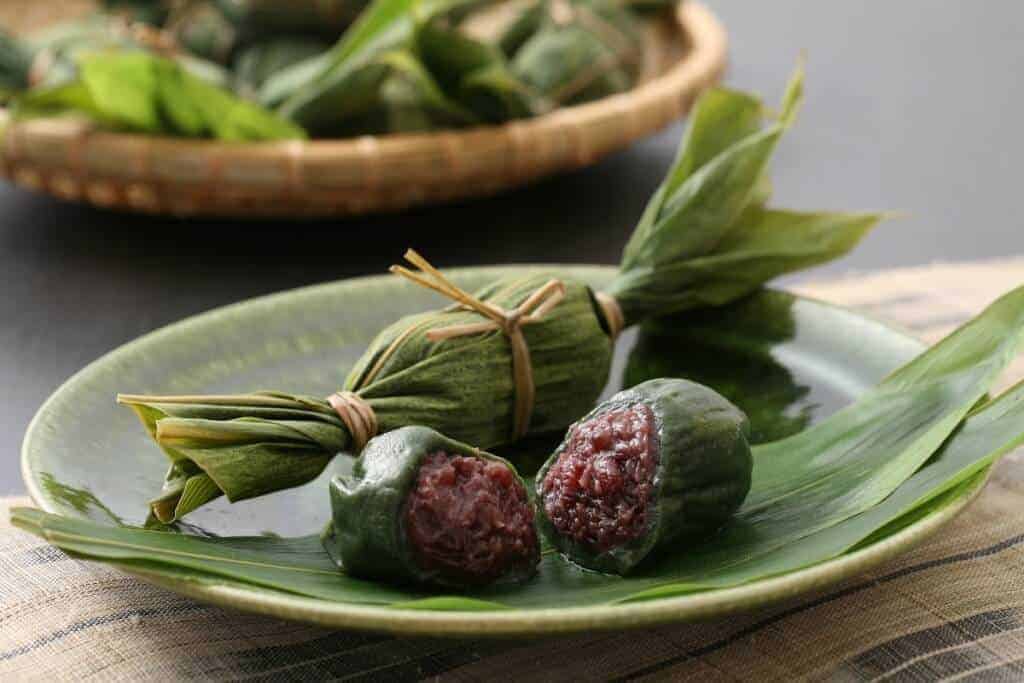
Sasa Dango arrives wrapped in bamboo (sasa) leaves. The moment you unfold them, a grassy, herbaceous scent rises. The mochi is springy and slightly earthy from the mugwort (yomogi) kneaded into it. A green tint is visible even through the wrapping. Inside sits smooth sweet red bean paste (anko). The combination is soft but resistant, mildly sweet, and faintly bitter. Not everyone’s first instinct. But most people come around quickly, sometimes within the same serving.
sasa dango
History and Tradition
Sasa Dango has been made in Niigata for centuries. It was originally a preserved food made during rice harvest season. The bamboo leaf wrapping naturally inhibits bacterial growth. This made it practical long before refrigeration existed. Today it remains the region’s most recognizable sweet.
Buying and Storing
Sasa Dango is sold at every major train station in Niigata Prefecture. It’s one of the region’s most reliable and authentic souvenirs. They traditionally come bundled in pairs tied with string — five pairs to a bundle for good luck. Shelf life is about 2–3 days at room temperature. Avoid refrigeration, as it firms the mochi uncomfortably. Some shops now offer a savory kinpira filling (braised burdock root with sesame and soy) as an alternative. It’s worth trying once. It reframes the whole snack as something more versatile than it first appears. The mugwort flavor also changes subtly as it ages — slightly more bitter and fragrant by day two. Some people prefer it then.
Flavor Profile
Grassy scent, springy mochi, mild bitterness, smooth red bean paste inside. The mugwort runs from the first smell through to the finish. It’s not decoration — it’s the backbone of the flavor.
Price
About $1.30 each. Easy to carry without refrigeration. The earthy, herbal flavor is distinct enough that it doesn’t blur into other sweets in memory. A reliable answer to “what should I bring back from Niigata?”
Texture
The mochi resists briefly before giving way. Mugwort makes it slightly denser than plain mochi. The smooth bean paste follows with a gentleness that balances the earthiness of the exterior perfectly.
Kanazawa Oden (Ishikawa): Comfort Food from the North
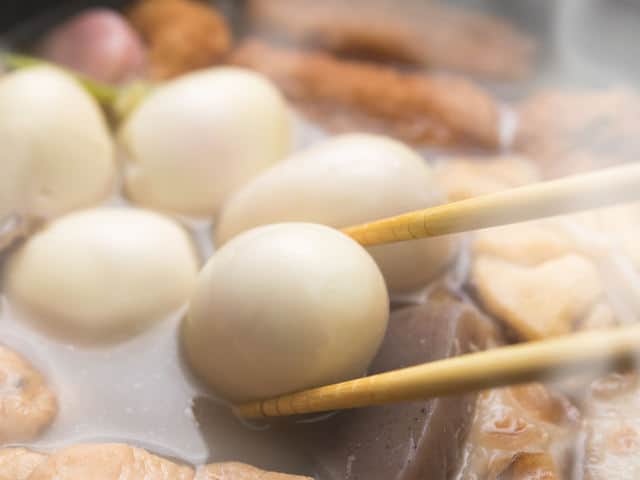
Kanazawa Oden is hokuriku food distilled into a single steaming pot. Seafood, root vegetables, tofu, and stuffed crab shell all slow-cook in a clear, long-simmered dashi broth. Each ingredient absorbs the surrounding flavor at its own pace. The smell is subtle but deeply savory — less assertive than miso-based soups, more patient. Some pieces are soft, some firm. Best eaten at a small counter izakaya on a cold night, piece by piece, in no particular hurry.
What Makes Kanazawa Oden Different
Tokyo-style oden and Kanazawa oden share the format but not the ingredients. Kani-men is the Kanazawa signature — crab shell filled with crab meat, tofu, and egg. Rich and custardy inside the shell, it has no equivalent elsewhere. Baguwa is a regional fish cake with a texture closer to firm tofu than the bouncy fish cakes common in other regions. These two pieces are the ones worth seeking out specifically.
The Dashi
The broth is often made with kelp from the Noto Peninsula. Noto kelp is considered some of Japan’s finest. The cold currents of the Sea of Japan pass close to the Noto coast, producing kelp with a high mineral content and deep umami. The dashi carries this without announcing it — a background richness that reveals itself over multiple pieces.
Where to Go
Dedicated oden restaurants cluster around Omicho Market and the Katamachi entertainment district. Most open in the late afternoon from around 4pm. Arriving early gives you the best selection before the most popular pieces sell out. Lunchtime oden is less common in Kanazawa — this is an evening tradition.
Flavor Profile
Subtle, savory broth with layered umami that builds quietly over multiple pieces. Part of the pleasure is choosing the sequence. Move from something delicate to something substantial, then back again.
Price and Setting
Around $1 per piece at an izakaya. Graze widely without committing to a single large dish. Best shared with two or three people for maximum variety. The dashi steam draws you in before you sit — oden restaurants are rarely hard to find in Kanazawa because the smell announces them from down the street.
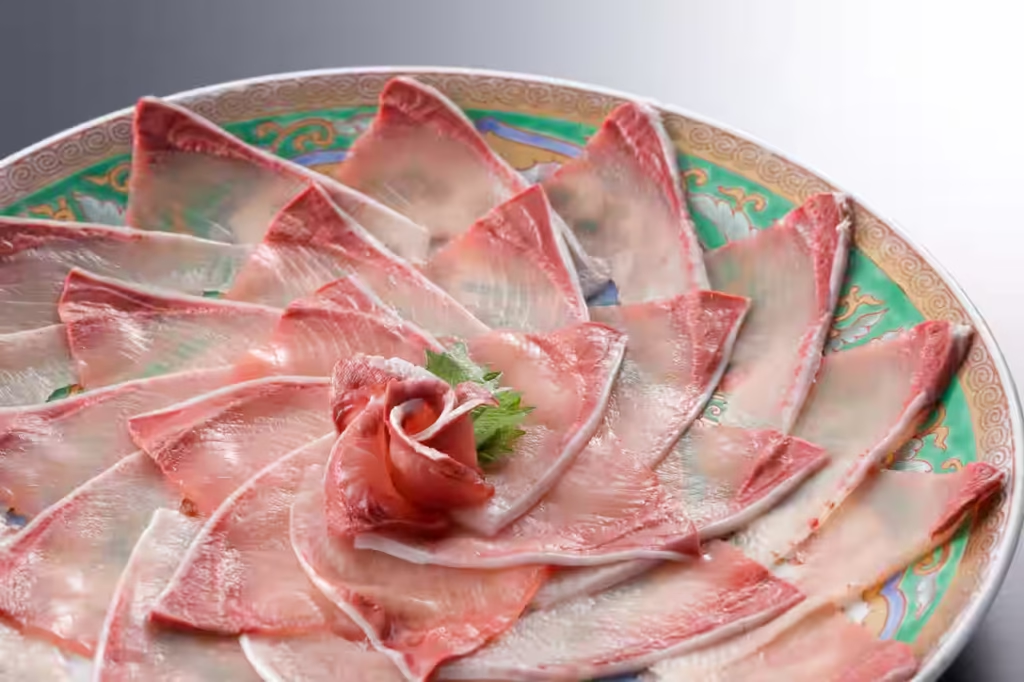
Winter buri from Toyama’s Himi coast is genuinely a different fish than what you’d find in summer. As water temperatures drop, yellowtail feed heavily before migration. The fat content in the flesh climbs noticeably. The muscle becomes streaked with white marbling that renders as richness on the tongue. As sashimi the color is deep pink, nearly red. Grilled, the skin crisps while the interior stays moist. In buri shabu, a thin slice barely needs a second in the hot broth before it’s ready.
Himi Kanburiburi: The Premium Grade
The highest grade is called kanburiburi — cold-season buri. It’s caught exclusively between December and February, when fat content peaks after autumn feeding. Himi Port has a fish market open to visitors on weekday mornings. The auction viewing platform shows whole yellowtail lined up by size from 5am. It’s worth the early start if you’re in the area.
How to Eat It
Buri shabu is the dominant winter preparation in local restaurants. Thin slices are swirled briefly in light kombu dashi and served with ponzu dipping sauce and finely grated daikon. That combination is calibrated specifically to balance the fish’s richness. The citrus ponzu cuts the fat. The daikon cools the palate. It works precisely as intended. Order the set if available — it typically includes multiple cuts at different fat levels.
Flavor Profile
Deep pink flesh, rich and almost buttery. The fat is distributed throughout the muscle rather than concentrated at the belly. This gives every cut a consistent richness. The flavor is more layered than tuna fatty tuna (toro) in some ways. An oceanic brightness sits underneath the fat, keeping it from feeling heavy.
Season and Price
Sashimi from $10. November to February only for peak-quality fish. Outside this window, buri is still good but noticeably leaner. Fat peaks in December and holds through January. Those six weeks are the reason locals plan entire meals around it.
Color and Freshness
Deep pink, nearly red, and visibly marbled when fresh. A mild, clean scent when truly at peak — not fishy, just oceanic. If the smell is sharp or the color dull, it’s past its moment. The real thing needs no enhancement.
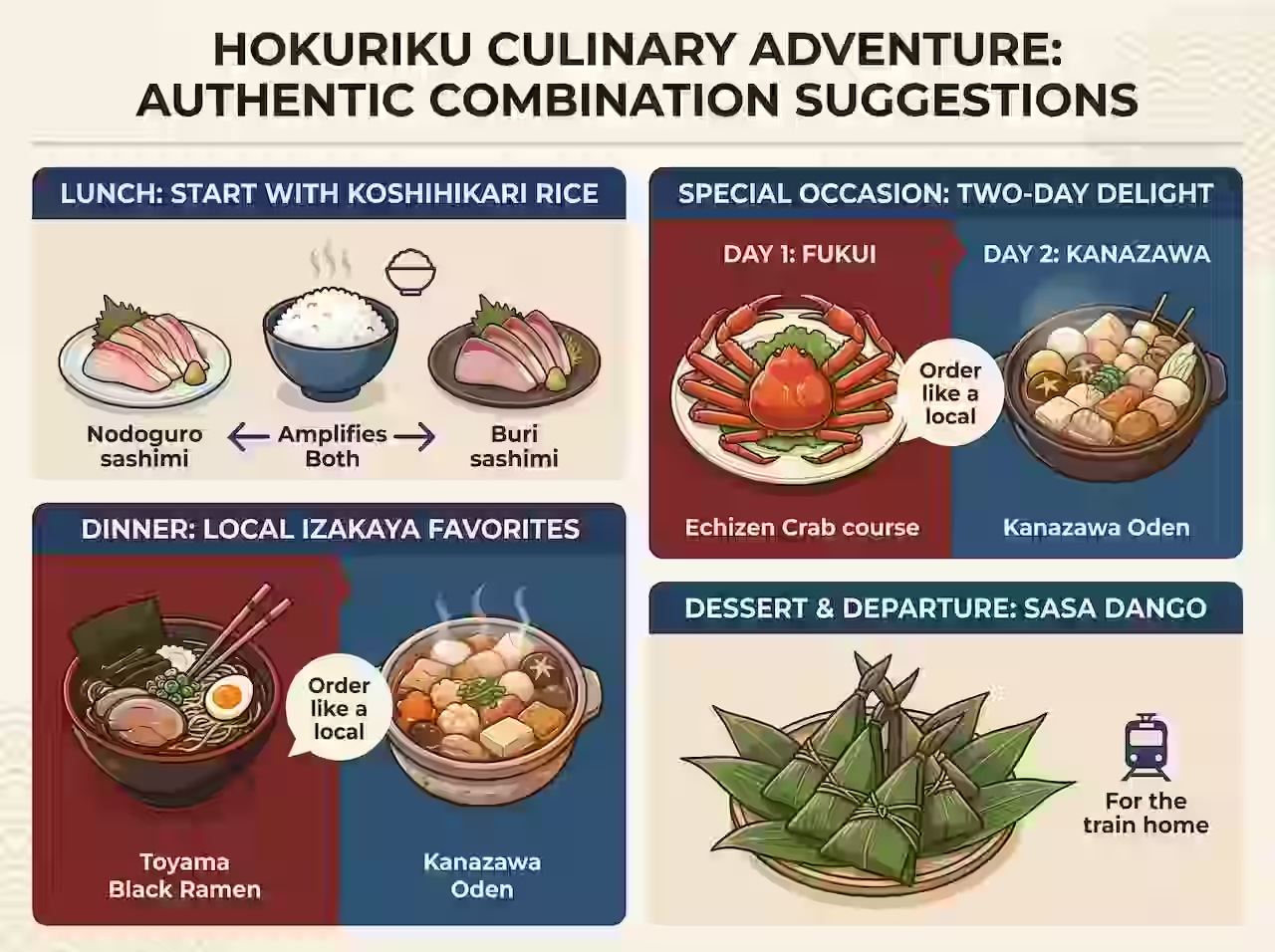
Combination Suggestions for an Authentic Hokuriku Culinary Adventure
Lunch: Start with Koshihikari rice alongside nodoguro sashimi or buri sashimi. The rice amplifies both.
Dinner: Toyama Black Ramen or Kanazawa Oden at a local izakaya. Order whichever the locals seem to be eating.
Special occasion: A full Echizen Crab course in Fukui, then Jibu-ni in Kanazawa the next day.
Dessert and departure: Sasa Dango, wrapped and ready, for the train home.
Common things people asked about Hokuriku food
Why is the seafood here considered the best in Japan?
By far, the most searched topic is about the seafood in Toyama Bay. People always wonder, “What makes it so different from Tokyo or Osaka?” The secret is basically the geography. Toyama Bay is a “natural fish tank” where the seafloor drops off incredibly deep very close to the shore. This means the fish don’t have to travel far to get to the market, so they stay ridiculously fresh.
In the winter, everyone searches for Echizen Crab (Fukui) and Himi Kanburi (cold-season yellowtail). These aren’t just regular fish; they’re treated like luxury brands. The crab is so famous that it’s the only one served to the Japanese Imperial Family. If you’re visiting between November and February, you’ll see the “Buri” (yellowtail) and “Kani” (crab) everywhere. The fat content during these months is off the charts, giving the fish a buttery texture that literally melts.
What should I eat if I don’t want sushi?
Not everyone wants raw fish for every meal, and the internet is full of people looking for “Hokuriku comfort food.” The top answer is usually Kanazawa Oden. While you can find oden (a soy-broth stew) all over Japan, Kanazawa’s version is special because it features local ingredients like Kani-men (stuffed crab shell) and Kurumafu (swirly wheat gluten). It’s the ultimate “warm your soul” food for a snowy day.
Another frequent search is for Jibu-ni, a traditional duck stew from Ishikawa that’s thickened with starch to make it silky and rich. People also ask about the region’s “fermentation culture.” Because the winters are so harsh, the locals became masters of preserving food. You’ll find things like Heshiko (mackerel pickled in rice bran) or Ishiru (fish sauce). They have a very strong, salty, and “funky” umami flavor that is absolutely incredible when paired with local sake.
Conclusion
Hokuriku food doesn’t announce itself loudly. It rewards patience and a willingness to eat what’s in season. Compared to the bold regional identities of fukushima food or the distinct cold-climate dishes of akita food and yamagata food, hokuriku cuisine feels refined without being precious. The seafood is extraordinary. The rice is extraordinary. The tradition of fermentation runs through dishes like heshiko and the miso of Jibu-ni. It gives the whole region a depth that takes more than one visit to fully understand. Plan the second trip before the first one ends.











Comments