


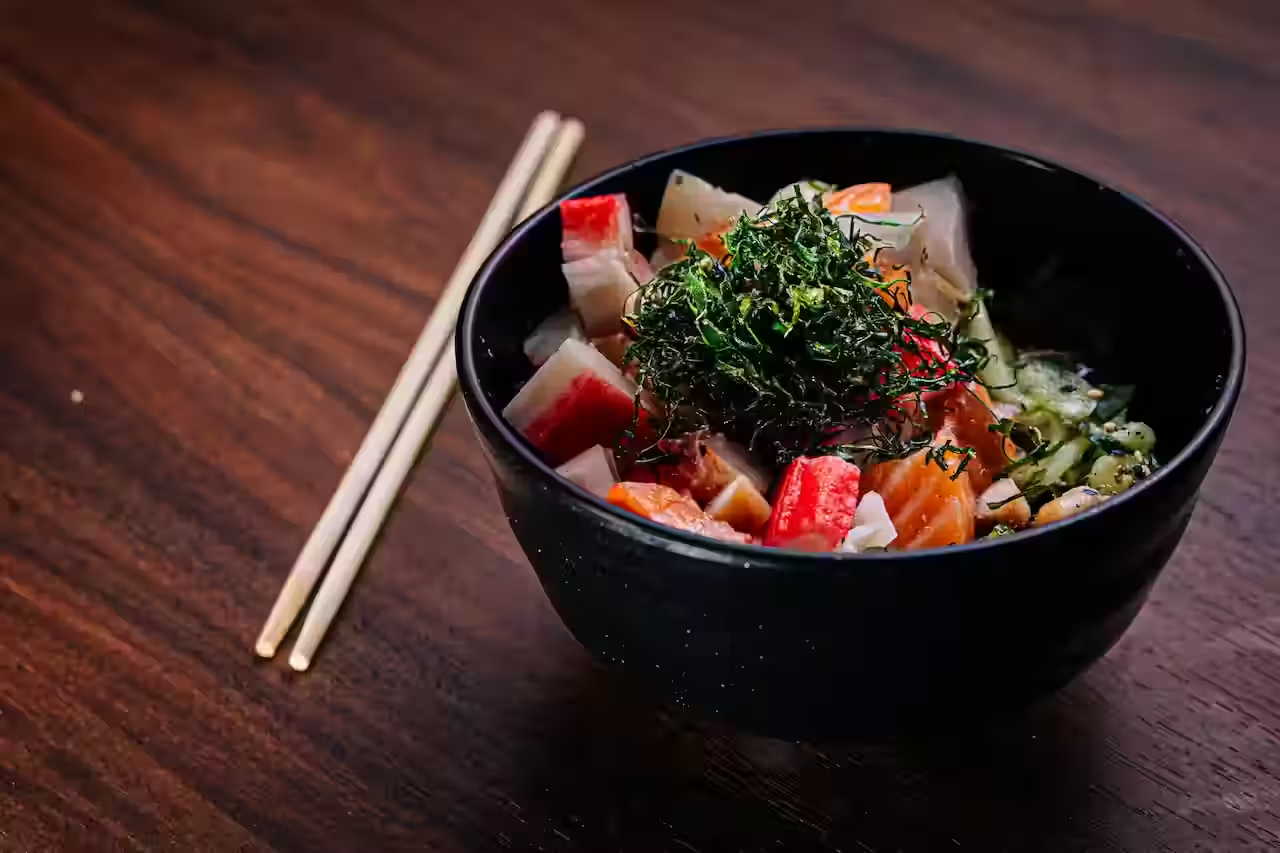






You’d think protein powder is protein powder. Same goal: get more protein in. But Japan and Australia do it with totally different vibes. In Japan, products are often marketed as lighter, cleaner, and more convenient. In Australia, you’ll see bigger tubs, louder flavors, and more “gym performance” positioning.
That difference isn’t random. It’s shaped by how people shop, how they train, and what they expect from a supplement label. In this post, I’ll break down what stands out in Japan vs Australia, why those differences exist, and how to choose the right option for your goal, whether you’re trying to stay lean, build muscle, or bulk up efficiently.
Start With the Goal: Lean Support vs Bulking Calories
Before you compare brands or flavors, start with the real question: what’s your goal? Most people fall into one of two camps. The first is daily protein support. You train a few times a week, you want to hit your protein target, and you’re trying to stay lean while building strength. For that, a normal whey or isolate is usually enough.
The second camp is high-calorie bulking. This is for hardgainers, busy people who miss meals, or anyone struggling to add weight even when they “eat a lot.” That’s where mass gainer gym supplements make sense. They’re not magic. They’re just an easy way to drink extra calories and carbs along with protein, without cooking another meal at 10 p.m.
You’ll notice mass gainers are more visible and normalized in Australia. The gym culture leans more toward performance, size, and strength, and supplement stores are everywhere, so “bulk” products are marketed loudly and sold in big tubs.
In Japan, they can feel less common. Portion sizes are smaller, many people aim for a leaner look, and supplement labels often focus on “clean,” simple, and light. So even when people want muscle, they may prefer smaller portions and food-first bulking rather than a giant calorie shake.

Fitness Culture: Japan’s “Lean, Healthy, Consistent” vs Australia’s “Performance, Size, Strength”
Japan and Australia can both be “gym countries,” but the culture around fitness feels different. You see it in the supplements aisle.
In Japan, the vibe tends to be lean, healthy, and consistent. People want to feel good, stay light, and build habits they can maintain around long commutes and busy workdays. Convenience matters, so smaller servings and easy-to-drink options fit naturally.
Australia leans more toward performance, size, and strength. There’s a bigger mainstream market for sports nutrition, and supplements are often sold as “fuel for training” rather than just a health add-on. That’s why you see big tubs, bold flavors, and a wide range of products.
Social perception plays a role, too. In Japan, supplements can feel more like wellness products. In Australia, they’re often framed as gym gear, right alongside lifting straps and pre-workout. That difference shapes what people buy, how they talk about it, and what looks “normal” in each country.
Convenience Drives the Format
In Japan, convenience strongly influences how protein products are packaged and sold. Instead of giant tubs, you’ll often see grab-and-go options like single-serve packs and ready-to-drink protein drinks that fit busy commutes and small apartments. Convenience stores play a big role here, and it’s normal to pick up “high-protein” items as part of everyday shopping, not a special trip to a supplement store.
Australia feels different. Protein is often bought in big tubs, because people shop for value, stock up during sales, and treat supplements like pantry staples. Retailers like Chemist Warehouse openly promote discounted sports nutrition online and in store, and warehouse-style shopping (like Costco) makes bulk buying feel normal.
Online shopping further pushes the trend. Brands and retailers highlight larger sizes and deals, which encourages “buy big, buy less often.” So the format isn’t just a nutrition choice. It’s a shopping habit. Japan optimizes for convenience and portability. Australia optimizes for bulk, price, and long-term supply.
“Clean Labels” and Taste Preferences
“Clean label” means different things in different places, but you feel the difference when you taste protein in Japan vs Australia. In Japan, protein powders and drinks often lean toward lighter, less sugary flavors. Think subtle cocoa, milk tea, or matcha-style options, because “easy to drink every day” matters.
That ties into ingredients, too. Many Japanese products are positioned more like wellness items, so the branding often leans toward “simple,” “clean,” and not overly aggressive. Meanwhile, Australia’s market is loud and varied. Dessert flavors like Cookies & Cream and “decadent” options are common, and performance blends are marketed as gym fuel.
You’ll also see Australian brands selling the idea of “no additives or fillers” as a selling point, because shoppers compare labels and want control over what’s inside. In short, Japan tends to sell protein as a daily health habit. Australia often sells it as a muscle-building tool, with bigger flavors to match.
Protein Types and What’s Popular
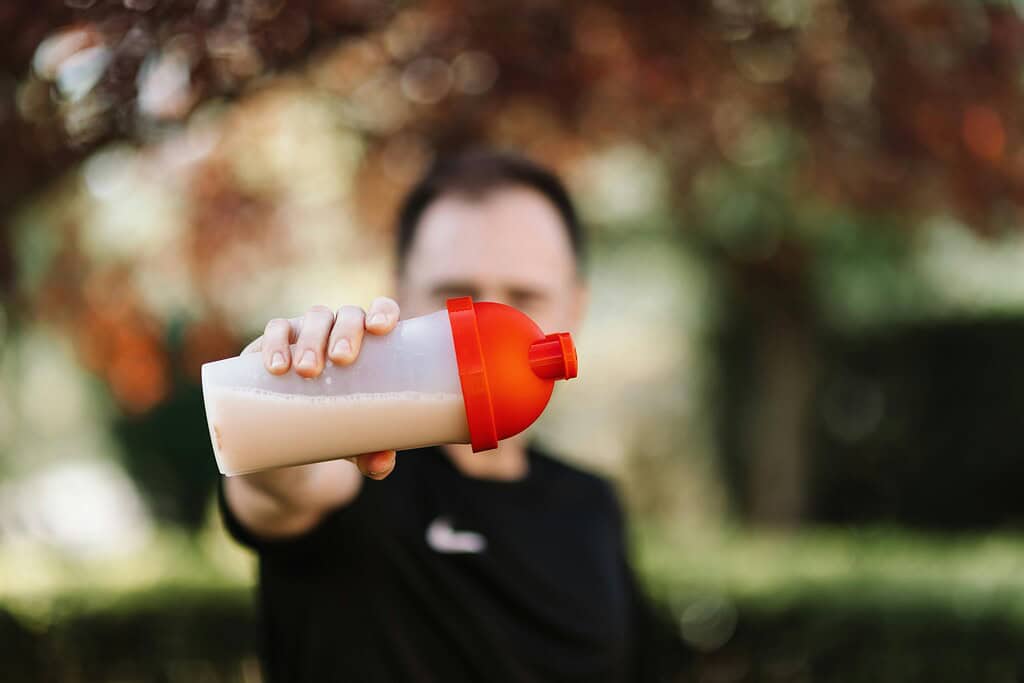
Protein type is one of the biggest “Japan vs Australia” differences. Whey concentrate is usually the budget-friendly, everyday option. Whey isolate is more refined. It’s higher in protein, lower in carbs and fat, and typically lower in lactose, so it’s often easier on digestion. Blends mix sources to balance taste, price, and texture.
In Japan, you’ll see plenty of whey, but there’s also a strong interest in lighter formulas and plant options like soy, which fits the broader wellness positioning of many products. Australia’s mainstream market is still heavily whey-focused. Whey is widely used in sports nutrition and high-protein products, so it stays dominant and easy to find.
Digestion plays a huge role in what people choose. If regular whey makes you bloated, switching from concentrate to isolate (or trying a blend or plant protein) is a common next step. And if lactose is an issue, isolate is often the easier pick because it contains less lactose than concentrate.
Same Protein, Different Culture
Japan and Australia aren’t choosing “better” protein. They’re choosing protein that fits their lifestyle. Japan leans on light, clean, and convenient products, while Australia leans on big, performance-focused, and bulk-friendly options. Your takeaway: ignore the hype, pick based on your goal, digestion, and daily routine.








Comments