


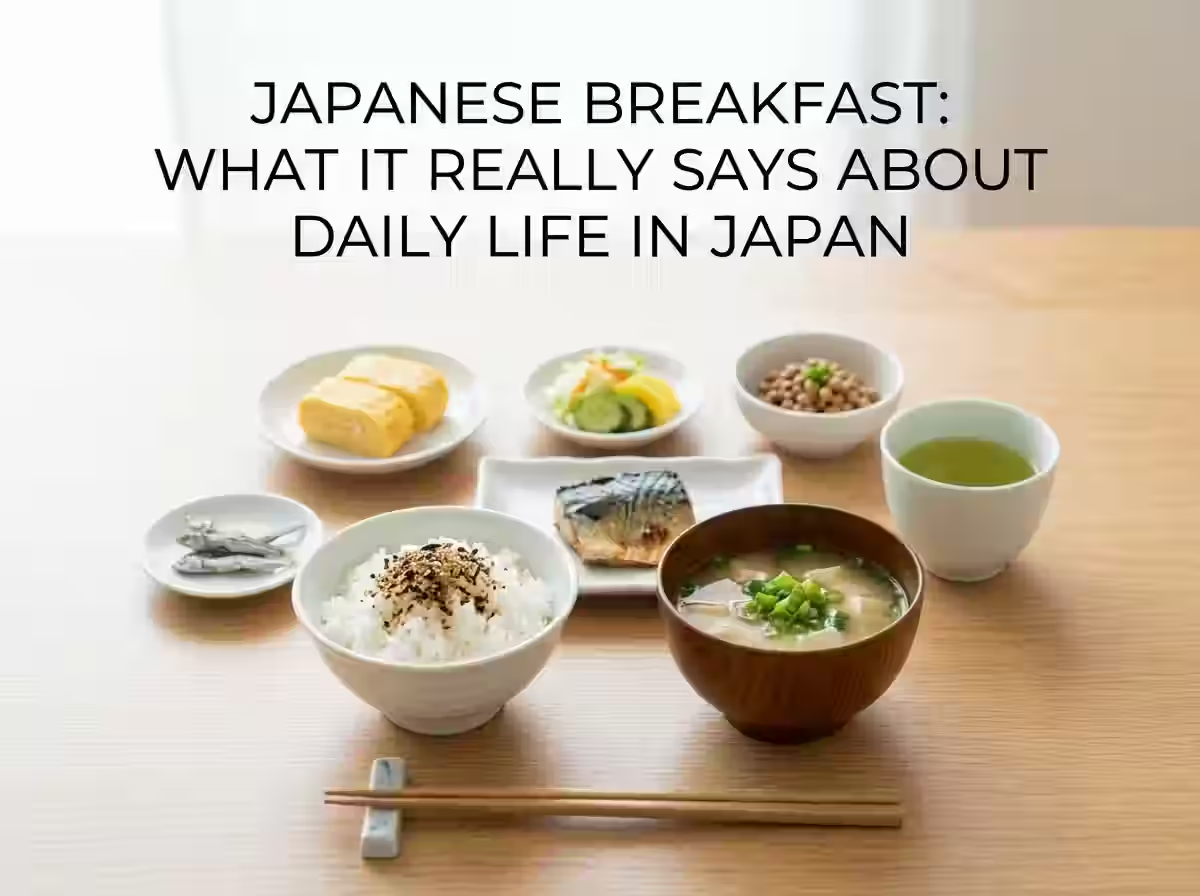
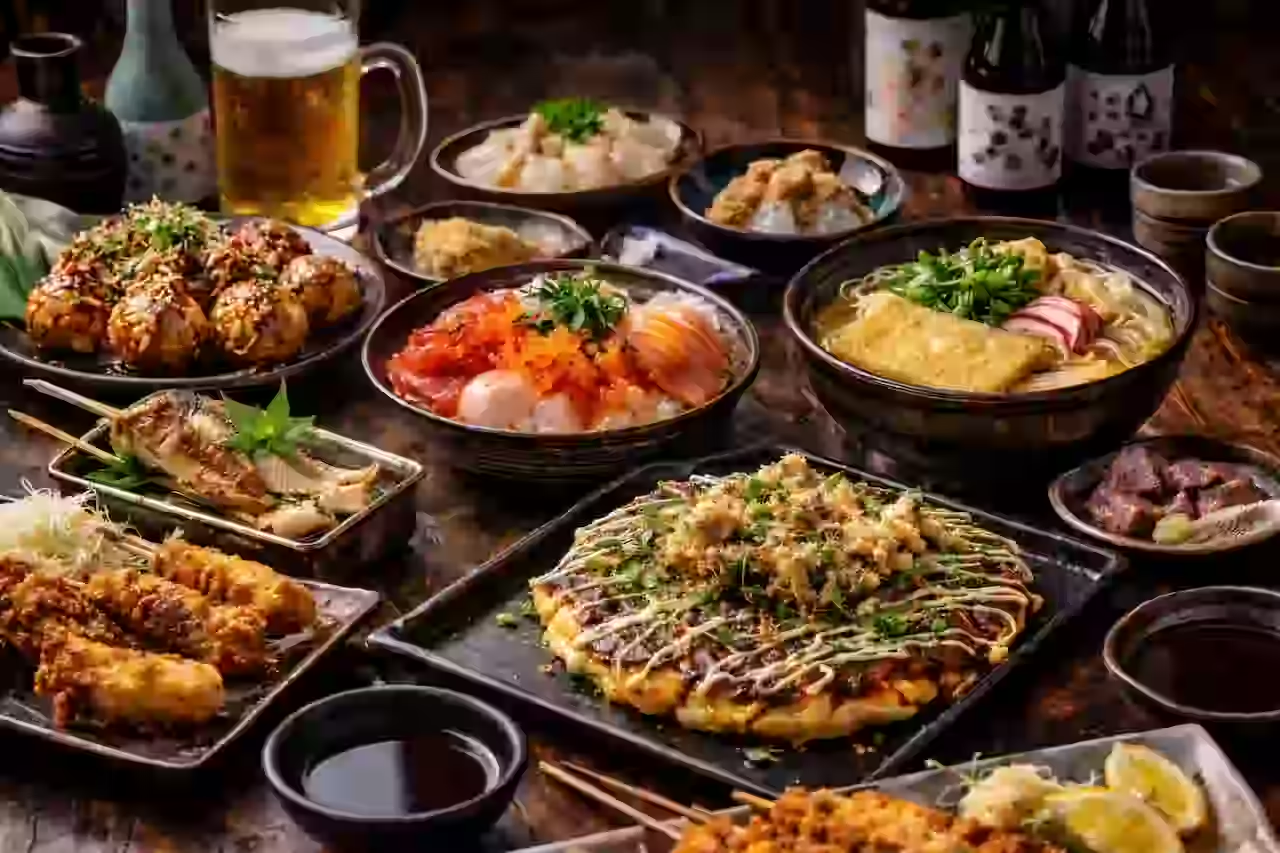


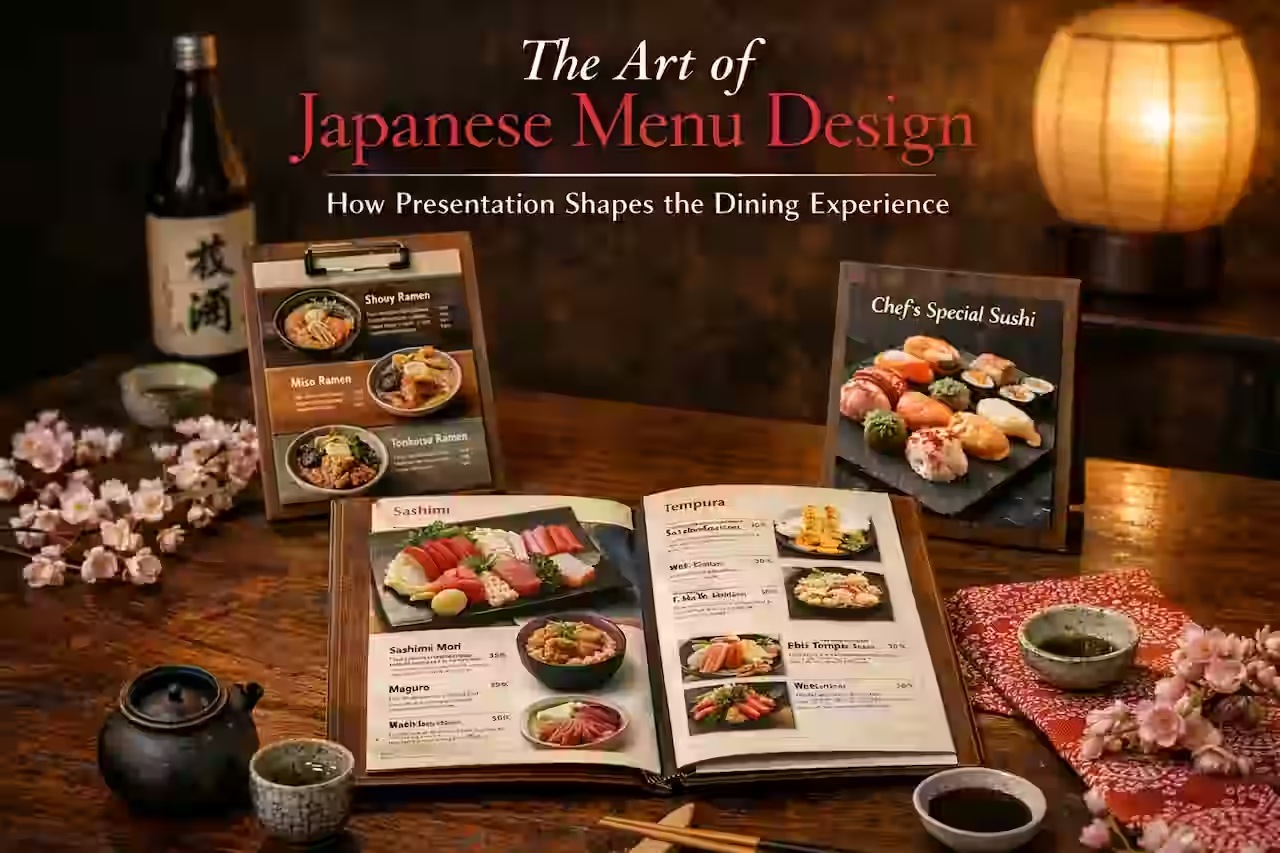
Japanese cuisine is celebrated worldwide not only for its flavors but also for its attention to detail, balance, and presentation. From humble neighborhood ramen shops to Michelin-starred kaiseki restaurants, the way food is presented both on the plate and on the menu plays a vital role in shaping the dining experience. In Japan, a menu is far more than a list of dishes; it is a storytelling tool that communicates seasonality, craftsmanship, and cultural values.
Why Menus Matter in Japanese Food Culture

In Japan, food is deeply connected to aesthetics. Concepts like washoku emphasize harmony between taste, appearance, and nutrition. This philosophy extends naturally to menu design. A well-crafted menu sets expectations, guides choices, and reflects the personality of the restaurant.
Traditional Japanese menus often highlight seasonal ingredients (shun), which signals freshness and respect for nature. For example, spring menus may feature bamboo shoots and cherry blossom motifs, while autumn menus showcase mushrooms and warm earth tones. This seasonal sensitivity immediately communicates quality and authenticity to diners.
The Balance Between Simplicity and Information
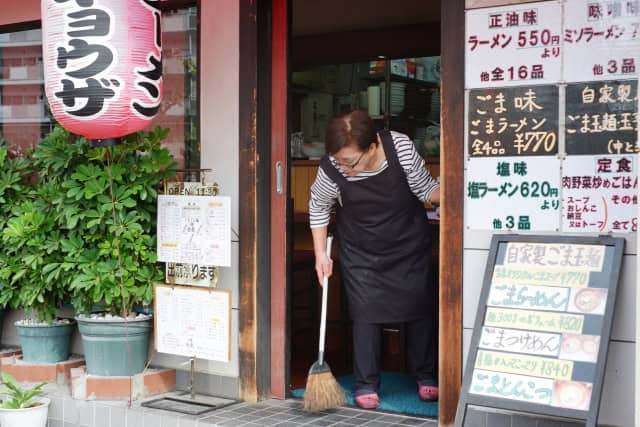
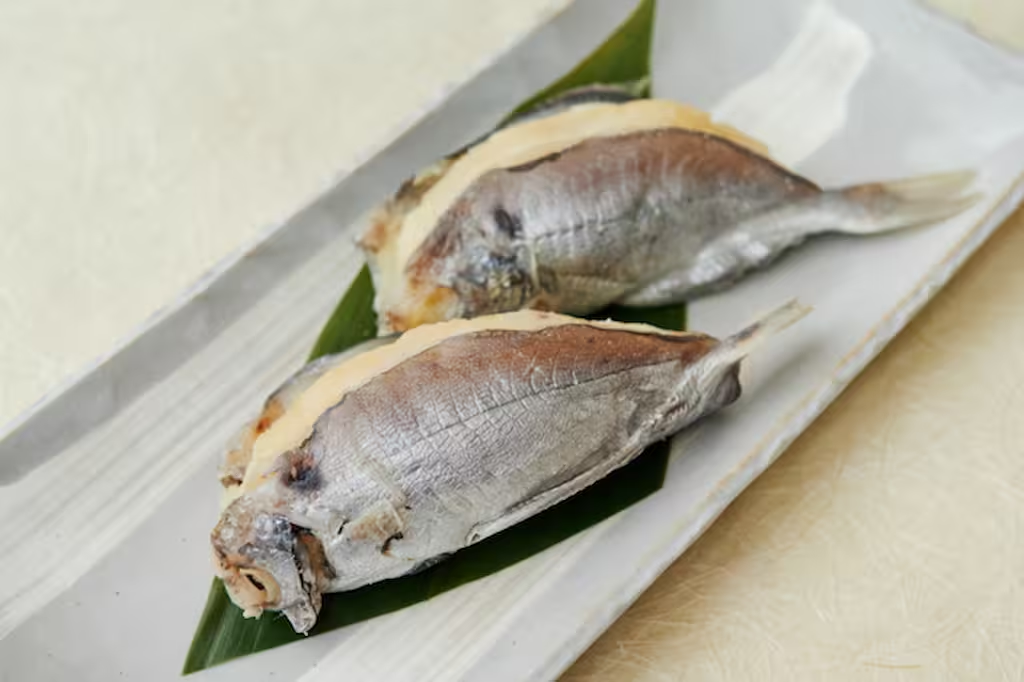
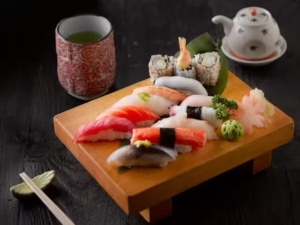
One striking feature of many Japanese menus is their simplicity. Rather than overwhelming customers with long descriptions, menus often use minimal text, elegant typography, and carefully chosen imagery. This restraint reflects the Japanese aesthetic principle of the meaningful use of empty space.At the same time, menus still convey essential information: preparation style, origin of ingredients, or the recommended way to enjoy a dish. A sushi menu might subtly indicate whether fish is wild-caught or farmed, while a ramen menu could specify broth type and noodle thickness. This balance between clarity and minimalism builds trust and confidence in the restaurant.
Visual Storytelling in Modern Japanese Restaurants

As Japanese food has gained global popularity, modern restaurants both in Japan and abroad—have begun blending traditional design elements with contemporary visuals. High-quality photography, clean layouts, and bilingual text are increasingly common, especially in tourist-friendly areas.
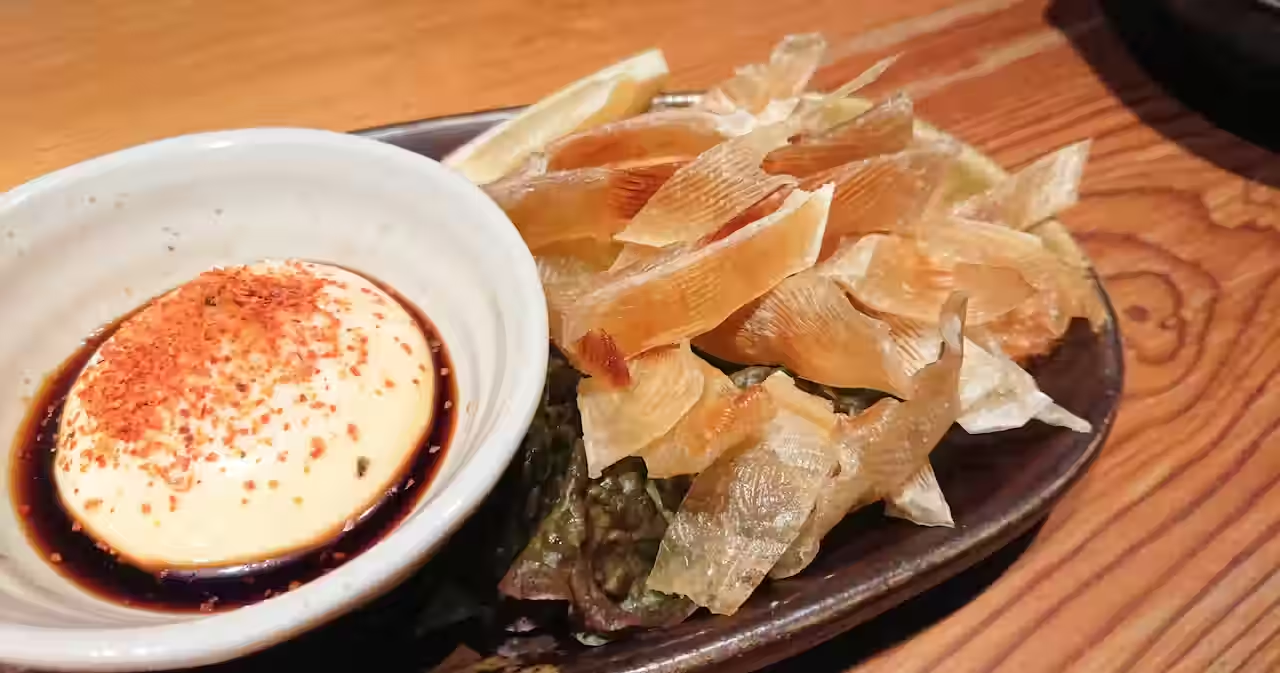
Visual storytelling helps bridge language gaps. A carefully designed menu with images allows diners unfamiliar with Japanese terms to order confidently. This is particularly important for regional dishes that may not be widely known, such as hitsumabushi from Nagoya or chanpon from Nagasaki.
Today, many restaurant owners and food entrepreneurs use digital tools to create a menu that reflects their brand while remaining visually accessible. This approach allows chefs to focus on food while still presenting it in a way that feels professional and inviting.


Comments