





The Shonai area of Yamagata Prefecture has rough winters. They get heavy snow and strong winds from the Sea of Japan. This cold weather means people need warm, filling meals with lots of fat to heat them up fast. The local food has a perfect, special dish: Kandara, or winter cod. This seasonal fish is the main part of a famous soup called Dongarajiru. This article talks about the valued winter cod, explains the tradition behind its whole-fish soup, and suggests a local place where you can try this important winter meal.
What is Kandara?
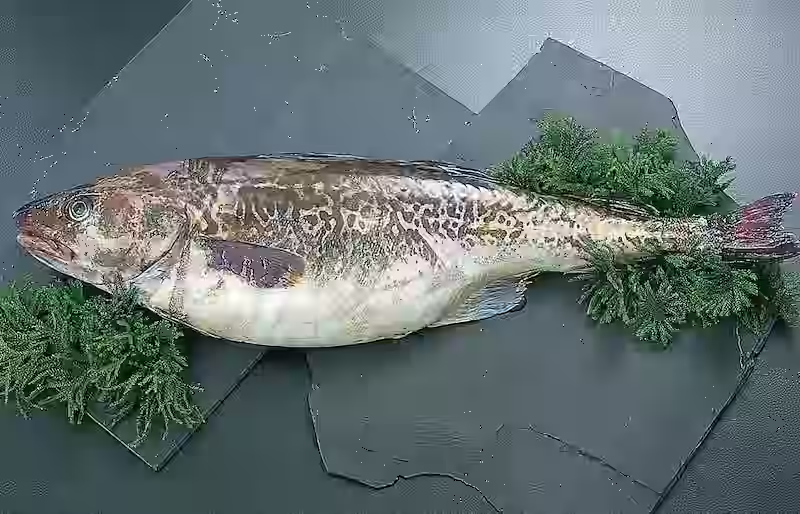
Kandara (寒鱈) simply means “cold cod.” It is the name for the Pacific cod (Ma-dara) that people catch during the very coldest time of winter. This season mainly runs from December to February. The fish tastes best from early January to early February, which is the time of the deep cold (Daikan). During this cold, rough time, the cod gathers to lay eggs. This makes the fish very fatty, especially the inside parts.
The fish is worth a lot because it is in great shape: the meat is firm, and its belly is full of creamy egg sacs (shirako). The old link between the fish and the cold is clear in the Japanese letter for cod (鱈), which mixes the signs for “fish” and “snow.” Because almost every piece—including the head, bones, and organs—tastes so good, people call Kandara the “fish with no waste.”
The Scent That Rises from the Bowl
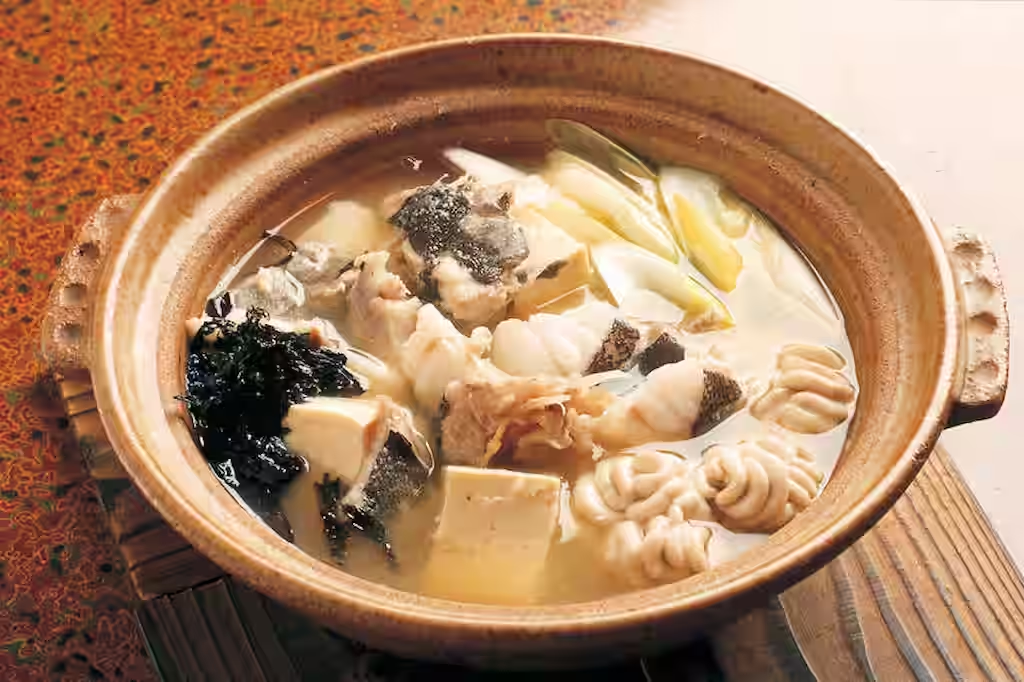
Miso, Sea, and Something Deeply Warming As the liver fat and creamy shirako slowly melt into the miso broth, the soup releases a rich, savory aroma. Earthy, oceanic, and quietly sweet all at once. It is the kind of smell that makes a cold winter evening feel immediately more bearable.
What the First Spoonful Actually Does
Snow-White Flesh That Melts Before You Expect It The cod meat is firm yet delicate, breaking apart softly in the broth. Shirako dissolves on the tongue in a velvety sensation, creamy and rich, with a surprisingly subtle oceanic flavor. Nothing overpowers. Every part of the fish quietly earns its place in the bowl.
Dongarajiru: The Hearty Winter Soup
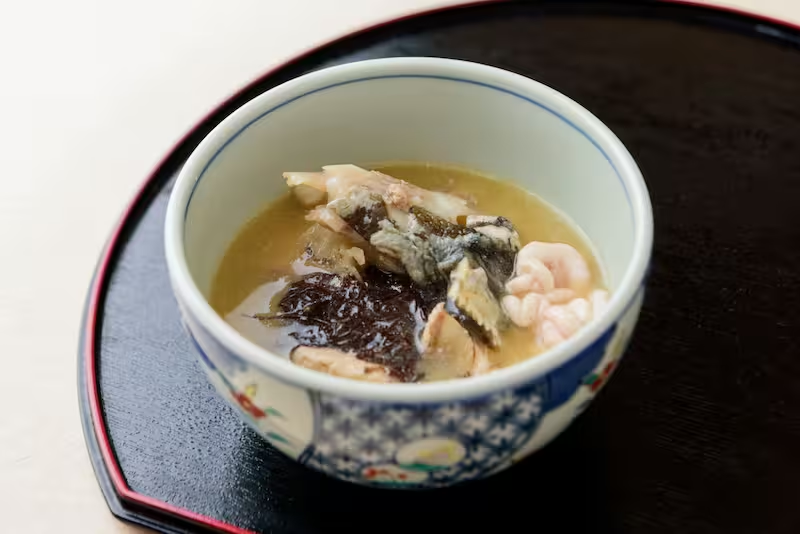
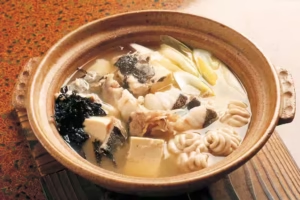
The main and most loved way to eat Kandara is in cold cod soup, which locals usually call Dongarajiru (どんがら汁). This soup began as a quick, needed meal for workers on the coast. Fishermen first made it. They cooked it quickly and simply on their boat or on the beach. It gave them instant, deep warmth during the freezing cold.
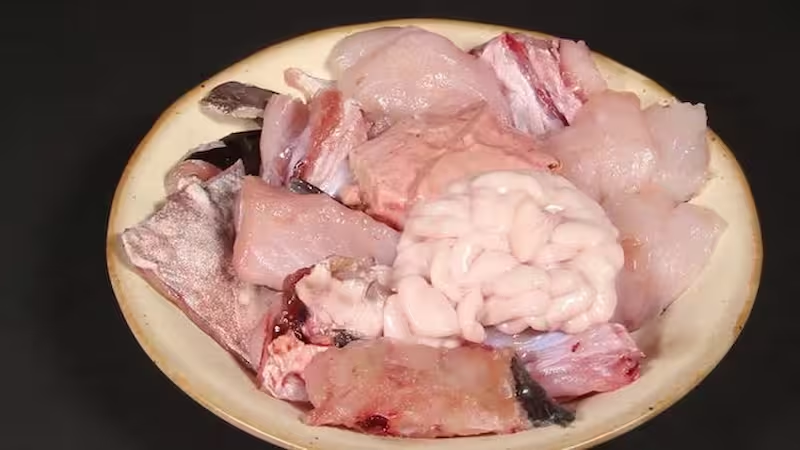
The local name for the dish shows this clever start. Dongarajiru comes from Dō-gara Jiru (胴殻汁), which means the fish’s body and leftover bones. This shows the tradition of using the whole cod. They cut the fish into big pieces and cook it in a rich soup based on miso paste.
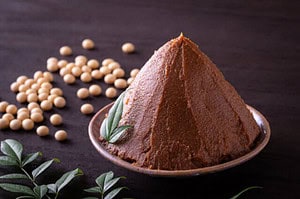
They usually add other ingredients like tofu, green onions, and sometimes the leftovers from making sake (sake kasu) to make it richer. The most important part that gives it flavor is the cod’s liver, called aburawata. Because the winter cod has so much fat, the liver melts into the simmering soup. This makes the soup much richer. It creates a smooth, very savory texture that is only found in this dish. It changes a simple soup into a very rich and comforting winter treat. Because they use everything, Dongarajiru is known as one of Japan’s “100 Local Dishes” for Yamagata Prefecture.
Beyond the Bowl: Other Ways to Savor Kandara
Shirako Ponzu (白子ポン酢) The most popular way to enjoy shirako outside of soup. After briefly blanching at around 70–80°C, the shirako is chilled in ice water and served with ponzu and grated daikon. The texture is velvety on the outside with a creamy, almost custard-like interior that dissolves on the tongue. The ponzu cuts through the richness cleanly, making it light despite its indulgent texture. It pairs exceptionally well with cold sake.
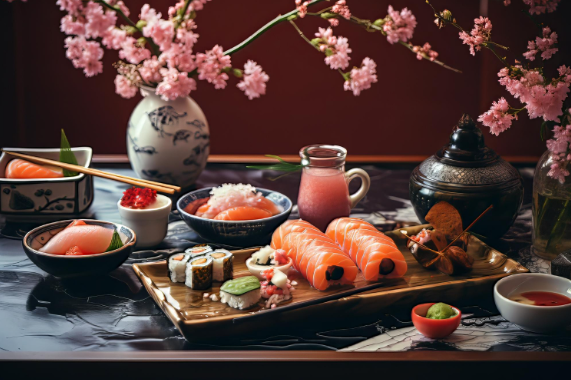
Kobujime (昆布締め / Kelp-Cured Sashimi) Fresh Kandara fillet is sandwiched between sheets of kombu for several hours to overnight. The kelp draws out excess moisture, firms the flesh, and infuses it with a subtle umami. The result is a texture noticeably more dense and silky than plain sashimi, with a gentle oceanic fragrance. Eaten with soy sauce or ponzu, it is considered one of the most refined ways to taste the fish itself.
Shirako Tempura (白子の天ぷら) Shirako is lightly coated in batter and deep-fried. The outside turns crisp and golden while the inside stays molten and creamy. The contrast in texture is striking. The flavor is mild and rich, with none of the fishiness that can concern first-timers.
Kimo Miso-ae (肝の味噌和え / Liver with Miso) The liver (aburawata) is mixed with miso into a thick, savory paste. It carries an intense, almost buttery depth of flavor, earthy and rich in a way that is hard to describe without tasting it. Spread on rice or used as a condiment alongside the fish, it is a favorite among locals.
Tarako Shoyu-zuke (真鱈子の醤油漬け / Roe Marinated in Soy Sauce) The egg sacs from female Kandara are cured in soy sauce. The result is a salty, umami-forward topping for rice that has a firm, slightly grainy texture and a clean, briny flavor. Simple but deeply satisfying.
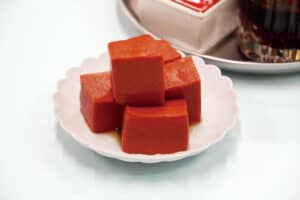
Shirako Tofu (白子豆腐) Shirako is gently simmered in kombu dashi and set into a soft, tofu-like block. The texture is extraordinarily delicate, softer than silken tofu, with a mild creaminess and a clean, subtle sea flavor. It is a dish that rewards slow, quiet eating.
A Local Spot to Try Dongarajiru
Takitaro (たきたろう)
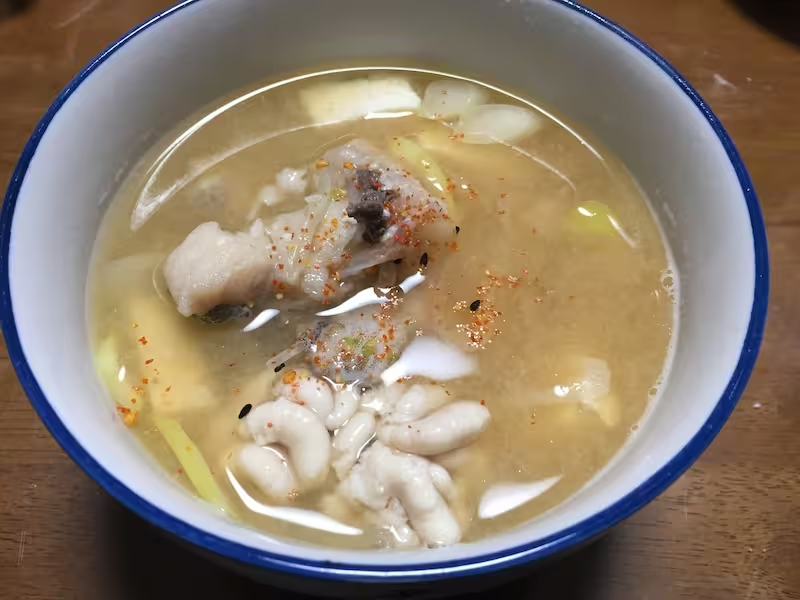
You can often try fresh Dongarajiru at the yearly Kandara Matsuri (Winter Cod Festival) in coastal cities like Sakata and Tsuruoka every January. You can also enjoy this winter specialty at restaurants that focus on real local food.
We recommend Takitaro (たきたろう) in Tsuruoka City. This restaurant focuses on showing the Shonai region’s rich, seasonal seafood. It offers kandara-jiru as a winter special. You can easily find it—it is only an 8-minute walk from Tsuruoka Station.
Conclusion
Kandara and Dongarajiru clearly show the spirit of Yamagata’s winter. They are a cooking tradition that fits the cold weather perfectly. By making the whole Pacific cod into a creamy, savory soup, the people of the Shonai region have created a dish that is very comforting, unforgettable, and full of flavor. It is the perfect way to warm up in the cold season.
If you enjoyed the deep, warming comfort of this hearty fish soup, you might also like trying other Japanese hot pot like Shabu-shabu or Nabemono experiences.
Kandara (Winter Pacific Cod) FAQ
What is Kandara?
Fishermen catch this Pacific Cod during the freezing winter months in the rough Sea of Japan.
What does the name mean?
The name combines “Kan,” which means mid-winter, and “Dara” (Tara), which means cod.
Why is it special in winter?
The cod builds up a high fat content and develops rich milt (soft roe) to survive the freezing waters.
Where is it most famous?
You find the most famous and authentic Kandara dishes in the Shonai region of Yamagata Prefecture.
What is “Dongara-jiru”?
It is a dynamic local hot pot soup where chefs boil the entire cod, including the head, bones, and organs.
What is “Shirako”?
Male cod produce this white milt (soft roe). Japanese people prize it highly as a luxurious winter delicacy.
What does Shirako taste like?
It tastes incredibly rich, creamy, and buttery. It melts instantly in your mouth when you eat it.
Do they eat the organs?
Yes. Cooks chop the liver and stomach and toss them into the soup to add deep umami and chewiness.
Do they use the female fish’s eggs?
Yes. Chefs cook the female’s hard roe (Tarako) inside the soup, providing a satisfying, crumbly texture.
What does the soup taste like?
It tastes savory, thick, and rich. Locals flavor the broth heavily with miso and sometimes sake lees.
What is the Kandara Festival?
Organizers host this massive winter food festival in Yamagata to serve hot bowls of cod soup to visitors in the snow.
Is it a home-cooked meal?
Yes. Families in the Shonai area frequently cook this hearty hot pot at home to stay warm during the blizzard season.
What is the texture of the cod meat?
The white meat possesses a very soft, flaky texture that absorbs the miso broth perfectly without becoming tough.
Do they eat it raw as Sashimi?
Locals usually boil it. However, chefs sometimes cure extremely fresh cod with kelp (Kobujime) to serve as sashimi.
What toppings do they add to the soup?
Diners traditionally sprinkle fresh green onions and rock seaweed (Iwanori) on top to enhance the ocean aroma.

Comments