




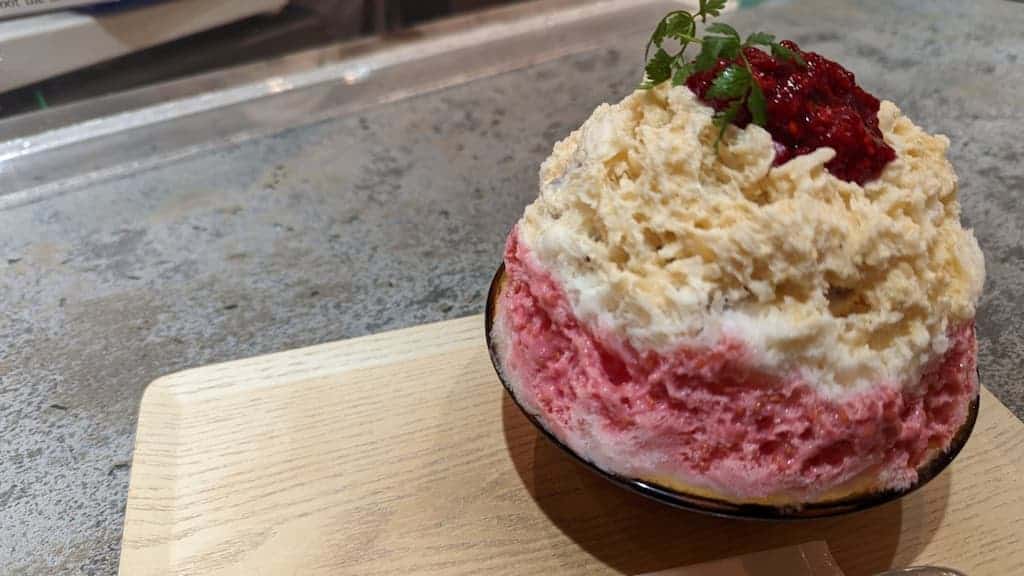
There are hundreds of matsuri (Japanese traditional festival) all over Japan when summer comes. At matsuri, you can enjoy a lot of Japanese traditional food such as yakisoba, yakitori, ikayaki, etc. Today, we would like to introduce Kakigoori, an indispensable dish you can definitely find at Japanese matsuri.
What is Kakigoori?
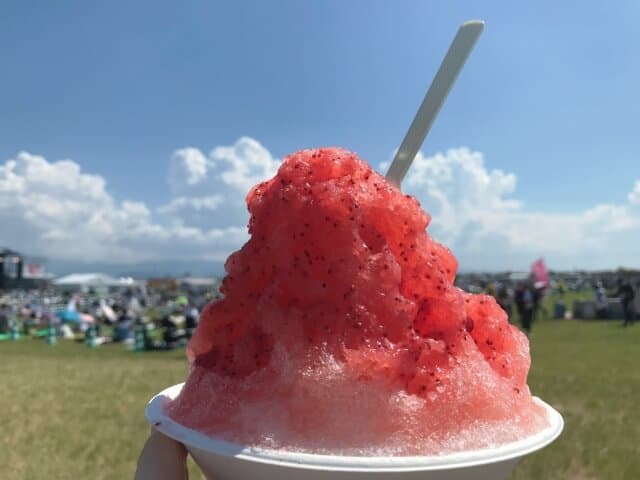
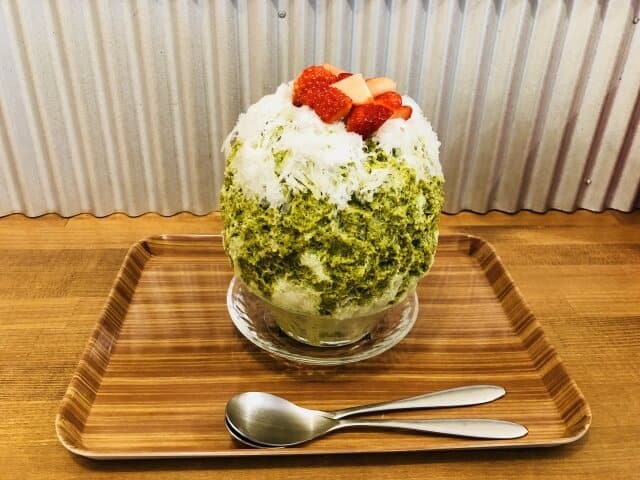
Kakigoori (かき氷), also known as Japanese shaved ice, is a Japanese sweet made of shaved ice and syrup, frequently condensed milk, as a sweetener. Locals made it by shaving ice into small pieces and sprinkling syrup. This Japanese sweet has snow cone-like features. There are other flavors you can choose from, including cherry, lemon, green tea, strawberry, melon, and others. A popular summer treat is kakigori, which street sellers, convenience stores, and festivals sell during the summer season. Japanese served this for the first time in Kanagawa Prefecture in 1869. To make kakigori traditionally, locals spun a block of ice over an ice shaving blade using a hand-cranked machine. Although street vendors can still be seen as hand-shaving ice blocks in the summer, electric ice shavers are the most popular.
The Taste You Did Not Expect
Ice That Vanishes Before You Chew Take one spoonful and the ice dissolves before you can chew. There is no crunch, no grittiness; the texture is closer to powder, melting instantly on the tongue and carrying the syrup’s flavor cleanly all the way through. Condensed milk, when added, rounds the sweetness with a soft, milky finish. Lighter than it looks, it almost feels like eating flavored air.
A Scent Woven Into Summer
What You Notice Before the First Bite The ice itself has no aroma; all the fragrance comes from the syrups and toppings. Matcha carries a grassy, faintly bitter note. Strawberry leans toward something softly sweet. Standing near a festival stall, the warm blend of various syrups drifting through humid air somehow makes the whole experience feel unmistakably Japanese.
Etymology
The name Kakigori (かき氷) is with the kanji for “ice 氷”. Kaki comes from the verb “掻” meaning to scratch about the cut and shaved ice. You will quickly learn to recognize this emblematic ideogram visible on the traditional “ice banner” hanging outside a store selling the shaved ice dessert. Originally, this banner will indicate if the store has an available kakigori to sell.
Kakigoori History
Kakigori has a long history, dating back to the Heian period. At a time when there was no freezer, ice was a valuable item and only the aristocrats could eat this. Moreover, Amazura was the best sweetener in the Heian period when there was no sugar. It is a syrup boiled down from the sap of ivy plants of the vine family. So during the Edo period, the technology for preserving ice has developed, and it is now possible to transport northern ice to Edo even in the summer. However, it was still a luxury item and only generals, daimyo, and wealthy merchants can afford it.
With the development of ice machines in the Meiji era, ordinary people will be able to get ice. But this time, there is no ordinary shaved ice machine (ice shaving machine). It was in the 20th year of the Meiji era that it became the shape of shaved ice as it is now. But now, you can eat thinly shaved ice with the ice crushers invented by Mr. Hansaburo Murakami. Since then, the technology has evolved further, and now it is possible to eat fluffy and smooth ice, but man believed that the basic shape has not changed significantly since the Meiji era.
Kakigoori Recipe
Kakigoori Ingredients
| Ingredients of Kakigoori for 1 person | |
| Milk | 100g |
| Granulated sugar | 24g |
| Fresh cream | 30g |
| Azuki bean | 50g |
| Matcha powder | 20g |
How to make Kakigoori
Put milk and granulated sugar in a heat-resistant bowl and heat in a microwave oven for 40 to 50 seconds.
Add fresh cream, mix, and cool in the refrigerator when you remove it from the heat.
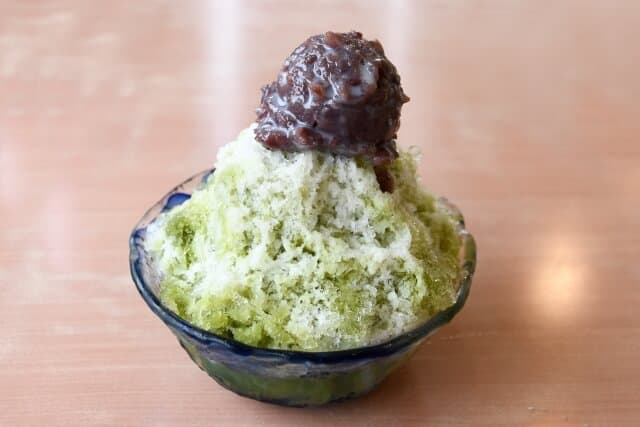
Sprinkle the syrup on the shaved ice, top with azuki beans, and sprinkle with matcha powder.
What is Kaki in Kakigoori?
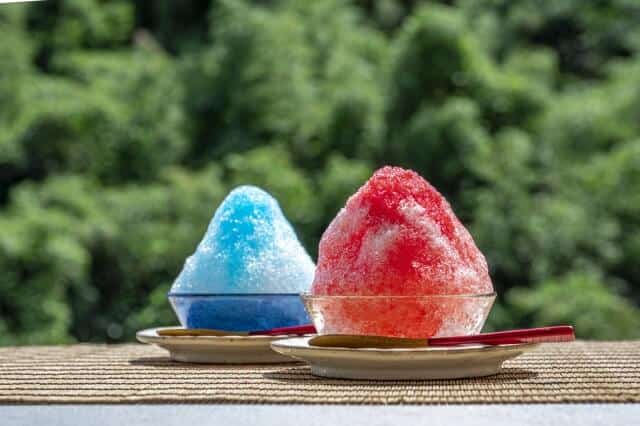
In the days when there were no freezers, summer ice was a valuable item. So, locals made it by shaving it with the chipped part of the ice. In other words, there is a theory that it changed from “chipped ice (欠けた氷)” to “shaved ice” because they eat this by scratching the ice with its hands, but the prevailing theory is that it changed from “chipped ice (欠けた氷)” to “shaved ice (かき氷).”
Most favorite flavor of Kakigoori
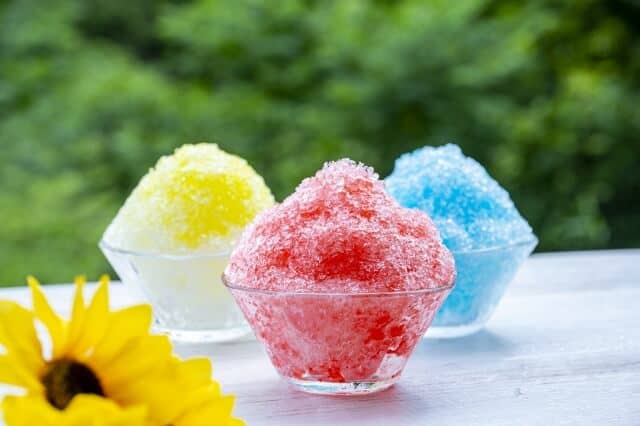
The most favorite taste of “Kakigori” is the royal road “Strawberry”. “Kakigori lovers” accounted for 62.3% of the total, making it a popular all-purpose dessert enjoyed across all ages and genders. The most popular flavor is the classic “strawberry,” which has gained broad support from people in their 20s through 50s. Second place, “condensed milk,” drew a notably higher share of votes from women, revealing a difference in popularity across gender groups.
What is the trend of Kakigoori in recent years?
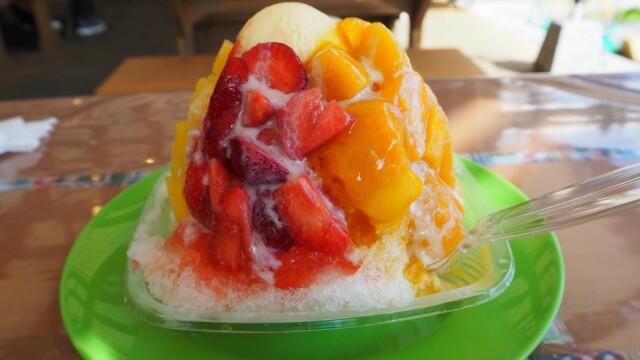
Kakigori, which has been loved for a long time as an excellent dessert that many can enjoy at a low price, has now gone beyond that range and has become one of the premium desserts. In addition, the appearance of many menus that look good on SNS may be behind the boom. In addition to the “light syrup” that uses fresh seasonal juice, the “chubby” and “shaved ice” that use cheese and avocado sauce are also popular.
Difference between the natural ice and the normal ice
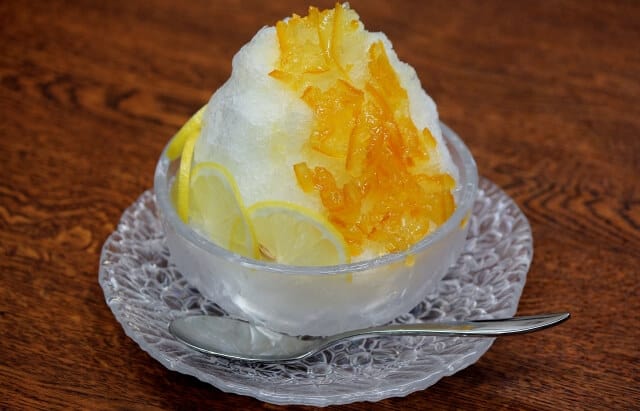
There are several types of ice, and one of them is “tennen kori or natural ice”. The slowly frozen ice due to the cold of nature becomes natural ice. Speaking of natural shaved ice, its fluffy texture is also a major feature. To create that texture, you need to shave the ice more finely. In the case of natural ice, the bonds between water molecules are strong, so the ice becomes harder than the normal ice.
Where to buy Kakigoori
Himitsudo (ひみつ堂)
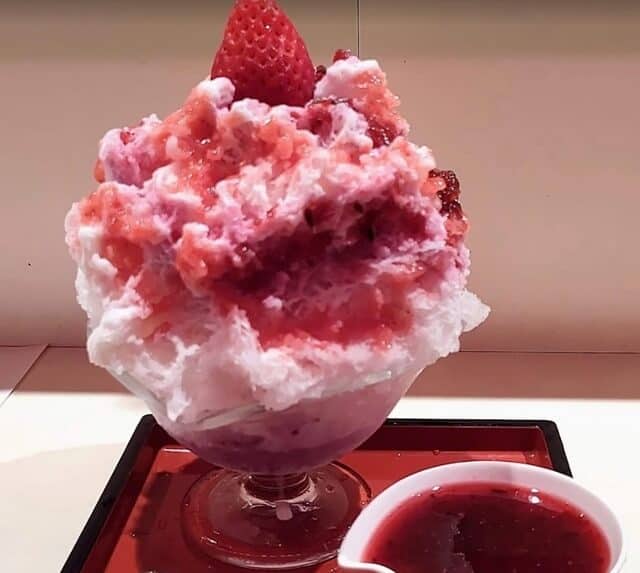
They have a handmade shaved ice that the owner is particular about, keeping the ingredients of the four seasons as they are. Since they use Nikko natural ice from the three-star ice chamber, you should be able to enjoy the original taste of ice, unlike ordinary shaved ice. Also, the fruit honey is not syrup, but the store uses a completely additive-free homemade ice honey.
Mamechawan (まめ茶和ん)
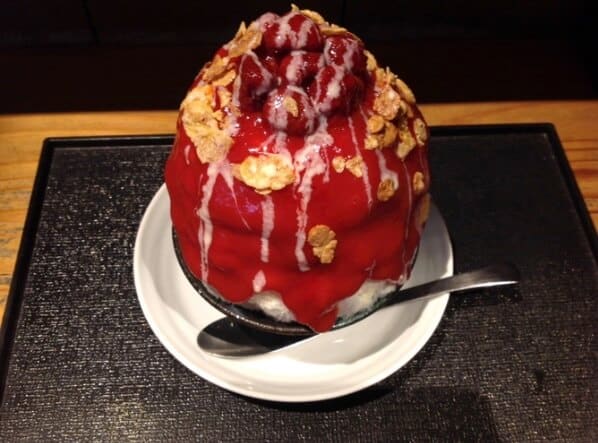
The characteristics of this store’s kakigoori are divided into 4 layers and sprinkled with syrup so that there are no ice cubes, and whipped cream and pulp are inside so that you will not get tired of it. They also have deluxe shaved ice such as sour lemon puree, rich lemon curd puree, organic lemon & cheese like eating cheesecake with lemon mousse with peel.
GOFUKU (焼きそば)
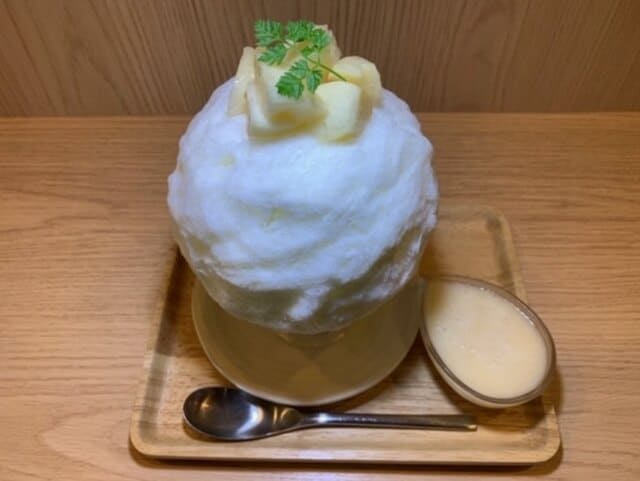
The store owner makes their kakigori by hand after receiving an order. In addition to whipped cream, they will also sprinkle a white peach paste honey on top of it, so you won’t get tired of eating it until the end. There is also a commitment to using rare sugar that brings out the natural sweetness, so it is a gem that you would want to eat.
Saryo Tsujiri (茶寮都路里 大丸東京店)
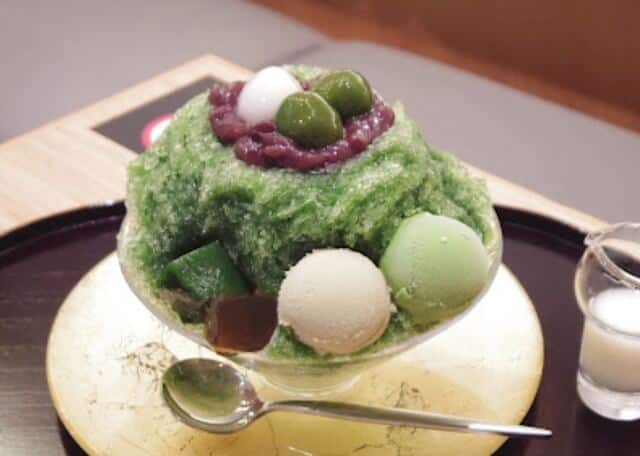
Matcha jelly, which uses matcha luxuriously, anko that maximizes the flavor of matcha, and white balls with a chewy texture are all handmade at the shop. On top of that, matcha, vanilla, matcha sorbet, and three types of ice cream are the toppings. They will also put in fluffy ice on the honey that you can choose from matcha honey, milk honey, and rags (half of matcha and half of milk).
Takeaway
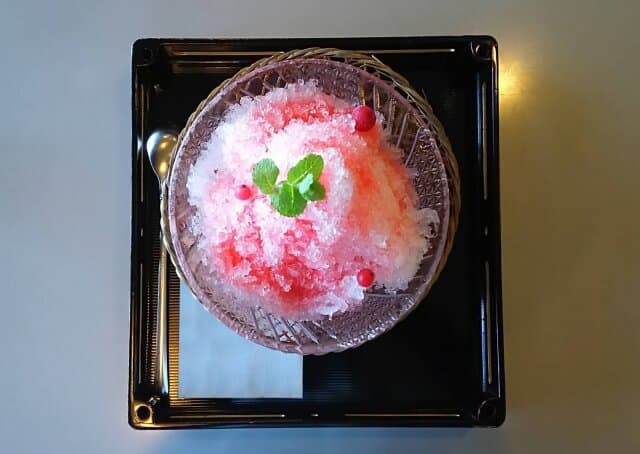
Ice became less expensive and more widely available over the years as preservation methods improved. The real improvement in ice availability, though, happened with the development of ice-making machines, and by the end of the 19th century, most people could easily get ice. This summer, while you travel Japan’s streets and take in its attractions, remember to stay hydrated and reward yourself with some “kakigoori”.
If you are into Japanese sweets, you can also try some by clicking here.
Kakigori (Japanese Shaved Ice) FAQ
What is Kakigori?
It is a traditional Japanese summer dessert. Chefs shave blocks of pure ice finely and flavor it with sweet syrups.
How does it differ from a snow cone?
Kakigori has a soft, fluffy, snow-like texture, whereas Western snow cones use crunchy, crushed ice.
What is “Tennen-gori”?
It means “natural ice.” Artisans freeze pure spring water slowly in outdoor winter pools to create ultra-clear, hard ice.
Why does Tennen-gori prevent “brain freeze”?
The hard natural ice allows chefs to shave it extremely thin. This fluffy texture melts instantly in your mouth before shocking your nerves.
What are the traditional syrup flavors?
Classic stalls serve strawberry, melon, lemon, and Blue Hawaii syrups, especially at lively summer festivals.
What is “Ujikintoki”?
It is a classic Japanese flavor profile. Creators top the ice with rich Matcha green tea syrup and sweet Azuki red bean paste.
Do cafes use real fruit?
Yes. Modern specialty cafes puree fresh, seasonal fruits like peaches, mangoes, and strawberries to make thick, luxurious syrups.
What is the sweet white sauce on top?
That is “Rennyu” (sweetened condensed milk). It adds a rich, creamy sweetness that balances tart fruit flavors perfectly.
When do people eat it?
Locals eat it primarily during the hot, humid summer months to cool down, though specialized cafes serve it year-round.
Where can I buy it?
You find it at street food stalls (Yatai), traditional sweets shops, and modern dessert cafes across Japan.
What does the red and blue banner mean?
Shops display a white flag featuring the red kanji character for ice (氷) and blue waves to signal they sell Kakigori.
How do chefs shave the ice?
Professionals use special hand-cranked or electric machines with razor-sharp blades to shave the blocks into delicate ribbons.
Is it vegan?
Usually, yes. The ice and fruit syrups contain only plant ingredients, but you must ask the staff to omit the condensed milk.
Is it expensive?
Festival cups cost around 300 to 500 JPY, but luxury cafe versions using natural ice and fresh fruit can cost over 1,500 JPY.
How do I eat it without spilling?
You use a spoon to scoop it gently from the top down. You should avoid pressing the ice, as it will collapse over the bowl.
Comments