


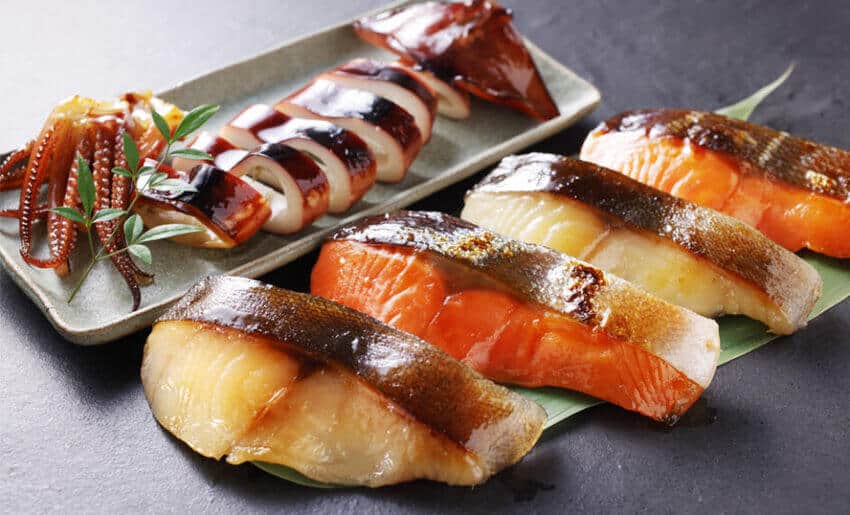




Have you ever tasted a dish that melts in your mouth while delivering a perfect balance of sweetness and umami? If not, then Saikyo Zuke might be your next favorite discovery. This traditional Japanese preparation draws its charm from Saikyo miso, a delicately sweet miso paste from Kyoto. Rich in history and full of flavor, Saikyo Zuke continues to captivate both locals and travelers who seek an authentic taste of Kyoto’s refined cuisine.
What Makes Saikyo Zuke Special?
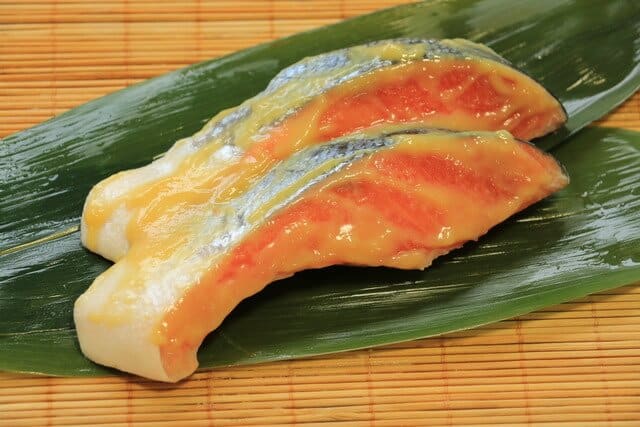
Cooks in Kyoto and beyond prepare Saikyo Zuke by marinating fresh fish or meat in a generous amount of Saikyo miso. Unlike the darker, saltier varieties of miso found in soup, Saikyo miso boasts a pale yellow hue and a notably sweet taste, thanks to its high rice koji content and reduced salt—usually around 4% to 6%, compared to the typical 12%. This unique flavor allows the ingredients to shine, gently enhanced without being overpowered.
The preparation of Saikyo Zuke requires time and care. Many chefs use the traditional hon-zuke technique, which means “true marination.” They marinate ingredients for over two days and two nights, allowing the miso to penetrate deep into the flesh of the fish or meat. This slow process brings out a mellow sweetness and rich umami while tenderizing the texture to perfection. Skilled chefs adjust the marination length depending on the season, temperature, and the shape and type of fish to ensure the best result.
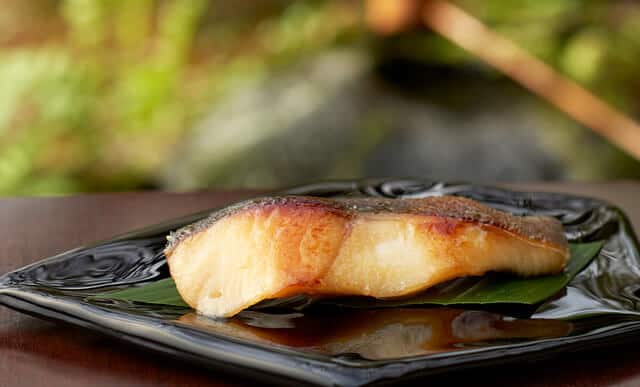
Its pale color keeps grilled fish looking vibrant, a detail that Kyoto’s aesthetic cuisine values highly. The moderate saltiness and gentle sweetness help amplify the natural taste of the fish or meat rather than mask it.
A Taste of History
Origins in the Imperial Court
Saikyo Zuke’s roots trace back to Kyoto’s Heian period (794–1185), when the imperial court cultivated a taste for refined, delicate flavors. As Kyoto developed its own food traditions, Saikyo miso emerged as a prized local specialty. Chefs used it not only in miso soups and dressings but also to pickle seasonal ingredients. The use of miso in marination began as preservation but evolved into a culinary art. The mild, sweet profile of Saikyo miso made it ideal for flavoring fish without overwhelming it—an approach that defines Kyoto’s subtle and elegant food culture.
Refinement Through Temple Traditions
During the Muromachi period (1336–1573), Kyoto’s miso-making traditions became increasingly refined. Buddhist temples and aristocratic households developed sophisticated approaches to shojin ryori (Buddhist vegetarian cuisine), and techniques using Saikyo miso spread throughout these communities. Zen monks, in particular, perfected methods of marinating fish that served dual purposes: preservation and flavor enhancement. These monastery techniques gradually made their way into common households.
Establishment as Culinary Art
By the Edo period (1603–1868), Saikyo Zuke had become firmly established in Kyoto’s culinary repertoire. The city’s location, far from the coast, made preservation methods essential for enjoying seafood. Local fishmongers and specialty shops began developing their own secret recipes, varying the marination time and adding ingredients like sake lees or yuzu to create distinctive flavor profiles. Wealthy merchant families prided themselves on their homemade Saikyo Zuke, often preparing it for special occasions and seasonal celebrations.
Philosophy of Subtlety
The technique also reflected Kyoto’s aesthetic principle of “hikizan no bi”—the beauty of subtraction. Rather than adding bold flavors, Saikyo Zuke draws out the natural sweetness of fish while the miso imparts a gentle umami depth. This philosophy aligned perfectly with kaiseki cuisine, where each ingredient’s intrinsic character is respected and highlighted. Traditional choices like black cod, salmon, and Spanish mackerel were selected not just for their texture but for how beautifully they absorbed and balanced the miso’s delicate sweetness.
Where to Try Saikyo Zuke?
Kyoto Ichinoden (京都一の傳 本店)
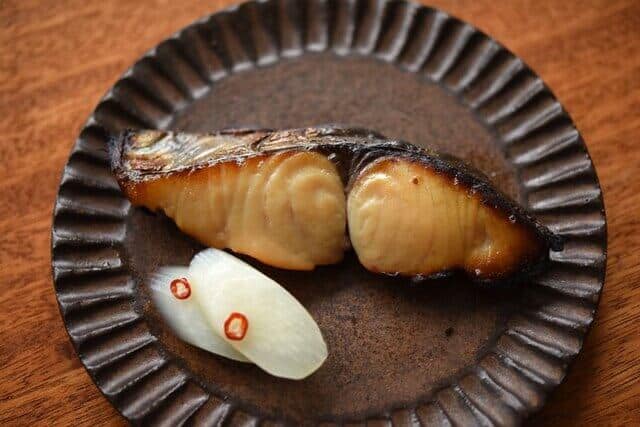
One of the best places to enjoy Saikyo Zuke today is Kyoto Ichinoden (京都一の傳 本店). This long-established restaurant specializes in miso-marinated fish and offers both in-person dining and take-home options.
At Ichinoden, you’ll taste Saikyo Zuke as it’s meant to be—prepared with skill, tradition, and a deep respect for the ingredients.
Final Thoughts
Saikyo Zuke captures everything beautiful about Kyoto cuisine: balance, refinement, and harmony between flavor and appearance. If you enjoy grilled fish with a hint of sweetness and a tender, melt-in-your-mouth texture, this dish is worth seeking out.
Once you try it, you may find yourself curious about other marinated Japanese dishes, like shioyaki (salt-grilled fish), teriyaki, or other types of miso-zuke. Each offers a delicious look into Japan’s rich and flavorful food culture.
Saikyozuke (Miso Marinated Fish) FAQ
What is Saikyozuke?
It is fish marinated in sweet white miso paste. Chefs typically steep the fish for several days.
What does “Saikyo” mean?
“Saikyo” means “Western Capital,” referring to Kyoto. This cooking style originated there centuries ago.
What does it taste like?
It tastes elegant, sweet, and savory. The enzymes in the miso boost the natural umami of the fish.
Is it raw?
No. You must grill the marinated fish before eating. We call the cooked dish “Saikyo Yaki.”
What kind of fish do they use?
Restaurants most commonly use fatty fish like Black Cod (Gindara) or Spanish Mackerel (Sawara).
What is Saikyo Miso?
It is a traditional Kyoto miso made with a high percentage of rice koji, giving it a distinct sweetness.
Do I eat the miso paste?
Generally, you wipe off the excess miso before grilling because it burns very easily.
Is it spicy?
No. Unlike red miso or spicy pastes, Saikyo miso has a mild, creamy, and sweet flavor profile.
Where can I eat it?
You find the best versions in traditional Kyoto restaurants (Ryotei) or in high-end Bento boxes.
Is it gluten-free?
Not always. While miso uses soy and rice, some commercial marinades add wheat-based ingredients.
Why is the fish so soft?
The miso marinade draws out moisture and breaks down proteins, making the fish incredibly flaky and tender.
Can I buy it to take home?
Yes. Many shops sell vacuum-sealed packs of raw marinated fish that make great souvenirs.
Is it expensive?
It is often a premium dish, but many places serve affordable lunch sets (Teishoku).
Does it smell fishy?
No. The strong miso aroma and the marinating process effectively neutralize any fishy odors.

Comments