





Tachigui soba, or standing soba, is a casual dining experience deeply woven into the fabric of everyday Japanese life. Standing before steaming bowls lined up at the counter, customers can achieve satisfaction in a short amount of time. Perfect for busy mornings or work breaks, these soba stands have been beloved by people of all ages.
Basic Information About Tachigui Soba
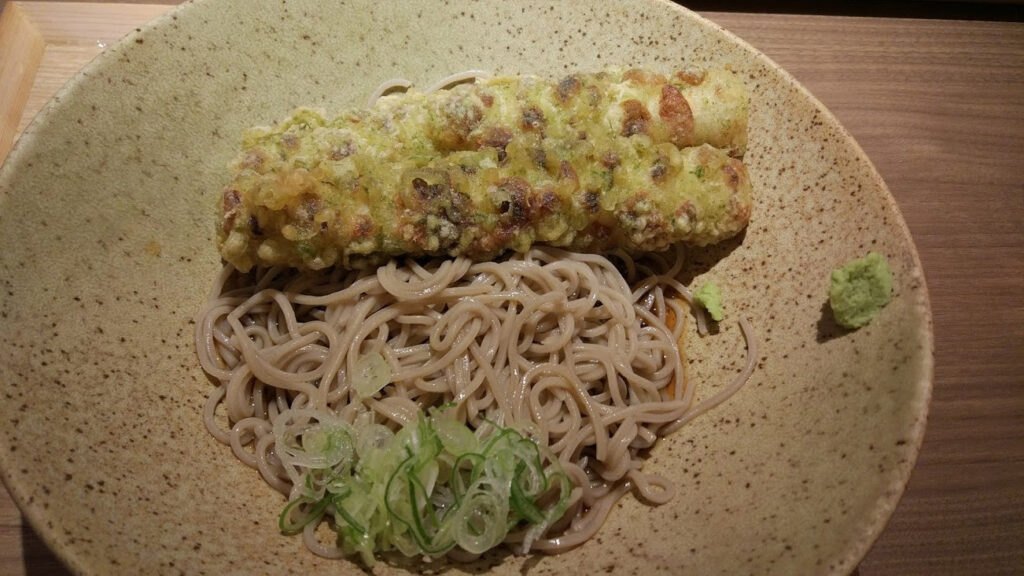
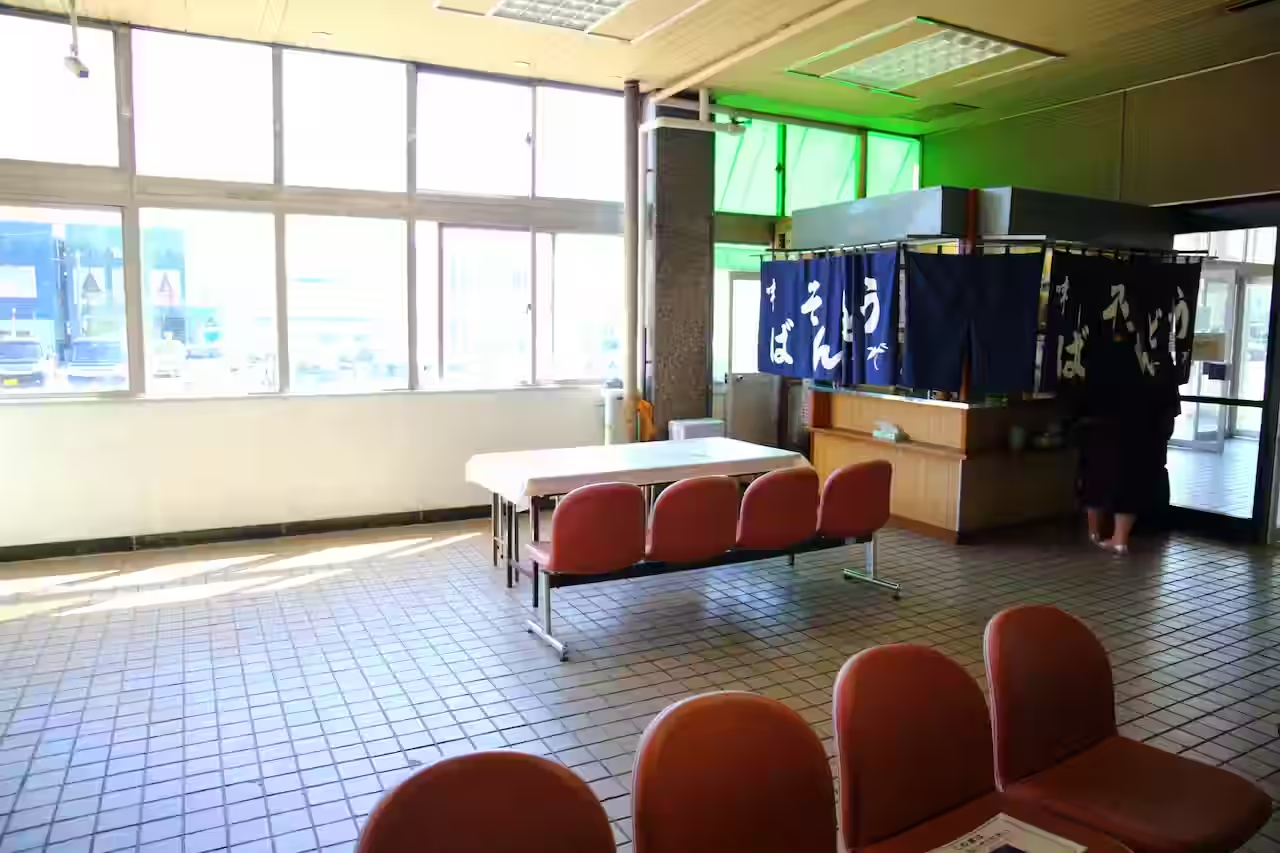
Tachigui soba refers to soba shops where customers eat while standing at a counter without seats. These establishments primarily use pre-boiled noodles and offer standard menu items like plain kake soba, tempura soba, and kitsune soba (with fried tofu). Prices are affordable, ranging from 300 to 500 yen, and the appeal lies in preparation and service that takes less than a minute. The broth is typically based on bonito flakes and kelp, characterized by the clear transparency of Edo-style preparation. In addition to pre-boiled noodles, an increasing number of shops now use fresh or semi-fresh noodles, offering diverse textures.
Powerful Dark Broth for the Busy Commuter
Tachigui soba has a very strong and dark flavor that hits you right away. The broth is much darker than what you find in fancy shops because it uses a lot of deep soy sauce. It is like a quick salty soup you might find in the West, but with a much bigger savory kick. The umami comes from dried fish flakes that simmer all day. It is designed to be loud and satisfying for people who are in a huge rush. The smell of the soy and fish is very powerful and fills the station air.
Choosing Between Fried Toppings and Healthy Mountain Greens
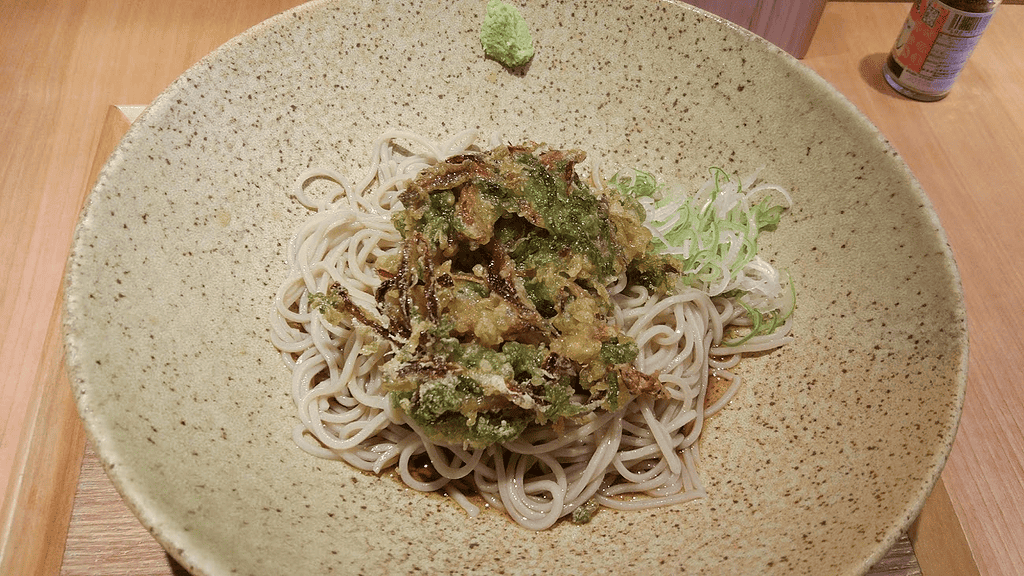
You can usually choose between a heavy bowl with kakiage or a light bowl with mountain vegetables. Kakiage is a big disk of fried onions and carrots that adds a lot of oil and extra calories. It makes the broth taste fatty and sweet as the oil leaks into the soup. The mountain vegetable version is a much better choice for your health. It is very low in calories and has a clean and earthy taste. While the fried version feels like a heavy treat, the vegetable version is refreshing and lets the soup stand out.
Quick Noodles and Soaking Crusts
The feeling of eating this is all about speed and warmth. The noodles are often pre cooked and then dipped in hot water, so they are softer and easier to swallow than hand made versions. They have a very smooth texture that slides down easily. If you add a fried topping, it starts with a little crunch but quickly turns into a soft and savory sponge. It soaks up all the dark broth until it almost melts. Eating while standing makes the heat of the soup feel more intense and satisfying as it fills your belly.
Characteristics of Standing Soba
The shops are compact, with customers standing shoulder to shoulder. Orders are called out loudly across the counter, and payment is settled after eating. Due to the focus on pre-boiled noodles, draining and adding broth is quick. More shops have introduced fresh noodles, enhancing flavor. Many menus are healthy, low-calorie, and meat-free. In the Kansai region, many shops serve both soba and udon, showing traces of the traditional “night-cry udon” culture. High turnover is the biggest selling point, making these soba stands popular among busy businesspeople. The minimalist space has a dignified quality, existing as a kind of adult rest stop.
Benefits and Appeal of Tachigui Soba
The strength of the standing format lies in improved turnover. With few customers lingering, quick service is possible, leading to high profit margins. Equipment costs are kept low, and opening in small spaces is feasible, allowing many shops to increase their cost ratio to nearly 50% and use high-quality ingredients. Employee work is easier, with minimal dish cleanup. For customers, it’s cheap and convenient, friendly to solo diners. The atmosphere where people don’t interfere with each other and can feel satisfied in a short time is comfortable. It’s a business model that can differentiate itself through speed and consistent taste while keeping startup costs low.
The History and Evolution of Tachigui Soba to the Present
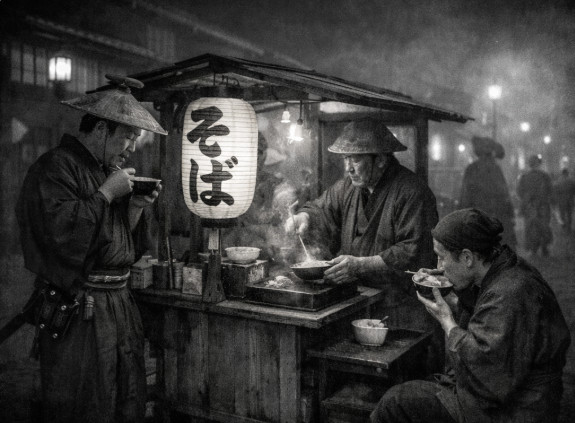
The origins trace back to the street stall culture of the mid-Edo period. The roots lie in “yotaka soba” (night hawk soba) that moved through nighttime streets, where Edo residents eating two meals a day would fill their stomachs in the evening darkness. The prototype of kake soba emerged around the Kyōhō era (1716-1736), spreading among merchants and craftsmen. In the late Meiji period, these shops advanced into station premises, serving customers waiting for trains at places like Karuizawa Station and Ichinoseki Station. Responding to shortened停車 times, takeout containers also appeared.
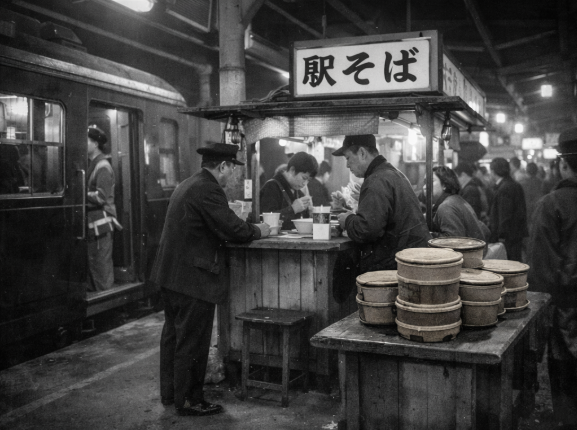
In the 1960s, pre-boiled noodle technology evolved during the high economic growth period, and shops rapidly increased nationwide. With the urban working population growing, quick and cheap meals became indispensable. While eclipsed temporarily by the rise of hamburgers and gyudon (beef bowl), tachigui soba has recently gained renewed attention for its speed and health-conscious appeal. The meat-free, healthy aspect is valued, and these shops continue to support workers in front of stations and office districts today. In competitive areas like Asakusabashi, more than 10 shops crowded together in the 1950s, becoming culturally significant as a precursor to fast food. Even during the COVID pandemic, they survived through takeout options and continue to evolve in diverse ways.
Basic Flow of Usage
1. Entering & Ordering
- Ticket Machine Shops (Most Common): Purchase a meal ticket at the machine near the entrance and hand it to the staff at the counter.
- Oral Order Shops: Clearly state your order across the counter. Payment is typically “Cash on Delivery” (exchange cash for the bowl) or “Pre-payment” upon ordering.
- Water: Water is almost always self-service. Fill your glass at the water dispenser before taking your spot.
2. Eating
- Eat quickly and leave quickly—this is the fundamental style.
- While many shops now have chairs (counter seats or tables), it is not a place to linger.
- Chopsticks: Shops use either disposable wooden chopsticks (waribashi) or reusable plastic chopsticks (arai-bashi).
3. Returning & Leaving
- When you are finished, take your tray/bowl to the designated “Return Counter” (返却口 – Henkyaku-guchi).
- If the table is dirty after you eat, it is good manners to wipe it with the provided rag.
Useful Information to Know
Noodle Types & Serving Speed
- Boiled Noodles (Yude-men): These are pre-boiled noodles that are simply dipped in hot water to warm up. Service is extremely fast (1–2 minutes). Recommended if you are in a rush.
- Fresh Noodles (Nama-men): Raw noodles boiled to order. Takes longer (3+ minutes) but offers better texture (chewiness) and aroma.
Takeout
- Many shops offer takeout, but be careful of spilling broth while carrying it.
- To prevent the noodles from getting soggy, some shops provide the noodles and broth in separate layers within the container.
- Phone reservations are rare; ordering at the shop and waiting is the standard method.
Manners & Tips
- Watch out for splashing: Counter space is tight. Be careful not to splash broth on the person next to you.
- Toppings: Tempura is usually placed directly in the broth. If you want it crispy, you can ask for “Betsu-zara” (separate plate), though not all shops accommodate this.
- Condiments: Shichimi (seven-spice blend) is available on the table. Green onions are usually pre-served in the bowl, but some specific chains (like Komoro Soba) allow all-you-can-eat green onions from a tabletop jar.
- Belongings: Use the shelf under the counter or baskets at your feet. Do not block the aisle with luggage.
Payment Methods
- Have cash (coins) ready.
- While major chains increasingly accept IC cards (Suica/Pasmo) or QR codes at ticket machines, many individual or older shops are Cash Only.
Etiquette During Busy Times
- Vacate your spot immediately after finishing your meal.
- Keep smartphone usage to a minimum.
- Be mindful of people waiting behind you for a spot.
Advice for Beginners
Best Time: The hours between 2:00 PM and 5:00 PM are generally quiet, making it easier for beginners to order without pressure.
Menu Recommendation: If unsure, try “Ten-tama soba” (Tempura & Egg) or “Kakiage soba” (Mixed Vegetable Tempura).
Cash Add-ons: Even at ticket machine shops, you can often add toppings (like an egg or extra noodles) by placing cash directly on the counter and asking the staff.
Recommended Tachigui Soba Shops
Fuji Soba Shibuya (富士そば 渋谷東口店)
A pioneer that first introduced fresh noodles in 1987. Famous for chewy niban (80% buckwheat) soba with a rich variety of tempura and meat soba options. Open from 5 AM until late at night, popular with salarymen. While preserving traditions from the pre-boiled noodle era, they also offer substantial miso-nikomi udon. Excellent access near the station.
Yomoda Soba Nihonbashi (よもだそば 日本橋店)
A popular standing soba chain featuring fresh house-made noodles and authentic Indian curry alongside traditional items. The signature giant kakiage (mixed tempura) uses a whole onion, while their chemical-free broth is crafted from bonito and kombu. Unique “International Soba” options include cheese and nira (garlic chive) combinations. Located in the business district near Tokyo Station, expect lines during lunch hours. The noodles have excellent firmness and the curry’s spiciness is genuine.
Ichiyoshi Soba Nippori (いちよしそば 日暮里店)
A 24-hour institution beloved by night owls and early risers alike, run by a veteran from the famous Rokumon Soba chain. Approximately 30 types of tempura fill the showcase, with the jumbo geso-ten (squid tentacle tempura) being legendary—it completely covers the bowl. The specialty “futo-soba” features extra-thick custom noodles with remarkable chewiness. Despite the residential location off Ogubashibashi Street, lines form around the clock. Quick service delivers bowls in under a minute.
Conlusison
Tachigui soba continues rich Edo traditions. This unique dining culture spans centuries. Convenience meets deliciousness in every bowl. Standing soba shops still rush through modern cities. The appeal remains timeless and universal. Fast service satisfies busy schedules. Affordable prices welcome everyone. Delicious flavors keep customers returning. These three elements define soba stands perfectly. Standing soba embodies Japanese practical wisdom. Quick satisfaction meets cultural heritage daily. The tradition will continue thriving for generations ahead.

Comments