











Anyone who has visited Okayama has likely heard the phrase “Okayama, the Fruit Kingdom.” If you actually try the fruit there, you’ll quickly understand why it’s so famous. The moment you take a bite, the sweetness, juiciness, and aroma hit you. Everything feels just a bit different compared to produce from other regions.
This article compiles essential information about Okayama’s fruit, from its history to recommended shops. Reading this before you visit will surely make your trip more enjoyable.
Basic Information on Okayama’s Fruit
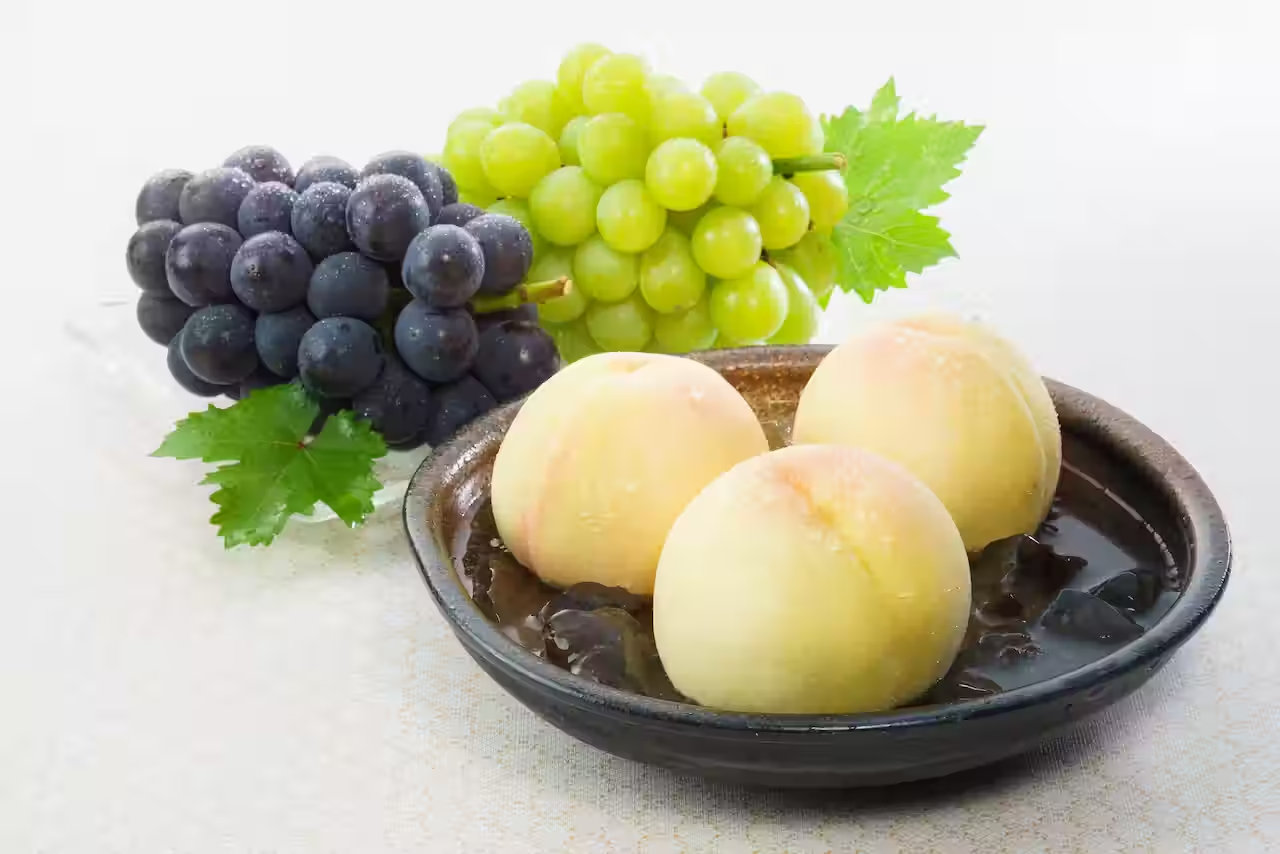
The two representative fruits that Okayama Prefecture prides itself on are “White Peaches” and “Grapes.” Peaches are in season from late June to early September. Grapes vary by variety but can generally be enjoyed from July through December. Both are known nationwide as Okayama specialties and are highly regarded by markets and consumers alike.
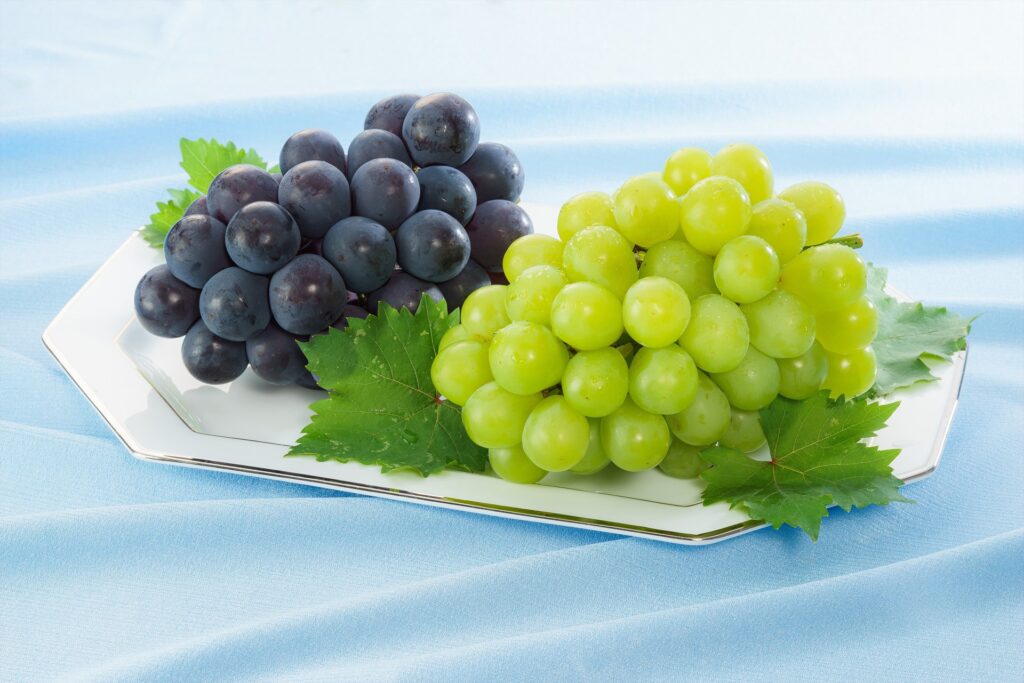
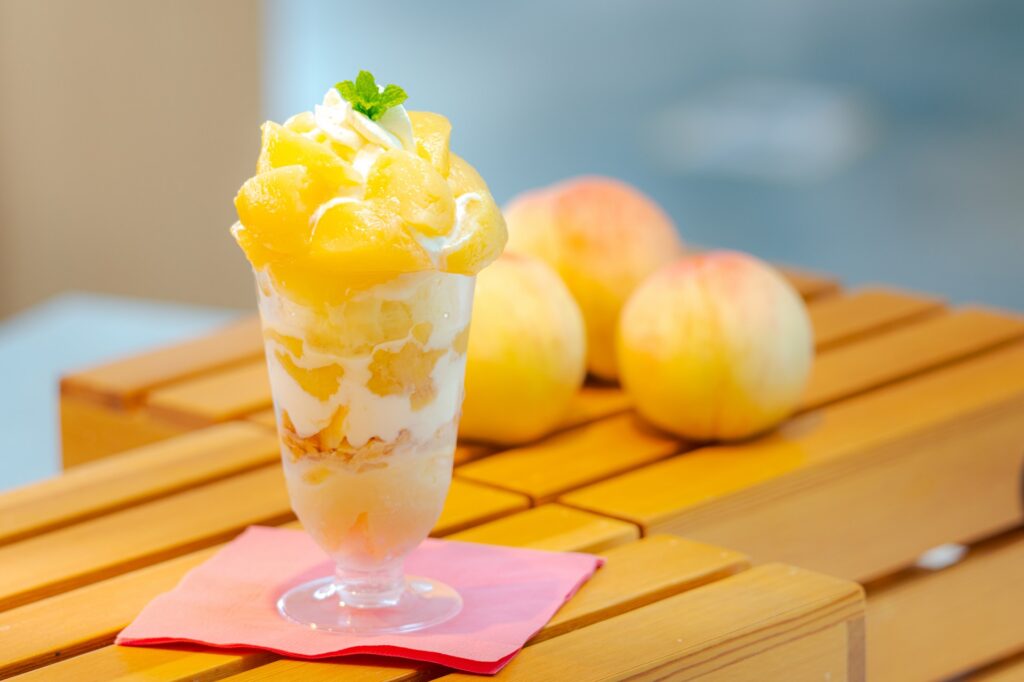
Major white peach varieties include “Shimizu Hakuto,” “Okayama Yume Hakuto,” and “Hakurei.” Shimizu Hakuto is particularly famous as a premium brand, characterized by its translucent white flesh and elegant sweetness. As for grapes, there is a wide variety, including “Muscat of Alexandria,” “Pione,” “Shine Muscat,” “Seto Giants,” “Aurora Black,” and “Shion,” each with its own unique personality.
Strawberries, pears, and figs are also produced in Okayama. Strawberries in winter and spring, pears in summer and autumn, and figs in autumn the ability to enjoy different flavors every season is one of Okayama’s charms.
Why is Okayama’s Fruit So Famous?
True to its nickname, “The Land of Sunshine,” Okayama is a region with an exceptionally high number of sunny days even for Japan. It has low rainfall throughout the year and long hours of sunlight. These climatic conditions play a major role in increasing the sugar content of the fruit. Fruit that soaks up plenty of sunlight stores a lot of sugar through photosynthesis. That is why Okayama’s fruit is so sweet.
Another reason lies in the meticulous manual labor of the growers.Farmers in Okayama grow white peaches by manually placing a paper bag over every single fruit. By bagging them, they shield the fruit from direct sunlight until just before harvest, which produces a beautiful white skin. This level of effort often drives up the price, but many customers consider it well worth the cost.
Producers also carry out a strict sorting and selection process with great care. No matter how high the production volume rises, they keep any fruit that fails to meet quality standards off the market. This firm stance has supported the brand’s reliability for many years. Because producers maintain this uncompromising commitment to quality, distributors ship the peaches to major metropolitan areas such as Tokyo and Osaka, and even to overseas markets.
Characteristics and Flavor of Okayama’s Fruit
Those eating Okayama white peaches for the first time might be surprised by their softness. The flesh is smoother and has a melt-in-your-mouth texture compared to peaches sold in typical supermarkets. The sweetness is intense yet clean. They are so juicy that it’s almost a problem how sticky your hands get while eating them.
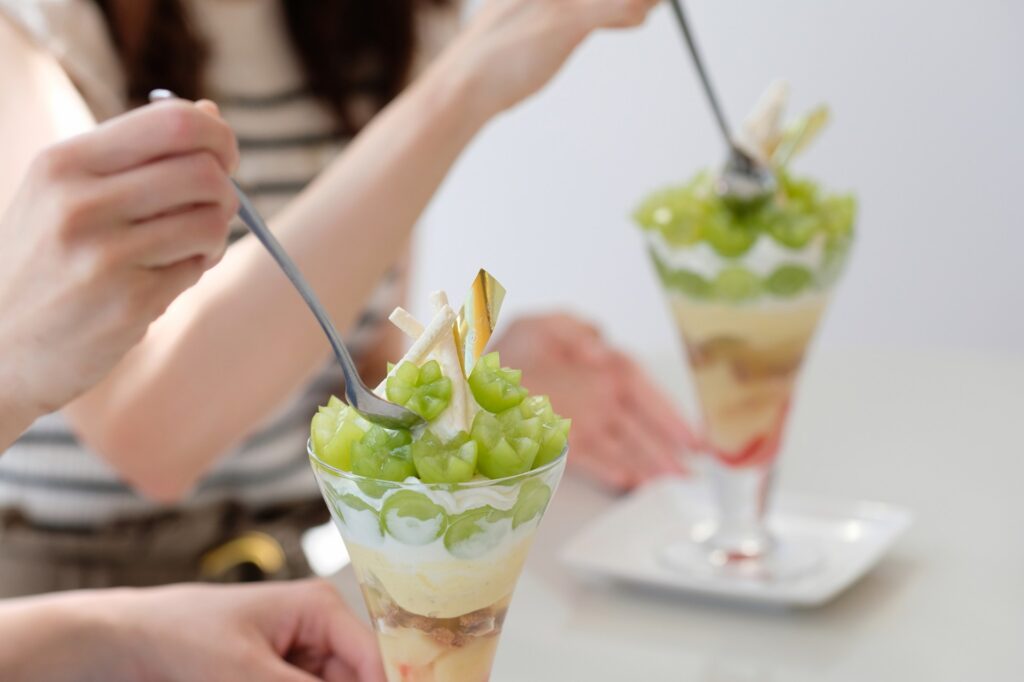
Turning to grapes, the differences between varieties are distinct. Muscat of Alexandria is often called the “Queen of Fruits,” as it is said to have been a favorite of Cleopatra. Its emerald green appearance, refreshing aroma, and sophisticated sweetness make eating a whole bunch feel like a true luxury.
Pione grapes are large, featuring a deep sweetness and a pleasant touch of acidity. Okayama also produces a seedless variety called “New Pione,” which is popular for its easy-to-peel skin. In recent years, consumers have driven a surge in Shine Muscat’s popularity because they can eat it skin and all, enjoying its fragrant sweetness. Okayama Prefecture developed Aurora Black as a unique variety, and growers prize it for the rich flavor typical of black grapes. Growers harvest Shion, a red grape, from autumn into winter, and its long season gives customers an added bonus.
Having such a diverse lineup of high-quality fruit in a single prefecture is quite rare in Japan.
History and Present State of Okayama’s Fruit
The Origins of White Peach Cultivation
It all started, quietly, around 1875.
Peach varieties brought over from China were gradually improved to suit Okayama’s climate and soil. The region’s mild temperatures and sun-drenched summers turned out to be, almost by coincidence, ideal conditions for cultivating peaches with delicate skin and high sugar content. Whether the early Meiji-era farmers anticipated the legacy they were building is hard to say. But the groundwork they laid would prove to be extraordinary.
The real turning point came in the Taisho era, when farmers began to widely adopt bag-cultivation techniques. They wrap each fruit by hand in a paper bag, one by one, protecting it from insects, sunburn, and blemishes. A single farmer might bag thousands of fruits in a season. The work demands patience and precision, and generation after generation has continued this tradition without interruption. Decades of quiet, repetitive labor, not clever marketing, built the flawless, pale-skinned “Okayama White Peach” brand.
Grapes and the Rise of Muscat of Alexandria
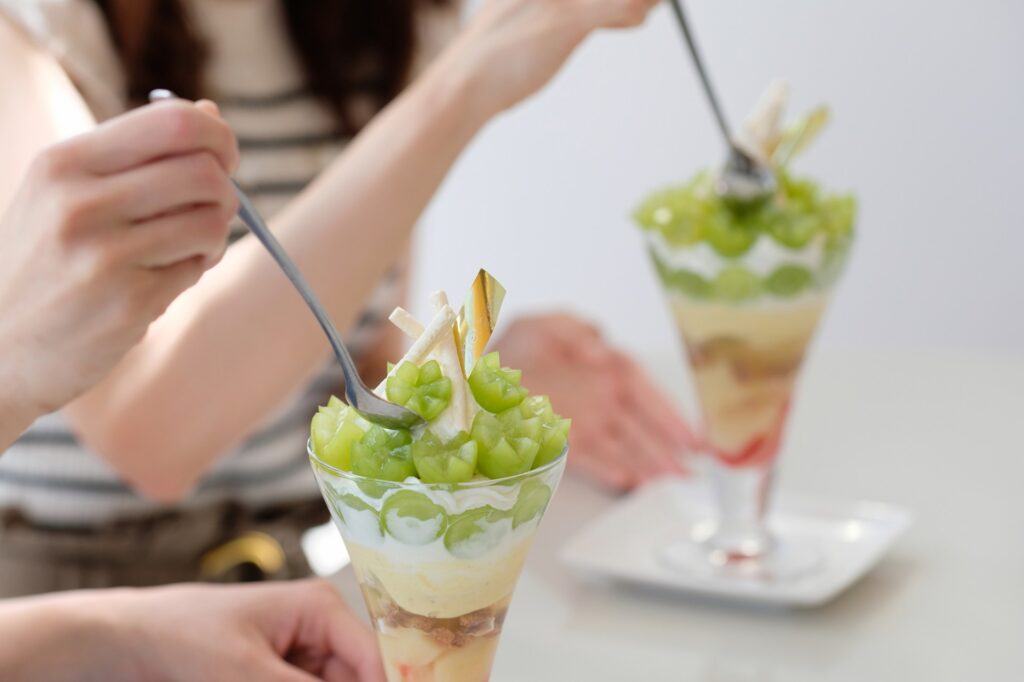
Muscat of Alexandria arrived in Okayama during the Meiji era, initially cultivated in greenhouses and treated as a luxury product accessible only to a privileged few. As horticultural technology advanced, production volumes gradually increased, and Okayama Prefecture now holds the top position in Japan for Muscat of Alexandria production. The grape is known for its large clusters, thin skin, and intensely floral aroma. People who have tasted it once often find it difficult to go back to ordinary table grapes. That kind of loyalty is not easily manufactured.
Reinvention and the Road Ahead
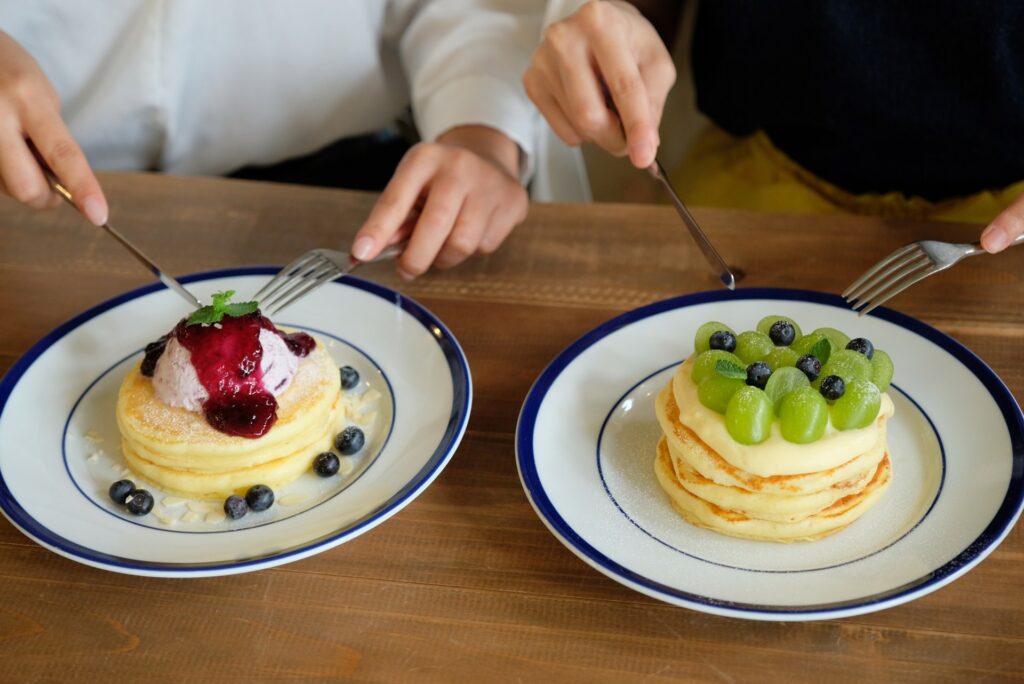
The story of Okayama’s fruit is not simply one of preservation. It is also one of ongoing reinvention. Newly bred varieties such as Aurora Black and Shion have attracted attention both domestically and internationally, and by staggering harvest times across varieties, the prefecture has moved closer to year-round shipment. Meanwhile, challenges remain. An aging workforce and a shortage of successors are real concerns that no amount of branding can paper over. Prefectural agricultural organizations are working to train the next generation, and efforts to expand into overseas export markets are gradually gaining momentum.
The term “Fruit Kingdom” is not just a catchy phrase. It is a record of achievement backed by long history, stubborn craftsmanship, and, perhaps, a quiet confidence that the best is still ahead.
5 Recommended Shops to Eat Okayama Fruit
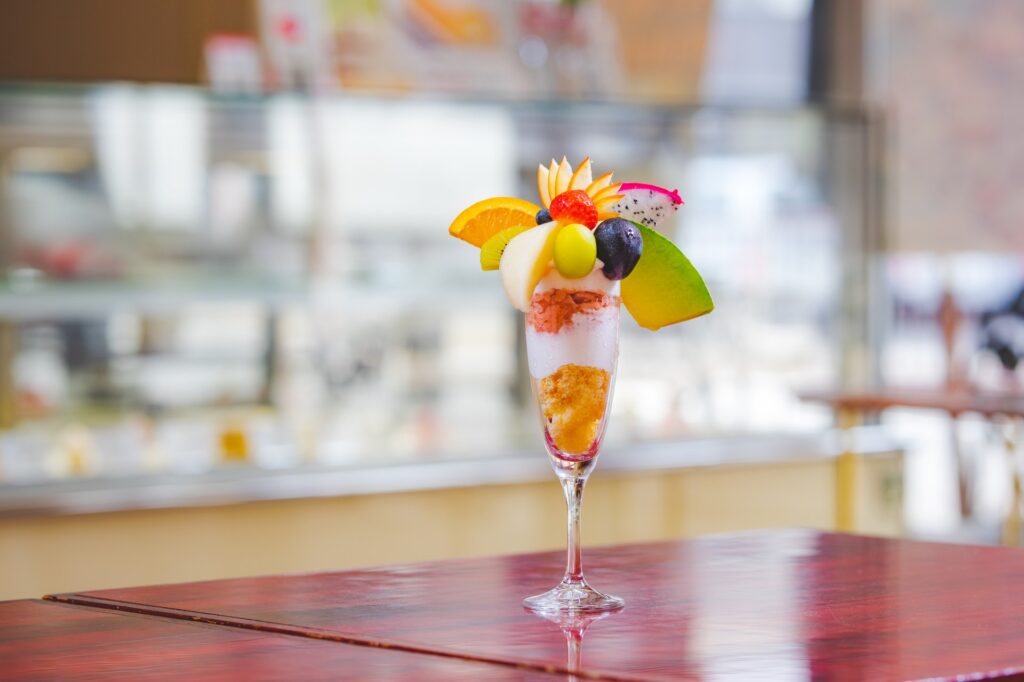
1. Kannon-yama Fruit Parlor OKAYAMA (観音山フルーツパーラーOKAYAMA)
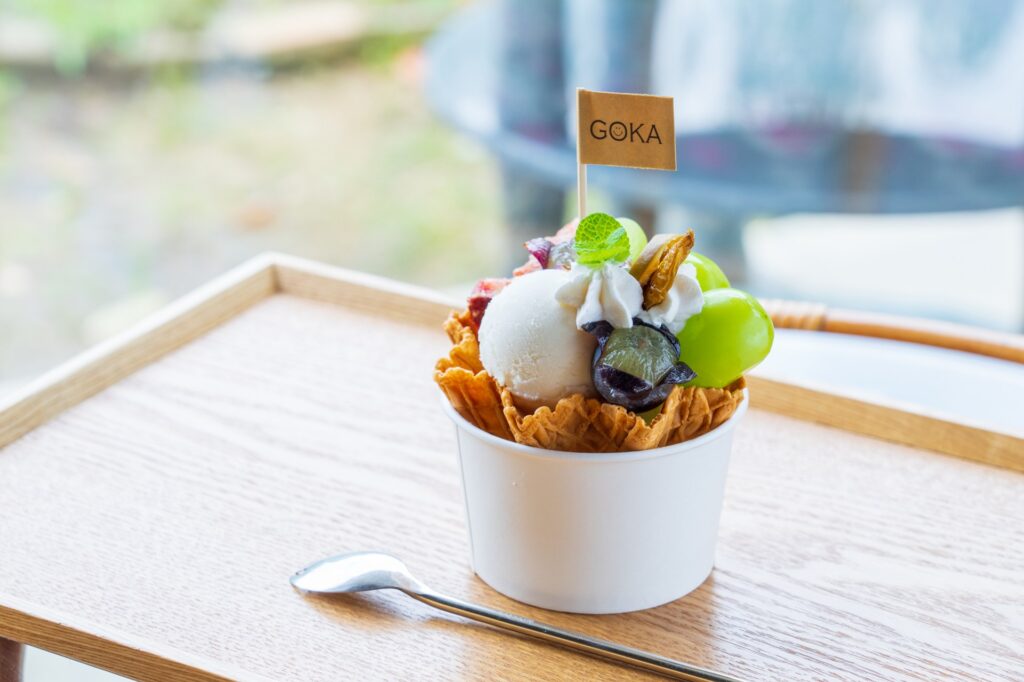
A parfait specialty shop using strictly selected fruit sent directly from farmers. The parfaits, loaded with seasonal fruits from Okayama and across Japan, are visually stunning. The menu changes with the seasons, so you can encounter new flavors every time you visit. The white peach parfait is especially popular in the summer, often resulting in long lines.
2. Kurashiki Momoko Main Store (くらしき桃子 総本店)
Located in the Kurashiki Bikan Historical Quarter, this cafe offers parfaits, gelato, and fresh juices made with seasonal fruit. The atmosphere inside the renovated traditional house is also a draw, and many people visit while sightseeing. Their sweets made with Okayama Shimizu White Peaches have a loyal local following, and their “Okayama Momoko Shimizu White Peach Pudding” is a popular souvenir.
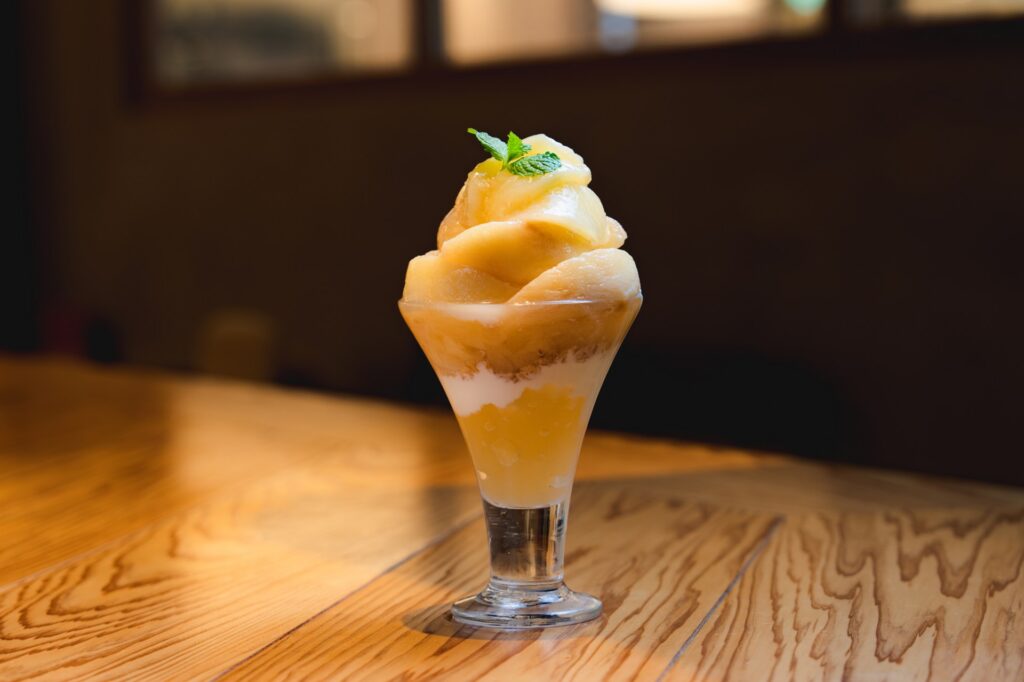
3. Parlor Kudamono Komachi (パーラー 果物小町)
A fruit parlor located inside Kurashiki Yoimachi GARDEN where you can taste Okayama fruit year-round. Eating soft-serve ice cream or parfaits while looking out at the bamboo garden is exceptional, and the time spent on the open terrace is very pleasant. Their original soft-serve, which concentrates the juice of Shimizu White Peaches, is a signature item with many repeat customers. Their takeout menu, including fruit sandwiches, is also highly rated.
4. Minoru Dining (みのるダイニング さんすて岡山店)
A dining cafe operated by JA Zen-Noh, conveniently connected directly to Okayama Station. The menu features dishes made with Okayama-grown Satoumi rice, Okayama Wagyu beef, and seasonal vegetables and fruits. Their parfaits and sweets using seasonal fruits are also popular, allowing you to fully enjoy local ingredients. For first-time visitors to Okayama, dining here is a great option.
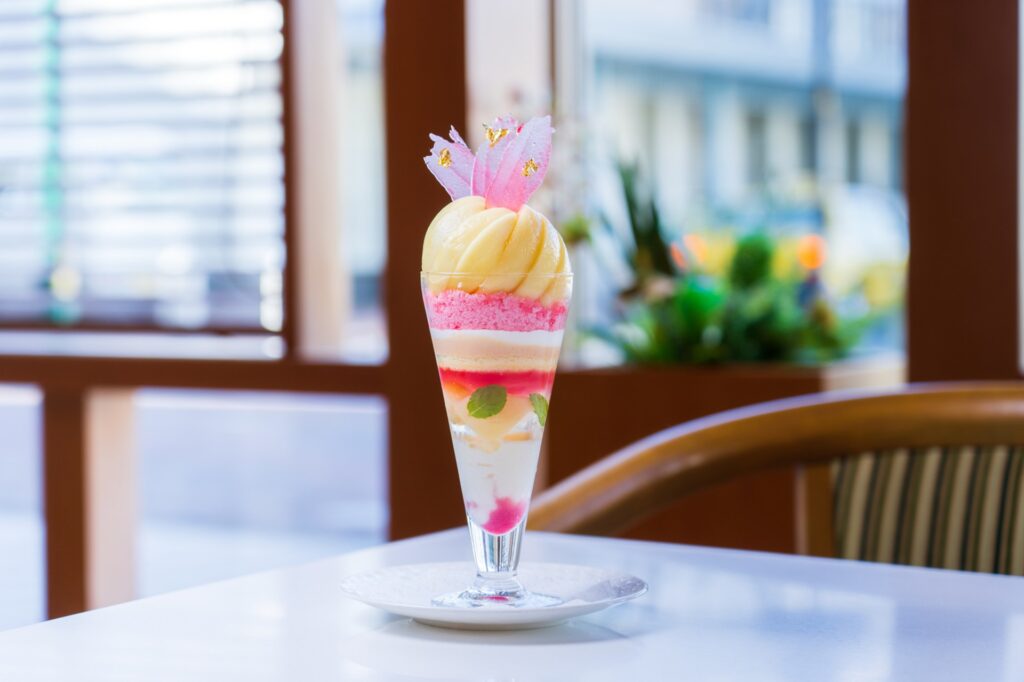
5. Suisha no Sato Fruit-topia (水車の里フルーツトピア)
A tourist farm facility in Yakage Town, Okayama, where you can enjoy seasonal fruit picking such as strawberries, grapes, and pears. The cafe inside the farm is famous for its luxurious glass parfaits made with freshly picked seasonal fruit, drawing visitors from outside the prefecture. If you want to enjoy fruit in a nature-rich environment, this is a must-visit spot. They also offer BBQ and pizza-making experiences, making it a hit with families.
Summary
There are clear reasons why Okayama’s fruit is so highly regarded nationwide. The combination of a sunny climate with long daylight hours, the meticulous manual labor of the growers, and strict quality control is what creates that specific sweetness and flavor. Is it an exaggeration to say that once you eat the real thing—whether it’s white peaches or grapes your standards will change forever? Probably not, as many people have had exactly that experience.
Okayama’s fruit isn’t just something to buy as a souvenir; there is great meaning in enjoying the flavors of the season right there on the spot. Visit the various production areas during their peak seasons and experience the sweetness of the fruit with all five senses. If you’re going to Okayama, be sure to plan your trip around that.
Reference Information
- Okayama Prefecture Official Website “Fruits of Okayama”: https://www.pref.okayama.jp/page/detail-16015.html
- Okayama Tourism WEB “Fruit and Gourmet”: https://www.okayama-kanko.jp/feature/10min/06#600
- Okayama Tourism WEB “7 Shops with Fruit Parfaits Recommended by Okayama Residents”: https://www.okayama-kanko.jp/okatabi/1324/page
Okayama Fruits FAQ
Why is Okayama famous for fruit?
Locals call Okayama the “Land of Sunshine.” The mild climate and abundant sunny days produce incredibly sweet and juicy fruits.
What are the main fruits?
Farmers primarily grow premium white peaches and luxury grapes like Shine Muscat and Pione.
What is the “Shimizu Hakuto”?
It is Okayama’s signature white peach. It offers meltingly soft flesh, abundant juice, and an elegant floral aroma.
Why are Okayama peaches white instead of pink?
Farmers carefully wrap each peach in a small paper bag while it grows on the tree to protect it from direct sunlight.
When is the best season to eat white peaches?
You will find the freshest and sweetest peaches during the peak summer months of July and August.
What is the “Muscat of Alexandria”?
Growers call it the “Queen of Fruits.” It is a bright green grape with an intense, elegant muscat aroma.
Why is “Shine Muscat” so popular?
You can eat the entire grape, including the skin. It contains no seeds, offers a loud crunch, and tastes incredibly sweet.
What are “Pione” grapes?
They are large, dark purple grapes. They combine the rich sweetness of Kyoho grapes with the refreshing aroma of Muscat.
When do farmers harvest the grapes?
Farmers harvest most grape varieties from late August through October.
Can I pick the fruits myself?
Yes. Many tourist farms in Okayama allow you to pick and eat fresh peaches and grapes straight from the vines.
What is an “Okayama Fruit Parfait”?
Local cafes create giant, beautiful parfaits stacked high with freshly picked seasonal fruits, ice cream, and fresh cream.
Why are these fruits so expensive?
Farmers prune the vines and trees aggressively so the plant channels all its nutrients into just a few perfect fruits.
Can I take the fresh fruits home?
You cannot take fresh fruit overseas due to customs, but you can buy delicious fruit jellies and jams as souvenirs.
Does the fruit relate to the Momotaro legend?
Yes. Okayama is the birthplace of the Momotaro (Peach Boy) legend, which heavily inspired the local focus on cultivating premium peaches.
Do farmers grow fruits in winter?
Yes. While summer fruits dominate, farmers also grow sweet Atago pears and beautiful strawberries during the colder months.
Comments