I still remember the first time I saw a mille crepe cake in a Tokyo cafe window. Dozens of paper-thin layers stacked perfectly, each one visible in cross-section like tree rings. The cake looked almost too delicate to eat.
These days, you’ll find mille crepe everywhere in Japan. Convenience stores, department store basements, tiny cafes in residential neighborhoods. It’s become as common as cheesecake, though somehow it still feels special. So why is mille crepe cake popular in Japan? And if you’re trying one for the first time, where should you even start?
TOC
What Is a Japanese-Style Mille Crepe?
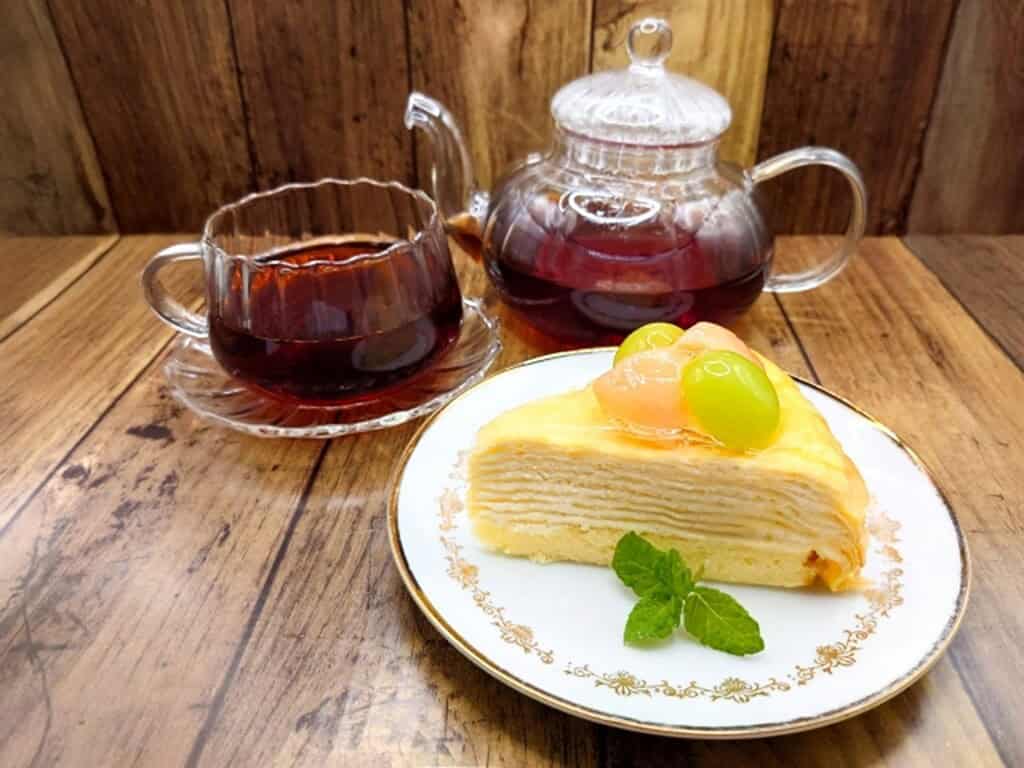
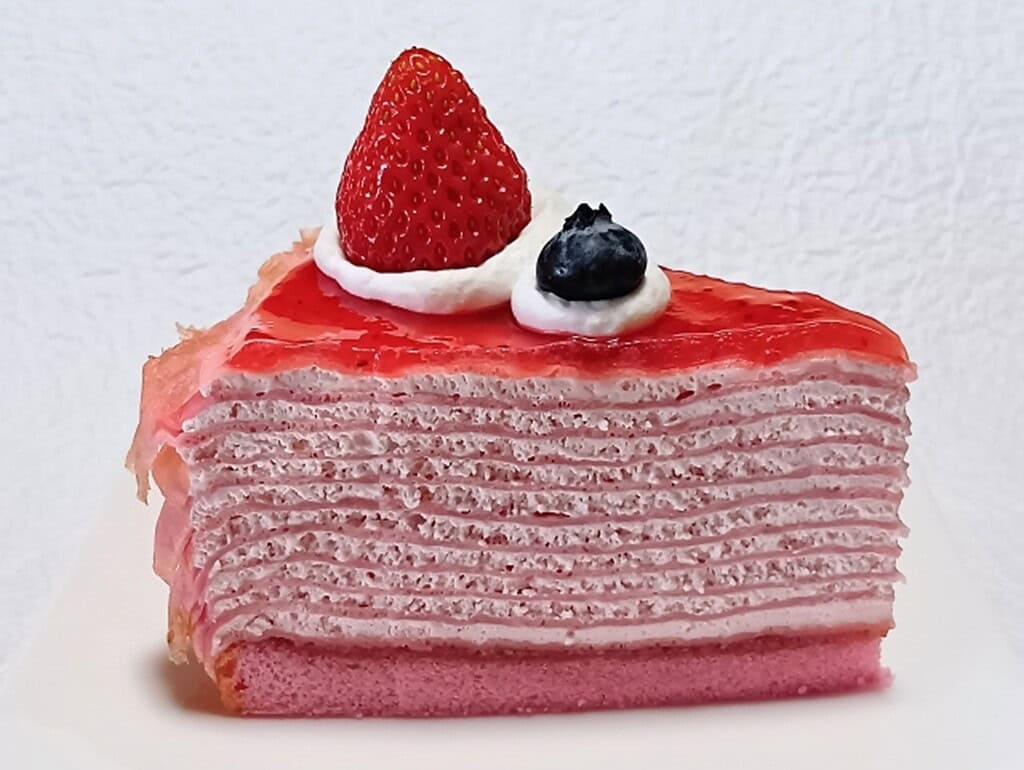
The name comes from French. ‘Mille’ means thousand, though you won’t actually find a thousand layers in any version I’ve seen. Most contain somewhere between 20 and 30 crepes, each one separated by a thin layer of pastry cream. When you slice into it, you get those distinctive golden stripes that have made the dessert so photogenic.
What makes the Japanese version different? The approach. While French mille crepe tends to be richer and heavier, Japanese patisseries have refined it into something lighter, more delicate. The emphasis is on precision and balance rather than indulgence.
Texture, Sweetness, and Layer Count
Each crepe should be thin enough to almost see through. I’ve watched pastry chefs make these, and it’s surprisingly tricky to get them that delicate without tearing. The cream between layers is lighter than you might expect, too. Many places mix fresh whipped cream into the pastry cream, creating an airy texture that doesn’t feel heavy even after multiple bites.
The sweetness is restrained. If you’re used to American-style cakes, Japanese mille crepe might taste almost understated at first. But that’s intentional. The idea is to let the quality of the ingredients come through (the butter, the eggs, the milk) without overwhelming your palate with sugar.
As for how many layers? Twenty to thirty seems to be the sweet spot. I’ve tried versions with 40 or 50 layers, and honestly, it starts to feel like too much. The cake becomes harder to cut cleanly, and the ratio of crepe to cream gets thrown off. There’s a reason most shops stick to that 20-30 range.
The timing mattered. Mille crepe started appearing in Japan in the 2000s, right as Instagram and food photography were taking off. The dessert is ridiculously photogenic. Those visible layers, the geometric precision, the way a slice sits on a plate. It practically begs to be photographed.
But it’s more than just looks. Understanding why mille crepe cake is popular in Japan requires looking at the culture itself. The dessert aligned perfectly with Japanese values around craftsmanship and attention to detail. Making a good mille crepe requires patience and skill. You can’t rush it. Each crepe needs to be cooked carefully, each cream layer spread evenly. It’s the kind of technical challenge that Japanese pastry culture appreciates.
Cafe Culture and ‘Pretty Desserts’ Philosophy
Japanese cafes have a particular aesthetic. Everything needs to look beautiful, from the latte art to the way desserts are plated. Mille crepe fits right into this world. It’s elegant without being fussy, impressive without feeling overly formal.
I think there’s also something about the ritual of eating it. You sit down, maybe order a coffee, and take your time with each bite. The dessert isn’t overly sweet, so you don’t feel rushed or overwhelmed. It matches the slower, more mindful pace of Japanese cafe culture.
Cafes started competing to create the most photogenic versions. Seasonal flavors, colorful layers, elaborate garnishes. Some places even started offering whole cakes you could customize for special occasions. The dessert became part of the cafe experience itself, not just an afterthought.
Convenience Store vs Patisserie Mille Crepes
Here’s something that surprised me when I first moved to Japan: you can buy mille crepe at 7-Eleven. For about 300 yen. And it’s… actually pretty good?
Of course, there’s a huge difference between a convenience store version and one from a proper patisserie. Both have their place, though. Sometimes you just want a quick sweet snack on the way home. Other times, you want the full experience.
What Changes: Cream, Crepes, and Price
The biggest difference is the cream. Convenience store versions use stabilized cream that can sit on a shelf for days. It’s fine, but you can taste the difference. Patisserie cream is made fresh, often daily, with real butter and premium dairy. It has a lighter, cleaner finish that doesn’t coat your mouth.
The crepes themselves are thicker in convenience store versions. They need to be sturdier to survive packaging and transport. Artisan crepes are so thin they’re almost translucent. This thinness creates a more delicate texture, though it also means the cake is more fragile.
Price-wise? Convenience store slices run 250 to 400 yen. A slice from a cafe might be 600 to 1,000 yen. Whole cakes from specialty shops start around 3,500 yen and can go much higher if you’re getting premium ingredients like Hokkaido cream or luxury seasonal fruits.
My advice? Try the convenience store version first if you’re curious. It’s low-commitment, and you’ll get a sense of what mille crepe is about. But for a special occasion or if you really want to understand why people love this dessert, spring for the patisserie version.
How to Choose Your First Mille Crepe
Standing in front of a cafe display case with five different flavors can be overwhelming. I know because I’ve been there, staring at matcha, strawberry, chocolate, and wondering which one to pick.
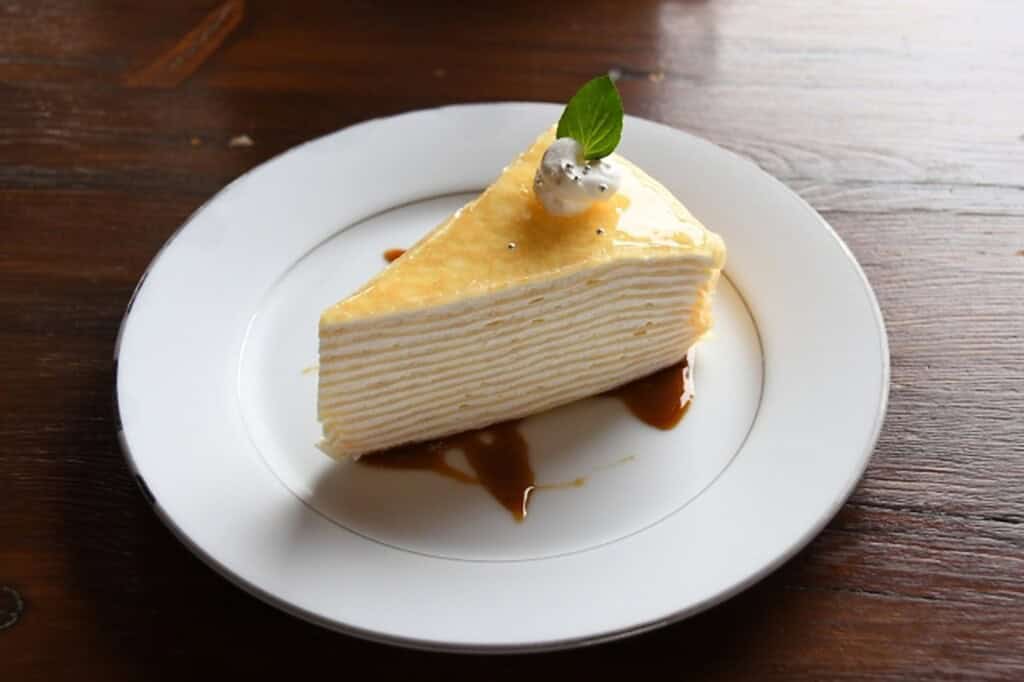
If it’s your first time, I’d suggest starting with the plain or vanilla version. This lets you appreciate the fundamentals without other flavors getting in the way. You’ll taste the quality of the cream, the texture of the crepes, the overall balance. Most shops have a ‘signature’ or ‘classic’ version that represents their best work.
Matcha vs Strawberry vs Chocolate
Once you’re ready to explore, these are the three flavors you’ll see most often.
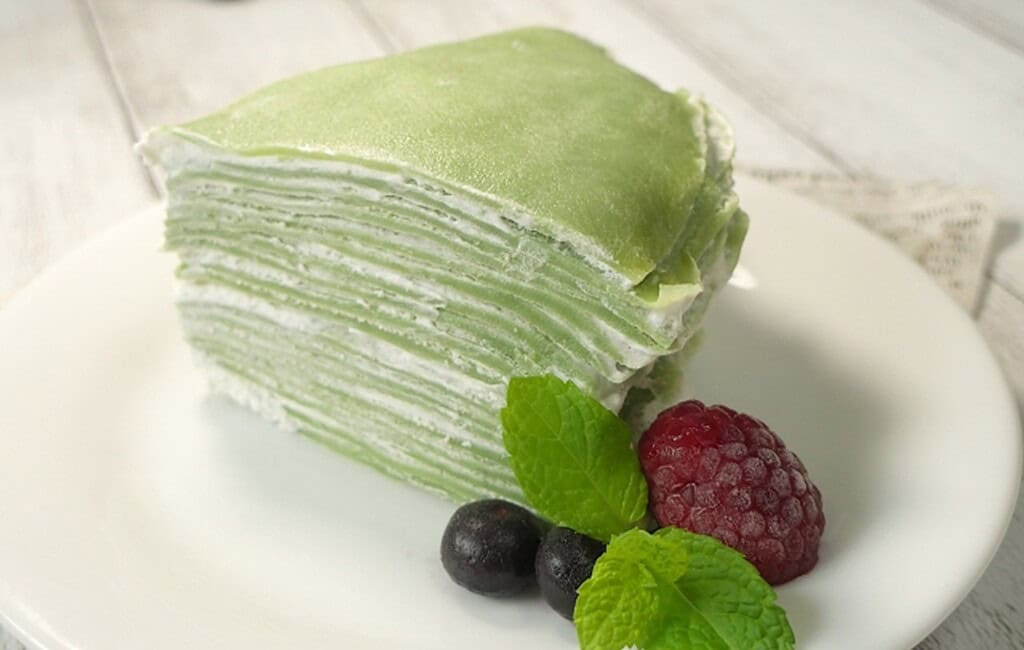
Matcha is probably the most Japanese option. Good matcha mille crepe should taste pleasantly bitter, with earthy notes that balance the cream’s richness. It’s less sweet than other flavors, which I personally love. But if you’re not a fan of matcha’s distinctive taste, this might not be the best starting point. Look for versions using Uji matcha if you can, the quality makes a real difference.
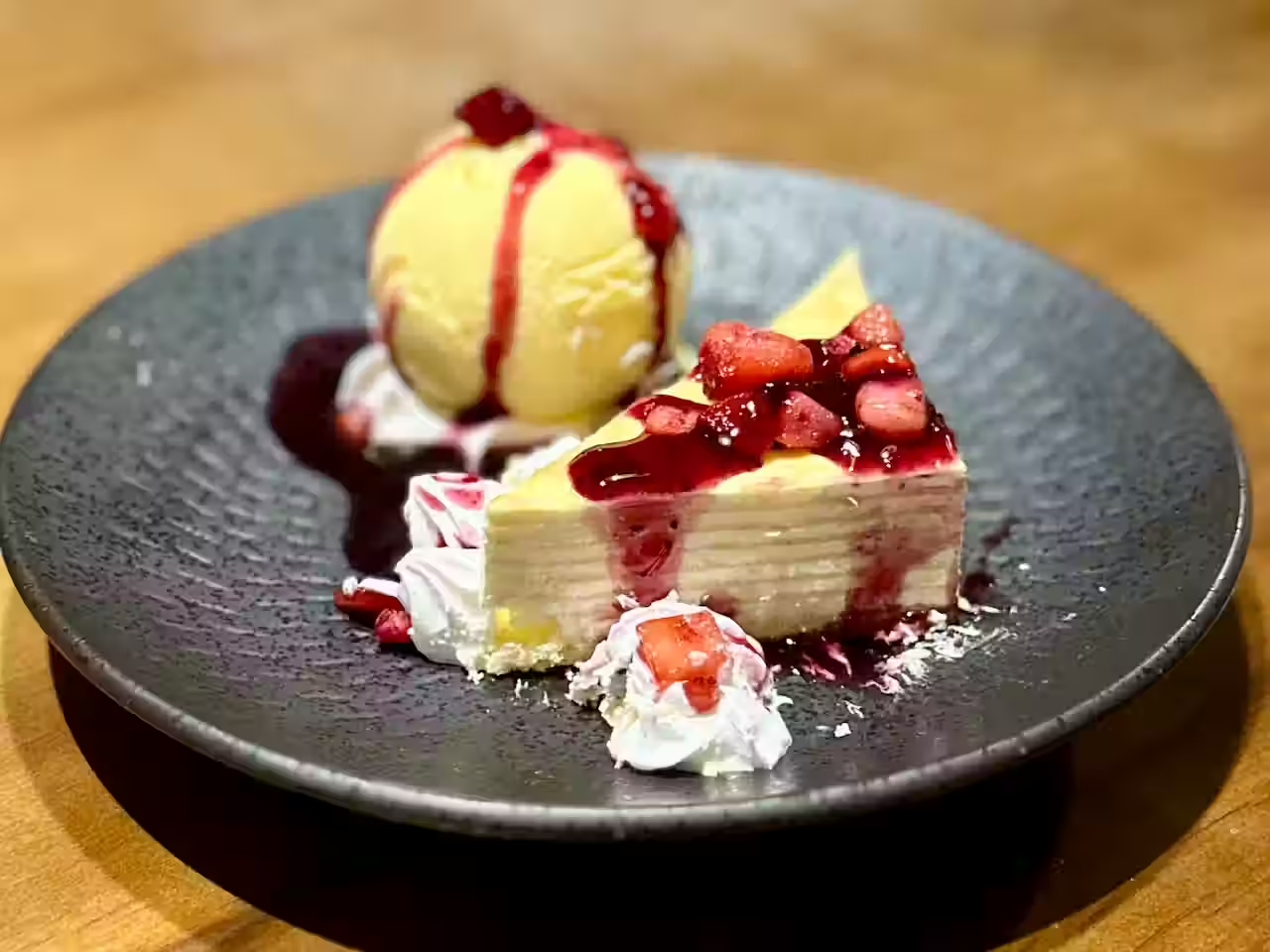
Strawberry is seasonal, usually available in winter and spring. The best versions use actual fresh strawberry slices between the layers, not just strawberry-flavored cream. When you bite into it, you get that pop of fruit alongside the cream and crepe. It’s beautiful to look at too, with red fruit visible in each layer. This is probably the safest crowd-pleaser.
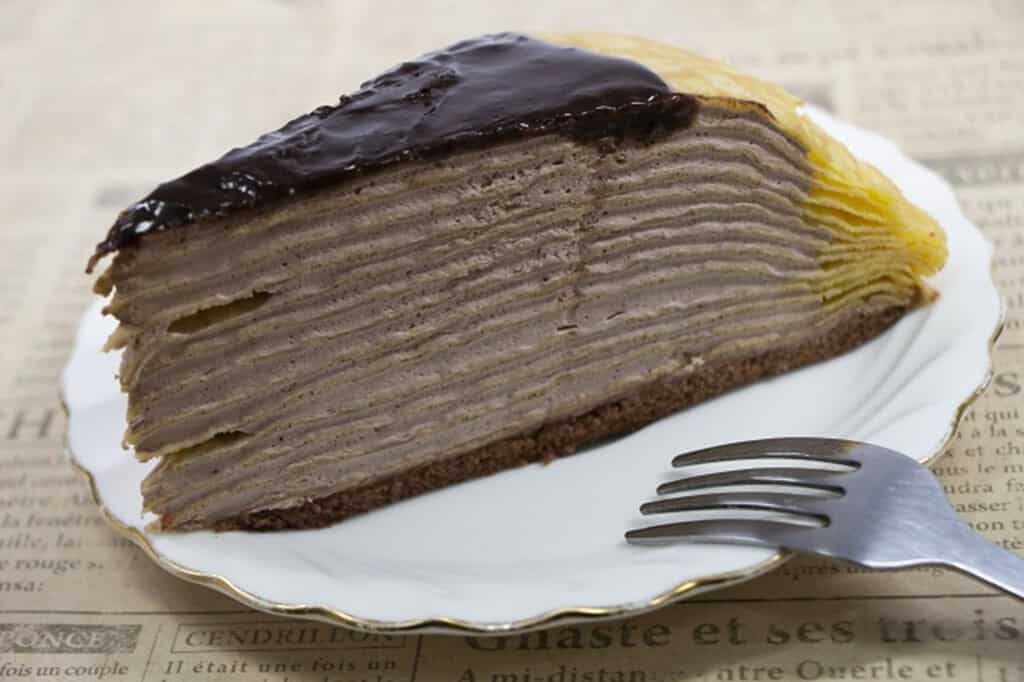
Chocolate is the richest option. Some places use cocoa crepes with vanilla cream, others use chocolate pastry cream, sometimes both. It’s great if you’re a serious chocolate fan, but it can sometimes overwhelm the delicate crepe texture. I find chocolate versions work best when the chocolate flavor is subtle rather than aggressive.
Beyond these, you’ll find seasonal specials. Hojicha, yuzu, chestnut, mango, tiramisu. Japanese patisseries love experimenting, and honestly, that’s part of the fun.
Easy At-Home Version (Beginner Method)
I’ll be honest: making mille crepe at home takes time. But it’s not as hard as it looks. The techniques are straightforward, and you don’t need any special equipment. Just a non-stick pan, a whisk, and patience.
If you’ve been wondering why mille crepe cake is popular in Japan after trying a store-bought version, making one yourself will give you a deeper appreciation. You’ll understand the precision required and why patisserie versions command higher prices.
Making the Crepes
Start simple. Two cups milk, three eggs, one cup flour, two tablespoons melted butter, two tablespoons sugar, pinch of salt. Whisk it smooth and let it rest in the fridge for at least 30 minutes. This helps the batter relax and makes smoother crepes.
Heat your pan to medium. Pour about a quarter cup of batter, swirl it quickly to spread thin, and cook for about 45 seconds. Flip (carefully!) and cook another 20 seconds. The first few might not be perfect. That’s fine. You’ll get better as you go.
Stack the finished crepes with parchment paper between each one. Let them cool completely before assembling. This is crucial because warm crepes will melt the cream.
Preparing the Cream Filling
Make a basic pastry cream by heating one cup milk with a quarter cup sugar. In a separate bowl, whisk two egg yolks with two tablespoons cornstarch. Slowly pour the hot milk into the egg mixture while whisking constantly. Return everything to the stove and cook, stirring, until thick.
Remove from heat, stir in a teaspoon of vanilla and a tablespoon of butter. Cover with plastic wrap pressed directly on the surface and chill completely. Once cold, whip one cup of heavy cream to stiff peaks and fold it into the pastry cream. This lightens the texture so it doesn’t feel too heavy between all those layers.
Assembly and Chilling
Assembly is where you need patience. Place one crepe on a flat plate or cake stand. Spread a thin, even layer of cream (about two to three tablespoons) over the entire surface. Place another crepe on top and repeat.
Try to make each cream layer the same thickness. It matters more than you’d think. Consistency is what gives mille crepe that perfect ratio of crepe to cream. When you’re done stacking, wrap the whole cake in plastic wrap and refrigerate for at least four hours. Overnight is better.
Serving Tips
Use a hot, clean knife for cutting. Run it under hot water, wipe it dry, then make your cut. Wipe the blade between slices to keep each cut clean. A straight up-and-down motion works better than sawing. Don’t stress if some crepes tear while you’re cooking them. Just put the prettiest ones on the outside layers. The middle won’t be visible anyway. And start with 20 layers as a goal. You can always do more next time once you’ve got the technique down.
Final Thoughts: Why Mille Crepe Cake is Popular in Japan
So why is mille crepe cake popular in Japan? It’s not just one thing. The dessert hit at the perfect moment when cafe culture, social media, and Japanese appreciation for craftsmanship all converged. It looks beautiful in photos, requires genuine skill to make well, and offers a lighter, less sweet alternative to Western-style cakes.
The accessibility helps too. You can try a convenience store version for a few hundred yen to see if you like it, then graduate to patisserie versions when you want something special. Or challenge yourself to make one at home and gain a whole new appreciation for those precisely stacked layers.
Whether you find it at a convenience store or a high-end patisserie, mille crepe represents something meaningful about Japanese dessert culture: that careful attention to detail and quality ingredients matter more than flashy presentation. It’s become a fixture in Japanese cafes because it delivers on both aesthetics and taste without overwhelming your palate.
Next time you see those distinctive layers in a cafe window, you’ll know what you’re looking at. You’ll understand the precision required, the choices between matcha or strawberry or chocolate, and why that seemingly simple stack of crepes has captivated a nation. And maybe you’ll stop in for a slice. Or better yet, make one yourself.


















Comments