


wagashi– tag –
-
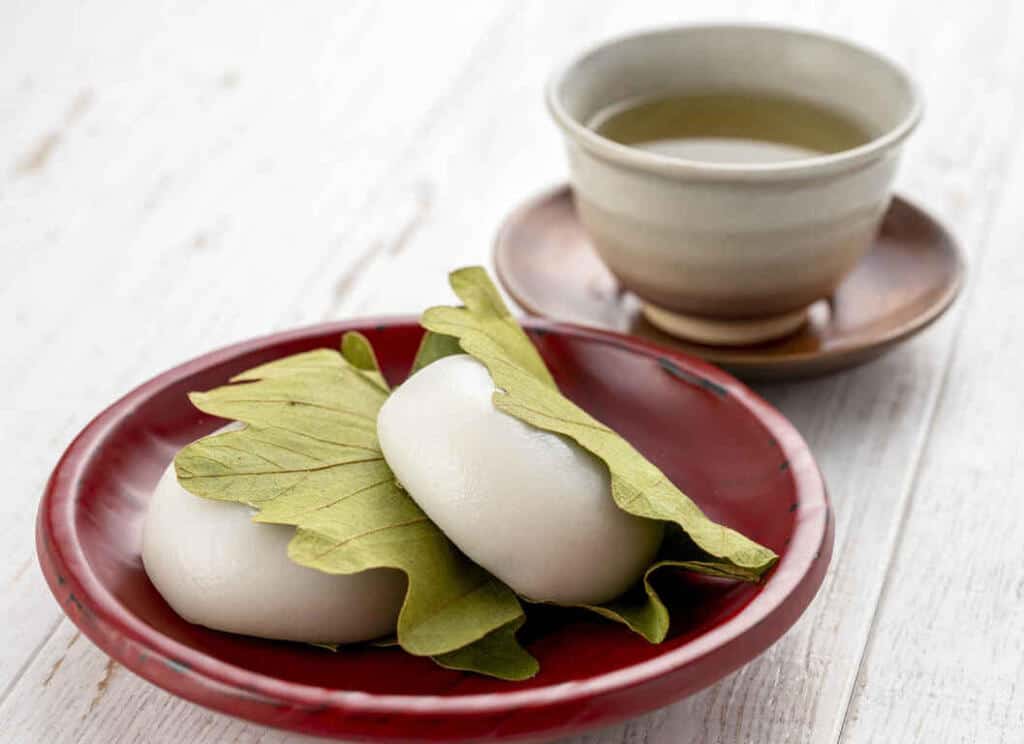

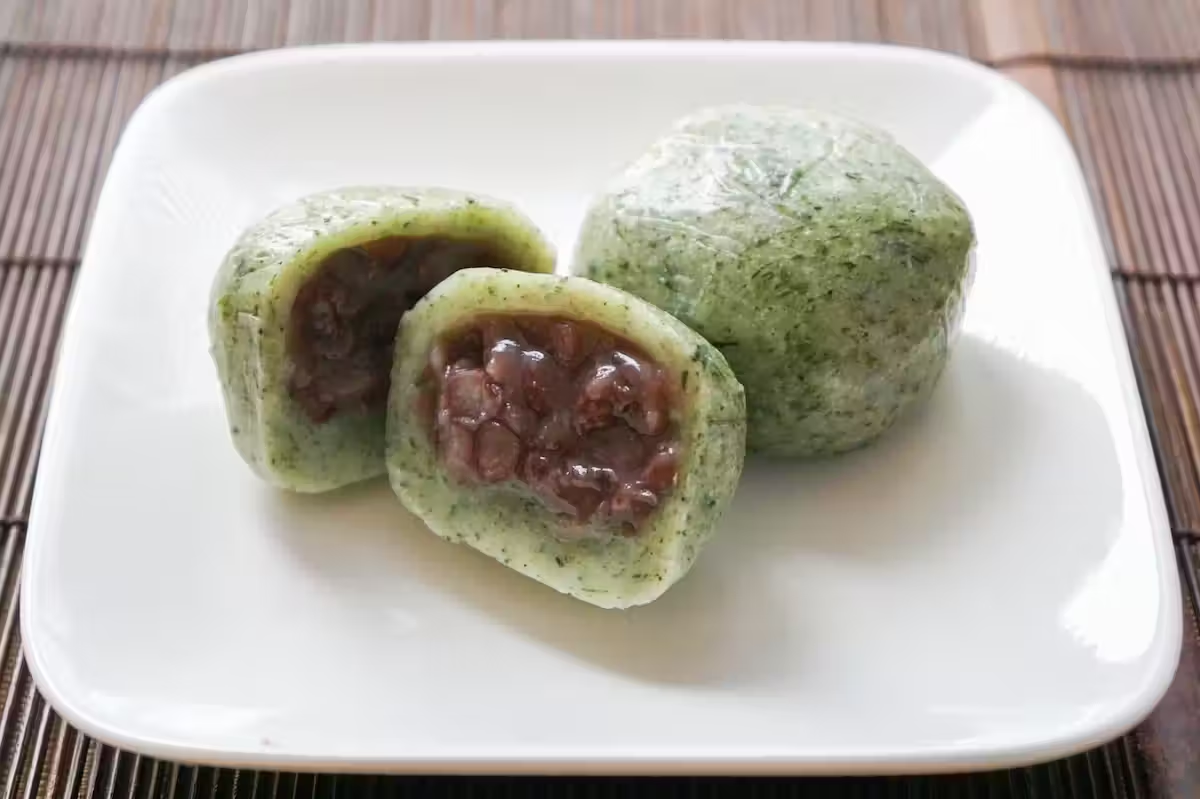
Kashiwa Mochi (柏餅)
You're probably thinking why are there so many types of mochi in Japan. Well, you're not alone. As a matter of fact, there might be more than what we know. Also, there seems to be a kind of mochi for every occasion. For example, locals m... -
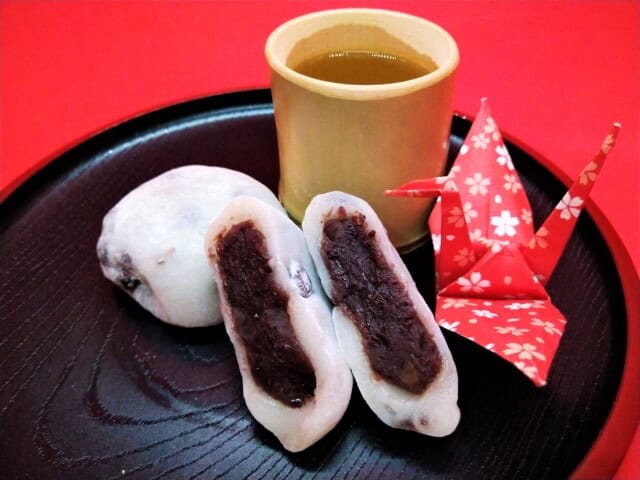

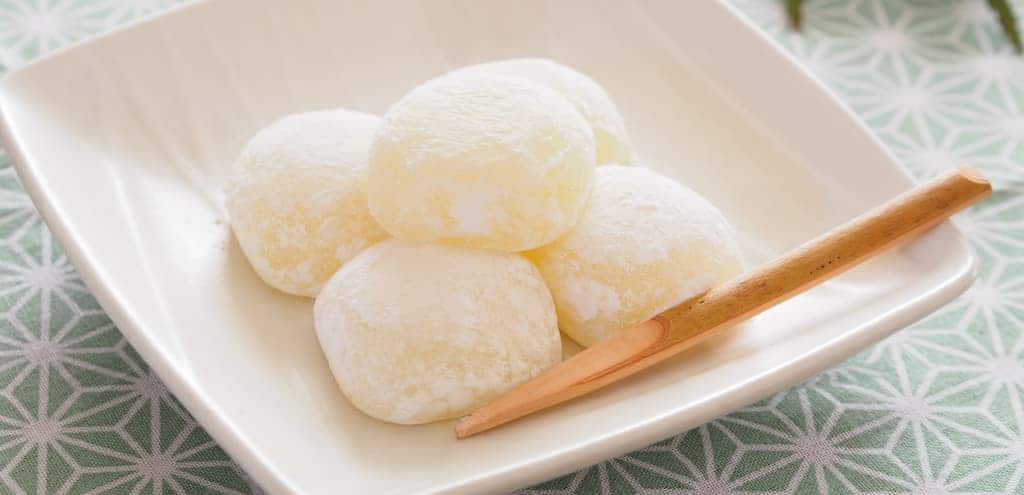
Daifuku (大福)
Introduction to Daifuku Are you one of those people who like to eat any sweets or confectionery? Have you tried any Japanese confectionery such as Mochi, Sasa Dango, and Ichigo Daifuku? In this article, we will discuss Daifuku or Daifuku... -
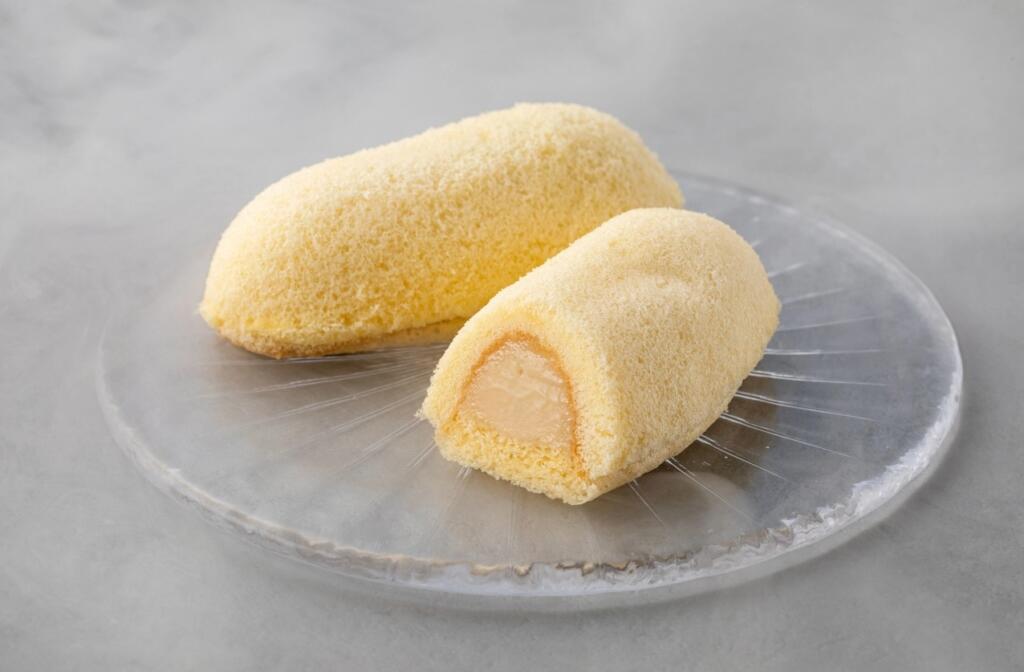

Tokyo Banana (東京ばな奈)
Introduction to Tokyo Banana This Japanese sweet is everyone's favorite souvenir. Usually, you see this product as soon as you land in Japan. This is also every tourist's favorite souvenir. Now let's talk about Tokyo Banana! It has the s... -
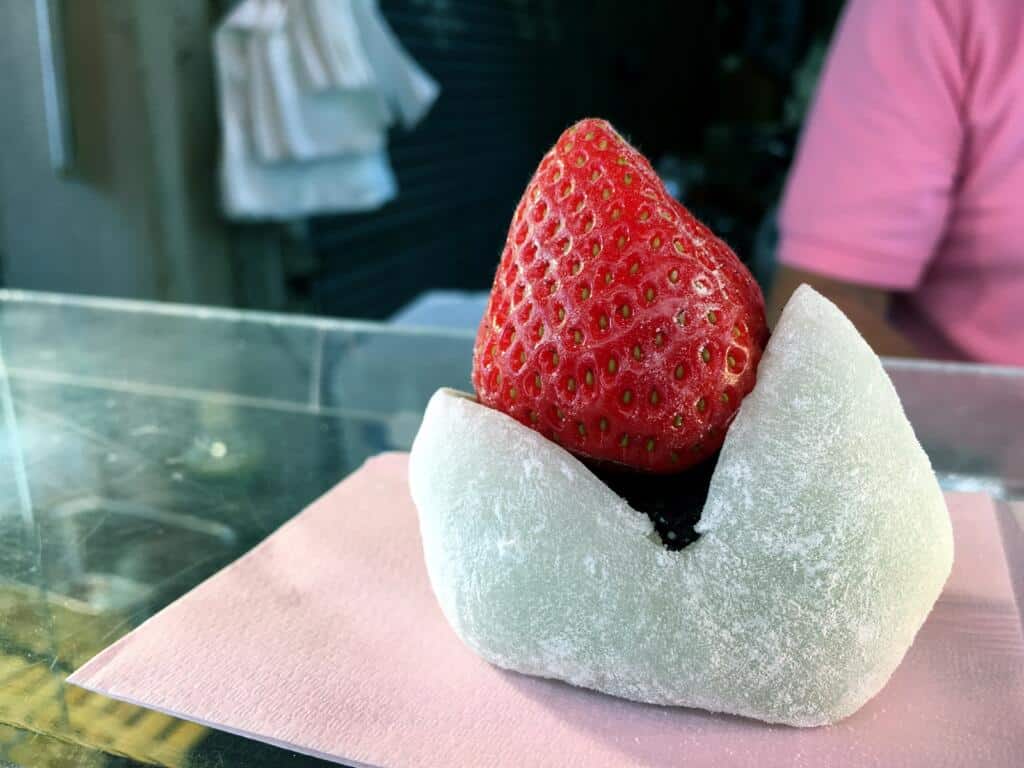

Ichigo Daifuku (いちご大福)
Introduction to Ichigo Daifuku Ichigo daifuku is a very popular spring dessert. It is another type of sweet Japanese snack with strawberry and sweet red bean paste, also known as strawberry mochi. It is one of the most interesting and un... -
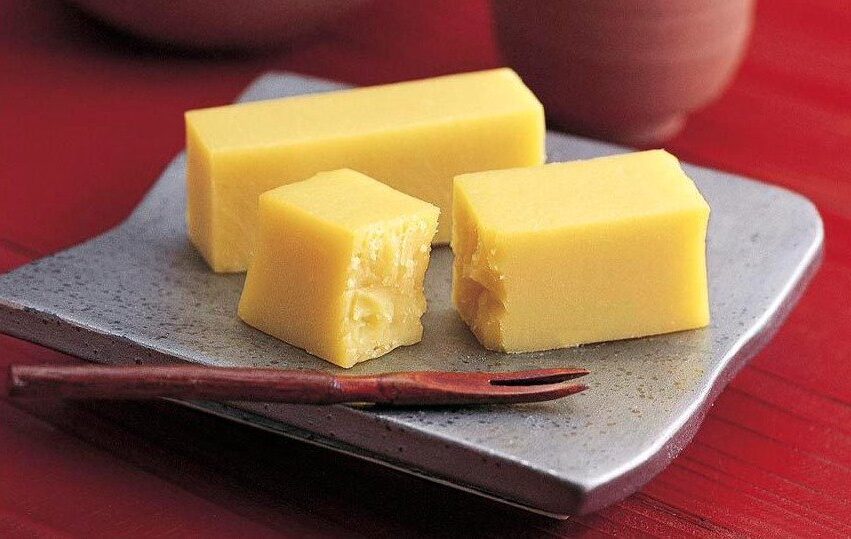

Imo Yokan (芋羊羹)
INTRODUCTION TO IMO YOKAN Imo Yokan is a traditional Japanese jelly dessert that has an ingredient of sweet potato and sugar. Additionally, this wagashi is famous in the autumn season. You can get a lot of sweet potatoes, pumpkins, persi... -
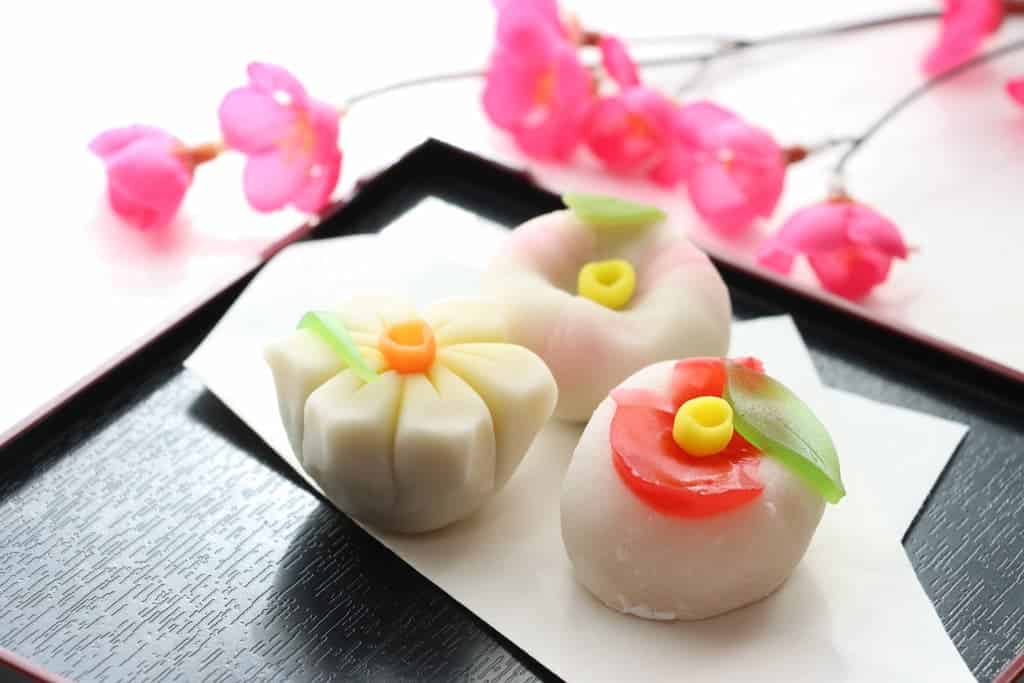

Nerikiri (練り切り)
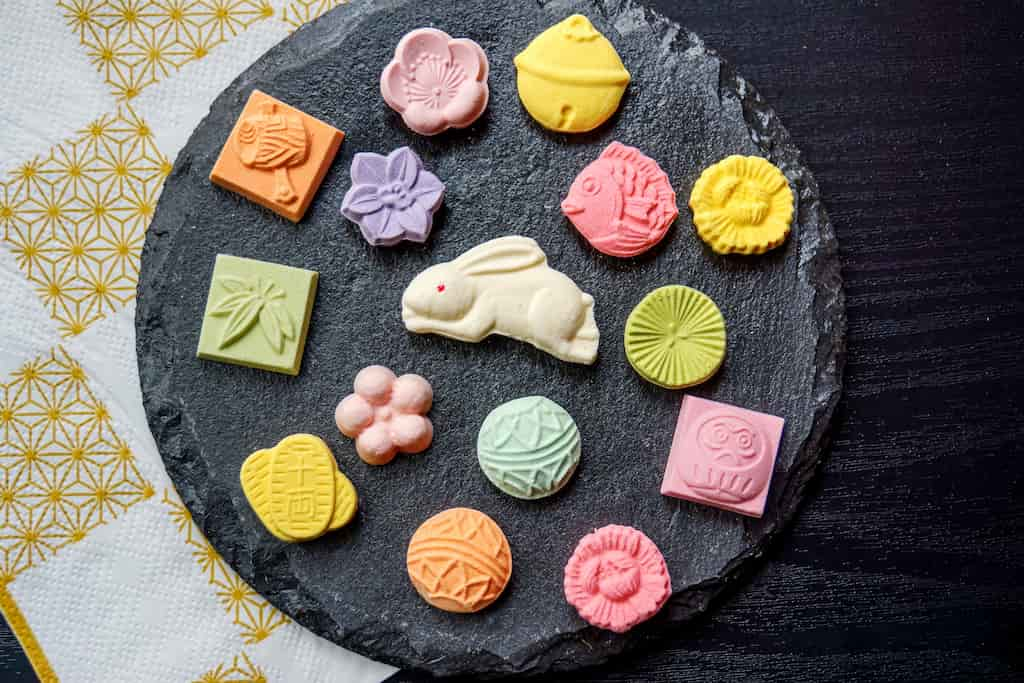
Nerikiri (練り切り) is a traditional Japanese wagashi (confection) made from white bean paste (shiro-an) mixed with rice flour, molded into intricate seasonal shapes such as flowers, leaves, and animals. It is one of Japan's most visuall... -
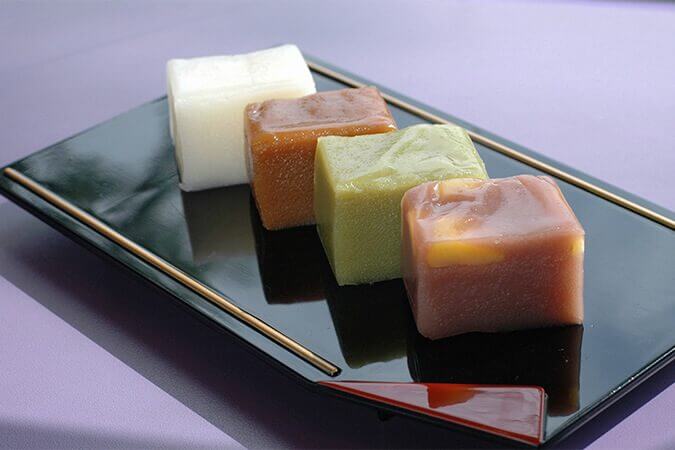

Uirō (ういろう)
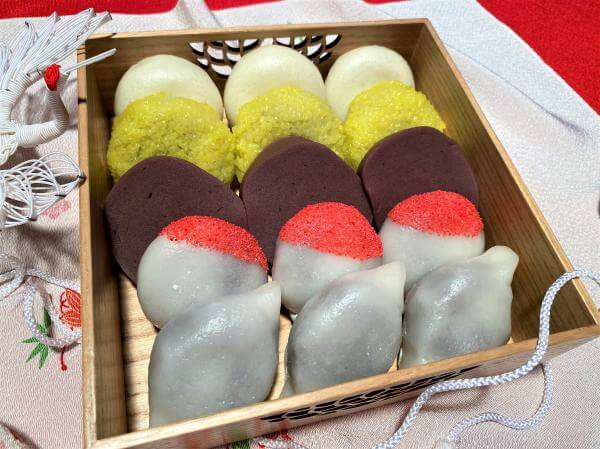
Fukuoka uiro is softer, lighter, and more delicate than the better-known Nagoya version. This regional wagashi from northern Kyushu is a steamed sweet made from rice flour and sugar, with a smooth, gently elastic texture that sits somewh... -
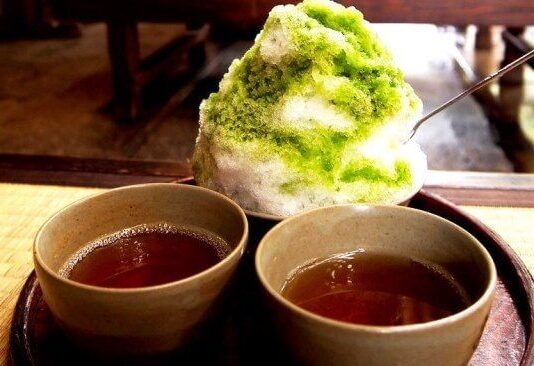

Akafuku Gori (赤福氷)
Finally, the kakigoori is coming to the terrace of the summer food festival! This time, we will feature the specialty of "Ise no Kuni" (central Mie PrefectureI), the summer tradition "Akafuku Gori" at the knee of Ise Jingu Shrine. Let's ...
12