





Hana Ryori, or “flower cuisine,” is a beautiful and unique part of Japanese food culture that highlights the delicate charm of edible flowers. With its colorful presentation and seasonal ingredients, it offers a feast for both the eyes and the palate. Especially popular in places like Chikura, this style of cooking turns everyday meals into elegant, flower-filled experiences. If you’re curious about how flowers can become part of a delicious dish, keep reading to discover the world of Hana Ryori in Japan.
What is Hana ryori?
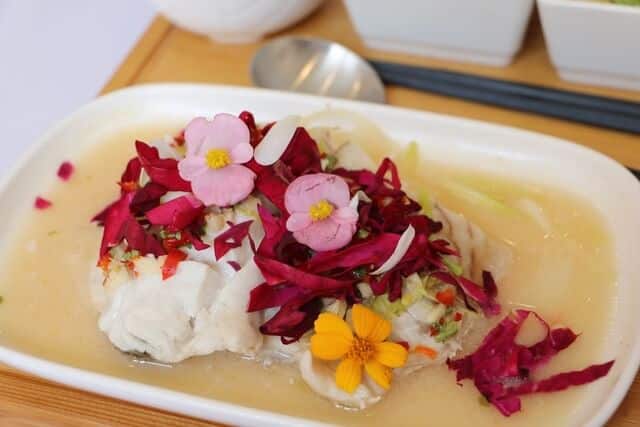
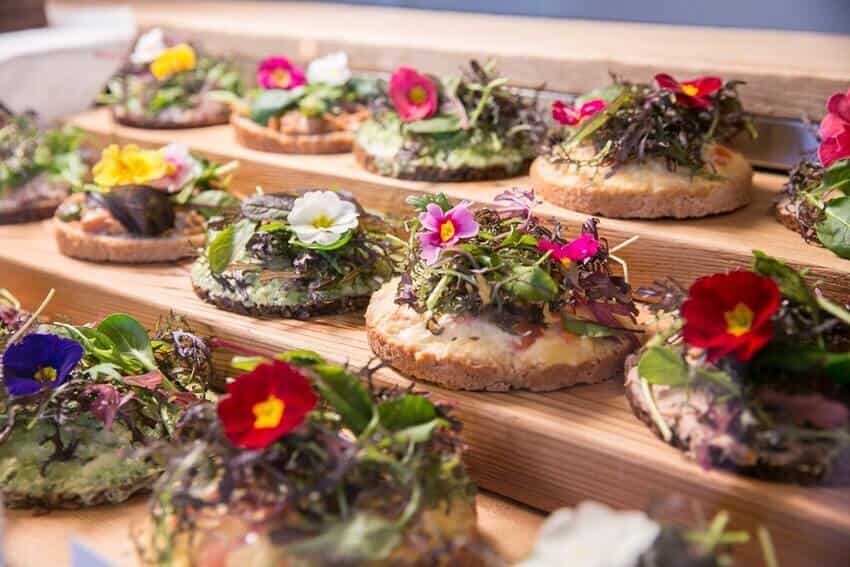
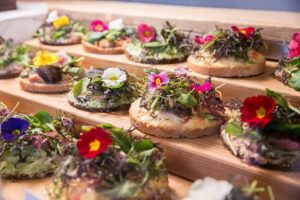
Hana Ryori (花料理), which translates to “flower cuisine,” is a style of Japanese cooking that emphasizes visual beauty and seasonal elegance. While not an official category of Japanese cuisine like kaiseki or washoku, it refers to dishes that locals artfully arranged to resemble the delicate charm of flowers. Flower cuisine (Hana Ryori) is a local specialty of Chikura Town in Chiba Prefecture, which is now part of Minamiboso City. The philosophy behind Hana Ryori is about traditional Japanese aesthetics, where they cherished the harmony of color, form, and seasonality. You may encounter this style of cuisine in high-end traditional restaurants, during tea ceremonies, or at special events such as weddings and seasonal festivals.
Hana ryori Common Ingredients
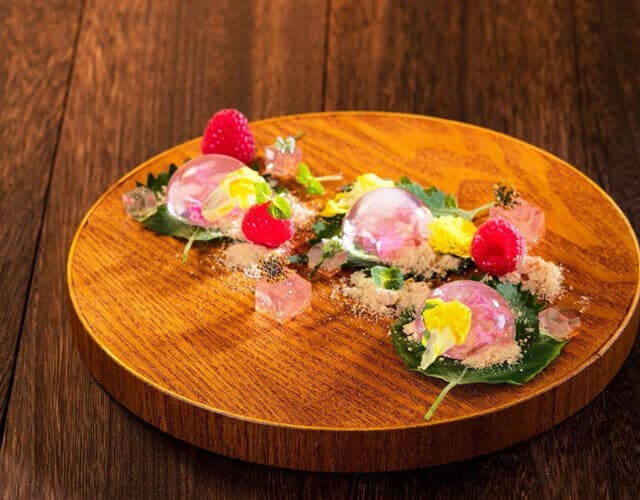
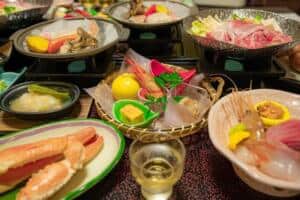
The edible flowers used in Chikura’s flower cuisine vary daily, but commonly include calendula, stock, snapdragon, rapeseed, and nasturtium. Dishes feature creative uses such as calendula and rapeseed tempura, which offers a crisp texture and mild, pleasant flavor. Fisherman’s hotpot and sashimi are accompanied by edible flowers like marigold and snapdragon, adding visual appeal and texture contrast. They also garnished even desserts like almond tofu with calendula. While edible flowers have no strong flavor, their beauty and texture make them popular in Japanese, Italian, and French cuisine, though they eat this rarely.
What kinds of flowers are eaten in Japan?
Sakura (cherry blossoms): People pickle the flowers and leaves in salt and use them in Japanese sweets, tea, and cooking.
Chrysanthemum: Chefs use edible chrysanthemums in vinegar dishes, boiled greens, tempura, and more.
Rose: People use petals for jam, candied sugar, and cake decorations.
Nasturtium: With a spicy kick, it’s used to add color to salads and dishes.
Dianthus: Sweet-flavored, it’s used to decorate Japanese sweets and dishes.
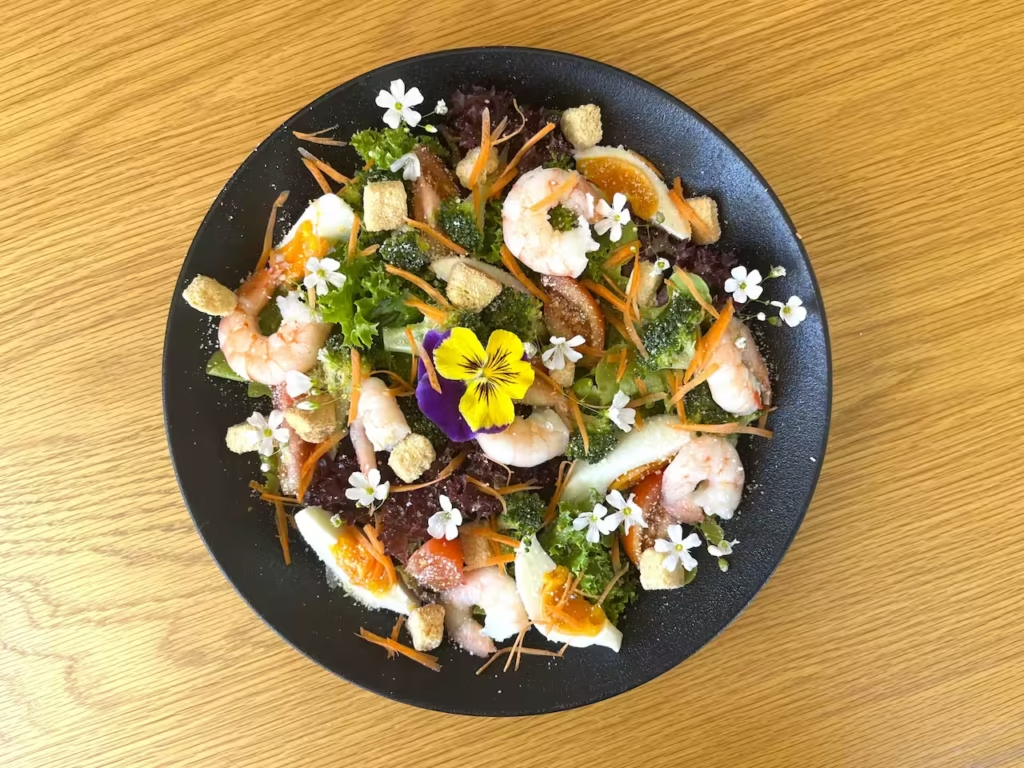
Pansy and Viola: Colorful and popular for decorating salads and desserts.
Carnation: Petals can be used in salads and desserts.
Marigold (Calendula): Brightly colored, used to add color to salads and dishes.
Saffron: The dried stigmas are used as a spice and coloring agent (such as in saffron rice).
Snapdragon: The petals have a slight bitterness and are used as decoration for dishes.
Besides these, many other flowers like alyssum, calendula, daisy, hibiscus, chamomile, and cornflower are also commonly used as edible flowers.
About Chikura Town, Chiba
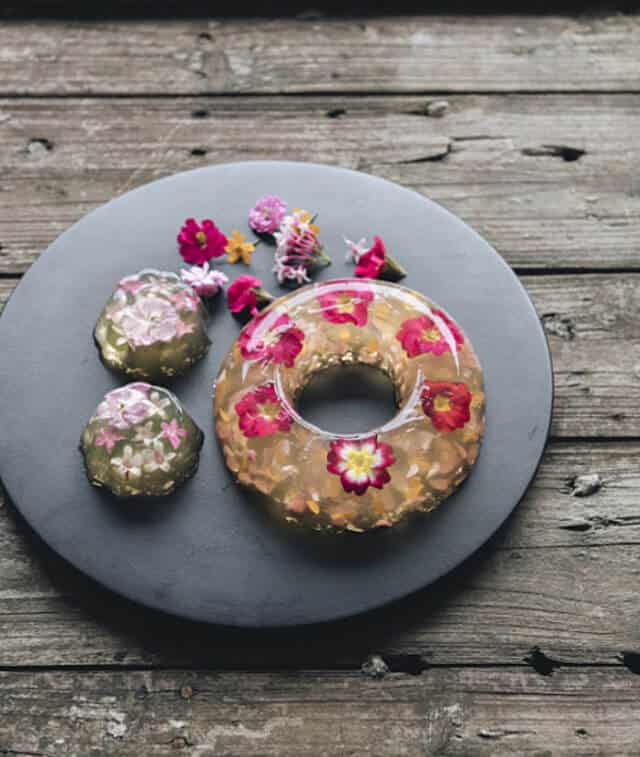
Chikura Town in Chiba Prefecture belongs to Minamiboso City now. It ranks as one of Japan’s prominent “flower villages.” The town is famous for producing cut flowers and pesticide-free edible blooms. From January to March, local eateries offer special flower-themed dishes. These seasonal menus feature edible blooms in creative ways. Chefs use flowers in everything from appetizers to desserts. The dishes highlight both floral beauty and unique flavors. Hotels, inns, and sushi restaurants across the area serve these colorful creations.
Final Thoughts
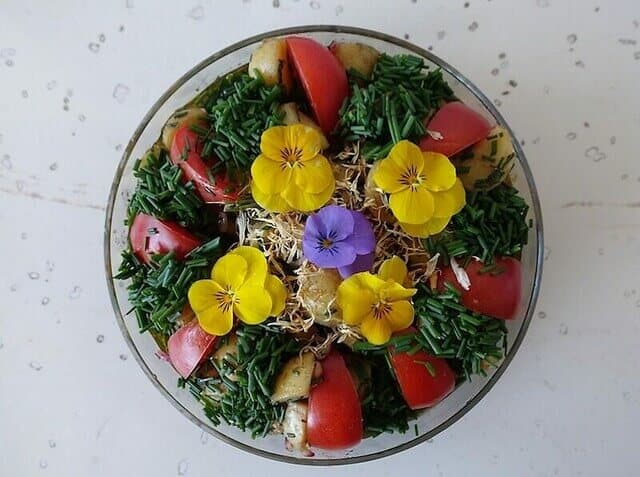
Hana Ryori is a celebration of nature, seasonality, and beauty on the plate. Whether it’s a colorful tempura or a delicately garnished dessert, each dish offers a memorable experience that reflects Japan’s deep appreciation for aesthetics and taste. If you have the chance to visit Japan, especially during the early spring season, don’t miss the opportunity to try Hana Ryori for yourself. It’s a one-of-a-kind culinary experience that’s as delightful to look at as it is to eat.
If you enjoyed learning about Hana Ryori, you might also want to explore other visually stunning and seasonal Japanese dishes like kaiseki cuisine or wagashi (traditional Japanese sweets), which also capture the beauty and essence of Japan’s rich food culture.
Japanese Flower Cuisine (Hana Ryori) FAQ
What is Hana Ryori?
Chefs use seasonal edible flowers to create colorful, aromatic dishes like tempura and sushi.
Are all flowers edible?
No. Farmers grow specific “edible flowers” without harmful pesticides for human consumption.
Where is famous for this cuisine?
The Minamiboso area in Chiba Prefecture is famous for its warm climate and vast edible flower fields.
When is the best season?
You find the widest variety in early spring, typically from January to March.
What is “Nanohana”?
It is the rapeseed flower. Locals love its distinct bitterness and tender crunch as a sign of spring.
What does “Kinsenka” taste like?
It is Calendula (Pot Marigold). It has a subtle sweetness and bright orange petals that color dishes beautifully.
Do they eat Chrysanthemums?
Yes. Chefs boil the yellow petals for “Ohitashi” or pickle them in vinegar (Kikunamasu).
How do they cook the flowers?
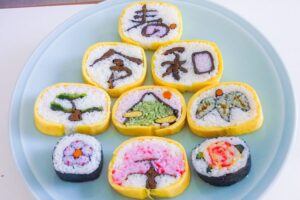
Common methods include deep-frying them as Tempura, blanching them for salads, or using them as Sushi toppings.
What is “Sakura-yu”?
It is a celebratory tea made by pouring hot water over salt-pickled cherry blossoms.
Can I eat the purple flowers on Sashimi?
Yes. Those are “Hojiso” (Shiso flowers). You strip the tiny flowers into soy sauce for a herbal spice.
Is it healthy?
Yes. Edible flowers often contain high levels of vitamins and minerals like Vitamin A and C.
Is it vegan?
Mostly yes. Unless the dish uses fish dashi or egg batter, it consists purely of plants.
Where can I buy them?
You find fresh edible flowers at “Michi-no-Eki” (roadside stations) in Chiba or high-end supermarkets.
Why do Japanese people eat flowers?
We eat them to appreciate the seasons (Shun) not just visually but also through taste and aroma.
What are “Yagurumaso”?
They are Cornflowers. Cooks use their delicate blue or pink petals to decorate cakes and salads.
Comments