




In Japan, Sankaku (サンカク) is a term that holds special significance, especially in the world of wagyu beef and cuisine. Whether it refers to a premium beef cut known for its marbling or a shape that influences Japanese food culture. Sankaku plays an essential role in enhancing flavors and textures. If you’re curious about what makes Sankaku so special and how locals enjoyed it in Japan, keep reading to discover its unique appeal!
What is Sankaku?
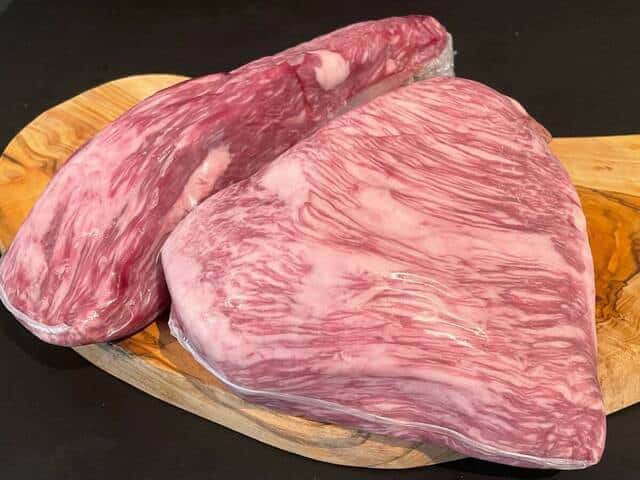
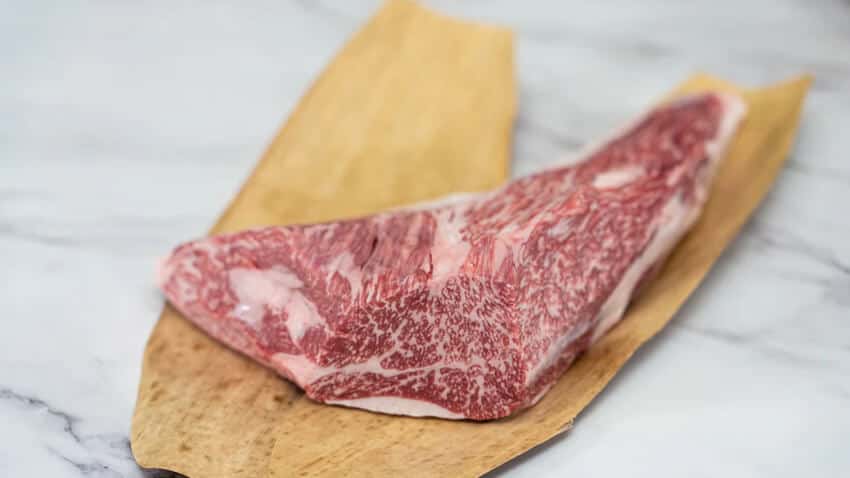
Tomo Sankaku (トモサンカク) is a premium wagyu beef cut from the upper hind leg (rump). Prized for its rich marbling despite being a leaner part. Its name comes from its triangular shape (sankaku means triangle), and known for its tender texture and deep umami flavor. Due to its rarity and high-fat distribution, it is often used in yakiniku (Japanese BBQ), sukiyaki, and shabu-shabu. Where its marbling enhances the melt-in-your-mouth experience.
Identifying the Meat and Comparisons
Sankaku is a special triangular cut from the brisket area that has a very deep and beefy flavor. If you compare it to a Western brisket or flank steak, you will notice that the Japanese version is much more intense and sweet. This is because it has a lot of high quality fat that carries the umami. It does not just taste like iron or meat. It has a savory richness that feels very concentrated. When you grill it, the sugars in the meat caramelize and create a dark and satisfying profile that stays with you.
Fatty Selections and Healthy Alternatives
You will find two main ways this beef is served at a grill. One version is extremely marbled and looks almost white from all the fat. This type is very high in calories but has a sweet and buttery taste. The other version is a leaner cut with less fat. This is a healthier choice if you want more protein and fewer calories. While the marbled pieces are very indulgent and rich, the leaner slices focus on a clean and strong meat flavor. Both offer a very different experience for your meal.
Surface Crunch and Soft Centers
The experience of eating this meat is all about the melting sensation. Because it is so marbled, it feels very soft and liquid on your tongue. It does not require much chewing at all. When it hits the hot grill, the fat turns into a glossy and hot oil that coats the meat. This makes it feel very slippery and smooth. If you cook it for too long, it becomes a bit more solid and gains a slight crunch on the edges. It leaves a heavy and moist feeling in your mouth that is very lush.
Sankaku Origin
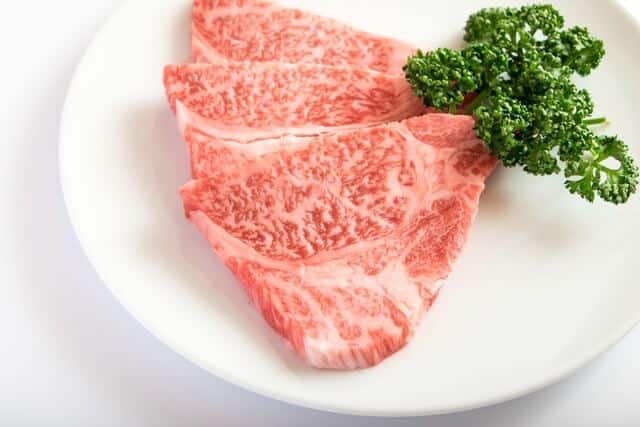
Tomo Sankaku is closely tied to the country’s wagyu beef culture and the tradition of carefully categorizing beef cuts for optimal use. Its popularity grew as yakiniku (Japanese BBQ) culture developed in the post-war era, especially from the 1950s onward.
Japanese butchers have long refined their techniques to maximize flavor and texture. This leads to the classification of premium cuts like Tomo Sankaku. This particular cut, from the upper hind leg (rump), became prized for its rare combination of tenderness and marbling. Despite being from a leaner part of the cow. Over time, it became a staple in high-end yakiniku restaurants, alongside other premium cuts like Ichibo and Misuji. Today, Tomosankaku is a luxury cut, especially in wagyu beef, where it is appreciated for its rich umami and melt-in-your-mouth texture.
Similar cut to Sankaku
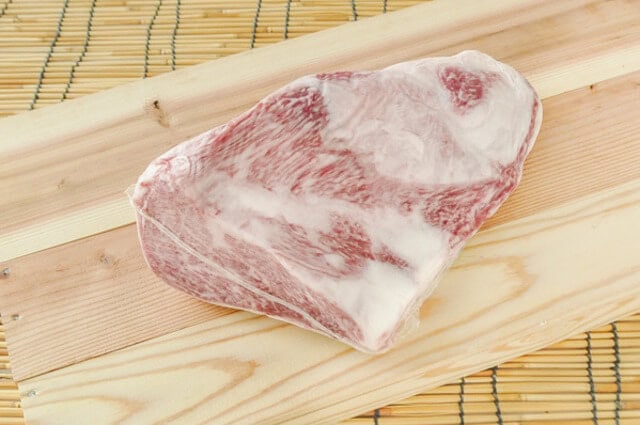
Tomo Sankaku is as popular as Ichibone (also called Ranichi), another tender cut from the thigh with moderate marbling. Often served as steak or yakiniku, Ichibone is well-known for its balance of flavor and marbling, making it a sought-after choice, much like Tomosankaku.
Amount obtained from one cow
It is an extremely rare cut, with only about 2-3 kg being obtained from each cow. It is rare among the thigh meat, which is lean, and is the cut most likely to have marbling (fat).
How to choose and enjoy sankaku meat?
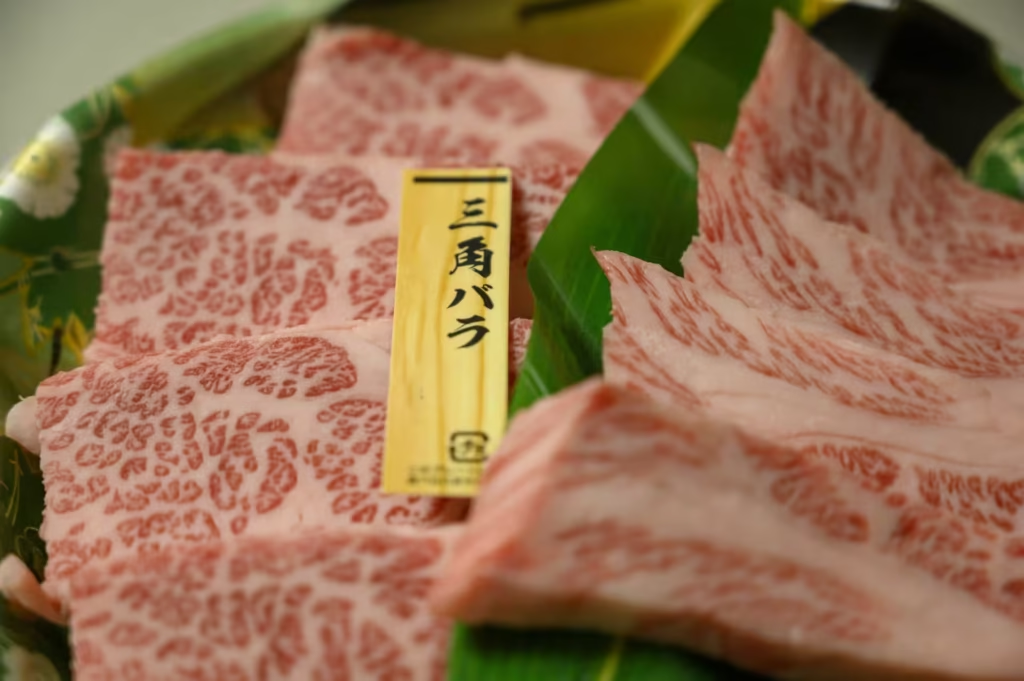
Tomo sankaku is an easy-to-eat cut with a good balance of lean meat and marbling. To enjoy it to the fullest, it is best to choose one that has been cut as fresh as possible. Make sure the meat is bright in color and the marbling is a beautiful white color. For the best flavor, we recommend enjoying Tomosankaku rare. Despite its rich marbling, it has a surprisingly light taste while delivering the deep umami unique to thigh meat. If using it for yakiniku, thin slices can be quickly seared, while thicker cuts are best cooked rare to preserve their tenderness and flavor.
FAQ
- What part of the cow is the “sankaku”?
-
The “sankaku” is a part of the cow’s thigh, a muscle located at the tip of the “shintama” (round). It is characterized by its triangular shape and is a rare cut, with only about 2-3 kg available from one animal.
- What does “sankaku” taste like?
-
The “sankaku” has a good balance of lean meat and marbling. It’s an appealing cut with a strong, yet easy-to-eat flavor of lean meat and a firm umami. It is characterized by a moderate amount of fat, which makes it juicy but not overly rich.
Restaurants
Miyazaki Beef Yakiniku KUROUSHI (宮崎牛焼肉 KUROUSHI 黒牛)
As a directly managed store by a meat wholesaler, we offer high-quality Miyazaki beef. The Special Top Misukuri Platter (a combination of Misuji and Kurisankaku cuts) is a popular menu item. With this one dish, you can enjoy the most popular rare cuts of Black Cow all at once. The beautifully marbled meat is so stunning it will captivate your eyes.
Creative Yakiniku Shimofuran (創作焼肉 しもふらん)
This special dish is Tomosankaku Aburi Sushi. It features high-quality Japanese Wagyu tri-tip beef with beautiful marbling, lightly seared and served on sushi rice. The beef melts in your mouth and has an amazing flavor. This unique sushi is what makes this yakiniku restaurant stand out.
Takeaway
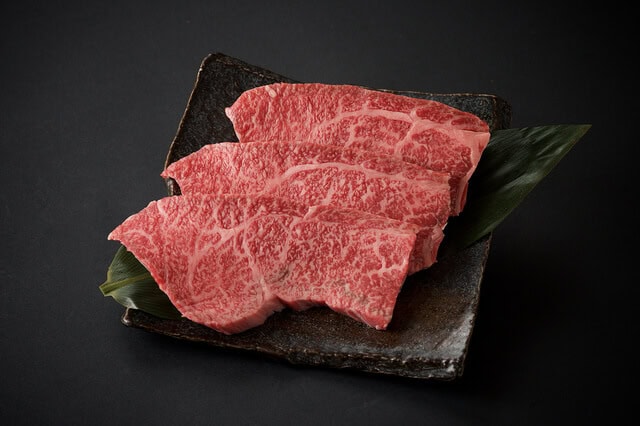
Now that you know the unique appeal of Sankaku, why not experience it for yourself? Whether you’re indulging in a high-quality wagyu cut or exploring its role in Japanese cuisine, this dish offers a delicious and memorable taste. Next time you’re in Japan, be sure to seek it out at a yakiniku restaurant or specialty butcher—you won’t regret trying this flavorful delicacy!
If you enjoyed learning about Sankaku, you might also love trying other premium wagyu cuts like Ichibo, Misuji, or Sankaku Bara, each offering its own unique balance of marbling and flavor—perfect for your next Japanese dining experience!



Comments