





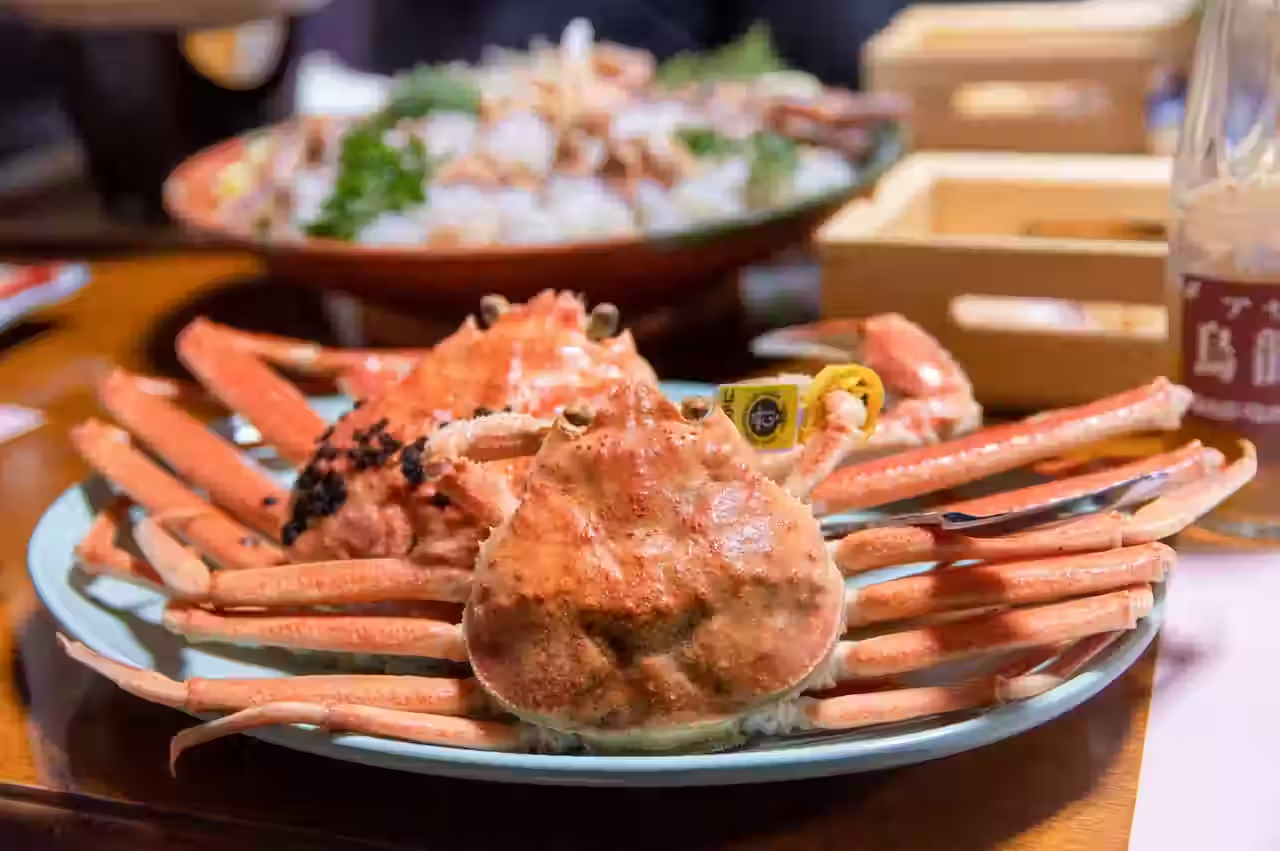
Echizen Gani, or Snow Crabs are in plentiful supply during the season that extends every year from the 6th of November until the 20th of March. The crabs are given their name due to the coastline of Echizen from where these crabs are caught. The most treasured of these crabs are known as ‘Zuwai Gani,’ they are the only brand of this dish delivered annually to the Japanese Imperial Family.
One of the reasons the quality of the crab meat is so highly rated is because from the moment the crabs are caught, they are stored at a cool temperature on board the ships until they are brought ashore. The brown meat ‘kanimiso’ found in the intestinal areas and ovary can quickly lose its freshness if not correctly stored and this can equally lead to a loss in the rich taste the dish is famed for.
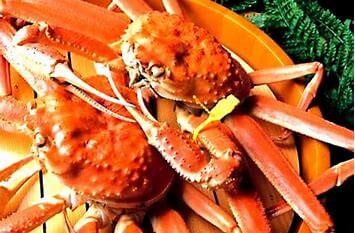
To distinguish the crabs from other species, each individual crab is fitted with a yellow tag to certify it was caught off the coast of Echizen to distinguish its origin. Large numbers of tourists, including some from abroad, arrive in the area at the beginning of each season.
The Kings of Delicious Seafood – Echizen Gani
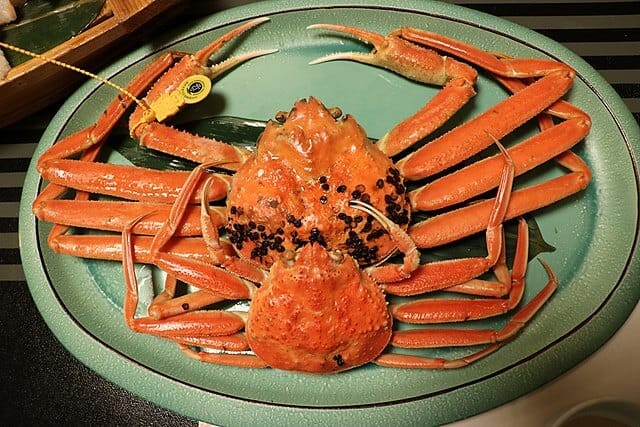
Echizen Gani has been described as the ‘King of Delicious Seafood’ due to its taste and quality and once you have tasted it once you will crave for it again. As the water temperature off the coast of Japan gets colder, the crabs put on extra fat against the cold. It is then that they are caught and brought to the table.
First Glance: A Winter Treasure on the Plate
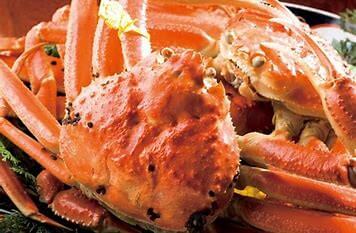
When the platter arrived, the crab’s vibrant red shell gleamed against the white dish, looking almost too perfect to eat . A faint, clean scent of the sea drifted up—fresh and briny, nothing fishy at all . I hesitated for a moment, almost intimidated by its beauty.
The Flavor: Sweetness That Lingers
The first bite of leg meat was a revelation. It’s incredibly sweet and firm, yet so tender it practically melts . But the real surprise was the crab miso inside the shell—a rich, creamy paste with an intense, oceanic flavor that I honestly wasn’t prepared for . It’s an unforgettable taste of winter.
History of Echizen Gani
Early History
A diary entry from 811 AD contains the earliest recorded mention of Echizen crab. Sanjo Nishitaka, a high-ranking Kyoto official, referenced it during the Azuchi-Momoyama era. Locals had already been eating the crab long before this written record.
Fishing Traditions
Fukui Prefecture’s coastal communities have long depended on catching these prized crustaceans. During the Edo period (1603–1867), fishermen refined special techniques for deep-water harvesting. They targeted the cold, deep waters of the Sea of Japan.
A Symbol of Prestige
Echizen gani grew in status and became a tribute item for the imperial court. High-ranking samurai families also prized the crab highly. Local lords presented it as a gift to display their wealth and influence.
Reaching Wider Markets
The Meiji Era (1868–1912) brought improved transportation networks across Japan. These networks allowed Echizen gani to reach markets far beyond Fukui. Its reputation as a premium seafood delicacy grew rapidly.
Protecting Authenticity
In 1989, Fukui Prefecture introduced a yellow identification tag system. The tags prevent restaurants from substituting inferior or non-local crabs. This system protects the high standards Echizen gani has earned over centuries.
Today
Echizen gani remains one of Japan’s most sought-after winter delicacies. Strict fishing regulations ensure its harvest remains sustainable. It continues to hold deep cultural and culinary significance across the country.
Carefully Cooked by Masters of the Art
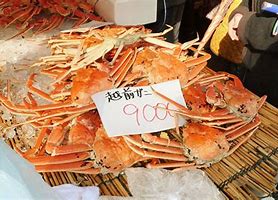
In addition to the environment in which the crabs thrive before fishermen catch them, the cooking process also demands a great deal of skill, dedication, and commitment. Boiling requires adjusting the heat at the correct time and adding the correct amount of salt to maintain the delicious taste of these crabs. There is a saying in Fukui Prefecture that it takes ten years for its fishermen to learn how to sense whether a crab is good or not, and then a lifetime to master the correct cooking process. The cooks responsible for the boiling process are true craftsmen of their art.
Three different names for the Echizen Gani
The male Zuwai crabs are called Echizen Gani, while female crabs are referred to as Seiko Gani or Mizu Gani. The female crab meat has softer meat after moulting. Each of the three has a different fishing period and its own distinct taste.
Methods of how they are cooked
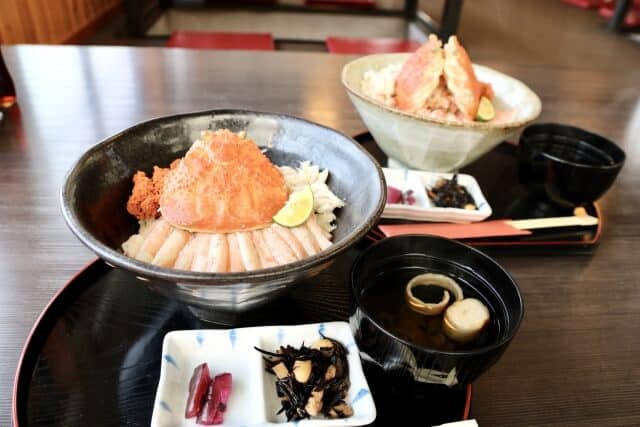
Generally, chefs boil Echizen Gani, although various recipes use other methods. Sashimi is raw crab meat, also known as kani sashi. Grilled crab is known as yakigani, while shabu-shabu is a style of cooking using thinly sliced crab meat that chefs quickly boil before placing in a soy-based sauce. Chefs have perfected several local dishes over the years, bringing a distinct or individual recipe to the restaurants that use these methods.
The Size of Each Individual Crab
Some of the biggest crabs can be up to 50cm in length, with a shell width of around
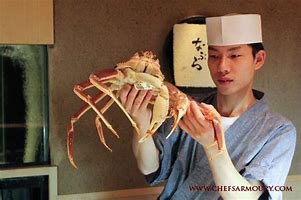
14.5cm and weighing up to 1.3kg. Female crabs are around half this size and costs are more reasonable than the larger males.
Events where you can sample Echizen Gani
There are several events where you can sample and buy this dish often at relatively cheaper prices than those charged in restaurants. These events include Echizen Wakasa Red and White Taste, held at Hapi Terrace. At the Aranami Festa held during December you can sample Seiko crab juice, while the Echizen Coast Daffodil and Crab Fair held just before Christmas has gifts and fisherman’s pots on sale. Throughout the month of November, there are several festivals to be found, particularly during each weekend. During the weekends of March, two of the most prominent festivals are the Echizen Crab Thanksgiving Day and Mikuni Minato Crab Festival.
Restaurants Recommended for Echizen Gani
Yamani Suisan
Located in Tojinbo, one of the best scenic locations in Fukui prefecture, this restaurant offers more than just Echizen Crab among items on offer. You can also purchase souvenirs of your visit and personally select which crab you would prefer to eat from those on display. They also have set meals, ramen, single dishes or even make your purchase online and have it delivered.
Fukui Boyoro Aoyama Restaurant
Echizen crab’s Mikuni Port is located close to the fishing port which is famed for the point where crabs are brought ashore. There are some huge crab objects here in front of the Echina Railway Mikuna Awara Line and is popular with tourists. The Echina Crab Full Course is recommended, that way you can eat sashimi, grilled crab and boiled crab in the one visit. Visitors can also try seafood or a seafood bowl.
Boyoyoro
This restaurant has a long history and began as a shipping wholesaler during the Three Kingdoms Period. There was an inn here that was established in the Meiji era of 1868 until 1912. This was a historic cooking inn called Bouyourou. It is famous for its spectacular views across the Sea of Japan in addition to the exquisite Echizen Crab dishes served here. There is also a branch of this restaurant now open in Aoyama, Tokyo so visitors can taste the same delightful food without leaving the Japanese capital. It is recommended to book in advance as this very popular restaurant is usually very busy.
Takinokawa
Takinokawa is located along the national route 305 that runs along the coast of Echizen. Here you will find fresh local Echizen fish available throughout the year with the winter taste of Echizen Gani available during the season this dish is on the menu. Other dishes here include puffer fish and oysters. A full course is recommended to fully enjoy Echizen Crab with eight types of courses available. They begin with a trial course and extend up to the Echizen Country Main Course.
Kobase
The culinary inn of Kobase is located along the coast of Echizen and offers spectacular views of the Sea of Japan. The restaurant is renowned for its exceptional quality and visitors from across japan flock here during the ‘crab’ season. Some meals here require a reservation, it is best to inquire in advance. If you wish you can stay here overnight and enjoy a breakfast of crab porridge.
Comments