


Japanese Sweets– Wagashi, Mochi and Traditional Japanese Desserts –
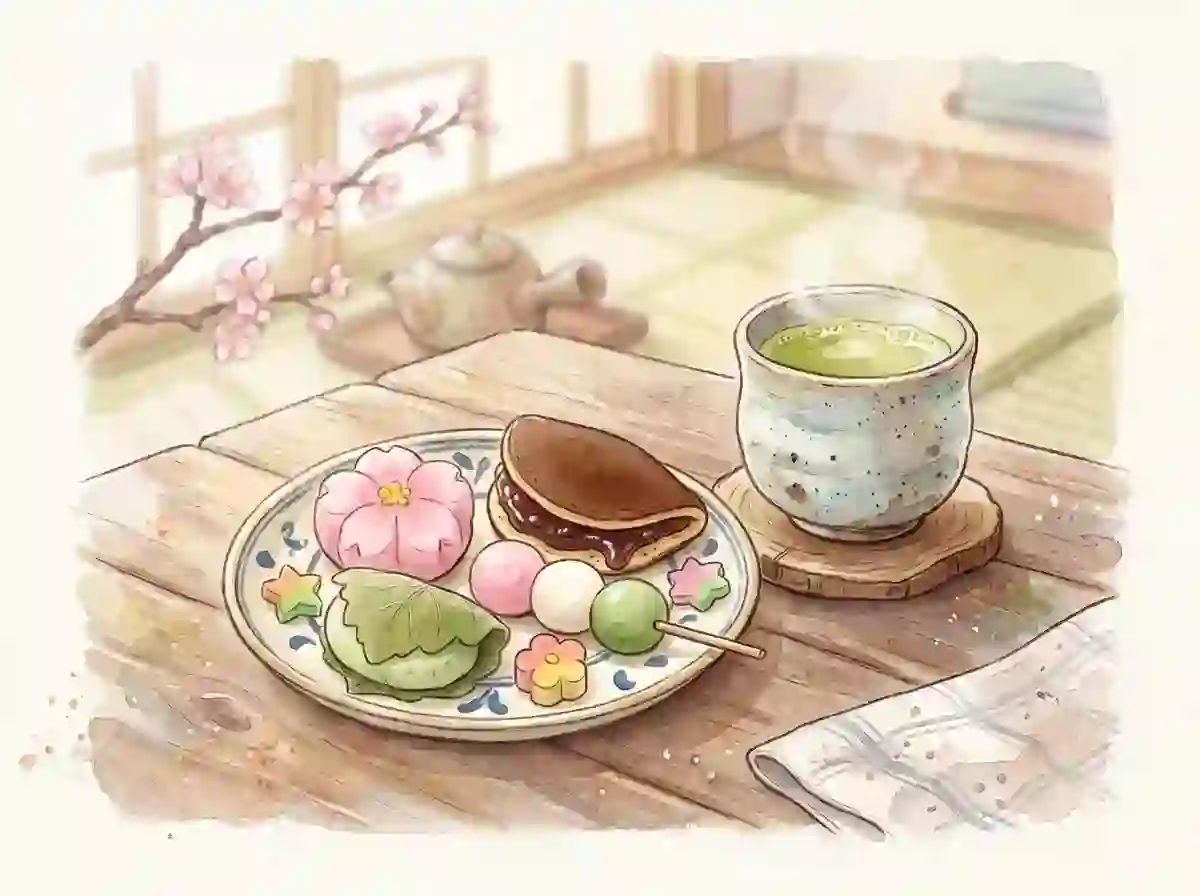
Japanese sweets, known as “wagashi,” are traditional desserts that reflect Japan’s seasonal beauty and culinary craftsmanship. These sweets are often made with simple ingredients such as rice flour, mochi, red bean paste, and sugar.
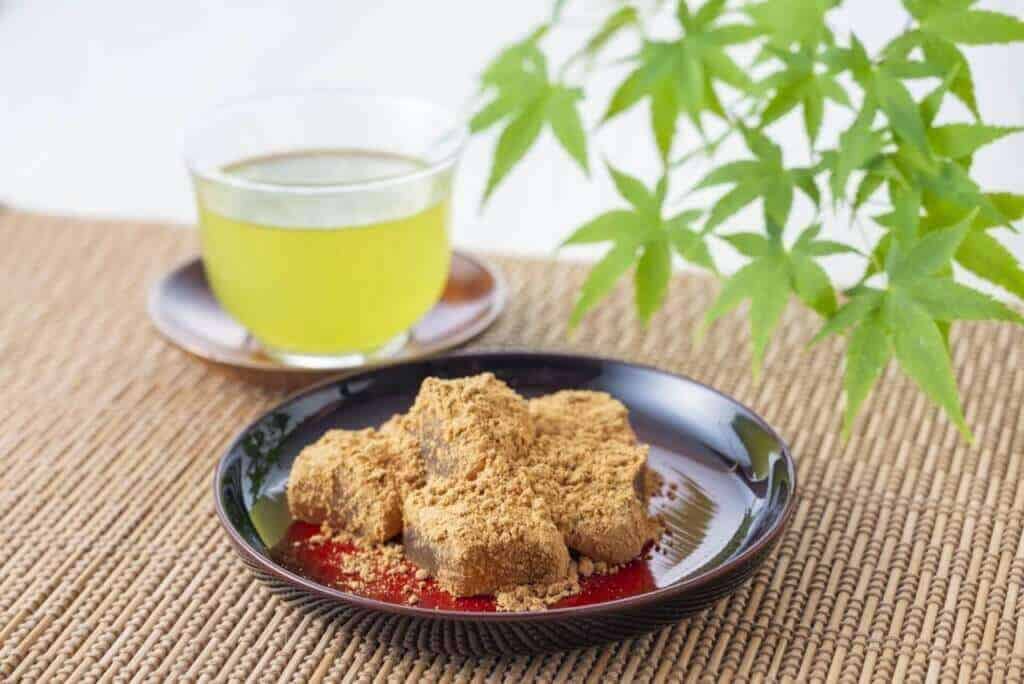
Many wagashi are carefully designed to represent the four seasons. For example, sakura mochi is associated with spring, while seasonal sweets with maple or chestnut flavors appear in autumn. These desserts are often enjoyed with green tea and are an important part of Japanese tea culture.
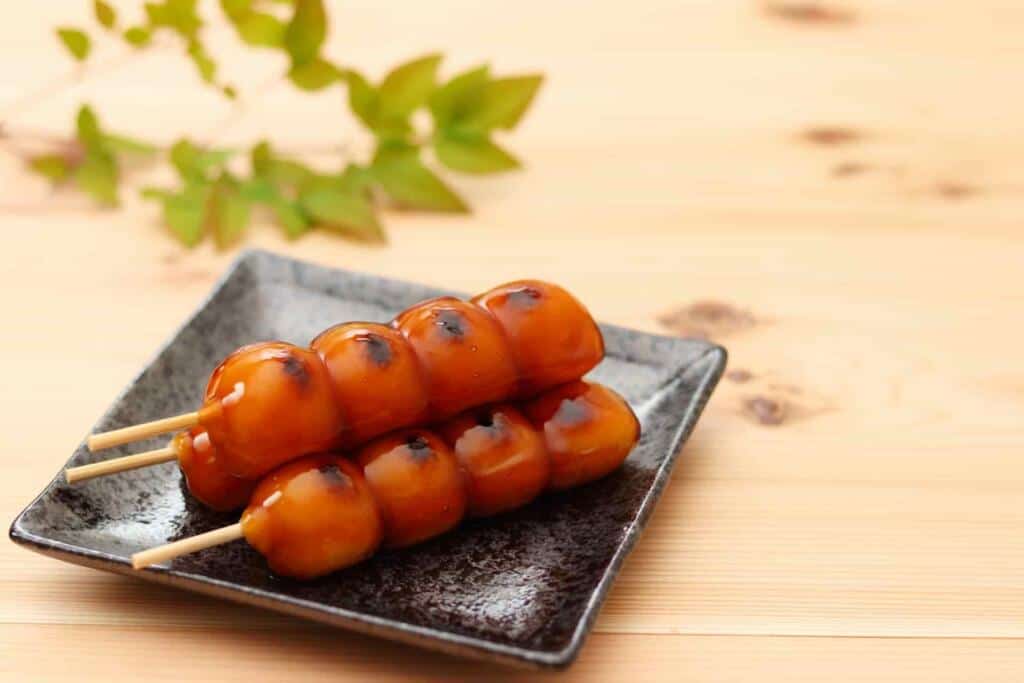
Some of the most popular Japanese sweets include mochi rice cakes, dango dumplings, dorayaki pancake sandwiches filled with red bean paste, and yokan jelly desserts made from sweet bean paste and agar.
In this category, explore Japanese sweets, traditional wagashi, and popular desserts that showcase the delicate flavors and artistic presentation of Japanese confectionery.
-
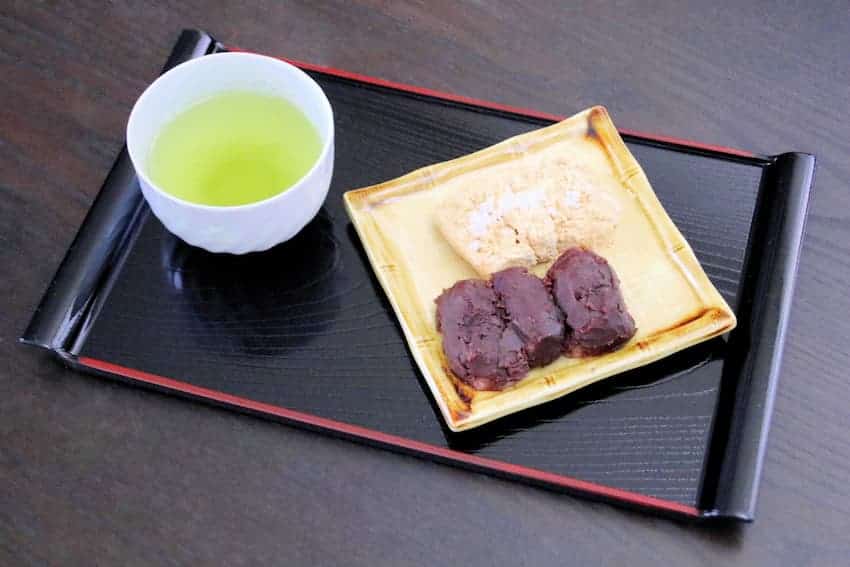

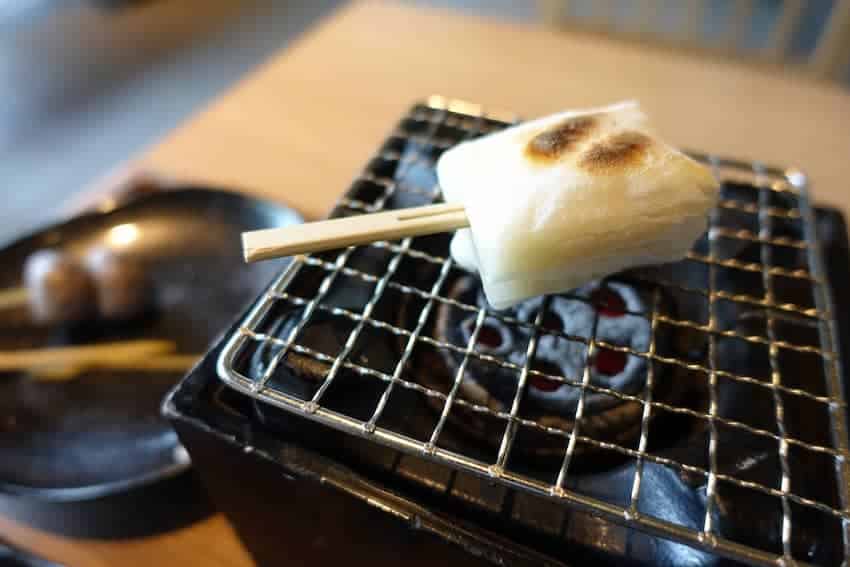
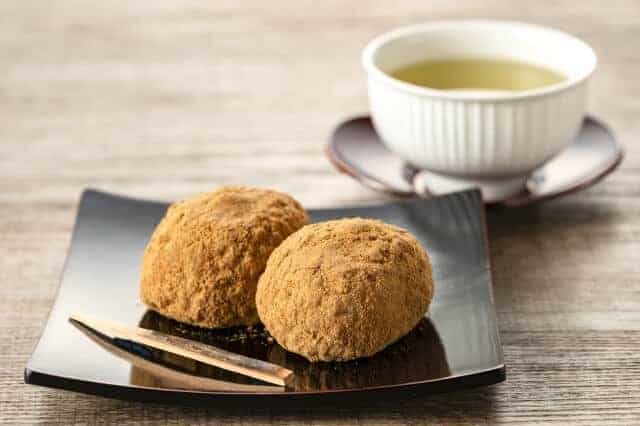
Abekawa mochi (安倍川もち)
The Abekawa mochi, a confectionery item from Japan, is a relatively unknown commodity that has nevertheless managed to capture the attention of consumers across the country. Its unique taste and texture have been described as captivating... -
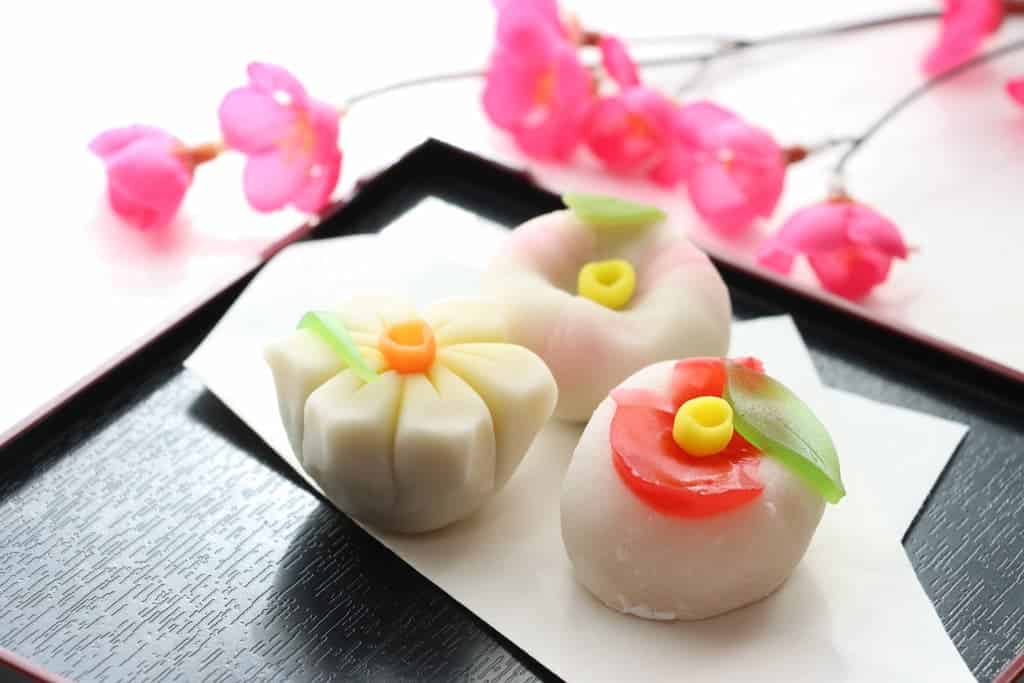

Nerikiri (練り切り) – Tagalog version
Ang makulay na nerikiri ay naka-line up sa isang Japanese confectionery shop. Ang mga kulay at hugis ng mga ito ay kakaiba at maakit ang iyong mga mata. Ito ay isang Japanese confectionery na hindi lamang maganda ang hitsura, ngunit mayr... -
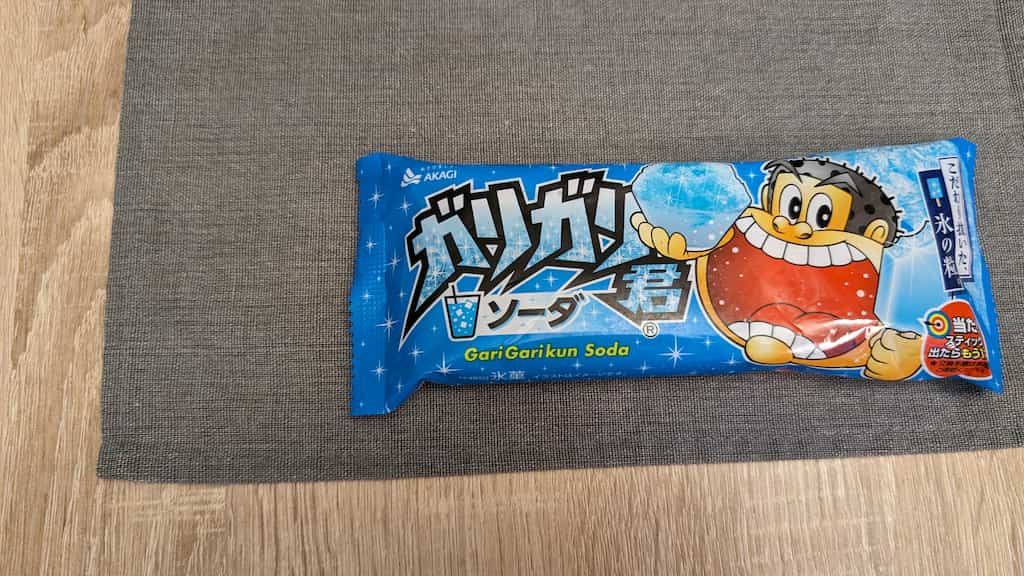

Garigari kun (ガリガリ君)
If you are living in Japan, have you ever noticed that everytime when you go shopping in convenience stores or supermarket, you might come across this animation character called Garigari kun? So who is this character and why it is so pop... -
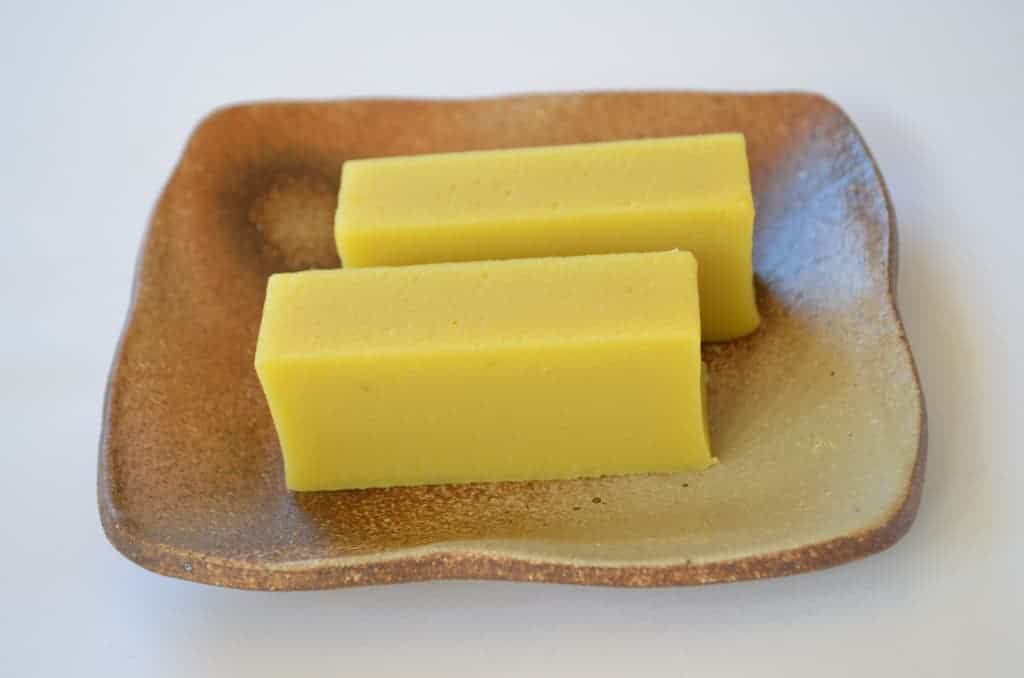

Imo Yokan (芋ようかん)
Speaking of Japanese traditional sweets (or Wagashi), you might think of Mochi, Dorayaki, Anmitsu, etc. But have you ever heard of Imo Youkan? This lesser-known delight adds a unique twist to Japan's sweet offerings. In this article, we'... -
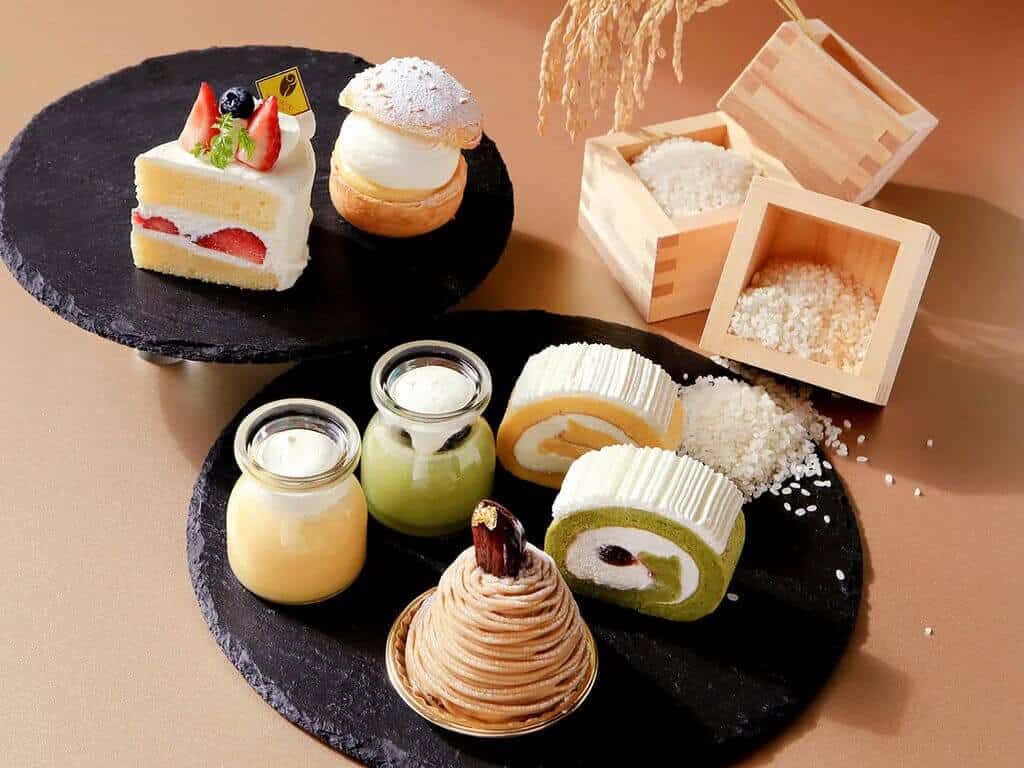

Rice Flour Sweets (米粉スイーツ)
In Japan, a noticeable shift in the appreciation of rice is unfolding, highlighting the rising prominence of rice flour sweets. Derived from finely crushed rice powder, this adaptable ingredient has paved the way for innovative approache... -
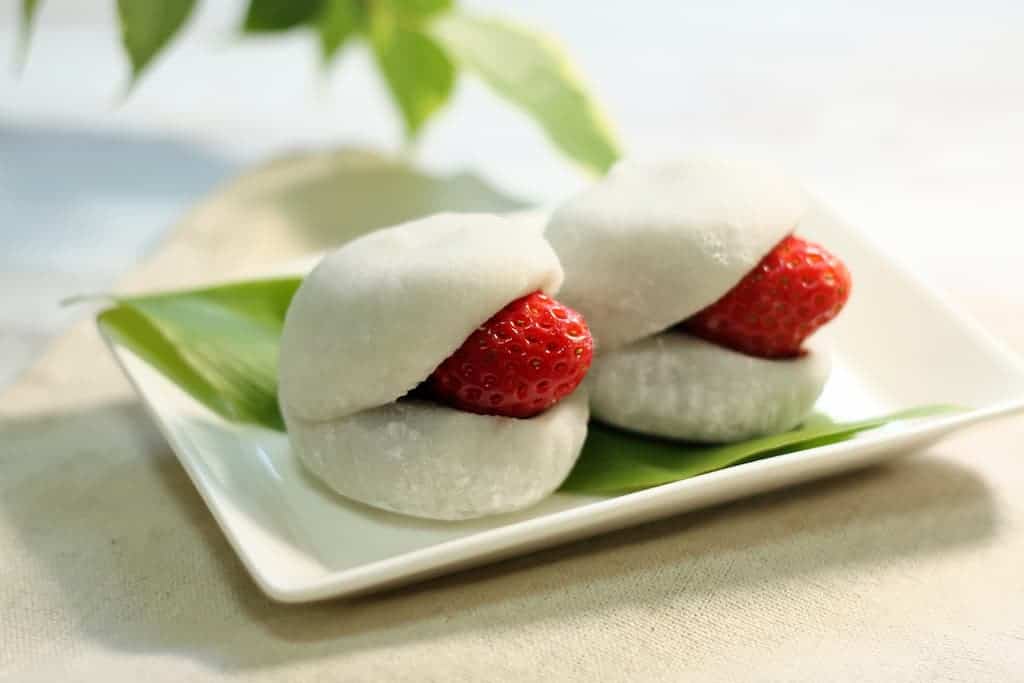
Fruit daifuku (フルーツ大福)
With its colorful appearance and enticing flavors, Fruit Daifuku has garnered attention across social media platforms and beyond. Loved for its vibrant cross-section showcasing juicy fruits, this confection has captivated many. But how d... -
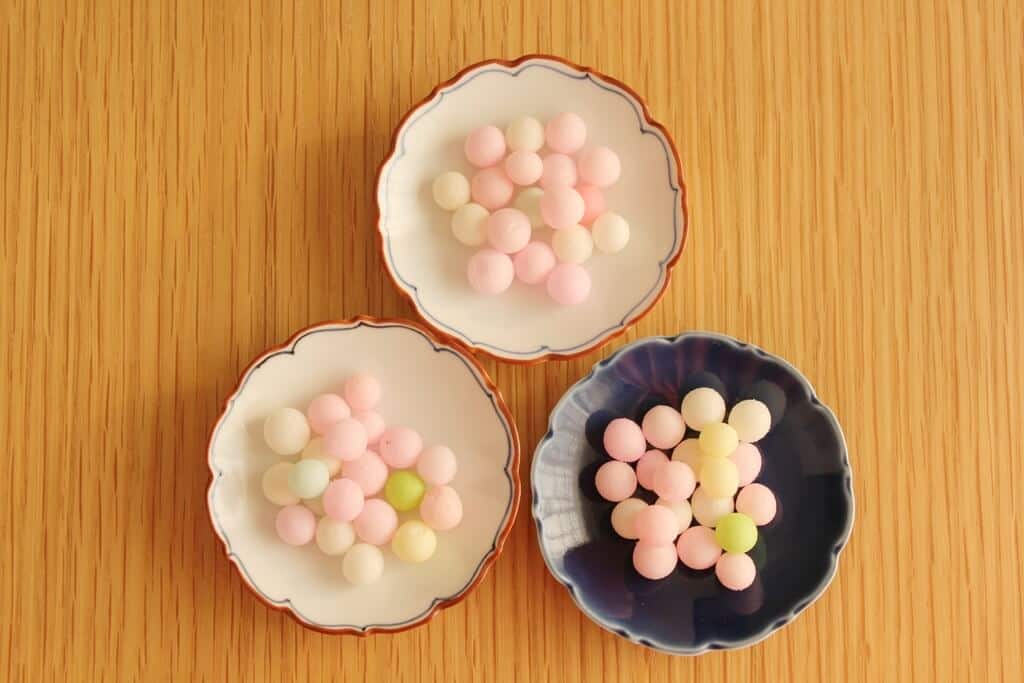
Oiri (おいり)
In Japan, Oiri is a delightful sweet that represents traditional confectionery. It has unique flavors and artistic presentation. This article explores Oiri's origins, varieties, and cultural importance in Japan. This candy is a special s... -
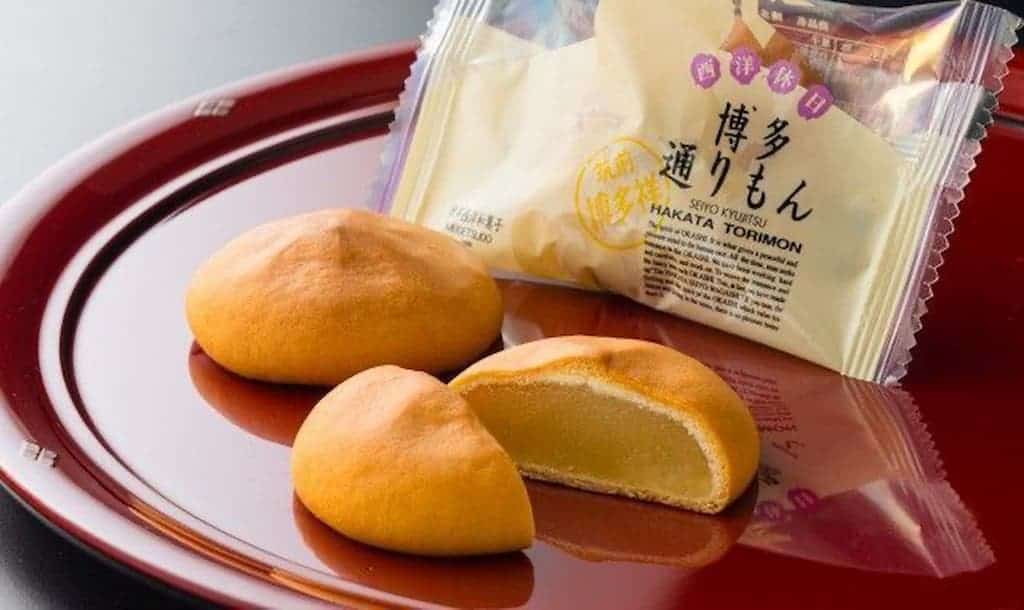

Hakata Torimon ( 博多通りもん)
Hakata, located in Fukuoka Prefecture, is renowned for its culinary delights. Among these, Meigetsudo's "Hakata Torimon" stands out as a cherished symbol from this food-centric town, which is famous for its delicious tonkotsu ramen, ment... -
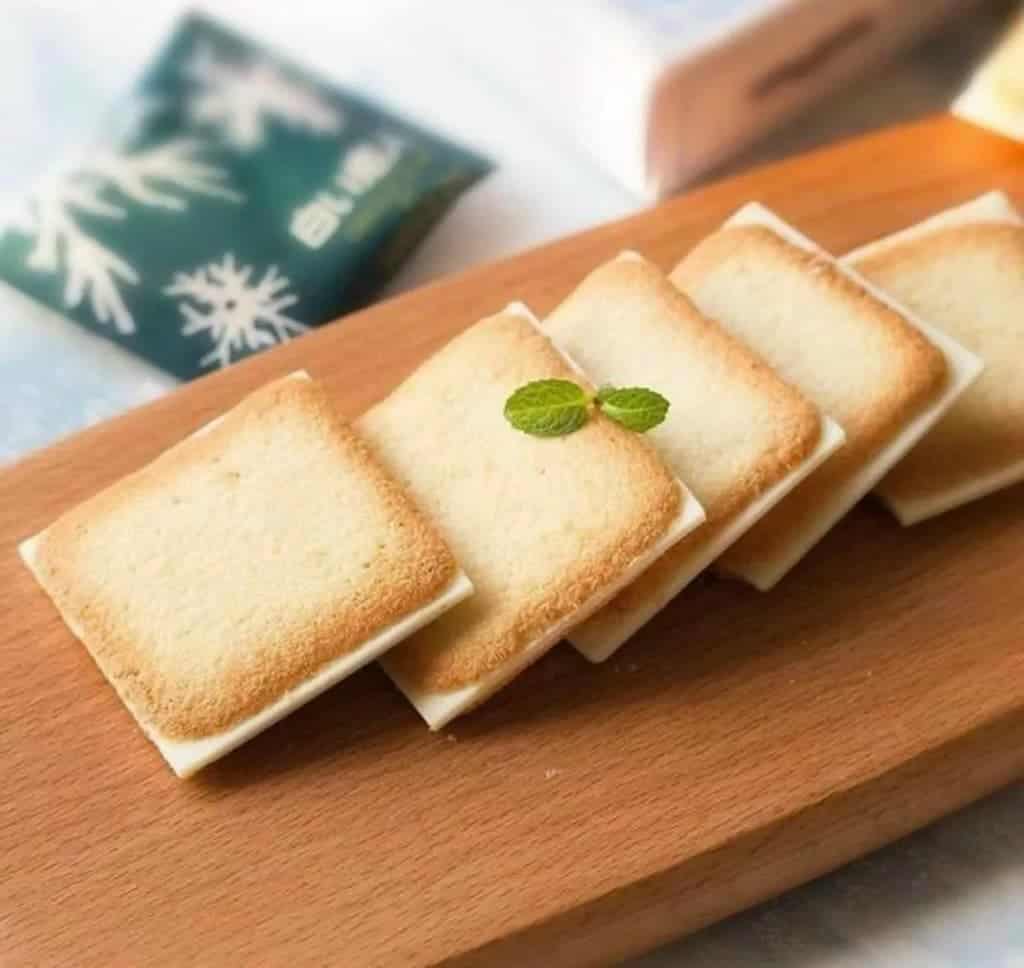

Shiroi koibito (白い恋人)
When you think of Hokkaido souvenirs, there's one that stands out - "Shiroi Koibito." It's a classic, and it's been delighting people for 40 years. In Hokkaido, where souvenirs are big business, this treat makes around 10 billion yen in ... -
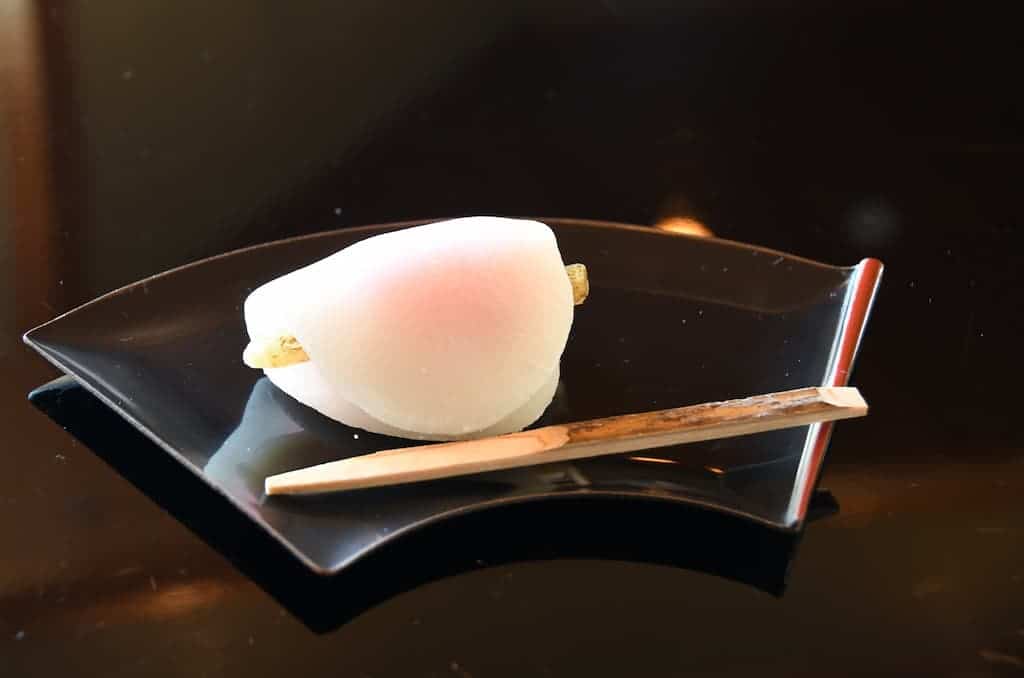
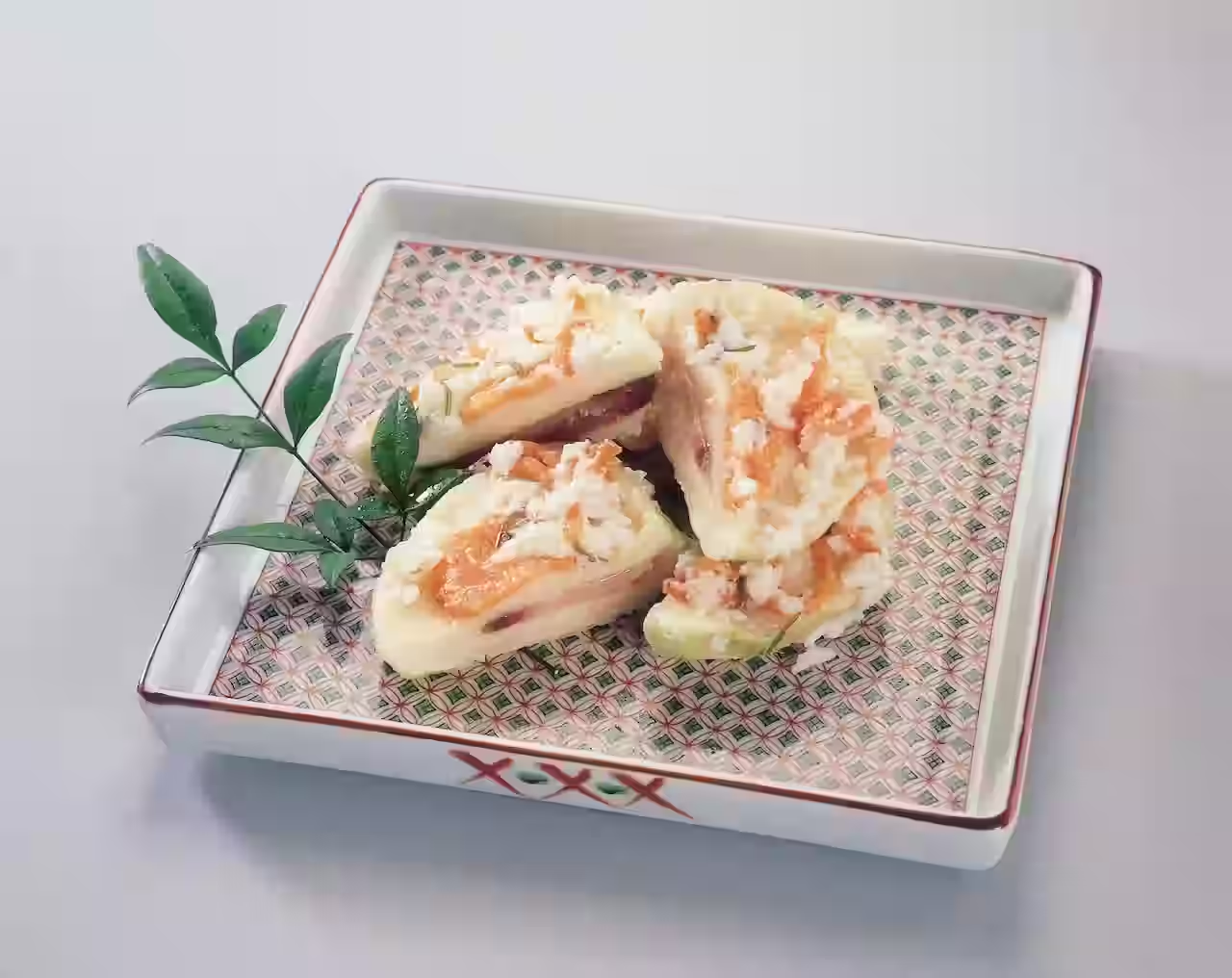
Hanabira mochi (花弁餅)
Japanese sweets often symbolize the seasons with nature-inspired designs. On New Year's Day, stores display sweets featuring zodiac signs and good luck symbols. Among them, "Hanabira Mochi" is a treat associated with New Year's. Despite ...