









Pudding a la mode (プリンアラモード) is more than just a dessert; it is a cherished piece of Japanese cooking history. This famous treat is famous for its beautiful look and rich flavor, capturing the spirit of Yōshoku – Western food adapted for Japanese tastes. It stands as a classic symbol of nostalgia in Japan. This article will explain what makes this sweet so special, its surprising origins after World War II in Yokohama, and where you can find the original version.
What Exactly is Pudding a la mode?
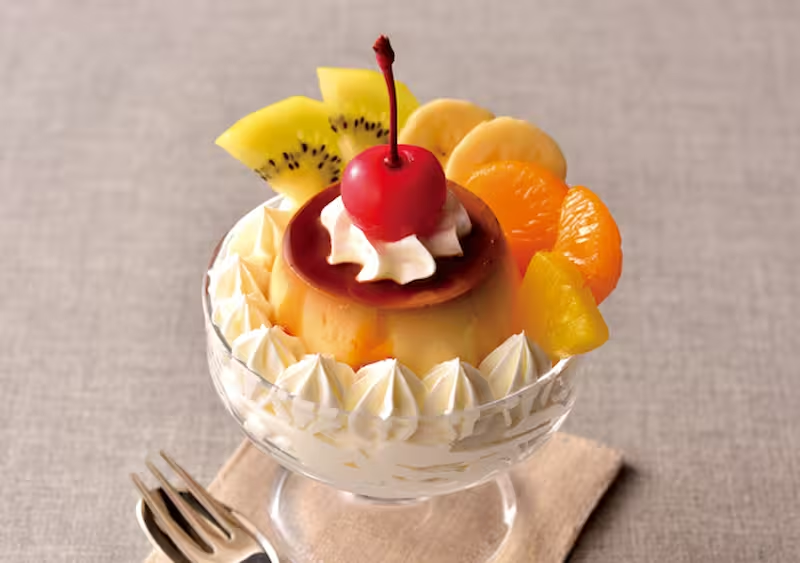
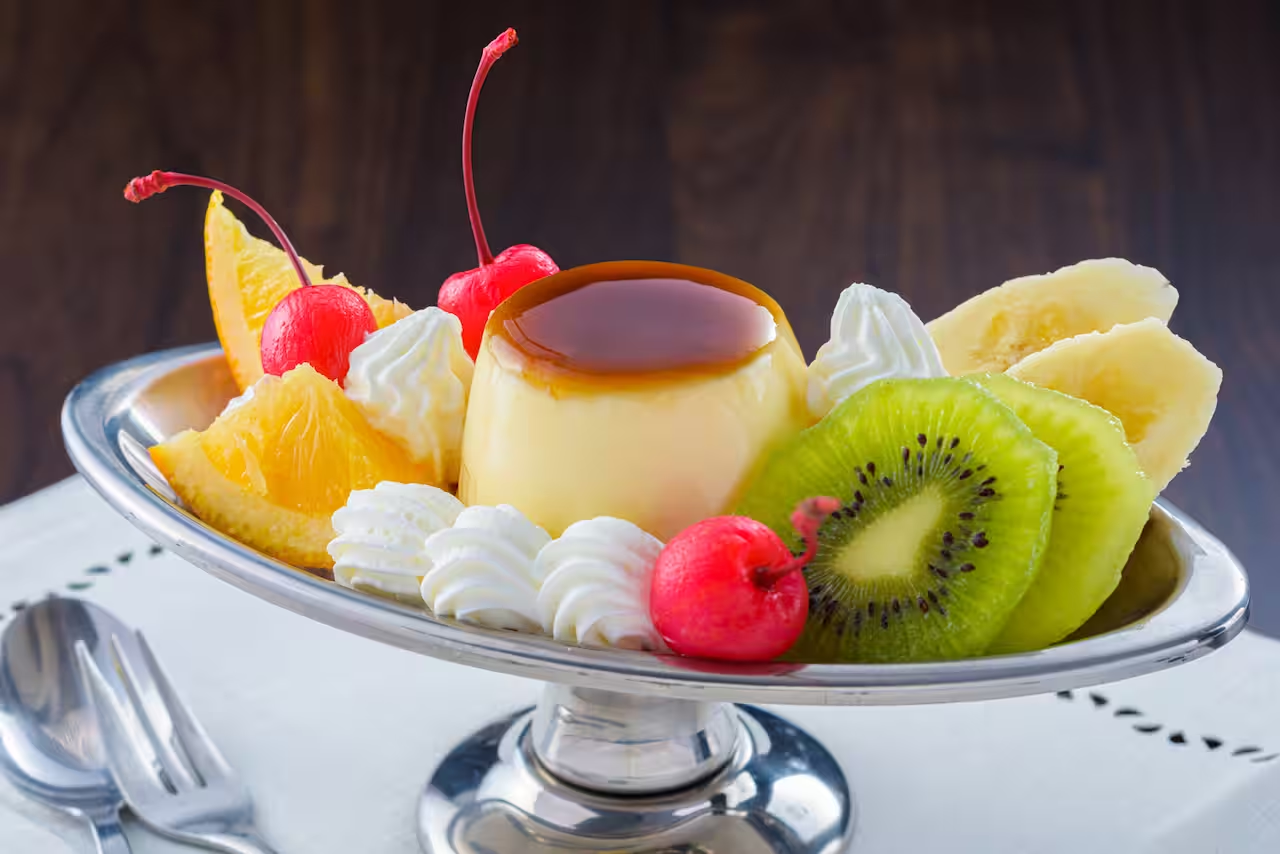
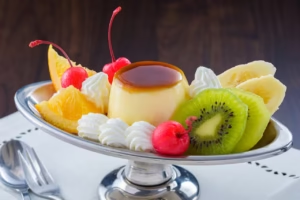
At its heart, Pudding a la mode is built around a smooth, firm custard pudding, known in Japan as purin. However, the dish is much more than a simple custard. It is a visually spectacular assembly, often centered on the pudding and surrounded by cut fruits, a generous scoop of vanilla ice cream, and thick, rich fresh cream. A bright red cherry typically sits on top, completing the classic look. Locals defined this dessert for its careful arrangement, contrasting the smooth texture of the pudding with the vibrant colors of the surrounding ingredients.
The name itself, “a la mode,” comes from a French phrase meaning “refined” or “fashionable,” which highlights the dessert’s elegant look. Traditionally, they also serve the dessert on a wide, horizontal, oval plate, designed to maximize the display area for the decorative fruit and cream.
Why the Dark Caramel adds a Savory Secret
Pudding a la mode is a nostalgic masterpiece. While it looks like a Western creme caramel, the Japanese version is much more focused on a deep egg flavor. The custard is not just sweet. It has a rich and savory backbone because of the high egg yolk content. The real magic is in the caramel sauce. It is often cooked until it is nearly burnt, which adds a smoky bitterness that cuts through the sugar. This balance of sweet and bitter creates a complex depth that simple dessert puddings usually lack.
Picking Between Firm Retro Style and Light Modern Fruit
You will find two main styles when ordering this treat. The retro Showa version uses a very firm pudding that stands tall and is surrounded by canned cherries and heavy whipped cream. It is quite high in sugar and calories because of the syrups used. The modern cafe version often features a softer pudding and a mountain of fresh seasonal fruits like melon or strawberries. This modern style is a bit lighter on the stomach and feels more natural. While the retro version is a sugary nostalgia trip, the modern one focuses on the fresh juice of the fruit.
Smooth Silkiness of Custard Meeting Cold Cream
The physical experience of eating this dessert is all about the layers. Unlike the shaky and watery puddings found in stores, this version is dense and smooth. It feels like silk on your tongue but has enough body to hold its shape against a spoon. When you combine it with the cold crunch of an apple slice or the airy melt of whipped cream, the textures dance together. As the ice cream on the side starts to melt, it turns into a thick and cool sauce that wraps around the firm custard, making every bite feel incredibly lush.
A Post-War Creation – History of Pudding a la mode
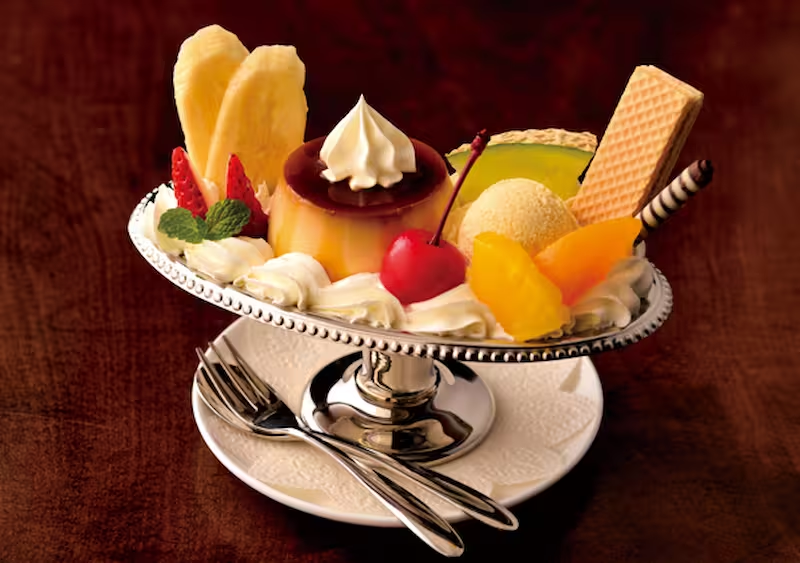
The specific origin of Pudding a la mode goes back to the difficult years immediately following World War II in Japan. The dish was first created at the historic Hotel New Grand in Yokohama City. At the time of its invention, the General Headquarters of the Allied Powers used this hotel as quarters.
Created for American Tastes
The hotel specifically invented the dessert to appeal to American officers’ wives, who desired elaborate, labor-intensive Western-style sweets. The chefs carefully planned the presentation, featuring fruits (often those the American military imported) cut into precise, artistic shapes. For example, they initially cut apples using an intricate method called the “arrow cut.” The American patrons praised this delicate artistry as “a la mode,” which secured the dessert’s name.
The Distinctive Colton Dish
The hotel served the dish in a special horizontal glass vessel called a “Colton dish.” Originally, chefs designed this vessel for appetizers like shrimp salad. The dessert needed to hold pudding, ice cream, and fruits to satisfy American tastes for generous portions. A regular dessert plate proved inadequate, so they adopted this distinctive serving style. Hotel New Grand still uses this unique presentation vessel today. It has become an iconic element of the dessert’s identity.
Hotel New Grand’s Historic Role
Hotel New Grand opened in 1927 as a first-class establishment serving international guests. The hotel played a significant role in introducing Western cuisine to Japan. After World War II, General MacArthur stayed at the hotel for three days after arriving at Atsugi Air Base. The hotel subsequently served as quarters for high-ranking officers and their families for approximately seven years.

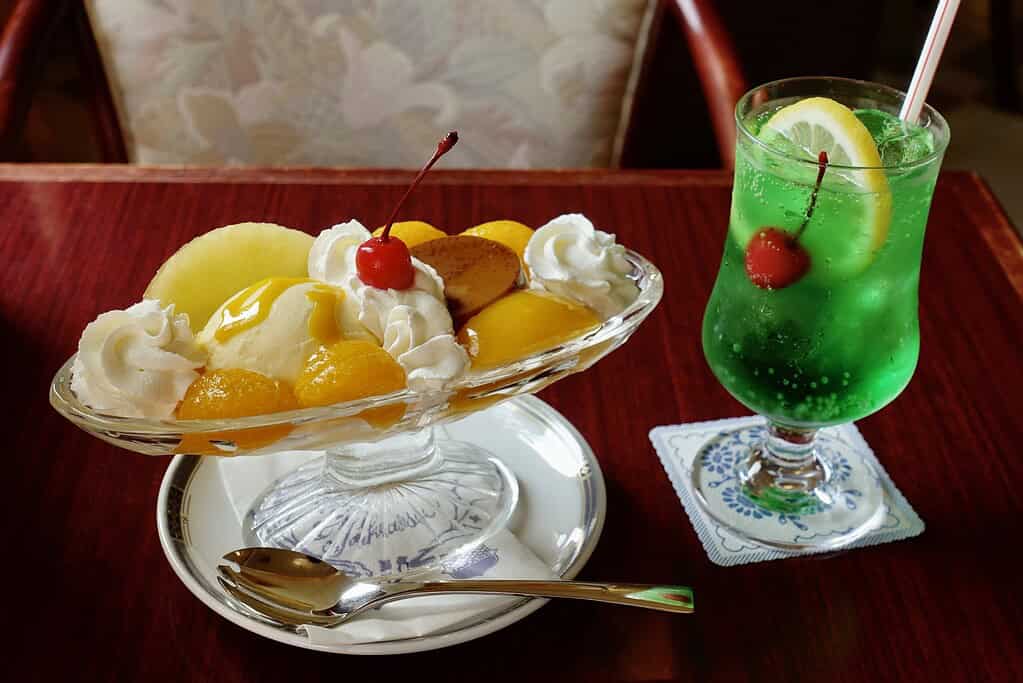
cream soda.
Legacy and Continuation
The dessert became common at countless Japanese coffee shops (kissaten). However, its meticulous preparation required significant effort. Few establishments could replicate the original’s elegance and attention to detail. Today, Hotel New Grand’s Coffee House “The Café” continues to serve the authentic Pudding a la mode. The café maintains the same presentation style and recipe. This traditional approach has delighted generations of visitors.
The Home of the Original Pudding a la mode
Coffee House The Cafe (コーヒーハウス ザ・カフェ)
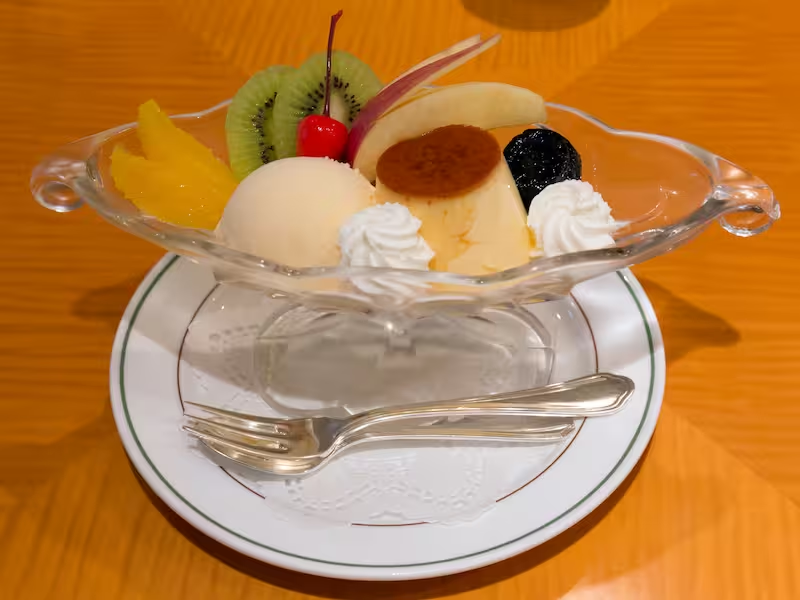
To experience the true heritage of this dessert, visitors seek out its birthplace at the Hotel New Grand. The hotel’s comfortable dining spot, Coffee House The Cafe, continues to serve its famous version. Furthermore, the version offered today stays true to the dish’s original post-war beauty, featuring the distinct custard pudding surrounded by brightly arranged fresh fruits and a generous topping of cream.
Shiseido Parlour — Salon de Cafe (資生堂パーラー)
Shiseido Parlour’s classic Pudding à la Mode features a rich, egg-forward custard pudding with a gently bitter caramel sauce, beautifully arranged seasonal fruits, and house-made vanilla ice cream. Renowned for its elegant presentation and consistently refined taste, it has long been a signature dessert of the café.
Parkside Diner — Imperial Hotel Tokyo (パークサイドダイナー)
At Parkside Diner on the first floor of the Imperial Hotel Tokyo, guests can enjoy a refined Pudding à la Mode made with carefully prepared custard pudding and an abundant selection of seasonal fruits. Offered seasonally or in limited quantities, this dessert reflects the Imperial Hotel’s classic Western-style hospitality and attention to detail.
Final Thoughts
Pudding a la mode demonstrates the sophistication of Japanese culinary adaptation. It transforms a simple custard into an intricate and celebratory dish. The dessert captures a significant moment in Japan’s history. It represents the nation’s post-war recovery. It also shows Japan’s ongoing ability to blend Western concepts with careful local preparation.The dish’s lasting appeal demonstrates its status as a beautiful, delicious piece of edible nostalgia.
If the visual appeal and careful preparation of Pudding a la mode captured your interest, we recommend exploring other Japanese classic sweets.
Comments