



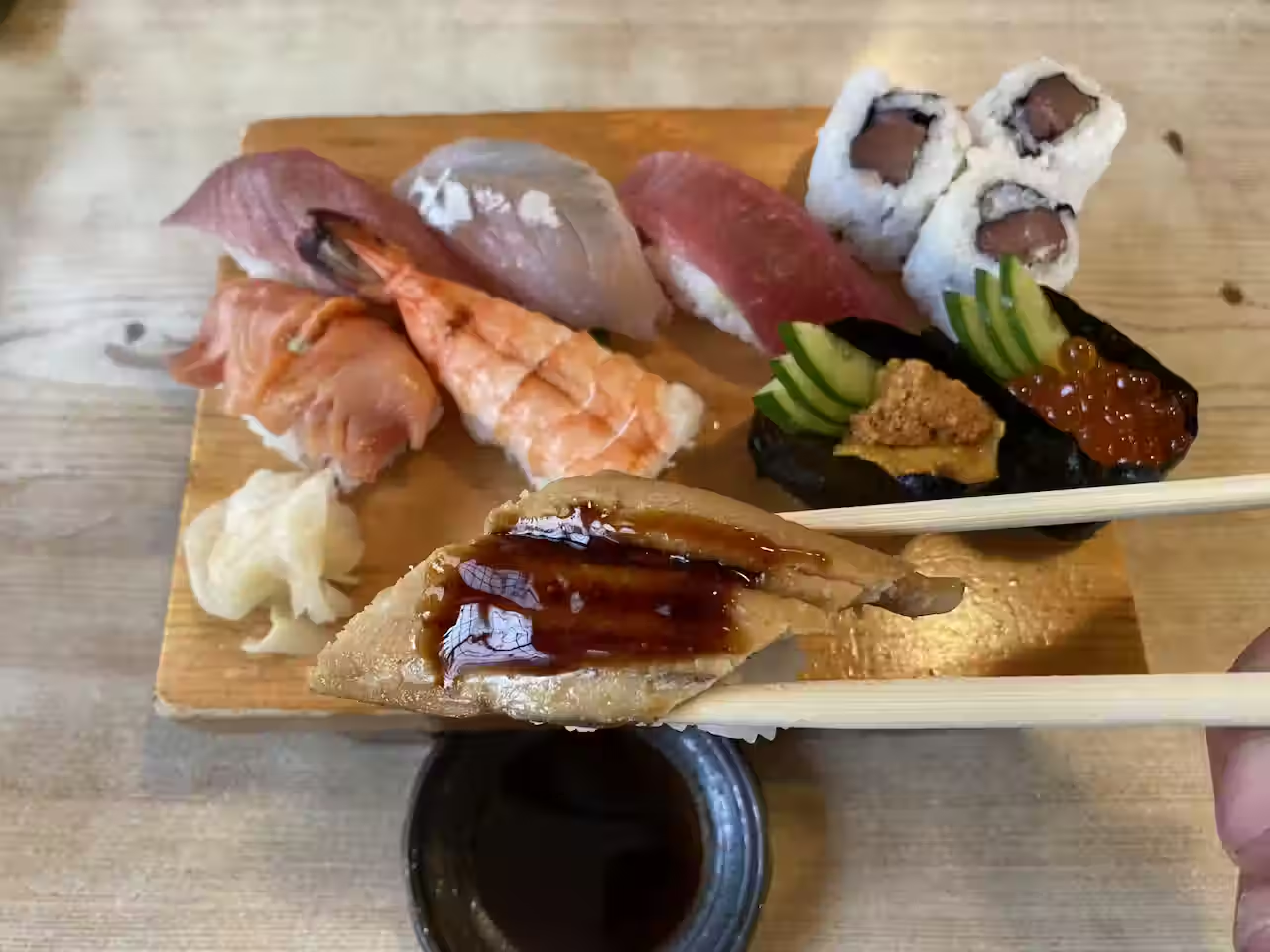
What Is Edomae Sushi? (Quick Answer)
Edomae sushi (江戸前寿司) is the traditional Tokyo-style sushi that originated in Edo — the former name of Tokyo — during the early 19th century. Unlike the mass-produced sushi widely available today, authentic Edomae sushi centers on two core principles: vinegar-seasoned rice made with sake lees (red vinegar), and fresh seafood that chefs carefully prepare using time-honored techniques such as marinating, curing, and simmering.
If you have ever wondered what makes traditional Japanese sushi different from what you find at a conveyor-belt restaurant, Edomae sushi is the answer. It represents the highest form of sushi craftsmanship — a practice where every grain of rice and every piece of fish is treated with deliberate care. Also check out Bekko sushi.
The Origins of Edomae Sushi
The history of Edomae sushi traces back to the Bunsei era (1818–1830), when a chef named Hanaya Yohei is widely credited with popularizing the style of sushi we now associate with authentic Japanese sushi. He served nigiri sushi from an outdoor stall along the Sumida River in Edo (present-day Tokyo), at a time when the city was a thriving urban center with a fast-paced lifestyle.
The name “Edomae” literally means “in front of Edo” — a reference to the fish and shellfish harvested from Edo Bay (Tokyo Bay), which supplied the fresh seafood used in these early sushi stalls. In other words, traditional sushi from Tokyo was, from the very beginning, a cuisine defined by its local ingredients and its city.
Edomae sushi began as street food — the fast food of the Edo period (1603–1868). Alongside tempura, soba, and grilled eel, it was one of the iconic quick meals that fueled the busy lives of Edo townspeople. Edo cuisine in general was known for being bolder and saltier than food from other regions of Japan, and this character is still reflected in the assertive flavors of authentic Edomae sushi today.
Before the concept of sushi as we know it emerged, fermented fish preserved in rice (called narezushi) had been consumed in Japan since around the 9th century. The Edomae style — fresh fish pressed onto hand-formed rice — was a revolutionary departure from this older method, and it became the template for modern nigiri sushi around the world.
Key Characteristics of Edomae Sushi
Use of Fresh Seafood from Tokyo Bay (Historically)
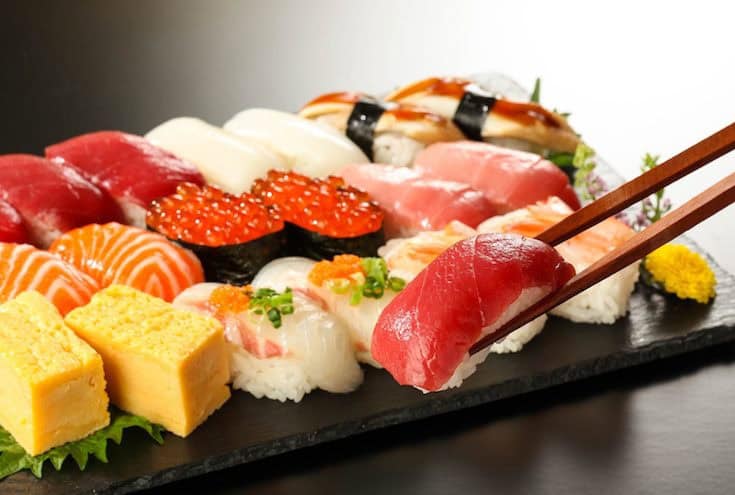
Historically, Edomae sushi relied exclusively on Tokyo Bay seafood — fish, shellfish, and crustaceans caught just offshore from the city. This local sourcing gave the cuisine its name and its identity. Today, while the diversity of available seafood has expanded enormously, the best Edomae sushi restaurants still prioritize seasonality and provenance when selecting their ingredients.
Preparation Techniques (Marinating, Simmering, Curing)
One of the most distinctive aspects of Edomae sushi craftsmanship is that the fish is rarely served completely untreated. Before refrigeration existed, Edomae sushi chefs developed sophisticated preparation techniques to both preserve seafood and enhance its flavor:
- Zuke (漬け) — marinating fish such as tuna in soy sauce and mirin to deepen flavor and extend freshness.
- Shime (締め) — curing fish such as kohada or mackerel in salt and rice vinegar to firm the texture and add brightness.
- Ni (煮) — simmering ingredients like anago (conger eel) or octopus in a sweet soy-based broth until tender and glazed.
These techniques are the heart of Edomae sushi craftsmanship. They transform raw ingredients into something far more complex — and they are what separate a skilled Edomae sushi chef from a general sushi maker.
Balance Between Rice and Toppings
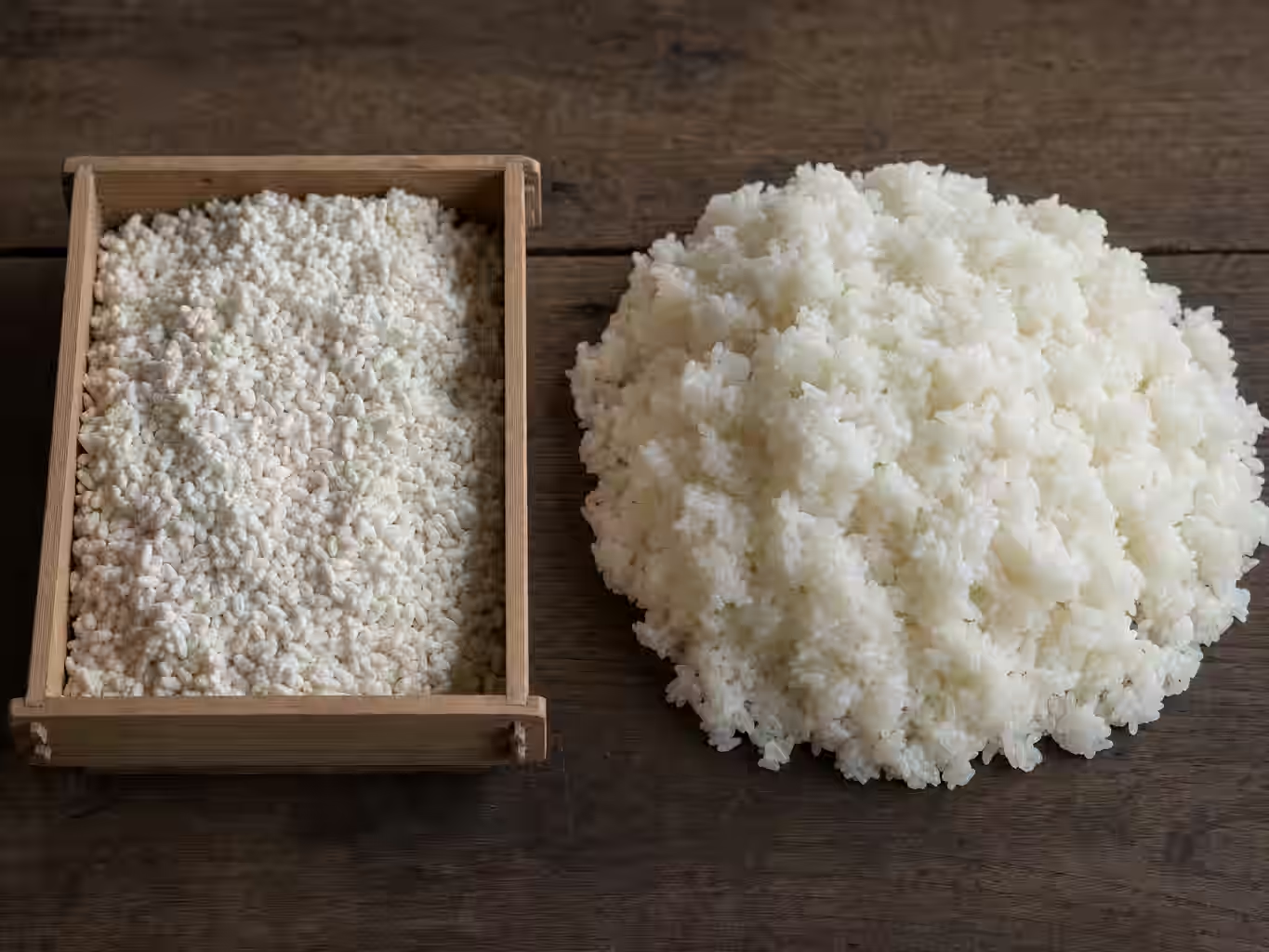
In authentic Edomae sushi, chefs regard the vinegar-seasoned rice (shari) as just as important as the fish. Traditional Edomae shari uses akazu — red vinegar made from sake lees rather than plain rice vinegar — for its seasoning. This gives the rice a reddish-brown color, a deeper umami flavor, and a subtle malty aroma. Because red vinegar is already rich in umami, chefs need less sugar and salt, which allows the natural flavor of the fish to come through more clearly.
Chefs serve the rice warm, not cold. They press the grains lightly so they hold their shape but fall apart gently in the mouth. The chef carefully considers the ratio of rice to topping, the temperature, and the texture — this is what gives Edomae nigiri its signature mouthfeel.
Edomae Sushi vs. Modern Sushi: What’s the Difference?
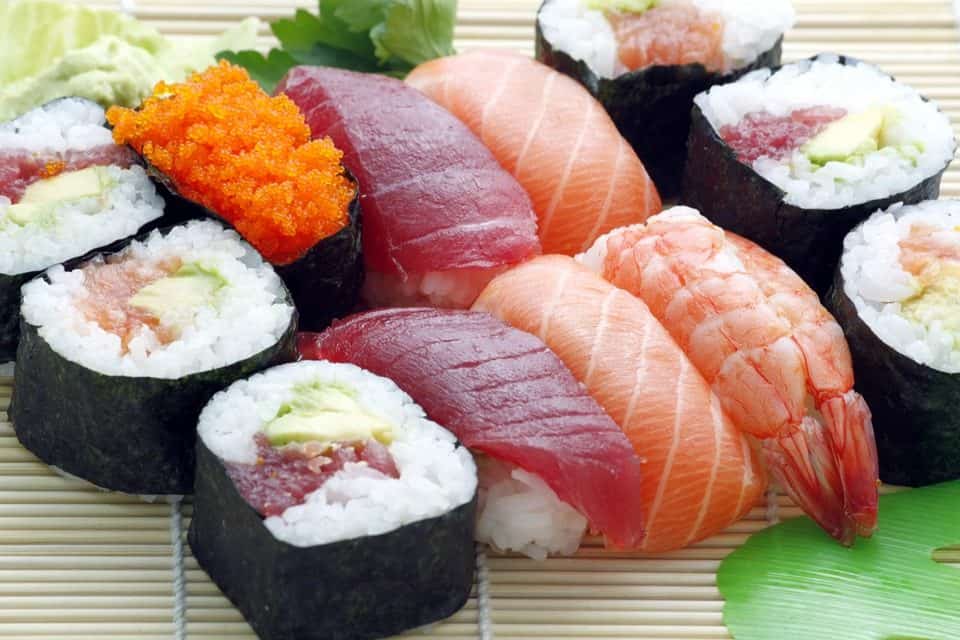
Many people wonder how Edomae sushi is different from regular sushi. The differences go far deeper than just the ingredients.
- Preparation philosophy: Edomae sushi chefs prepare each topping individually through curing, marinating, or cooking. Modern sushi restaurants more commonly serve fish raw and untreated.
- Rice seasoning: Authentic Edomae sushi uses sake-lees red vinegar for a bold, umami-rich shari. Most modern sushi uses white rice vinegar, which produces a milder, more neutral taste.
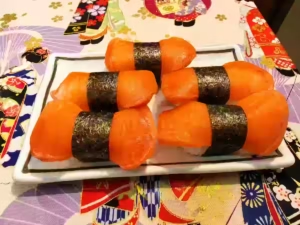
- Toppings: Traditional Edomae neta focus on fish native to Tokyo Bay — such as kohada, anago, and hamaguri (clams). Salmon, now one of the most popular sushi toppings worldwide, was not part of original Edomae sushi and only became common in Japan during the 1980s.
- Seasoning at the counter: In Edomae sushi, the chef seasons each piece before serving — brushing it with nikiri (a reduced soy sauce), adding a touch of salt, or placing freshly grated wasabi between the rice and fish. Diners are often encouraged to eat the sushi as presented, without dipping in extra soy sauce.
- Setting: Authentic Edomae sushi is almost always served omakase-style at a counter, where the chef hands each piece directly to the diner — very different from conveyor belts or à-la-carte menus at casual restaurants.
It is estimated that there are only around 30 truly authentic Edomae-style restaurants remaining in Tokyo today. Because there is no official government certification for the style, the term “Edomae” can be interpreted differently depending on the restaurant.
Typical Edomae Sushi Toppings (Neta)
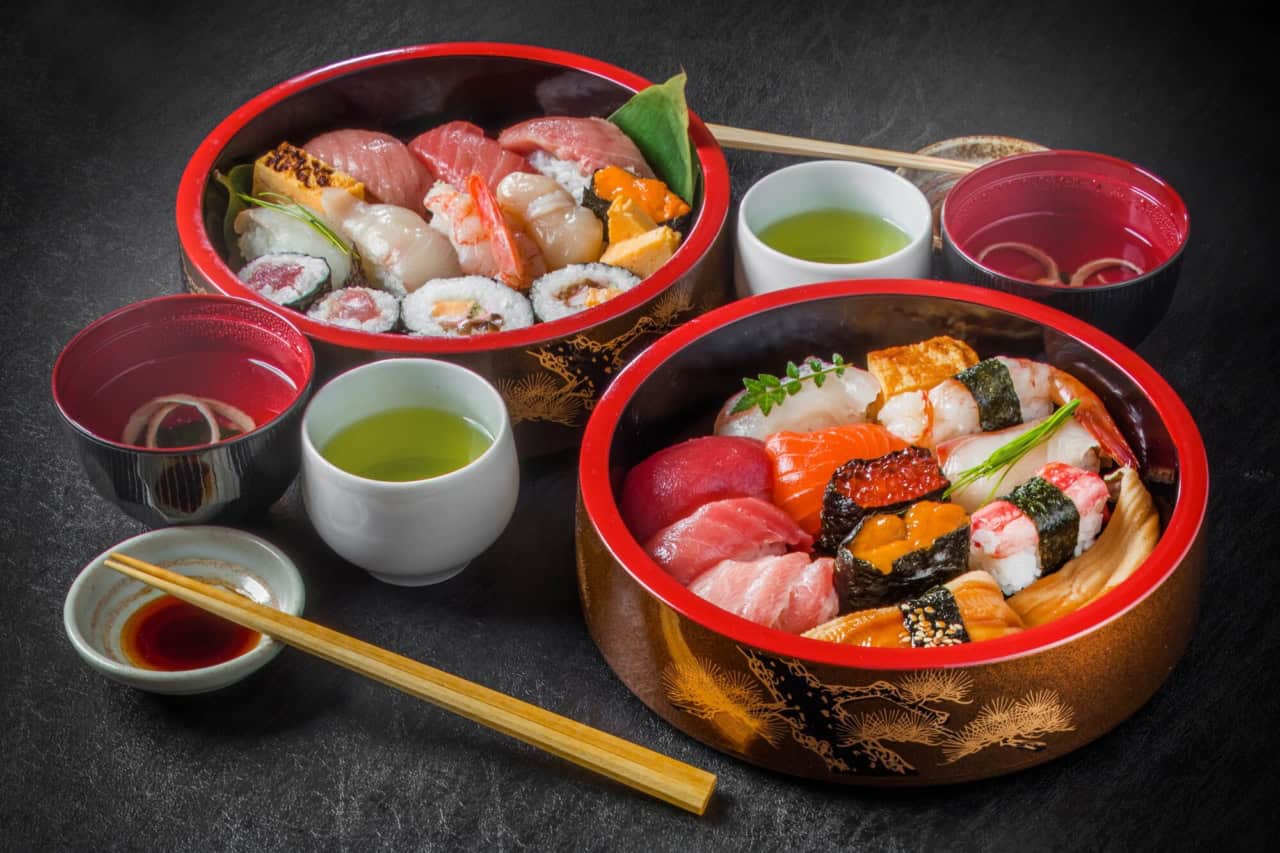
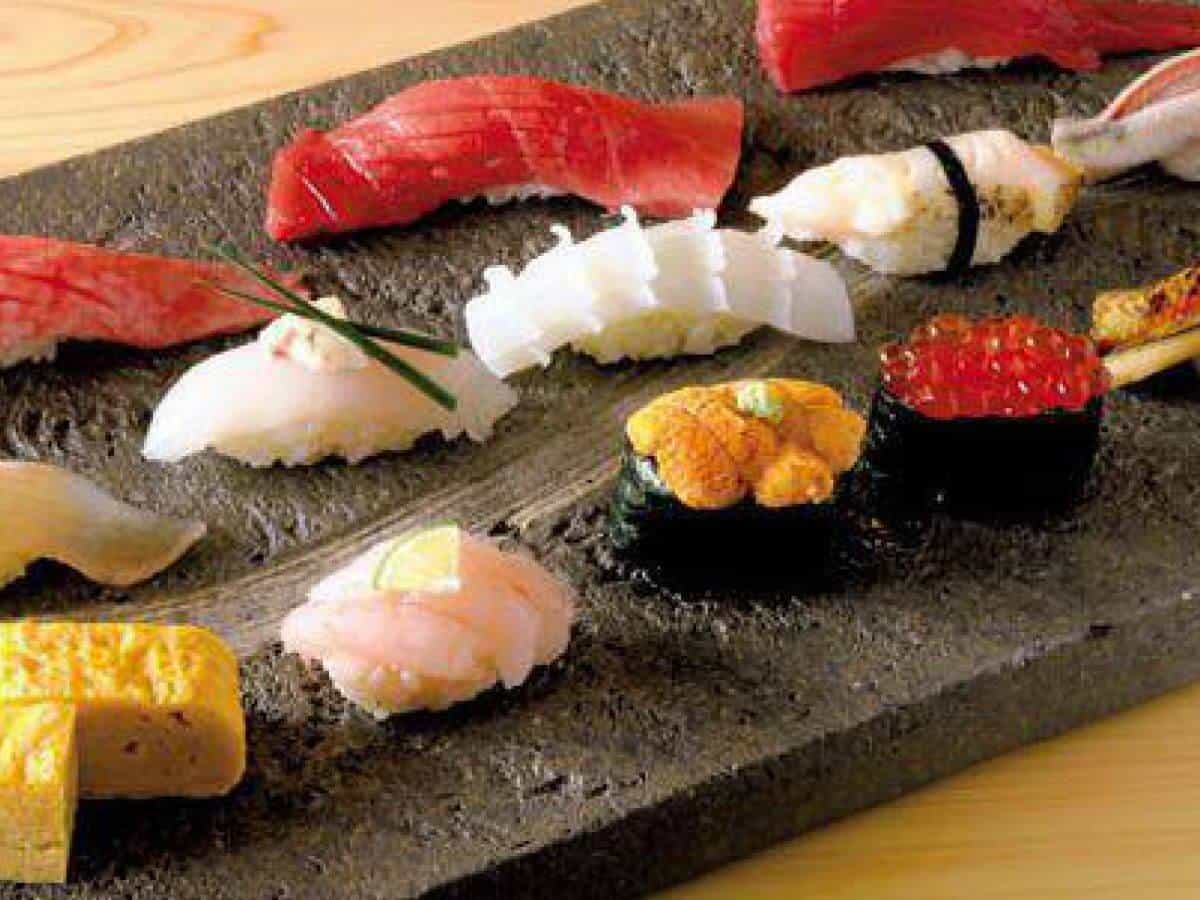
What makes Edomae sushi special is not just the rice — it is how each topping is chosen and prepared to highlight the character of that specific fish or ingredient. Here are the most representative neta in the Edomae tradition.
Maguro (Tuna)
Tuna is the flagship topping of Edomae sushi. Traditionally, chefs served it as zuke — slices marinated in soy sauce and mirin — rather than completely raw. Sushi masters developed this method to preserve the fish before refrigeration existed, but it also concentrates the tuna’s savory, iron-rich flavor in a way that plain raw tuna cannot match.
Kohada (Gizzard Shad)
Many Edomae chefs consider kohada the true test of a restaurant’s skill. Chefs cure this small, oily fish from Tokyo Bay in salt and rice vinegar (shime), a process that requires precise timing to achieve the right balance of firmness and acidity. If the kohada is well-made, the rest of the menu is likely excellent too.
Anago (Conger Eel)
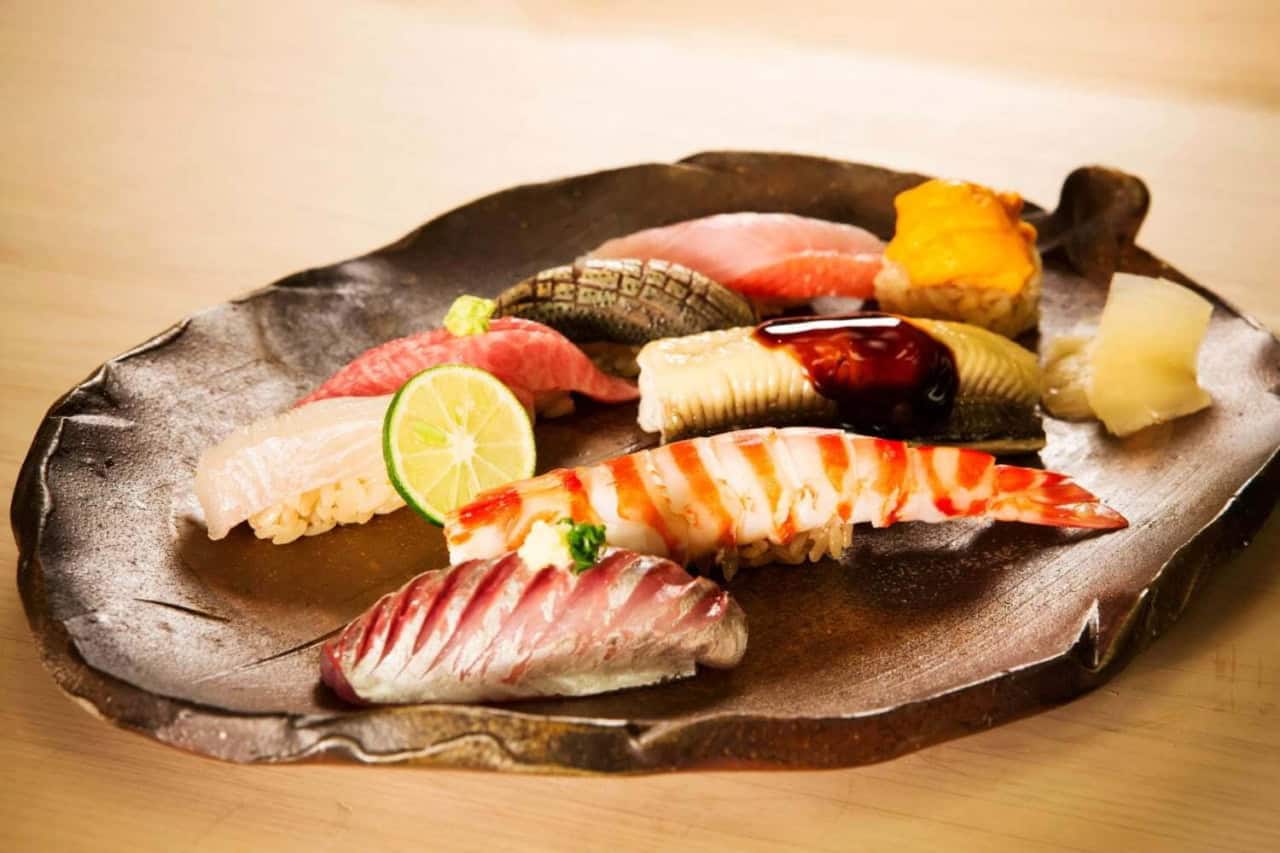
Unlike unagi (freshwater eel), anago is a saltwater eel historically caught in Tokyo Bay. In Edomae sushi, chefs simmer it slowly in a sweet soy broth until tender and glossy, then brush it with a concentrated glaze before serving. The result is sweet, delicate, and entirely different from raw fish.
Ebi (Shrimp)
In traditional Edomae preparation, chefs lightly boil and butterfly the shrimp to create the elegant curved shape seen at the counter. Its gentle sweetness pairs beautifully with the bold red vinegar rice, and it stands as one of the most visually iconic pieces in authentic Edomae nigiri.
TASTE & HOW TO EAT
No Single Right Way
There is no single correct way to eat Edomae sushi. Both fingers and chopsticks are acceptable. Many experienced diners prefer using their fingers. This gives better control over the nigiri’s delicate structure. It also avoids breaking the rice apart.
Trust the Chef’s Seasoning
Edomae sushi is already seasoned at the counter. Chefs apply nikiri sauce, salt, or freshly grated wasabi to each piece. Each piece is typically complete as served. Eat the first piece without soy sauce to experience the chef’s intended flavor. If a piece needs more seasoning, a light dip is fine. Always dip the fish side, not the rice side. Dipping the rice side risks breaking the nigiri apart.
Bold Flavors Already Built In
The taste of Edomae sushi is assertive and layered. The fish is often aged or cured, which concentrates its natural flavors. You might notice a richness more pronounced than fresh, raw fish. This aging also transforms the texture, making it slightly firmer and bringing out deep umami notes.
The red rice (akashari) has a strong, earthy flavor. Chefs season it with red vinegar made from sake lees. This gives it a darker color and a robust, tangy taste. This boldness pairs exceptionally well with oily fish like toro or mackerel. The acidic rice cuts through the richness. It leaves a smooth, lingering aftertaste.
Texture and Aroma Working Together
The rice is warm, not cold. The grains are tender but distinct. Fish textures vary widely across different pieces. Some are buttery and melt on the tongue. Others have a pleasant chewiness that slowly releases flavor. The aroma is subtle but complex. Red vinegar brings a malty, sake-like fragrance. The fish carries its own ocean-fresh scent. Its preparation adds further aromatic notes. A hint of sharp wasabi rounds it all out.
The Role of Gari (Pickled Ginger)
Gari is a palate cleanser, not a topping. Eat a small amount between different pieces of sushi to reset your taste buds and prepare for the next flavor. Eating gari alongside a piece of sushi, or placing it on top, is not the intended way to use it.
WHERE TO FIND EDOMAE SUSHI
Tokyo is the undisputed home of Edomae sushi. Authentic Tokyo-style sushi — with red vinegar rice and traditionally prepared toppings — is concentrated in neighborhoods such as Ginza, Tsukiji, Nihonbashi, and Kanda. Below are some well-known restaurants where you can experience traditional Edomae sushi.
Beginner tip: If you are new to Edomae sushi, a casual lunch counter in Tsukiji or Nihonbashi is a great starting point. High-end omakase counters are best enjoyed after you have developed some familiarity with the flavors and etiquette.
Tsukiji Kagura Sushi
Bentenyama Miyakozushi
Shinbashi Shimizu
Sushi Masuda
Sukiyabashi Jiro
Edomae Sushi and Edo Period Fast Food Culture
Edomae sushi is a product of Edo culture, which flourished when ordinary townspeople gained the freedom to run their own businesses. Other famous fast foods from the Edo period (1603–1868) that share this street-food heritage include tempura (Edomae Tempura), soba (Edomae Soba), and grilled eel. Edo cuisine as a whole was saltier and more robust than food from other parts of Japan — a character still present in authentic Edomae sushi today.
With the development of refrigeration technology, Edomae-style sushi was no longer limited to cities near fishing ports like Edo. It spread across Japan and eventually around the world — though the original techniques and philosophy are best preserved at traditional counter restaurants in Tokyo.
HOW TO STORE LEFTOVER EDOMAE SUSHI
Edomae sushi is at its absolute best when eaten immediately after preparation. If you have leftovers, follow these steps to preserve freshness as much as possible.
- Wrap individual pieces tightly in plastic wrap to prevent the rice from drying out, then place them in an airtight container.
- Store in the refrigerator and consume within 24 hours.
- To restore the rice texture, microwave briefly at low power (500W for around 20–30 seconds). Note that this will slightly cook the fish — if you prefer to keep the fish raw, let the sushi return to room temperature naturally instead.
FREQUENTLY ASKED QUESTIONS
What is Edomae sushi and how is it different from regular sushi?
Edomae sushi is the original Tokyo-style nigiri sushi, developed in the early 19th century. It differs from modern sushi primarily in its rice (seasoned with sake-lees red vinegar rather than white rice vinegar) and in its preparation techniques — each topping is individually marinated, cured, or cooked before serving, rather than simply sliced raw.
Why is Edomae sushi considered authentic Japanese sushi?
Edomae sushi is the original form of nigiri sushi, and its techniques represent the foundation from which virtually all modern sushi developed. It is the closest living link to how sushi was made at the height of Edo culinary culture in 19th-century Tokyo.
How do you eat sushi after it’s been refrigerated?
You can reheat cold sushi for 20–30 seconds in a 500-watt microwave to bring the rice back to room temperature. The raw fish may cook slightly, but the overall flavor will be noticeably better than eating cold, firm rice.
How do you know if sushi is bad?
Press the fish gently with the tip of your finger. Fresh fish should spring back without leaving an indent. If a dent remains, the fish may no longer be at peak freshness. Also check for any sour or off-putting odor, which is a clear sign the sushi should not be eaten.
Why does my sushi rice taste bitter?
Bitterness in sushi rice can result from contact with reactive metal utensils or an imbalance in seasoning. Red vinegar shari has a more assertive, earthy flavor than white vinegar rice — which first-time diners may initially perceive as bitter. This boldness is an intentional characteristic of the Edomae style, not a flaw.
FINAL THOUGHTS
In a world where sushi has gone global — served on conveyor belts and topped with everything from avocado to cream cheese — Edomae sushi stands as a reminder of what authentic Japanese sushi originally was: a precise, deeply considered craft built around the natural flavors of fish and vinegar-seasoned rice.
Whether you are visiting Tokyo for the first time or returning for the tenth, sitting at an Edomae sushi counter is one of the most authentic food experiences the city has to offer. Start with a casual spot in Tsukiji, let the chef guide you through the menu, and eat each piece as it is served — without overthinking it. That is what Edomae sushi has always been about: simplicity, skill, and flavor that speaks for itself.
Have we missed something about Edomae sushi? Let us know in the comments section below and we will update the article.




Comments